
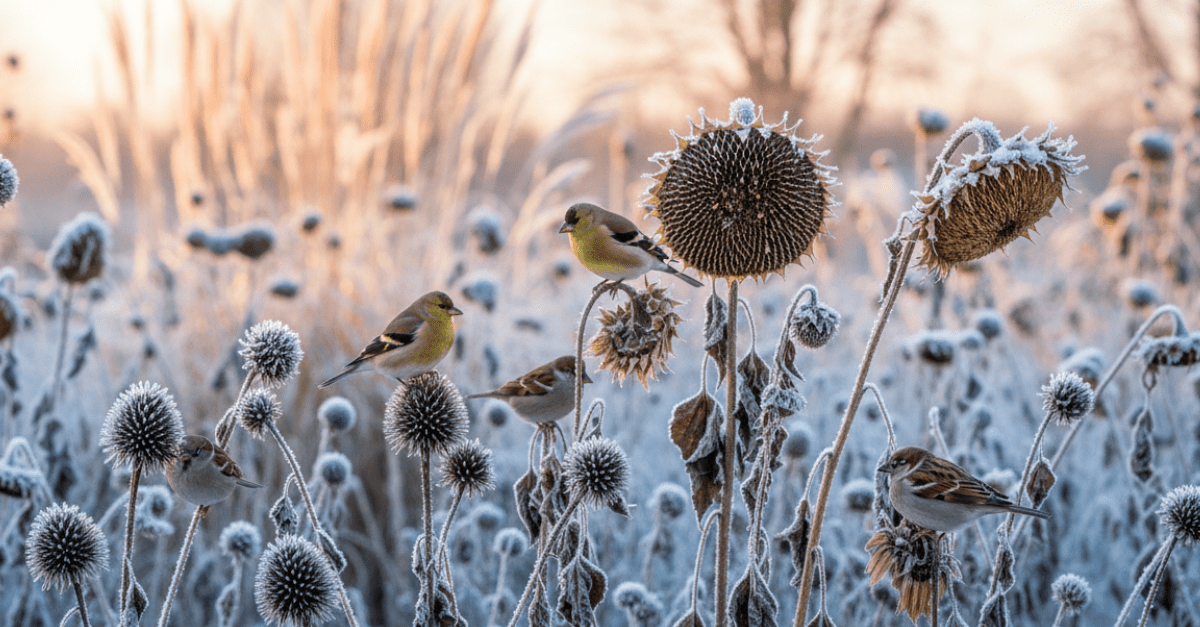
I always let a corner of my garden go a little wild for the birds. Leaving seed heads and stems standing gives food and shelter through cold months. It also makes your plot a little theater of life when snow is quiet and bright. Here’s how to do it thoughtfully so you help birds and keep your garden tidy.
Why Leave Plants Standing?
Those crunchy, papery seedheads are nature’s larder. Goldfinches, sparrows, juncos, and chickadees glean seeds from cones and sunflower heads when other food is scarce. Tall stems and native grasses offer perching, shelter from wind, and hiding places for small flocks — an often overlooked but vital winter lifeline. Beyond feeding, dried seedheads and stems provide nesting fibers for spring and habitat for overwintering insects which birds feed on come early spring.
Plants Worth Leaving (and What Birds They Help)
1. Coneflowers (Echinacea): Winter Favorites for Goldfinches
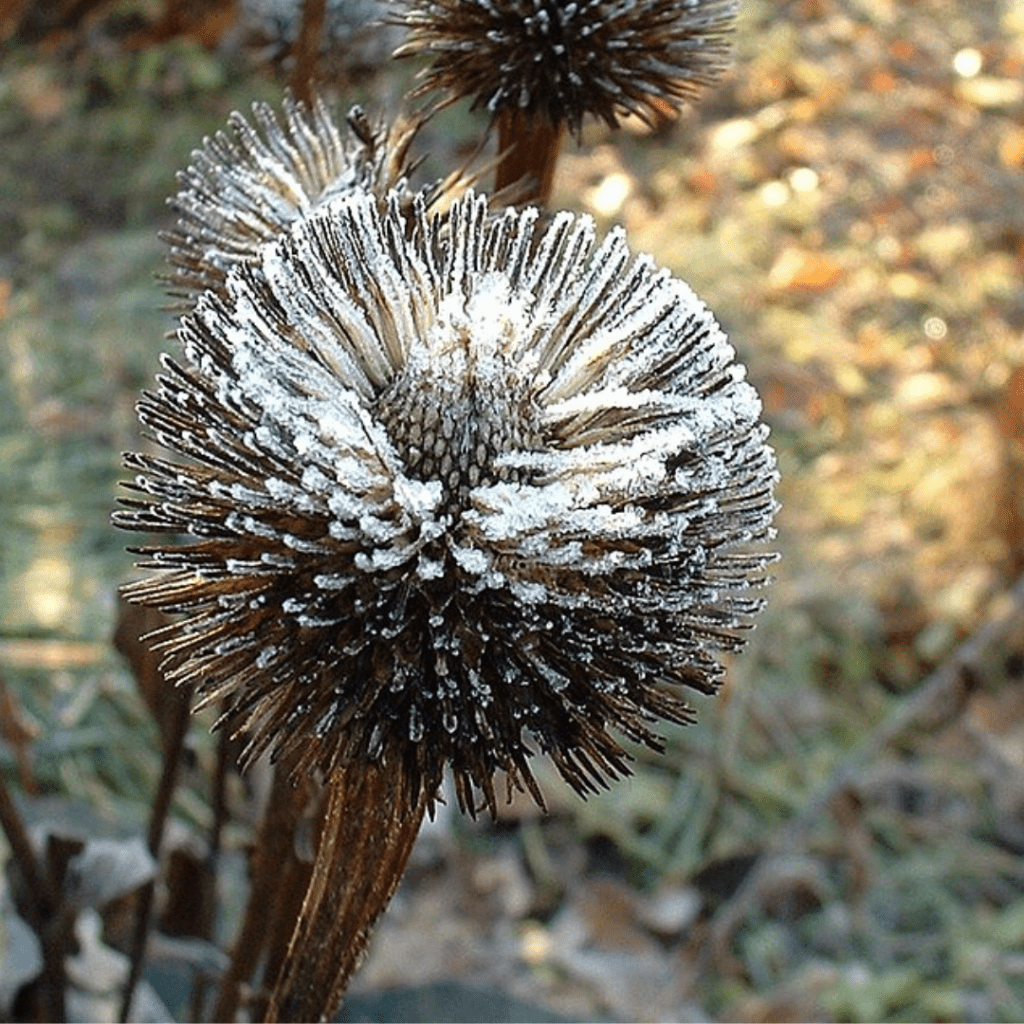


Their big seed cones are a winter favorite for goldfinches and siskins. Leave the stalks upright so birds can clamber around each head. The sturdy central cone holds hundreds of nutritious seeds that remain accessible even after frost and light snow. Coneflowers are native to North America and provide reliable winter forage when other food sources have been depleted.
2. Black-Eyed Susans (Rudbeckia): Cheery Structure for Finches
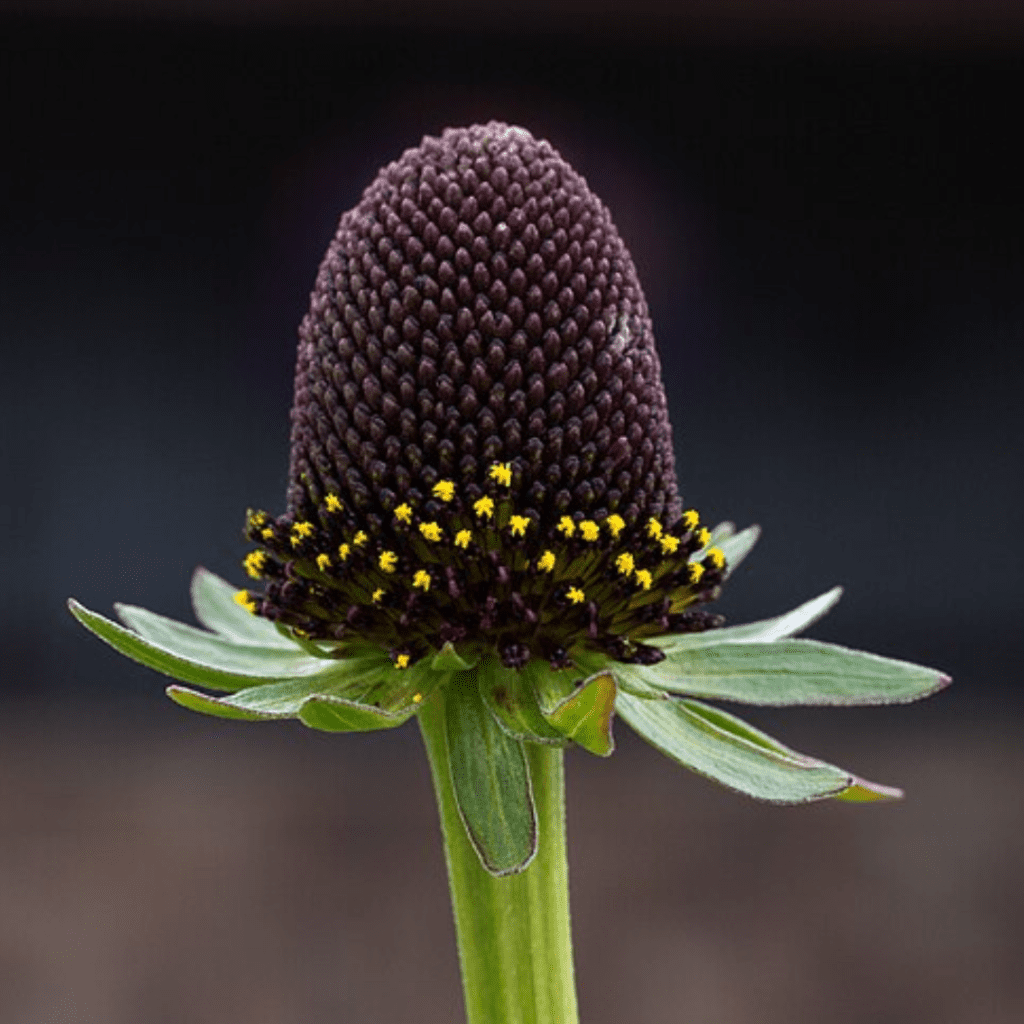
Deep, chunky seedheads feed finches and sparrows well into winter. They also give a cheery structure in frosty light. The dark central cones contrast beautifully against snow and ice, making them both functional wildlife feeders and attractive winter garden features. Black-eyed Susans are tough native perennials that self-seed moderately and create reliable feeding stations year after year.
3. Sunflowers (Helianthus annuus): Portable Natural Feeders
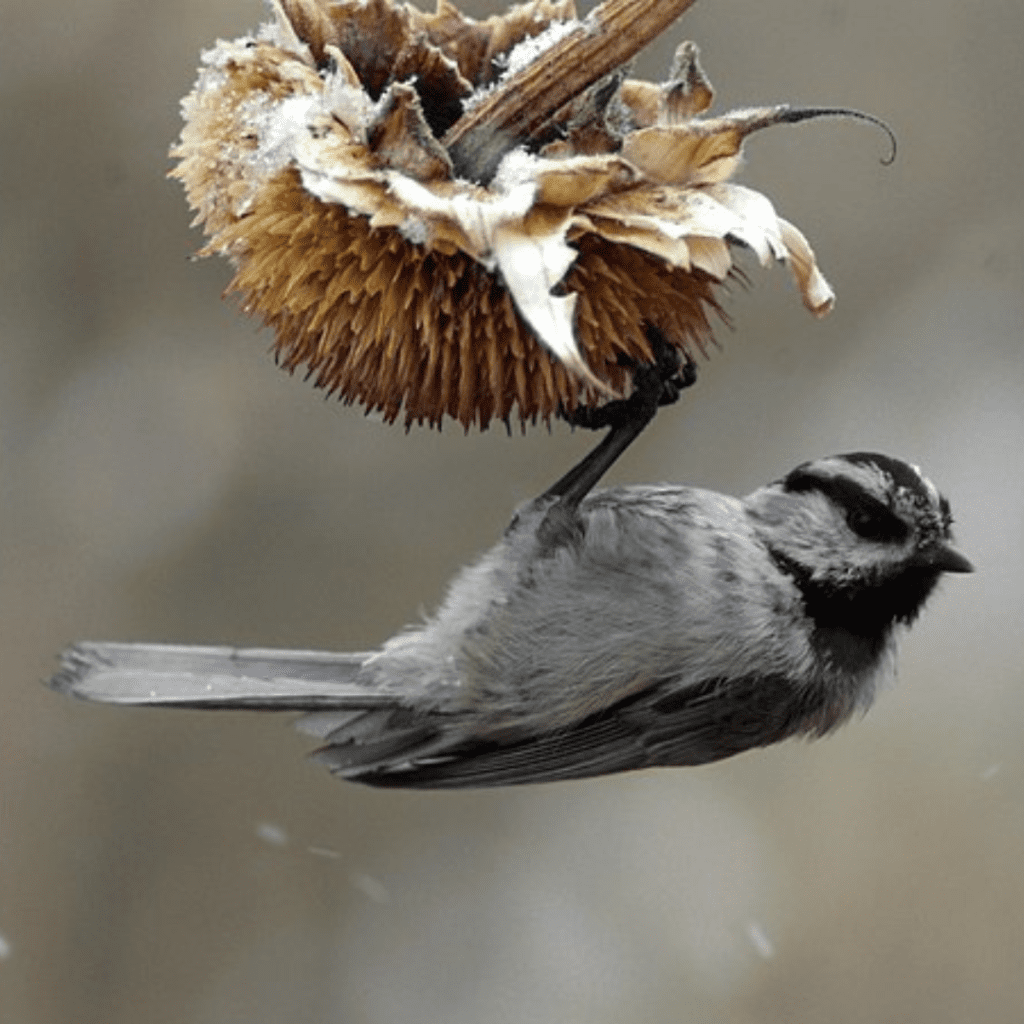
Classic and generous — sunflower heads are like portable feeders. Leave whole heads on stalks and let finches and chickadees harvest naturally. A single large sunflower head can contain hundreds of oil-rich seeds that provide essential calories for birds facing winter cold. The sturdy stalks remain standing through most winter weather, offering both food and perching spots for multiple birds at once.
4. Joe-Pye Weed (Eutrochium): Tall Stems for Songbird Shelter
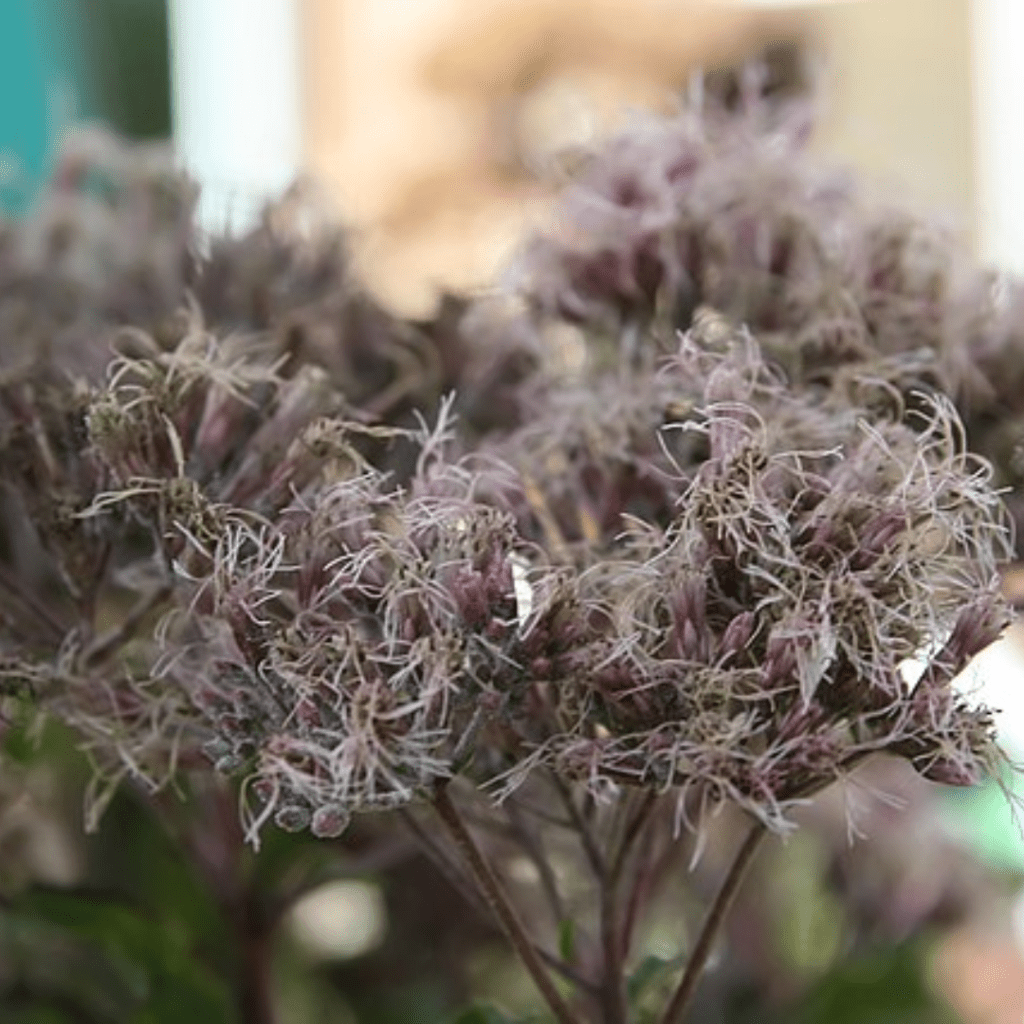
The tall stems and seedheads attract small songbirds and provide good perching platforms. They also hold winter snow beautifully, creating habitat pockets beneath the stem canopy. Joe-Pye weed’s impressive height and sturdy structure make it a valuable windbreak and shelter for birds during storms. The fluffy seedheads persist through winter and offer both seeds and nesting material for early spring.
5. Goldenrod (Solidago): Crucial Winter Forage

Often unfairly blamed for allergies, goldenrod is crucial for foraging sparrows and juncos and supports overwintering insects. Its seed fluff shelters tiny birds from wind. The dense flower clusters dry into abundant seed sources that remain available through the coldest months. Goldenrod also hosts beneficial insects that birds feed on in early spring, making it doubly valuable in the winter wildlife garden.
6. Asters (Symphyotrichum): Late-Season Finch Food
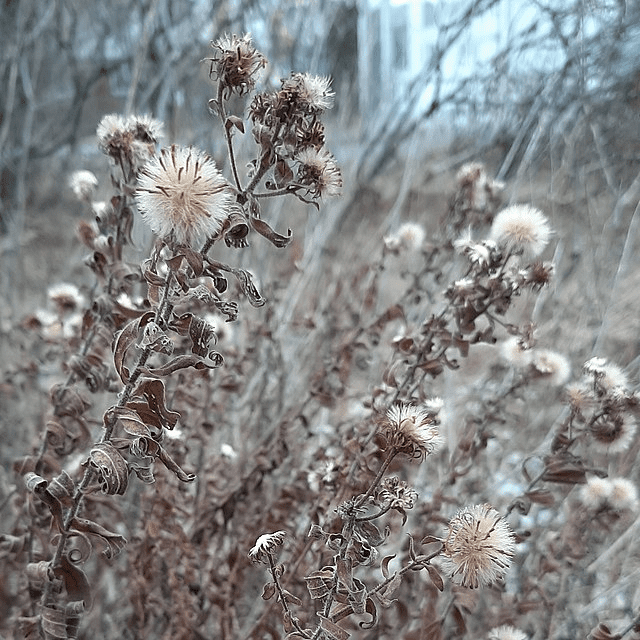
Asters make fine small seeds that late-season finches and chickadees appreciate; they also brighten late autumn and hold attractive seedheads. The delicate seed clusters remain intact through winter weather and provide accessible food for smaller birds. Native asters support a wide range of wildlife and their branching structure creates ideal perching and shelter opportunities in the winter garden.
7. Switchgrass (Panicum virgatum): Native Grass Shelter
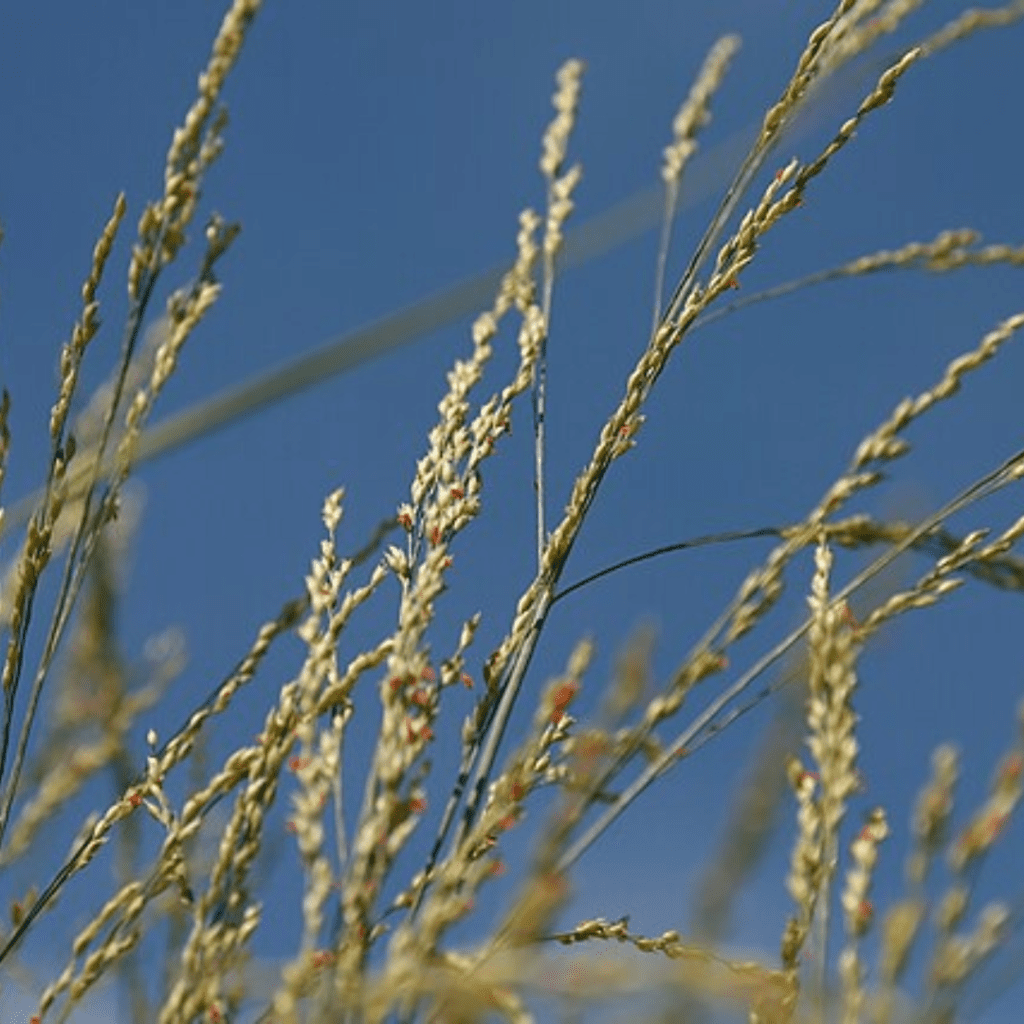
A native grass that gives both seed and shelter; its clumps hide small birds and create a cozy microclimate in snow. Switchgrass seed heads remain upright and accessible through winter, providing steady food for ground-feeding birds like sparrows and juncos. The dense clumping growth habit creates protected spaces where birds can roost safely during cold nights and shelter from predators and wind.
8. Little Bluestem (Schizachyrium scoparium): Winter Cover and Roosting

Narrow stems and seed clusters offer winter cover and roosting sites for flocks of small birds. Little bluestem turns beautiful bronze and copper tones in fall and winter, adding ornamental value while serving as critical habitat. The fine-textured foliage holds snow in a way that creates insulated pockets where birds can shelter during the harshest weather.
9. Sedum ‘Autumn Joy’: Architectural Finch Magnet

The dried, honey-brown heads are magnets for finches in late fall and winter. They’re also a lovely architectural element when frosted. Sedum flower heads are packed with tiny seeds that finches can easily access, and the sturdy stems hold their shape beautifully through snow and ice. The broad, flat flower heads provide stable landing platforms for multiple birds to feed simultaneously.
10. Native Shrubs (Elderberry, Viburnum, Dogwood): Berry Providers
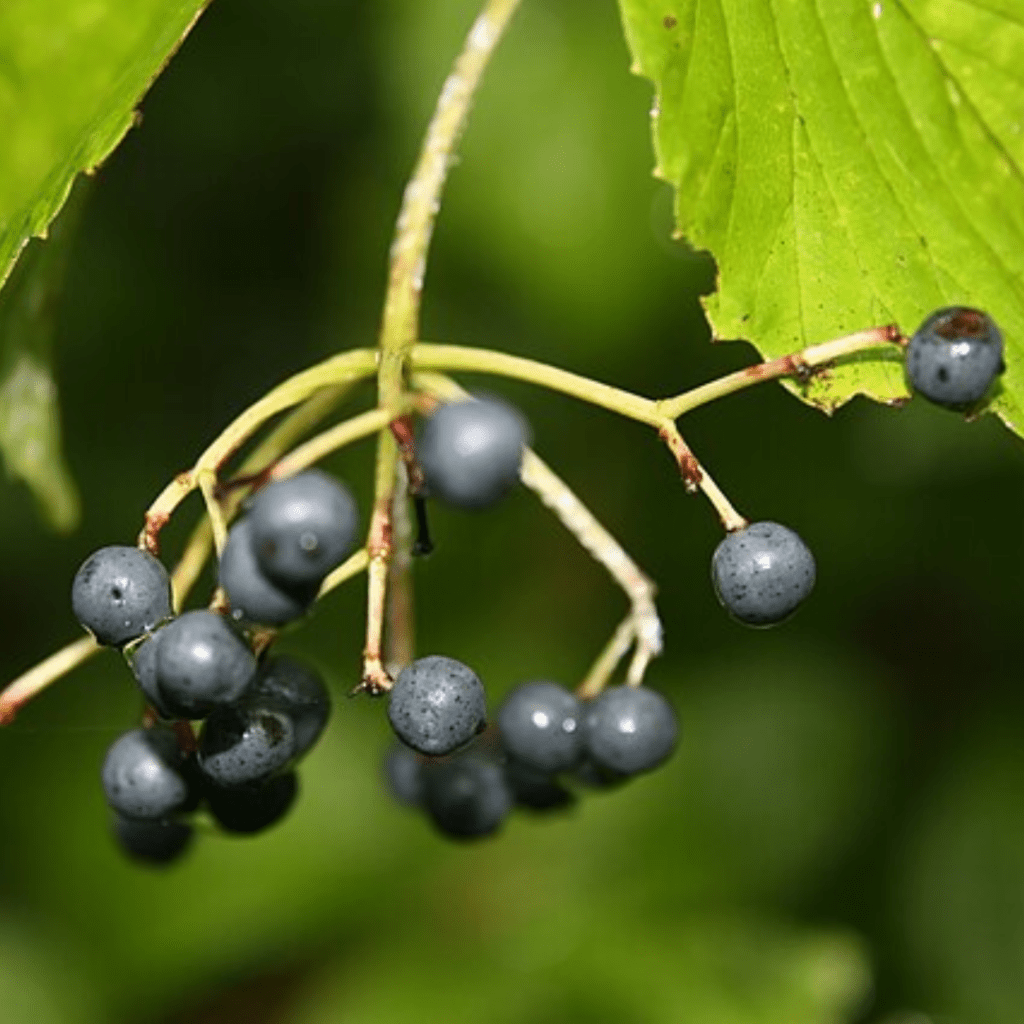
These provide berry crops that fuel robins, thrushes, and waxwings when insects are gone. Leaving a few shrubs unpruned through winter keeps a guaranteed fruit supply. Native shrubs offer dense branching structure that serves as shelter and nesting sites, while their persistent berries provide high-energy food during the leanest months. Many native shrubs have berries that soften and sweeten after frost, becoming even more palatable and nutritious for winter birds.
Practical Tips for Leaving Stems Without Lapsing into Chaos
Skip the fall clean-up, selectively: Leave most seedheads and stems but tidy close to paths and patios for safety and appearance. I leave a deliberate “messy corner” and keep the rest tidy — you can have both.
Bundle or tie for neater edges: Use twine to gather a few tall stems into an attractive bundle near beds to avoid them flopping into walkways. It looks intentional and keeps seed heads accessible to birds.
Keep some posts or stakes as bird-perches: Short stakes behind seedhead clusters give perching options and a neat visual anchor. Birds use them to launch and land while feeding.
Manage invasive spread: If any species self-seeds too eagerly, deadhead after seed-feeders have moved on or remove a portion to stop unwanted volunteers. Preserve natives; control invasives promptly.
Timing: When to Cut Back and When to Wait
Wait until late winter or early spring for the main cut-back. Many birds rely on leftover seeds through the coldest months; I usually wait until March when new shoots start to show.
Tidy selectively in early winter only if seed heads are creating hazards or disease pockets; otherwise resist the urge. A light brush cut along the very edge of paths keeps things safe while leaving food in the beds.
Cut perennials to a few inches above the soil when you do prune; leave grass clumps until early spring to shelter overwintering insects and emerging seedlings.
How to Make the Space Bird-Friendly Beyond Seeds
Water: a heated or shallow birdbath keeps water available on mild winter days. Birds need fresh water even in cold months. I set mine near shrubs so birds can dash to cover quickly.
Shelter: evergreens, dense shrubs, and tall grass clumps give protection from predators and wind. A few brush piles tucked in out-of-the-way corners are excellent roosting and foraging spots.
Winter feeding station: supplementing natural seeds with feeders (sunflower seeds, nyjer) helps flocks through harsh spells, but try to keep feeders near natural vegetation so birds can shelter quickly.
Safety and Disease Notes
Avoid leaving diseased seedheads: if a plant shows signs of fungal disease or heavy pest damage, remove those specific parts and compost or discard away from the garden.
Watch for rodents: leaving lots of seed can attract mice; balance seed availability with habitat that discourages rodents near homes by tidying close to foundations.
Be mindful of allergies: goldenrod is often blamed for hay fever, but ragweed is the real culprit. Still, if goldenrod causes neighbourly concern, cut a narrow swath along property lines for compromise.
A Small Ritual That Makes Me Smile
Each winter I put a tiny painted pebble labeled with the year into the messy corner of the garden. When spring comes back around I check which plants returned and which birds visited. It turns the tidy fight into a blessing of memories and learning.
Quick-Fire FAQ
Q: When should I cut back seed heads in spring?
A: Wait until new growth appears — usually late winter to early spring (March in many regions) so birds get maximum food through hard weather.
Q: Will leaving seedheads make my garden look untidy?
A: Not if you plan a tidy edge and a designated wildlife corner; bundling stems and maintaining paths keeps things intentional and attractive.
Q: Do seedheads attract pests like mice or rats?
A: They can attract small rodents; reduce risk by tidying near foundations, keeping compost covered, and balancing seed sources with habitat away from the house.
Q: Can I leave non-native plants standing for birds?
A: Native plants usually provide the best food and habitat; non-natives can help in a pinch, but avoid spreading invasive species and prefer natives when possible.
Q: How can I tell which birds visit my seedheads?
A: Sit quietly with binoculars or set up a small camera; goldfinches and sparrows are easy to spot on coneflowers and sunflowers, while juncos and chickadees work through smaller seed clusters.
— Grandma Maggie