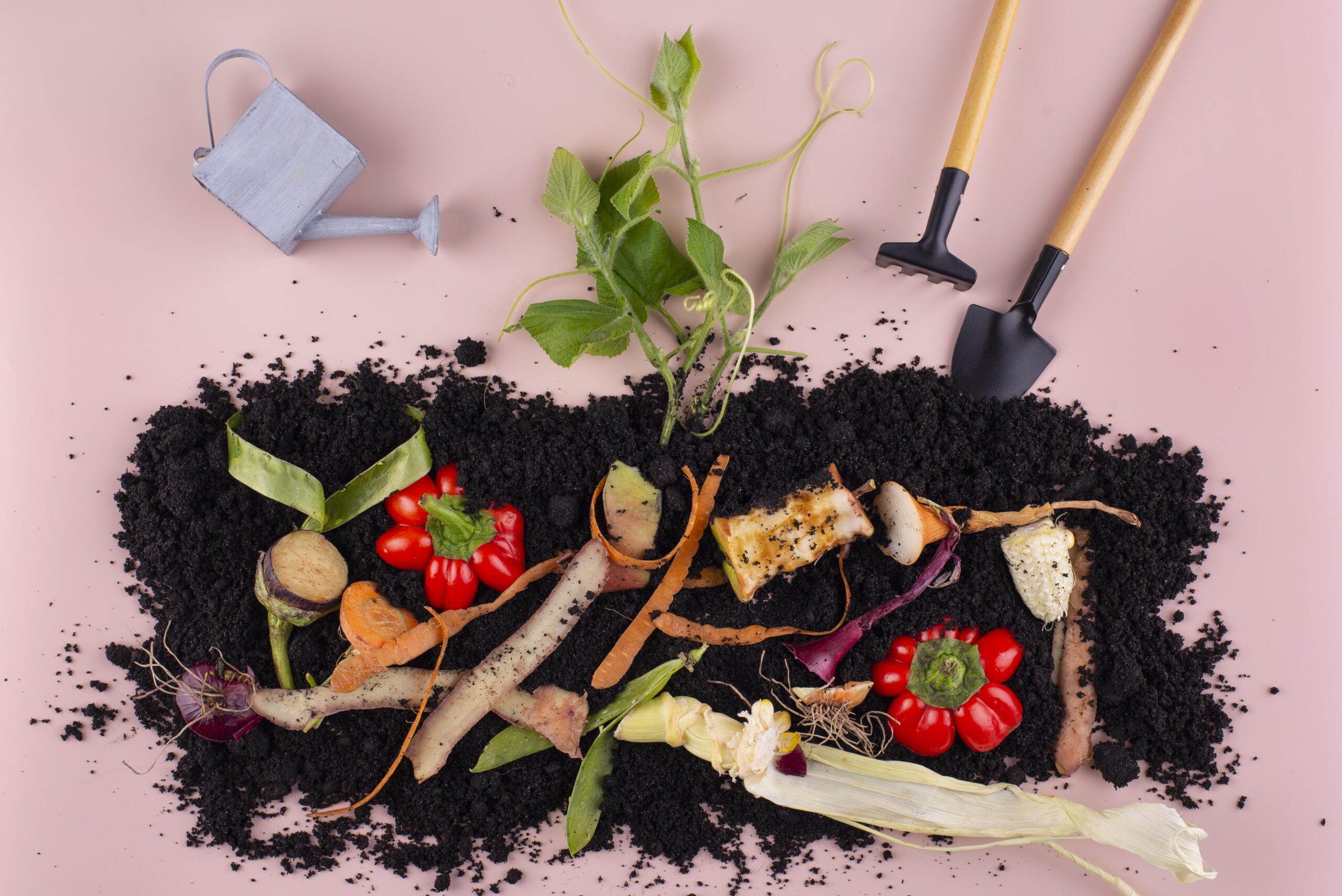
Turn kitchen scraps and yard waste into garden gold. Step-by-step composting methods — from simple bins to bokashi and worm farms — so you can feed your plants for free and waste less along the way.
Homemade Composting Guides
Turn kitchen scraps and yard waste into garden gold. Step-by-step composting methods — from simple bins to bokashi and worm farms — so you can feed your plants for free and waste less along the way.
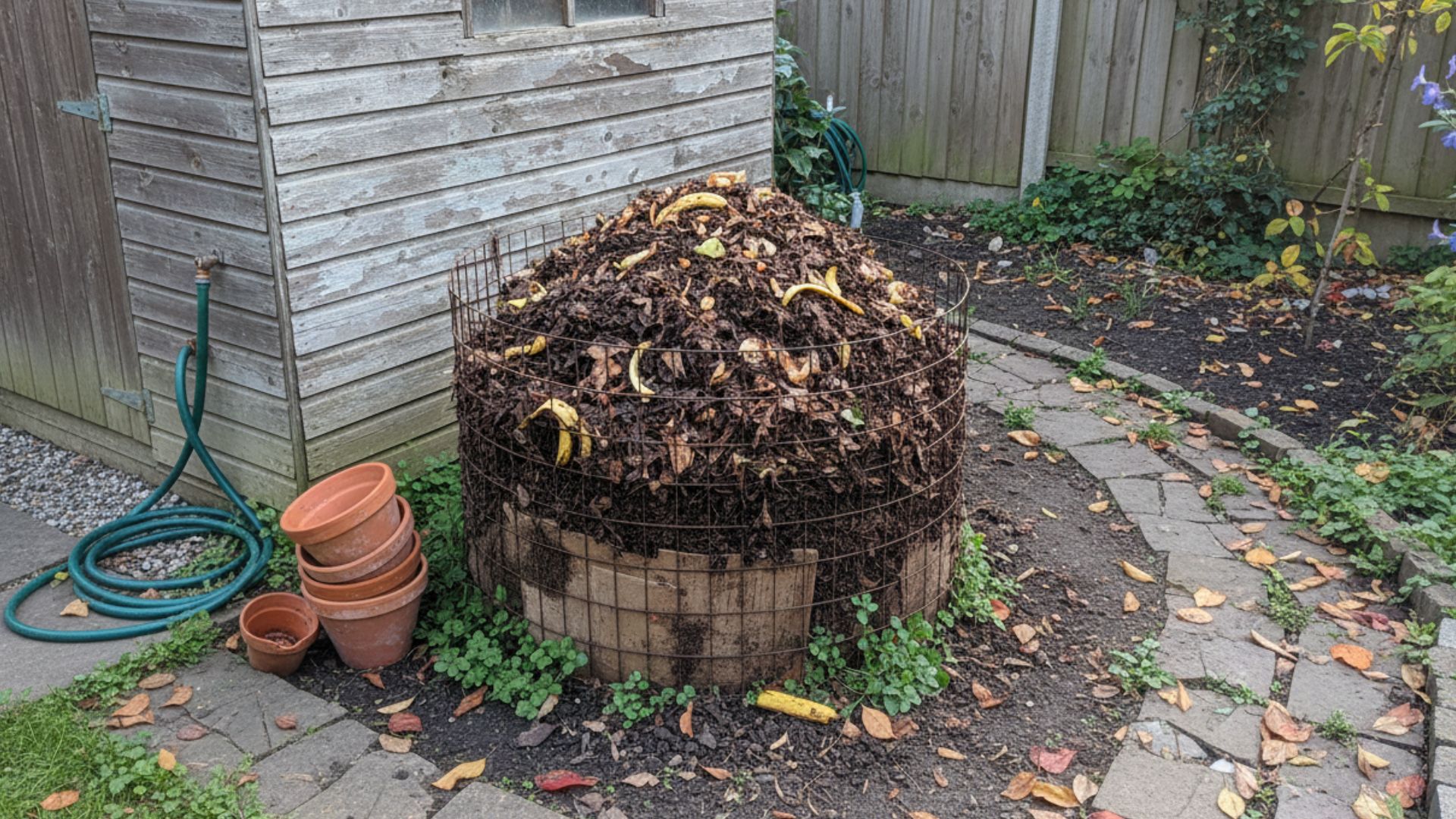
After fifty years of gardening, I’ve tried just about every composting method under the sun. I’ve turned piles until my shoulders ached, fussed over carbon-to-nitrogen ratios like a chemistry professor, and spent more money on bins, tumblers, and activators than I’d care to admit. But the method I keep coming back to — the one … Read more
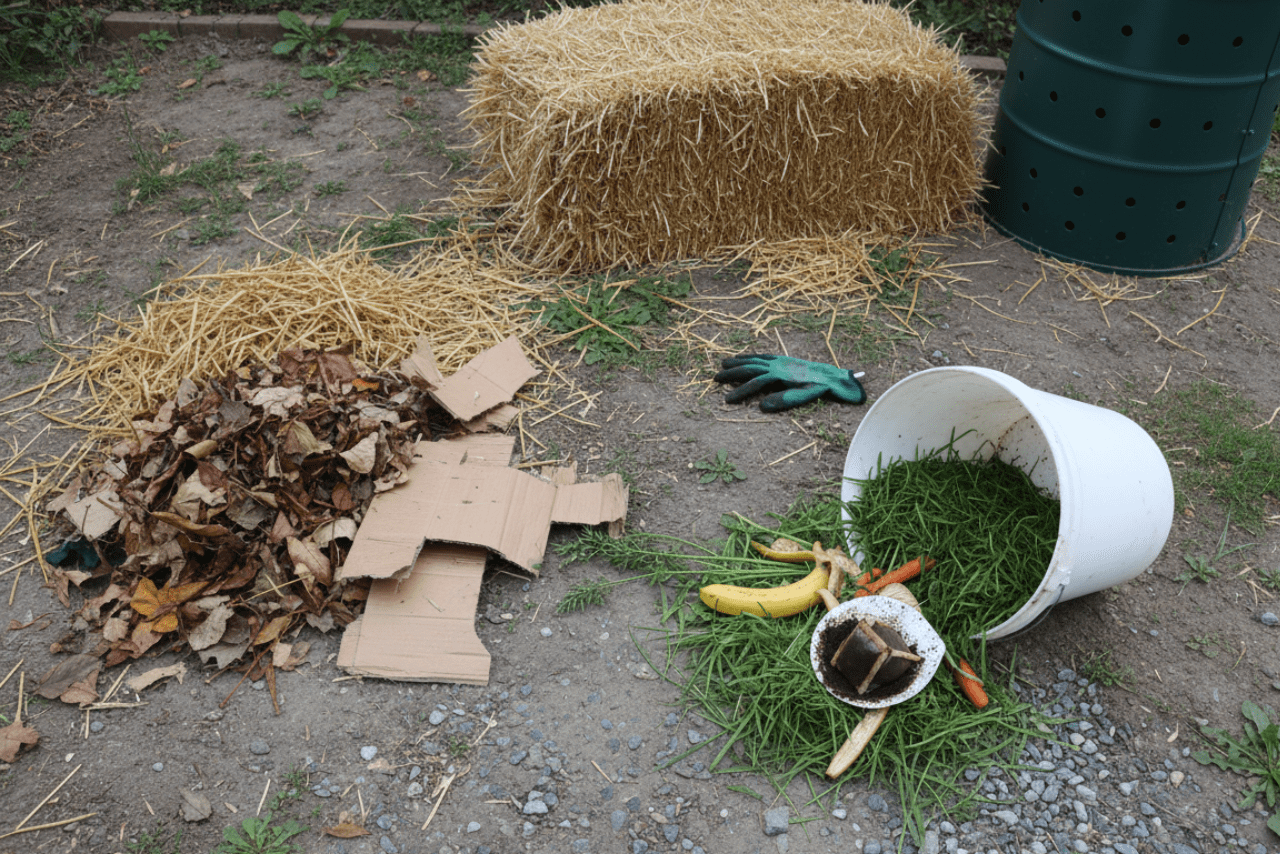
After fifty-some years of composting, I can tell you this with absolute certainty: every gardener, no matter how experienced, has stood over a compost pile at some point and thought, “Well, that’s not right.” I’ve had piles that smelled like a swamp in July, piles that sat there cold as a stone for months, and … Read more
I’ll be the first to admit, when my friend Patricia told me about fermenting her kitchen scraps in a sealed bucket under her sink, I thought she’d lost her mind. I’ve been composting for over fifty years using every method you can think of — hot piles, cold piles, worm bins, tumblers — and the … Read more
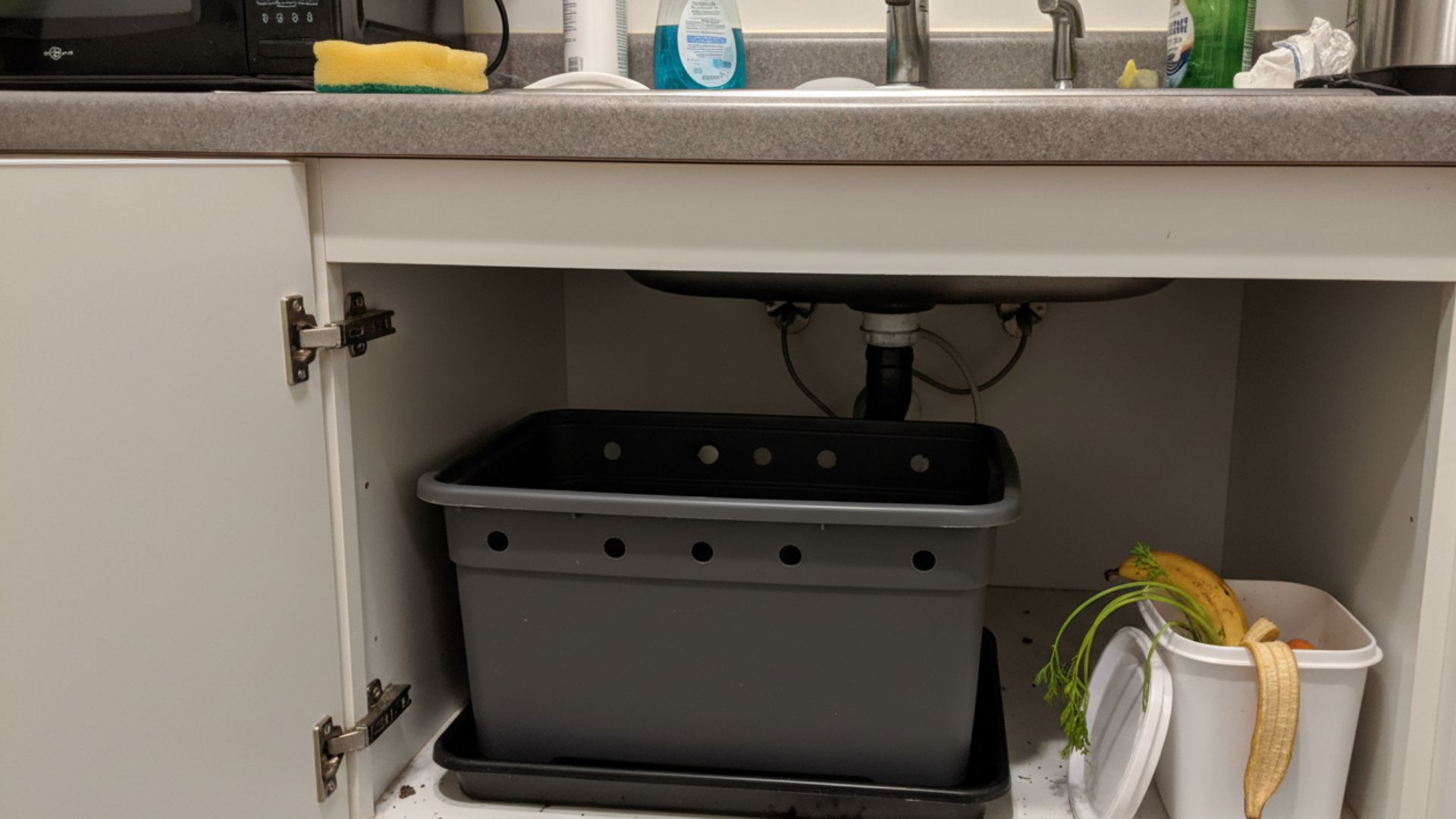
I still remember the look on my daughter’s face the first time I told her I was keeping worms under my kitchen sink. She thought I’d finally lost it. But after years of composting every way imaginable—hot piles, cold piles, tumblers, trenches—I can tell you that nothing converts kitchen scraps into rich, dark plant food … Read more
I’ll let you in on a little secret. For most of my gardening life, I thought composting had to be a production — turning piles every few days, checking temperatures with a long-stemmed thermometer, fretting over green-to-brown ratios like some kind of chemistry exam. And yes, hot composting works beautifully when you have the time … Read more
After fifty years of gardening, if you told me I could only pass on one skill to the next generation, it would be composting. Not the slow, neglected heap in the corner of the yard that takes a year to become anything useful — I’m talking about the kind of composting that turns your kitchen … Read more
There’s something deeply satisfying about feeding your garden with fertilizers you’ve brewed yourself—watching weeds and scraps transform into potent plant food costs almost nothing and works beautifully. I keep several batches fermenting throughout the growing season, and my plants respond with lush growth that store-bought fertilizers never quite matched. Yes, some of these concoctions smell … Read more
After fifty-some years of turning compost piles and amending garden beds, I can tell you with absolute certainty: the difference between decent soil and extraordinary soil comes down to one thing—feeding it properly. Chemical fertilizers might give you a quick green-up, but they’re like feeding your garden candy for breakfast. What plants really crave is … Read more
Not every fallen leaf needs to be banished to the curb. Some leaves are little ecosystems that shelter moths, feed soil life, and tuck insects safely through winter. Other leaves bring disease or chemicals that can harm lawns and young plants, so those are better raked away. Let me walk you through which leaves I … Read more
One pile of leaves is more than tidy garden refuse — it’s a tiny city. That single heap can shelter a hundred species or more: moths, beetles, salamanders, earthworms, millipedes, spiders, and overwintering pollinators. Bagging every leaf evicts an entire ecosystem your garden depends on for pest control, pollination, and soil health. What Lives in … Read more