
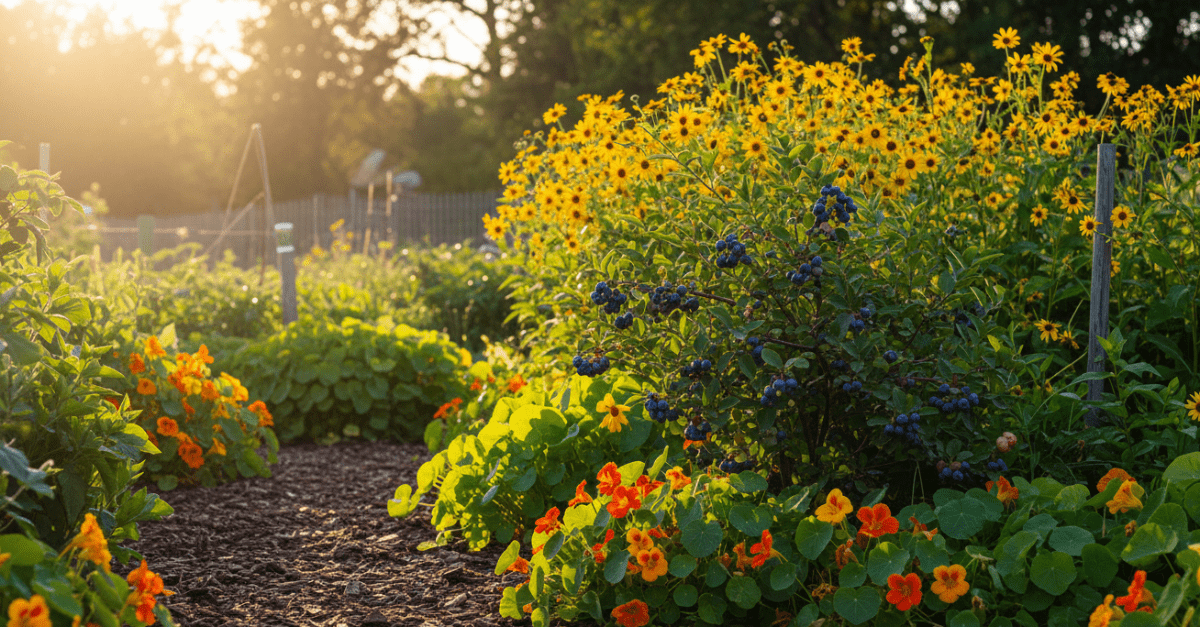
Hey kitchen gardeners. If your grocery runs are draining the wallet and you crave fresh flavors without endless work, I’ve got underrated perennials that turned my yard into a no-fuss food factory—delivering tangy greens and sweet berries year after year. These hidden gems need planting once for ongoing harvests, packing nutrition and taste while saving time on replants. You can start small for big, sustainable wins; let’s uncover these 11 flavor stars.
Why These Underrated Edibles Are Garden Game-Changers
I’ve swapped high-maintenance annuals for these perennials—they establish deep roots for repeat yields without replanting, cutting costs and weeding while offering vitamins, flavors, and pollinator perks in pretty packages. Drought-smart and soil-boosters, they’re beginner-proof across zones, thriving on neglect for eco-abundance. If perennials excite you like me, pair with small-yard fruits; it’s delicious self-sufficiency that feels like a win.
My Top 11 Underrated Edibles for Endless Harvests
These low-effort perennials I’ve grown deliver kitchen gold—here’s how with my tips.
1. Sorrel: Zingy Lemon Twist
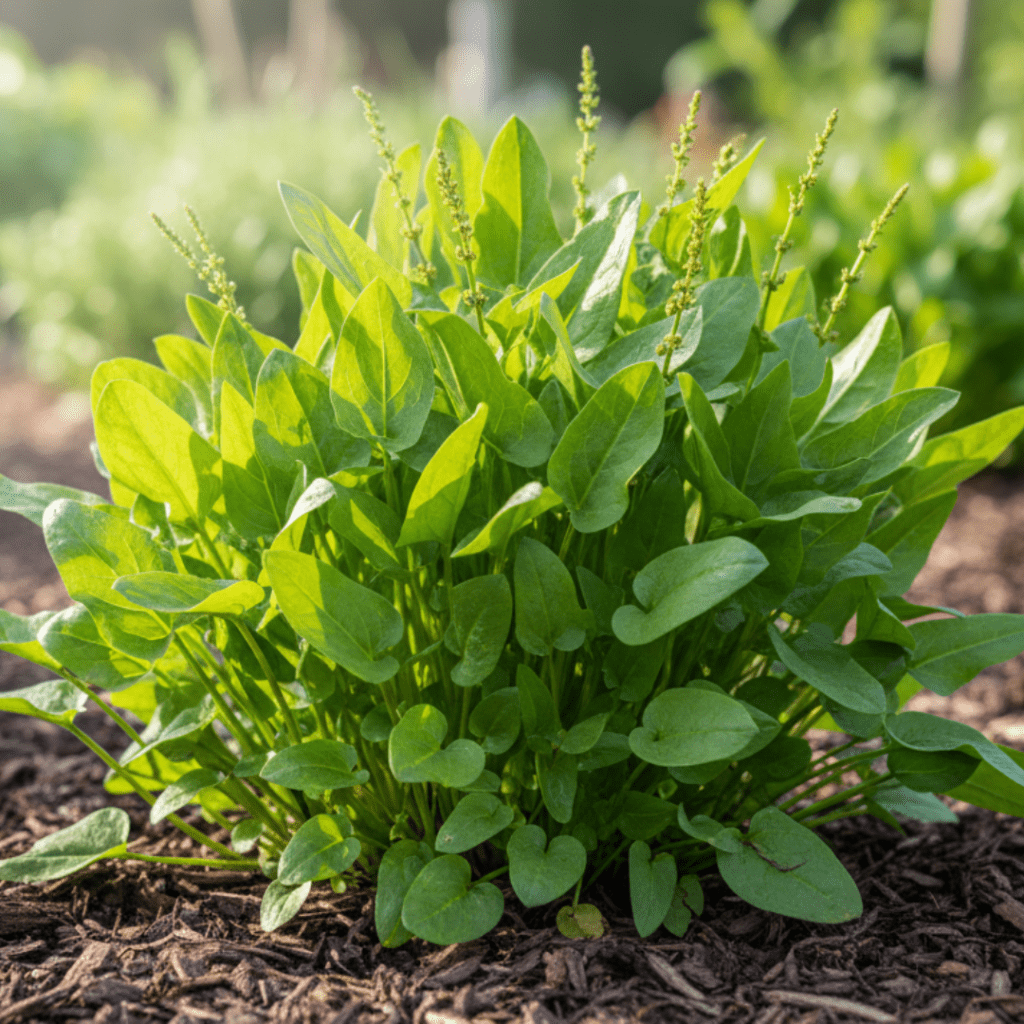
Sorrel’s arrow-shaped leaves bring a zingy lemon flavor to salads and soups. Hardy in Zones 3–7, this cool-season perennial grows 12–18 inches tall and thrives in sun to partial shade with moist, well-drained soil (pH 5.0–6.8). Plant from spring or fall divisions or seeds; in my Zone 5 garden, I harvest outer leaves from spring through fall, yielding about 1 pound. Deer-resistant and frost-tolerant, though it may bolt in shade or heat—treat aphids with neem oil. Divide every 3 years for best production. Pair with spinach recipes, but limit consumption if you have kidney concerns due to oxalic acid content.
2. Sunchoke: Nutty Tuber Tower
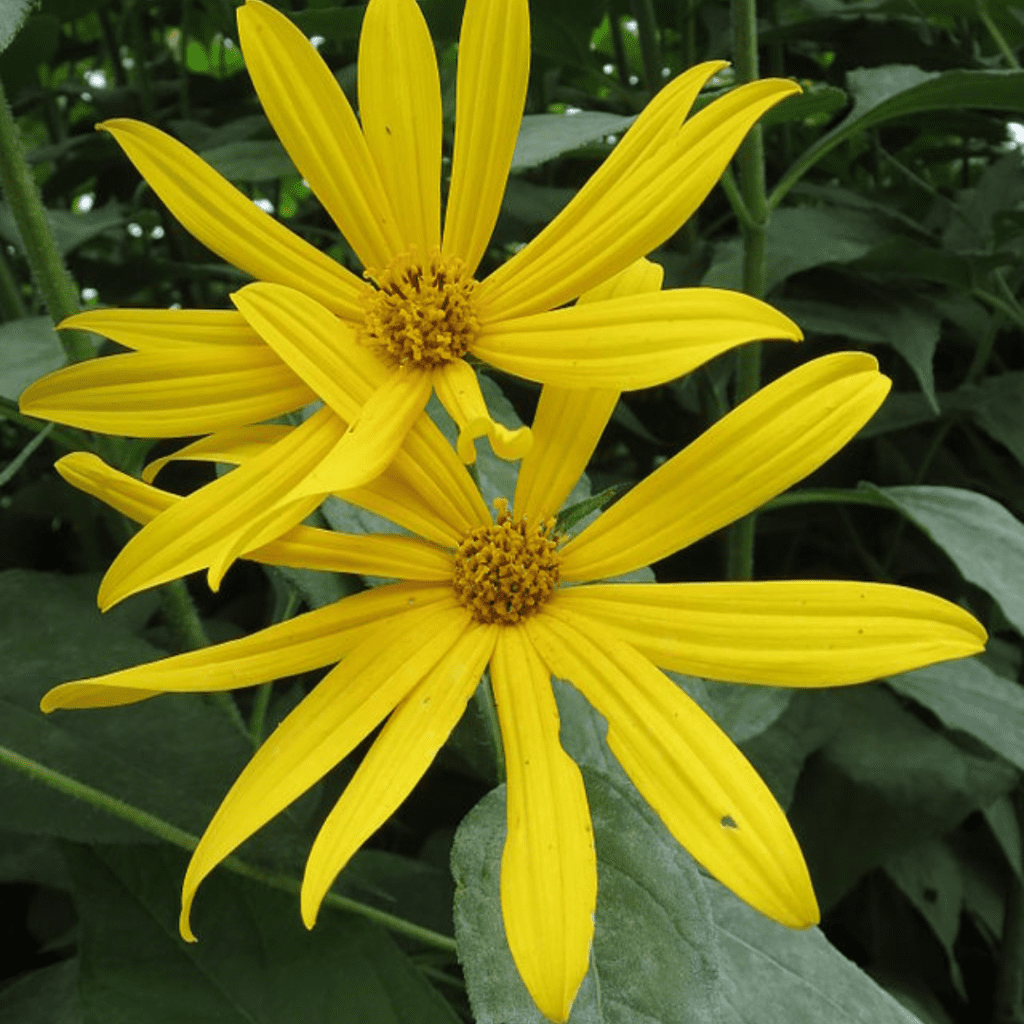
Sunchokes produce knobby, sweet tubers perfect for roasting or eating raw. Hardy in Zones 3–9, these robust plants grow 6–10 feet tall in full sun with average, well-drained soil (pH 6.0–7.5). Plant tubers 4 inches deep in spring or fall; I harvest 5–10 pounds annually, though digging can be intensive. Drought-tolerant once established—water during dry spells. Note that inulin content may cause gas, so start with small portions. Space adequately to prevent powdery mildew (treat with baking soda solution), and fence to deter deer. These plants break up compacted soil and provide late-season pollen for beneficial insects.
3. Serviceberry: Blueberry Kin
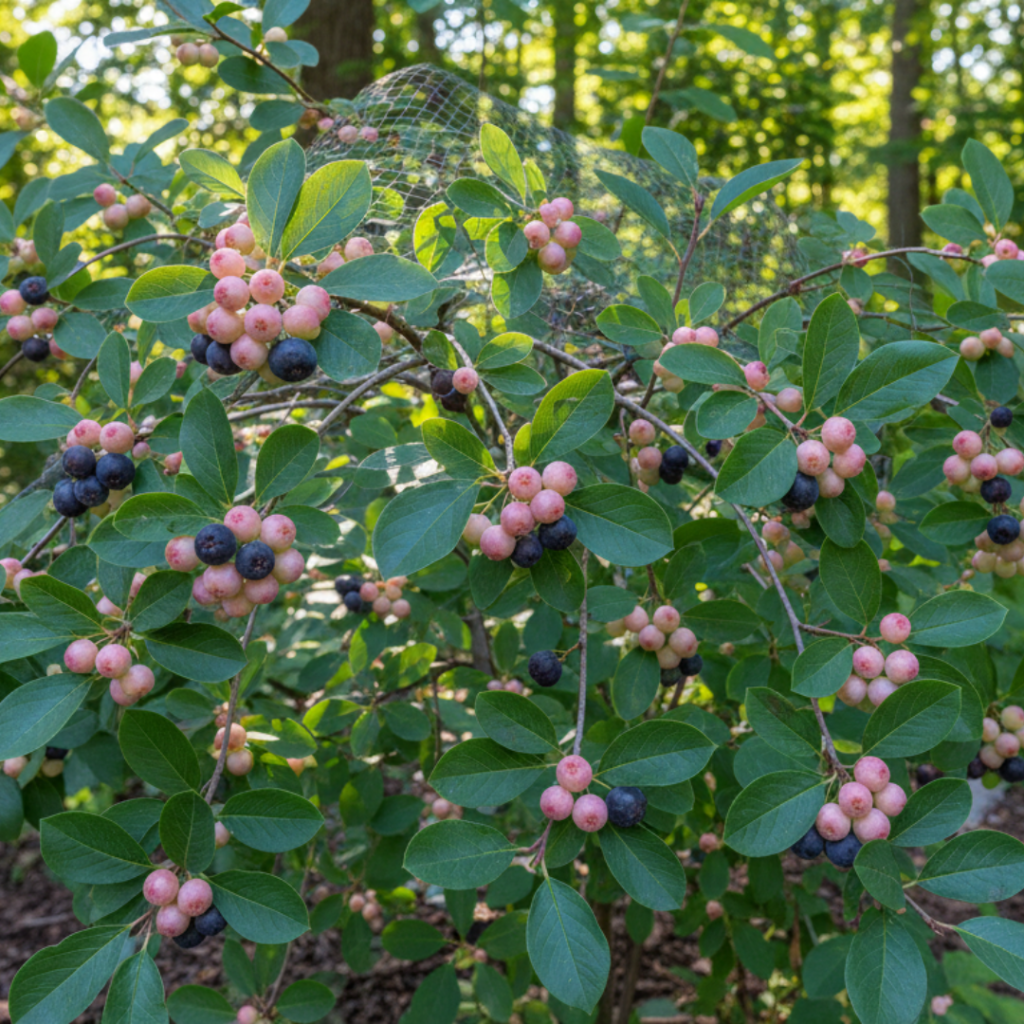
Serviceberry produces sweet berries perfect for pies and fresh eating. Hardy in Zones 4–9, this tree or shrub grows 10–25 feet tall in sun to partial shade with moist, well-drained soil (pH 5.5–7.0). Plant bare-root specimens in fall; the compact ‘Downy’ variety works well for smaller spaces. By year three, I harvest 10–20 pounds, though birds often share the bounty. Pollution and rust-resistant, especially the ‘Autumn Brilliance’ cultivar. Berries ripen in June—net quickly before birds feast. Light nitrogen feeders that support silkworms and other beneficial wildlife.
4. Miner’s Lettuce: Crisp Umbrella
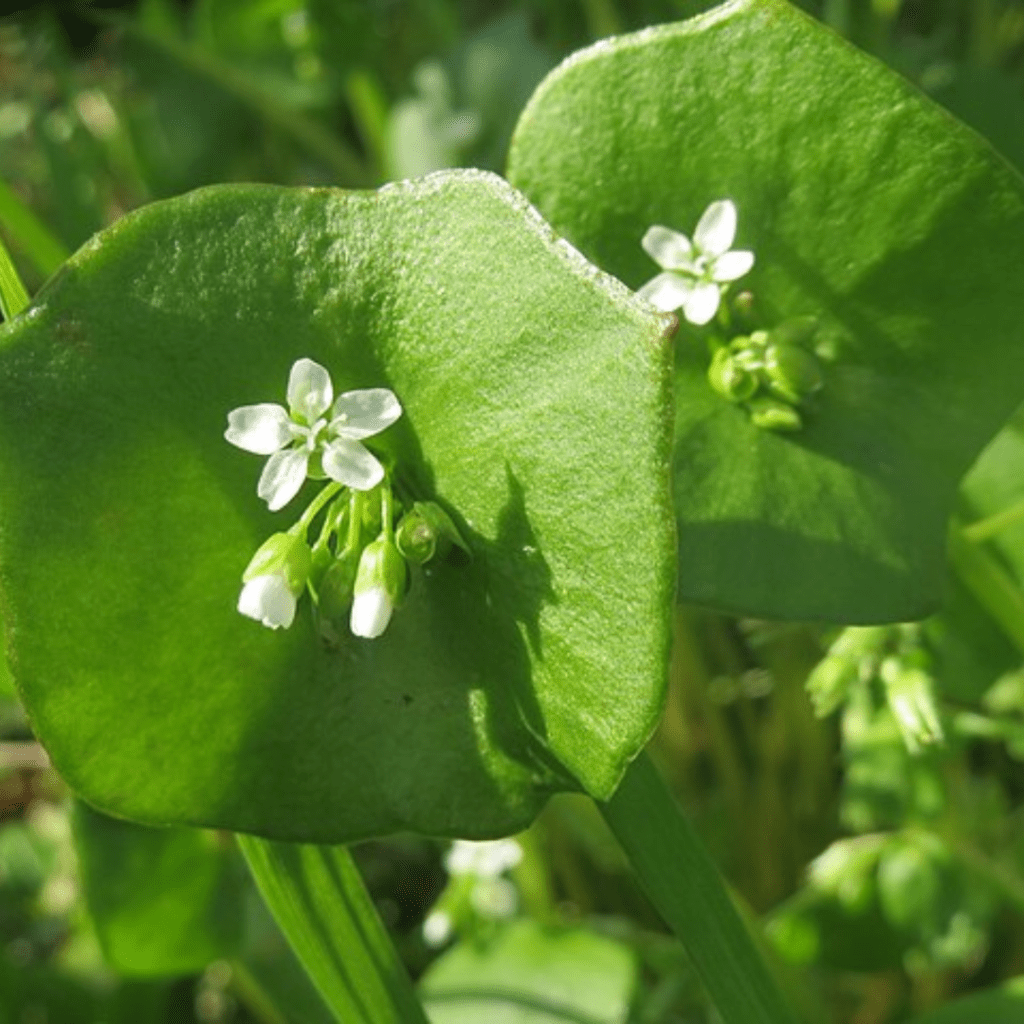
Miner’s lettuce offers mild-flavored leaves and stems packed with vitamin C. Hardy in Zones 6–10, this self-seeding annual/perennial grows 4–12 inches tall in partial shade with moist, rich soil (pH 6.0–7.0). Sow seeds in fall or winter; in my coastal garden, it forms a spring carpet yielding handfuls of greens before heat stops production. Mulch to maintain moisture and use beer traps for slugs. Contains oxalic acid, so wash thoroughly. Aerates soil and attracts beneficial insects.
5. Good King Henry: Spinach Stand-In
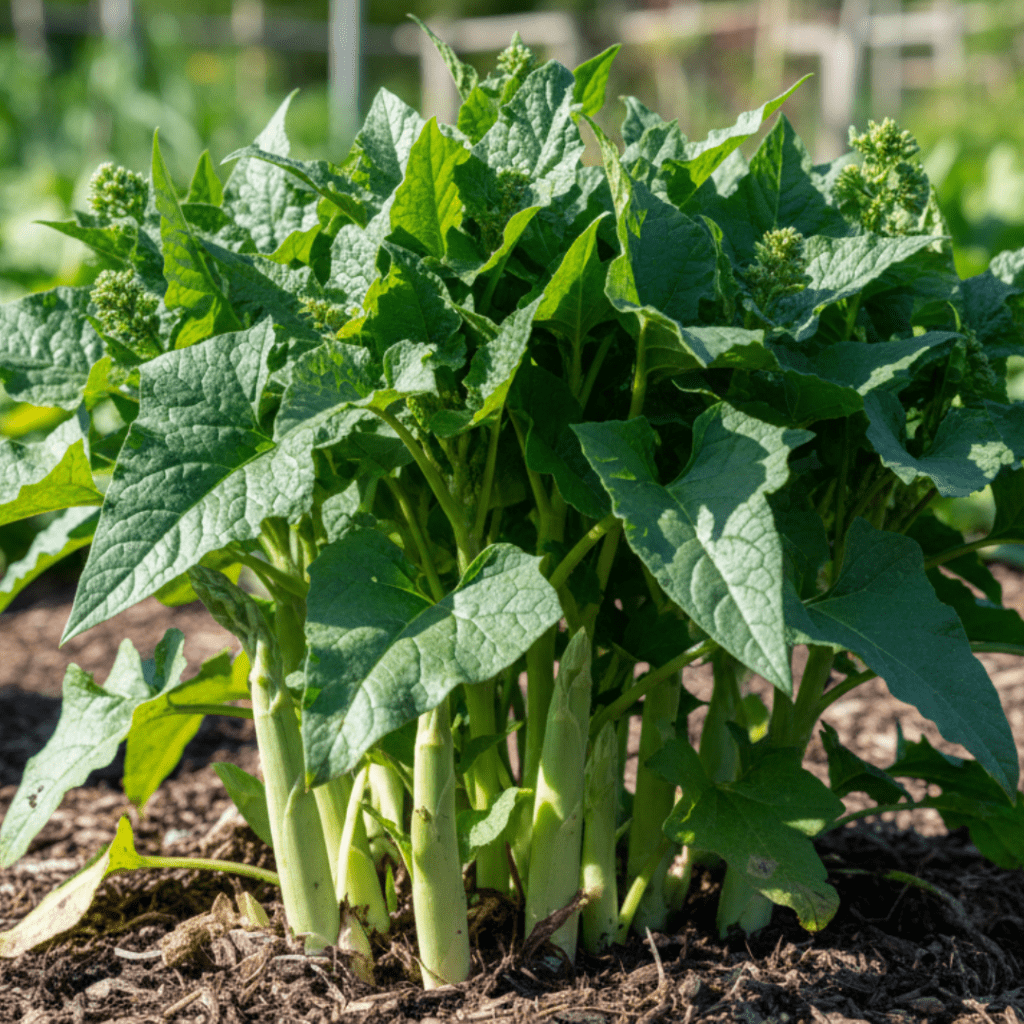
Good King Henry provides leaves that substitute for spinach and shoots that taste like broccoli. Hardy in Zones 3–9, this perennial grows 2–3 feet tall in sun to partial shade with fertile, well-drained soil (pH 6.0–7.5). Plant from spring seeds or divisions; I harvest shoots in April and leaves throughout summer. Keep soil moist and cut back to refresh growth. Blanch to reduce oxalate content before eating. Remove rust-infected debris and benefit from its pest-deterring properties.
6. Oca: Tangy Colorful Tuber

Oca produces waxy tubers in red, pink, and yellow with a lemony flavor when raw and nutty taste when baked. Hardy in Zones 7–10 (tender elsewhere), these plants grow 1–2 feet tall in full sun with loose, well-drained soil (pH 6.0–7.0). Plant tubers in spring; my greenhouse yields 2–5 pounds. Hill soil before frost to protect tubers. Use barriers against slugs. Cook to reduce oxalates. These Andean natives are packed with antioxidants.
7. Mulberry: Juicy Tree Treat
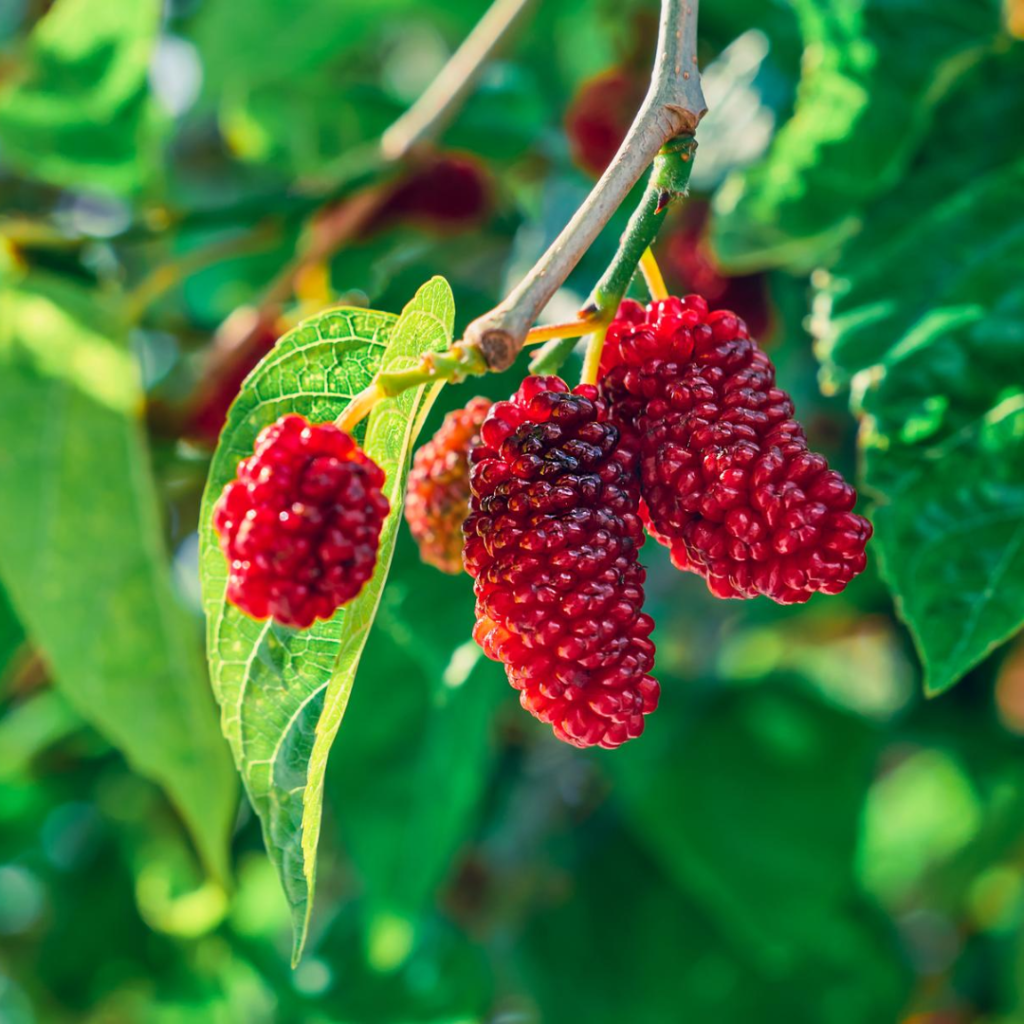
Mulberry trees produce blackberry-like fruits perfect for jams and wine. Hardy in Zones 4–10, these trees reach 30–50 feet in full sun with moist soil (pH 5.5–7.0). Plant in fall; native red varieties adapt well. My dwarf variety produces gallons of berries. Fast-growing and drought-tolerant once established. Net branches to beat birds to the harvest. Apply horticultural oil for scale insects. Acts as a nitrogen-fixer, improving soil health.
8. Canna Lily: Ginger Rhizome
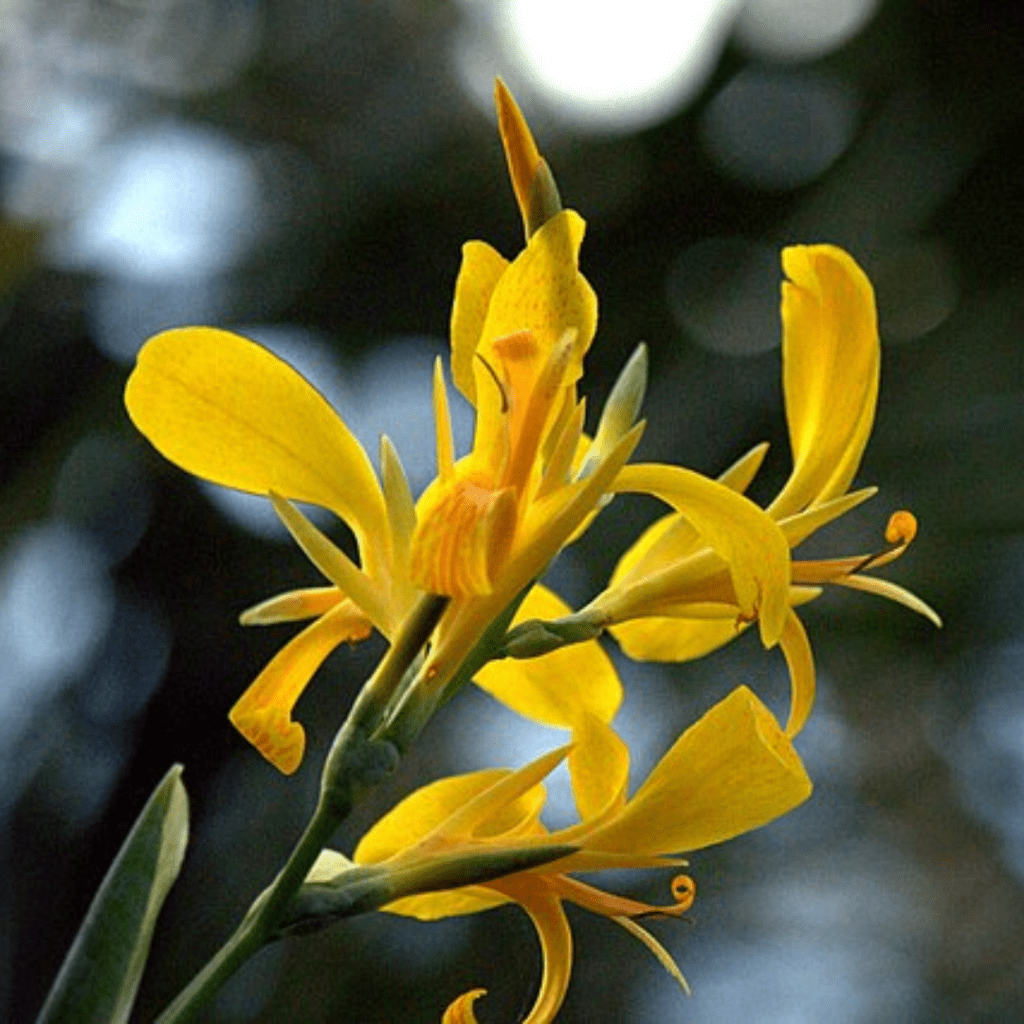
Canna lily rhizomes taste like ginger, while young shoots resemble celery and leaves wrap tamales. Hardy in Zones 7–11, these perennials grow 3–6 feet tall in full sun with rich soil (pH 6.0–7.0). Plant rhizomes in spring; dig and store in northern zones before fall frost. My beds provide year-round interest. Tolerates wet conditions. Use iris borer prevention and rotate plantings. Cook before consuming—highly nutritious when prepared properly.
9. Nasturtium: Peppery Trail
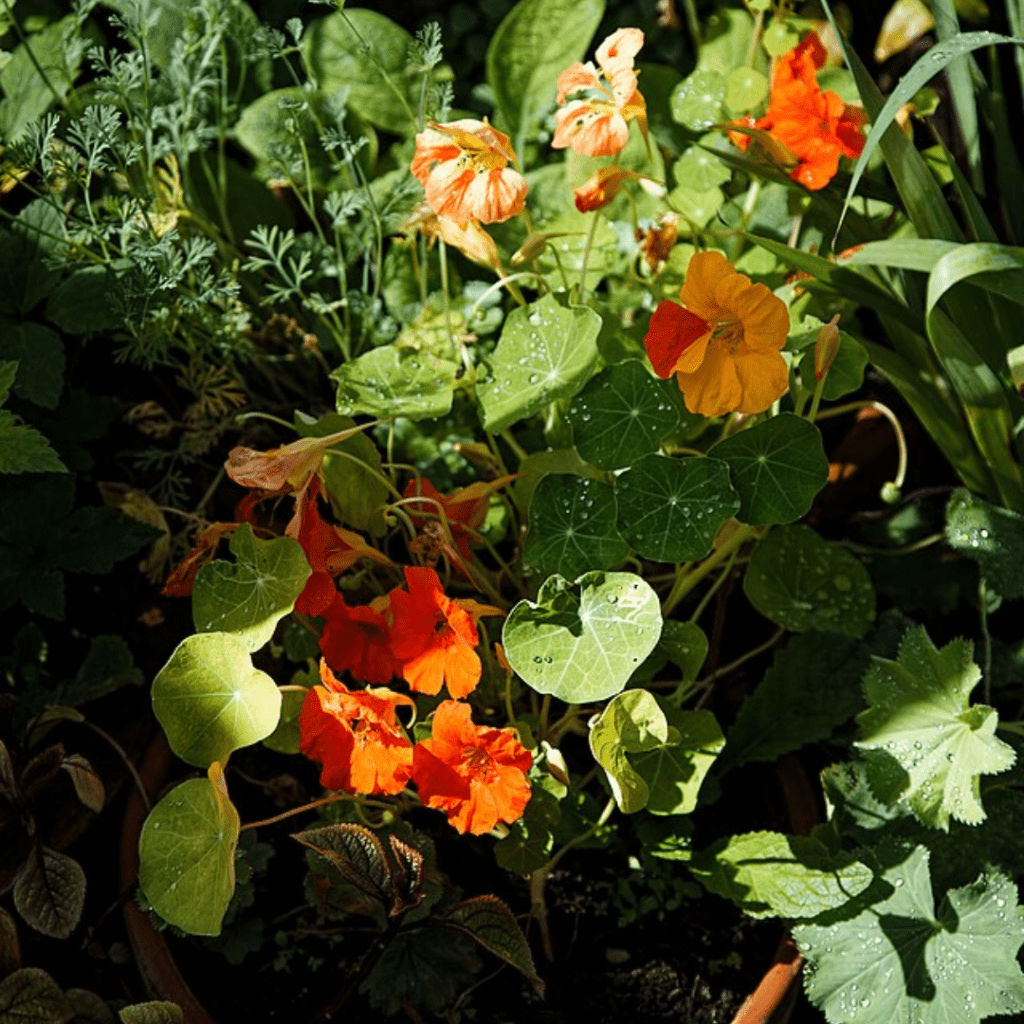
Nasturtium offers peppery leaves, flowers, and seed pods (green pods make excellent capers). Zones 10–12 as perennial, elsewhere as annual. Trailing varieties spread 3–6 feet in full sun with poor soil (pH 6.0–7.0). Sow seeds in spring; self-seeds readily. My container plantings overflow with blooms. Drought-tolerant; spray aphids with strong hose water. High in vitamin C and adds vibrant color to gardens and plates.
10. Maypop: Passion Fruit Vine

Maypop produces sweet-tart passion fruits perfect for jellies. Hardy in Zones 5–9, these vines climb 10–25 feet in full sun with average soil (pH 6.0–7.0). Plant in spring; my fence supports abundant growth. Drought-tolerant; inspect regularly for borers. Native variety that supports local wildlife and pollinators.
11. Watercress: Peppery Stream Green
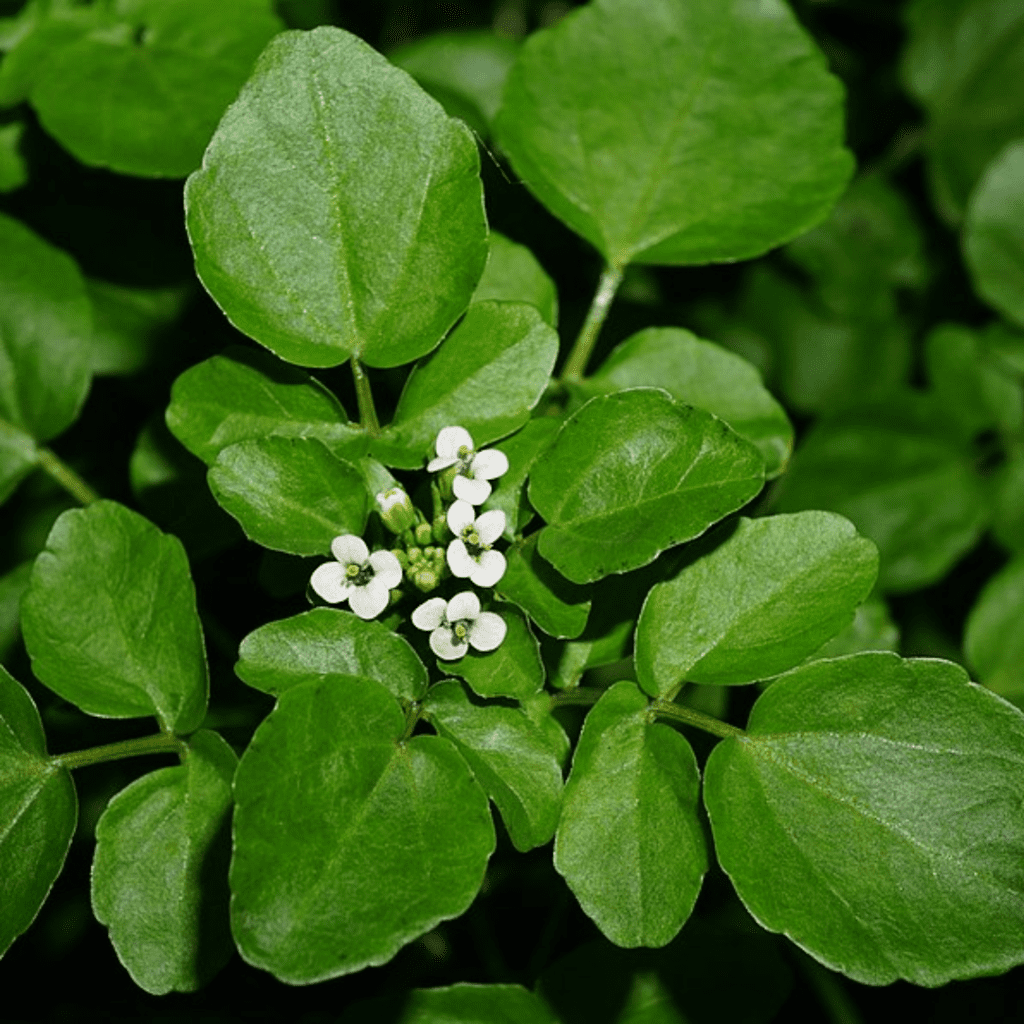
Watercress provides peppery leaves and stems ideal for salads. Hardy in Zones 3–11, this perennial grows 6–12 inches tall in moist to shallow water conditions, sun to shade (pH 6.5–7.5). Grow in pots or streams; my hydroponic setup yields weekly bunches. Clean water weekly and manage snails. Incredibly nutrient-dense superfood.
Growing Tips from My Edible Patch
Start with well-drained, fertile soil—test your pH and amend as needed. Provide consistent moisture while plants establish, then most become drought-tolerant. Apply 2 inches of organic mulch to retain moisture and suppress weeds. Feed with compost yearly, avoiding excess nitrogen that can reduce flavor. Prune after blooming and train vines as needed—following these practices, my garden has yielded steady harvests year after year.
Quick Edible Reference
| Plant | Zones | Habit | Edibles |
|---|---|---|---|
| Sorrel | 3–7 | 1–2′ herb | Leaves |
| Sunchoke | 3–9 | 6–10′ | Tubers |
| Serviceberry | 4–9 | 10–25′ tree | Berries |
| Miner’s Lettuce | 6–10 | 4–12″ | Leaves/stems |
| Good King Henry | 3–9 | 2–3′ | Leaves/shoots |
| Oca | 7–10 | 1–2′ | Tubers |
| Mulberry | 4–10 | 30–50′ tree | Berries |
| Canna Lily | 7–11 | 3–6′ | Rhizomes/shoots |
| Nasturtium | 10–12 | Trailing | Leaves/flowers |
| Maypop | 5–9 | Vine 10–25′ | Fruits |
| Watercress | 3–11 | 6–12″ | Leaves/stems |
Your Underrated Starter List
- Sorrel
- Sunchoke
- Serviceberry
- Miner’s Lettuce
- Good King Henry
- Oca
- Mulberry
- Canna Lily
- Nasturtium
- Maypop
- Watercress
These gems made my yard a living pantry—from sorrel’s zing to mulberry’s delicious mess, it’s been an effortless taste victory. Start with just a few plants, multiply your harvests, and savor the rewards.
Edible Perennial Wins: Underrated plants like sorrel and sunchokes offer low-fuss gardening across Zones 3–11 with nutrient-packed harvests. Focus on well-drained soil, annual compost applications, and pollinator-friendly beauty for truly sustainable gardening.
Quick-Fire FAQ
What’s the easiest plant to start with?
Sorrel is incredibly easy—it produces quick leaves as a reliable perennial. My first tangy salads came from sorrel with minimal effort.
How do I control aggressive spreaders?
Contain sunchokes with physical barriers or raised beds. My garden beds stayed tidy using this approach.
Are these plants pet-safe?
Most are safe, though always research specific plants. Avoid foxglove entirely. My dog has munched on sorrel without any issues.
What are the best harvest tips?
Harvest outer, young leaves first for continuous production. For serviceberries, I net the bushes to keep them bird-free until harvest.
Can these survive Zone 3 cold?
Yes, mulch roots heavily for winter protection. My sunchokes overwintered strong even in harsh conditions.
— Grandma Maggie

I’ve never grown sorrel. What do you use sorrel for? Thanks
Hi Laurie! Sorrel is one of my quiet favorites — bright and lemony, and it comes back every spring on its own. I love it in a simple sorrel-and-potato soup, wilted into scrambled eggs, or chopped fresh into salads when the leaves are young and tender. Older leaves get more sour, so those are best cooked. Worth giving it a small corner of the garden! — Grandma Maggie