
Hey there, herb lovers—if summer’s heat has your basil bolting and leaving you without fresh flavors, fall is the perfect time to plant European herbs that love the cool weather and deliver even punchier tastes. I’ve had amazing success with these in my garden, keeping my kitchen stocked through winter while helping out the bees. You can create your own flavorful, pollinator-friendly haven too—let’s dive into these 13 must-haves!
Why Fall is the Sweet Spot for European Herbs
I’ve always said European herbs are fall’s best-kept secret—they’re hardy perennials or biennials that root deep in the cool, moist soil, dodging bolting and packing oils for that bold kick in your stews or teas, all with less watering hassle. They support late pollinators when food’s scarce, turning your plot into a buzzing haven without much space or effort. If you’re like me and love easy edibles, these set you up for years of harvests—peek at my perennial cook’s guide for more inspo, but autumn planting makes your garden a cozy flavor factory.
My Favorite 13 European Herbs for Fall Magic
These are the ones I’ve planted over the years, each bringing unique zing and bee appeal—here’s how to get them thriving with my real-garden tips.
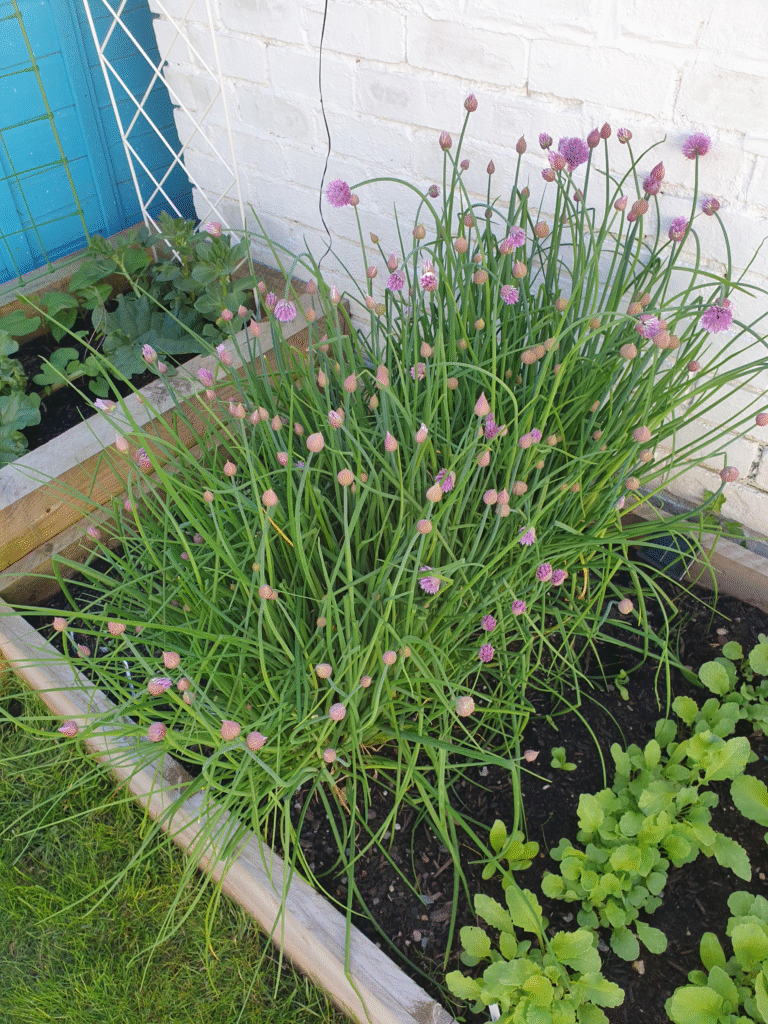
Chives are my no-fuss favorite for that onion pop in salads or eggs, with grassy leaves and purple pom-poms that bloom right into fall in Zones 3–9. Sow or divide now in fertile, drained soil (pH 6.0–7.0), full to part sun—the moist autumn helps roots settle for snips till frost and a spring comeback hardy to -20°F. My kitchen patch is a go-to; flowers draw hoverflies to zap aphids (neem if needed), and I cut back after blooms for new growth. Divide every 3–4 years; mulch crowns to skip heaving—self-seeds mild but not bossy.
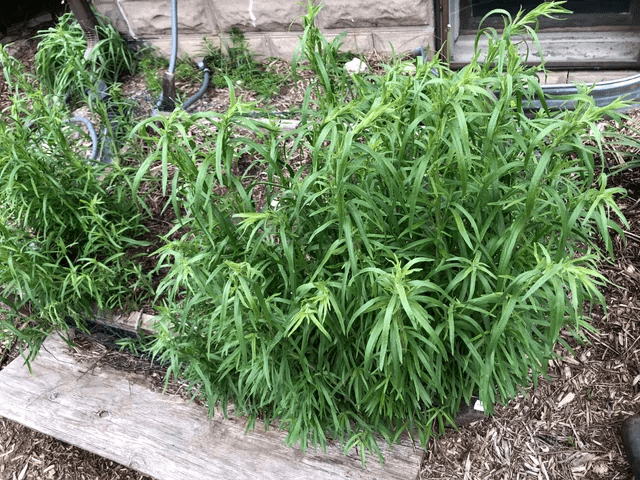
French tarragon’s glossy leaves give that anise twist for hollandaise or salads, shining in Zones 4–9 where fall’s short days keep it tender and oil-rich. Plant true root divisions (skip seeds for flavor) in sandy soil (pH 6.5–7.5), full sun—autumn moisture roots it deep without stress; my vines dried perfectly for winter. Aromatic foliage skips deer, but watch root rot (grit helps); prune light for bushiness. Pot for Zone 4 indoors; hand-pollinate if needed—I’ve snipped till dormancy.

Rosemary’s piney needles jazz roasts and oils, fall hardening it for evergreen snips in Zones 8–10 (pots to Zone 6 indoors). Plant in gritty soil (pH 6.0–7.0), full sun—cool nights boost aroma sans bolting; my patio one bloomed for bees, snipping through December. Pebble trays beat dry-air mites (soap spray), deer-resistant. Terracotta breathes in damp; prune post-bloom—antioxidant perks make it a must.
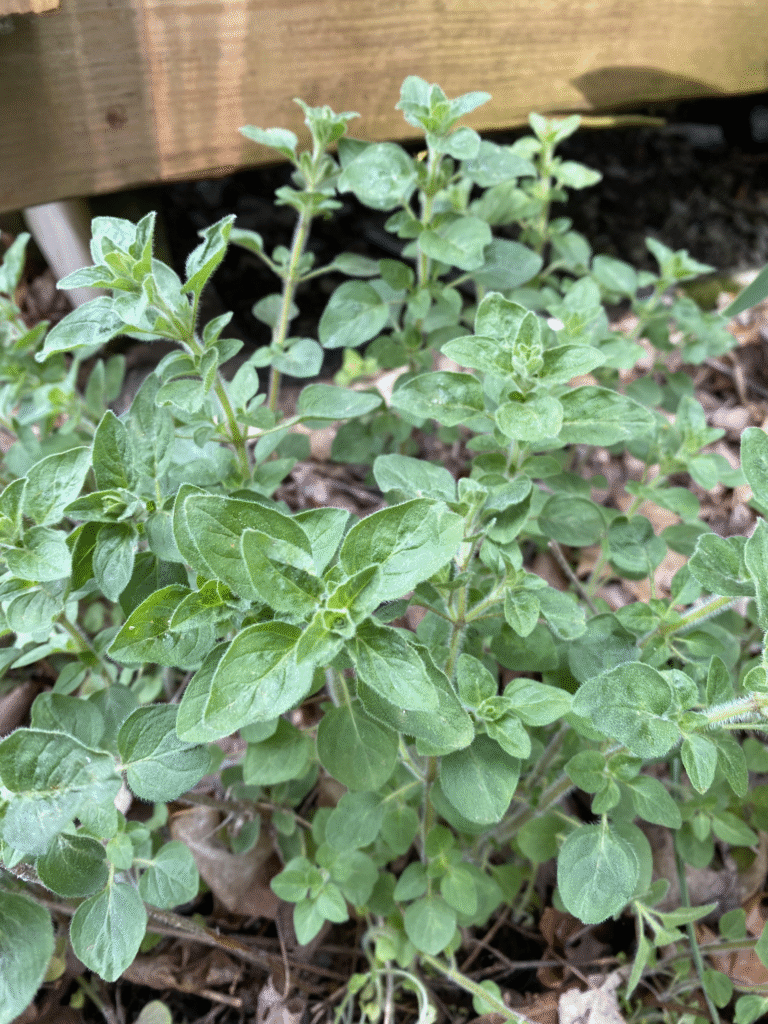
Oregano’s potent leaves rule pizzas and sauces, fall concentrating flavors in Zones 4–10. Divisions in rocky soil (pH 6.0–8.0), full sun—drought-tough with autumn rain aid; my Greek type spread for endless harvests. Pink flowers buzz butterflies, airflow nixes rust. Trim blooms for leaves; contain if wandering—I’ve bundled for drying.
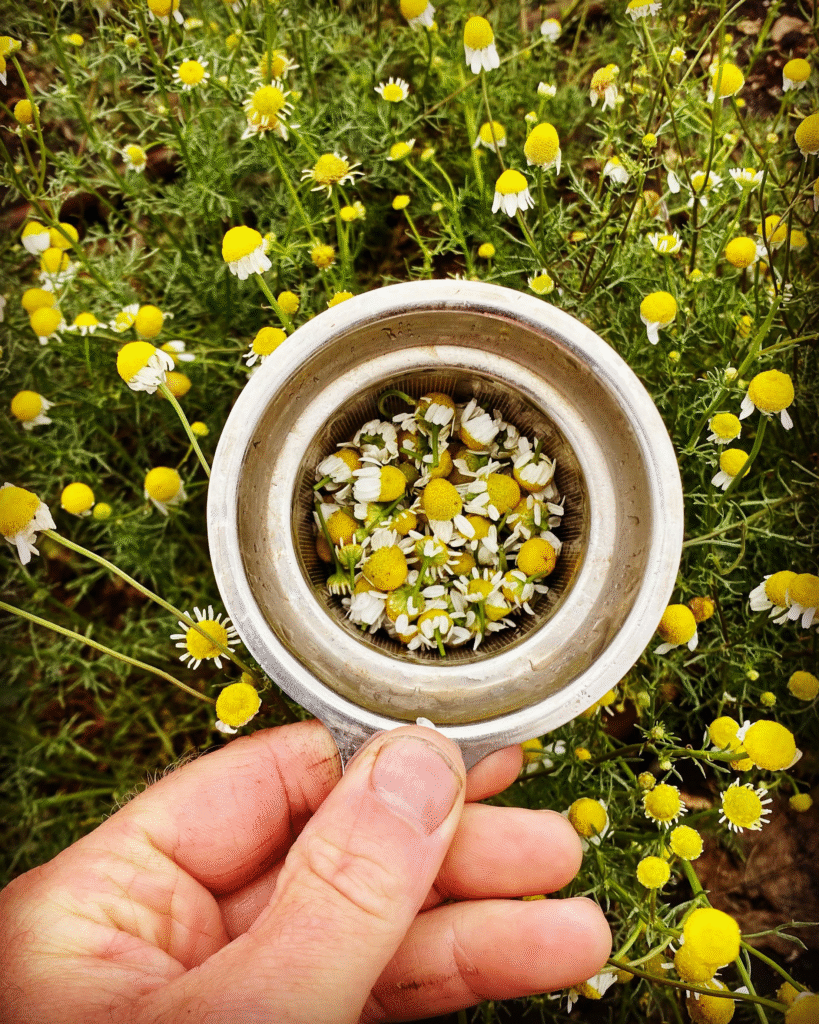
Roman chamomile’s apple daisies calm teas or lawns in Zones 4–9. Sow in loamy soil (pH 5.6–7.5), full sun—fall germinates for spring mats; my groundcover brews bedtime bliss. Beneficial bugs love it, copper tape for slugs. Dry flowers quick; raise beds in wet—anti-inflammatory gold.
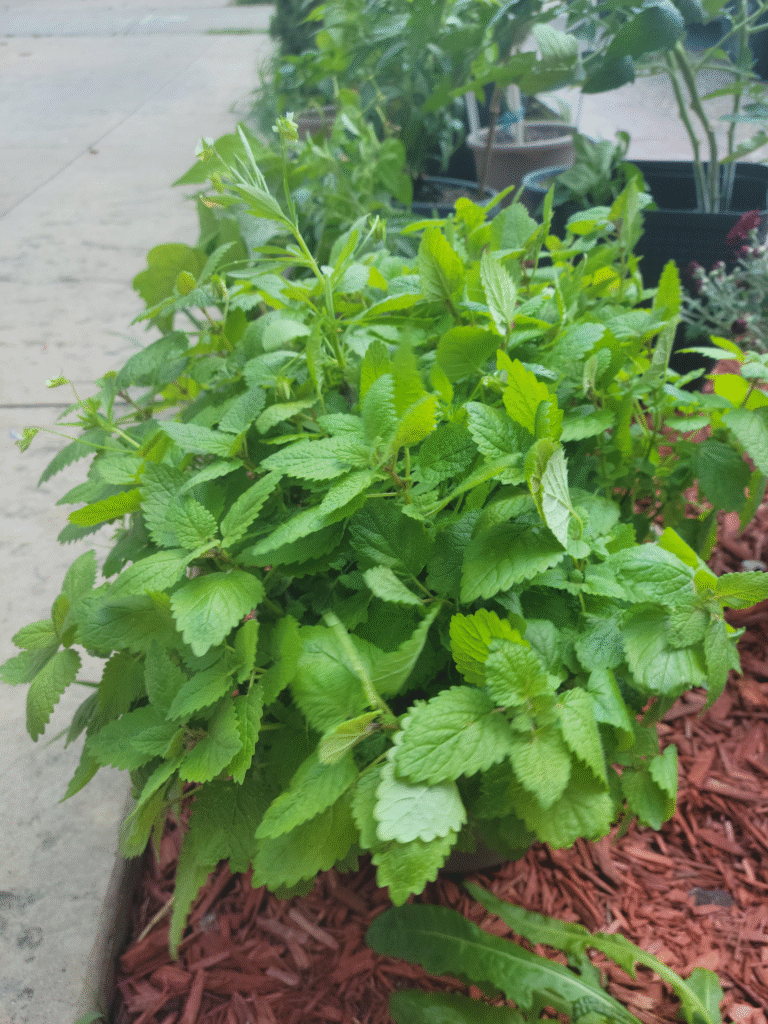
Lemon balm’s citrus-mint for teas dodges summer bolt in Zones 3–7 (mulch 8-9). Cuttings in moist soil (pH 6.0–7.5), part shade—spreads, pot to tame; my infusions soothed fall evenings. White flowers for bees, spacing beats mildew. Pinch mornings; sink pots for control—antiviral win.
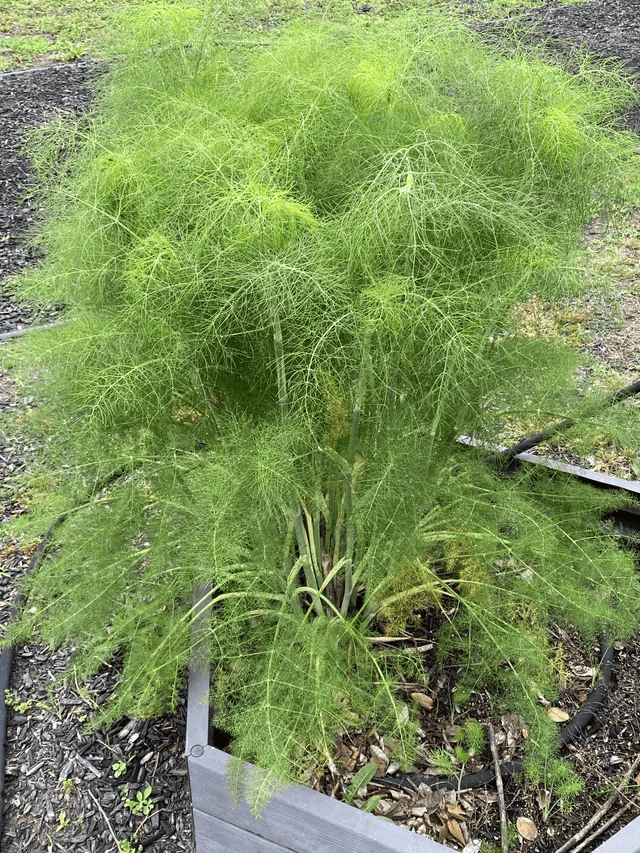
Fennel’s bulbs, fronds, seeds flavor fish in Zones 4–9. Sow deep soil (pH 6.0–7.0), full sun—autumn bulks; my bronze added drama, swallowtails hosted. Iron baits for slugs; deadhead seeds. Direct sow; companion with brassicas.
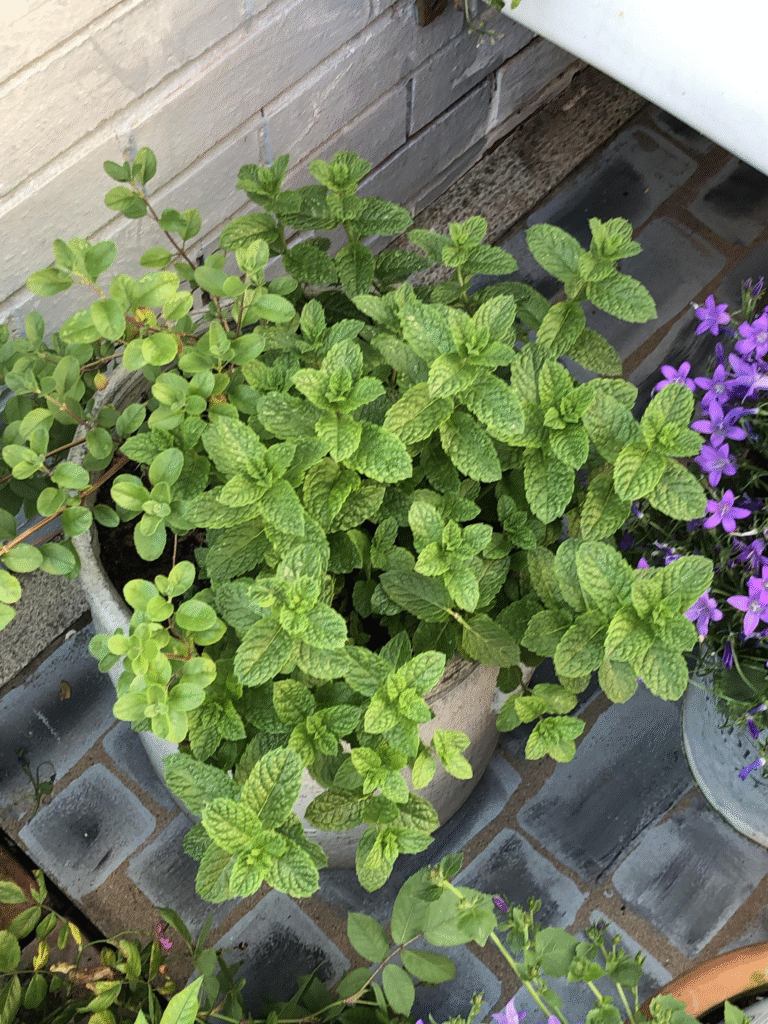
Mint’s zing for mojitos in Zones 3–11—rhizomes in rich soil (pH 6.0–7.0), part shade, contained. Pots sunk stop escapes; my spearmint wintered indoors. Hoverflies on flowers, rust removal. Prune bushy; refresh soil yearly.
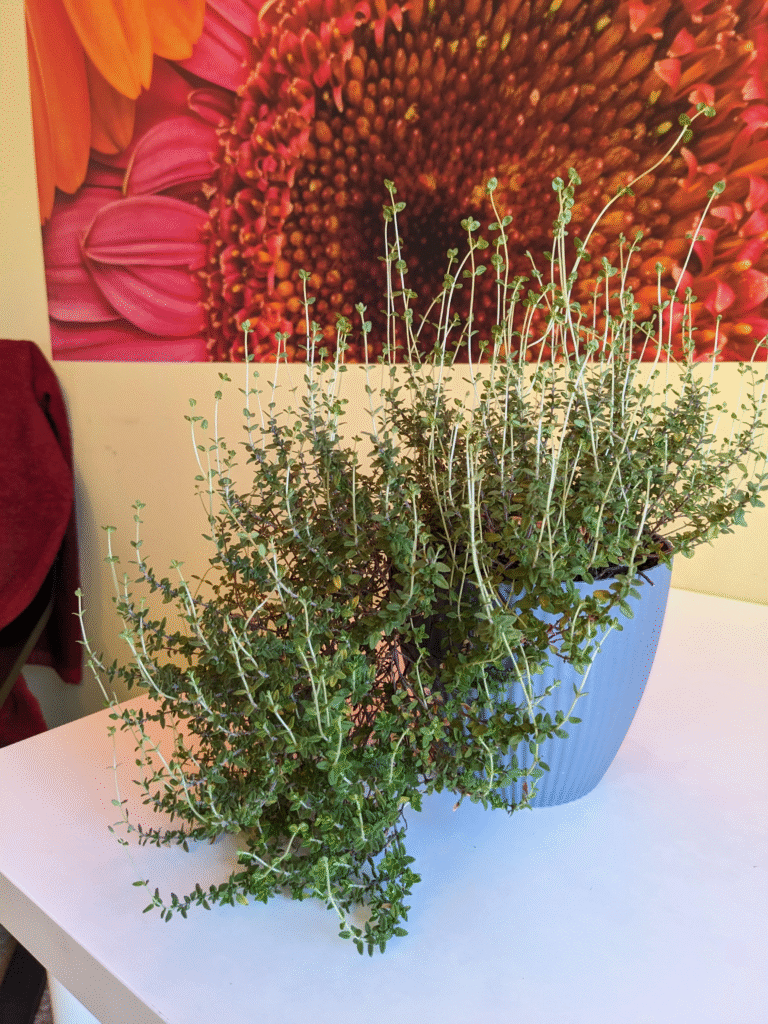
Thyme’s earthy for soups in Zones 4–9. Sandy soil (pH 6.0–8.0), full sun—evergreen; my lemon edged paths. Sand for drainage, ladybugs aphids. Trim post-bloom; antimicrobial star.
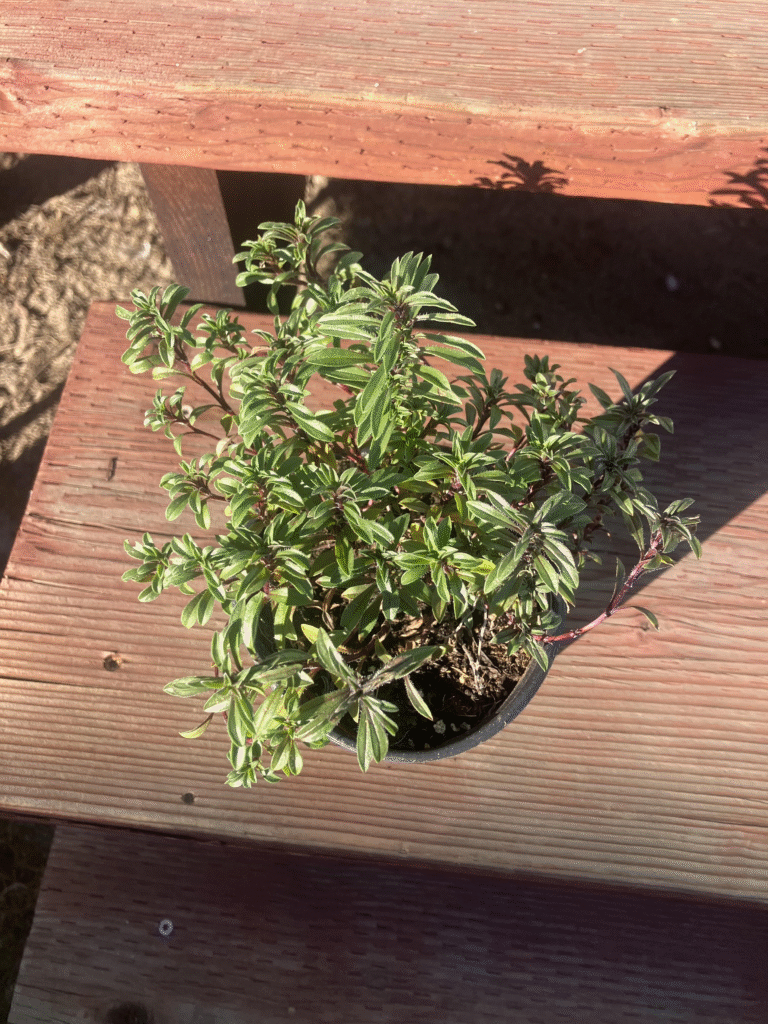
Winter savory’s bite for beans in Zones 5–11. Lean soil (pH 6.0–7.0), full sun—semi-evergreen; my salts popped. Pinch aphids; minimal feed. Digestive aid, rock garden fit.

Sage’s fuzzy leaves for roasts in Zones 4–9. Alkaline soil (pH 6.0–7.0), full sun—bushy; my purple flowered for hummers. Space mildew, spring prune. Sore throat soother.
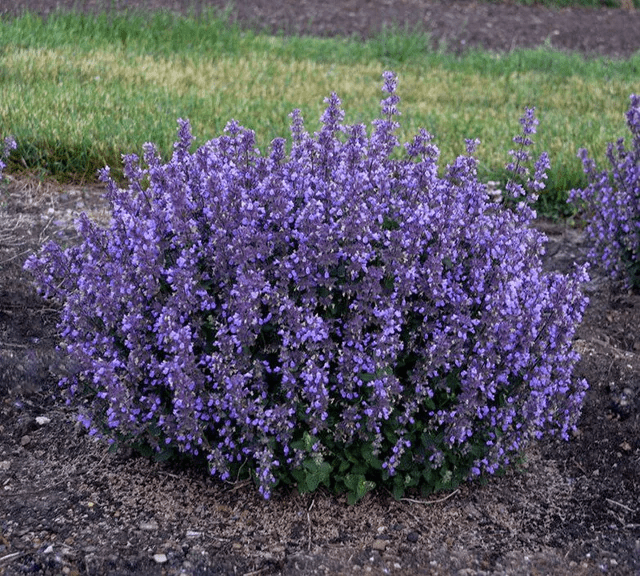
Catmint’s minty spikes for borders in Zones 3–9. Average soil (pH 6.0–7.5), full sun—clumps; my ‘Walker’s Low’ cat/bee joy. Deadhead rebloom; mosquito repel.
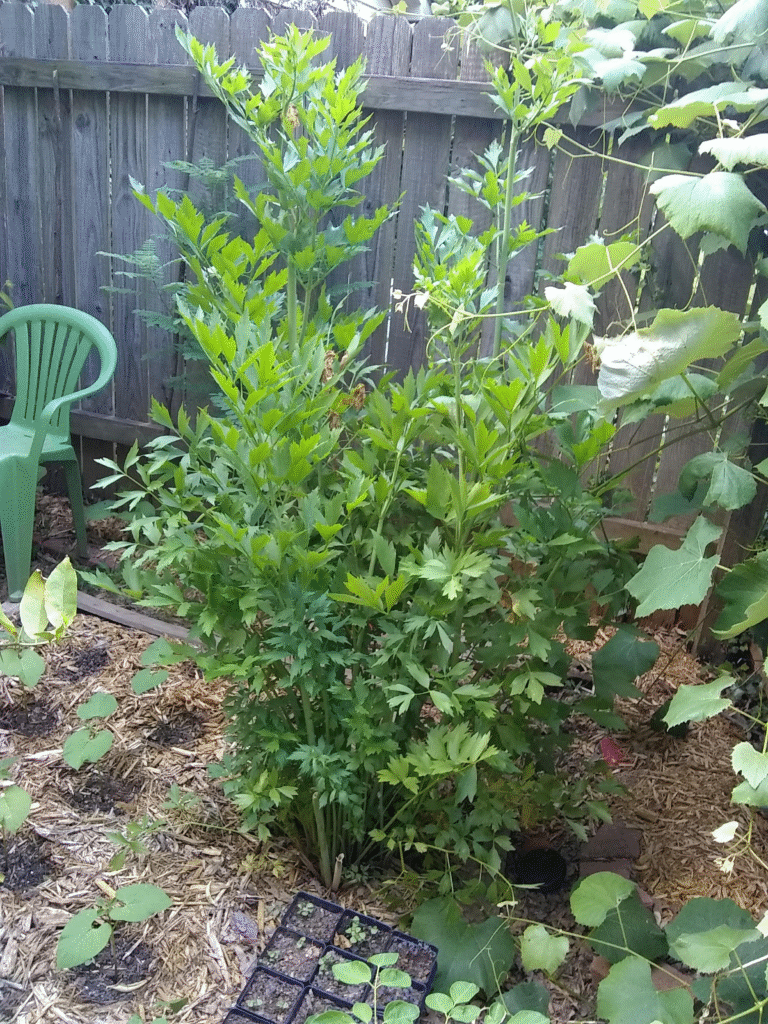
Lovage’s celery for stocks in Zones 4–8. Rich moist soil (pH 6.0–7.0), sun/shade—tall; my pestos nutty. Traps slugs; stake wind. Nutrient boost.
My Fall Planting and Care Secrets
Soil drained with organics, pH test/amend, moist till rooted (rain helps), 2–3″ mulch insulate, light organic feed, tip-prune bushy. My garden’s thrived with these.
Quick Herb Reference
| Herb | Zones | Flavor/Use | Habit | Pollinators |
|——|——-|————|——-|————-|
| Chives | 3–9 | Onion/garnish | Clumping | High |
| French Tarragon | 4–9 | Licorice/sauce | Upright | Low |
| Rosemary | 8–10 | Piney/meat | Shrubby | Medium |
| Oregano | 4–10 | Earthy/Italian | Spreading | High |
| Roman Chamomile | 4–9 | Apple/tea | Groundcover | High |
| Lemon Balm | 3–7 | Citrus/calm | Spreader | High |
| Fennel | 4–9 | Anise/bulb | Tall | Very High |
| Mint | 3–11 | Refresh/beverage | Rhizome | High |
| Thyme | 4–9 | Earthy/season | Creeping | High |
| Winter Savory | 5–11 | Peppery/bean | Shrub | Medium |
| Sage | 4–9 | Savory/medicinal | Bushy | High |
| Catmint | 3–9 | Minty/ornamental | Clumping | Very High |
| Lovage | 4–8 | Celery/stock | Tall | Medium |
Fall Herb Checklist
- [ ] Chives
- [ ] French Tarragon
- [ ] Rosemary
- [ ] Oregano
- [ ] Roman Chamomile
- [ ] Lemon Balm
- [ ] Fennel
- [ ] Mint
- [ ] Thyme
- [ ] Winter Savory
- [ ] Sage
- [ ] Catmint
- [ ] Lovage
These herbs have made my fall garden a flavor and buzz fest—fresh sage in tea? Bliss. Plant now for roots that reward; your kitchen and bees will love it.
Autumn Herb Wins: Cool fall roots European gems bolt-free for intense flavors in Zones 3–11—drain soil, mulch, pollinator-perk for easy, year-round bounty.
Quick-Fire FAQ
What is the best herb for beginners?
Chives are the best herb for beginners. They are hardy, quick to establish, and forgiving of mistakes—mine were ready to snip within weeks of planting.
How do I keep mint from taking over the garden?
Sinking pots into the ground works well. That is what stopped mint from taking over my garden last fall.
Is it okay to plant these herbs late in fall?
Yes, as long as the roots have time to set before the first frost. Planting in early September gives the best results.
Which of these herbs can grow indoors in winter?
Rosemary and mint do well on a sunny windowsill through winter. The rest of these herbs are better off mulched and left outdoors.
What pests should I watch for in fall?
Neem oil handles aphids, and simple traps take care of slugs. These natural methods have worked well in my yard.
— Grandma Maggie