
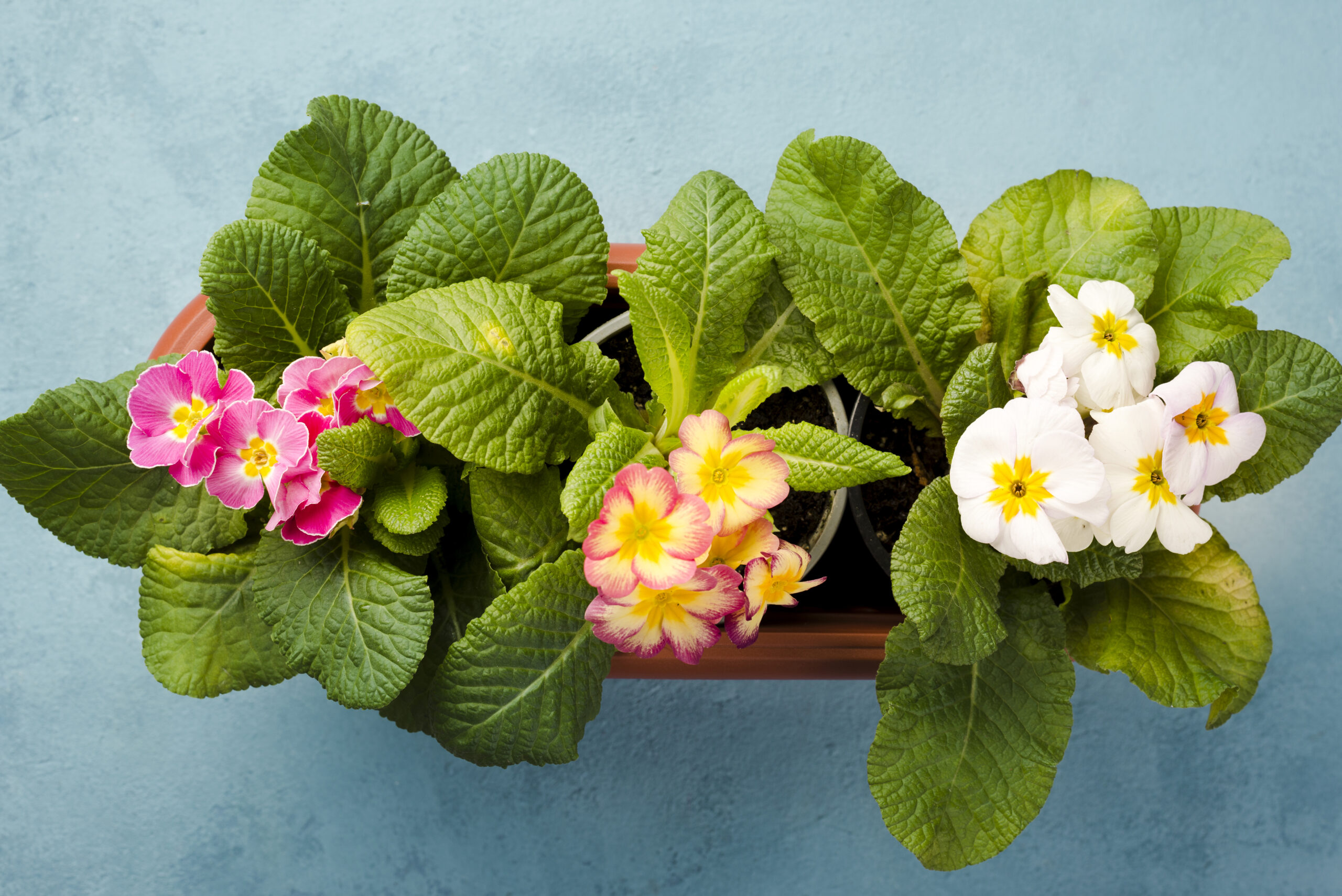
Hey fall gardening friends, if you’re itching to fill those bare spots as the air turns crisp, I’ve got great news—September’s the perfect time for flowers that root deep for stunning autumn color and a head start next spring. In my own yard, planting then has given me blooms through frost while drawing in bees for that extra eco-boost. You can create your own root-deep magic too—let’s explore these 15 favorites that make fall glow!
Why September’s Your Secret Weapon for Flowers
I’ve discovered September planting is a smart move—cooler soil and rains let new flowers focus on strong roots instead of pushing blooms too fast, leading to tougher perennials that return bigger and annuals that pop just in time for sweater weather. They bridge summer to winter with color, sip less water, and feed late pollinators when options dwindle—low-fuss for beginners like my early tries. If pollinators are your jam, pair with my native wildflower guide, but these build resilient, beautiful beds effortlessly.
My Go-To 15 Flowers for Fall Planting Wins
These are the blooms I’ve planted in September with success, each bringing color and ease—here’s the scoop with my garden-tested tips.
1. China Aster: Frilly Fall Fireworks
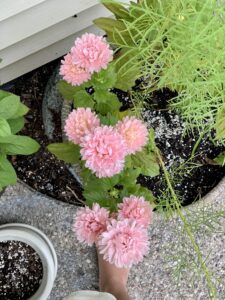


China asters are my fall showstoppers—frilly daisies in pinks and purples from September to frost in Zones 2–11, 8–36 inches tall, in full sun to part shade. Plant starts now in fertile, well-drained soil (pH 6.0–7.0)—cool September weather lets them root without bolting; my ‘Matsumoto’ edged borders beautifully. Butterflies flock while deer usually skip them; use neem for aphids. Deadhead for more blooms, add a light mulch for winter, and enjoy 4–6 weeks of color, even in containers.
2. Chrysanthemum: Iconic Autumn Burst
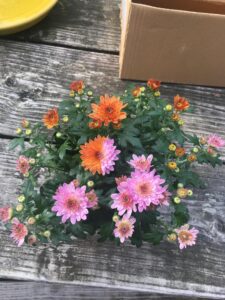
Chrysanthemums, or mums, light up beds with pom-poms in oranges and reds, acting as hardy perennials in Zones 3–9 and growing 6 inches to 4 feet tall in full sun. September planting lets roots settle so they return year after year—choose garden mums over florist types for better winter survival, and give them moist but well-drained soil (pH 6.0–6.5). My ‘Country Girl’ clumps bloomed right into November. They’re pollinator-friendly; if you spot leaf miners, simply pick off damaged leaves. Pinch tips in early summer for bushier plants and divide in spring to keep them vigorous.
3. Goldenrod: Native Golden Glow

Goldenrod’s golden plumes shine in late fall as a native perennial for Zones 2–9, reaching 1–8 feet in full sun. Sow or transplant in September into average soil (pH 5.5–7.0); they’re drought-tolerant once established and appreciate that cooler-season root boost. Varieties like ‘Fireworks’ spread more gently. My bee patch proved it doesn’t cause allergies—that’s ragweed’s job. Provide good airflow to avoid rust, and leave some stems standing over winter for wildlife habitat and seeds.
4. Marigold: Sunny Pest-Pusher

Marigolds bring bright yellows and oranges right up to frost as annuals in Zones 2–11, growing 6 inches to 4 feet tall in full sun. Sow or transplant in September into loamy soil (pH 6.0–7.0) and they’ll bloom in about 45–60 days—French marigolds are great for borders while African marigolds add big drama. I tuck them among veggies to help discourage nematodes. Watch for slugs with beer traps, and enjoy their edible petals sprinkled over salads.
5. Pansy: Cheery Frost Faces
Pansies’ cheerful faces bloom into winter in Zones 6–10, usually 6–12 inches tall in part shade. Set out starts now in rich, moist soil (pH 5.5–6.5) and they can shrug off temps down to around 20°F—’Matrix’ series has been especially vigorous in my pots and borders. I edge containers with them for a bright fall and winter show. Use diatomaceous earth to deter slugs, and enjoy self-cleaning types that keep flowering without much deadheading.
6. Snapdragon: Whimsical Spikes
Snapdragons send up pastel or bright spikes from 6 inches to about 4.5 feet tall in Zones 7–10, loving full sun and cool weather. Transplant in September into well-drained soil (pH 6.5–7.0) and they can overwinter for strong spring and early-summer blooming—’Rocket’ is a great tall variety for cutting. Hummingbirds adore the blooms. Use insecticidal soap for aphids, stake taller types, and enjoy them as one of the most whimsical cool-season flowers.
7. Autumn Sage: Tubular Red Resilience
Autumn sage brings tubular red or pink flowers from fall into spring in Zones 6–9, growing 2–4 feet tall in sun to part shade. It loves sandy, well-drained soil (pH 6.0–7.5) and takes drought like a champ—’Wild Thing’ has been one of my longest-blooming varieties. Hummingbirds flock to it. Just make sure drainage is sharp to prevent root rot, and prune lightly after a heavy bloom flush to keep it compact.
8. Calendula: Edible Orange Healer
Calendula adds bright orange or yellow daisies and is both ornamental and medicinal. It’s perennial in Zones 9–11 but grown as a cool-season annual elsewhere, reaching 1–2 feet in sun to part shade. Sow in September into loamy soil (pH 6.0–7.0) and it often reseeds itself. Petals are famous for skin-soothing salves and teas. Protect young plants from slugs with barriers, and enjoy blooms right up until hard frost.
9. ‘Autumn Joy’ Sedum: Succulent Rosy Heads
‘Autumn Joy’ sedum forms sturdy clumps topped with rosy flower heads that dry beautifully for winter interest. It’s hardy in Zones 3–10, about 1.5–2 feet tall in full sun. Plant divisions in poor, well-drained soil (pH 6.0–7.5) and you’ll have a butterfly hotspot with very little watering. Keep the crown slightly elevated to prevent rot, and enjoy low-maintenance structure in both borders and containers.
10. Celosia: Flame Boldness
Celosia’s cockscomb and plume types bring intense reds, oranges, and magentas as annuals in Zones 2–11, from 6 inches to 4 feet tall in full sun. Transplant in September into fertile, well-drained soil (pH 6.0–7.0)—’Fresh Look’ varieties excel in pots and borders. A quick hose blast or soap spray keeps aphids in check. They don’t mind cooler fall nights, and their dried heads look great in arrangements.
11. Black-Eyed Susan: Golden Native Daisy
Black-eyed Susans splash golden petals with dark centers in Zones 3–9, standing 1–4 feet tall in full sun. Sow in September in average soil (pH 5.5–7.0) and they’ll support native bees and butterflies. Space plants well to reduce mildew, and leave seed heads over winter as natural bird feeders. They’re a backbone plant for any low-maintenance fall bed.
12. Sneezeweed: Late Daisy Burst
Sneezeweed bears daisy-like flowers in reds and yellows in Zones 3–8, rising 3–5 feet tall in sun to part shade. It enjoys moist soil (pH 6.0–7.0); ‘Moerheim Beauty’ is a favorite for warm tones. Give good airflow to avoid rust, and divide clumps every three years to keep plants vigorous. Despite the name, it’s not a major allergy culprit.
13. Toadlily: Speckled Shade Orchid
Toadlily offers speckled, orchid-like flowers in shade gardens, thriving in Zones 4–9 at 1–3 feet tall. Plant in humus-rich, moist soil (pH 5.5–7.0) and let it fill those darker corners where other flowers struggle. I like pairing it with ferns for texture. Watch for slugs with traps or barriers, and enjoy its late-season bloom when most shade plants are done.
14. Petunia: Trailing Container Color
Petunias cascade and spill from pots and beds, acting as tender perennials in Zones 10–11 and annuals elsewhere, 6 inches to 2 feet high in sun to part shade. Transplant in September into fertile, well-drained soil (pH 6.0–7.0)—’Wave’ types spread beautifully over container edges. Keep watering even to prevent bud drop and enjoy long-lasting blooms until frost.
15. African Daisy: Jewel Mild Frost
African daisies (Osteospermum) bring jewel-toned daisy flowers in baskets and beds, thriving in Zones 10–11 and used as annuals elsewhere. They reach 1–3 feet tall in full sun and appreciate gritty, well-drained soil (pH 6.0–7.5). I like varieties from the ‘Serenity’ series for soft, blended colors. Protect from slugs with pellets and cover or move containers during hard frost for a longer show.
Planting and Care Tips from My Fall Beds
Work compost into drained soil and test pH where you can. Water deeply at planting, then about once a week in dry spells—autumn rains often help. Add 2 inches of organic mulch to protect roots and block weeds. Use a light bloom fertilizer to support root growth without pushing weak, floppy foliage. Pinch annuals to keep them bushy and deadhead or trim perennials after bloom for tidy, dazzling displays.
Quick Flower Reference
| Flower | Zones | Height | Light | Feature |
|---|---|---|---|---|
| China Aster | 2–11 | 8–36″ | Sun–part | Daisy quick |
| Chrysanthemum | 3–9 | 6″–4′ | Full sun | Bold perennial |
| Goldenrod | 2–9 | 1–8′ | Full sun | Native pollinator |
| Marigold | 2–11 | 6″–4′ | Full sun | Pest annual |
| Pansy | 6–10 | 6–12″ | Part shade | Frost faces |
| Snapdragon | 7–10 | 6″–4.5′ | Full sun | Spiky cool |
| Autumn Sage | 6–9 | 2–4′ | Sun–part | Drought red |
| Calendula | 9–11 | 1–2′ | Sun–part | Edible reseed |
| ‘Autumn Joy’ Sedum | 3–10 | 1.5–2′ | Full sun | Succulent cluster |
| Celosia | 2–11 | 6″–4′ | Full sun | Flame bold |
| Black-Eyed Susan | 3–9 | 1–4′ | Full sun | Golden native |
| Sneezeweed | 3–8 | 3–5′ | Sun–part | Late red-yellow |
| Toadlily | 4–9 | 1–3′ | Shade | Speckled orchid |
| Petunia | 10–11 | 6″–2′ | Sun–part | Trailing container |
| African Daisy | 10–11 | 1–3′ | Full sun | Jewel frost |
Your September Flower Starter List
- [ ] China Aster
- [ ] Chrysanthemum
- [ ] Goldenrod
- [ ] Marigold
- [ ] Pansy
- [ ] Snapdragon
- [ ] Autumn Sage
- [ ] Calendula
- [ ] ‘Autumn Joy’ Sedum
- [ ] Celosia
- [ ] Black-Eyed Susan
- [ ] Sneezeweed
- [ ] Toadlily
- [ ] Petunia
- [ ] African Daisy
September flowers have made my autumns magical—colorful, buzzing, and future-ready! It’s that easy joy of planting for now and later. Dig in, and watch the glow.
Fall Bloom Wins: September roots cool-loving flowers deep for Zones 2–11 color—drained soil, mulch, and pollinator-friendly choices for resilient, stunning displays.
Quick-Fire FAQ
-
Too late for September?
Nope—roots focus now for blooms soon and strength next year; my asters proved it.
-
Best beginner?
Pansies—frost-tough, quick color; mine edged pots with almost no fuss.
-
Pollinator focus?
Goldenrod or black-eyed Susan—native clumps that buzz with bees and butterflies in my beds.
-
Overwinter tips?
Mulch roots, cut back perennials after bloom, and choose hardy garden mums—mine returned even bushier.
-
Pot-friendly?
Absolutely—petunias, celosia, pansies, and China asters all filled my deck containers with fall color.