
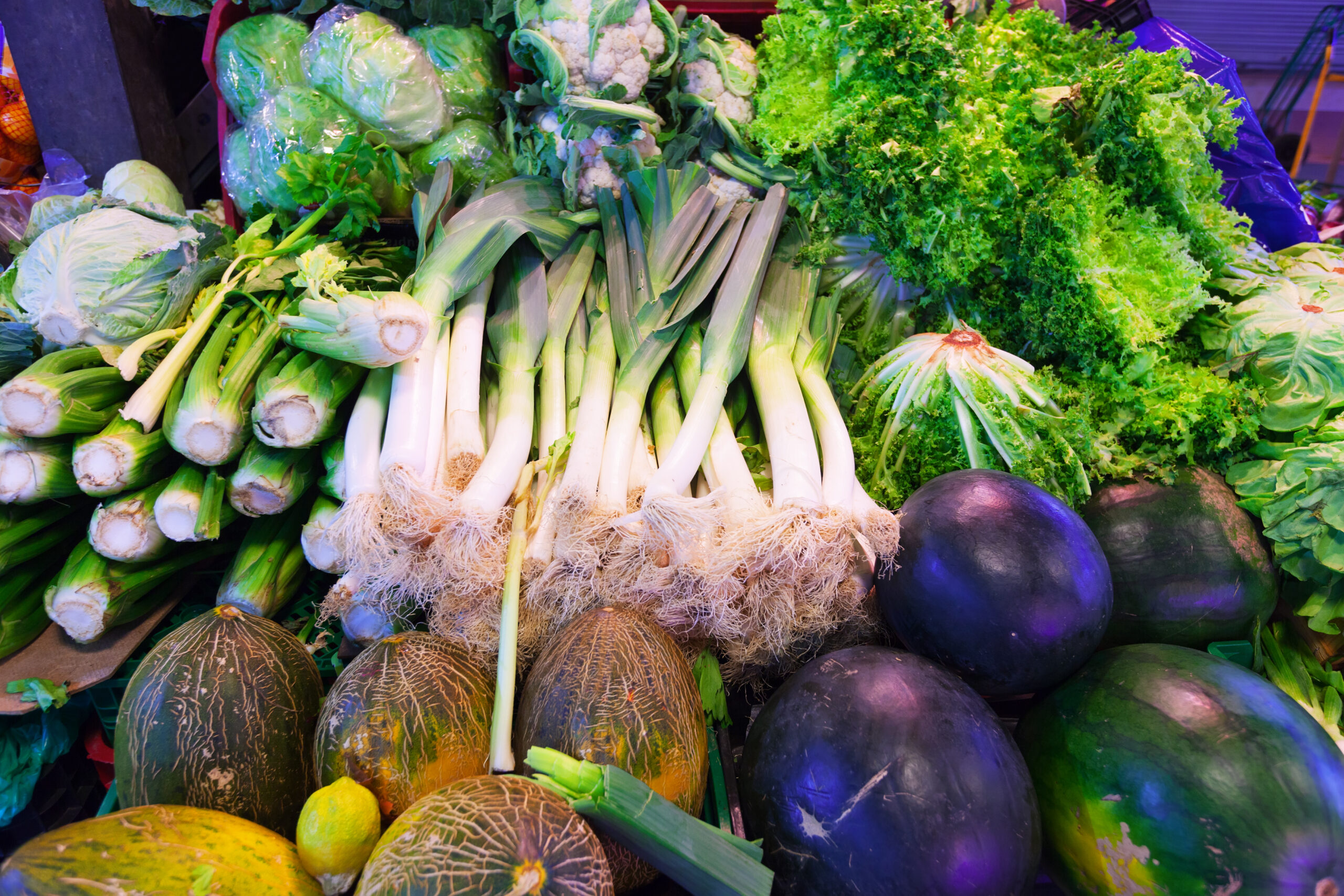
Hey friends, have you ever dreamed of growing veggies so big they could win you a blue ribbon at the fair? I’ve turned my backyard into a giant veggie wonderland, and it’s easier than you think with the right varieties and a bit of care. These 17 picks will give you massive yields to feed the family or impress the neighbors—let’s dive in and get your garden growing monster-sized!
Why Go Big with Giant Veggies? It’s All Upside
You know, starting with giant varieties changed my gardening game—they pack way more harvest into the same space, and there’s something magical about pulling up a carrot the size of your arm. They’re great for beginners too, since many are resilient and productive with just good soil and sun. In my experience, they save money on seeds while giving you that wow factor, plus they’re often tastier and more nutritious. If you’re tight on room, these beasts still deliver without overwhelming your plot.
My Favorite 17 Giant Veggies for Epic Harvests
I’ve grown most of these over the years, tweaking as I go, and here’s the scoop on each—zones, tips, and what to watch for to hit those record sizes.
1. Bean ‘Orient Wonder’: Climbing Pods of Plenty
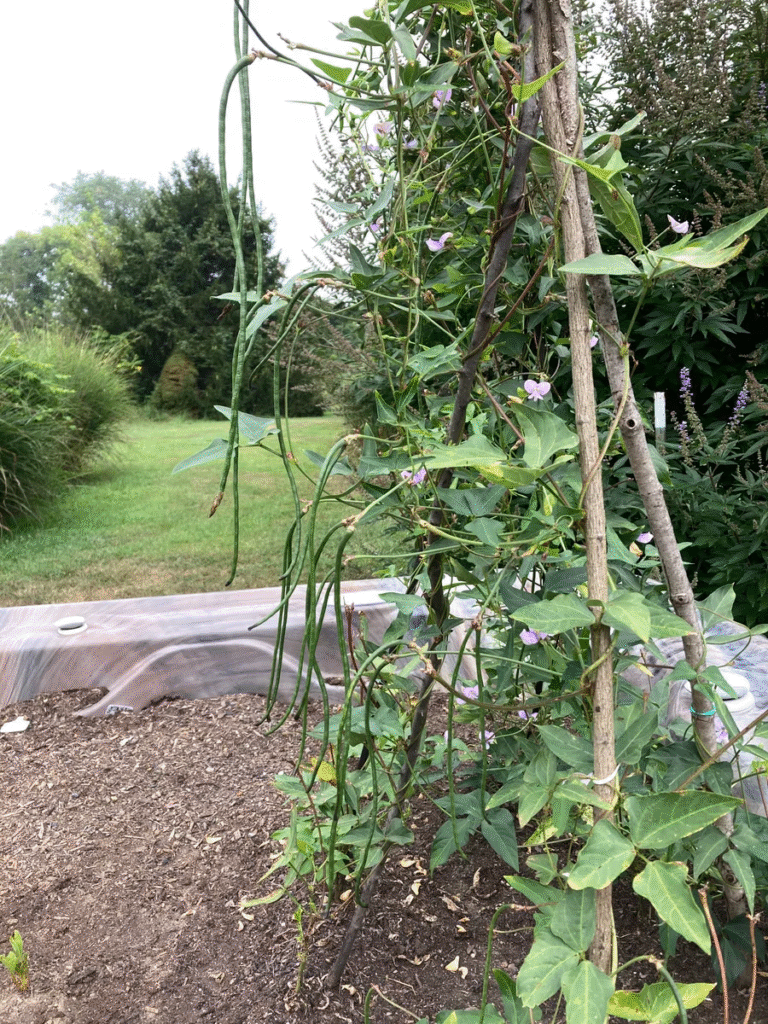
‘Orient Wonder’ pole beans are my go-to for vertical giants—those 12–30-inch pods burst with flavor for fresh eating or drying, thriving in Zones 3–10. Sow after frost in rich soil, full sun, and give ’em a sturdy trellis since vines hit 10 feet; I harvested pounds weekly last year. Space 6 inches apart, fertilize with potassium, and blast aphids with water. Quick tip from my patch: Prune lower leaves for airflow to keep disease away and pods coming.
2. Bean ‘Kentucky Wonder’: Classic Heat-Beaters
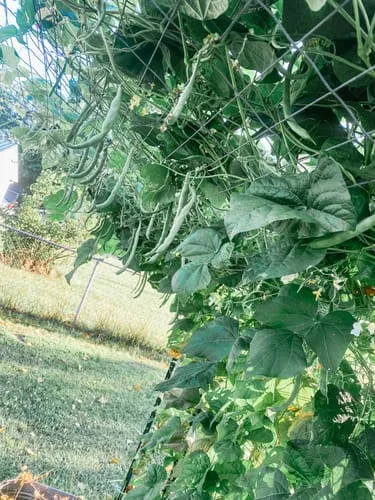
‘Kentucky Wonder’ gives you 7–9-inch stringless pods with that buttery taste, perfect for hot spots in Zones 3–10. Bush or pole to 5–6 feet, ready in 55–65 days in loamy soil and 8 hours sun—drought-tough but loves steady water. My stir-fries were loaded thanks to this one; neem for beetles. Pick young to avoid rust, and start with high-nitrogen for big growth.
3. Beet ‘Mammoth Red Mangel’: Roots and Greens Galore
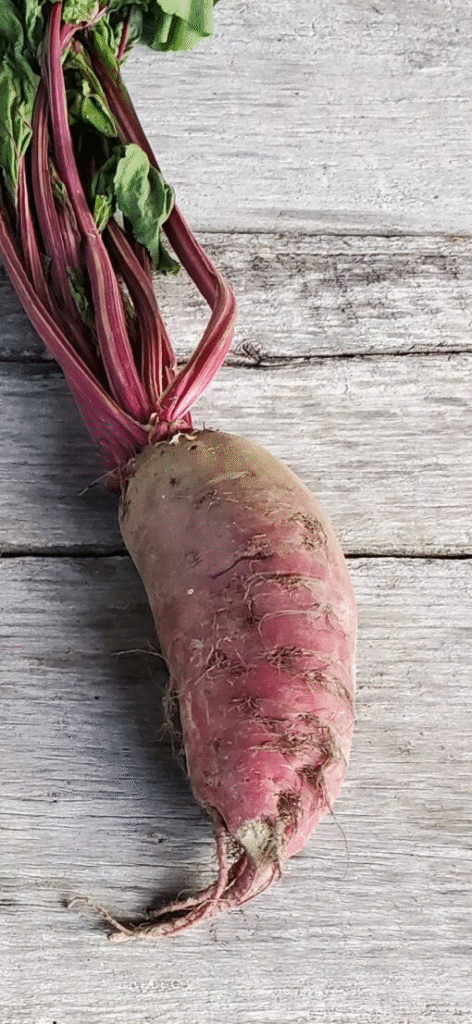
‘Mammoth Red Mangel’ beets bulk up to 6 inches wide with sweet roots and tasty tops for Zones 2–10. Sow in loose sandy soil, partial shade okay, thin to 4 inches for 60-day harvest—I roast mine whole. Row covers beat flea beetles. Thin early so they don’t get woody; great for feeding the compost too if you overdo it.
4. Cabbage ‘Sapporo Giant #4’: Fair-Winning Heads
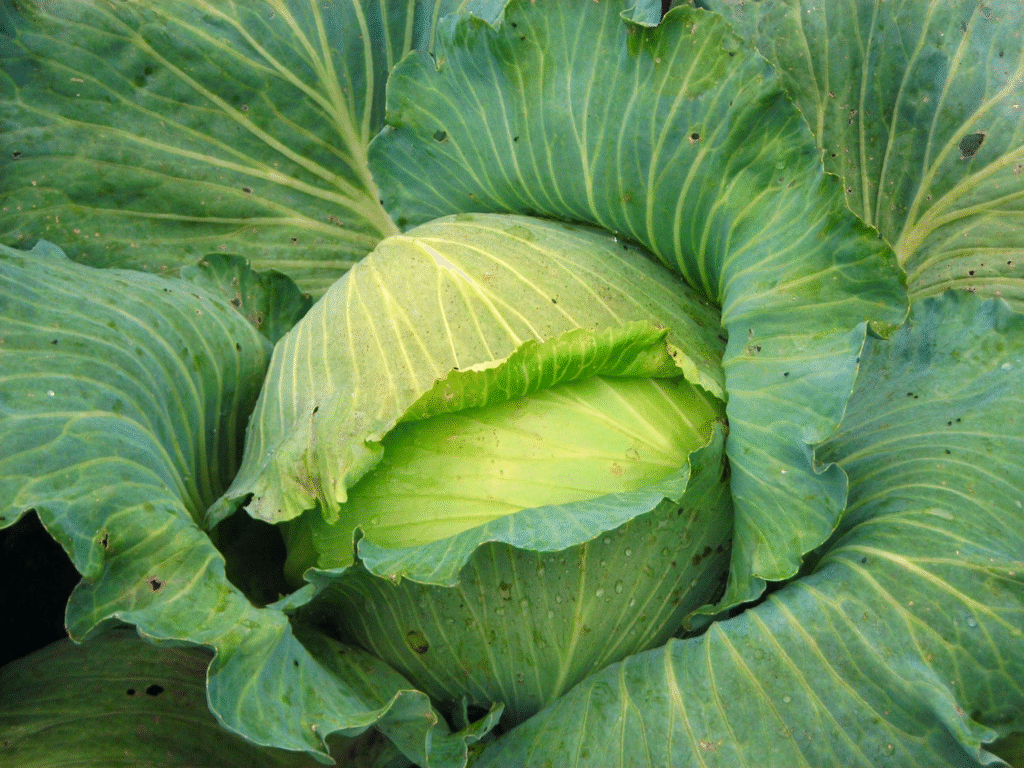
‘Sapporo Giant #4’ packs 20–40 lb heads of crisp sweetness for kimchi in Zones 2–9—transplant 12–18 inches apart in moist soil, full sun, 80–100 days. Mine took a ribbon at the fair! BT spray for worms, mulch for moisture. Firm soil after rain to stop splitting; I’ve learned overwatering bursts ’em.
5. Carrot ‘Manpukuji’: Long and Sweet

‘Manpukuji’ carrots stretch 12–18 inches, super sweet for soups in Zones 2–10. Deep loose soil, full sun, thin to 2 inches for 70–80 days—my bumper crop was a joy. Onions companion against maggots. Raised beds prevent twisting; compacted dirt ruins the shape.
6. Corn ‘Wade’s Giant Indian Flint’: Towering Ears
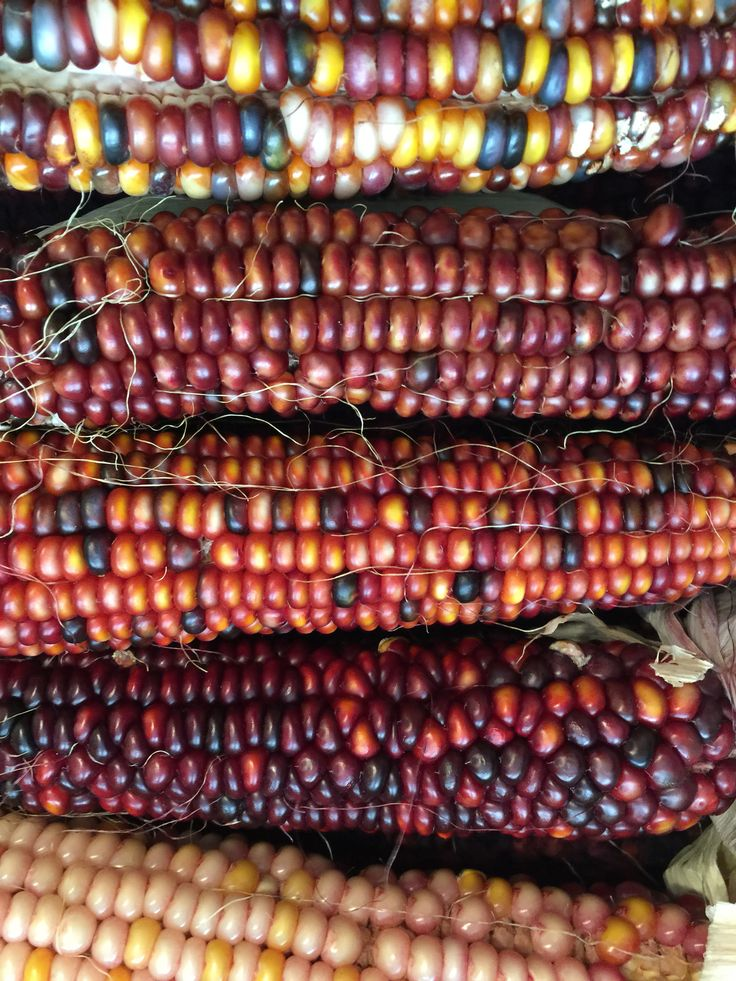
‘Wade’s Giant’ corn shoots up 8–10 feet with nutty, colorful kernels in Zones 4–8. Plant in blocks 12 inches apart, rich soil, full sun, 100–110 days—2 ears per stalk for me! Oil silks for earworms. Hill soil for wind stability; tall ones topple without it.
7. Elephant Garlic: Bulbs as Big as Softballs
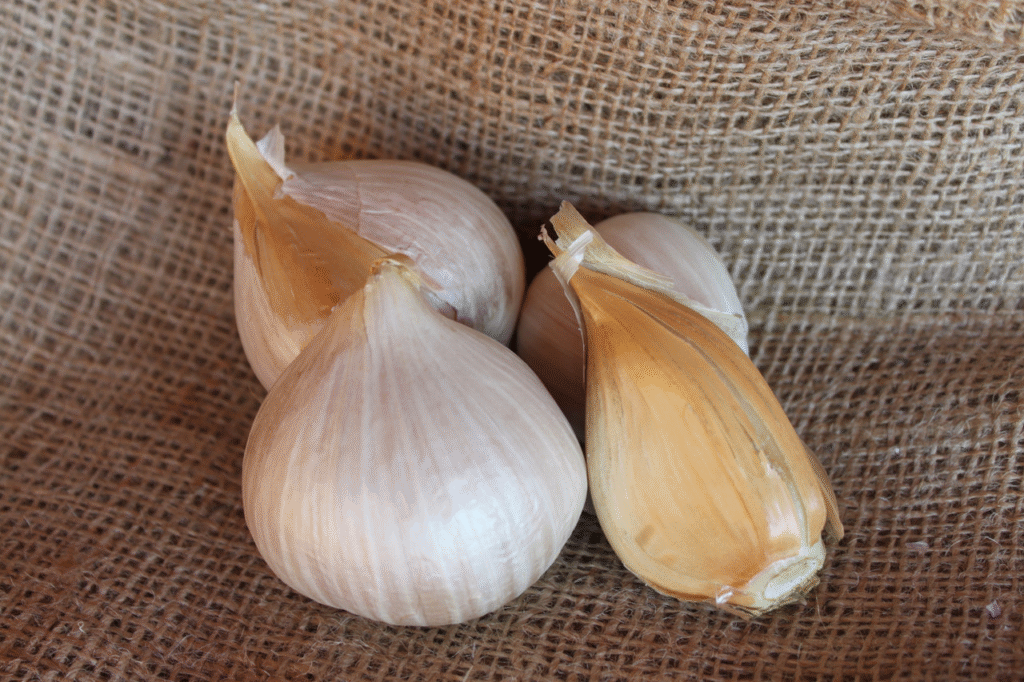
Elephant garlic gives mild 1-lb bulbs in Zones 3–9—plant cloves 6 inches deep, well-drained soil, full sun, 240 days to harvest. Sweeter roasted; clear debris for thrips. Cure in shade post-pick; wet storage rots them fast.
8. Gourd ‘Giant Bello’: Vining Monsters

‘Giant Bello’ gourds hit 3–5 feet, meaty and edible in Zones 3–11. Full sun, rich soil, trellis vines for 90–100 days—mine draped my fence beautifully. Hand-pick squash bugs. Trellis for airflow; ground rot leads to mildew.
9. Mustard ‘Red Giant’: Leafy Spice
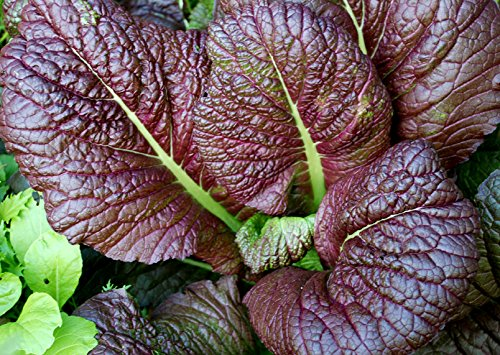
‘Red Giant’ mustard’s huge purple leaves spice up salads in Zones 2–11. Dense sow in moist soil, partial shade, 30–40 days—harvest outer ones. Soap for aphids. Succession sow biweekly; heat bitters them quick.
10. Pumpkin ‘Atlantic Giant’: Record-Chasers
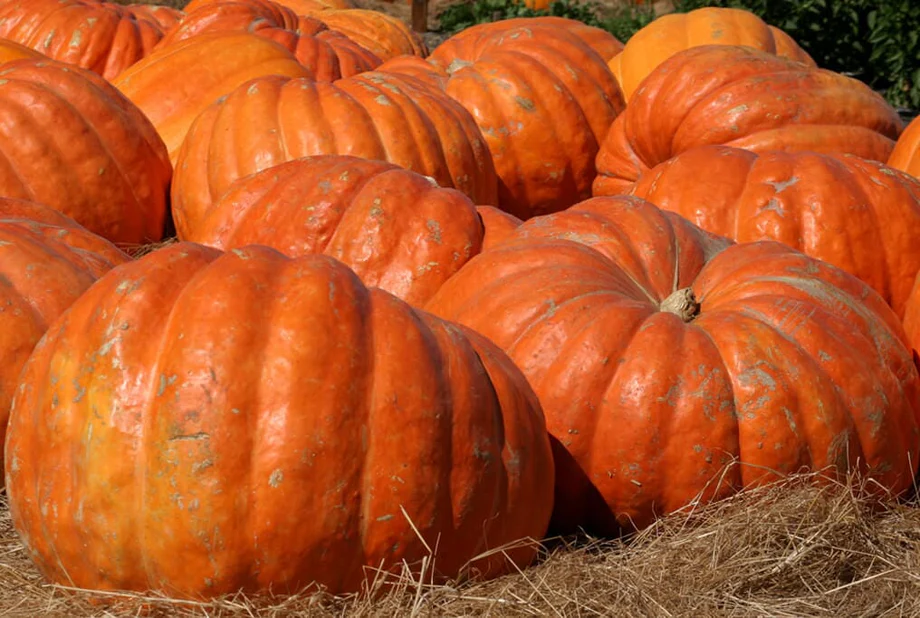
‘Atlantic Giant’ pumpkins aim for 1,000+ lbs in Zones 3–9—space 20 feet, compost soil, full sun, 120+ days. Prune vines; my 50-pounder was a start! Calcium for rot. Bury nodes for roots; it supercharges size.
11. Pumpkin ‘Big Max’: Pie Perfection
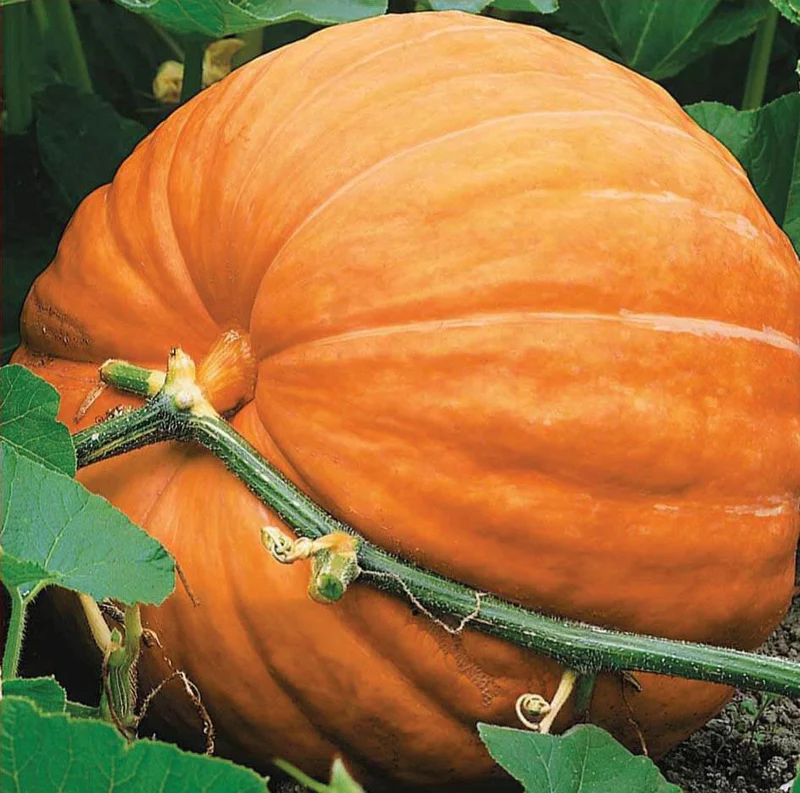
‘Big Max’ oranges up 100–200 lbs for baking in Zones 3–9, 110 days like Atlantic. Sweeter flesh; row covers early for borers. Rotate spots yearly; soil bugs build up.
12. Radish ‘German Giant’: Crisp Crunchers
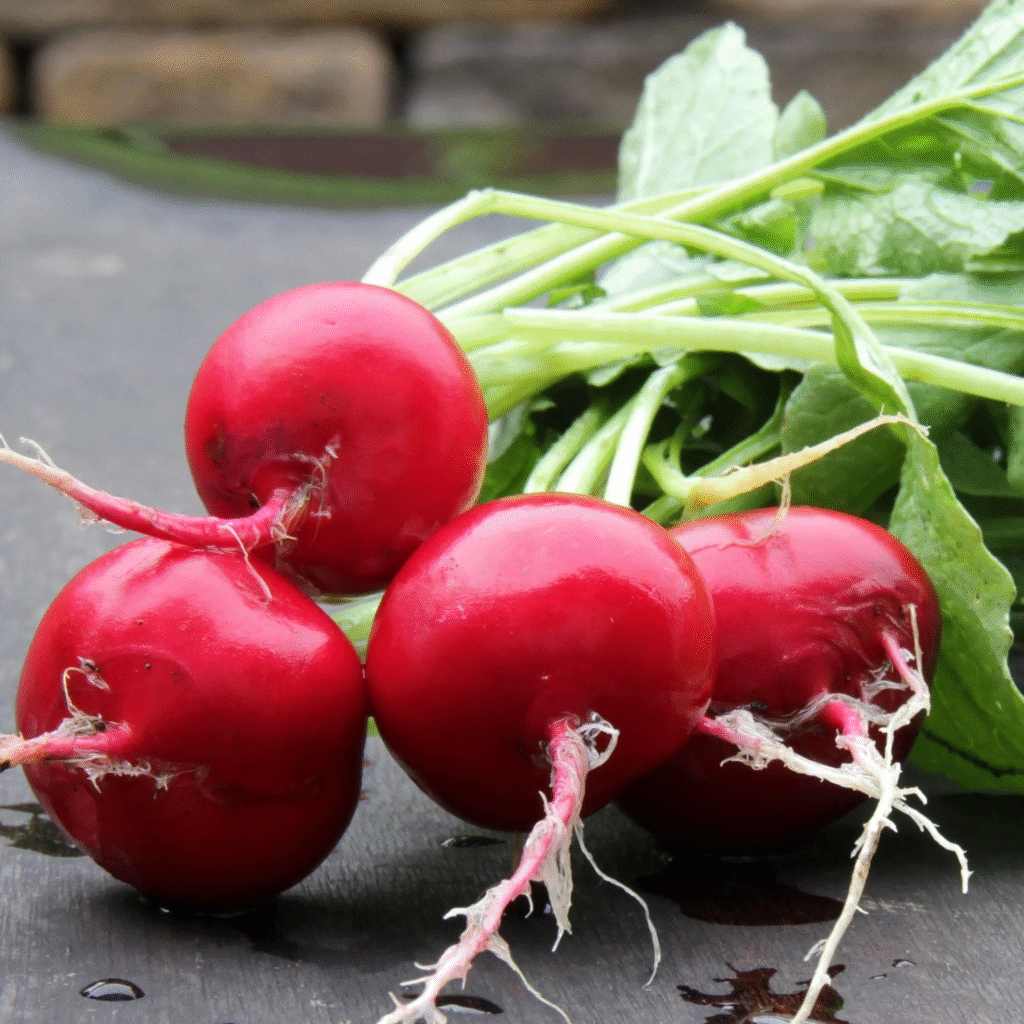
‘German Giant’ radishes swell to 3–4 inches, mild in Zones 2–11. Loose soil, full sun, 30 days—succession plant. Diatomaceous for beetles. Even water avoids splitting; dry spells pith them.
13. Radish ‘Sakurajima Giant’: Daikon Dynamos
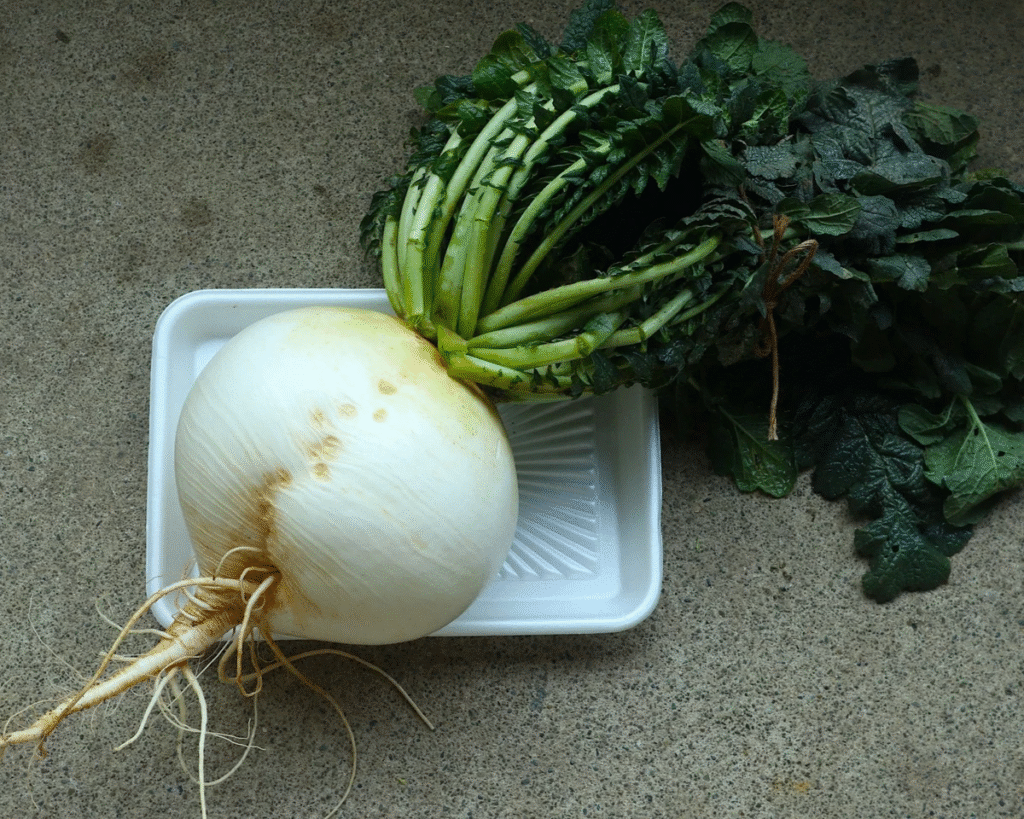
‘Sakurajima’ daikons tip 10–100 lbs, peppery for pickling in Zones 2–11. Deep cool soil, 60–70 days. Lime for clubroot. Harvest soon; they fiber up over time.
14. Spinach ‘Giant Noble’: Hardy Greens
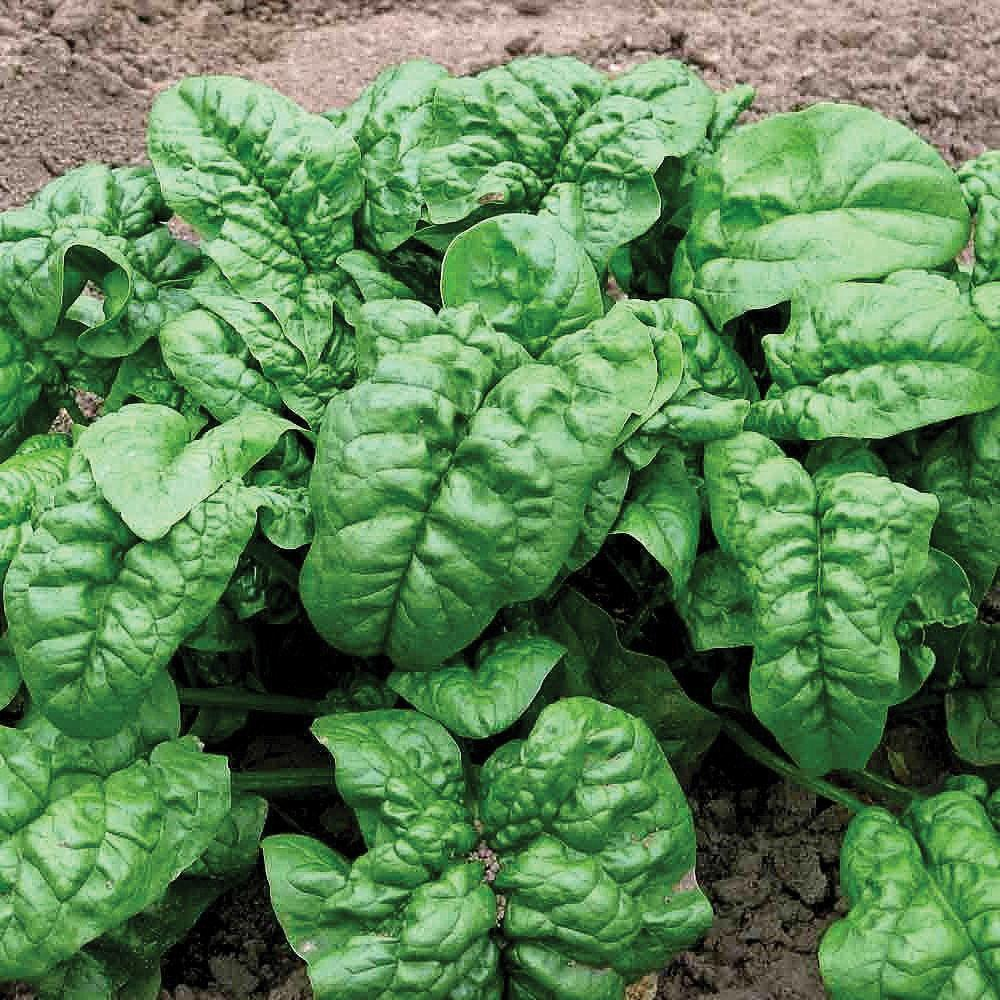
‘Giant Noble’ spinach broadens out savory leaves, cold-hardy Zones 3–9. Fertile soil, partial shade, 45 days—even winter picks. Space for mildew. Cool keeps bolting away; heat ends it.
15. Sunflower ‘Mongolian Giant’: Sky-High Seeds

‘Mongolian Giant’ sunflowers climb 12–14 feet, seeds for birds in Zones 4–9. Full sun, well-drained, 80–100 days—stunning backdrop! Stake against wind; they snap easy.
16. Tomato ‘Beefsteak’: Meaty Slicers
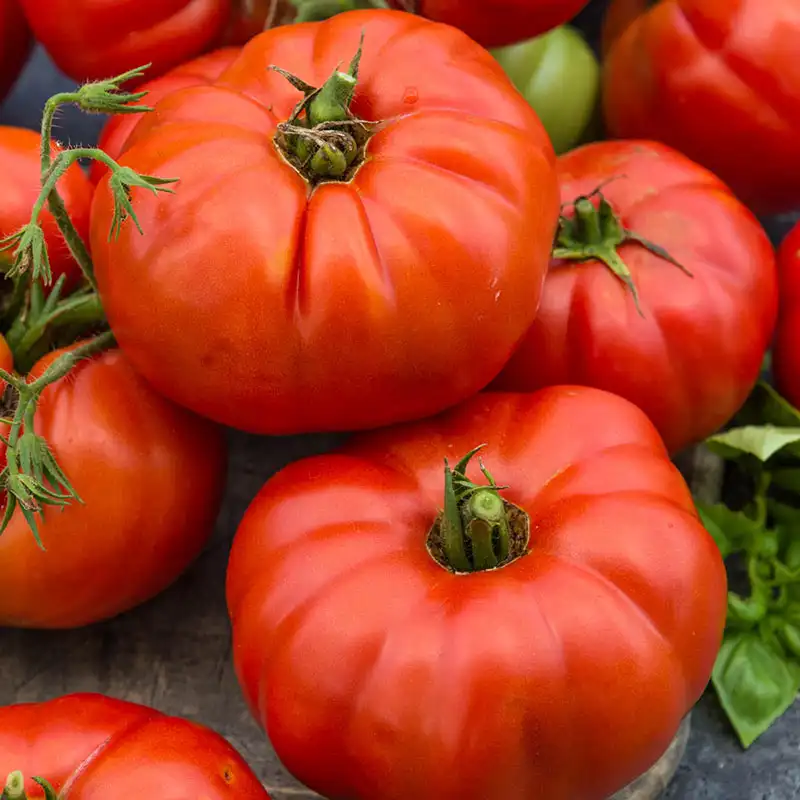
‘Beefsteak’ tomatoes heft 1–2 lbs each, juicy in Zones 5–10. Stake in rich soil, full sun, 80 days—prune suckers. Steady water for rot. Mulch prevents cracks from swings.
17. Tomato ‘Brandywine’: Heirloom Beauties
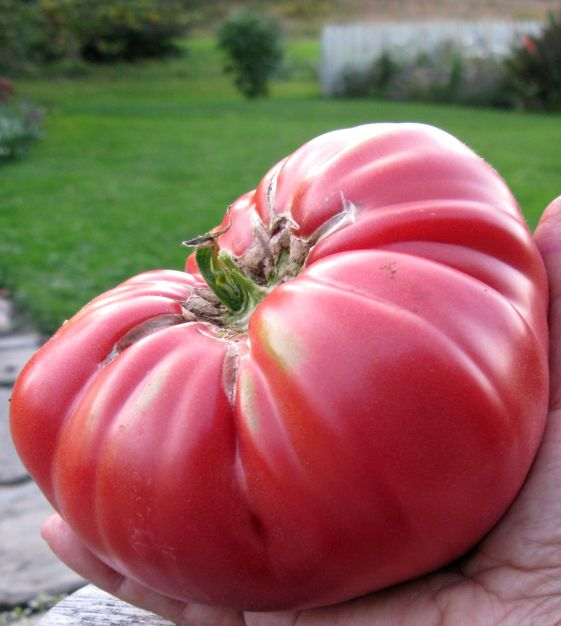
‘Brandywine’ heirlooms drop 1-lb pink sweet-tarts in Zones 5–10, 90 days. Support heavy; copper for blight. Branches break without help; I’ve reinforced mine.
My Tried-and-True Tips for Giant Success
From years of trial, amend soil deep with compost, water deeply but infrequently—drip’s my fave to dodge leaf woes. Mulch 2–3 inches for moisture, balanced fertilizer mid-season, and prune for focus. These keep my giants thriving without burnout.
Quick Reference Table for Your Planning
| Variety | Zones | Size/Yield | Traits | Days |
|---|---|---|---|---|
| Bean ‘Orient Wonder’ | 3–10 | 12–30” pods | Climbing, prolific | 60–70 |
| Bean ‘Kentucky Wonder’ | 3–10 | 7–9” pods | Heat-tolerant | 55–65 |
| Beet ‘Mammoth Red’ | 2–10 | 6” roots | Sweet greens | 60 |
| Cabbage ‘Sapporo #4’ | 2–9 | 20–40 lbs | Crisp heads | 80–100 |
| Carrot ‘Manpukuji’ | 2–10 | 12–18” | Slender sweet | 70–80 |
| Corn ‘Wade’s Giant’ | 4–8 | 8–10’ | Colorful ears | 100–110 |
| Elephant Garlic | 3–9 | 1 lb bulbs | Mild roast | 240 |
| Gourd ‘Giant Bello’ | 3–11 | 3–5’ | Meaty vines | 90–100 |
| Mustard ‘Red Giant’ | 2–11 | Large leaves | Spicy salad | 30–40 |
| Pumpkin ‘Atlantic Giant’ | 3–9 | 100–1000+ lbs | Record size | 120+ |
| Pumpkin ‘Big Max’ | 3–9 | 100–200 lbs | Pie orange | 110 |
| Radish ‘German Giant’ | 2–11 | 3–4” | Crisp mild | 30 |
| Radish ‘Sakurajima’ | 2–11 | 10–100 lbs | Daikon peppery | 60–70 |
| Spinach ‘Giant Noble’ | 3–9 | Wide leaves | Cold savory | 45 |
| Sunflower ‘Mongolian’ | 4–9 | 12–14’ | Seed heads | 80–100 |
| Tomato ‘Beefsteak’ | 5–10 | 1–2 lbs | Meaty slices | 80 |
| Tomato ‘Brandywine’ | 5–10 | 1 lb | Sweet heirloom | 90 |
Your Giant Garden Checklist
- [ ] Bean ‘Orient Wonder’
- [ ] Bean ‘Kentucky Wonder’
- [ ] Beet ‘Mammoth Red Mangel’
- [ ] Cabbage ‘Sapporo Giant #4’
- [ ] Carrot ‘Manpukuji’
- [ ] Corn ‘Wade’s Giant Indian Flint’
- [ ] Elephant Garlic
- [ ] Gourd ‘Giant Bello’
- [ ] Mustard ‘Red Giant’
- [ ] Pumpkin ‘Atlantic Giant’
- [ ] Pumpkin ‘Big Max’
- [ ] Radish ‘German Giant’
- [ ] Radish ‘Sakurajima Giant’
- [ ] Spinach ‘Giant Noble’
- [ ] Sunflower ‘Mongolian Giant’
- [ ] Tomato ‘Beefsteak’
- [ ] Tomato ‘Brandywine’
Growing these has been such a thrill—nothing like the surprise of a massive harvest to keep you hooked. Your backyard’s ready for some giants; start small, stay consistent, and enjoy the bounty!
Big Wins: Focus on rich soil, steady water, and supports for these giants to shine across zones. Pick a few to try, monitor pests organically, and you’ll be set for huge, healthy yields.
Quick-Fire FAQ
-
Do I need a huge garden for these?
Not really! Many like beans and tomatoes work in raised beds or vertical setups—I’ve squeezed giants into small plots with trellises.
-
What’s the best soil prep for big veggies?
Amend with compost and loosen deep; test pH per variety—my yields jumped once I got that right.
-
How do I handle pests without chemicals?
Companion planting, soaps, or covers work great; I’ve kept aphids and worms at bay naturally in my garden.
-
Which is easiest for beginners?
Start with ‘Kentucky Wonder’ beans or ‘German Giant’ radishes—they’re quick and forgiving with basic care.
-
Can I enter competitions with backyard giants?
Absolutely! Focus on Atlantic Giant for pumpkins—mine didn’t win, but the fun and tips from fairs were worth it.
“