
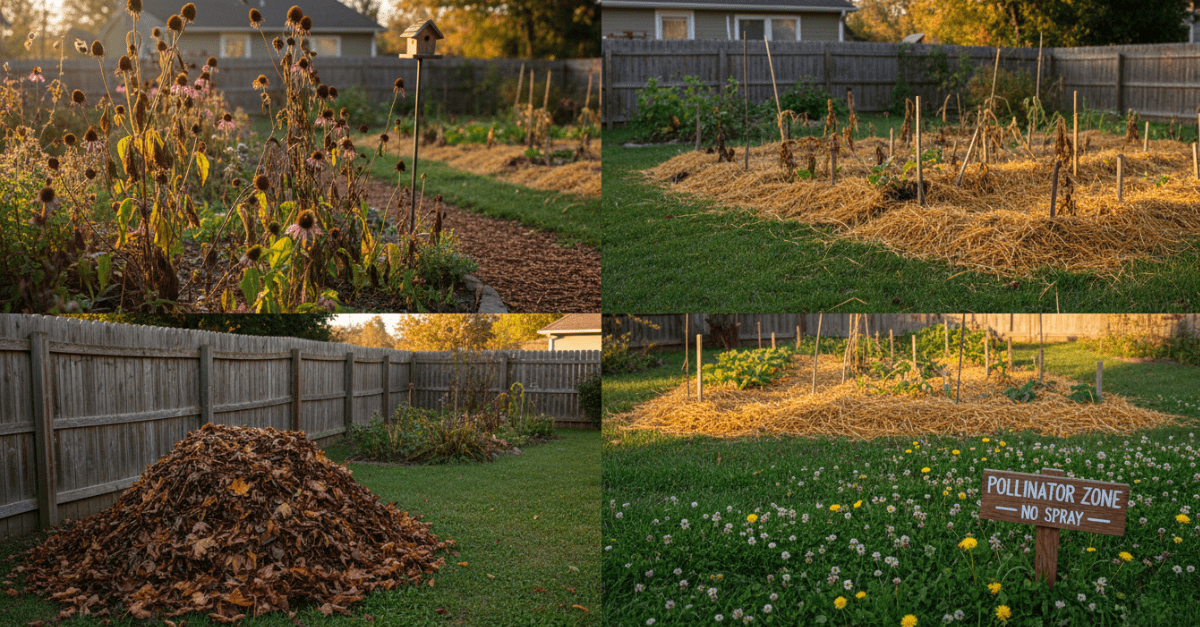
I used to think a spotless yard meant a successful garden. Over the years I learned that a little mess does more good than harm — for soil, insects, and birds. Let me tell you about four “messy” habits that I’ve kept and why you might want to try them too.
1. Leave the Leaves: A Little Untidiness = A Lot of Life
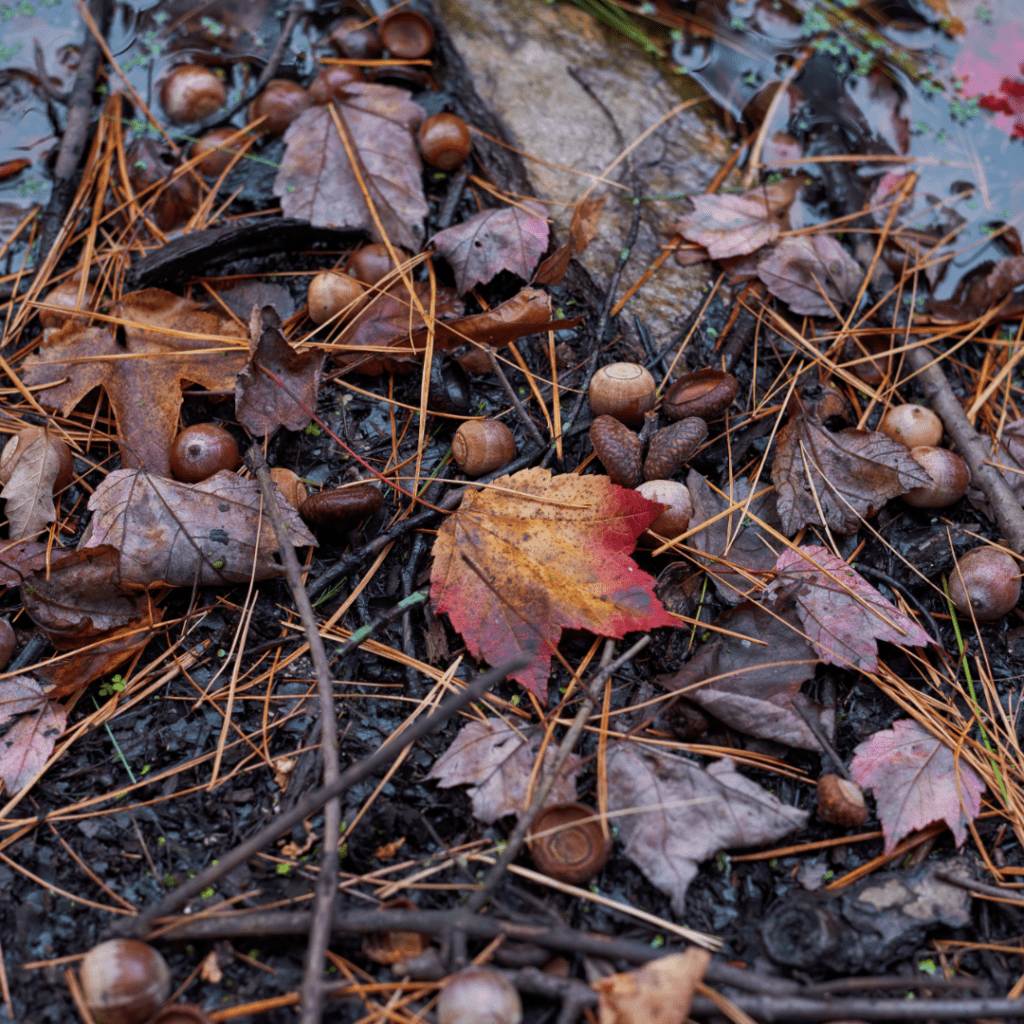
One pile of leaves can be a whole neighborhood for tiny creatures. Moths, beetles, earthworms, and even salamanders use leaf litter for winter shelter and food, and fireflies pupate in that damp, insulated layer. Instead of bagging every leaf, choose a corner of the yard as a wildlife stash — about 4 x 6 feet is plenty. I have a shady spot behind my compost bin where I let leaves accumulate; by spring I always find beetle activity and the occasional salamander when I check.
Tip: Shred leaves with a mower if you’ll be spreading them as mulch — shredded leaves won’t mat down and they feed the soil more quickly.
Practical do’s and don’ts for leaf piles:
- Do: Leave a dedicated wildlife corner away from foundations and play areas.
- Do: Shred leaves for mulch around perennials or add to a leaf‑mold bin.
- Don’t: Leave diseased plant material mixed into habitat piles—hot compost or municipal green waste is safer for infected foliage.
2. Keep Seed Heads Standing: Dinner and Shelter Through Winter
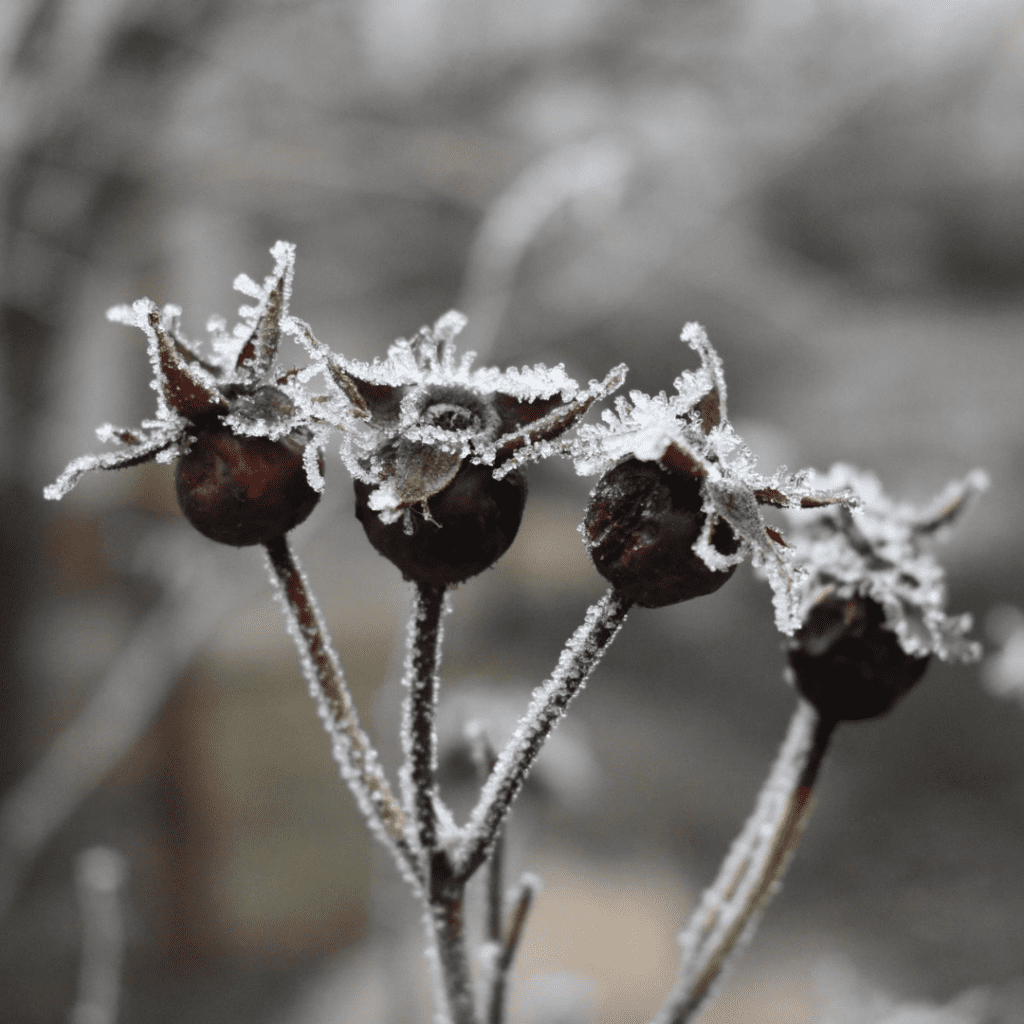
Those lanky dried flower heads you’re itching to tidy away are dinner plates for birds. Goldfinches and many small finches pry seeds from coneflowers and black‑eyed Susans all winter long. Seedheads also offer winter perches and structural interest in your garden. I leave about a third of my beds to set seed each year; neighbors who used to ask why my garden looks “messy” now borrow my sunflower seeds come spring. If aesthetics worry you, cut tidy edges and paths through your beds so seedheads remain visible but not chaotic.
Quick tips for seed heads:
- Harvest some seed for next year and leave the rest for wildlife.
- Cut tall stalks to a manageable height in late winter, after birds have had their fill.
3. Don’t Pull Every Weed: Many Are Pollinator Fuel
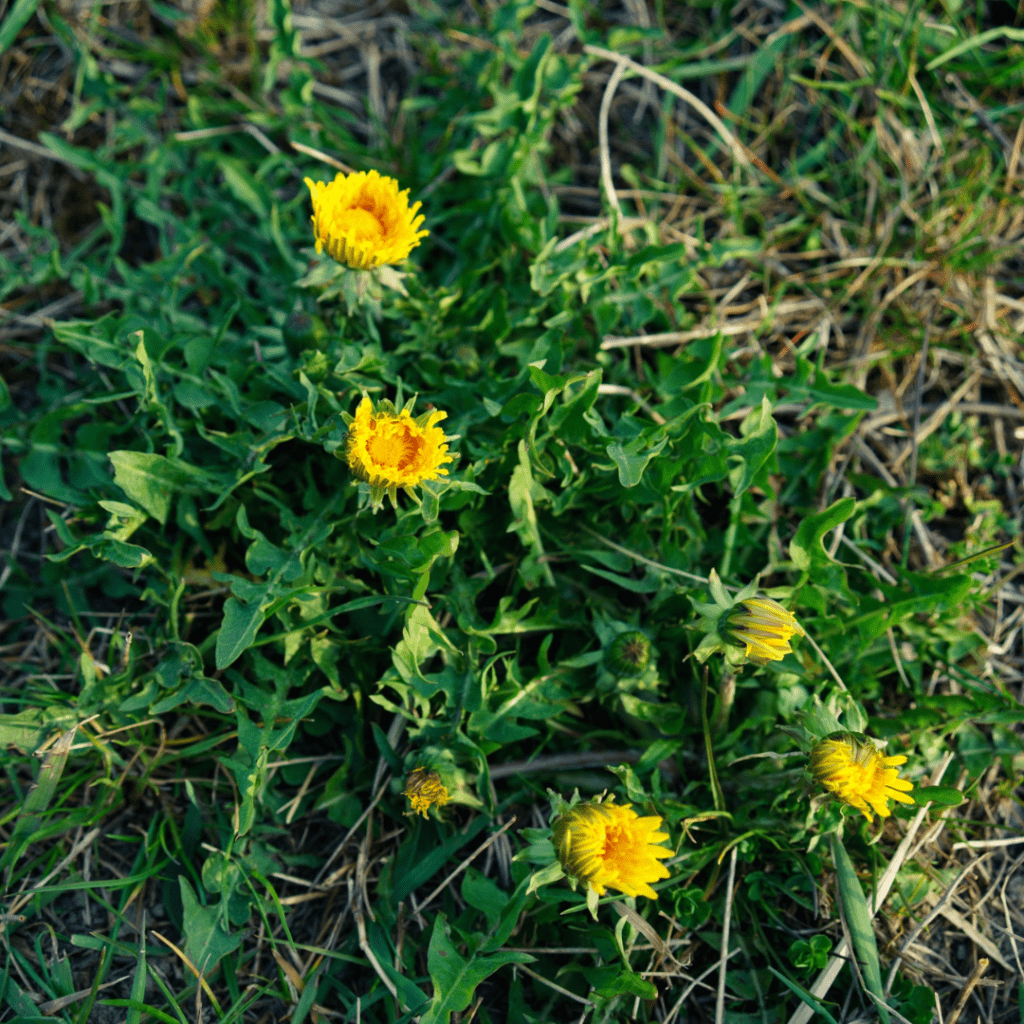
Dandelions, clover, and violets are often called weeds, but they’re some of the earliest and most important food sources for spring bees and other pollinators. Clover even fixes nitrogen into the soil, meaning it quietly feeds surrounding plants. Rather than a blanket war on every broadleaf, learn which volunteers are helpful and leave those be. I leave clover patches in partial shade where children play, and they bloom into tiny feasts for bumblebees when spring comes. When a weed truly crowds out desired plants, I hand‑pull it in damp soil — it’s much easier and kinder to the soil life than spraying.
Practical approaches to weeds:
- Keep a small manageable patch of clover and dandelion for early pollinators.
- Hand-pull invasive or unhealthy species when the soil is moist to minimize disturbance.
- Use a targeted approach instead of wholesale herbicide—your garden life will thank you.
4. Don’t Mow Too Short: Taller Grass = Habitat and Healthier Soil
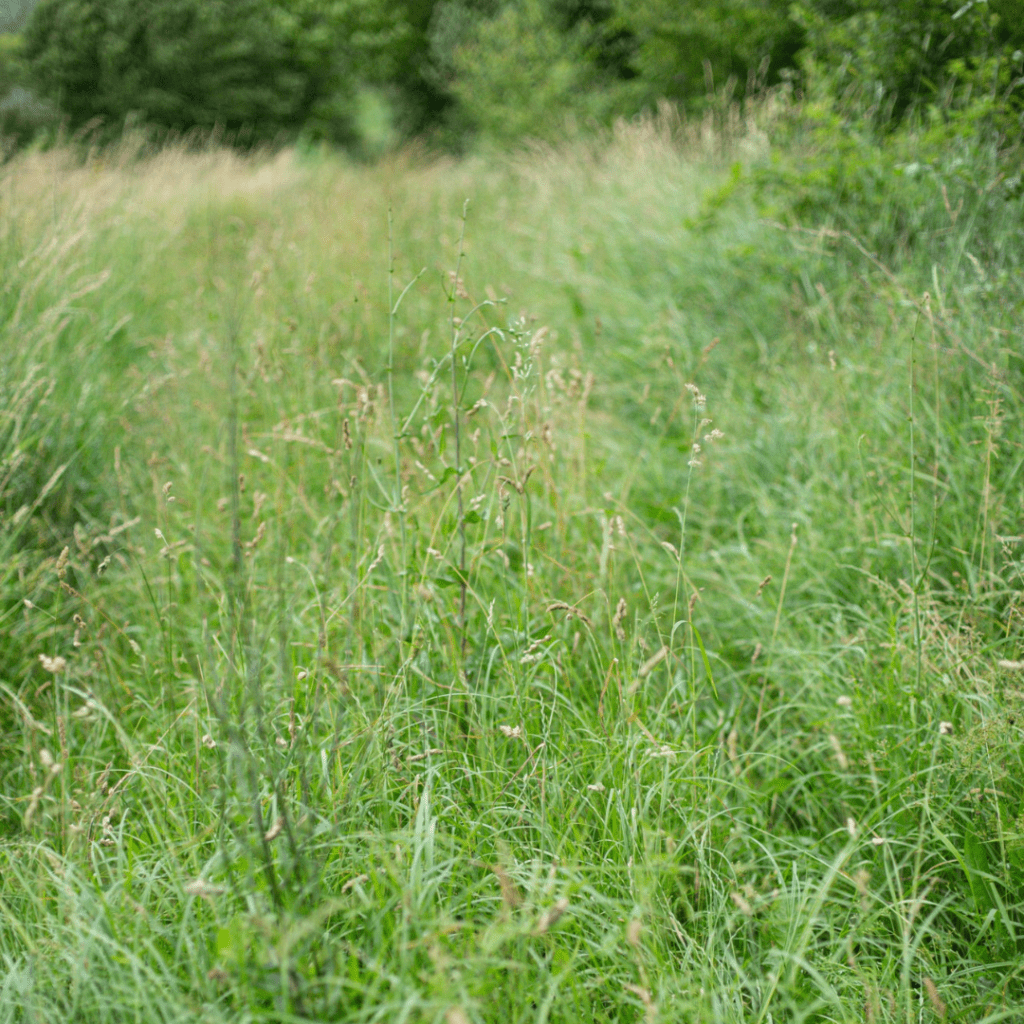
A very short lawn sounds tidy but loses ecological function. Taller grass shades soil, reduces evaporation, and gives insects a place to hide and forage. It’s amazing how many small butterflies, bees, and ground beetles I see when I raise the mower deck a notch. Try a no‑mow strip or raise your mower a couple of inches in late spring; you’ll be surprised at the tiny dramas that unfold in that extra height. If you’re worried about a scruffy look, keep paths mowed and a neat edge while letting less visible areas grow a little taller.
Mowing tips that keep both neighbors and nature happy:
- Raise the deck setting by 1–2 inches during growing season to keep roots shaded and soil cool.
- Mow less often—less frequent mowing encourages deeper roots and fewer weeds.
- Create a tidy buffer around play areas and paths so the yard still looks cared for.
Putting the Habits Together: A Gentle Plan for Your Yard
You don’t need to go wild overnight. Try these simple steps over a season:
- Pick a wildlife corner and stop bagging leaves there.
- Let one third of your perennials set seed and stand through winter.
- Identify and leave the helpful volunteers like clover and dandelions; hand‑pull the aggressive ones.
- Raise your mower deck and create a low‑maintenance no‑mow strip at the back or along a hedge.
A small, staged shift like this kept my yard family‑friendly while transforming it into a tiny refuge for birds and pollinators. My grandchildren love the wildlife corner — they poke around the log pile with supervision and squeal when a salamander slips away. These habits are inexpensive, easy, and kind to the planet.
Common Worries and Simple Rebuttals
- Won’t leaves harbor pests? Mostly no — beneficial insects and soil life far outnumber garden pests in leaf mold. Keep diseased leaves separate.
- Will my yard look unkempt? A little structure goes a long way: keep clean edges, use paths, and leave only selected wild areas.
- Aren’t weeds just weeds? Learn which volunteers help; many are crucial early nectar and pollen sources when flowers are scarce.
Quick-Fire FAQ
Q: How big should my wildlife leaf corner be?
A: A 4×6 foot patch supports dozens of species; larger is better, but even a small corner makes a difference.
Q: When should I cut back seed heads?
A: Wait until late winter or early spring after birds have foraged the seeds—then tidy up and use cuttings as mulch.
Q: Is it safe to leave clover in a lawn?
A: Yes—clover is low‑growing, fixes nitrogen, and often makes lawns greener with less fertilizer.
Q: How much higher should I set my mower?
A: Raise the deck 1–2 inches from your usual setting during the growing season to protect soil and encourage insect habitat.
— Grandma Maggie