
Frost can be a surprise visitor if you’re not ready. Finish these quick tasks while days are still mild and you’ll save plants, time, and heartache. A little prep now means a smoother spring later.
Essential Pre-Frost Garden Tasks
1. Harvest Tender Veggies: Protect Your Season’s Bounty
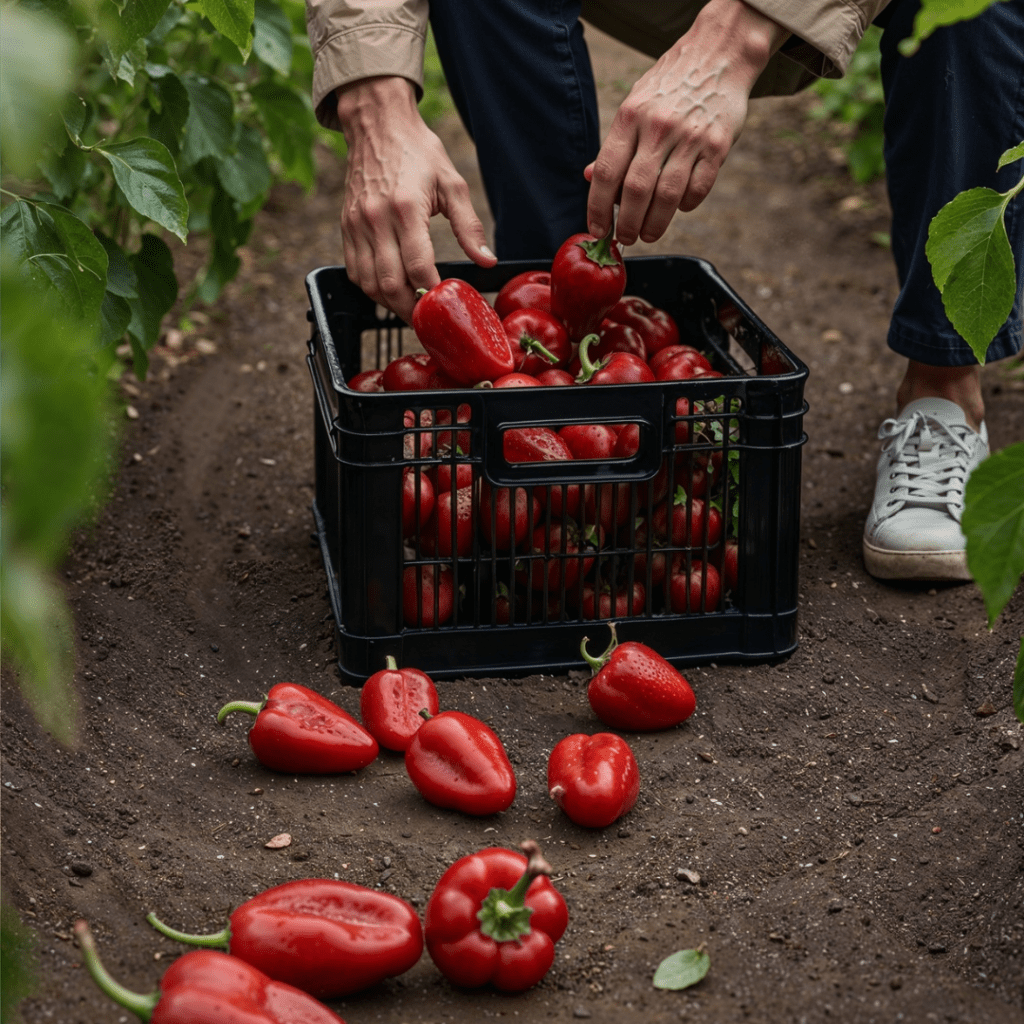
If you grow tomatoes, peppers, eggplants, or summer squash, bring them in before a frost nips the vines. In Zones 3–6 aim to pick before mid‑October; Zones 7–9 usually have a longer window but watch night temperatures closely. For green tomatoes you don’t want to waste, ripen them indoors on a sunny windowsill or in a cardboard box layered with newspaper and a ripe apple to speed up ethylene ripening. Peppers and eggplants keep better if you harvest them the day before a hard freeze and move them to a cool, frost‑free spot. Winter squash and pumpkins you can leave a little longer—make sure rinds are hard and stems brown, then cure them in a warm, dry place for a week before storing.
A little trick I use: keep a small harvest basket by the back door with a towel inside. When a cold night sneaks up, gather quickly and you’re done in two trips.
2. Dig Up Tender Bulbs: Dahlias, Cannas, and Gladiolus
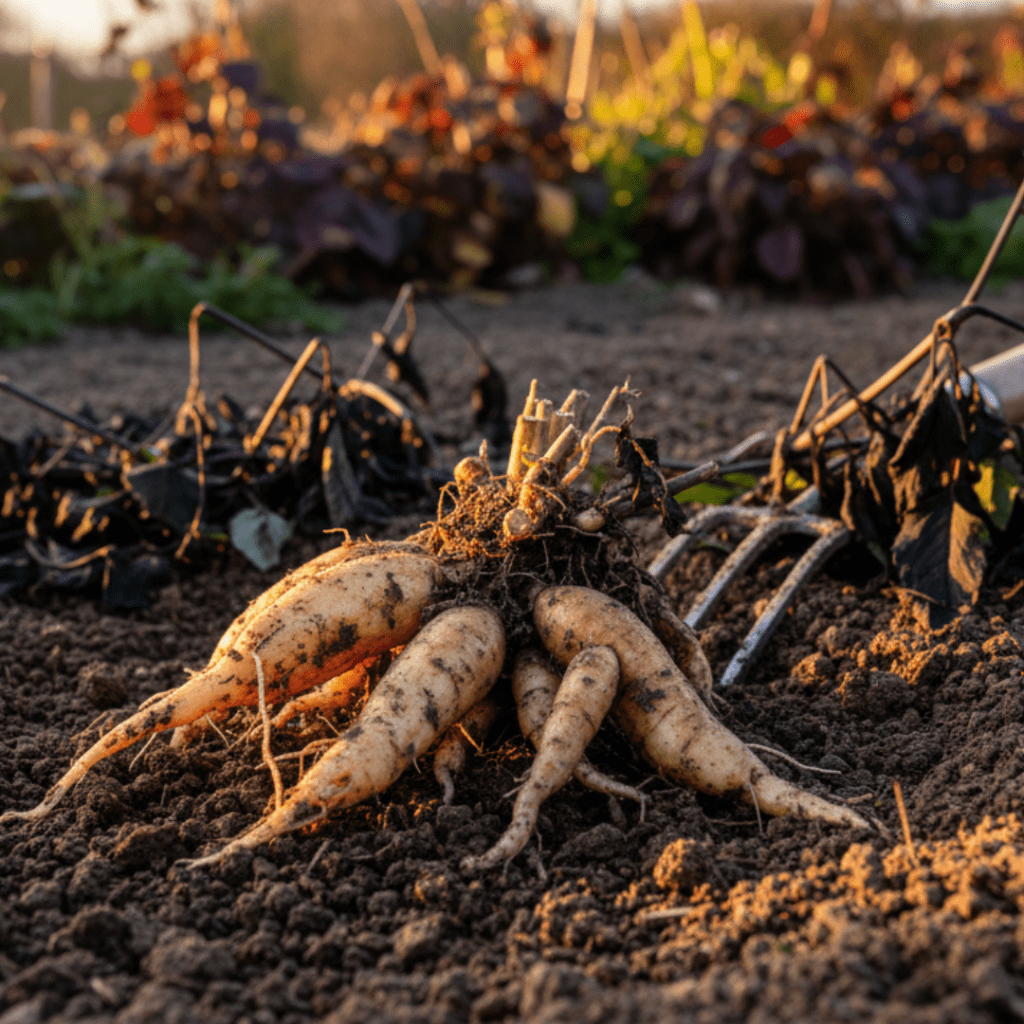


Tender bulbs need special attention. In Zones 3–7 dig up dahlias, cannas, and gladiolus once foliage is blackened by frost. Cut back the tops, lift the tubers or corms carefully, brush off excess soil, let them dry for a day, then pack them in peat, sawdust, or vermiculite and store in a cool, frost‑free place. Label each container—nothing worse than guessing varieties in spring. In Zones 8–9 these species often survive in the ground if you give them a thick mulch blanket; check recommendations for your specific varieties before deciding.
Dahlias are particularly rewarding to save. These showy perennials produce vibrant blooms from midsummer through the first frost and will return year after year when properly stored. The tubers multiply underground, so you’ll often have extras to share or expand your garden next season. Cannas, with their bold tropical foliage and brilliant flower spikes reaching 1.5 to 8 feet tall, add dramatic height to summer borders. Hardy in Zones 7-11, they need lifting in colder areas but reward the effort with their lush presence. Gladiolus corms are equally worth preserving—standard varieties grow 2-5 feet tall and produce elegant flower spikes perfect for cutting. While hardy in Zones 7-10, they store easily and reliably return when replanted in spring.
My old cellar has bins labeled by year and variety. It’s one of those small rituals that pays off when spring bulbs shoot up and I know exactly what I’m getting.
3. Protect Perennials with the Right Mulch
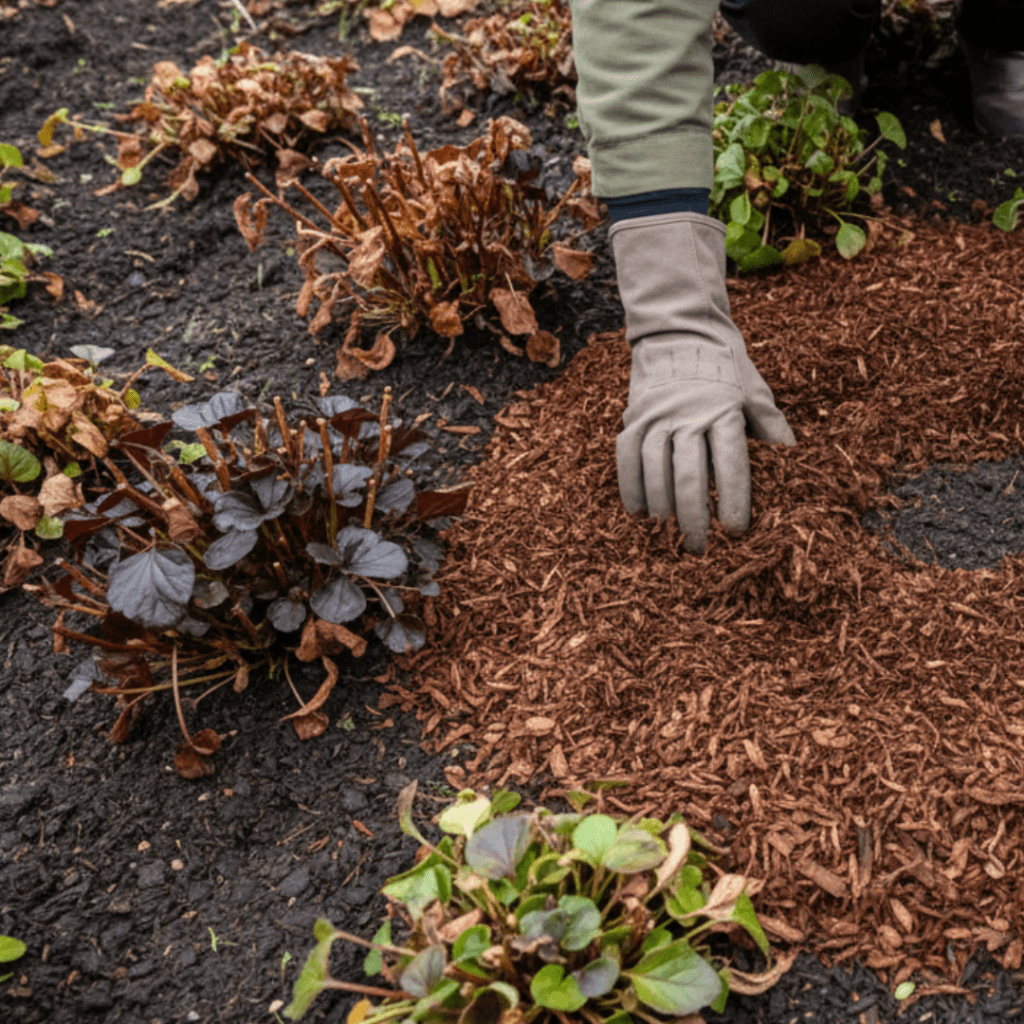
Winter protection varies by zone. For Zones 3–5 apply 3–4 inches of organic mulch after the first hard freeze; in Zones 6–9, 1–2 inches is usually plenty. Wait until ground has firmed so you don’t encourage late tender growth. Keep mulch away from crown bases and trunks to prevent rot and pests. Use shredded leaves, well‑aged compost, or fine bark and smooth it into an even layer. For peonies, give only a light cover after the ground freezes; for plants prone to crown rot, opt for slightly thinner layers and better drainage.
A gentle piece of advice: leave some stems and seedheads standing for birds and overwintering insects. A tidy, tidy garden is lovely, but a little wildness helps the whole ecosystem.
4. Bring Pots and Tender Container Plants Inside
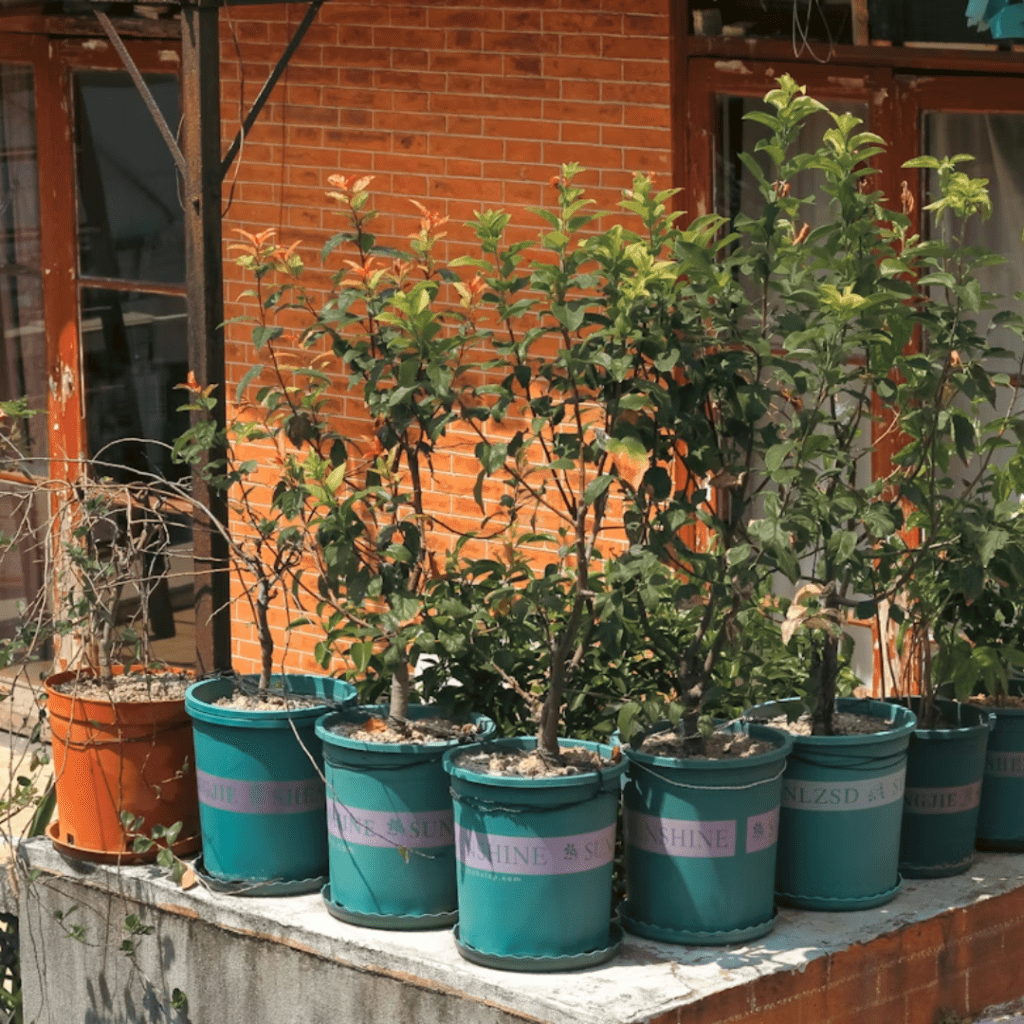
Move herbs, succulents, and tender perennials into a sheltered spot before nights regularly dip near freezing. Zones 3–7 should bring most tender pots indoors now; Zones 8–9 can often shelter containers with a frost cloth or tuck them under a porch. Check drainage—watering needs change indoors—and give plants a last trim to tidy them for the season. For large containers that stay outside, group them together against a wind‑protected wall and wrap with burlap for extra insulation.
5. Clean and Store Tools
A painless five‑minute routine will keep tools working and rust‑free: wash off soil, dry thoroughly, sharpen blades, and oil moving parts. Store pruners and shears in a dry place and hang rakes and shovels to prevent handles warping. I always smear a little oil on pruner pivot bolts and tuck them into a labeled toolbox—spring feels so much easier when tools are ready.
6. Drain Hoses and Water Lines
Frozen water is an enemy of hoses and irrigation systems. In Zones 3–6, it’s essential to drain all hoses, blow out irrigation lines if you can, and shut off exterior water supplies. Zones 7–9 should still consider it for particularly cold nights or unexpected snaps. Coil hoses in a dry spot or bring them into an unheated garage; let any remaining water drip out before storage.
7. Plant Garlic and Spring Bulbs if You Haven’t Yet
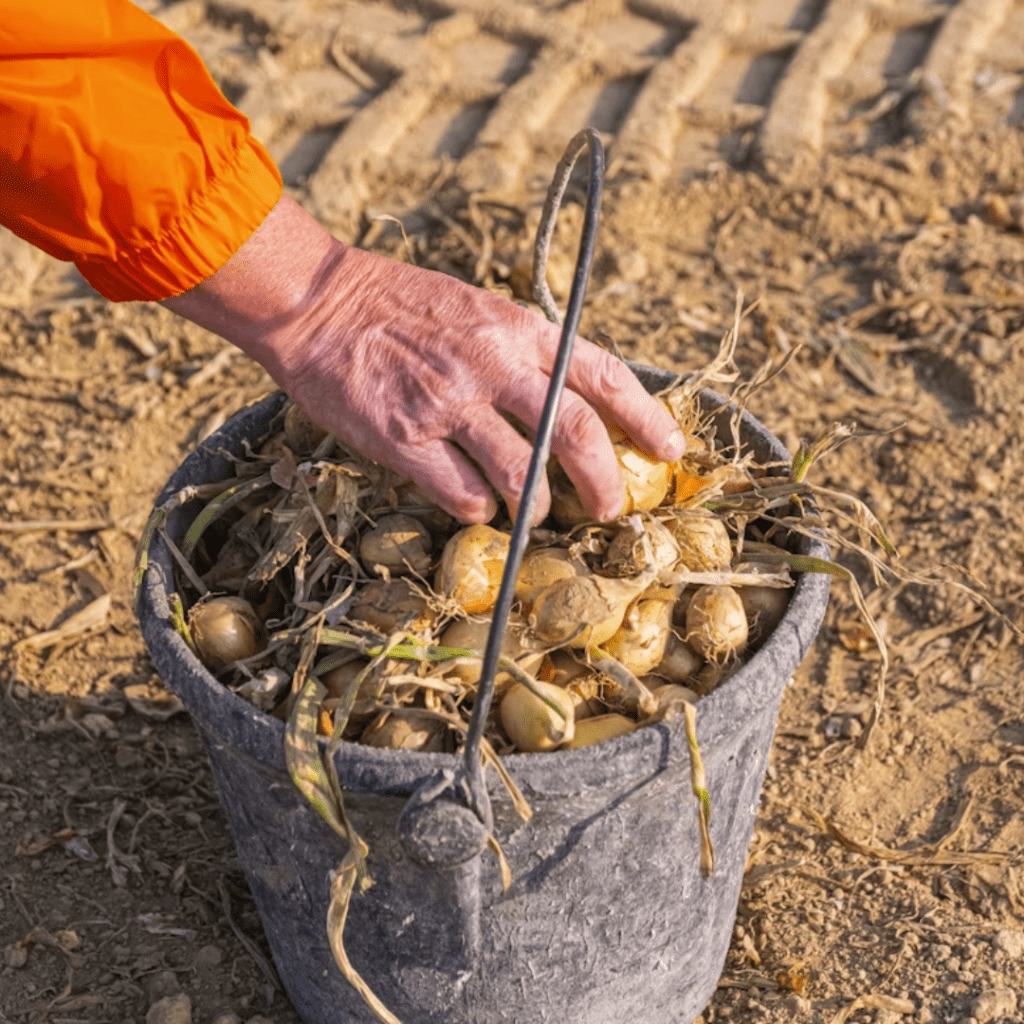
October and early fall are prime time for garlic and many spring bulbs. Zones 3–5 should plant garlic by early October for the best bulbs next summer; Zones 6–9 have longer windows and can plant into late fall. Bulbs like tulips and daffodils can also be tucked in now—plant to the proper depths and apply a light layer of mulch after the ground cools. Planting now is one of those tasks that pays you back with color when the backyard is still waking up.
A Few Last Tips Before Frost
- Make a checklist by zone: write dates on the calendar and set reminders so you don’t rush.
- Prioritize: harvest and protection tasks first, then pots, tools, and hoses.
- Keep a small bin for labels and markers—labeling bulbs and stored tubers prevents spring confusion.
- If you’re unsure about a frost date for your region, check local extension service resources for dependable guidance.
Quick-Fire FAQ
Q: How do I ripen green tomatoes after a frost warning?
A: Move them indoors, lay them on newspaper in a single layer or place them with a ripe apple; store at room temperature until they color.
Q: When should I lift dahlias for storage?
A: Lift dahlias after the first hard frost blackens foliage—usually late autumn in colder zones—then dry and store tubers in a cool, frost‑free place.
Q: How thick should winter mulch be in Zone 4?
A: In Zone 4 aim for 3–4 inches of organic mulch applied after the ground first freezes.
Q: Can I leave irrigation lines in place over winter?
A: It’s safest to blow out or drain irrigation lines in cold climates (Zones 3–6) to prevent cracking; milder zones may get by with basic draining and insulation.
— Grandma Maggie