
Your plants are talking to you every single day—through their leaves, their growth rate, even the creatures living in the soil around their roots. After decades of reading these signals, I’ve learned that most garden problems aren’t really about the plants at all. They’re about what’s happening underground. Healthy soil grows healthy plants almost effortlessly, while depleted soil creates an endless cycle of struggles no matter how much you water, weed, or fuss. Let me show you how to recognize when your soil is crying out for help and what those specific signs mean.
Reading Your Plants’ Nutrient Distress Signals
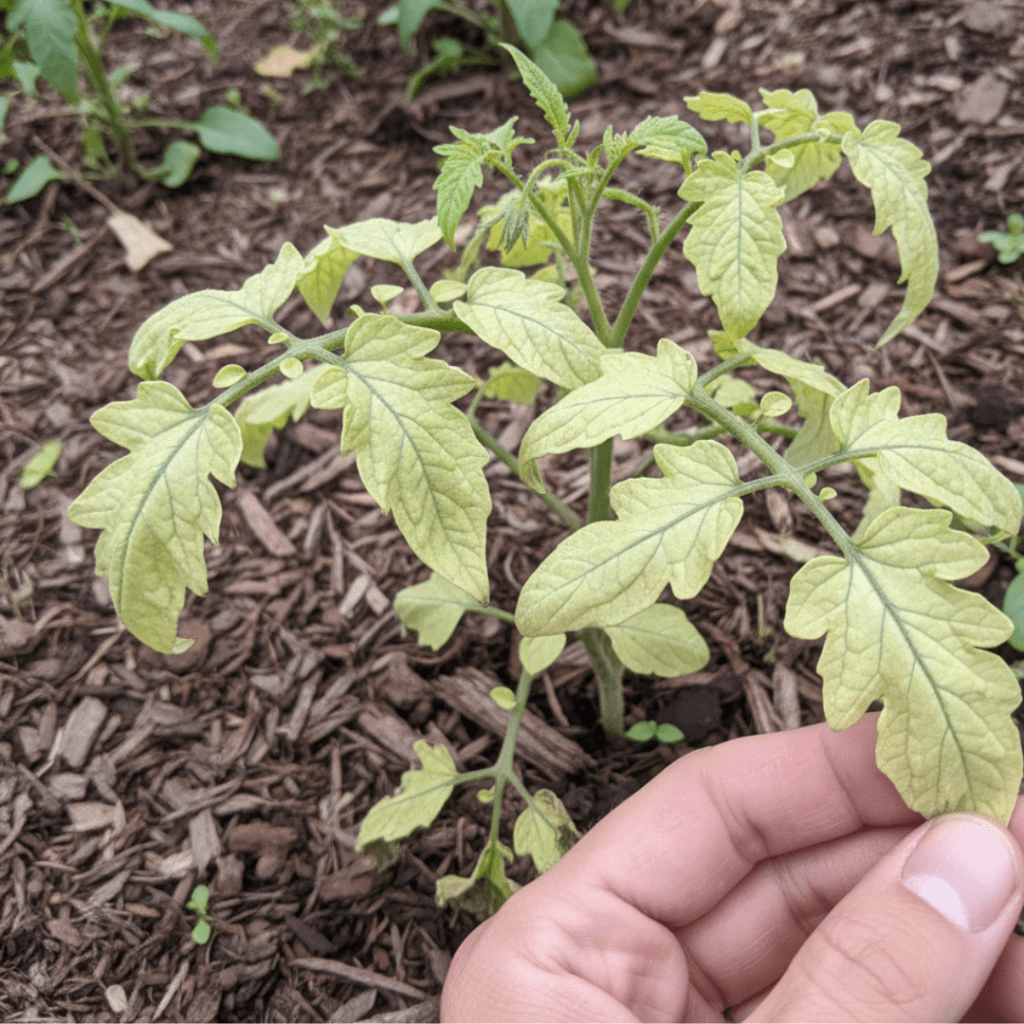


Plants display remarkably specific symptoms when soil nutrients run short. Pale, slow-growing plants that receive plenty of water and sunlight are sending a clear message: something essential is missing from their diet. The trick is learning which deficiency causes which symptom.
Yellow leaves with bright green veins create a distinctive pattern called chlorosis. This usually signals iron or manganese deficiency, especially common in alkaline soils where these minerals get locked up chemically even when present. I see this frequently on blueberries, azaleas, and other acid-loving plants growing in soil that’s not acidic enough. The solution is applying chelated iron or sulfur to lower pH and make existing iron available.
Purple-tinged leaves, particularly on tomatoes and other fruiting plants, indicate phosphorus shortage. Phosphorus drives root development and fruit formation, so deficiency hits hardest when plants try to flower and set fruit. Cold soil makes this worse because phosphorus uptake slows dramatically below 55 degrees. I work bone meal into beds before planting phosphorus-hungry crops and apply it again as side-dressing when they start flowering.
Yellowing that starts on older, lower leaves and works upward signals nitrogen deficiency. Nitrogen is mobile within plants—when supplies run low, plants pull it from old growth to support new growth at the top. This creates that characteristic bottom-to-top yellowing pattern. Quick fixes include blood meal, fish emulsion, or diluted urine—yes, urine is excellent high-nitrogen fertilizer when diluted ten parts water to one part urine.
Overall pale growth without distinct patterns often means multiple deficiencies or simply exhausted soil. This calls for comprehensive feeding with compost and balanced organic fertilizer rather than targeting specific nutrients.
Physical Soil Problems You Can See and Feel
Poor drainage reveals itself quickly. Water pools on the surface after rain or irrigation instead of soaking in. Soil stays soggy for days. Plants develop root rot or fungal diseases from constant wetness. This almost always traces back to low organic matter content and compacted soil structure.
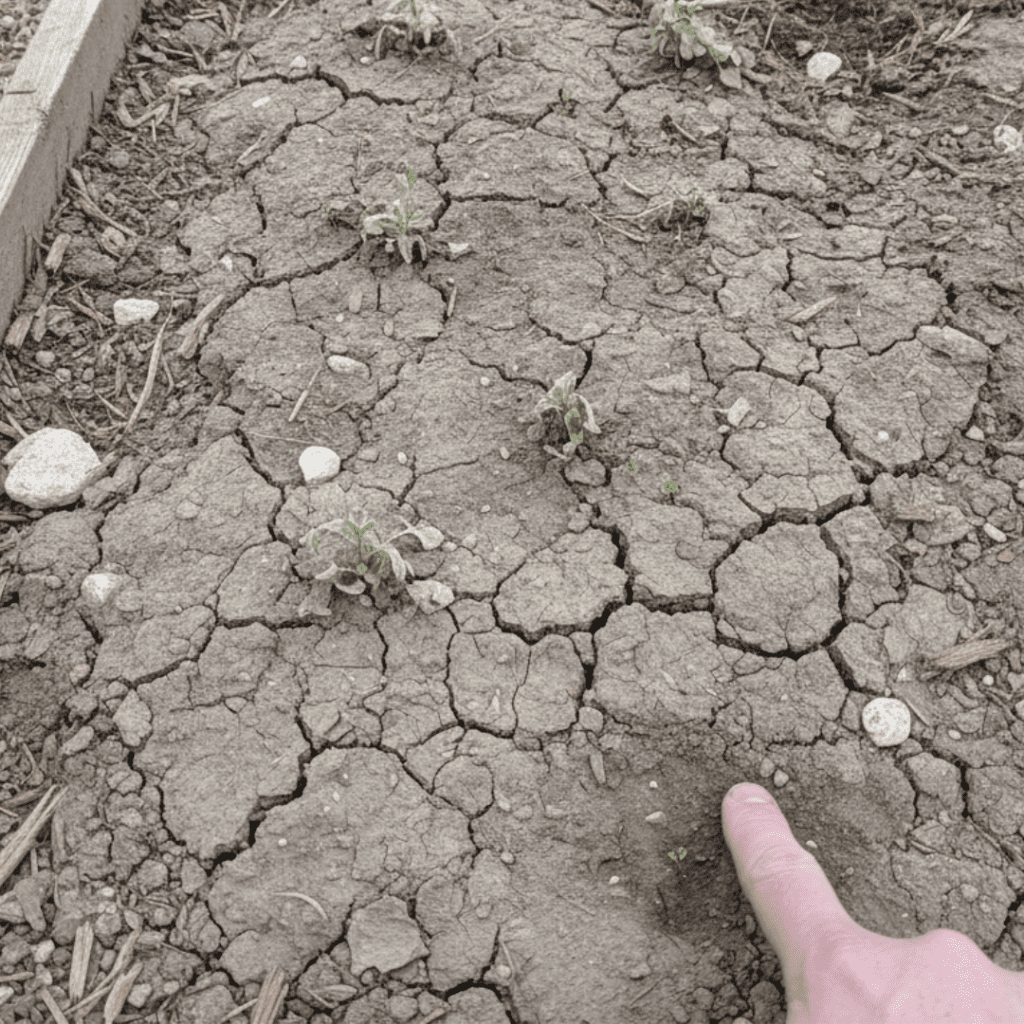
The crust test tells you volumes about soil health. After heavy rain, check your beds the next sunny day. Does the surface form a hard crust that cracks as it dries? That crust prevents water penetration during the next rain and blocks seedlings trying to emerge. Healthy soil with adequate organic matter stays loose and crumbly even after downpours.
I do a simple squeeze test throughout the season. Grab a handful of moist soil from a few inches down and squeeze firmly, then open your hand. Good soil forms a loose ball that crumbles easily when you poke it. Soil that won’t hold together at all is too sandy and needs organic matter. Soil that forms a slick, tight ball that doesn’t break apart is too clay-heavy and also needs organic matter. Notice the pattern? Almost every physical soil problem improves with compost.
Compaction shows up as slow plant growth, shallow rooting, and water runoff. Push a screwdriver or soil probe into the ground—it should slide in easily to at least six inches. If you hit resistance at two or three inches, you’ve found compacted hardpan that blocks roots and water movement. Breaking up compaction requires double-digging or using a broadfork, then adding generous amounts of compost to prevent re-compaction.
The Underground Community: Reading Soil Life
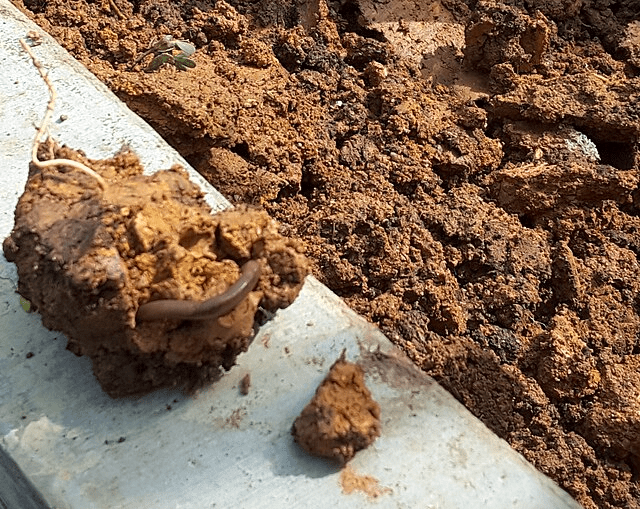
Healthy soil is alive—teeming with earthworms, beetles, centipedes, springtails, and countless microscopic organisms. This biological activity is the engine that transforms organic matter into plant-available nutrients and creates stable soil structure. When I lift mulch or turn a spadeful of good soil, I expect to see worms and insects within seconds. If I don’t, something’s wrong.
Earthworms are the most visible indicator of soil health. Their presence means adequate moisture, organic matter, and reasonable pH. Their tunnels create drainage channels and aerate soil. Their castings contain concentrated nutrients and beneficial microbes. A healthy vegetable bed should reveal three to five earthworms in every shovelful of soil. Finding none suggests chemical contamination, severe compaction, or depleted organic matter.
Ground beetles, centipedes, and other predatory insects indicate balanced soil ecology. These beneficial predators control pest populations naturally. Their absence often follows pesticide use, even organic pesticides which can disrupt the underground community. I never use broad-spectrum treatments anymore—building healthy soil creates its own pest management system.
Fungal growth—the white threadlike mycelium you sometimes see when moving mulch—is actually beneficial. These mycorrhizal fungi form partnerships with plant roots, extending their reach for water and nutrients. Seeing this growth tells me my soil ecosystem is functioning well.
When Problems Keep Repeating: The Soil Connection
Persistent disease and pest problems that return year after year usually root in poor soil rather than bad luck. Healthy soil grows vigorous plants with strong immune systems that resist most problems. Weak soil produces stressed plants that attract every pest and pathogen in the neighborhood like a magnet.
I learned this lesson the hard way with tomatoes. For three summers, I battled early blight, blossom end rot, and aphid infestations despite spraying and treating constantly. Then I got serious about soil improvement—adding compost heavily, mulching deeply, and rotating crops properly. The following year, same tomato varieties, same location, completely different results. Minimal disease, few pests, abundant harvest. The plants changed because the soil changed.
Fungal diseases like powdery mildew and rust thrive on weak plants. Adequate soil nutrients, particularly calcium and potassium, strengthen cell walls and make plants less susceptible. Aphids and other sucking insects prefer the soft, nitrogen-heavy growth that comes from imbalanced fertilization. Balanced organic feeding creates sturdy growth that pests find less appealing.
Blossom end rot on tomatoes and peppers isn’t a disease at all—it’s a calcium deficiency, often caused not by lack of calcium in soil but by inconsistent watering that disrupts calcium uptake. The solution is improving soil structure with compost so it holds moisture more evenly, then mulching heavily and watering consistently.
Taking Action: The Soil Recovery Plan
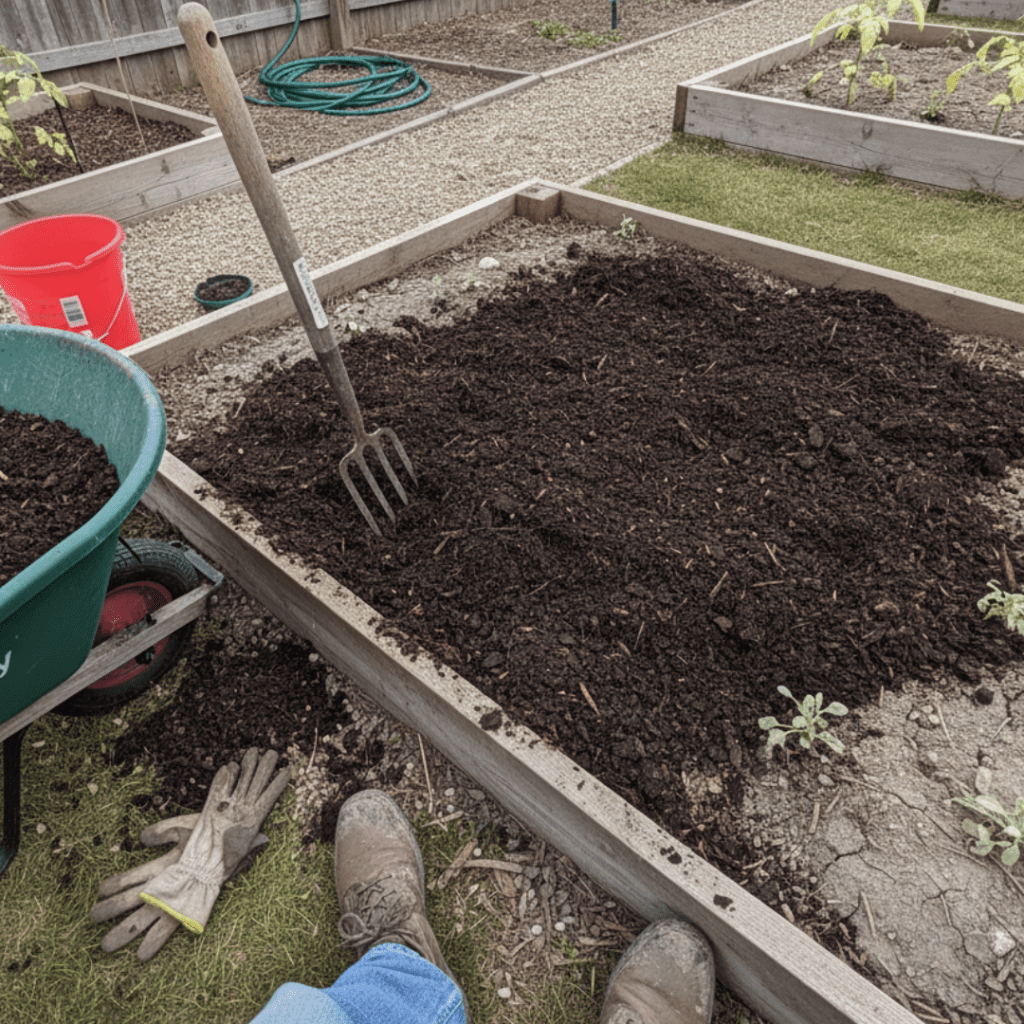
Once you’ve identified soil problems, the recovery plan is straightforward: add organic matter generously, address specific deficiencies with targeted amendments, and give it time. I spread two to three inches of compost over struggling beds immediately, work it into the top six inches, then mulch heavily. This jump-starts recovery.
For severe deficiencies, I supplement with specific organic amendments based on symptoms. Nitrogen shortage gets blood meal or alfalfa meal. Phosphorus problems get bone meal. Potassium deficiency gets greensand or kelp meal. I always apply these according to package directions—more isn’t better and can create new imbalances.
Recovery takes patience. Physical improvements in drainage and structure appear within weeks. Plant growth response takes a full growing season. Building truly healthy, biologically active soil requires two to three years of consistent organic matter additions. But the transformation is permanent once achieved—you’re not just fixing this season’s crop, you’re creating lasting fertility.
The most important lesson I can share: trust what your soil tells you. Those pale leaves, that hard crust, those missing earthworms—they’re all messages asking for help. Answer with compost, organic amendments, and proper care, and your soil will reward you with decades of abundant growth.
Quick-Fire FAQ
Q: How quickly will plants respond to soil improvement?
A: Fast-acting amendments like fish emulsion show results in one to two weeks; compost and slow-release amendments take four to six weeks; complete soil transformation requires a full growing season or more.
Q: Can I fix soil problems mid-season or should I wait until fall?
A: Fix problems immediately—side-dress with compost and appropriate amendments anytime during the growing season; don’t wait because struggling plants rarely recover fully without intervention.
Q: Are chemical fertilizers ever necessary or can organic amendments handle everything?
A: Organic amendments handle everything with patience—they work more slowly than chemicals but build lasting soil health; the only exception might be severe deficiencies needing emergency correction, but even then, concentrated organic products work well.
Q: My soil test shows multiple deficiencies—should I fix them all at once?
A: Yes, address all deficiencies together using a combination of compost for overall improvement plus targeted amendments for specific shortages; just follow application rates carefully to avoid over-fertilizing.
— Grandma Maggie