
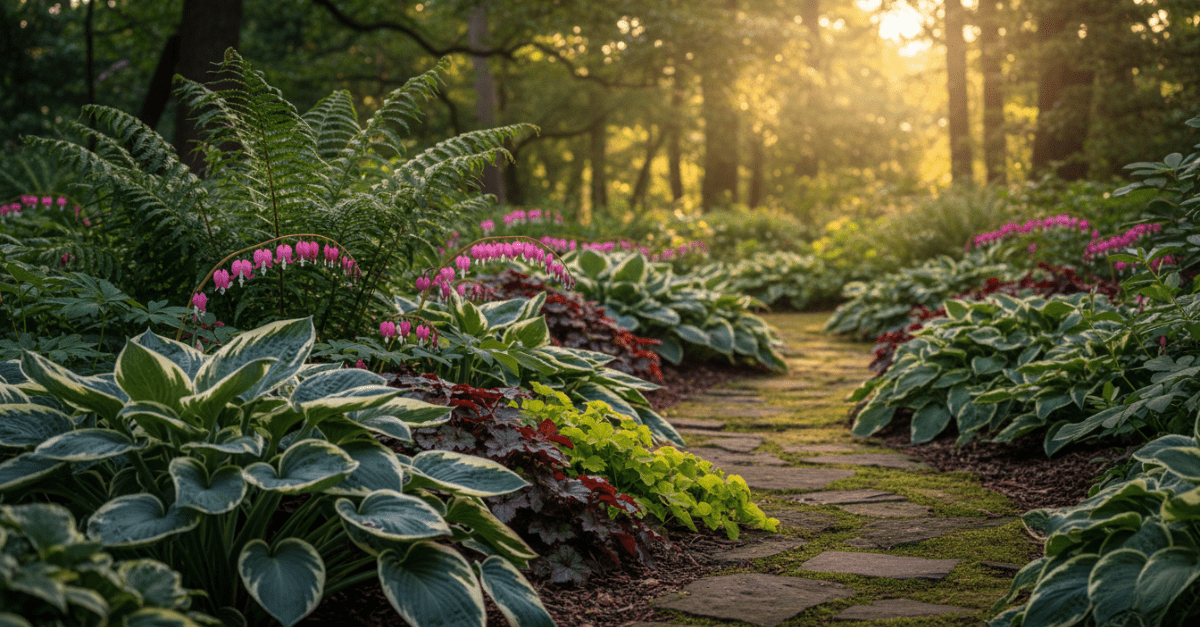
I adore a shady corner that feels like a quiet, green room. Shade gardens don’t have to be dull — they can be textured, colorful, and full of life. Planting the right perennials in fall helps them settle for stronger springs ahead. Here are nine favorites that will make your dim spots sing.
Shade Foliage Stars
1. Hosta: The Wardrobe of the Shade Garden


Hostas are the wardrobe of the shade garden — bold leaves in greens, blues, and variegated patterns that give the bed structure even when flowers are finished. Plant them where you can admire the leaf shapes up close; I keep a small bench nearby so I can sit and watch the morning light drape across the leaves. Choose varieties by mature size and give roomy spacing so leaves don’t stew in wet weather. Mulch lightly and divide every 3-5 years to keep clumps healthy.
2. Coral Bells: Colorful Foliage Year-Round
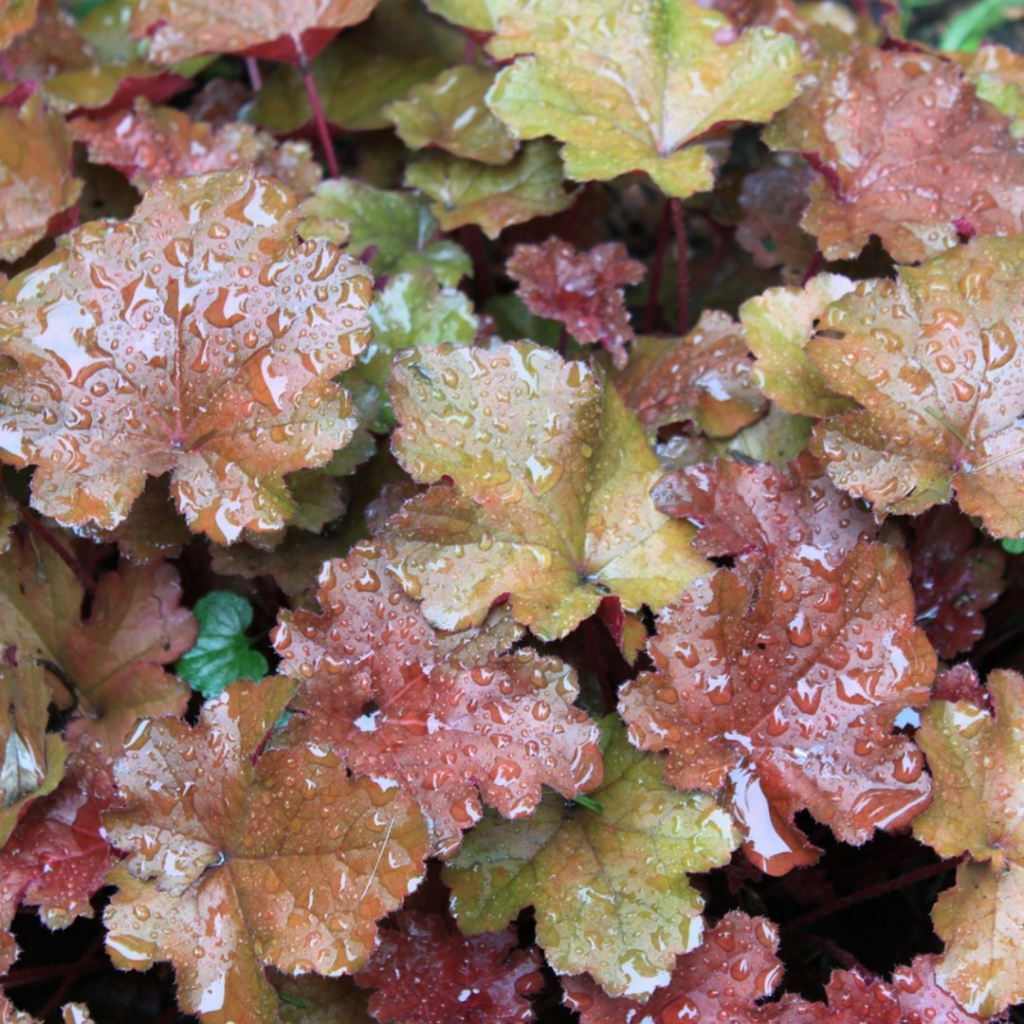
Heucheras are my favorite for color when blooms are a long way off. Their burgundy, lime, and bronze foliage adds instant contrast, and the airy flower spikes are a bonus. I tuck coral bells along walkways and near containers for a pop of color — they mix beautifully with hostas and ferns. Keep soil evenly moist and give morning sun in hotter regions for the brightest leaf tones.
3. Ferns: Gentle Architects
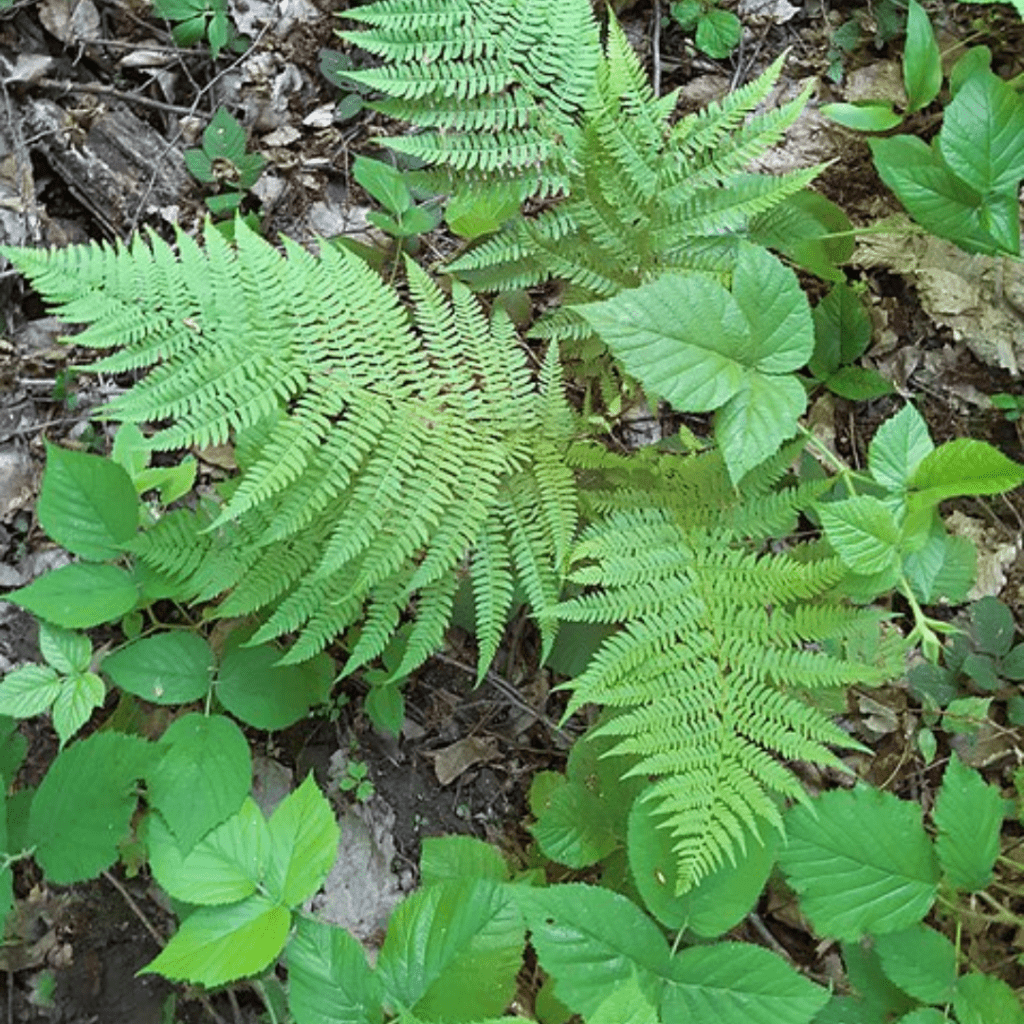
Ferns are the gentle architects of woodland borders. Whether you choose Lady, Ostrich, or Japanese Painted Fern, their fronds add soft texture that looks good year-round in milder climates. Ferns like humus-rich, moisture-retentive soil and dappled light; they’re forgiving under trees where grass won’t grow. Plant in groups to create that lush, wild look I love.
Spring Delights
4. Bleeding Heart: Jewelry in Spring
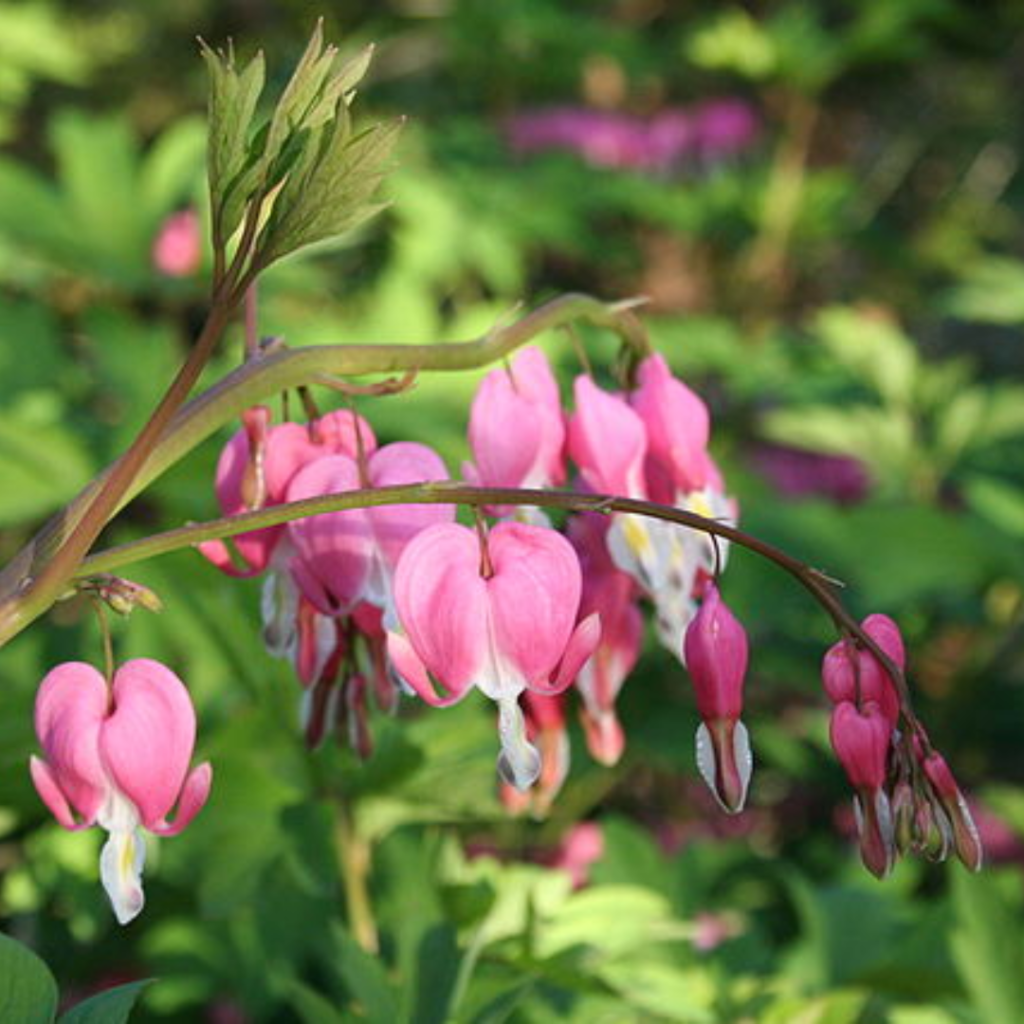
Those arching stems of pink or white hearts feel like jewelry in spring. Bleeding heart prefers cool, moist soil and dappled shade; it can sulk in hot, dry afternoons. If your clump grows tired after a few years, divide in early fall or lift and relocate to refresh vigor. Plant it near paths where the pendulous flowers can be admired up close.
5. Astilbe: Feathery Plumes
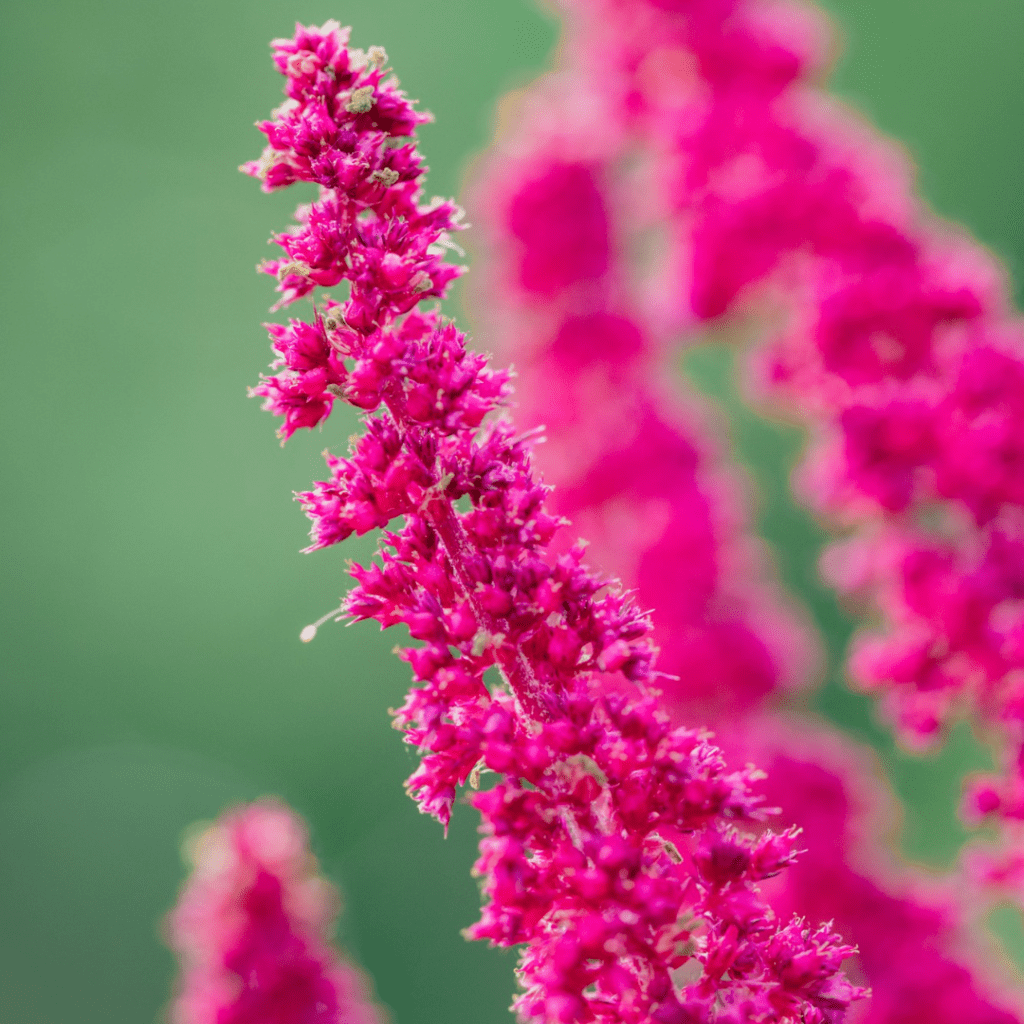
Astilbes send up feathery plumes in pinks, reds, and whites — they’re moisture-loving and gorgeous in mass plantings. I place them where their plumes can sway above shorter companions, and I deadhead sparingly to keep things tidy. They make splendid partners for hosta leaves and add vertical interest to shade beds.
6. Lungwort: Small Treasure

Lungwort is a small treasure: spotted foliage that’s attractive even when not flowering, and blossoms that shift from pink to blue. It thrives in cool, moist shade and tolerates heavy soils better than many perennials. Plant it near a path or bench so you can enjoy the foliage patterns — they always draw compliments at my gate.
Late-Season Interest
7. Toad Lily: Orchids of the Shade Border
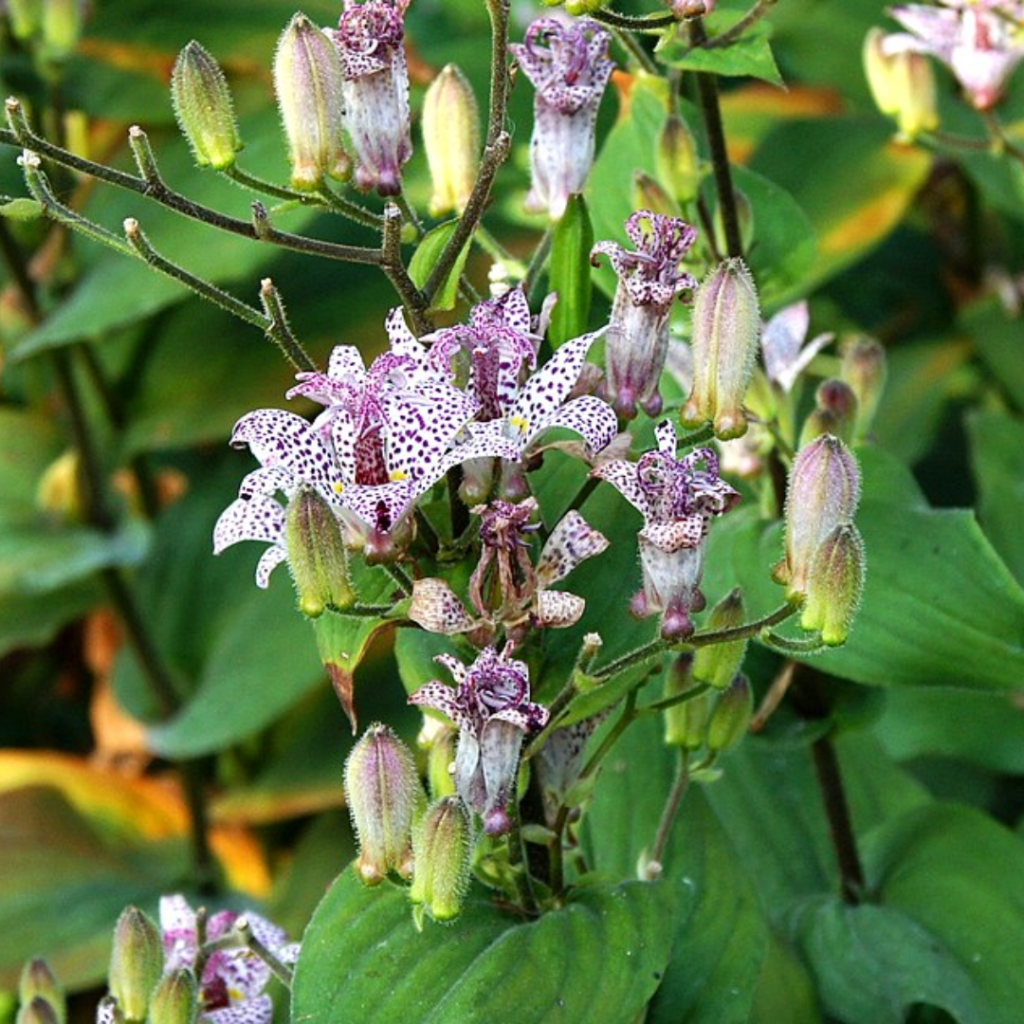
If you want a surprise late-summer to fall bloom, toad lilies are your orchids of the shade border. Their speckled, lily-like flowers arrive when much else is fading, so they’re terrific for prolonging interest. Plant in rich soil and keep a mulch layer over their shallow roots; they like steady moisture and protection from drying winds.
8. Solomon’s Seal: Elegant Arching Stems

Solomon’s seal brings elegance with its arching stems and dangling white bells. It’s understated and refined — perfect near woodland edges or alongside a shady path. It spreads slowly by rhizomes, so give it space or contain with edging if you don’t want a large colony. Cut back dead tops in late winter to let new shoots rise cleanly in spring.
9. Japanese Anemone: Late-Season Brightness
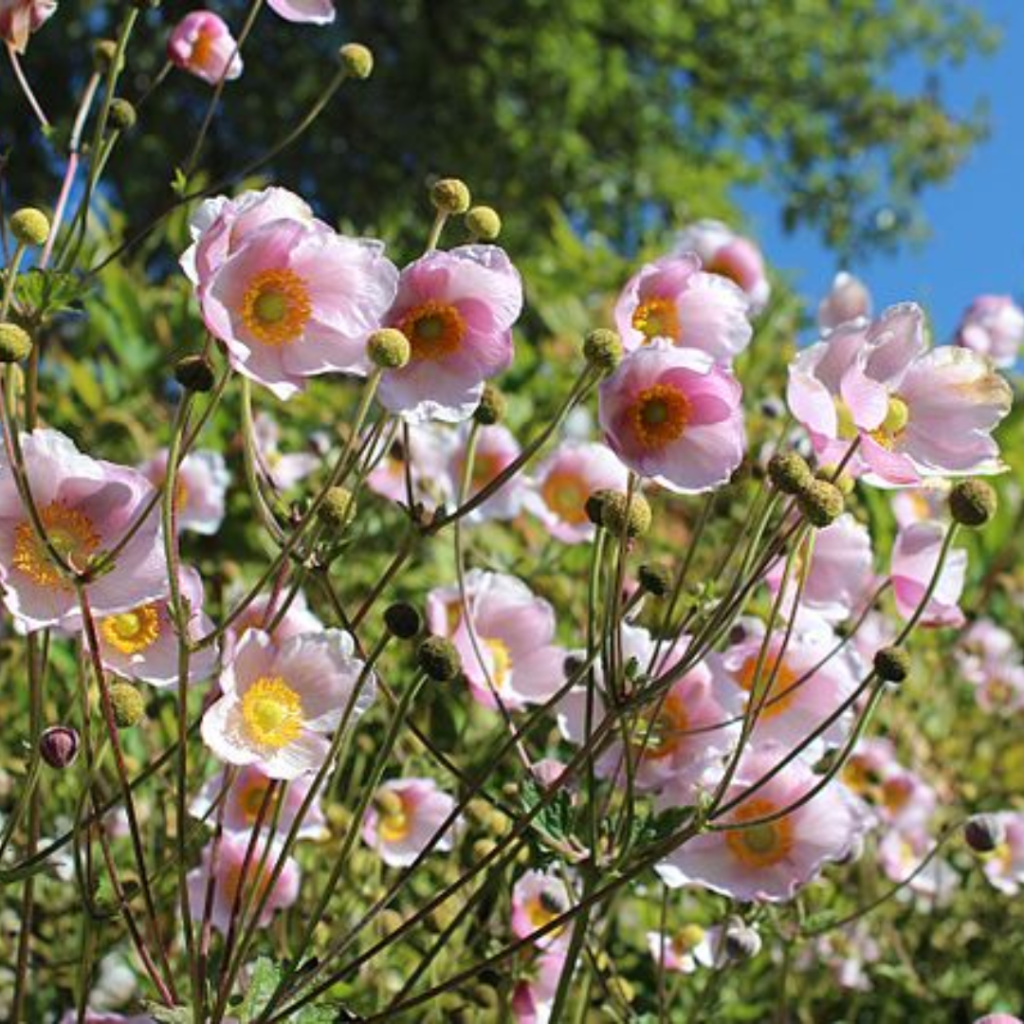
For late-season brightness in a shady spot, Japanese anemones are unbeatable. Their pink or white flowers brighten dark corners from late summer into autumn, and they mingle well with late astilbes and toad lilies. They can be enthusiastic spreaders in rich soil; divide every few years to keep plants vigorous and in bounds.
Planting and Seasonal Care Tips I Always Follow
Soil and mulch: Most of these shade perennials adore humus-rich, well-draining soil. Mix in compost at planting and add a 2-inch mulch layer to retain moisture and keep roots cool. Avoid heavy mulches piled against crowns.
- Watering: Shade can be deceptive — soil may look damp but can dry at the roots. Water deeply during dry spells so roots are moist, not soggy. Morning watering helps leaves dry quickly and reduces fungal problems.
- Division and timing: Divide hostas, coral bells, astilbes, and Japanese anemones in early fall or spring to rejuvenate plants and propagate extras for friends. Division keeps the center of clumps healthy and encourages fresh foliage.
- Pests and problems: Slugs adore hostas and young shoots — handpick at dusk or use organic traps. Keep good air circulation to prevent powdery mildew on astilbe and coral bells. If deer are a problem, choose tougher foliage like ferns and oily-surfaced heuchera varieties.
Design Ideas and Pairing Suggestions
- Textural trio: Pair hostas, ferns, and coral bells for dramatic leaf contrast and year-round interest.
- Seasonal sequence: Plant lungwort and bleeding heart for spring drama, astilbe and hosta for summer, and toad lily with Japanese anemone for autumn color.
- Paths and edges: Use lower-growing lungwort and dwarf hostas along paths so visitors can enjoy texture close up.
A small comfort I always keep: a painted marker with the plant’s name beside new divisions. It saves grief later when everything looks sleepy in early spring. Shade gardens reward patience; once you find the right plant for the right spot, it will quietly repay you for years.
Quick-Fire FAQ
Q: How much sun is “shade” for these plants?
A: Most of these thrive in part to full shade — dappled morning sun is ideal for many, while afternoon shade prevents leaf scorch.
Q: When should I divide hostas and astilbes?
A: Early fall or early spring are best — both give roots time to settle before the stress of heat or winter.
Q: How do I keep slugs off hostas?
A: Handpick at dusk, use beer traps, or scatter gritty mulch like crushed shells to deter slugs without chemicals.
Q: Can Japanese anemones be grown in containers?
A: Yes — choose a roomy container, rich compost, and regular watering; they’ll flower happily though may need dividing sooner.
— Grandma Maggie