
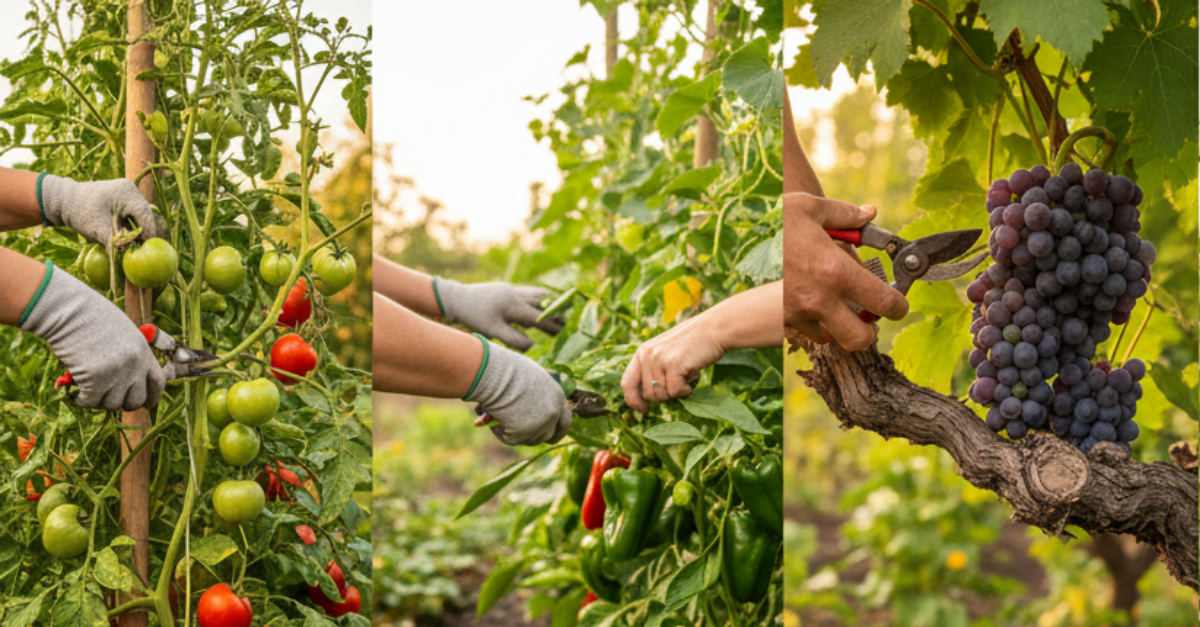
Quick pruning primer and tools I use
- Tools: Sharp bypass pruners for green growth, long-handled loppers for big wood, and a small pruning saw for thick canes. Keep a jar of rubbing alcohol or a bleach solution handy to wipe blades between problem plants.
- Timing: Prune tomatoes, peppers, eggplants, cucumbers, and basil during the season; prune grapevines and fruit trees when fully dormant in winter. Strawberries get runners removed after harvest; pole beans are thinned as they grow.
- Sanitation: If you’ve had blight, botrytis, or other diseases, bag and remove infected material—don’t compost it. Clean tools between plants to stop spread.
1. Tomatoes: Suckers and lower leaves
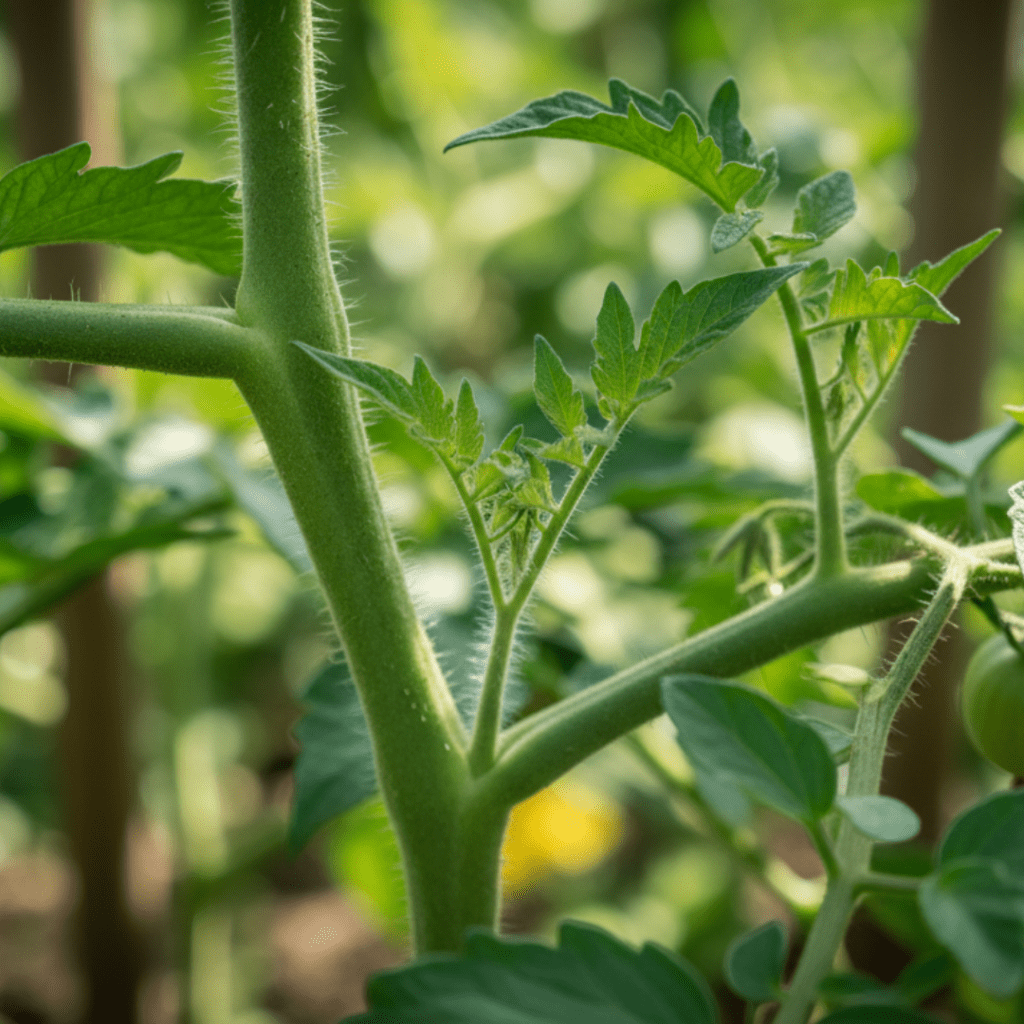


Why: Pruning improves airflow, reduces disease, and channels energy into fruit.
What to prune: Remove suckers (the shoots that grow between stem and branch) on indeterminate varieties and trim lower yellowing leaves to prevent soil splash and blight.
Tip: I pinch young suckers with my thumb and forefinger when they’re under 2 inches—no tool needed. Leave a few leaves for shade on very hot afternoons so sun-scald doesn’t ruin your fruit.
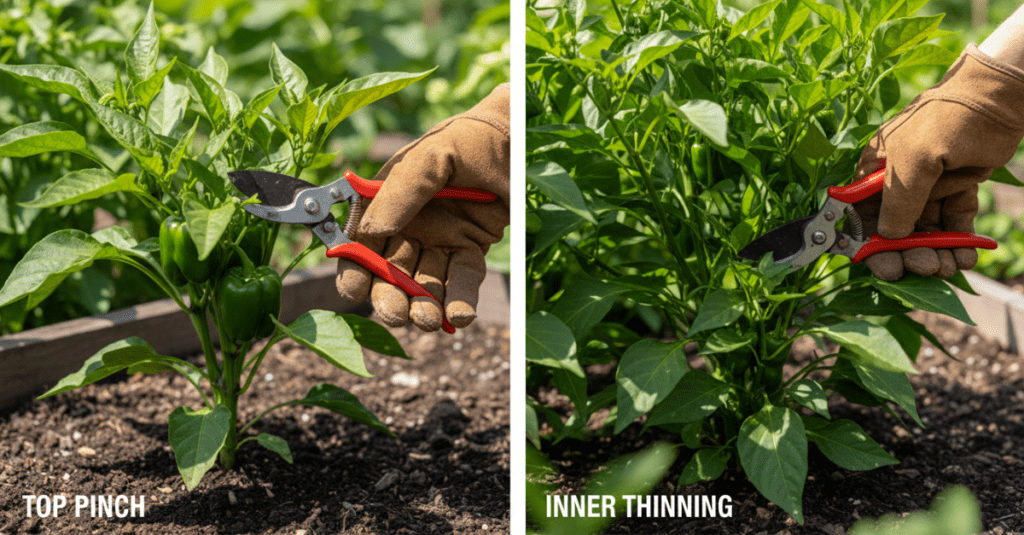
2. Peppers (bell & chili): Top pinch and inner thinning
Why: Encourages branching and better fruit set.
What to prune: Pinch the top of young plants at 6–8 inches to encourage a bushier habit and remove crowded inner leaves later to improve airflow.
Tip: Don’t overdo it—peppers need leaves to photosynthesize. I pinch once when young, then only remove obviously shaded or diseased leaves.
3. Eggplants: Fewer, larger fruits
Why: Pruning yields fewer but larger fruits and keeps foliage airy.
What to prune: Remove bottom leaves, side shoots, and any suckers after fruits set. Also strip very low leaves that rub the soil.
Tip: Eggplants can be heavy—stake when fruits load up and keep a subtle hand so you don’t stunt growth.
4. Grapevines: Hard winter pruning
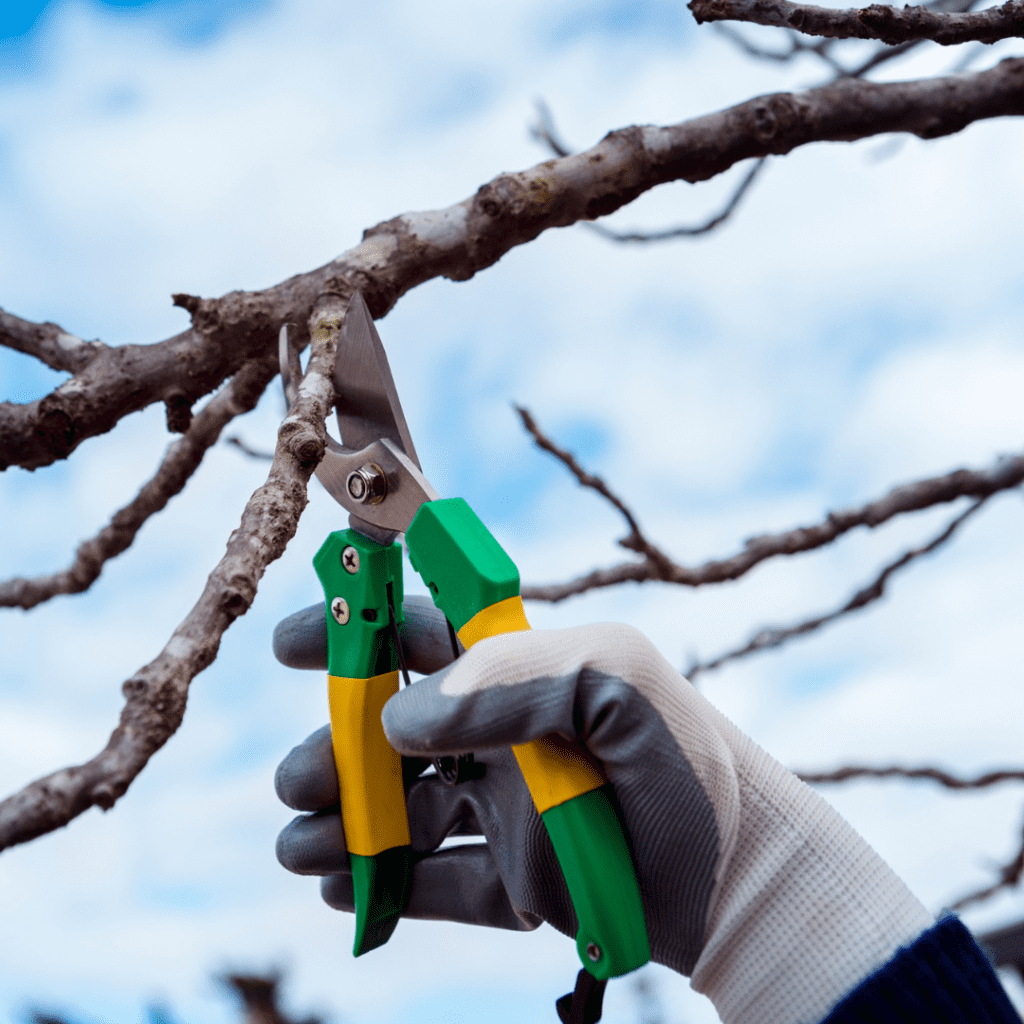
Why: Heavy pruning leads to better quality grapes and manageable yields.
What to prune: In winter, cut back approximately 90% of old growth, leaving 1–2 strong main canes per vine (depending on your training system). Remove weak wood and crowded arms.
Tip: It seems severe the first few winters, but grapevines reward the bold pruner with sweeter, better-sized clusters.
5. Strawberries (June-bearing): Control runners
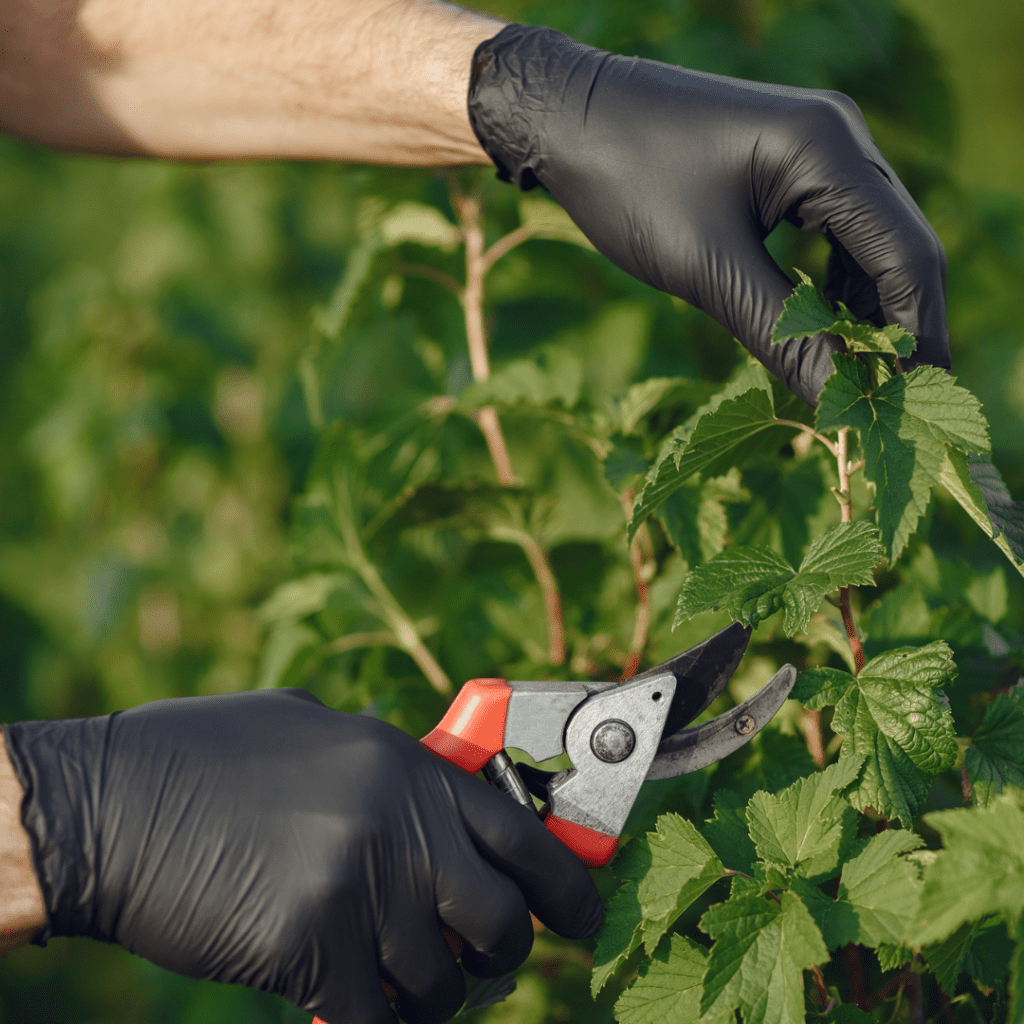

Why: Controls runner spread and strengthens crowns for next year’s fruit.
What to prune: After harvest, trim or remove excess runners so the plant focuses on crown and root strength; pull old, yellowed leaves in fall or early spring.
Tip: I keep a neat 12–18 inch spacing and root a few runners intentionally into small pots to replace tired crowns the next year.
6. Cucumbers: Especially in small spaces or vertical
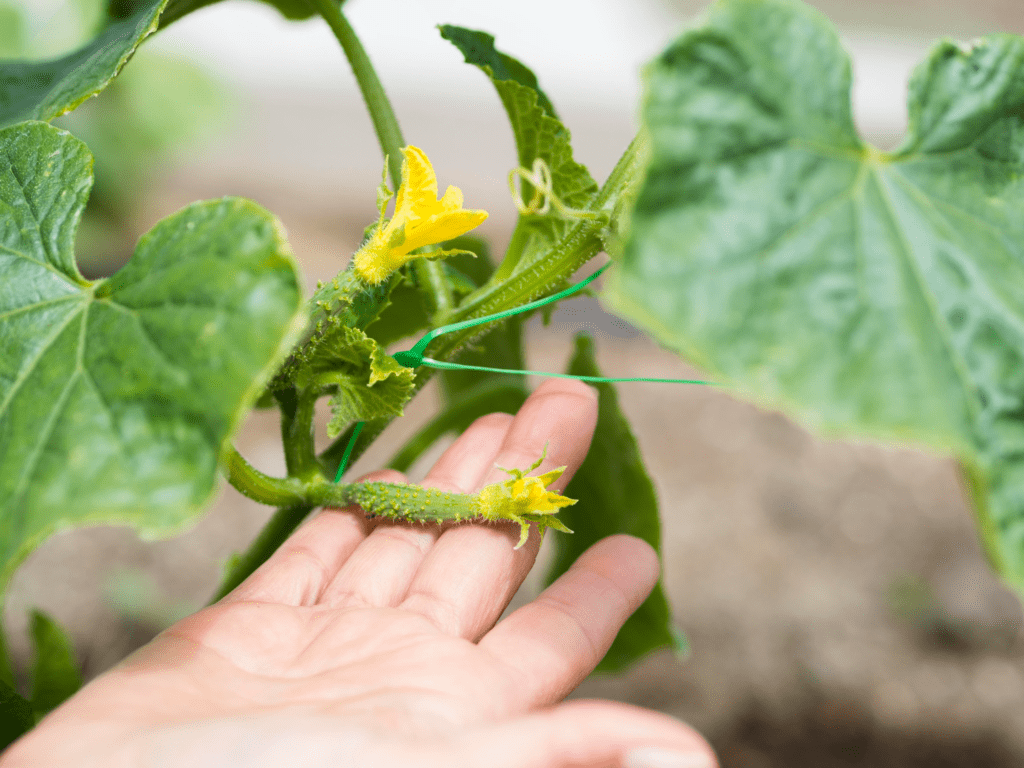
Why: Pruning promotes airflow and better fruit development in confined systems.
What to prune: Remove lower leaves and side shoots below the first 5–7 nodes on vining cucumbers trained vertically. Thin excessive lateral growth so energy goes into fruits.
Tip: For slicers, I leave more leaf area; for picklers in tight trellises I prune liberally so the fruits mature evenly.
7. Pole Beans: Top and thin
Why: Redirects energy into pods and reduces tangled growth.
What to prune: Top growth when plants reach the top of their trellis if they keep flopping over; thin crowded vines early so each stem can get light.
Tip: A light trim is often enough—beans resent heavy cutting—but a tidy thinning gives you healthier pods.
8. Fruit Trees (peach, apple, fig): Shape and sun
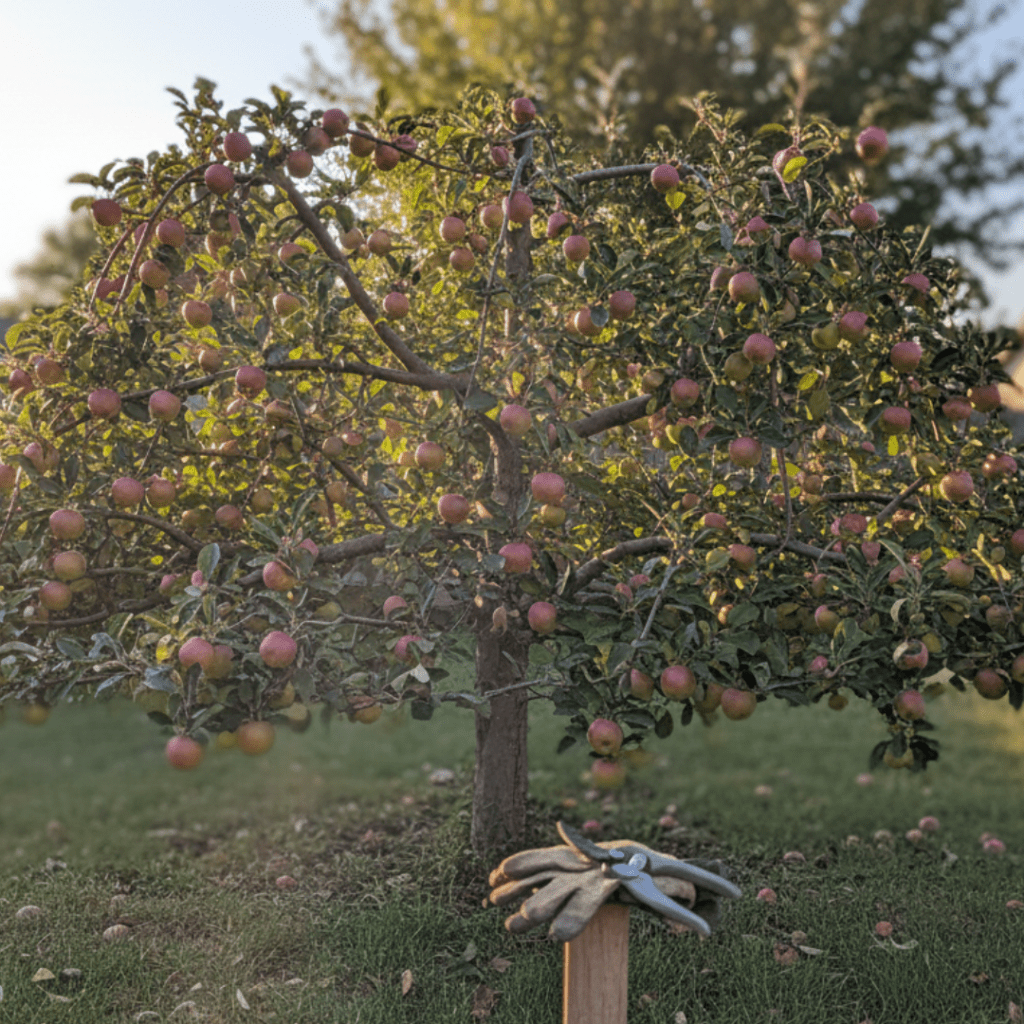
Why: Shapes the tree, boosts sunlight to fruit, and prevents disease.
What to prune: In the dormant season remove crossing branches, weak water sprouts, and open the canopy for light. For peaches, keep an open vase shape; apples benefit from central leader or modified central leader depending on your training.
Tip: Don’t prune heavily in late summer—dormant pruning is the time to make big structural cuts.
9. Basil (and herbs like mint, oregano): Pinch to leaf
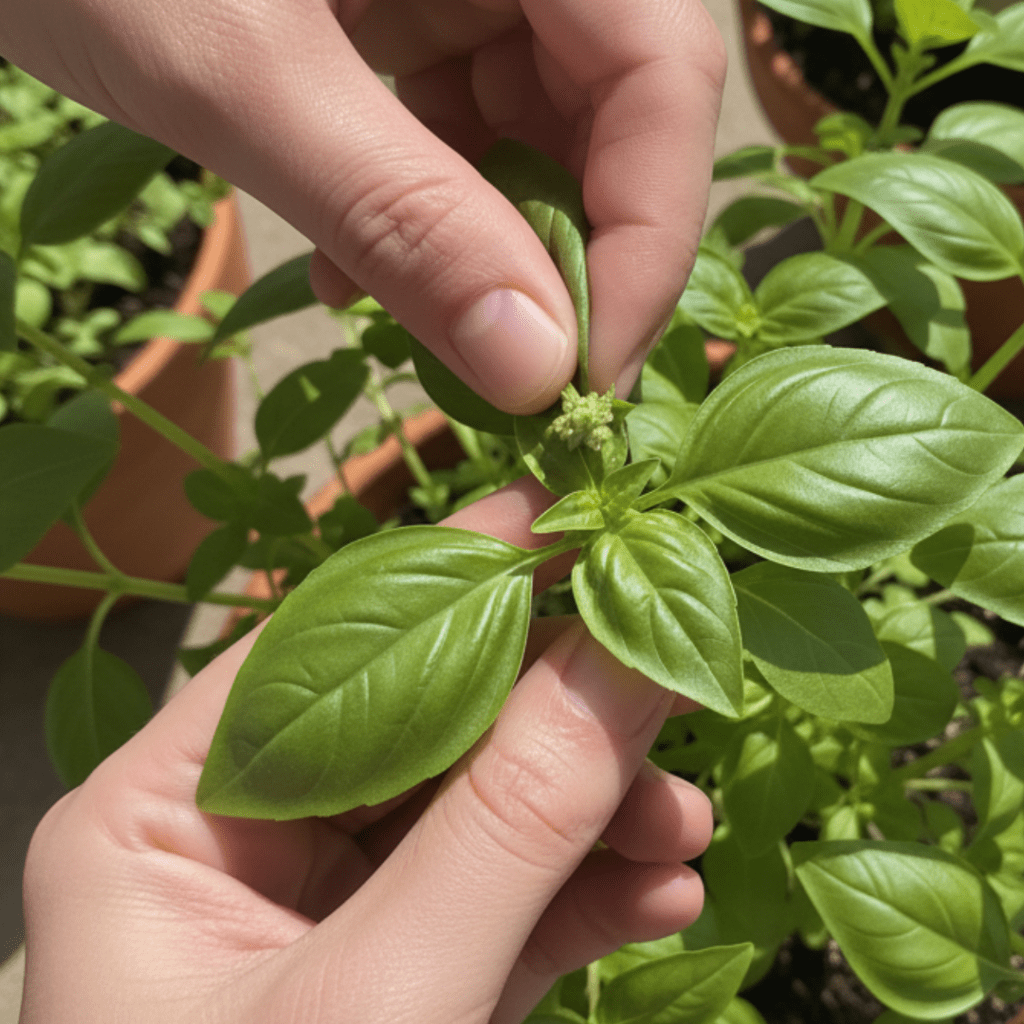
Why: Keeps the plant from flowering and promotes more leaf growth.
What to prune: Pinch off flower buds and top few inches constantly; harvest by snipping stems above a pair of leaves.
Tip: I pinch basil daily at the kitchen door. It keeps the plant bushy and gives me a steady stream of pesto-ready leaves.
Maintenance and safety notes
- Always make clean cuts—jagged wounds invite disease.
- Use rubbing alcohol on blades between plants if disease was present.
- Mulch after pruning to suppress weeds and moderate soil moisture, but avoid mulching onto fresh pruning wounds of woody plants.
- Record what you prune and how it performed; I keep a little notebook and write one line after heavy pruning so I remember the next season.
A small story from my summer kitchen garden
One July I was late to prune my tomatoes and they were a tangle. I took an hour at dusk to clean house—snipped suckers, removed blighted leaves, and tied stems loosely. Two weeks later the plants seemed to breathe and the harvest doubled. That evening I sat with a bowl of cherry tomatoes and felt like the garden and I had both taken a deep, satisfying breath.
Quick-Fire FAQ
— Grandma Maggie