
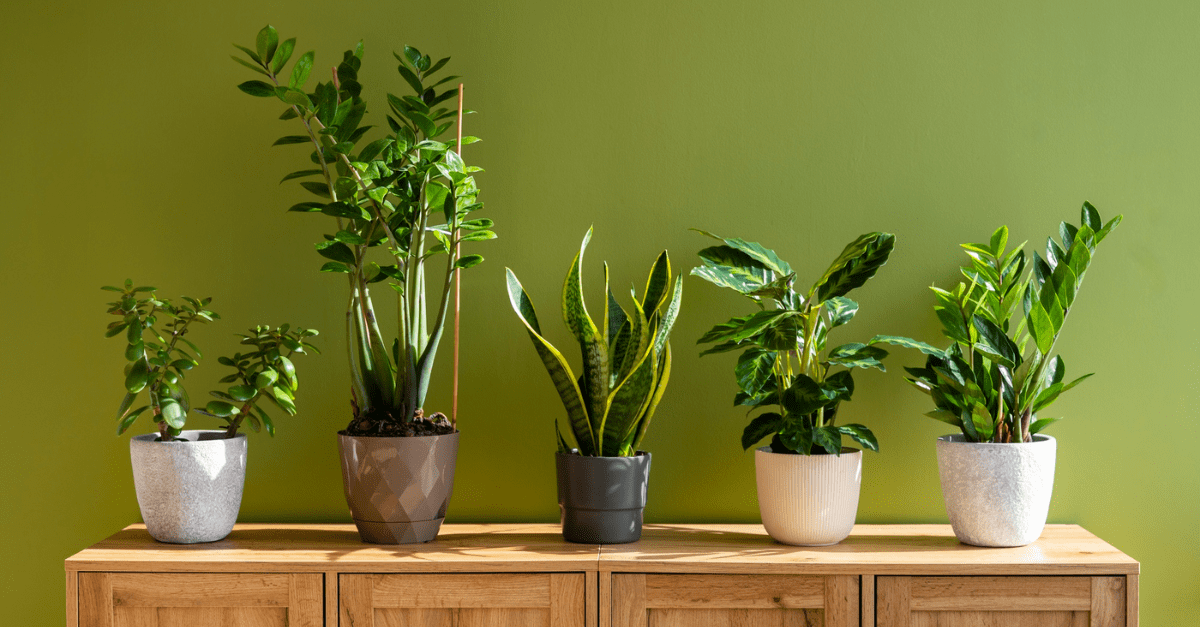
I love plants that forgive a forgetful gardener. These nine houseplants are the ones I reach for when I want green without fuss. They’re tough, forgiving, and perfect for busy homes or beginners.
Low-Light Champions
1. ZZ Plant: The Indestructible Houseplant
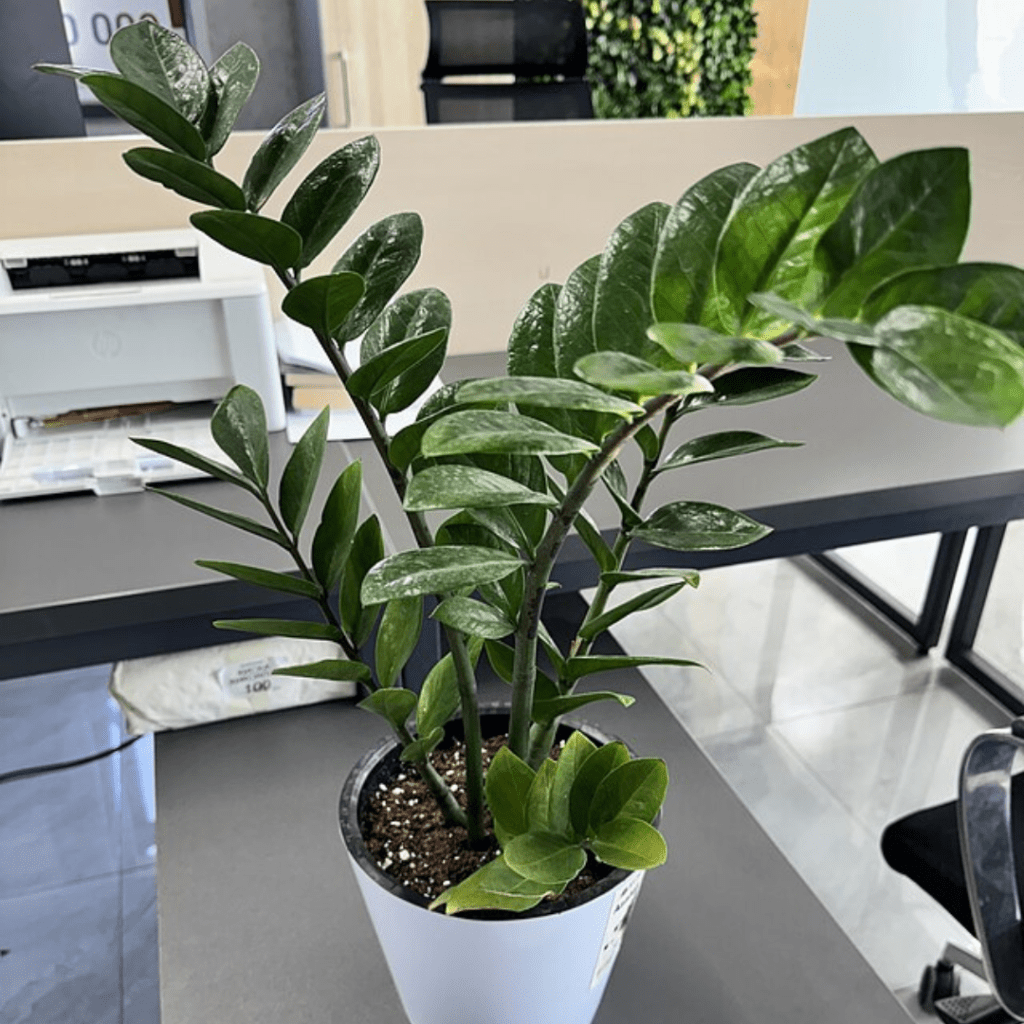


ZZs are marble-faced little tanks of a plant with glossy, upright leaf stalks that shrug off missed waterings. Place it in low to bright indirect light and water monthly or when the soil has dried out fully; overwatering is the only serious mistake here. If you forget it for months, it will forgive you and quietly keep growing. Tip: use a free-draining potting mix and a pot with drainage holes to keep roots happy.
2. Snake Plant: The Bedroom Beauty
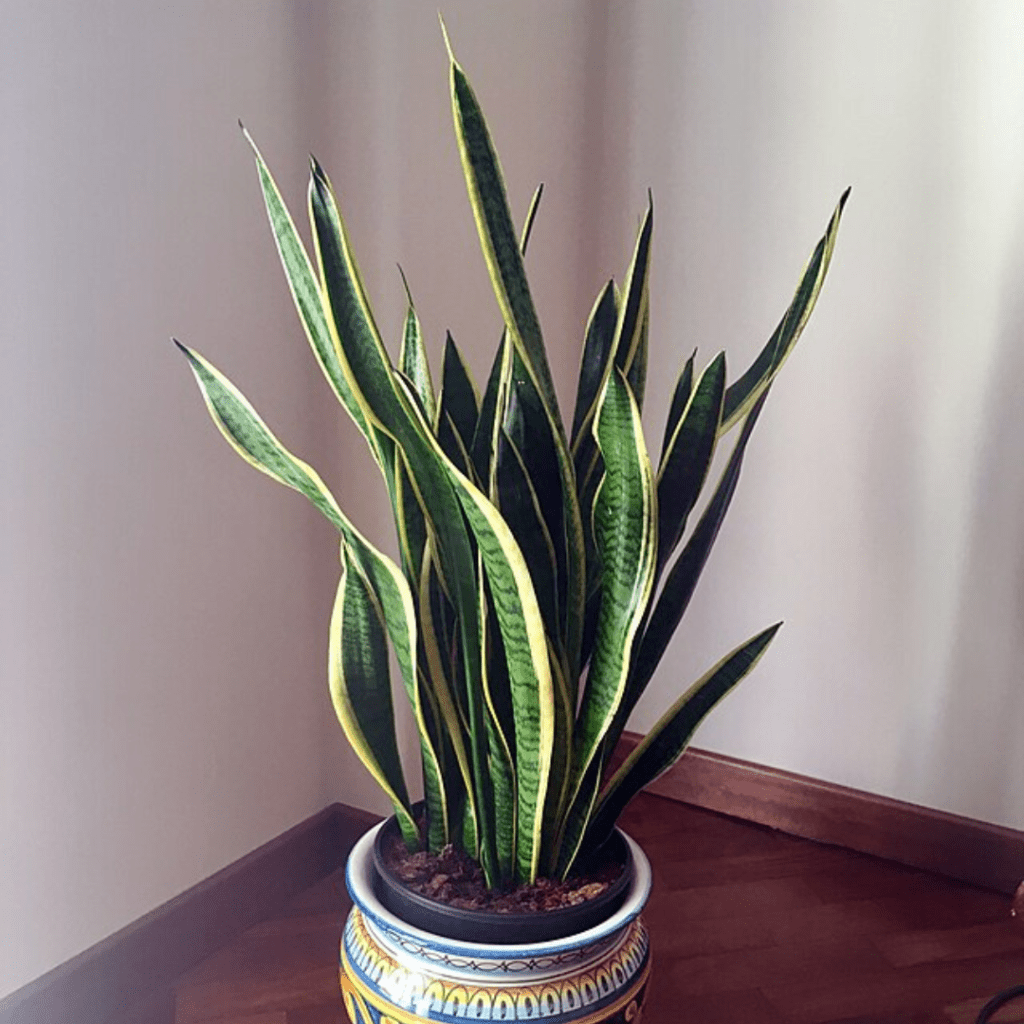
Snake plants love neglect and they tolerate dim corners and long gaps between drinks. Water very sparingly, every four to six weeks in winter, and keep them in bright, indirect light for faster growth. They’re also excellent bedroom plants if you like the idea of low-care greenery with air-purifying benefits. Just don’t overpot them; snug roots are fine and keep the plant compact.
3. Cast Iron Plant: Set It and Forget It
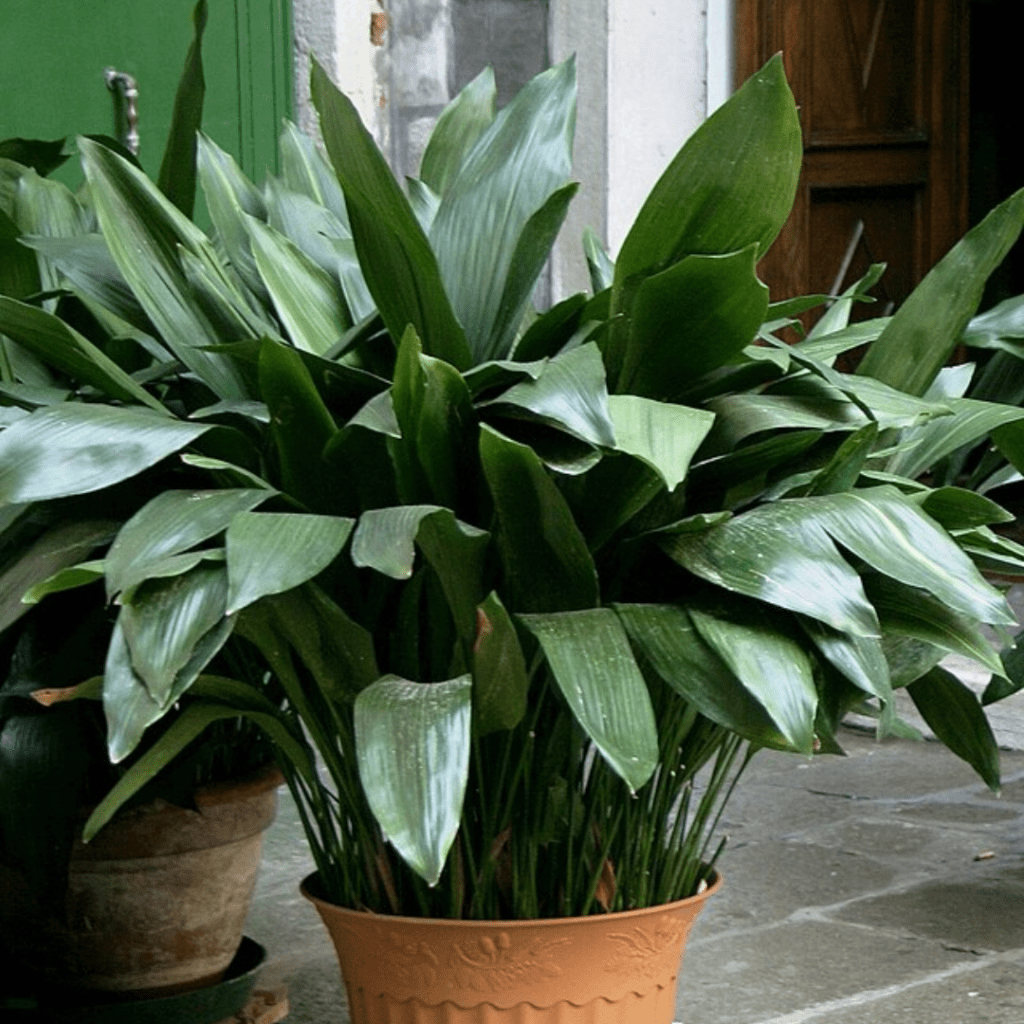
This is the classic houseplant for a reason, surviving low light, drafts, and irregular watering with ease. Give it a shady spot, infrequent watering, and a dust-off now and then; it rewards patience with deep green, dramatic leaves. It’s perfect for utility rooms, hallways, or the spot that gets overlooked most days.
Trailers and Propagators
4. Pothos: Trails of Green Joy
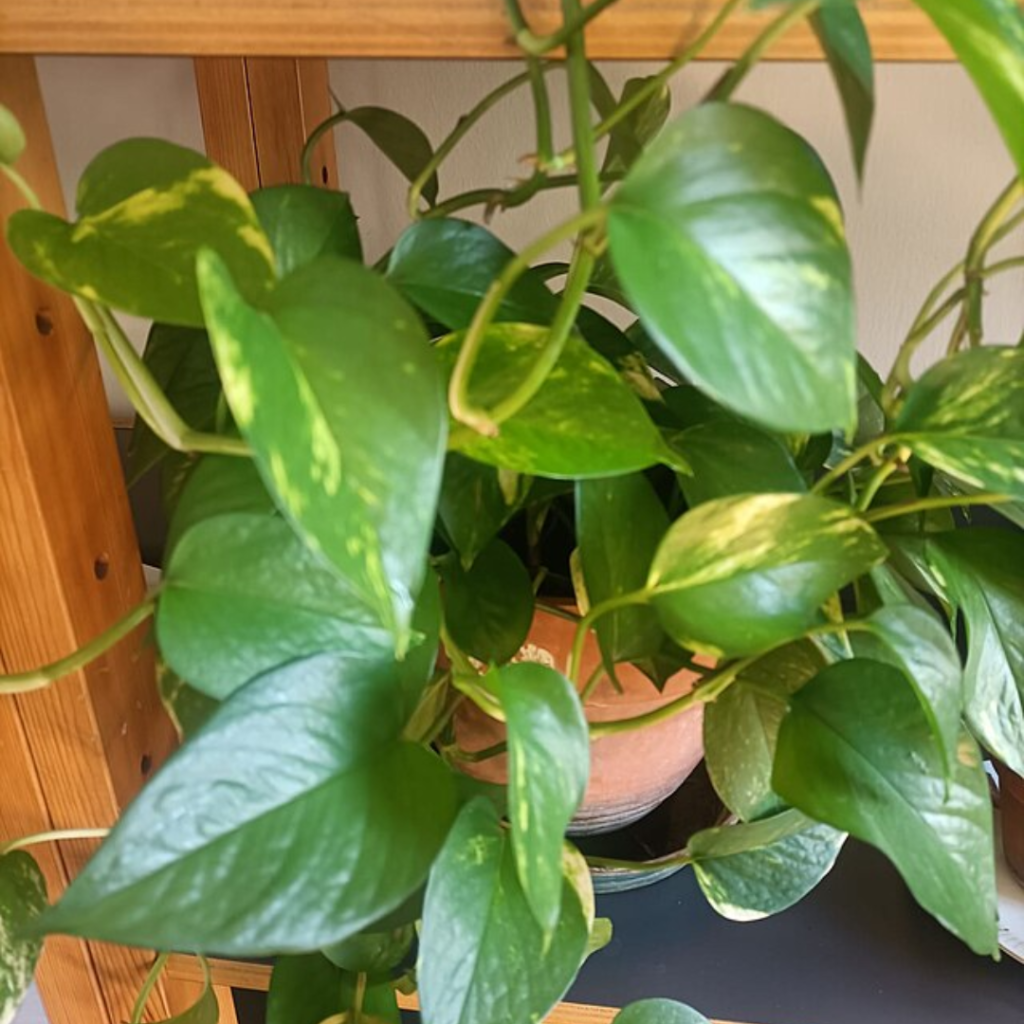
If you want a plant that looks lush with zero fuss, Pothos is your friend. It tolerates low light, bounces back from pruning, and propagates in a jar of water. I often snip a cutting and pop it into a glass, and a week later roots appear. Keep soil lightly moist but never waterlogged; in bright light the variegated varieties will be happiest, but they’ll still thrive in a shady office.
5. Spider Plant: The Self-Propagating Wonder
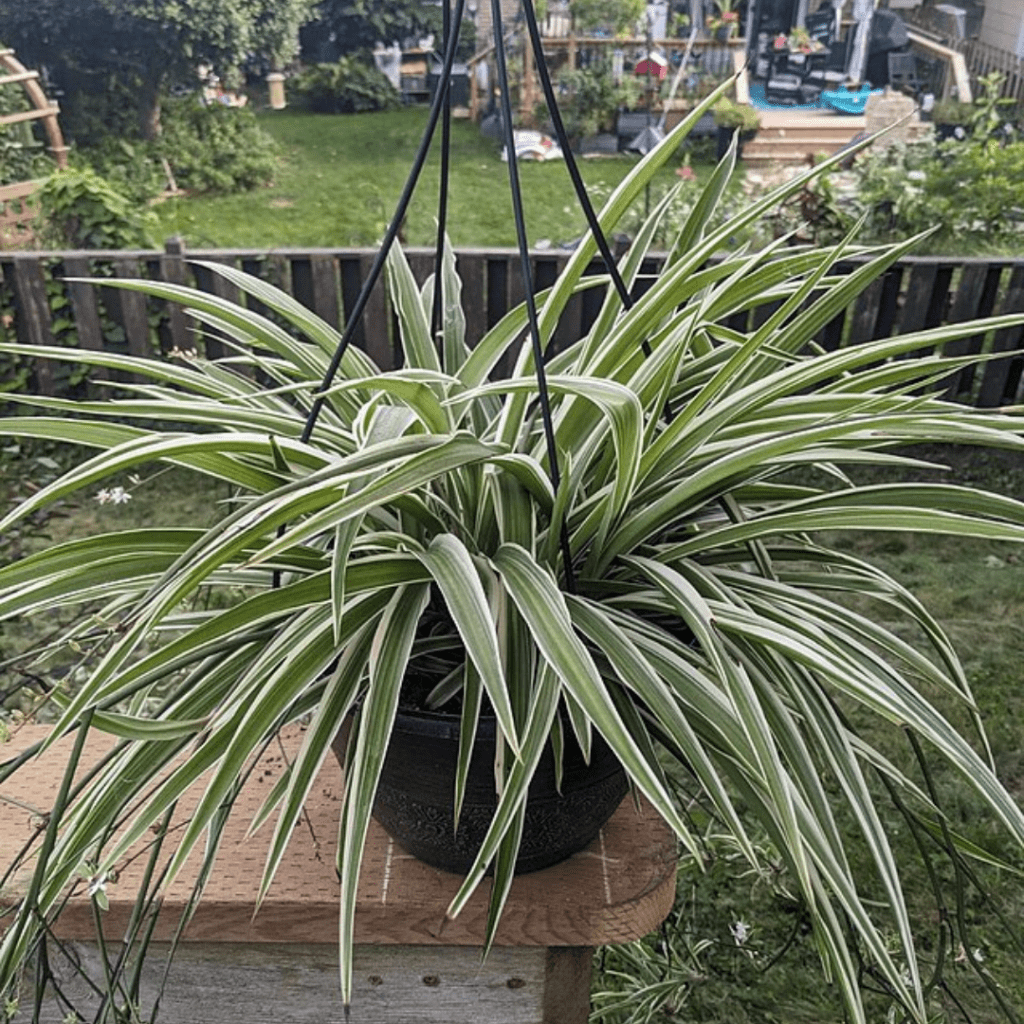
Spider plants hang and baby themselves into new pots, which is delightful and lazy-gardener-approved. Give them bright, indirect light and moderate watering; they prefer average home humidity and tolerate occasional neglect. They forgive errant watering schedules and reward you with cascading foliage and plenty of plantlets to share with friends.
Succulents and Water-Savers
6. Aloe Vera: The Kitchen-Side Succulent
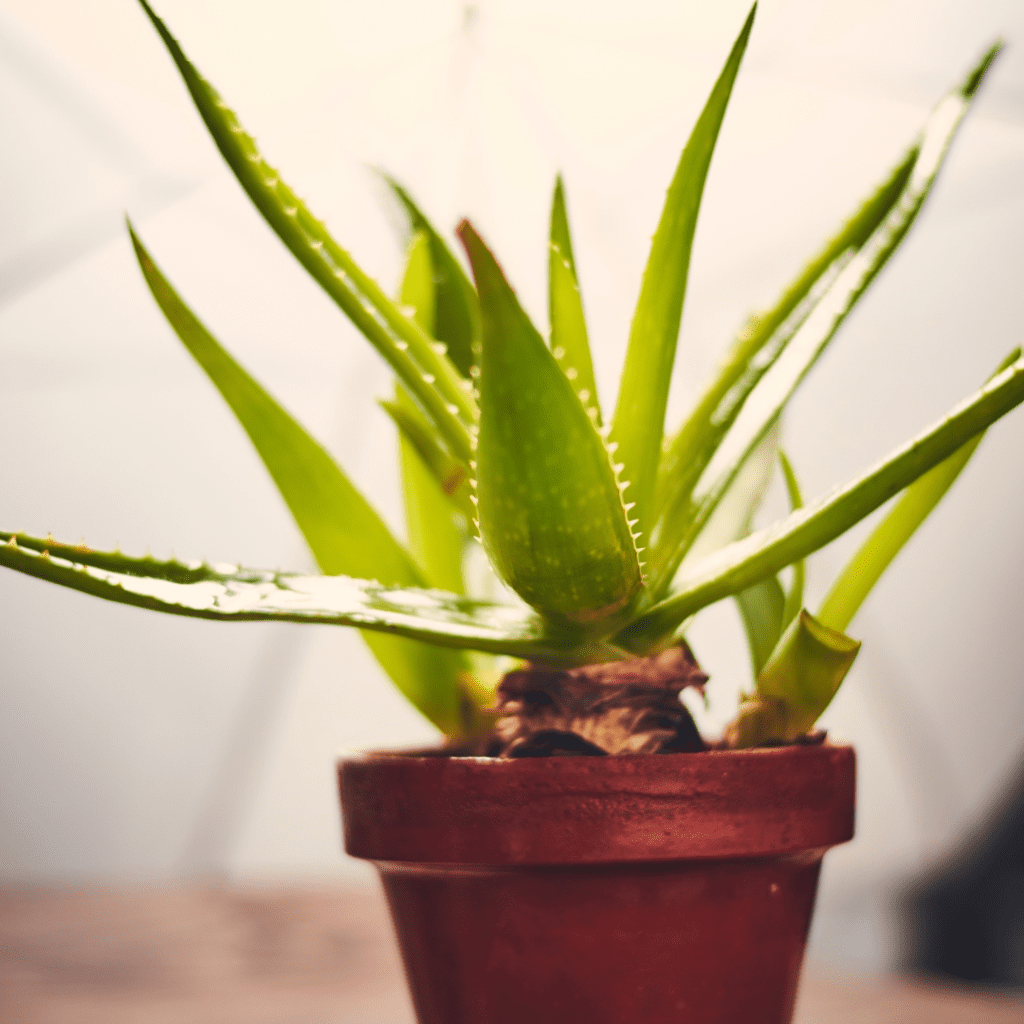

Aloe is the kitchen-side succulent you keep for burns and for being utterly uncomplicated. Provide bright light, occasional deep water, and a gritty succulent mix. Let soil dry between waterings; soggy roots are the most likely cause of grief. Aloe pups are easy to rehome once they’re plump and rooted.
7. Jade Plant: The Living Sculpture
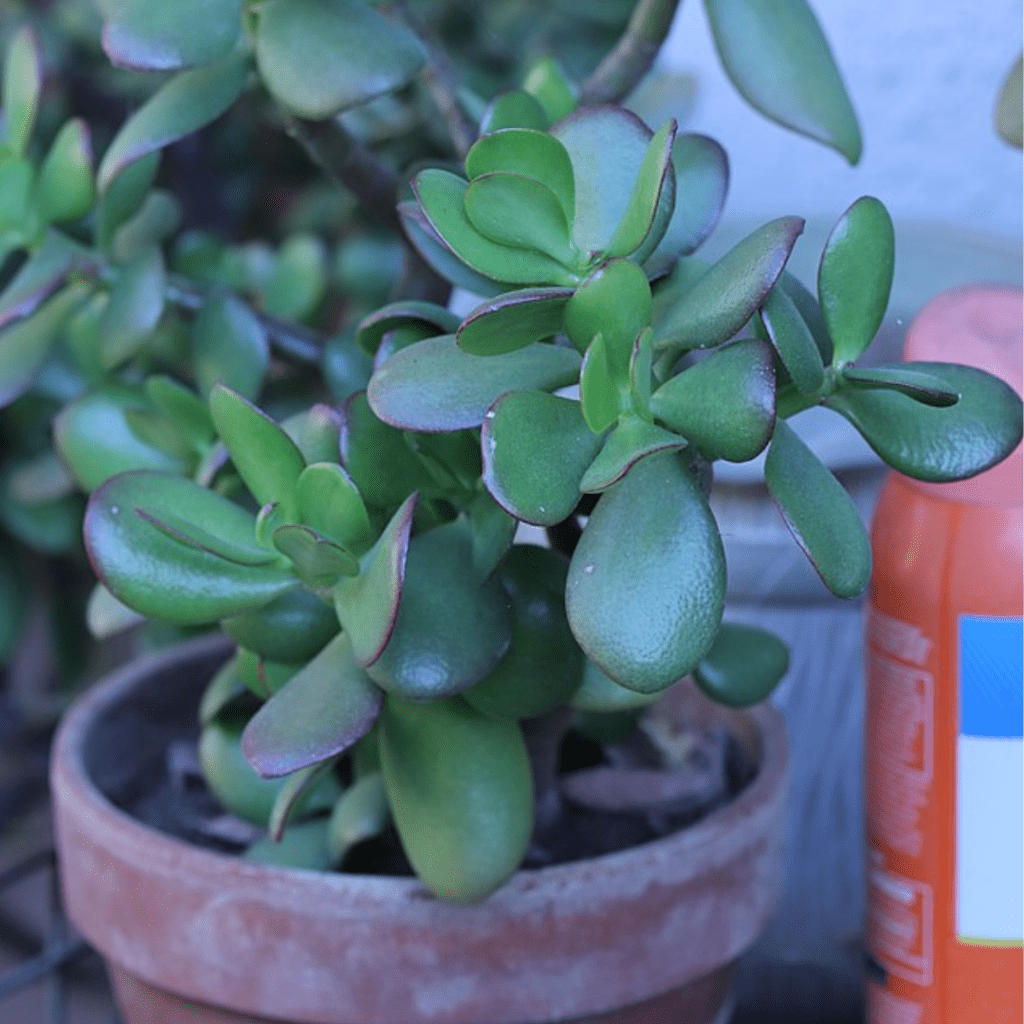
Jade plants are slow to grow and delightfully forgiving of dry spells. They like bright light and infrequent watering; a shallow pot and well-draining soil keep them happy for years. Prune sparingly to shape and never overwater, as that’s the usual downfall even for longtime plant lovers.
Tropicals and Bloomers
8. Peace Lily: The Dramatic Communicator
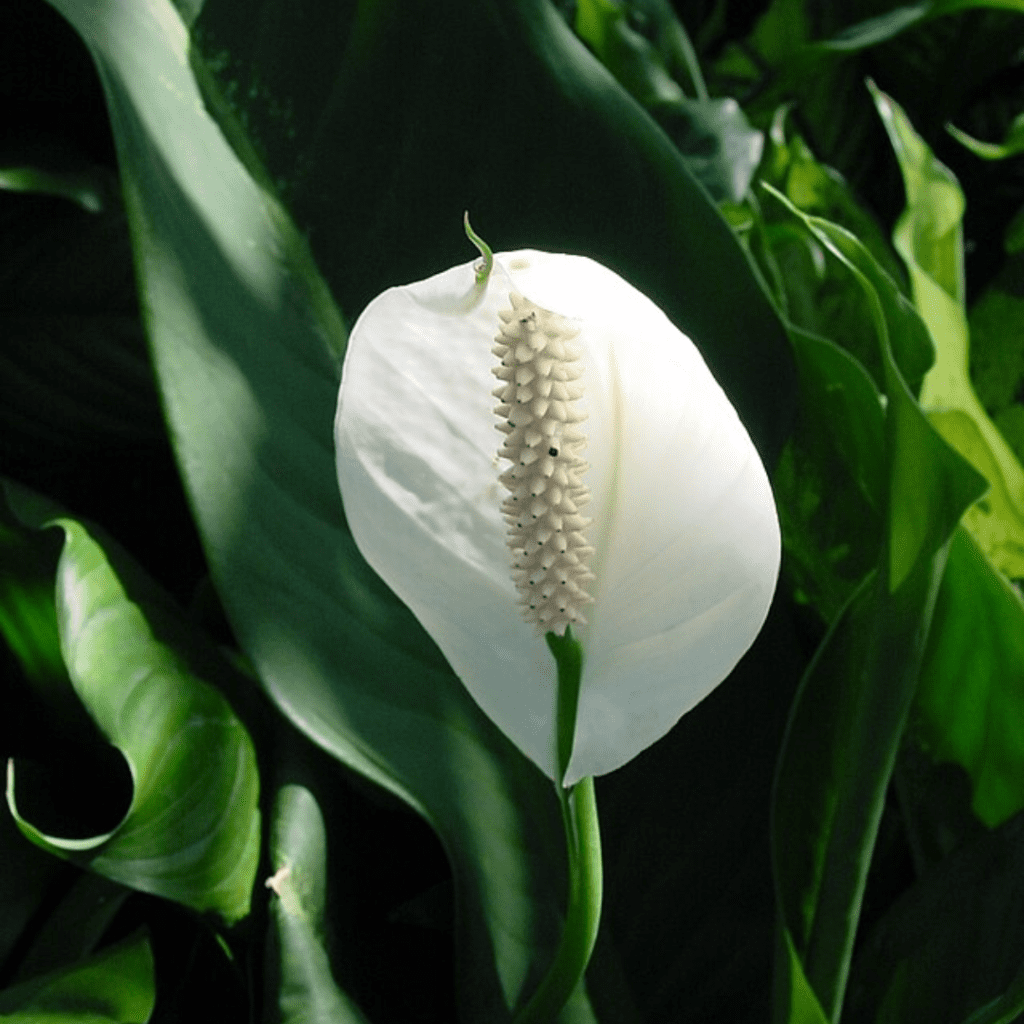
Peace lilies are the houseplant equivalent of a loyal friend, drooping dramatically when thirsty and perking up after a drink, so you can easily tell when they want water. They bloom indoors and tolerate lower light, but will reward brighter, indirect light with more flowers. Wipe leaves occasionally to keep them glossy and free of dust; they appreciate humidity, so a pebble tray or occasional mist helps in dry homes.
9. Parlor Palm: Tropical Elegance Without the Fuss
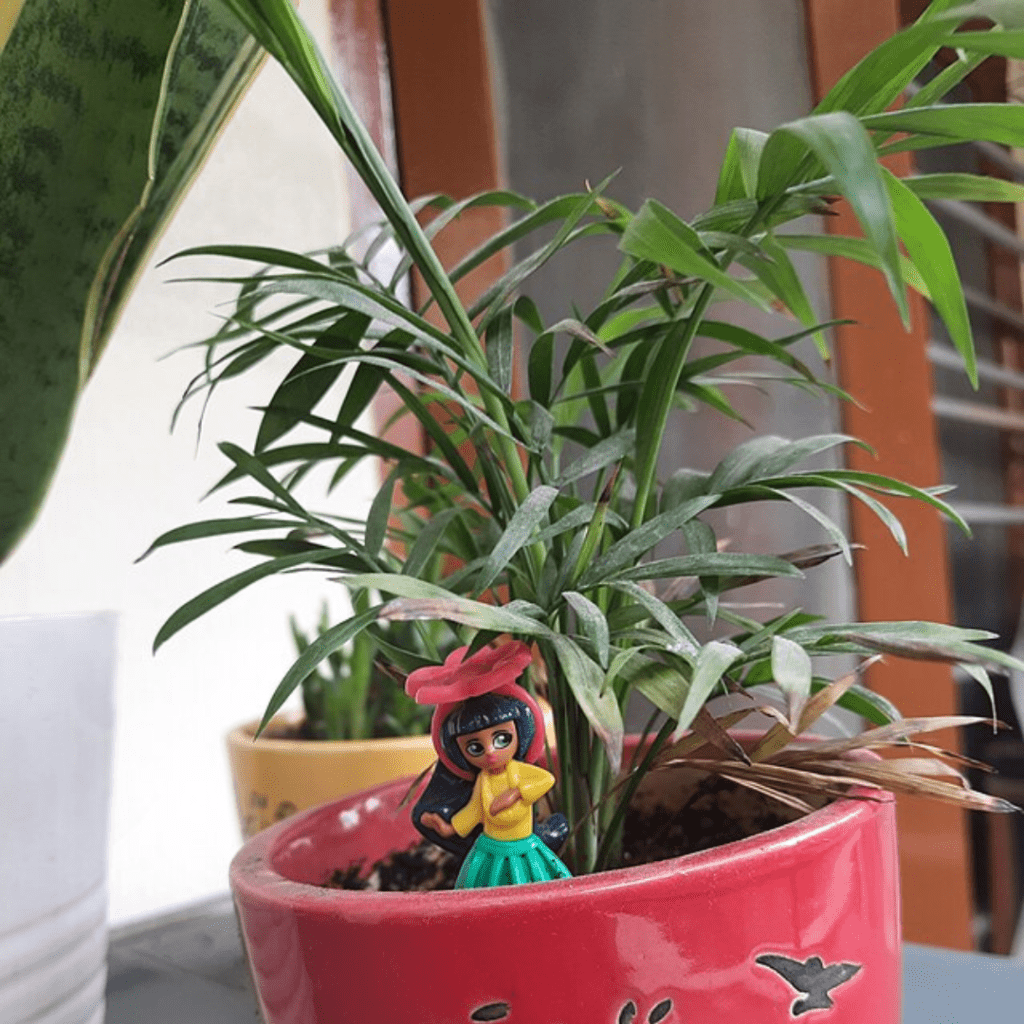
The parlor palm brings tropical elegance without the fuss of tender palms. It prefers bright, indirect light but will tolerate lower light, and likes evenly moist soil without sitting in water. It grows slowly and is forgiving of missed waterings; trim any browned fronds to keep it tidy and fresh-looking.
General Care Shortcuts That Actually Matter
- Light first: most of these plants tolerate low light, but they still do best when you match them roughly. Succulents by a sunny sill, tropicals in bright indirect light.
- Water by feel: stick your finger into the top inch of soil; if it’s dry, water. For succulents, wait until two inches are dry.
- Potting mix and drainage: a well-draining mix and a pot with drainage holes prevents the common sin of overwatering.
- Rotate and clean: rotate pots monthly so plants grow evenly and wipe leaves gently to improve photosynthesis and reduce pests.
- Feed lightly: fertilise once in spring and once mid-summer with a balanced, diluted houseplant fertiliser; many of these plants don’t demand much feeding.
Troubleshooting Common Problems
Yellow leaves: often overwatering. Check drainage and cut back watering frequency.
Brown leaf tips: possibly low humidity or salts in water. Try filtered water and occasional misting for tropicals.
Pests: treat small mealybug or scale outbreaks with a cotton swab dipped in rubbing alcohol or a mild insecticidal soap; early detection makes treatment easy.
Pet Safety Note
Many popular houseplants like pothos, peace lily, and jade can be toxic to cats and dogs if chewed. If you have curious pets, place plants out of reach or choose pet-safe alternatives. I always put a few cat-deterrent plants at floor level and hang the more tempting ones higher where they’re safe.
A Small Ritual I Love
Each weekend I walk my houseplant corner with a cup of tea, tilt pots toward light, and say hello to the ones that cheer me most. It takes five minutes and keeps the plants (and me) feeling cared for.
Quick-Fire FAQ
Q: How often should I repot these low-maintenance plants?
A: Most of them do fine repotted every 2-3 years; succulents and snake plants like to be a bit root-bound, so repot less frequently.
Q: What’s the easiest way to propagate pothos and spider plant babies?
A: Snip a stem with a node for pothos and place it in water until roots appear; spider plantlets can be pegged into soil while still attached until they root.
Q: My peace lily droops a lot — is it dying?
A: Not usually — drooping often means it’s thirsty; give it a good drink and it will usually bounce back within a day.
Q: Can these plants tolerate low humidity?
A: Yes — most tolerate average home humidity, though tropicals like peace lily and parlor palm appreciate occasional misting or a pebble tray.
— Grandma Maggie