
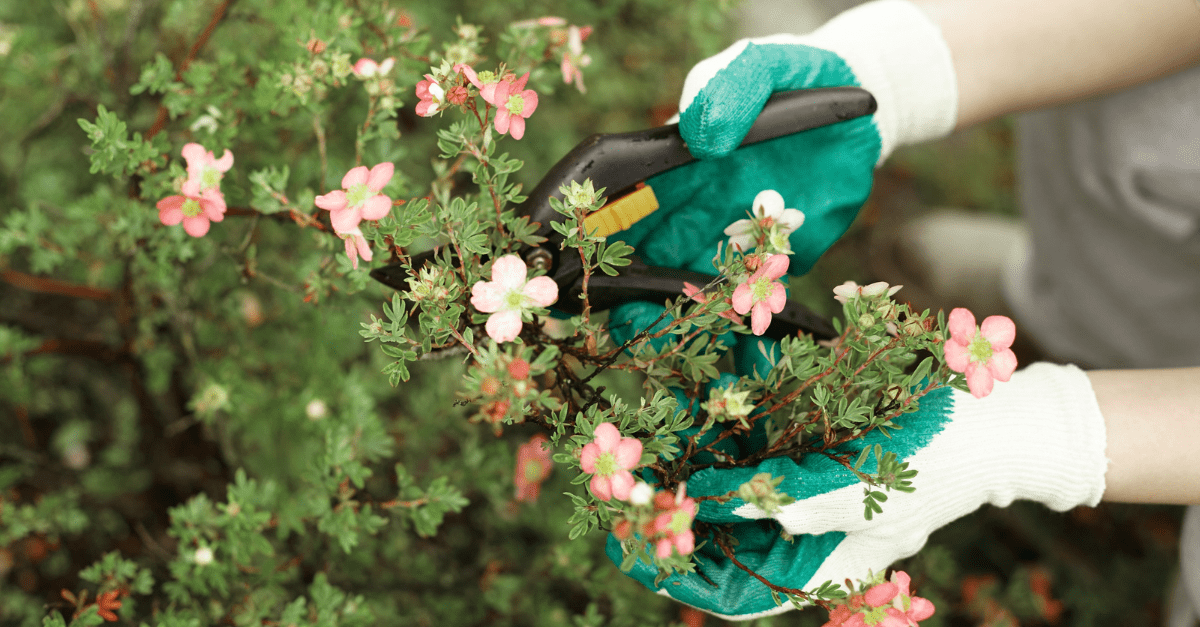
Fall is a gentle, sensible time to tidy up certain shrubs and leave others alone. Cooler nights and slower growth mean cuts heal without pushing tender new shoots. With a few clean snips you’ll help shrubs overwinter in better shape and put on a healthier show next spring. Let me walk you through each shrub and the exact fall actions I recommend.
1. Hydrangeas (paniculata & arborescens): Prune for Shape and Vigor
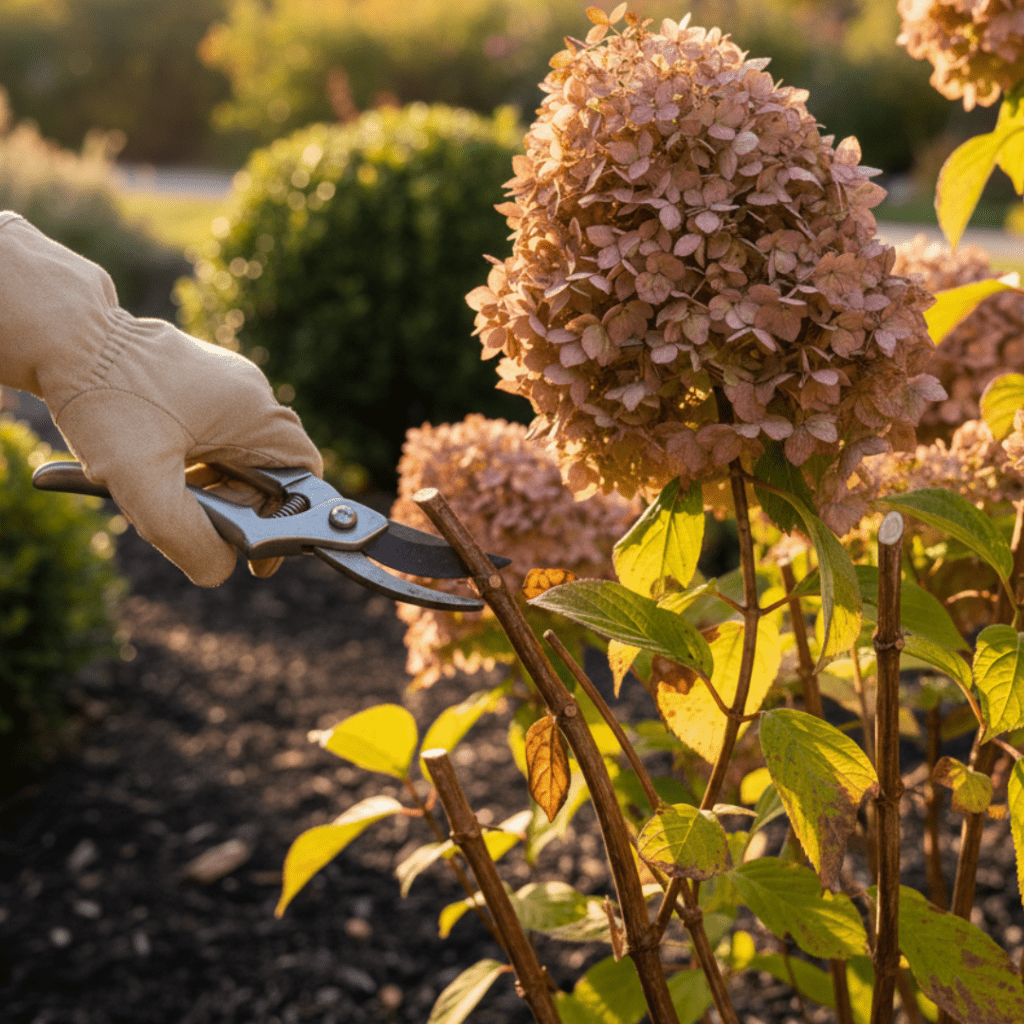


Why prune now: These types bloom on new wood, so pruning in fall won’t cost you next year’s flowers. What to do: remove dead or weak stems, and if you like a neater mound, shorten stems by one-third to one-half. Avoid pruning bigleaf (mophead) hydrangeas — they flower on old wood and chopping them now will lose next year’s blooms. A small tip from my garden: leave a few strong stems for winter interest and let the snow collect on the dried flower heads — it looks delightful.
2. Roses: Light Tidying Only
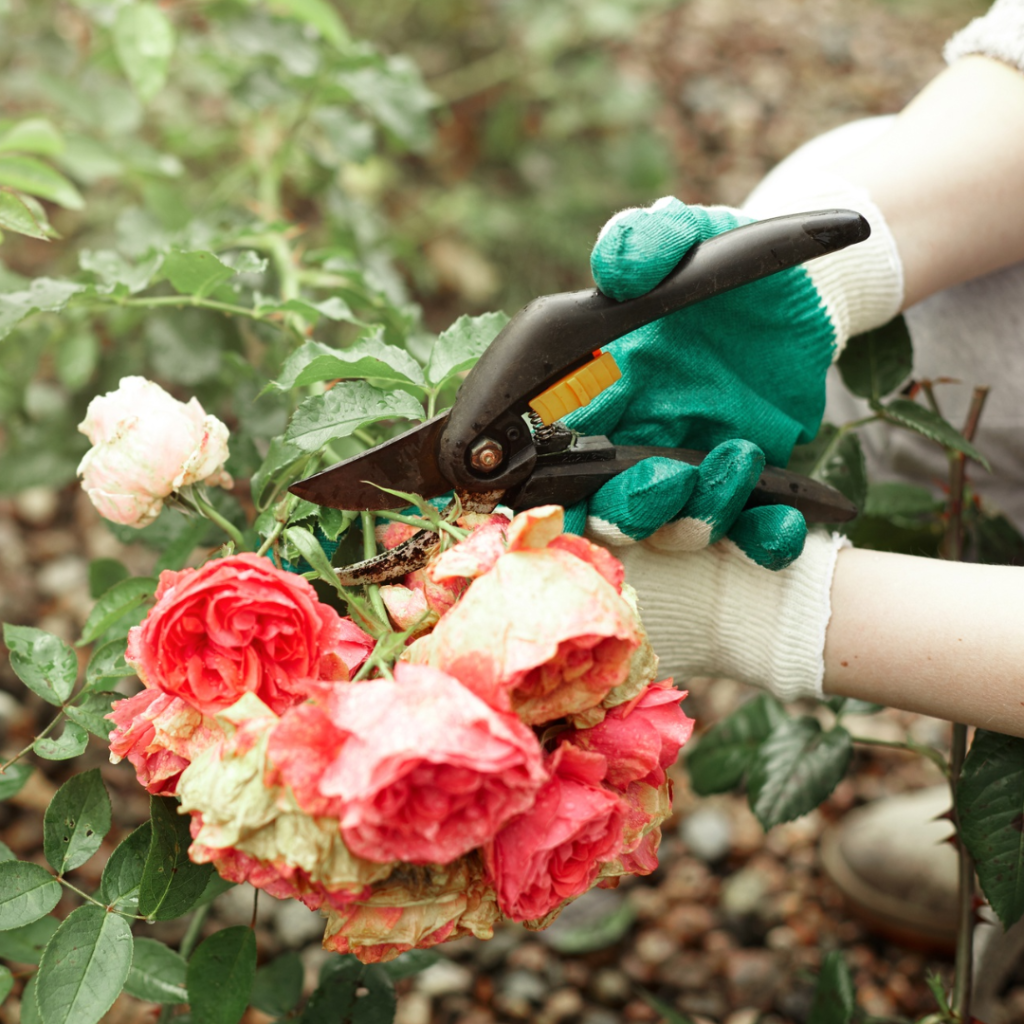
Why prune lightly: In fall I remove dead, diseased, or crossing wood so the plant rests cleanly. What to do: make only light cuts — remove damaged canes and thin congested centers, but save major shaping and hard pruning for spring to avoid stimulating tender growth that winter can kill. Clean any diseased material off and burn or bin it, and give roses a light mulch for winter protection.
3. Butterfly Bush (Buddleia): Cut Back for Control
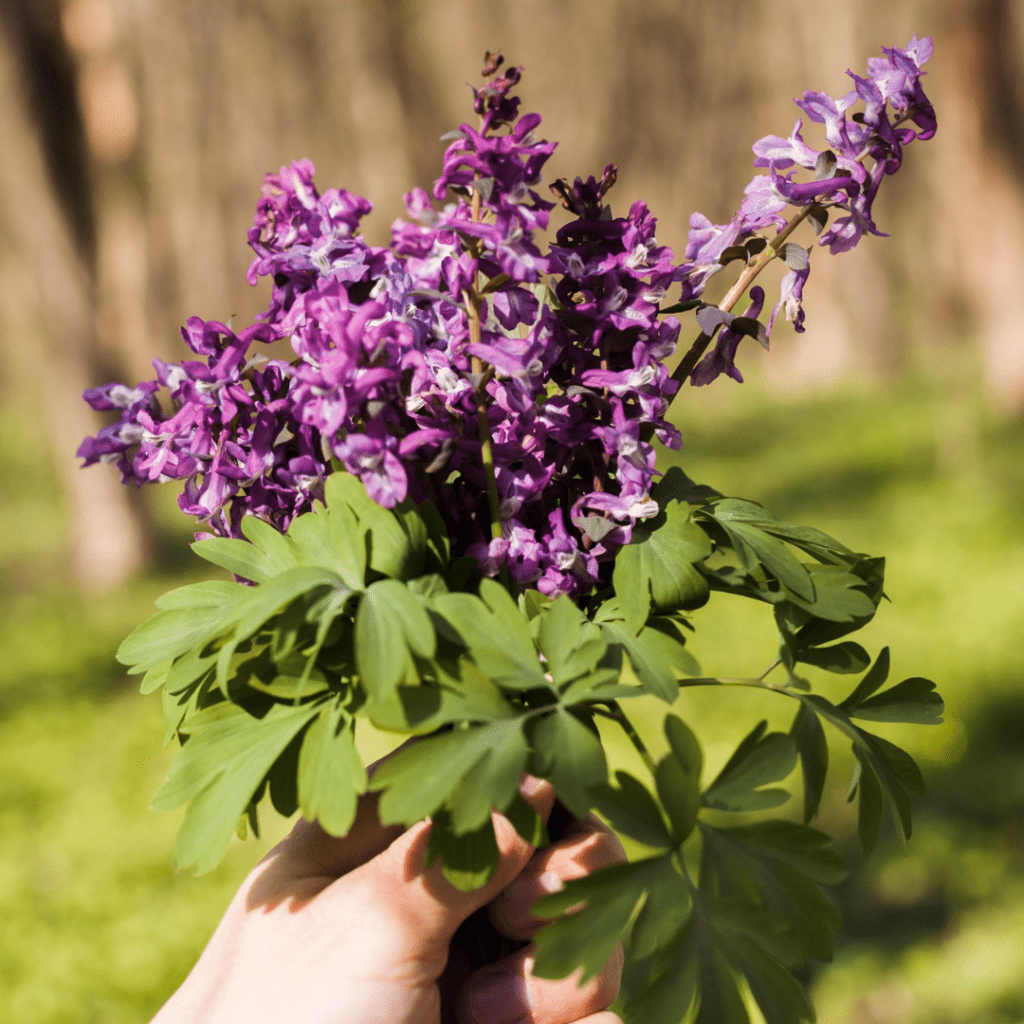
Why cut back: A hard, tidy cut reduces winter wind damage and keeps size manageable for next season. What to do: cut back by about two-thirds to leave a sturdy framework; this keeps the plant compact and encourages brisk summer shoots. Note: in very mild climates some gardeners leave lighter pruning until early spring — choose what suits your winter severity.
4. Spirea: Light Trimming for Shape
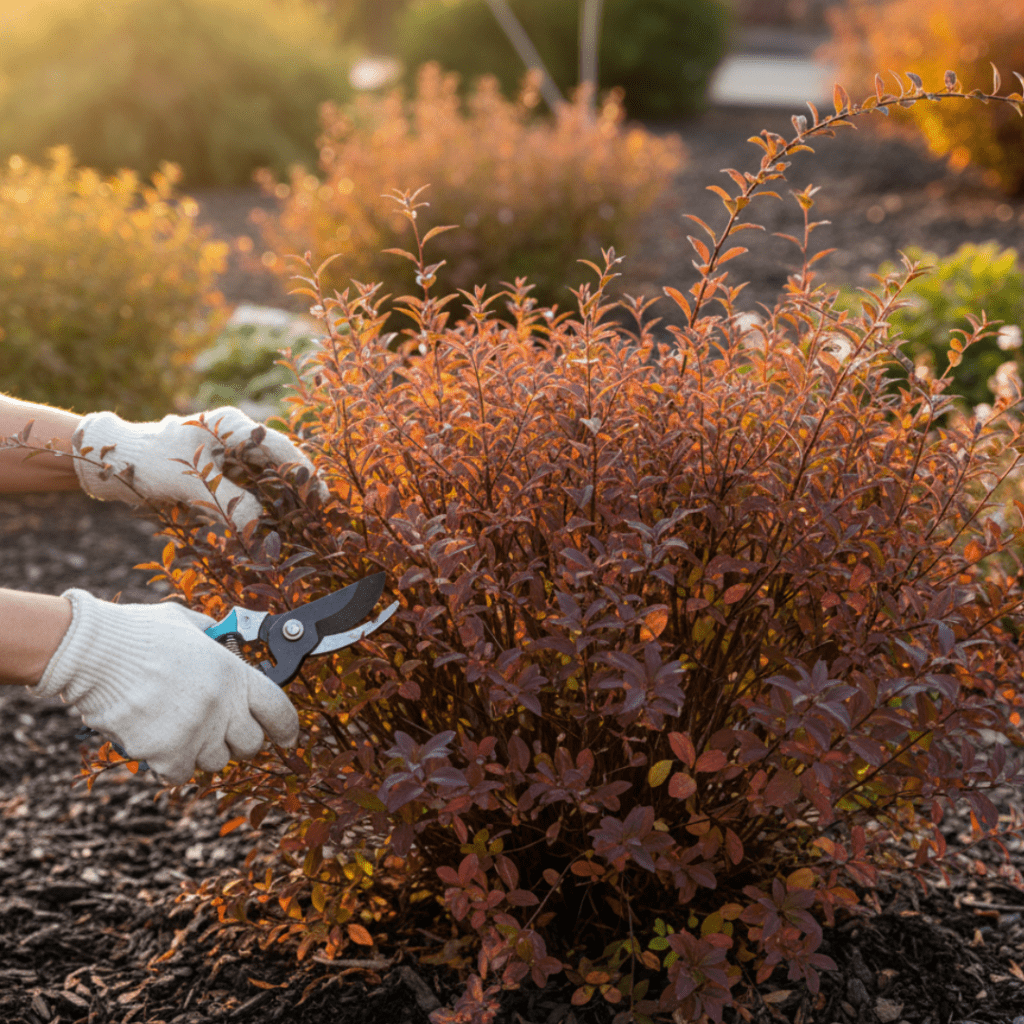
Why trim lightly: Spireas bloom on current-season growth and look better with a light tidy after fall bloom. What to do: remove crowded stems, thin the center for air flow, and shorten long shoots for a balanced shape. I like to step back frequently as I prune to keep things natural and avoid turning a graceful shrub into a lollipop.
5. Reblooming Lilacs (Bloomerang types): Keep It Gentle
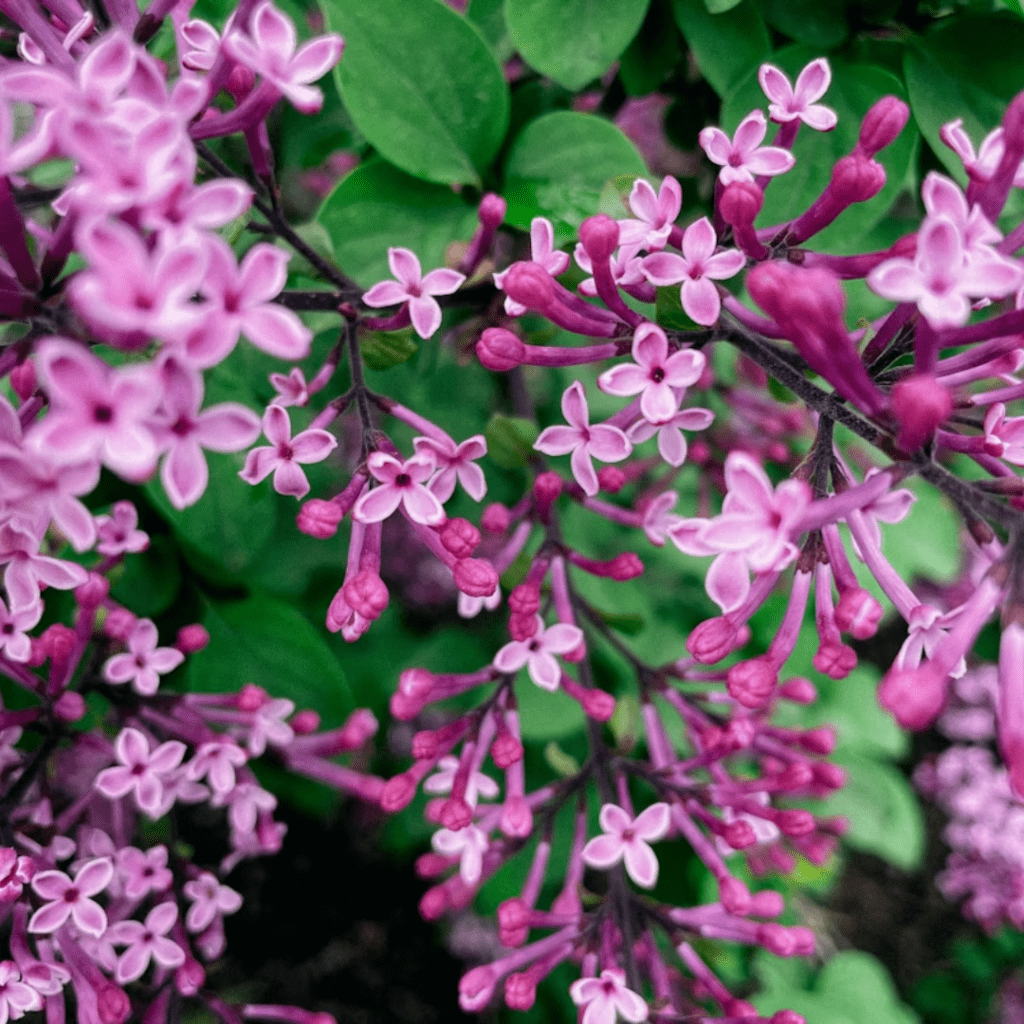
Why light shaping: Reblooming lilacs put out flowers on new wood, and a light trim preserves shape while encouraging more flowers. What to do: remove any dead wood, lightly shape for form, and avoid heavy cutting which can reduce bloom and invite sucker growth.
6. Boxwood: Minimal Fall Pruning
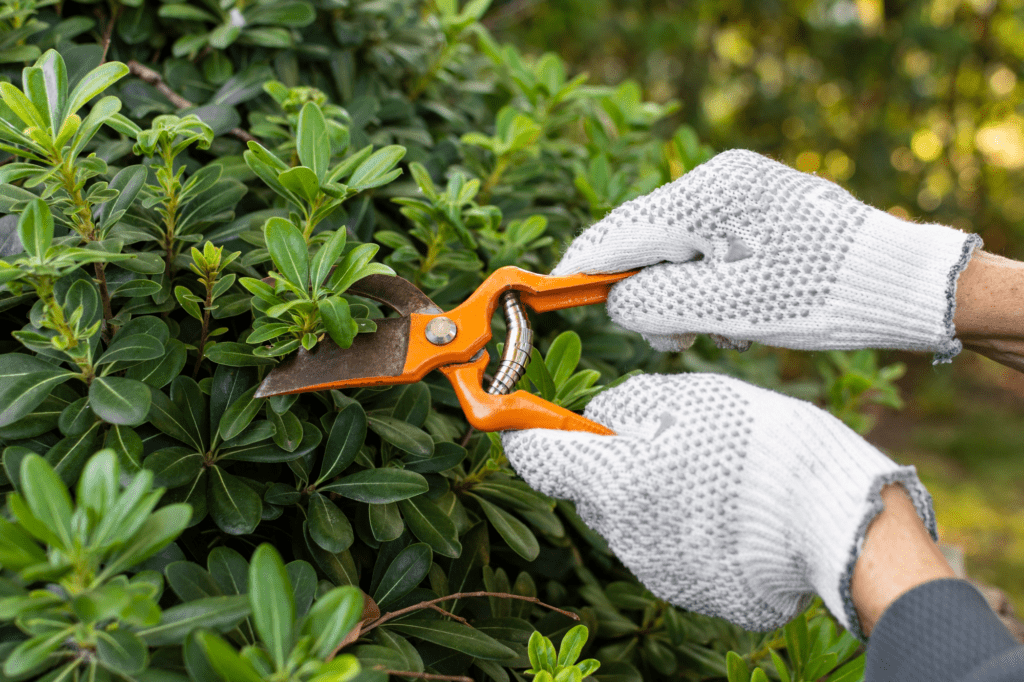
Why keep it gentle: Boxwoods respond well to light shaping and can suffer if over-pruned late in the season. What to do: remove weak or dead stems, lightly shape for neatness, and delay any major reductions until early spring if possible. A hedge look is charming, but I always keep a gentle hand with my shears so the plant doesn’t try to rush new growth into frost.
7. Crape Myrtle: Remove Dead Wood Only
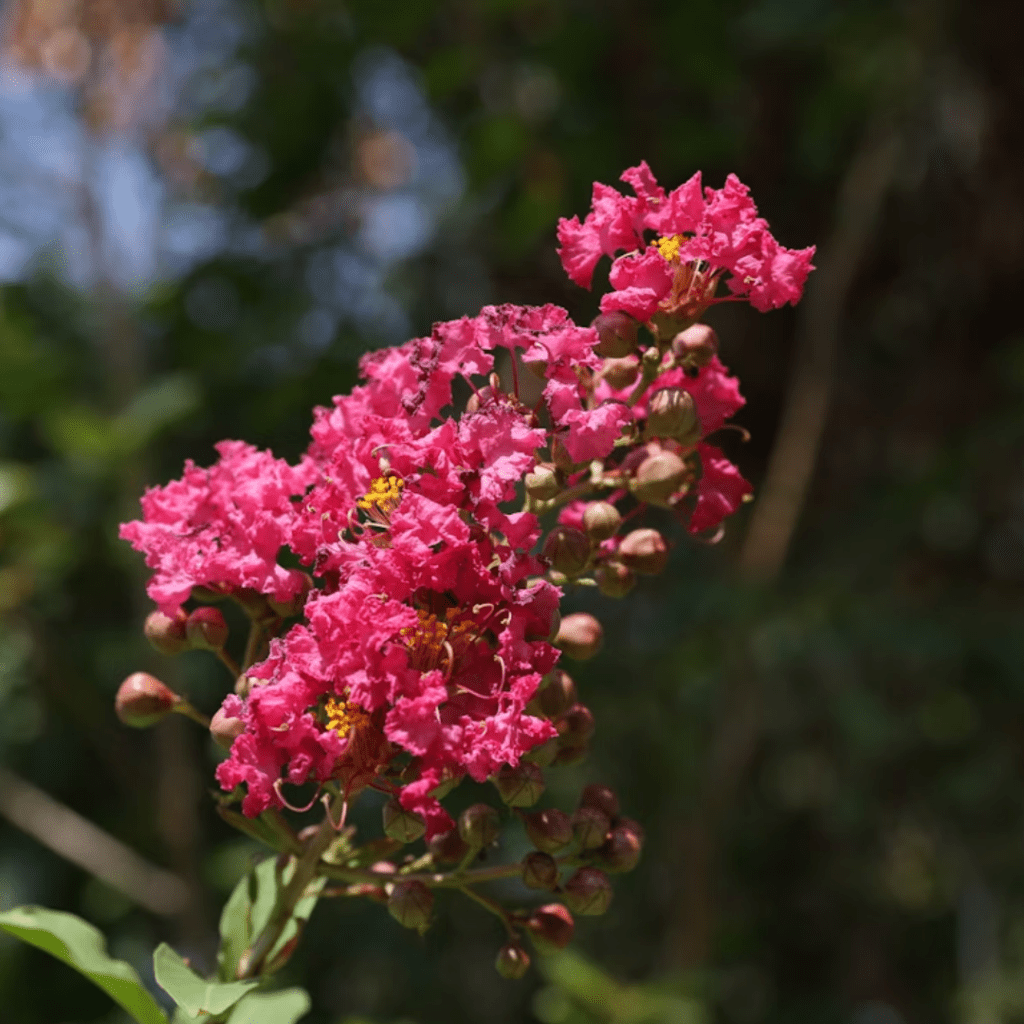
Why remove dead wood: Crape myrtle benefits from the removal of dead or damaged branches to keep energy focused on healthy canes. What to do: perform light shaping only — avoid the temptation to perform “crepe murder” (heavy topping) and instead remove dead wood and thin congested centers so air can move through. Leaving a few elegant limbs preserves winter silhouette and bark interest.
8. Smoke Bush (Cotinus): Selective Thinning
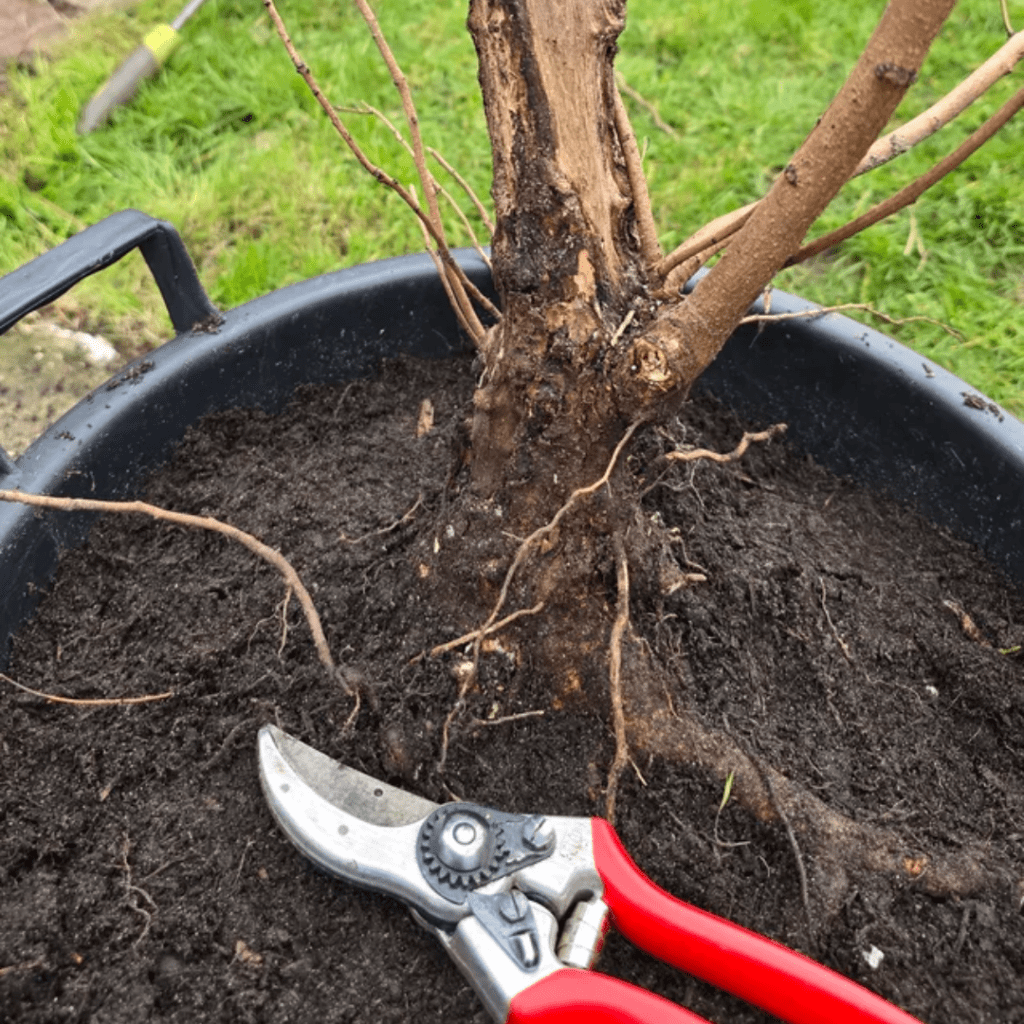
Why trim back: Removing overgrowth and weak stems in fall encourages fresh, vigorous spring flush and keeps the smoky plumes looking lively. What to do: cut back excessive long shoots and remove crossing or weak branches; you can tidy up the plant without removing more than a third of the canopy. Smoke bush responds well to selective thinning rather than wholesale cutting.
9. Ninebark (Physocarpus opulifolius): Renewal Pruning
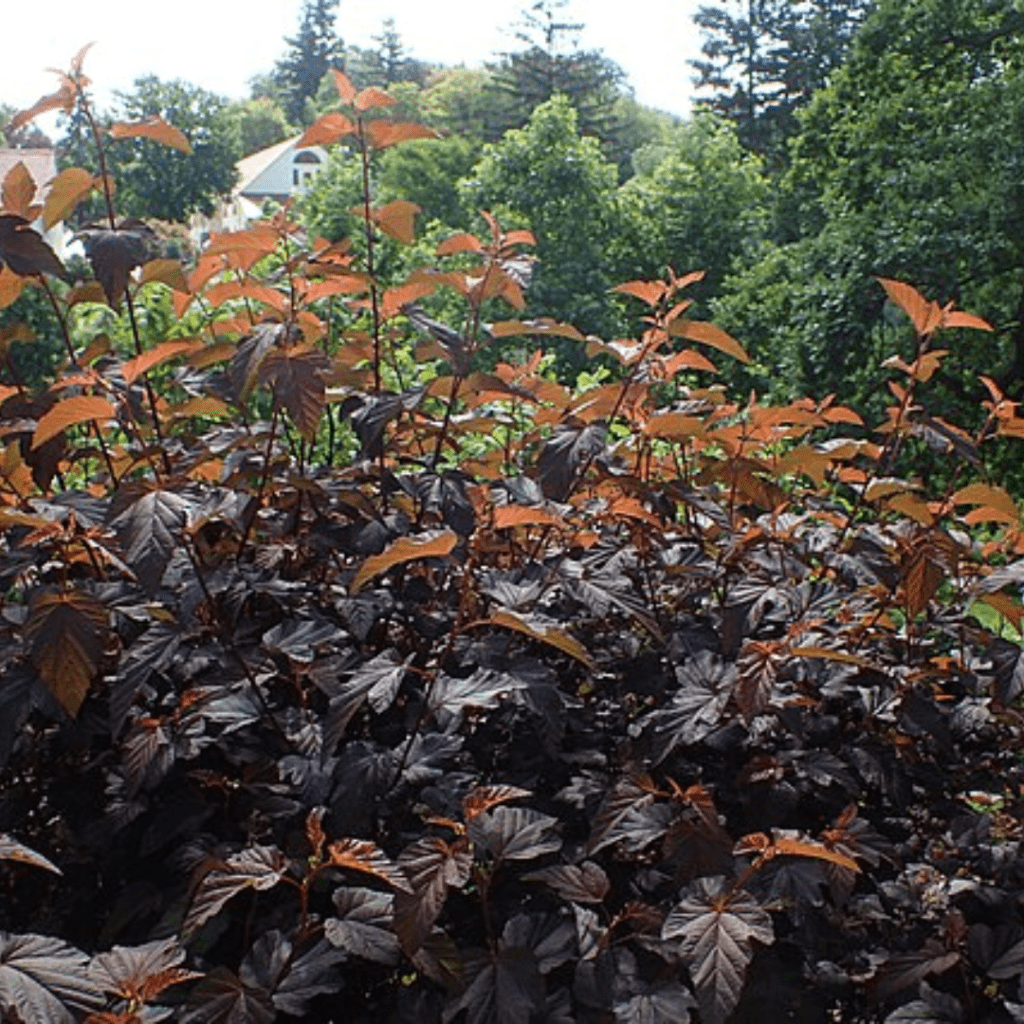
Why remove old wood: Ninebark benefits from removing older, woody stems to prevent overcrowding and encourage vibrant new growth. What to do: cut out a few of the oldest canes at ground level each fall to maintain an open, multi-stemmed shrub. This slow-renewal approach keeps color bright and the shrub vigorous.
General Pruning Principles I Always Use
Clean, sharp tools: sharp secateurs, long-handled loppers, and a pruning saw make clean cuts that heal well. Disinfect tools between plants if disease is a concern — a quick wipe with alcohol or a diluted bleach solution does wonders.
Make proper cuts: cut at a 45-degree angle just above an outward-facing bud so new growth opens away from the plant’s center. Remove crossing branches and any rubbing stems to prevent wounds and disease.
Don’t leave stubs: cut back to a main stem or bud, not a stub. Stubs rot and invite pests. Always look for the bud or collar and make your cut there.
Mind the timing: fall pruning is fine for many shrubs, but in colder zones avoid heavy late-season cuts that might encourage tender regrowth vulnerable to hard freezes. When in doubt, err on the side of light pruning now and heavier shaping in late winter or early spring.
Tool Care and Safety Notes
Sterilise cutting edges between plants if you suspect fungal disease.
Wear gloves and eye protection for thorny shrubs like roses.
Use a pruning saw for woody stems thicker than your loppers can handle; don’t force tools — a clean saw cut is kinder to the plant.
After-Prune Care
Clear away diseased clippings from the bed; compost healthy material or use it for brush piles away from beds. Mulch newly exposed roots lightly to conserve moisture and protect against winter heaving. A cup of chamomile tea for you while you tidy is optional but highly recommended — I always bring one to keep the chill off my fingers.
One small ritual I keep: after I finish pruning, I write the date on a little painted rock and tuck it near the shrub. It helps me remember what I did and makes future pruning feel like a friendly conversation with the garden.
Quick-Fire FAQ
Q: Should I prune all my shrubs in fall?
A: No — prune only those that benefit from fall cuts, like paniculata hydrangeas, butterfly bush, and ninebark; leave spring-blooming shrubs alone or prune lightly.
Q: How do I disinfect my tools between plants?
A: Wipe blades with rubbing alcohol or a 10% bleach solution and dry thoroughly to prevent spreading disease.
Q: Can heavy pruning in fall cause winter damage?
A: Heavy pruning can stimulate tender growth that may be killed by hard freezes; in cold areas, save major reshaping for late winter.
Q: When should I remove diseased wood?
A: Remove diseased or dead wood as you see it to reduce pest and disease pressure, disposing of it away from the garden.
— Grandma Maggie