
I spent the first few years of my gardening life in northern Minnesota envying gardeners further south who seemed to grow everything effortlessly from June through October. My window was tight — last frost around May 15th, first frost creeping back in by September 15th — and I made the mistake of planting what I loved rather than what the season could actually support. After three failed attempts at butternut squash and two sad, frost-killed pepper harvests, I finally stopped fighting my calendar. That’s when I discovered what I now call the “90-day mindset” — choosing vegetables that work with a short growing season instead of against it. Let me share what I’ve learned about packing a full harvest into just 90 to 100 days of frost-free growing.
Making the Most of Your 100-Day Window
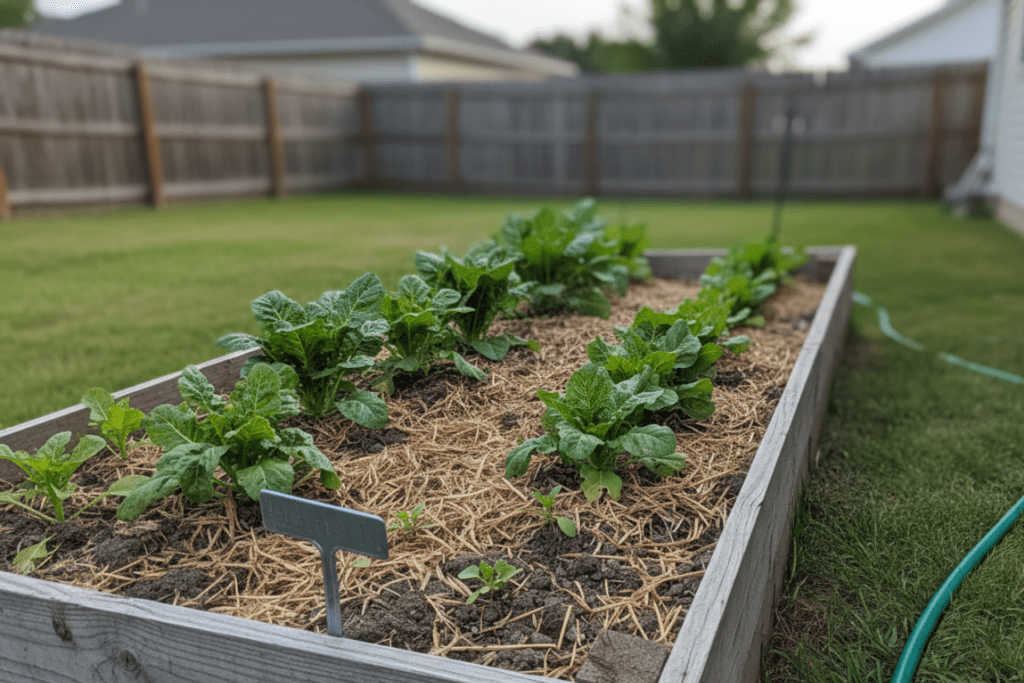


In zone 3, you have roughly 100 days between your last spring frost and your first fall frost — and in zone 2, that number drops to 70 or 80. That sounds impossibly short, but I’ve learned that the key isn’t more time, it’s smarter choices. The vegetables that thrive in a short season aren’t just “good enough” options — many of them, like arugula and spinach, actually prefer the cool temperatures that define northern summers. I’ve had better lettuce and pea harvests in Minnesota than friends of mine growing in zone 6 ever managed, precisely because cool crops hit their stride in our conditions. The trick is planning your full season on paper before the first seed goes in the ground, making sure every crop you choose can reach maturity within your available window.
I start by writing out my frost dates and counting backward from first fall frost for each crop I want to grow. If radishes take 30 days and my first frost is September 15th, I can plant them any time before mid-August and still harvest. If a cucumber variety says 70 days to maturity, I need to count back 70 days from September 15th — that’s around July 7th — and ask myself whether I can reliably get transplants in the ground by then. This backward-planning method has saved me from dozens of wishful thinking mistakes over the years, and I use it every single spring without exception.
What to Look for on a Seed Packet
Before I ever dig into the soil, I spend time in late winter going through seed catalogs, and I’ve developed a shorthand for spotting short-season varieties at a glance. Breeders know that northern gardeners need fast crops, so they’ve coded the clues right into the variety names. When I see words like “Early,” “North,” “Siberian,” “First,” or “Arctic” in a variety name, that’s usually a signal the plant was developed with a short growing season in mind. Early Girl tomatoes, Earlibelle strawberries, North Star varieties — these names aren’t just marketing. They reflect real breeding work done to shorten the time from seed to harvest.
After I’ve checked the name, I go straight to the “days to maturity” number on the packet. For zone 3, I won’t plant anything over 75 days to maturity unless it’s going in as a very early transplant with cold frame protection. For zone 2, I keep most crops under 60 days. And I pay attention to whether that number is from transplant or from direct seed — some companies list tomato maturity from transplant, which means you need to add another 6–8 weeks for the time you’re starting seeds indoors. I made that miscalculation once with a “65-day” tomato that turned out to need nearly 100 days from seed, and I haven’t repeated it since.
Arugula — The Fastest Green You Can Grow
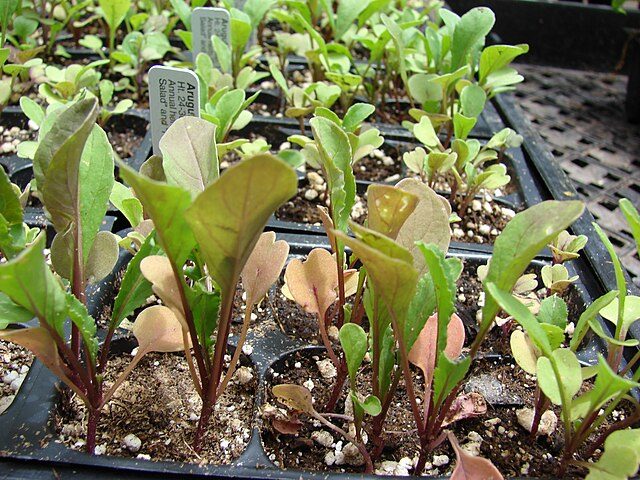
If I had to choose one vegetable for a gardener with a brutally short growing season, it would be arugula without hesitation. I’ve harvested baby arugula leaves as early as 21 days after sowing, though full leaves with that signature peppery bite take 35–40 days. Arugula (Eruca vesicaria) is one of the few greens that actually prefers cool temperatures — it germinates well in soil as cold as 40°F, which means I can direct sow it right after my last frost date without waiting for the ground to warm up. In my northern garden, I sow arugula the first week of June and am harvesting by early July, well ahead of any fall frost concerns.
The other thing I love about arugula in a short-season garden is that you can harvest it with a “cut and come again” method — snip the outer leaves when they’re 3–4 inches long and the plant keeps producing for another 2–3 weeks before it bolts. In cool conditions, I’ve kept a single planting going for 6 weeks before the heat triggers bolting. Sow thinly in rows 6 inches apart, barely cover the seeds with a quarter inch of soil, and you’ll be eating salads before most zone 6 gardeners have even finished planting their tomatoes.
Beets — A Root Crop That Delivers Two Harvests
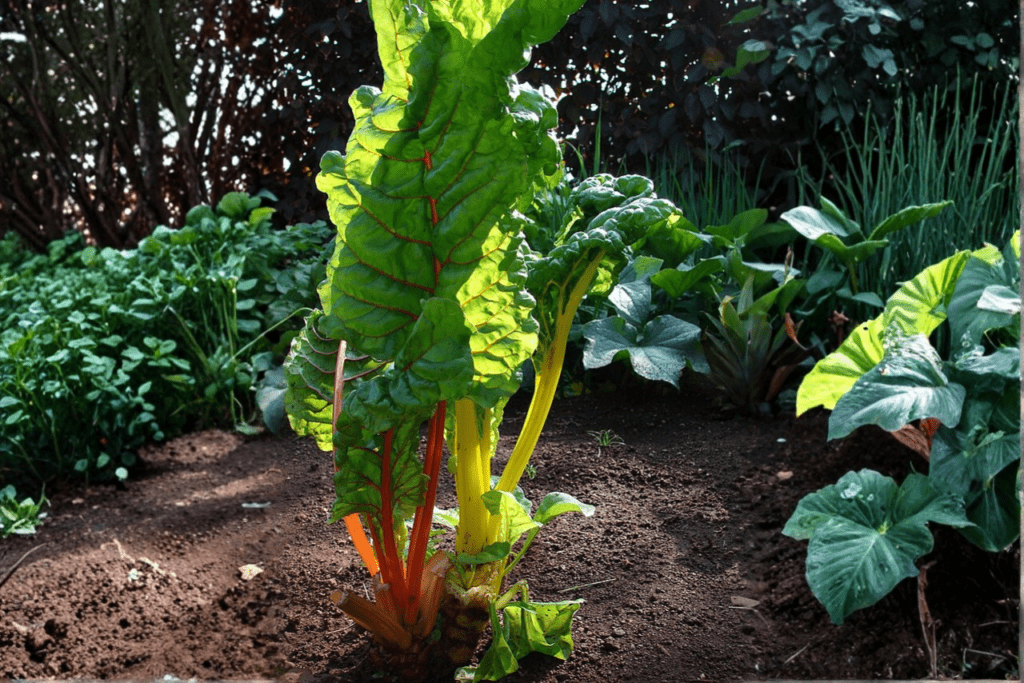
Beets were a revelation for me when I was trying to fill my short-season garden with something more substantial than salad greens. Beets (Beta vulgaris) are fast-maturing root vegetables — many varieties reach full size in 55–60 days — and they have a secret advantage for zone 2–3 gardeners: you can harvest them twice. The greens are edible and delicious at any stage, so even while you’re waiting for the roots to size up, you can snip young beet tops to use like spinach. After 30 days, the greens are at their most tender; by 55–60 days, you’ve got full-sized roots ready to roast or pickle.
Look for varieties like Red Ace (50–60 days), Early Wonder Tall Top (52 days), or Kestrel (50 days) — all bred specifically for quick maturity. Beet seeds are actually clusters of several seeds fused together, so thinning is essential — without it, the roots crowd each other and stay small. I thin to 3 inches apart when the seedlings are about 2 inches tall, and I use the thinnings as microgreens in the kitchen. Direct sow beets as soon as the soil hits 50°F, which in zone 3 is typically around the last week of May. They’ll shrug off a light frost without any fuss, and a cold snap before harvest actually concentrates their sugars.
More Fast-Maturing Crops Worth Planting
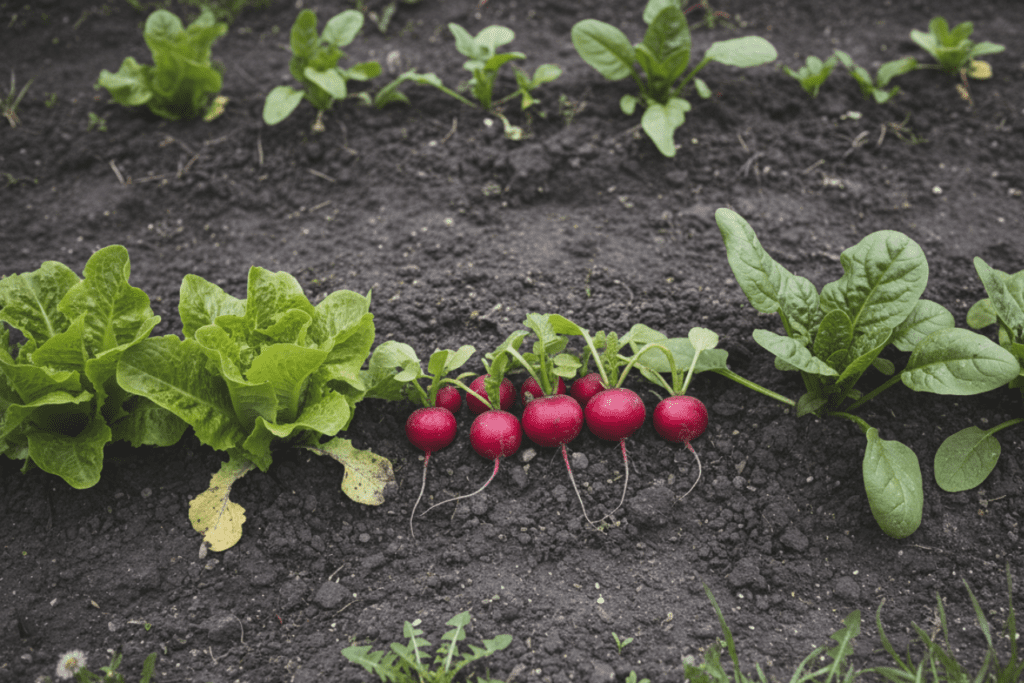
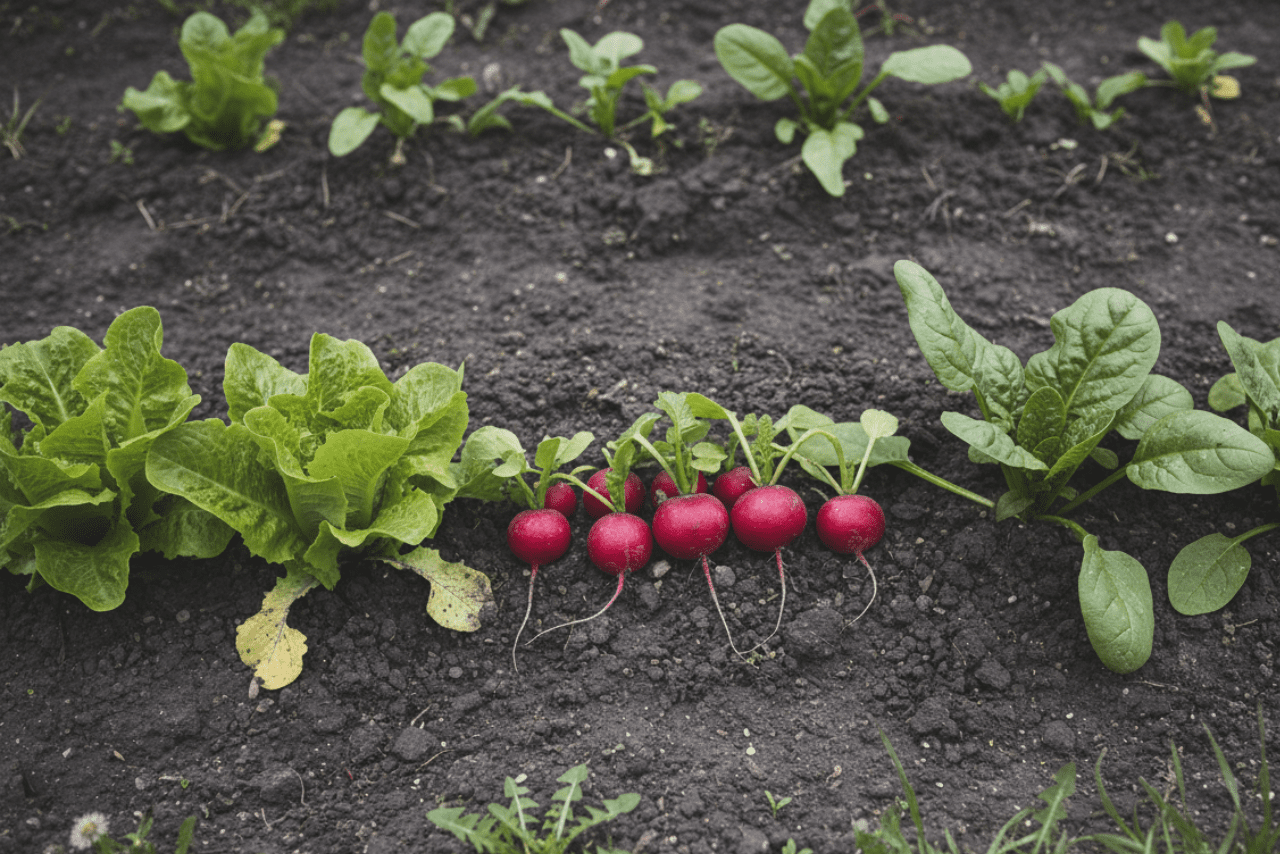
Beyond arugula and beets, a handful of other vegetables slot beautifully into a 90-day season. Radishes are the undisputed speed champions — varieties like Cherry Belle mature in just 22–25 days from direct sow, and you can squeeze in three or four succession sowings before fall. I use radishes as a gap-filler: whenever I pull a mature plant or harvest a crop early, radish seeds go in that same afternoon. They’re not everyone’s favorite on their own, but sliced thin into salads or eaten with butter and salt the way the French do, they’re genuinely wonderful.
Spinach is another 40–50 day crop that loves cool weather and will actually sweeten after a frost, making it one of the last things you’ll be harvesting in the fall garden. Bloomsdale Longstanding and Space are both reliable varieties that perform well in cool conditions. Lettuce — especially loose-leaf types like Black-Seeded Simpson or Oak Leaf — can be harvested in 45–50 days and responds well to cut-and-come-again harvesting. If you want to try something a little different, peas are surprisingly well-suited to short seasons: sugar snap varieties like Sugar Ann mature in just 52 days and can be direct sown as soon as the soil is workable, sometimes a full week before your last frost date.
Cold Frames — Your Secret Season Extender
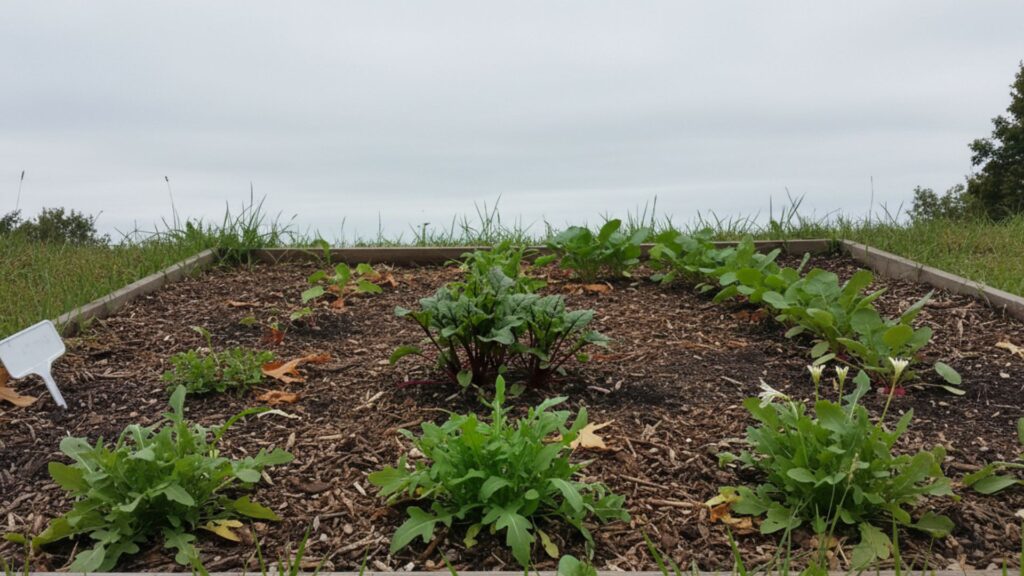
After years of working within my frost dates, I started pushing the boundaries with a simple cold frame — nothing fancy, just an old window sash set on a wooden box frame over a raised bed. A cold frame can extend both ends of your season by 3–4 weeks, and in zone 3, those extra weeks are enormously valuable. I start arugula and spinach under my cold frame in early May, a full two weeks before my last frost date, and I keep crops going under the same frame into October when outside temperatures have already dipped to 30°F at night. That’s roughly 6 additional weeks of growing time — enough to fit in one extra succession planting of almost anything on the fast-maturing list.
The key to using a cold frame effectively is ventilation. On sunny days, even in cool weather, temperatures inside can spike to 80°F or higher within a couple of hours, which will cook your seedlings. I prop the sash open a few inches whenever the outside temperature is above 40°F and the sun is bright, and I close it again in the late afternoon before the temperature drops. It becomes second nature after a season or two. For zone 2 gardeners who have an even shorter window, cold frames aren’t optional — I’d say they’re essential equipment if you want to grow anything beyond the most basic 60-day crops.
Quick-Fire FAQ
Q: Can I grow tomatoes in zone 3?
A: Yes, but choose varieties under 70 days like Glacier (55 days) or Stupice (65 days) and start them indoors 6–8 weeks before your last frost date.
Q: What does “days to maturity” actually mean on a seed packet?
A: For direct-sown crops it means days from germination; for transplants like tomatoes, it usually means days from setting the transplant out — so factor in your indoor starting time separately.
Q: Is it worth using row covers in a zone 3 garden?
A: Absolutely — a lightweight floating row cover adds 4–6°F of frost protection and buys you extra days at both ends of the season with very little cost or effort.
Q: What’s the single fastest vegetable I can plant right after last frost?
A: Radishes — varieties like Cherry Belle are ready to pull in 22–25 days and can handle a light frost, so you can start them even a few days before your official last frost date.
— Grandma Maggie