
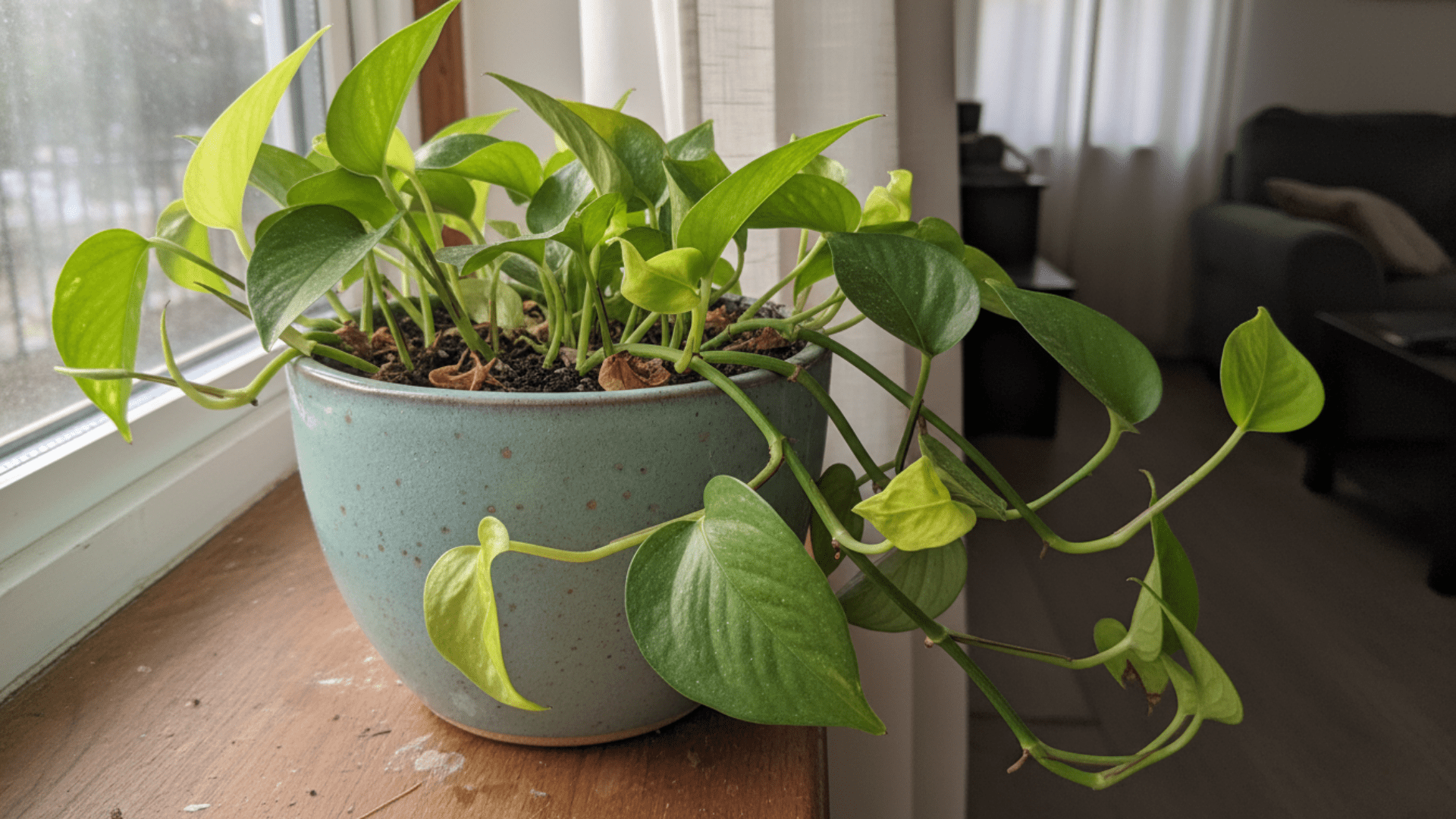
I’ll never forget the spring I learned to really watch my houseplants. I’d been caring for indoor greenery for twenty years already, but I was still treating them the same way all year round—same watering schedule, same spot by the window, same everything. Then one March, I noticed my pothos putting out three new leaves in a week when it had barely grown all winter. That’s when it clicked: my plants were waking up, and they were telling me they needed different care. After five decades of growing plants indoors and out, I can promise you this—catching your houseplants right as they emerge from their winter rest and giving them what they need transforms everything. The growth explosion you’ll see in the following weeks makes it crystal clear. Let me walk you through exactly what to watch for and what to do when spring arrives for your indoor jungle.
Why Spring Is Houseplant Renewal Time
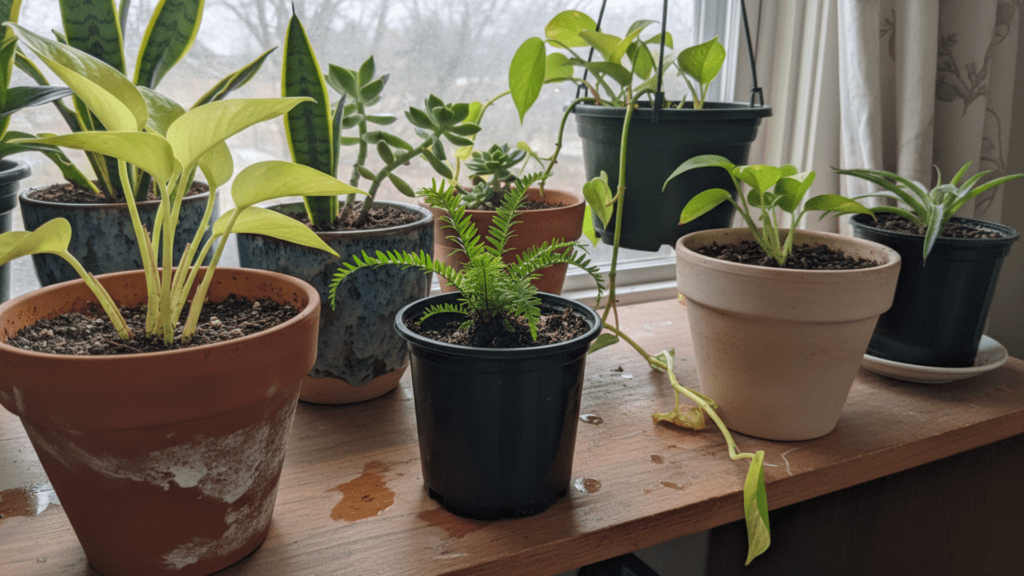


Most houseplants naturally slow their growth during winter months when light levels drop and indoor heating creates drier air. They’re not dying—they’re conserving energy. Come late February or early March, depending on where you live, the daylight starts lengthening noticeably. Your plants sense this shift even through a window, and their internal clocks tell them it’s time to grow again. I’ve watched this happen in my sunroom year after year, and the timing is remarkably consistent. Plants that looked static for months suddenly push out pale new leaves and roots that circle their pots looking for space. This is your window of opportunity. When you repot, prune, or start fertilizing during this natural growth surge, your plants can actually use what you’re giving them. Do the same tasks in November, and you’re likely to stress plants that are trying to rest. The difference in results is dramatic—spring repotting typically shows new root growth within two weeks, while fall repotting often leads to root rot because the plant can’t absorb the extra moisture in fresh soil.
Reading Your Plants’ Wake-Up Signals
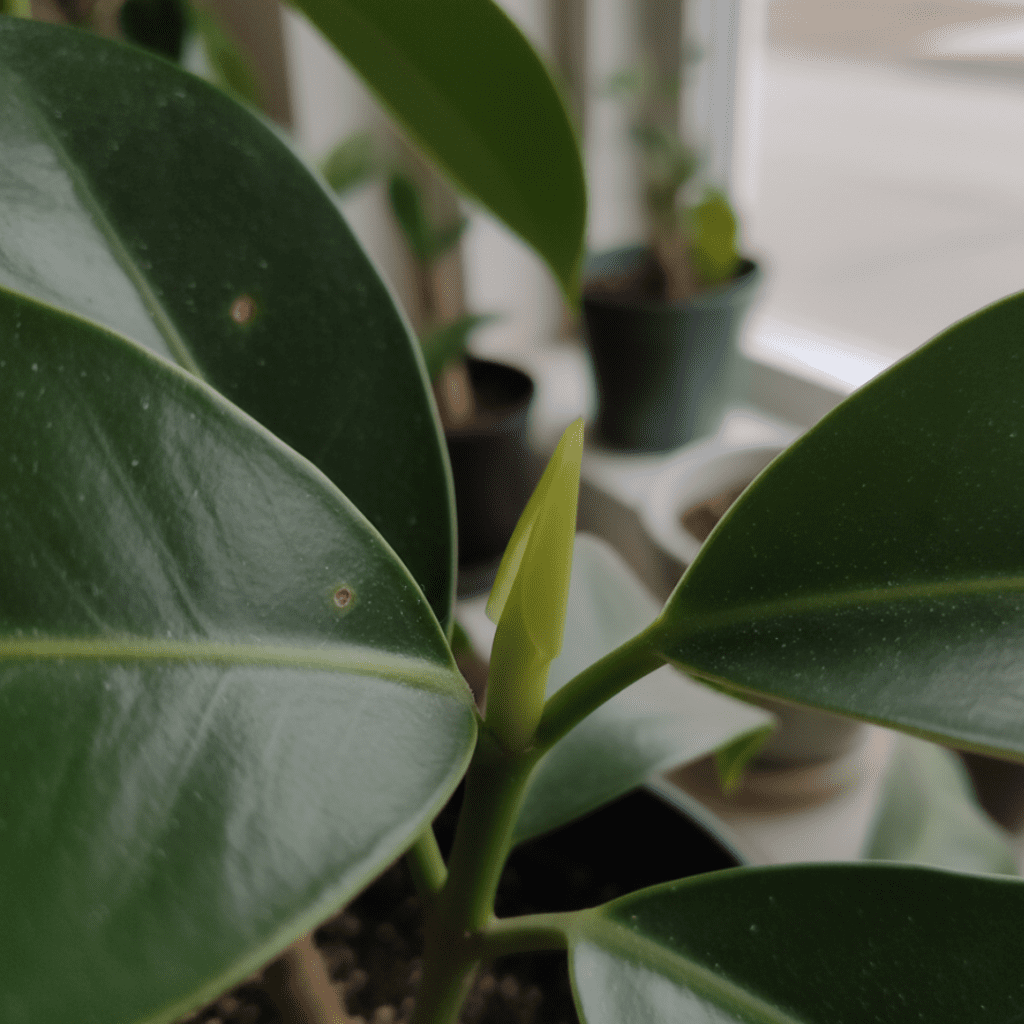
Your houseplants will tell you when they’re ready for spring care if you know what to look for. The clearest sign I watch for is new growth—and I mean truly new growth, not just a leaf uncurling that was already forming in winter. Look for pale green or yellowish shoots emerging from the soil or stem tips. These baby leaves are softer and lighter colored than mature foliage, and they appear seemingly overnight when conditions are right. Another reliable indicator is how quickly your plants dry out between waterings. A pothos that went ten days between waterings in January might need water every five to six days by mid-March because it’s actively growing and transpiring more moisture through new leaves. I keep a small notebook where I jot down watering dates, and that pattern change always tells me spring has arrived for my plants even before I see visible growth.
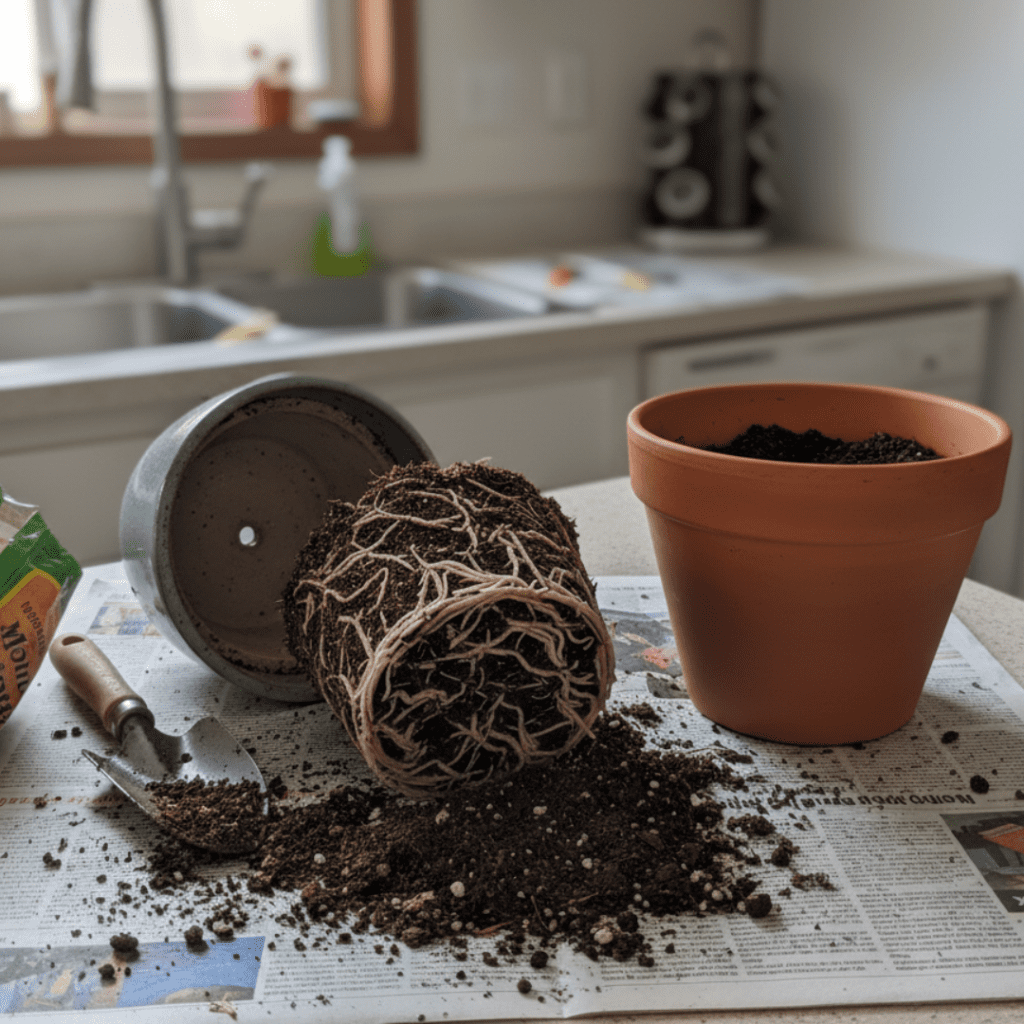
Watch how your plants position themselves too. You might notice them leaning more aggressively toward windows or stretching upward in ways they didn’t during winter dormancy. My snake plants, which barely move most of the year, will send up new spears in late February that grow a full inch every few days once they start. If you gently tip a plant out of its pot (supporting the root ball carefully), roots that are actively growing appear white or cream-colored at the tips, while dormant roots look brown or tan all the way through. I check my plants this way once in early spring to gauge their readiness, though I’m careful not to disturb them more than necessary. These signals combined—new shoots, increased water needs, active growth posture, and white root tips—tell you it’s time to move forward with spring care.
The Right Way to Repot (When and How)
I’ve learned that timing your repotting makes more difference than the specific technique you use, though both matter. Wait until you see at least two or three of those wake-up signals I mentioned—don’t just repot because the calendar says it’s March. A plant that’s actively growing will send roots into fresh soil within days and establish itself quickly. One that’s still dormant will sit in that new soil, stay too wet, and often develop root problems. The worst repotting disaster I ever had was moving a fiddle leaf fig in early February before it showed any growth signs. It dropped twelve leaves over the next month and took a full year to recover.
When you’re ready to repot, choose a pot only one to two inches larger in diameter than the current one. I see gardeners make the mistake of going from a six-inch pot to a ten-inch pot, thinking they’re being kind by giving roots room to spread. What actually happens is the plant’s small root system sits surrounded by soil that stays wet far too long because there aren’t enough roots to absorb the moisture. This leads straight to root rot. Use a quality potting mix appropriate for your plant type—I keep separate bags of standard potting soil, cactus mix, and orchid bark on hand because different plants really do need different media. Before removing the plant from its old pot, water it thoroughly one to two days ahead. The root ball holds together better when slightly moist, and you’ll break fewer roots during the transition. Once you’ve settled the plant in its new pot at the same depth it was growing before (never deeper), water it well to eliminate air pockets, then don’t water again until the top inch or two of soil dries out. That first week after repotting, roots are healing and establishing, and they need air in the soil as much as moisture.
Strategic Pruning for Fuller Growth
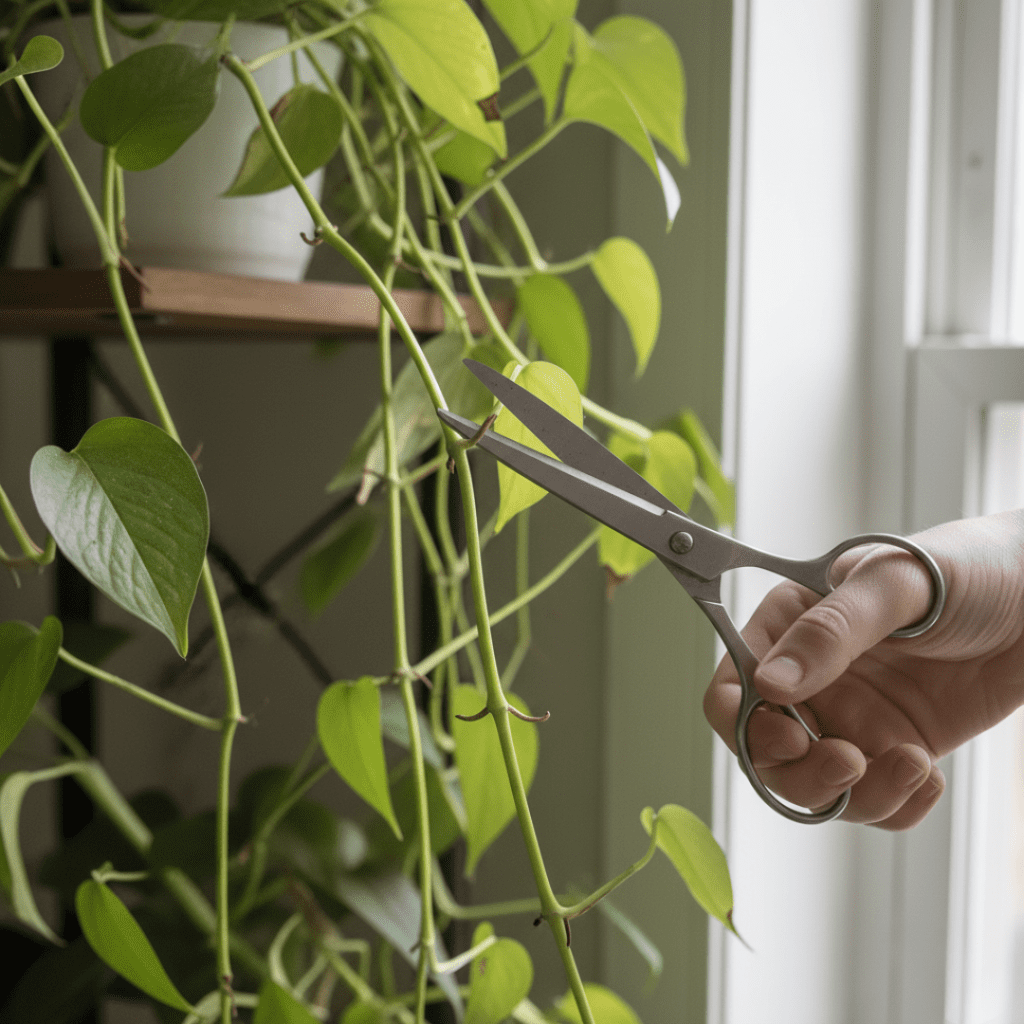
Spring is also your opportunity to shape your houseplants through pruning, and this is where you can really influence their growth habit for the coming year. When you cut back a stem, the plant responds by pushing out new growth from nodes below the cut—often two or three new shoots where there was only one before. I prune my leggy pothos and philodendrons back by one-third to one-half their length in early spring, making cuts just above a leaf node (that’s the slight bump on the stem where leaves emerge). Within two weeks, I’ll see new shoots appearing at multiple points along each cut stem, creating a much fuller, bushier plant by summer. The key is doing this right as growth is beginning, so the plant has the energy and inclination to push out those new shoots vigorously.
For plants like rubber trees, dracaenas, or fiddle leaf figs that grow as single stems, pruning in spring encourages branching that would never happen otherwise. Make your cut at the height where you want branching to occur, removing the growing tip. The plant will send out two to four new branches from nodes near that cut, transforming a single-stemmed plant into a fuller, tree-like specimen. I’ve done this with rubber trees that were threatening to hit my ceiling, and the results always impress me. Don’t prune flowering houseplants like African violets or Christmas cacti in spring unless you’re removing dead or damaged growth—these plants set buds based on day length and other cues, and poorly timed pruning can eliminate your blooms for the season. Use clean, sharp scissors or pruning shears, and if you’re cutting through stems thicker than a pencil, wipe your blades with rubbing alcohol between plants to prevent spreading any potential diseases.
Feeding Your Newly Awake Plants
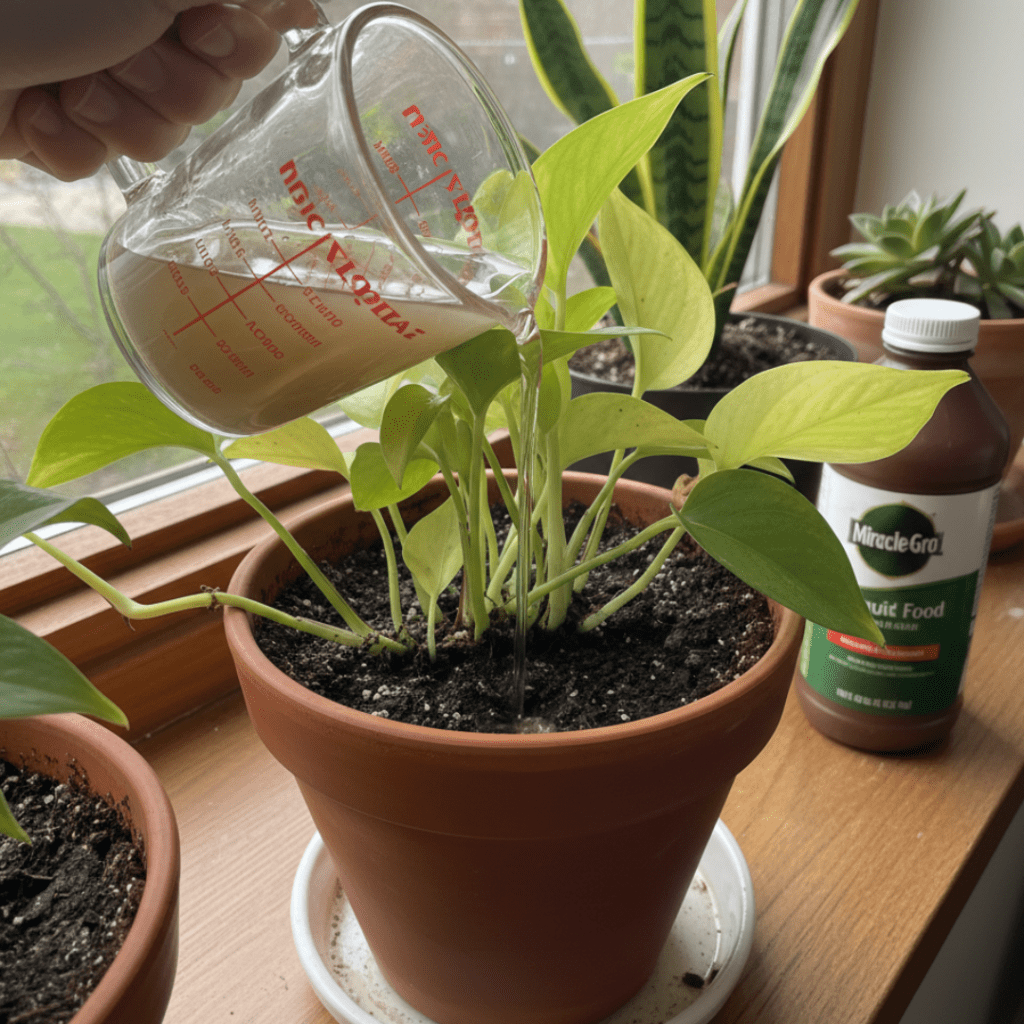
Once your houseplants are actively growing—showing those new shoots and increased water uptake—they’re ready to benefit from fertilizer. I wait two to three weeks after any repotting before I start feeding, because fresh potting soil contains nutrients and disturbed roots need time to heal before processing fertilizer. For plants I’m not repotting, I begin my feeding schedule when I see clear growth starting, usually sometime in March. I use a balanced liquid fertilizer diluted to half the strength recommended on the bottle, applying it every two weeks from March through September. Full-strength fertilizer often burns houseplant roots, especially in containers where salts can build up over time, and I’ve seen too many crispy leaf tips from overzealous feeding to take that risk.
The fertilizer ratio matters less than consistency and appropriate strength for most common houseplants. I use a 10-10-10 or 20-20-20 formula for foliage plants, cutting it to half strength as I mentioned. For flowering plants like orchids or African violets, I switch to a higher phosphorus formula (the middle number) during their blooming season—something like 10-30-20—but still at reduced strength. Water your plants normally first, then apply the diluted fertilizer to damp soil an hour or two later. Applying fertilizer to bone-dry soil can burn roots, while watering afterward dilutes the nutrients before roots can absorb them. In my experience, this approach of half-strength fertilizer every two weeks during the growing season produces steady, healthy growth without the salt buildup or nutrient burn that comes from heavier feeding. Come October, I taper off and stop fertilizing entirely by November, allowing my plants to rest through winter as they naturally want to do.
Common Spring Houseplant Mistakes to Avoid
The biggest mistake I see gardeners make is rushing their spring care before plants are actually ready. Your neighbor’s pothos might be pushing out new growth in late February while yours is still dormant in mid-March, and that’s completely normal. Light exposure, indoor temperatures, and individual plant health all affect timing. Wait for your plants to show you they’re ready rather than following a strict calendar date. I’ve also watched people increase watering frequency the moment spring arrives, regardless of whether their plants need it. More light and warmth do mean plants will eventually need more water, but that happens gradually as growth increases. Check soil moisture before every watering throughout spring rather than assuming you need to water more often—you’ll avoid the overwatering that kills more houseplants than any other problem.
Another common error is repotting, pruning, and fertilizing all at once in an enthusiastic spring cleaning frenzy. That’s three major stresses happening simultaneously to a plant that’s just waking up. I space these tasks out over four to six weeks—repotting first if needed, then pruning two weeks later once the plant has settled, then starting fertilizer another two weeks after that. Plants that get this staggered approach recover faster and grow more vigorously than those hit with everything at once. Finally, resist the urge to move plants outside too early. Even if your outdoor temperatures are nice during the day, that March sun is far more intense than anything filtering through a window. Indoor plants moved outside without gradual acclimation will sunburn badly, losing leaves and growth that takes months to replace. Save the outdoor vacation for late May or June after you’ve hardened them off properly, or skip it entirely if they’re thriving inside.
Quick-Fire FAQ
Q: How do I know if my houseplant needs repotting this spring?
A: Check if roots are circling the bottom of the pot, growing out drainage holes, or if water runs straight through without being absorbed—these signs mean it’s time for a larger pot. If the plant is growing well and none of these issues exist, you can skip repotting and just refresh the top inch or two of soil instead.
Q: Can I repot and prune at the same time?
A: I recommend spacing them two weeks apart to reduce stress, but if you must do both, keep pruning minimal when repotting—just remove dead or damaged growth and save heavier shaping for later.
Q: What if my plant isn’t showing signs of new growth yet?
A: Wait another two to three weeks and keep observing. Some plants, especially older or slower-growing specimens, take until April to wake up, and that’s perfectly normal.
Q: Should I fertilize immediately after repotting?
A: No, wait at least two to three weeks to let roots heal and establish in the new soil. Fresh potting mix contains nutrients already, so there’s no rush, and feeding too soon can burn damaged roots.
— Grandma Maggie