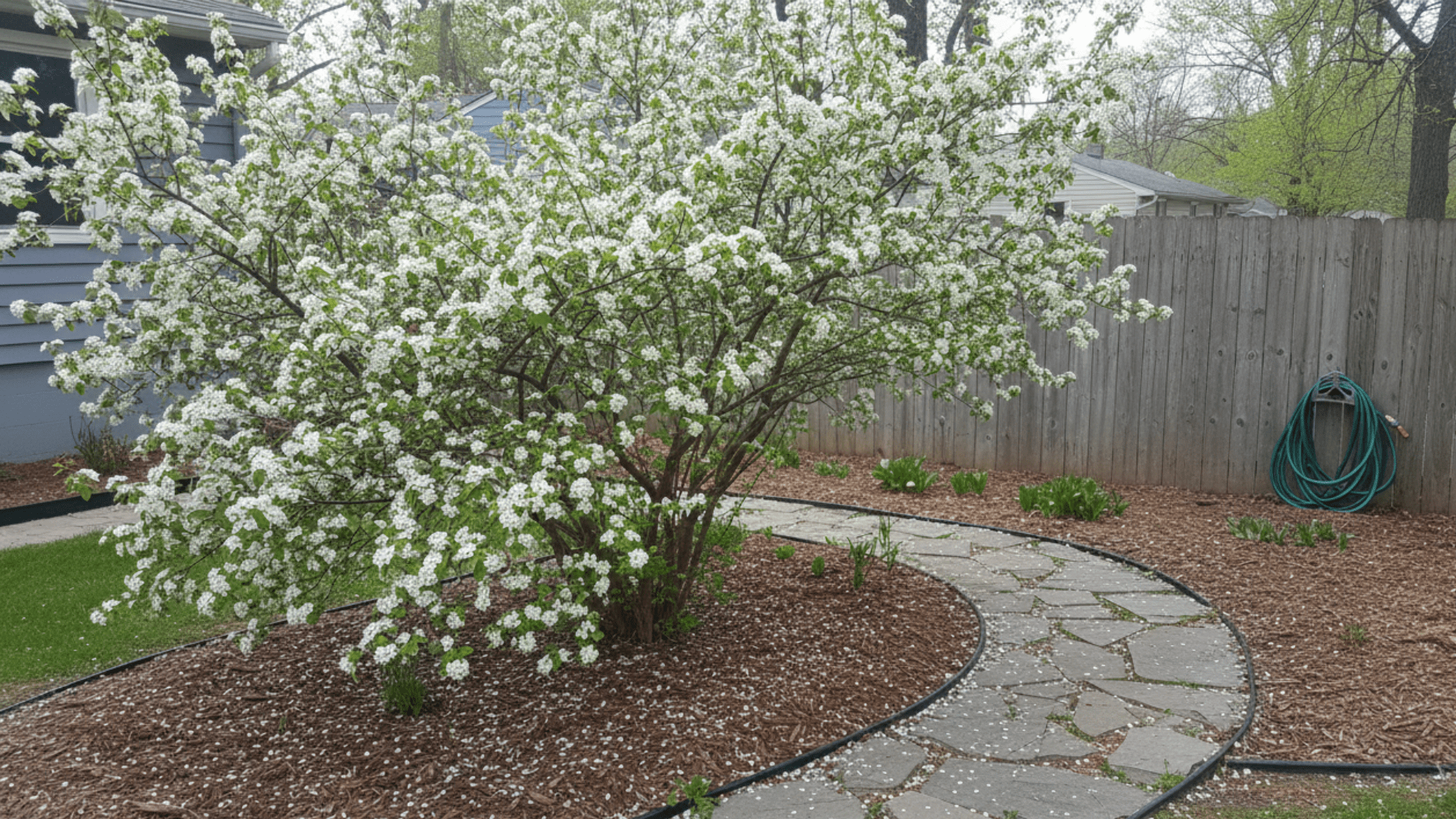
I spent years thinking I had to choose between a pretty front yard and a productive garden. The roses went in the flower beds where neighbors could admire them, and the blueberries got tucked behind the garage where nobody had to look at them. What a waste of time and space that was. It took me until my forties to realize that some of the most beautiful shrubs in cultivation also happen to produce food—and not just any food, but berries packed with more nutrition than anything you’ll find at the grocery store. Once I started replacing my purely ornamental shrubs with these double-duty workhorses, my garden became both prettier and more productive. Let me show you the shrubs that have earned permanent spots in my landscape, the ones that look gorgeous all season while quietly filling my baskets with fruit.
Why Double-Duty Shrubs Change Everything for Small Gardens


Most of us don’t have acres to work with anymore. You’ve got maybe twenty feet along the foundation, a strip by the driveway, perhaps a small backyard that needs to serve as both outdoor living space and garden. Every plant has to justify the square footage it occupies. That’s where these dual-purpose shrubs become absolute game-changers. A serviceberry gives you clouds of white flowers in April, sweet berries in June, blazing fall color in October, and attractive winter bark when everything else looks dead. That’s four seasons of interest plus a harvest, all from one plant that asks almost nothing in return. Compare that to a forsythia that blooms yellow for two weeks and then just sits there taking up space for the other fifty weeks of the year. I’ve learned that the best gardens aren’t about having more plants—they’re about having the right ones.
The Best Shrubs That Give You Beauty and Berries
Aronia: The Tough-as-Nails Superfood
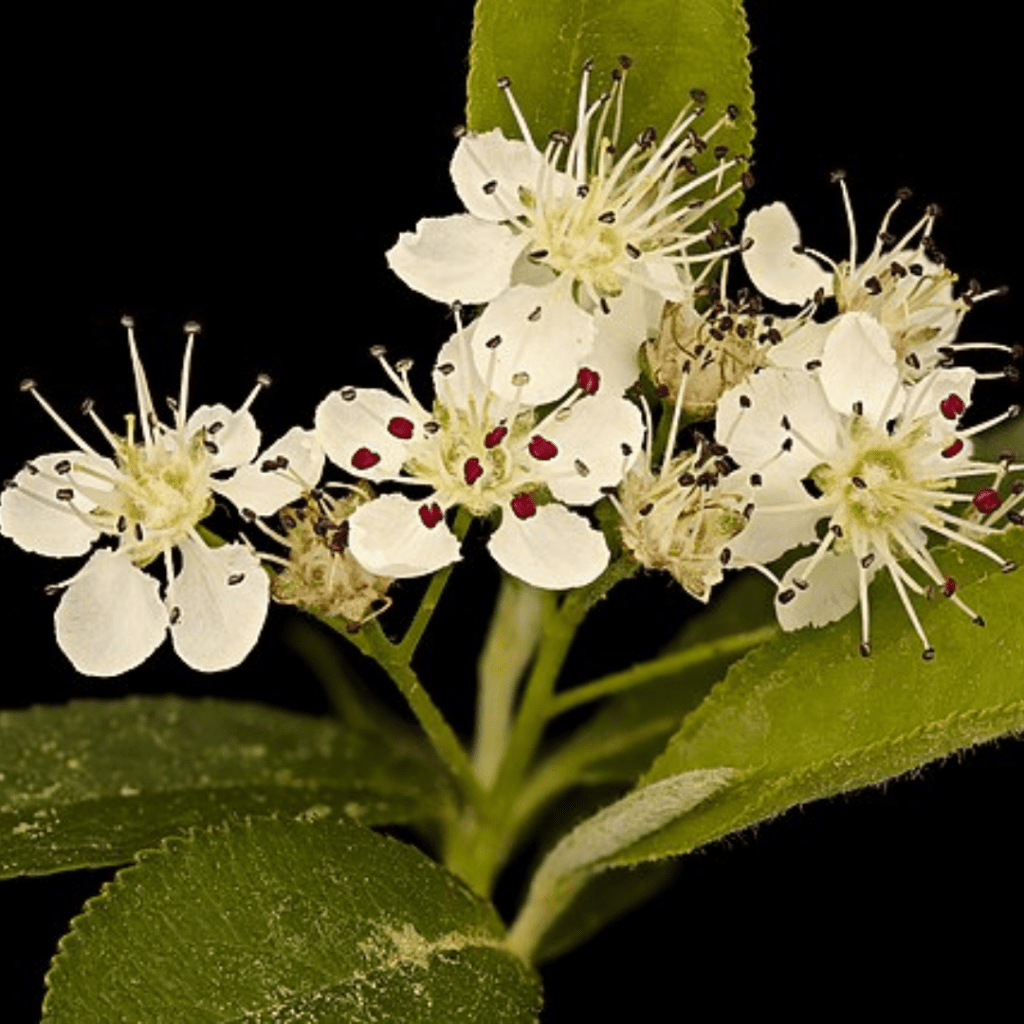
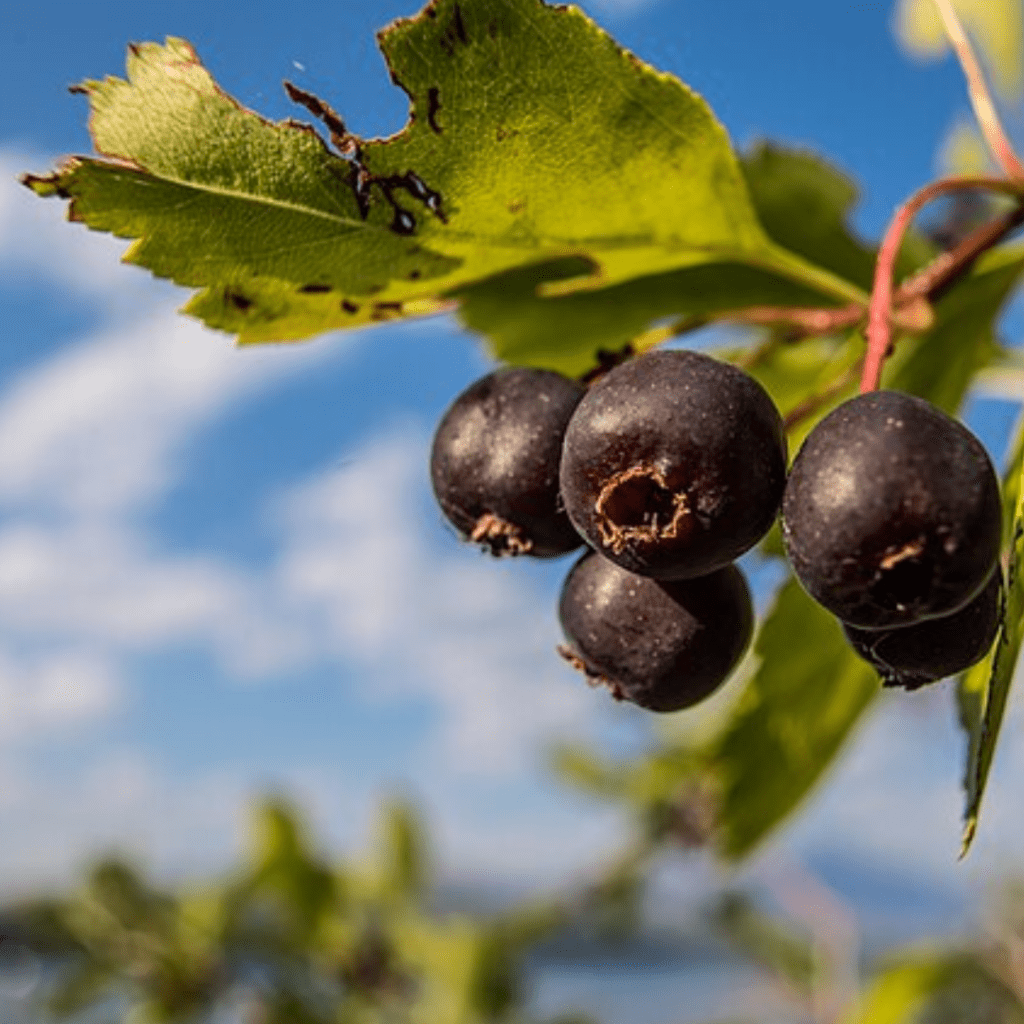
I planted my first aronia (chokeberry) because a nursery worker told me nothing could kill it. Twenty years later, that shrub has survived droughts, floods, late frosts, early freezes, and my complete neglect during two cross-country moves. The clusters of white spring flowers attract every pollinator in the neighborhood, the glossy green leaves turn a spectacular deep red in fall, and the purplish-black berries hang on into winter, feeding birds when other food sources disappear. The berries are astringent fresh off the bush—I won’t lie to you—but they make incredible jam, syrup, and wine. I mix the juice with apple juice at a one-to-three ratio for a morning drink that has more antioxidants than any supplement you can buy. The shrub grows four to six feet tall and wide, handles both wet clay and dry sand, and produces fruit without a pollination partner. I put mine along the property line where it blocks the view of my neighbor’s shed while producing ten to fifteen pounds of berries each August.
Serviceberry: Four Seasons of Beauty Plus June Berries
Serviceberry (also called Juneberry or Saskatoon) is the plant I recommend most often to new gardeners because it’s virtually impossible to mess up. The shrub form grows eight to fifteen feet tall, though you can find dwarf varieties that stay around six feet if you’re tight on space. In early spring, before most trees have leafed out, serviceberries cover themselves with delicate white flowers that light up the whole garden. Six weeks later, the berries ripen to a deep purple, tasting like a cross between blueberries and almonds with just a hint of cherry. I’ve harvested up to twenty pounds from a single mature shrub, though you have to beat the birds to them—they know quality fruit when they see it. The leaves emerge with a bronze-purple tint in spring, turn green for summer, then blaze orange-red in fall. Even in winter, the smooth gray bark with vertical striations catches your eye. I planted a hedge of five serviceberries along my back fence twelve years ago, and they’ve given me reliable crops every single June without any spraying, special feeding, or fussing. Just prune out the oldest stems every three to four years to keep them producing vigorously.
Roses That Feed You (Yes, Really)
Rugosa Roses: Blooms, Fragrance, and Massive Hips
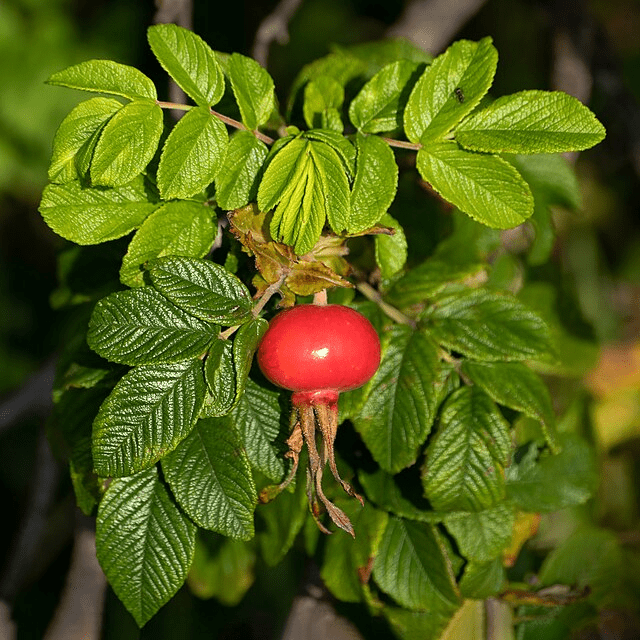
Most modern roses are beautiful but fragile, requiring constant spraying and babying just to survive. Rugosa roses are the exact opposite—tough, disease-resistant shrubs that laugh at black spot and Japanese beetles while producing huge, fragrant flowers from June through September. But the real treasure shows up in late summer when the spent blooms develop into rose hips the size of cherry tomatoes. These bright orange-red fruits contain more vitamin C than oranges and make spectacular jelly, syrup, and tea. I dry the hips whole and store them for winter tea that tastes like apples with a floral note. The shrubs grow three to six feet tall with dense, crinkled foliage that turns yellow in fall. I planted Rosa rugosa ‘Hansa’ along my driveway eight years ago, spacing them four feet apart. They’ve formed a living fence that stops foot traffic, provides armloads of cut flowers all summer, and yields about five pounds of hips per plant each fall. The only maintenance is cutting out the occasional dead stem and removing suckers if you want to keep the planting contained. Unlike hybrid tea roses, rugosas don’t need deadheading to keep blooming—just let the early flowers develop into hips while later blooms continue opening.
Bush Cherries: The Cottage Garden Overachievers
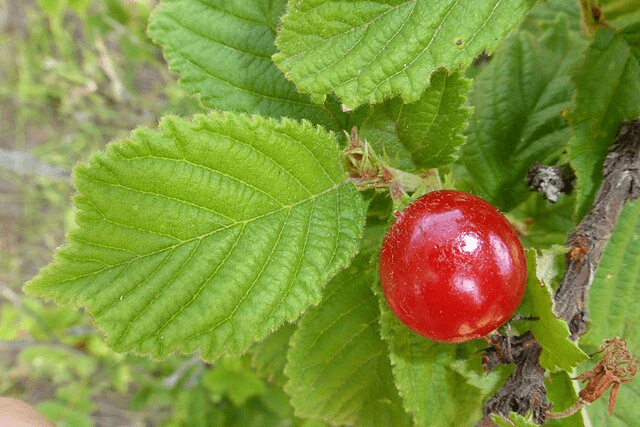
Nanking cherry and sand cherry are the shrubs I wish I’d discovered thirty years earlier. These compact bushes (four to six feet tall) cover themselves with fragrant pink-white flowers in early May, weeks before standard cherry trees even think about blooming. The flowers attract early-season pollinators when there’s not much else available. Six weeks later, you’re picking bright red cherries that taste like a tart sweet cherry crossed with a plum. The fruits are smaller than standard cherries—about the size of a large pea—but what they lack in size they make up for in abundance. I planted three Nanking cherries in my side yard ten years ago, and each bush produces ten to fifteen pounds of fruit annually. The cherries are perfect for fresh eating if you like tart fruit, or they make incredible pie filling and preserves. I pit mine with a paperclip (sounds crazy, but it works better than any tool I’ve bought) and freeze them in two-cup portions for winter pies. The shrubs themselves ask for almost nothing: full sun, decent drainage, and a light pruning every few years to remove crossing branches. They handle cold to zone 2 and heat through zone 7, and they’ve never shown a hint of disease in my garden.
Honeyberries and Other Hidden Gems
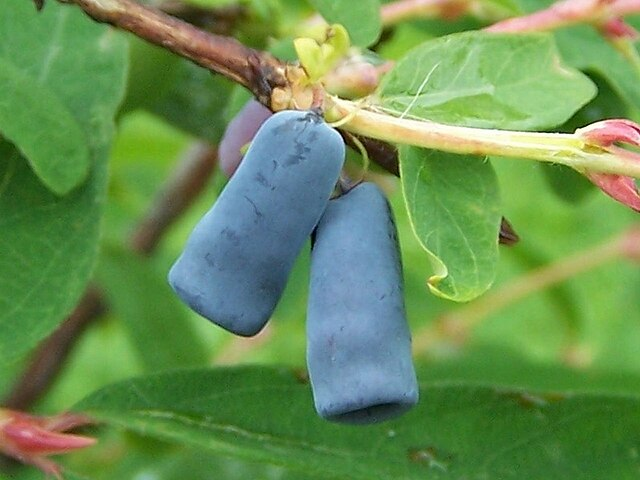
Honeyberry (haskap) is the edible shrub that everyone’s talking about now, and for good reason. These Siberian natives produce elongated blue berries that taste like a blend of blueberry, raspberry, and black currant, and they ripen in late May—weeks before strawberries in most climates. The shrubs grow four to six feet tall with an upright habit that fits beautifully in foundation plantings. You need two different varieties for pollination, which I actually consider a benefit because it extends your harvest window. I planted ‘Borealis’ and ‘Tundra’ six years ago, and they’ve given me reliable crops of eight to twelve pounds per pair every spring. The key is planting them in partial shade in hot climates (they originated in cool Siberian forests) and mulching heavily to keep roots cool. The berries freeze beautifully and hold their shape better than blueberries in baking. Beyond honeyberries, I’ve had excellent results with jostaberry (a gooseberry-black currant hybrid that produces tart berries on thornless shrubs), elderberry (for flowers and fruit if you plant two varieties), and sea buckthorn (if you have room for both male and female plants and can handle the thorns). Each of these fills a niche in the landscape while producing food that you simply cannot buy in stores.
How to Care for Double-Duty Shrubs (It’s Easier Than You Think)
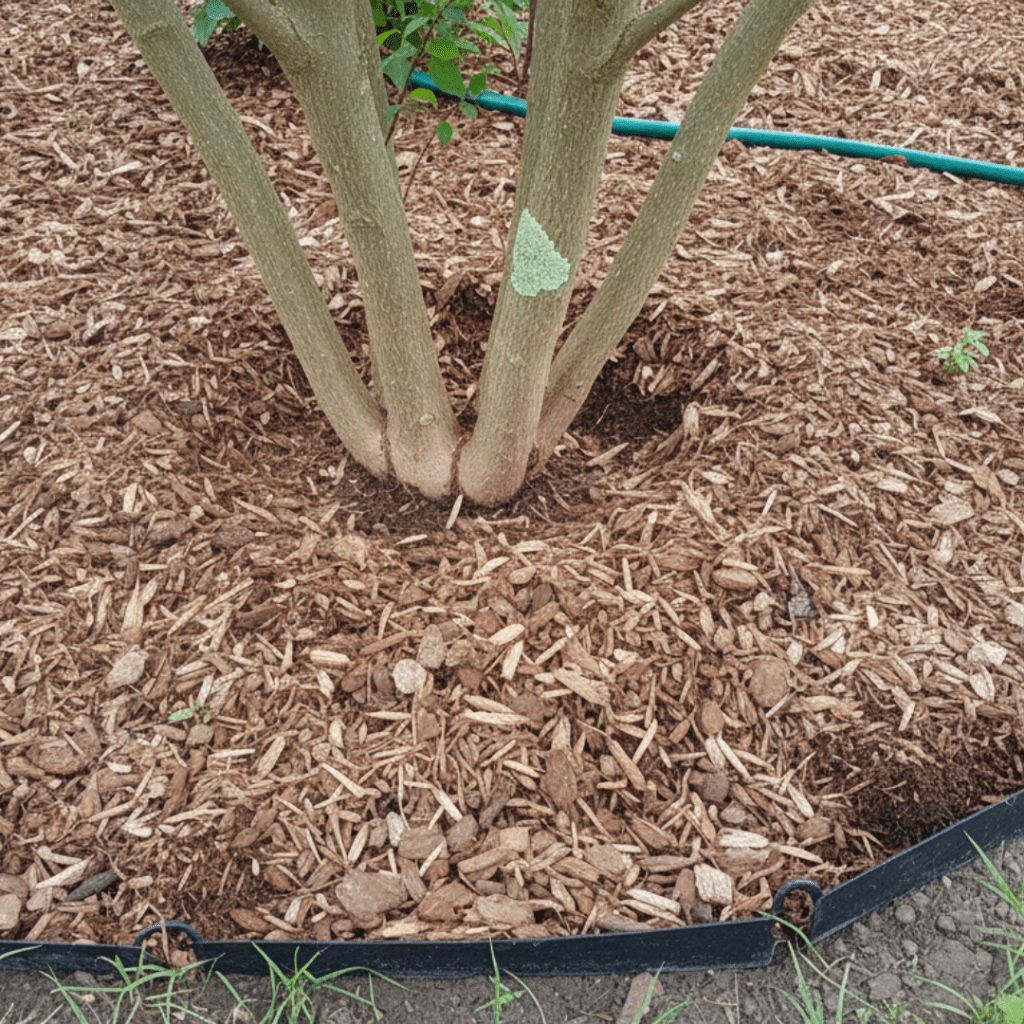
The beautiful thing about most edible ornamental shrubs is that they’re genuinely low-maintenance compared to vegetable gardens or demanding perennials. I plant mine in spring or fall, dig a hole twice as wide as the root ball but no deeper, and mix the excavated soil with two to three inches of compost. For the first growing season, I water deeply once a week if we don’t get rain. After that, established shrubs handle normal rainfall without supplemental watering except during severe drought. I spread two to three inches of wood chip mulch around each shrub, keeping it three inches away from the stems to prevent rot. Every spring, I scatter a half-cup of balanced organic fertilizer around the drip line of each shrub and refresh the mulch layer. Pruning requirements vary: aronia and serviceberry need minimal pruning (just remove dead or crossing branches), rugosa roses appreciate having the oldest canes cut to ground level every three to four years, and bush cherries benefit from thinning out the oldest stems annually after the harvest. None of this is difficult or time-consuming. I spend maybe thirty minutes per shrub per year on maintenance, and that includes harvesting the fruit. Compare that to a vegetable garden that demands hours every week, and you’ll understand why these shrubs have become the backbone of my productive landscape.
Quick-Fire FAQ
Q: Will edible shrubs really taste good or are they just novelty plants?
A: Serviceberries, bush cherries, and honeyberries taste as good as anything from the grocery store, and aronia and rugosa hips make excellent preserves even though they’re too astringent to eat fresh.
Q: Do I need two plants for pollination with these shrubs?
A: Aronia, serviceberry, bush cherries, and rugosa roses are self-fertile (though yields improve with a second plant), while honeyberries absolutely require two different varieties for any fruit production.
Q: Can these shrubs handle regular garden soil or do they need special treatment?
A: All of these tolerate average garden soil with decent drainage; aronia even handles wet clay, and bush cherries thrive in sandy soil that defeats most fruit plants.
Q: How do double-duty shrubs compare to regular fruit bushes in terms of productivity?
A: You’ll get smaller total yields than from dedicated blueberry or raspberry bushes (ten to fifteen pounds versus twenty to thirty pounds per plant), but the ornamental value and lower maintenance requirements more than compensate, especially in small gardens where every plant needs to earn its keep year-round.
— Grandma Maggie