
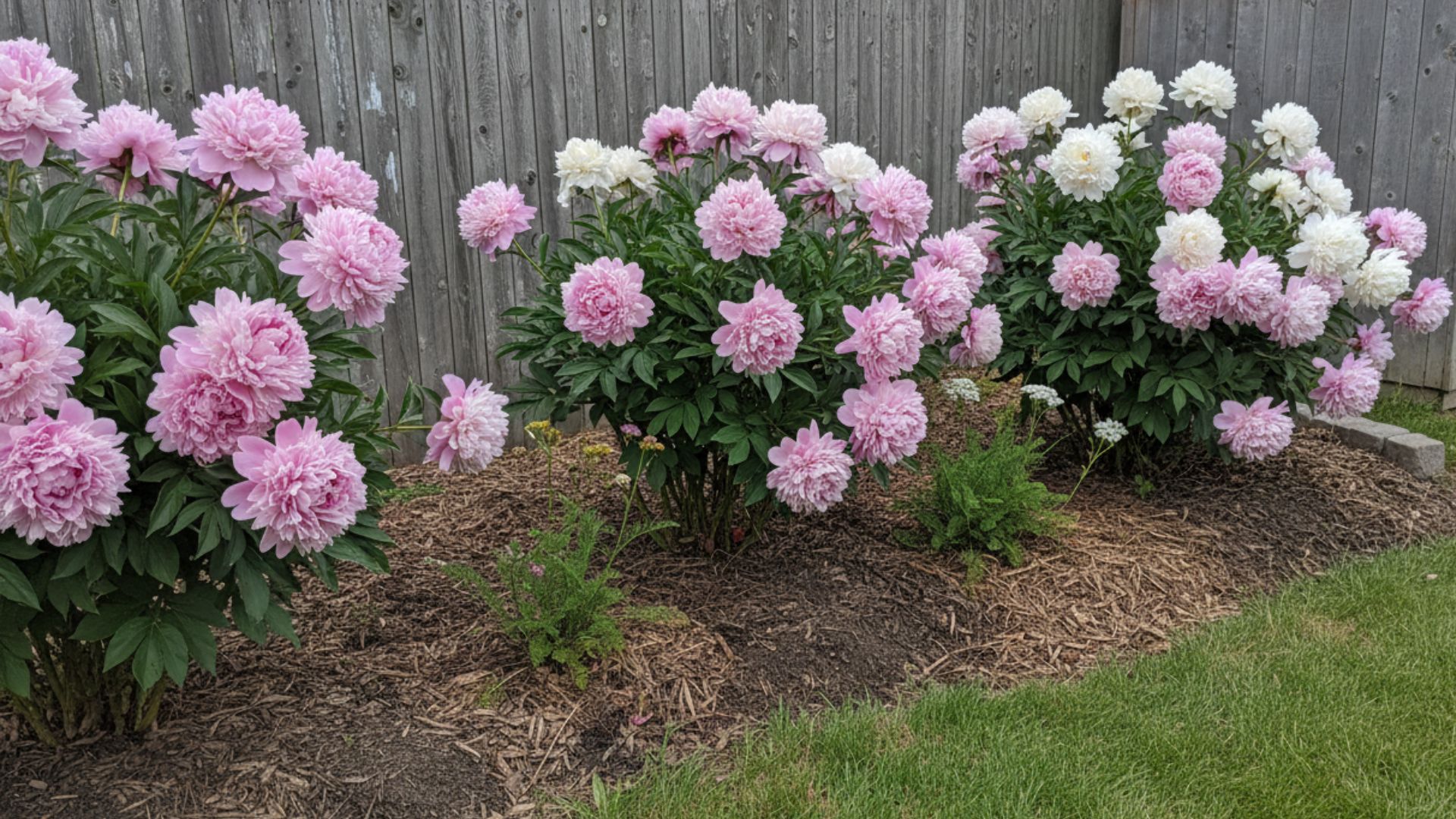
I’ll never forget my first spring in a zone 3 garden. I had moved from a milder climate and stood there in late April, staring at frozen ground, absolutely convinced I’d never grow anything beautiful again. That was over thirty years ago, and I can tell you now—I was completely wrong. Some of the most breathtaking blooms I’ve ever grown have come from gardens where winter temperatures plunge to minus forty. The secret isn’t fighting your climate. It’s choosing flowers that actually need that deep cold to put on their best show. If you’re gardening in zones 2 or 3 and feeling limited, let me walk you through the spring flowers that don’t just survive your winters—they depend on them.
Why Do Cold Zones Produce Such Stunning Blooms?


It sounds counterintuitive, but extreme cold is actually a gift for certain perennials. Many spring-blooming flowers require a long period of vernalization—a sustained stretch of cold temperatures that triggers their bloom cycle. In zones 2 and 3, where soil stays frozen well into spring and winter temperatures regularly dip below minus thirty, those plants receive exactly the deep chill they crave. The result is often more vigorous root development, stronger stems, and blooms that are noticeably larger and more vivid than the same varieties grown further south. I’ve seen peonies in a zone 3 garden in northern Minnesota that put my old zone 6 plants to shame, and it wasn’t because the gardener was doing anything fancy. The climate was doing the heavy lifting.
The other advantage cold-zone gardeners have is timing. When your growing season is compressed into roughly 90 to 120 days, perennials pour their energy into a concentrated burst of blooming. You won’t get the long, drawn-out flowering windows that warmer climates enjoy, but what you do get is an explosion of color that honestly takes your breath away. After years of working with both short and long seasons, I can promise you that intensity more than makes up for brevity.
The Stars of the Cold-Zone Garden
Peonies: The Undisputed Queen of Cold Zones
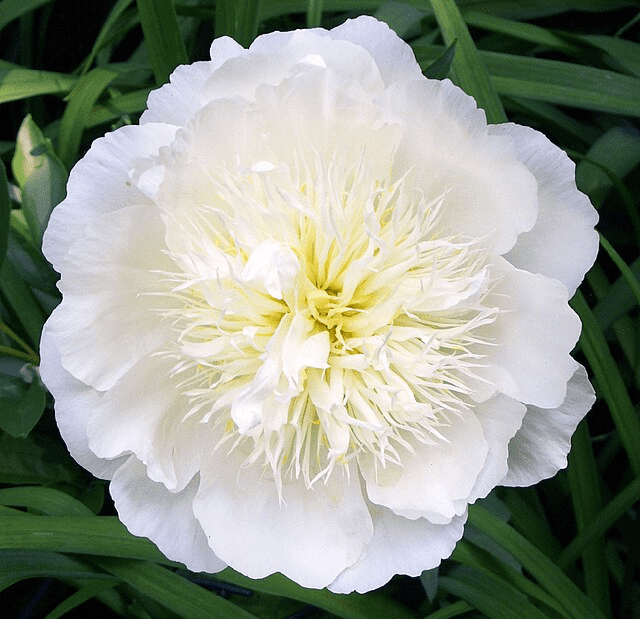
If there’s one flower that belongs in every cold-zone garden, it’s the peony. I know gardeners in zone 3 who grow peonies so loaded with blooms that the stems can barely hold them upright—and that’s not an exaggeration. Peonies need a solid six to eight weeks of temperatures below 40°F to set their buds properly, and in zones 2 and 3, they get that and then some. The long, cold dormancy period lets the roots store enormous energy reserves, and when spring finally arrives, they channel all of it into those massive, fragrant flowers.
Plant peony roots in the fall, about six weeks before your ground freezes—typically late August to mid-September in zone 3. Set the eyes no deeper than 2 inches below the soil surface. I cannot stress this enough: planting too deep is the number one reason peonies refuse to bloom. Give them full sun and well-drained soil, and then simply leave them alone. Peonies resent being moved and can take two to three years to settle in after transplanting, but once established, a single plant can bloom reliably for fifty years or more. I have plants in my garden that were started by my mother, and they’re still going strong. Varieties like ‘Karl Rosenfield,’ ‘Sarah Bernhardt,’ and ‘Festiva Maxima’ are all proven performers in the coldest zones.
Yarrow: Tough, Beautiful, and Endlessly Useful
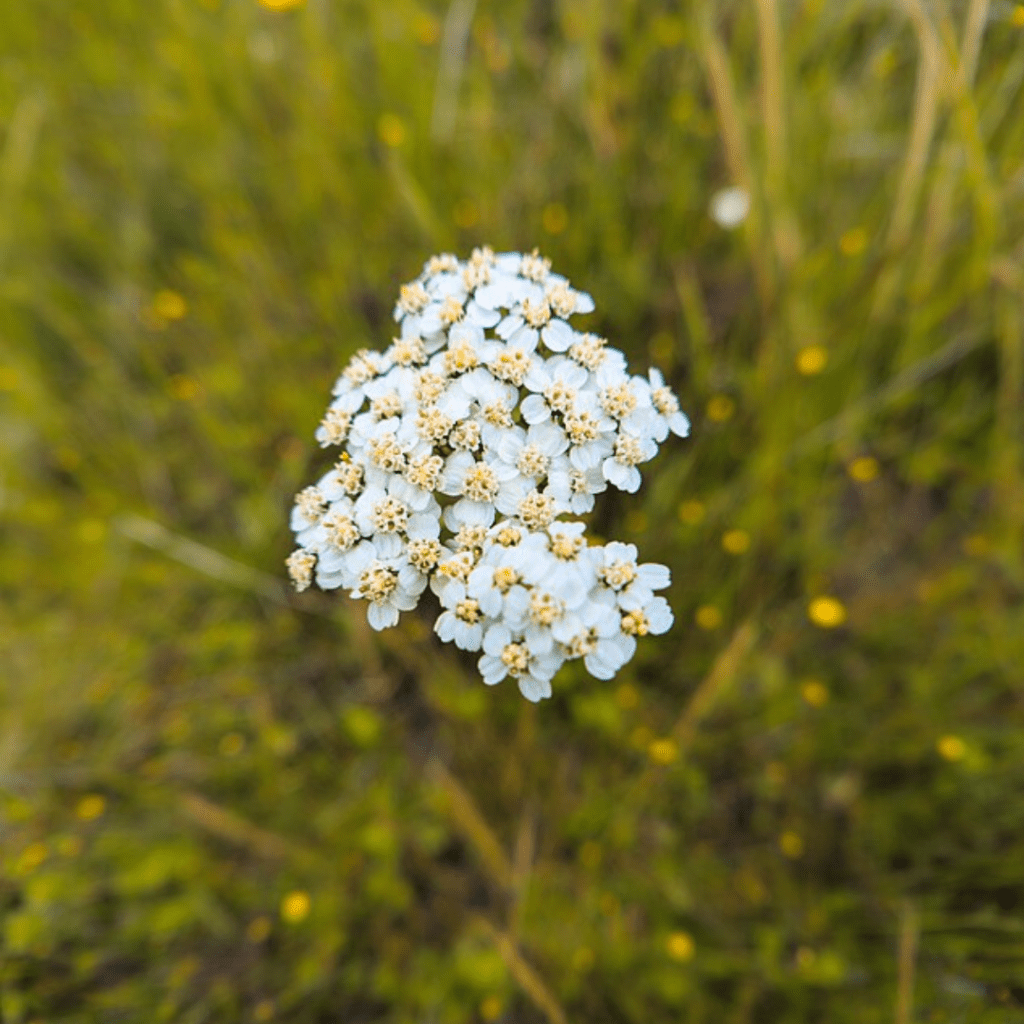
Yarrow is one of those plants that makes cold-zone gardening feel effortless. Hardy down to zone 2, it shrugs off brutal winters without any fuss and comes back strong every spring. I’ve grown yarrow in some of the most neglected corners of my garden—poor soil, dry conditions, full blasting sun—and it thrives everywhere. The flat-topped flower clusters bloom from early summer well into fall, and they come in shades of white, yellow, pink, red, and soft apricot. ‘Moonshine’ is a personal favorite for its buttery yellow blooms, and ‘Paprika’ adds a gorgeous warm red that fades to gold as it ages.
Start yarrow from seed indoors about eight to ten weeks before your last frost date, or set out transplants once the soil has thawed and warmed to at least 50°F. Space plants 12 to 18 inches apart. One thing I’ve learned over the years is that yarrow actually performs better in lean soil—too much compost or fertilizer produces floppy, weak stems. Deadhead spent blooms regularly to encourage a second flush, and divide clumps every three to four years in early spring to keep them vigorous. Beyond the garden bed, yarrow makes a wonderful cut flower that dries beautifully for winter arrangements.
More Cold-Hardy Perennials Worth Your Garden Space
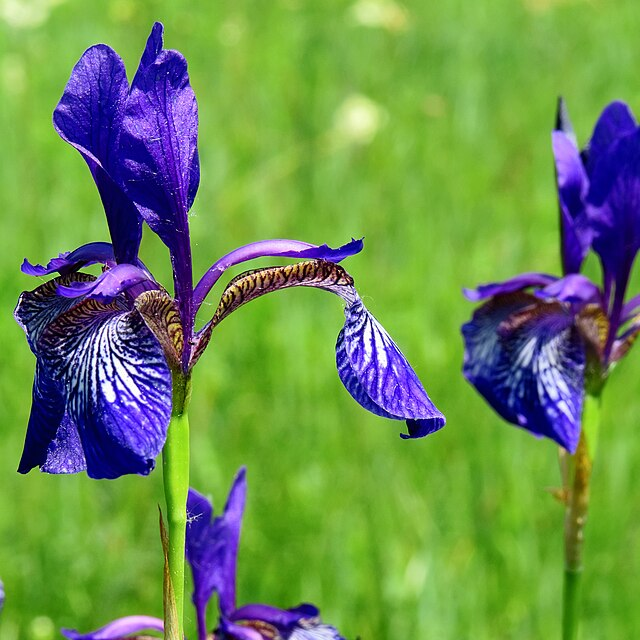
Peonies and yarrow are just the beginning. Siberian iris is another cold-zone champion, hardy to zone 2, producing elegant purple, blue, or white blooms on slender 24- to 36-inch stems in late spring. They prefer moist soil and tolerate partial shade, which makes them perfect for spots where other perennials struggle. I plant mine along the edge of a low area that stays damp in spring, and they reward me with the most graceful flowers in the whole garden every June.
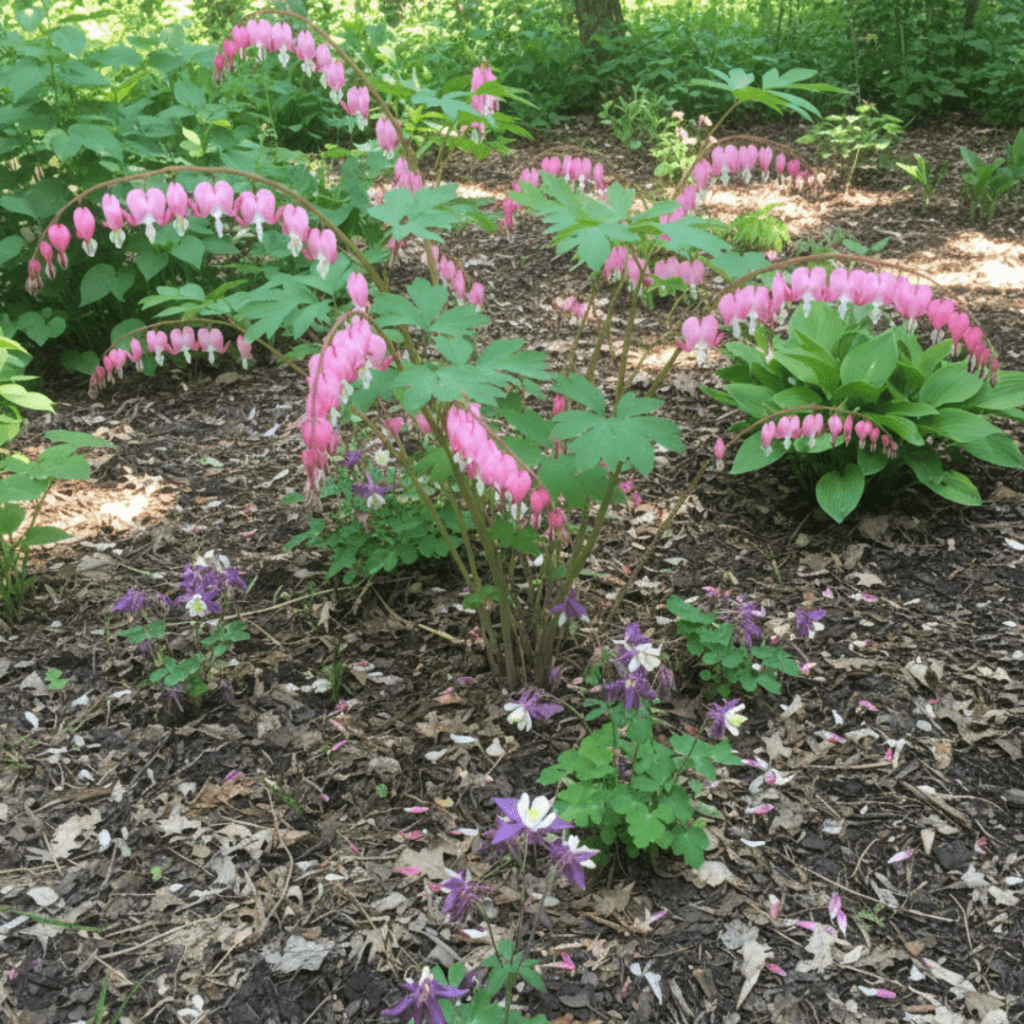
Daylilies, particularly the older, proven cultivars like ‘Stella de Oro’ and ‘Happy Returns,’ are reliable bloomers in zone 3, reaching 18 to 24 inches tall and flowering from midsummer onward. Bleeding heart (Dicentra spectabilis) is another favorite of mine for early spring color, producing those iconic heart-shaped pink or white flowers on arching stems up to 30 inches tall. It goes dormant by midsummer, so I always plant it behind something that fills in later, like daylilies or hostas. And don’t overlook columbine—these delicate-looking flowers are surprisingly tough, self-seeding freely and thriving in zones 2 through 8 with almost no care at all. I’ve had volunteer columbine pop up in gravel paths, between pavers, and along fence lines where I never planted a thing.
Getting a Jump Start on Your Short Season
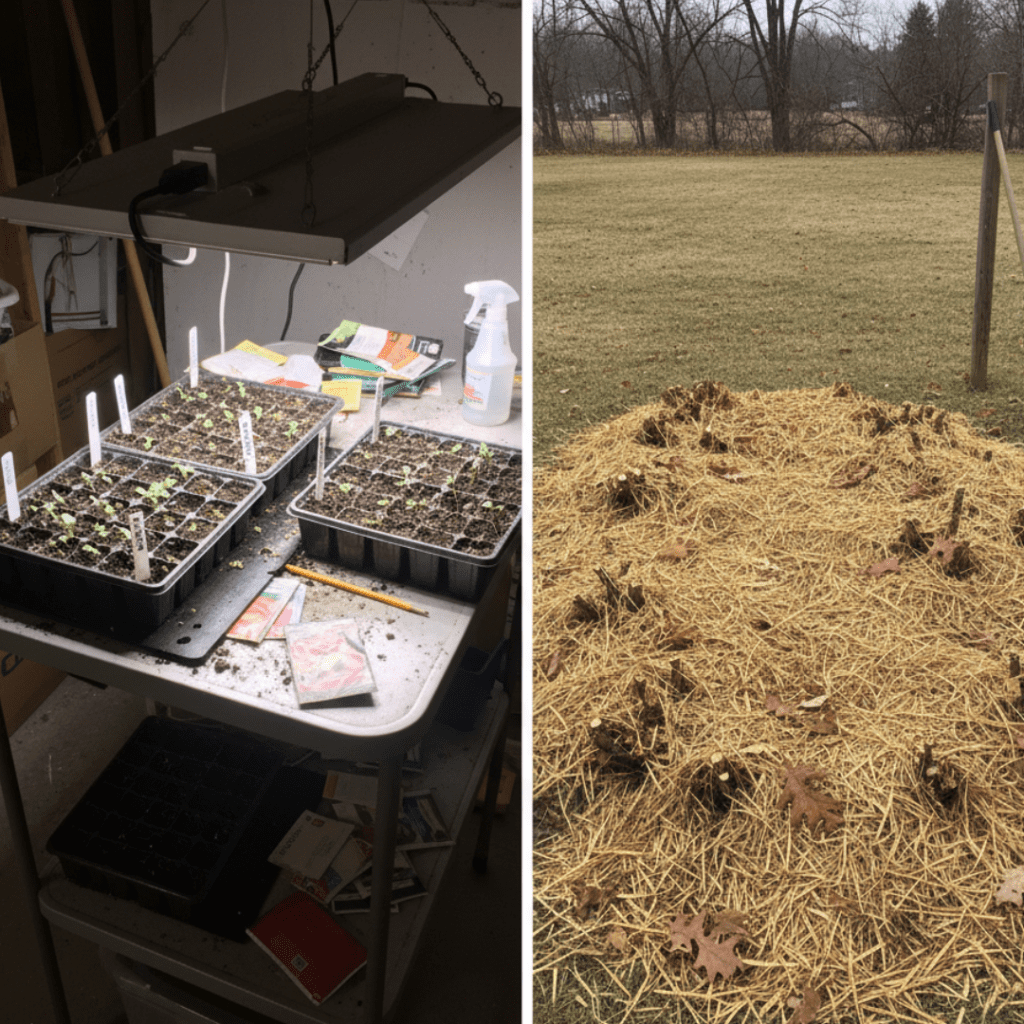
One of the smartest things I ever did for my cold-zone garden was learning to work with the season instead of wishing it were longer. Start perennial seeds indoors under grow lights eight to twelve weeks before your last frost date—that’s typically early to mid-March for most zone 3 gardens. Use a heat mat set to 70°F to speed up germination, and harden off seedlings for seven to ten days before transplanting outside. I set mine on a covered porch for a few hours the first day, gradually increasing their time outdoors.
Another trick I’ve relied on for decades is a generous layer of mulch applied in late fall—4 to 6 inches of shredded leaves or straw over your perennial beds once the ground freezes. This isn’t to keep plants warm; it’s to keep the soil temperature consistent and prevent the freeze-thaw cycles that heave roots out of the ground. Remove the mulch gradually in spring as temperatures climb above freezing during the day, usually by late April to early May. Between proper mulching and starting seeds early, you can squeeze every possible day of beauty out of that short but spectacular growing season.
Quick-Fire FAQ
Q: Can I plant perennials in spring instead of fall in zone 3?
A: Absolutely. Spring planting works well for most cold-hardy perennials as long as you get them in the ground by mid-June to give roots time to establish before the first hard frost, which typically arrives by mid-September.
Q: Do I need to cut back my peonies and yarrow in the fall?
A: I cut peony foliage to the ground after the first hard frost and remove it from the garden to prevent disease. Yarrow can be left standing through winter for visual interest and then cut back to 2 to 3 inches in early spring.
Q: My peonies haven’t bloomed in two years. What am I doing wrong?
A: The most common culprits are planting too deep, too much shade, or a recent transplant. Check that the eyes are no more than 2 inches below the soil surface, ensure at least six hours of direct sun, and give newly moved plants two to three seasons to settle in.
Q: What’s the earliest-blooming perennial for zone 2 or 3?
A: In my experience, bleeding heart and columbine are among the first to flower, often blooming within a few weeks of the snow melting—usually mid to late May in zone 3.
— Grandma Maggie