After fifty years of tending gardens through bone-chilling January ice storms and those sweltering August afternoons where even the weeds look tired, I can tell you that Zone 6 is one of the most rewarding places to grow flowers—if you know which ones to trust. The temperature swings here are no joke. We can see minus ten degrees Fahrenheit in winter and then watch the thermometer climb past ninety in the summer, sometimes in the same month during those unpredictable shoulder seasons. But I’ve watched certain perennials not only survive those extremes—they actually seem to thrive on them. These are the plants that come back fuller, brighter, and stronger year after year, the ones I call my showstoppers. Let me walk you through the flowers that have earned permanent places in my garden and show you exactly how to help them flourish in yours.
Why Zone 6 Is a Sweet Spot for Tough, Beautiful Perennials


Zone 6 stretches across a surprising swath of the country, covering parts of the Northeast, the Mid-Atlantic, portions of the Midwest, and pockets of the Pacific Northwest. What makes it special for flower gardening is that balance between genuinely cold winters and warm, generous summers. Those cold months give perennial roots the dormancy period they need to reset, while the long frost-free window from roughly mid-May to mid-October gives plants plenty of time to put on a show. I’ve found that this combination produces some of the most vibrant blooms I’ve ever grown—the cold seems to intensify the colors somehow, especially in flowers like coneflower and bee balm. The trick is choosing plants that genuinely embrace both extremes rather than merely tolerating them. Every flower I’m about to share with you has proven itself in my garden through drought summers, ice storms, late frosts, and everything in between.
The Stars of a Zone 6 Flower Garden
Lavender: The Mediterranean Beauty That Loves a Zone 6 Challenge
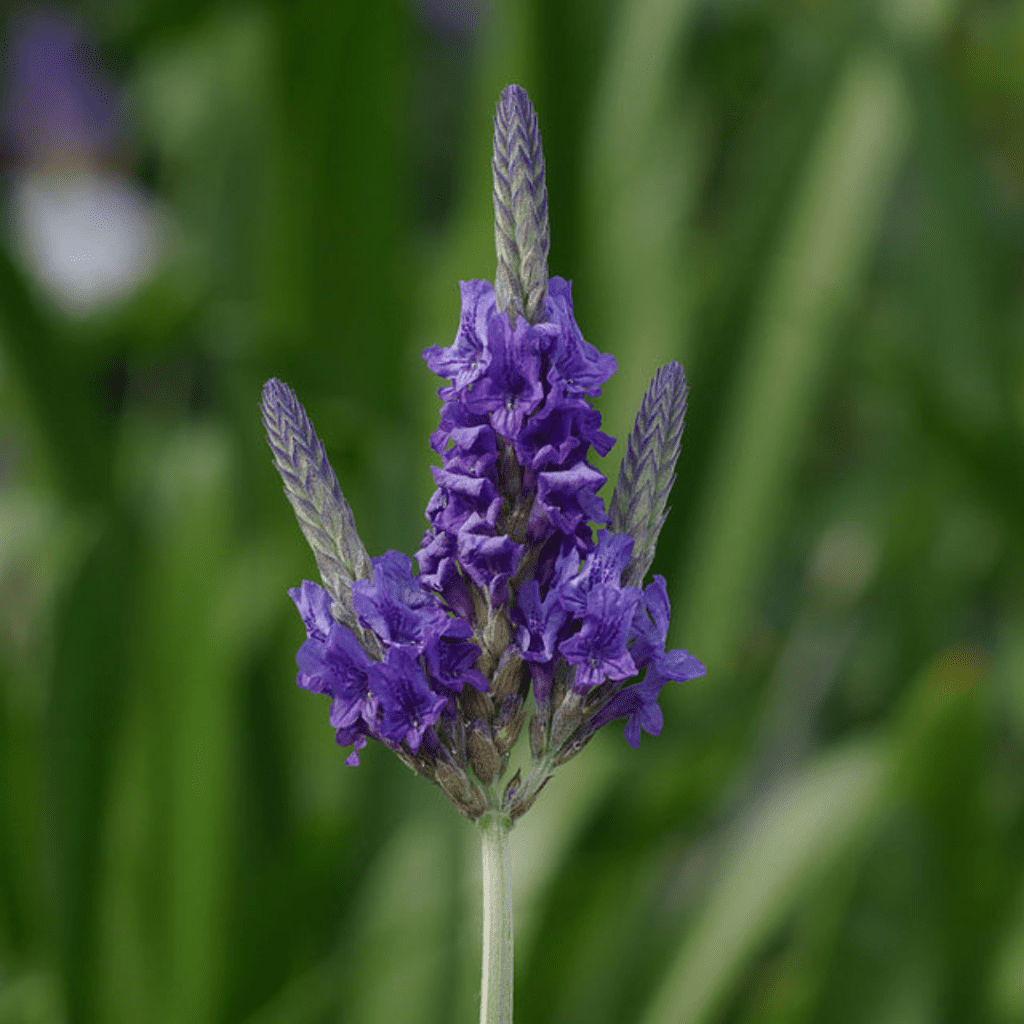
I’ll be honest—lavender was the one plant I nearly gave up on early in my gardening life. I lost three batches before I learned the single most important lesson: lavender does not forgive wet feet. It’s a Mediterranean herb at heart, and what kills it in Zone 6 isn’t the cold so much as soggy winter soil sitting around the roots. Once I understood that, everything changed. I started amending my planting spots with a generous shovelful of coarse sand or pea gravel mixed into the top 12 inches of soil, and I raised the planting crown about an inch above the surrounding soil line. That was thirty years ago, and some of those original plants are still blooming.
For Zone 6, you want to stick with English lavender varieties like ‘Hidcote’ and ‘Munstead,’ which are compact, deeply colored, and cold-hardy down to about minus ten degrees Fahrenheit. If you want something larger and showier, the lavandin hybrids are wonderful—’Phenomenal’ is my top pick because it handles both cold winters and humid summers with remarkable grace, and it’s resistant to the root and foliage diseases that plague other varieties. I space my smaller lavenders about 2 feet apart and the larger types like ‘Phenomenal’ and ‘Grosso’ a full 3 feet apart. That spacing looks generous at first, but good air circulation is your best weapon against the fungal problems that come with our humid summers. One important warning: avoid Spanish and French lavenders entirely for in-ground planting in Zone 6. They’re lovely, but they simply won’t survive our winters. If you must have them, keep them in pots you can bring indoors when frost threatens.
Purple Coneflower: The Toughest Beauty in the Garden
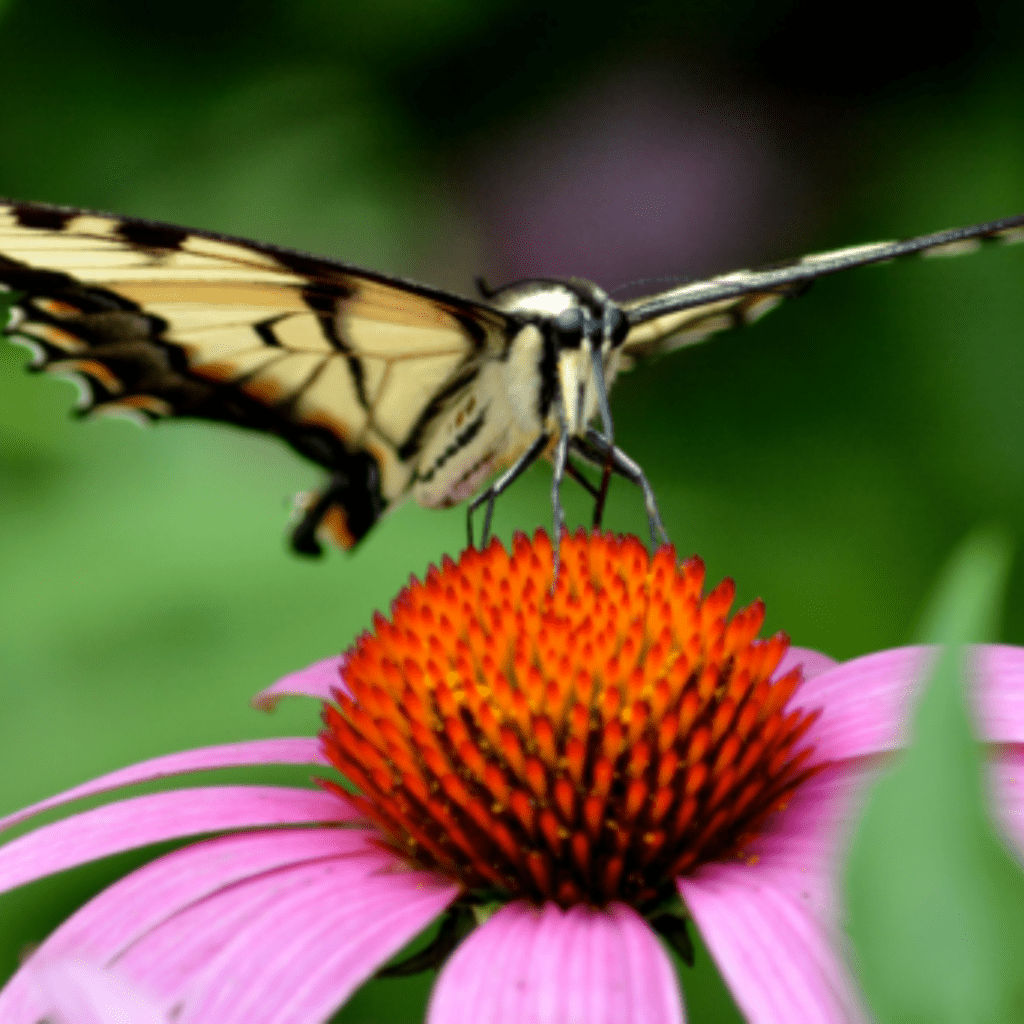
If I could only grow one perennial in Zone 6 for the rest of my life, it would be purple coneflower, Echinacea purpurea. This native wildflower is the definition of a showstopper—those large, daisy-like blooms with their distinctive raised copper-brown cones surrounded by drooping pink-purple petals are absolutely gorgeous, and the plant is tough as nails. I’ve watched my coneflowers sail through drought summers where I forgot to water for three weeks, bounce back from ice storms, and shrug off poor soil that would send most perennials into a sulk. They’re drought-tolerant once established, deer-resistant, and they handle heat and humidity without flinching.
Plant coneflowers in full sun with at least 6 to 8 hours of direct light daily, in soil that drains well. Loosen the soil to a depth of about 12 to 15 inches and mix in a little compost—they aren’t fussy about fertility, but they do appreciate decent drainage. Space plants about 18 to 24 inches apart depending on the variety, and water regularly during the first season to help those deep taproots establish. After that first year, you can practically forget about them. I give mine about an inch of water per week during dry spells and a light top-dressing of compost each spring, and that’s it. One of my favorite tricks is to deadhead the first flush of blooms in early summer—cutting spent flowers back to a leaf where you can see a new bud swelling—which extends the blooming season well into fall. But I always leave the last round of seed heads standing through winter because goldfinches absolutely devour those seeds, and native bees will nest in the hollow stems over the cold months.
Bee Balm: A Hummingbird Magnet With Serious Zone 6 Credentials
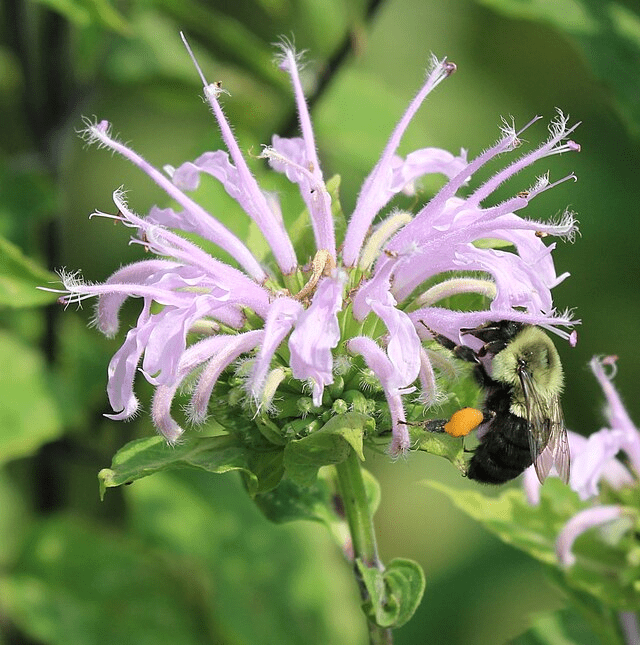
Nothing brings hummingbirds to my garden faster than bee balm. I can sit on my porch with a cup of coffee in July and watch ruby-throated hummingbirds fight over the scarlet blooms like tiny feathered boxers—it never gets old. Bee balm, or Monarda, is a native North American perennial in the mint family, and it’s been one of my most reliable performers in Zone 6 for decades. The flowers bloom in showy, tufted whorls from early to midsummer, coming in shades of red, pink, lavender, purple, and white, and each bloom head can measure 2 to 3 inches across. Beyond the visual spectacle, the fragrant foliage smells wonderfully of bergamot, and the leaves are edible—I’ve dried them for tea more times than I can count.
Now, I have to be honest about bee balm’s one real weakness: powdery mildew. It’s mostly cosmetic and won’t kill the plant, but those gray-white patches on the leaves in late summer aren’t exactly pretty. After years of trial and error, I’ve found three things that make all the difference. First, choose mildew-resistant varieties—’Jacob Cline’ and ‘Raspberry Wine’ are my favorites for the red tones, and wild bergamot, Monarda fistulosa, is naturally more resistant with its lovely soft lavender blooms. Second, give plants good air circulation by spacing them at least 12 to 18 inches apart. Third, water at the soil level rather than overhead, soaking the ground 6 to 8 inches deep every 7 to 10 days. One thing to know: bee balm spreads by shallow underground runners, much like its mint family relatives. I don’t mind the spreading because it means more flowers and more hummingbirds, but if you want to contain it, you can sink a metal barrier about 6 inches deep around the clump, or simply pull unwanted shoots each spring—the shallow roots come up easily. Plan to divide your clumps every 2 to 3 years to keep them vigorous, since the centers tend to die out over time.
More Zone 6 Performers Worth Planting
Daylilies: The Forgiveness Flower
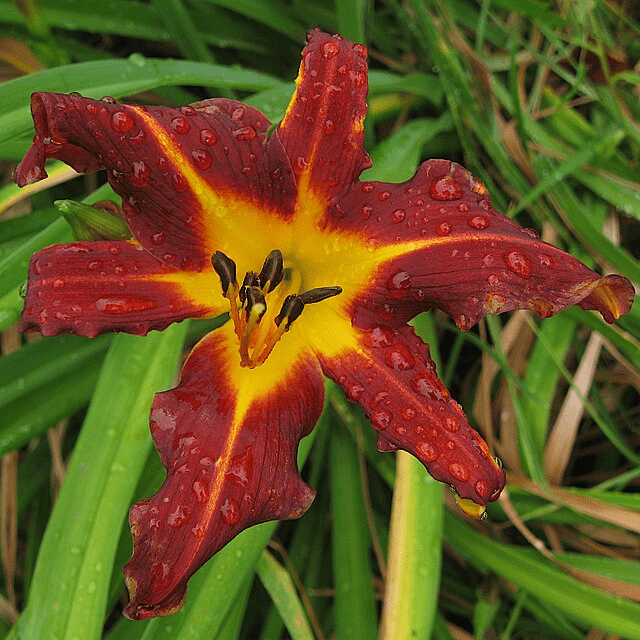
I call daylilies the forgiveness flower because they’ll forgive almost anything you throw at them—clay soil, drought, neglect, even the occasional accidental whack with the lawn mower. Hemerocallis is one of the most versatile perennials for Zone 6, blooming from early summer well into fall depending on the variety, and they come in an astonishing range of colors from soft pastels to deep burgundy. Each individual flower lasts only a single day, but a healthy plant produces so many buds that the show continues for weeks. I’ve had clumps in the same spot for over fifteen years that just keep getting more impressive every season. Plant them in full sun to light shade, space them about 18 to 24 inches apart, and give them an inch of water per week during dry spells. Divide every 3 to 4 years in early spring or after blooming to keep clumps productive. ‘Stella de Oro’ is a classic rebloomer for continuous gold flowers, while ‘Happy Returns’ gives you a lovely lemon yellow that pairs beautifully with purple coneflower.
Russian Sage: The Silver-Blue Mist Maker
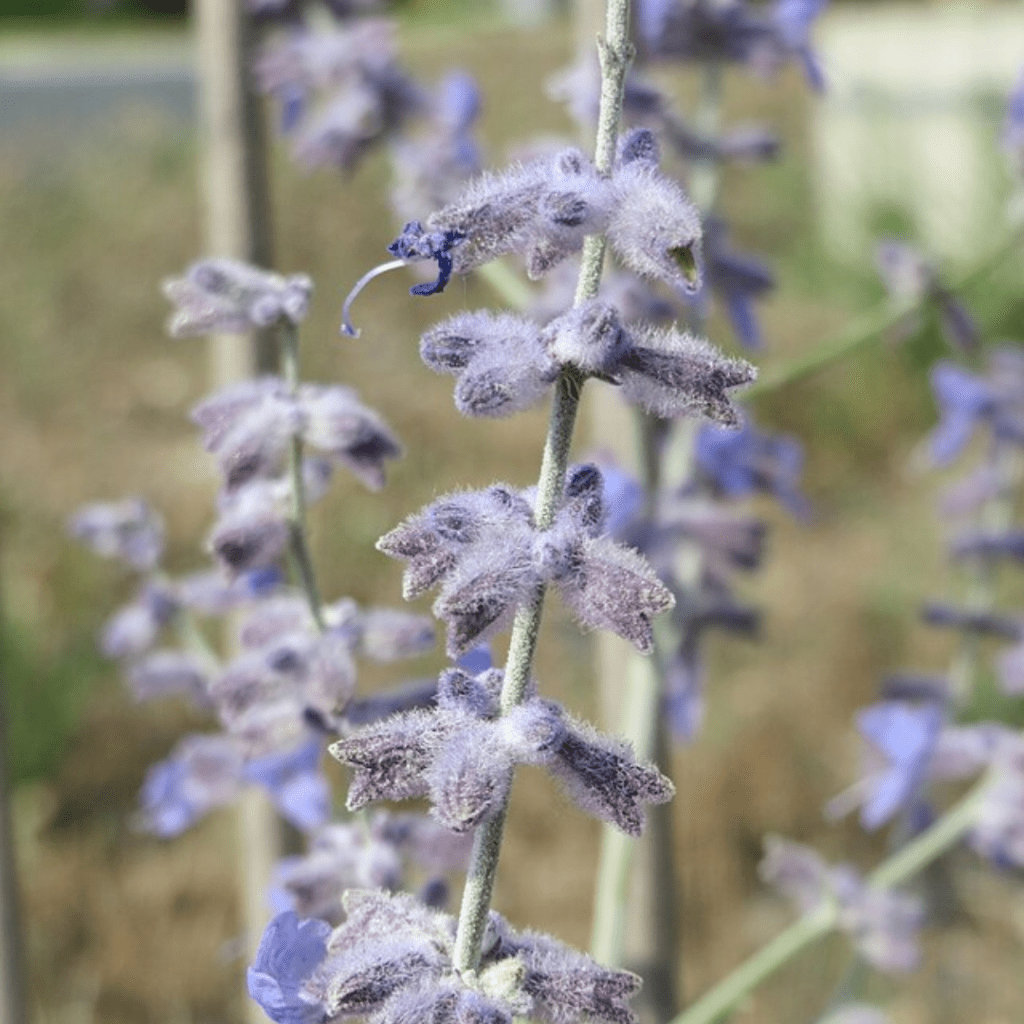
If you’ve never grown Russian sage, you’re missing one of the most elegant plants available for Zone 6. Salvia yangii creates this airy, almost cloud-like mass of tiny blue-lavender flowers on silvery stems from midsummer into early fall, and the effect in the garden is breathtaking—like a blue mist hovering over your other flowers. I planted my first Russian sage about twenty years ago along a south-facing stone wall, and it has been absolutely bulletproof. This plant laughs at drought, ignores poor soil, and deer won’t touch it. It needs full sun and well-drained soil, similar to lavender, and it pairs magnificently with purple coneflower and black-eyed Susan. Give it about 3 feet of space because it grows into a graceful, arching shrub about 3 to 4 feet tall and wide. Cut it back hard in early spring—I take mine down to about 6 to 8 inches above the ground—and it comes roaring back every year.
Putting It All Together: Designing for Season-Long Color
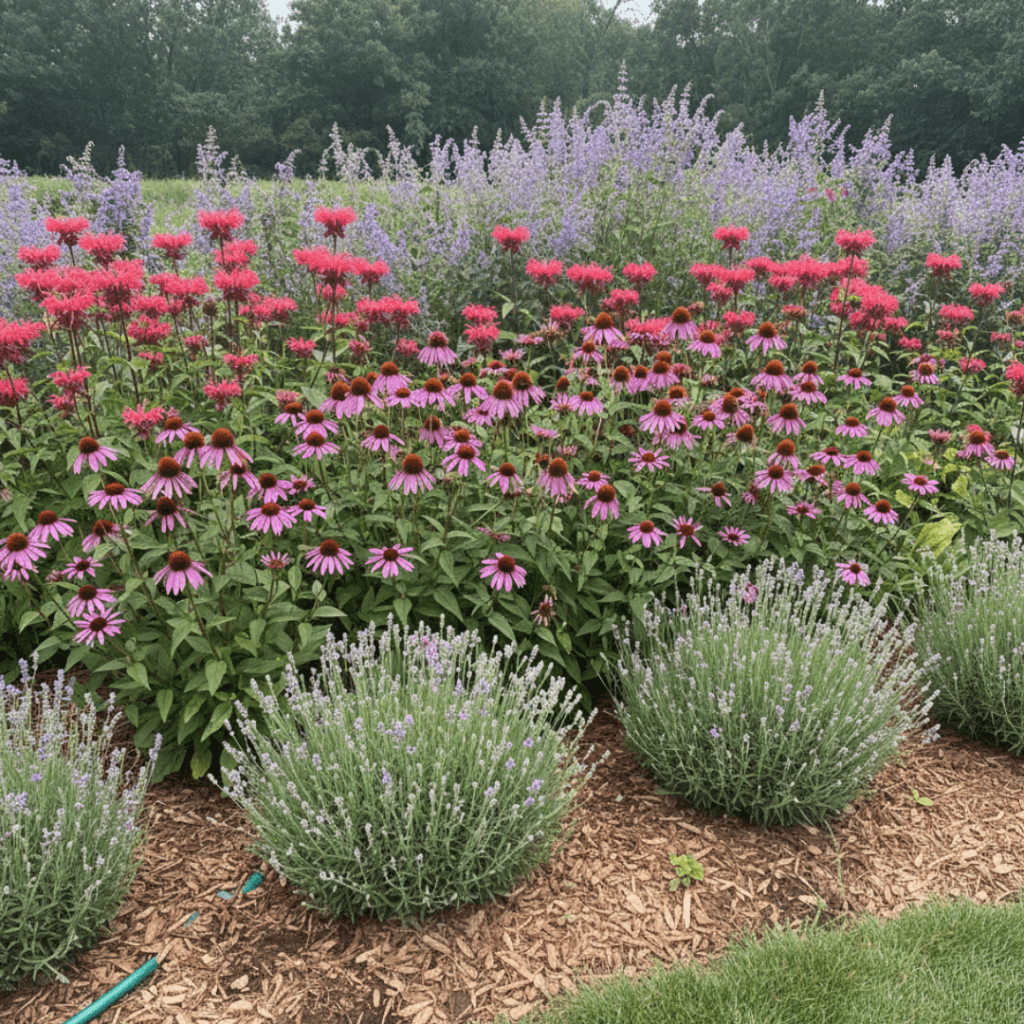
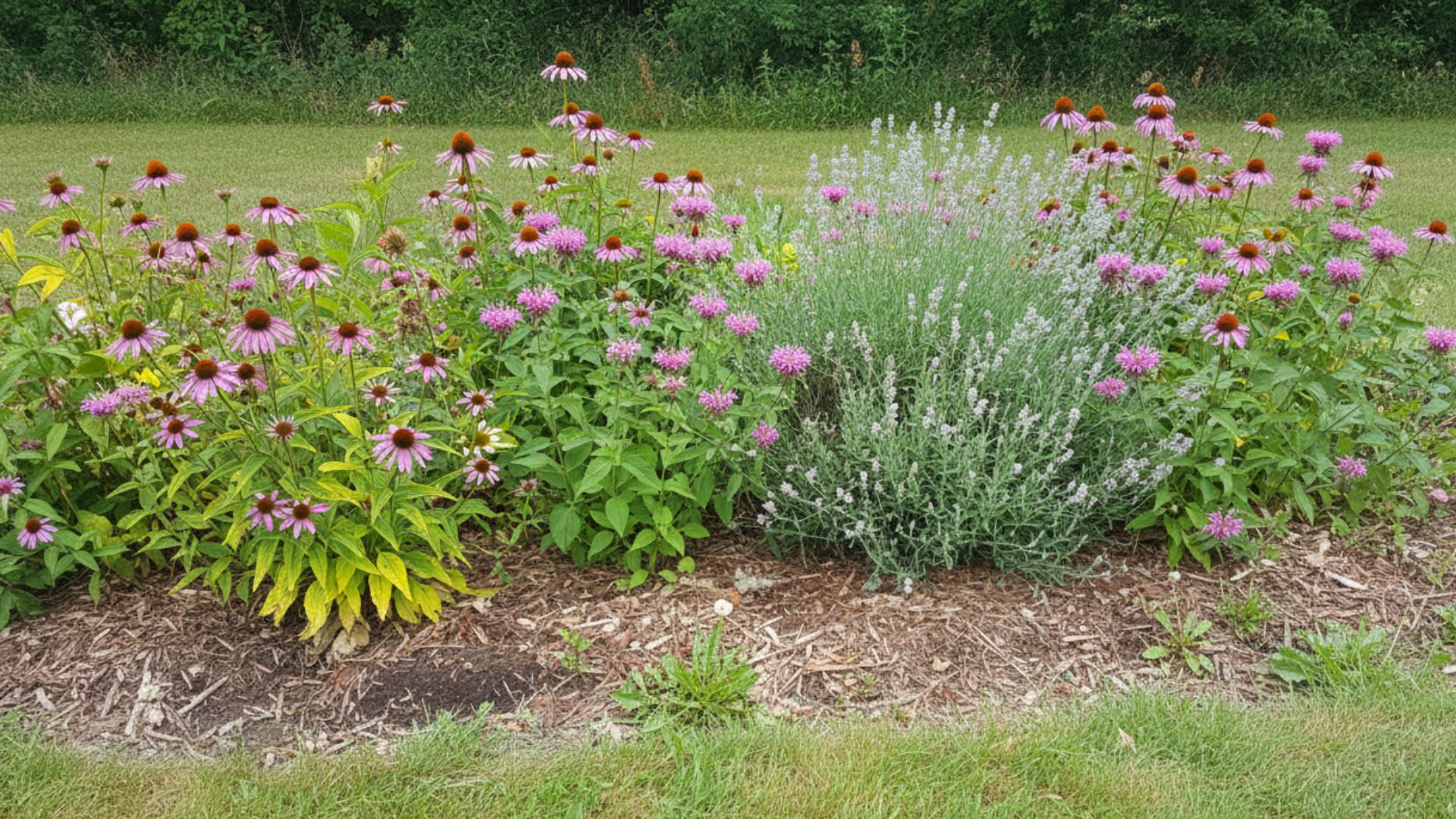
The real magic of Zone 6 gardening happens when you layer these showstoppers together for continuous bloom from late spring through hard frost. I’ve spent years refining my combinations, and here’s what I’ve learned works beautifully. Start the season with early-blooming varieties like Eastern bee balm, Monarda bradburiana, which flowers about a month before the taller species and bridges that gap between spring bulbs and summer perennials. Let lavender and the first coneflowers carry you through June and July, then lean on bee balm, daylilies, and Russian sage for the midsummer peak. As things wind down in September and October, the late coneflower seed heads and the fading lavender-blue haze of Russian sage give the garden a beautiful autumnal feel while still feeding pollinators and songbirds.
For placement, I put my tallest plants—bee balm and Russian sage—toward the back or center of beds, with coneflowers in the middle tier, and lower-growing lavender and compact daylilies toward the front. A 2 to 3 inch layer of organic mulch around all of these plants helps conserve moisture during hot summers and insulates roots through our cold winters. Just keep the mulch pulled back a couple of inches from the crown of each plant, especially lavender, to prevent rot. I’ve learned through plenty of failures that crowding plants too closely is one of the biggest mistakes Zone 6 gardeners make—good airflow prevents so many fungal problems that you’ll thank yourself later for resisting the urge to squeeze in one more plant.
Quick-Fire FAQ
Q: When is the best time to plant perennials in Zone 6?
A: I prefer planting in mid to late spring after the soil has warmed to about 60 degrees Fahrenheit, usually around mid-May for most of Zone 6. Early fall works well too, but give plants at least six weeks before the first hard frost to establish their roots.
Q: How do I protect my perennials during Zone 6 winters?
A: A 2 to 3 inch layer of mulch applied after the ground freezes in late fall is usually all you need. For lavender specifically, use a porous material like pea gravel rather than bark mulch, since trapped moisture is a bigger threat than cold temperatures.
Q: Can I grow coneflowers from seed in Zone 6?
A: Absolutely—Echinacea purpurea is one of the easiest natives to grow from seed. Sow directly outdoors in April or May and expect germination in one to two weeks. Just know that seed-grown coneflowers typically focus on root development the first year and won’t bloom until the second season.
Q: What’s the best way to deal with powdery mildew on bee balm?
A: Prevention is everything—choose resistant varieties like ‘Jacob Cline,’ ensure good spacing for air circulation, and water at ground level rather than overhead. If mildew does appear, it’s cosmetic and won’t kill the plant, so don’t panic. You can cut affected stems to the ground after blooming and fresh growth will follow.
— Grandma Maggie