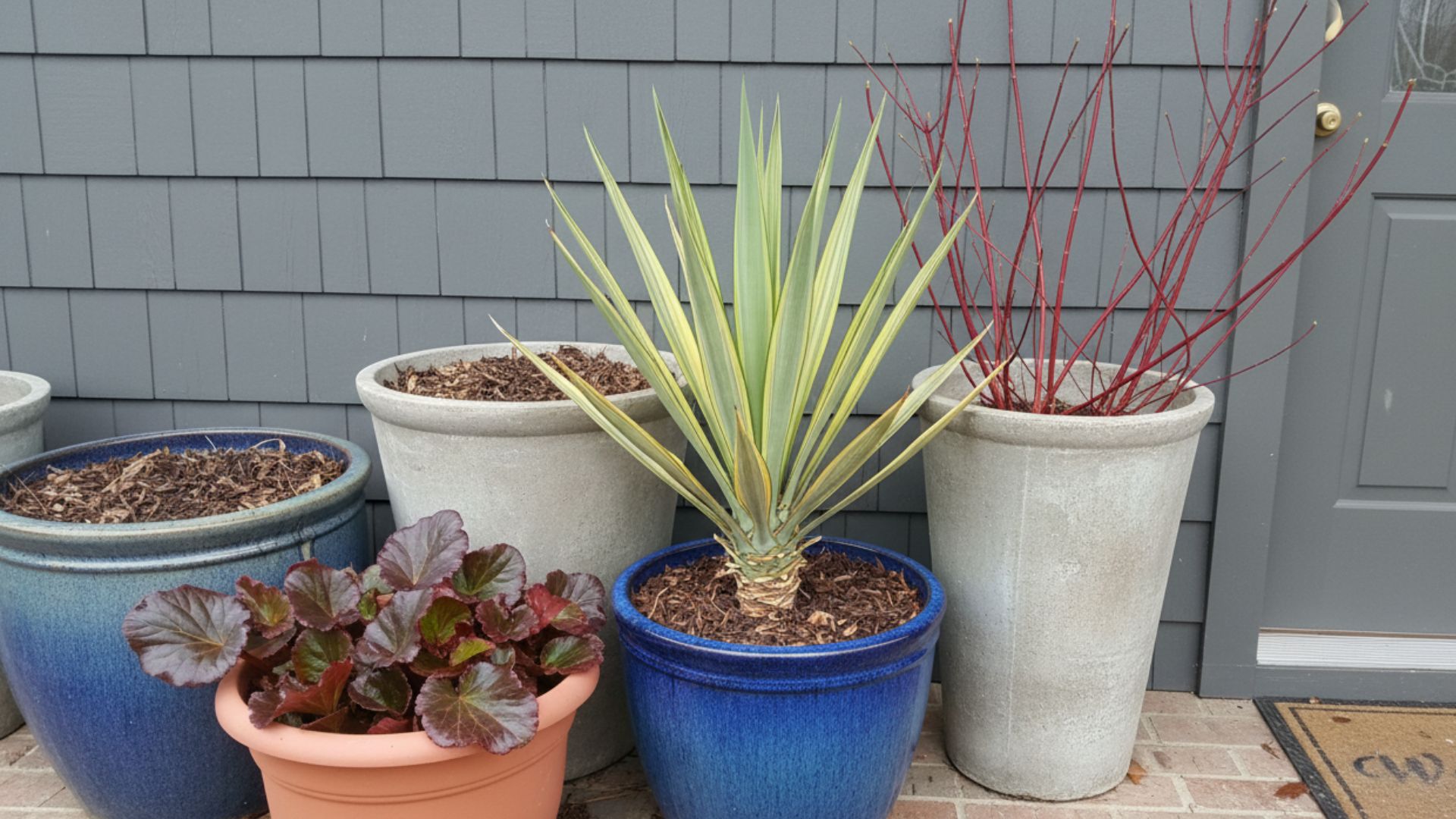
After fifty years of tending containers on my front porch, back patio, and every step in between, I can say with certainty that the greatest frustration in container gardening is starting from scratch every single spring. You dump out last year’s dead annuals, haul bags of fresh potting soil, and spend a small fortune replacing plants that never had a chance of surviving winter. I spent my first decade of container gardening doing exactly that before I wised up. The turning point came when I left a pot of bergenia and a stubby little yucca outside one November, fully expecting to find them dead by March. They weren’t dead. They were thriving. That happy accident sent me on a decades-long mission to find perennials, shrubs, and grasses tough enough to live year after year in a pot through zone 7 winters. Let me share what’s survived—and what hasn’t—so you can skip the expensive trial and error.
Why Growing Perennials in Containers Is Different Than Growing Them in the Ground
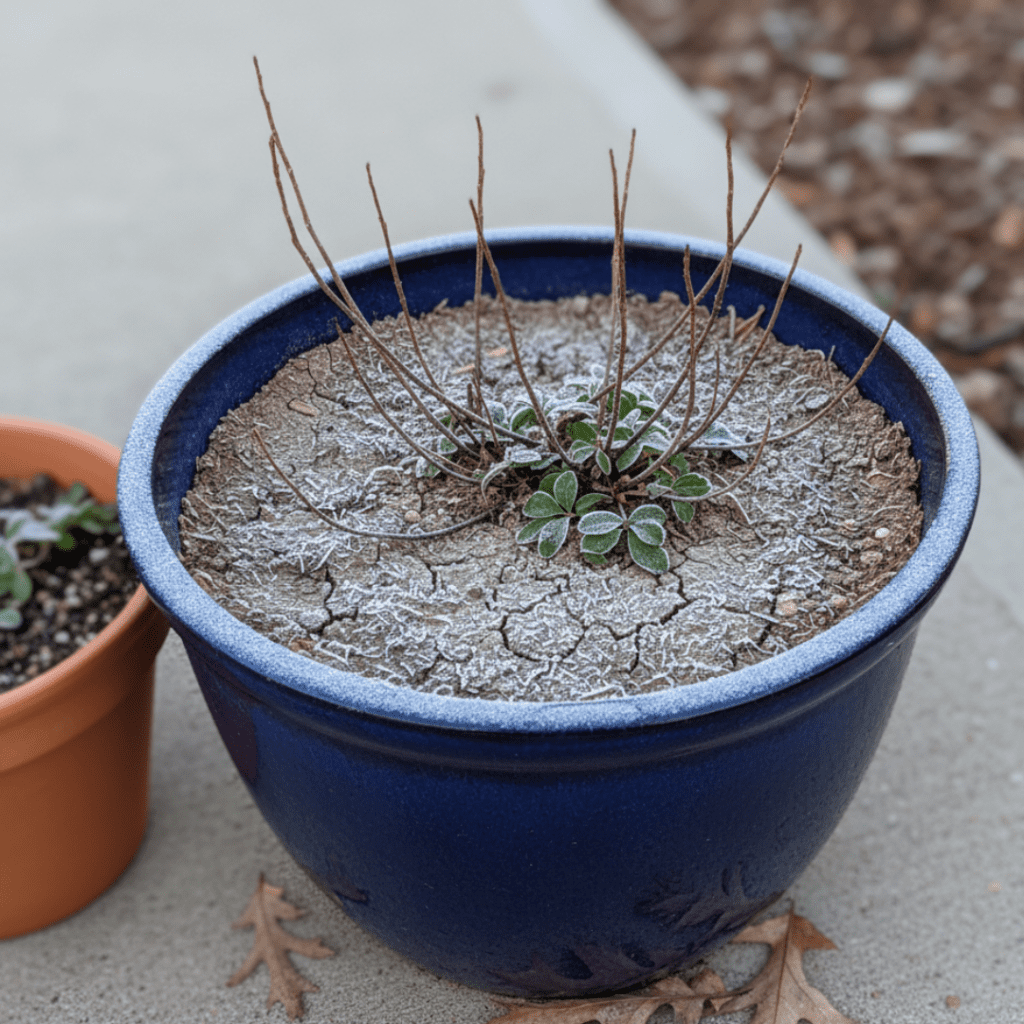


Here’s the thing most gardeners don’t realize until they’ve killed a few perfectly hardy perennials in pots: container roots freeze differently than roots in the ground. In your garden bed, the earth acts as a massive insulator. In a container, roots are exposed to cold air on all sides, and temperatures inside the pot can drop far below what the surrounding ground would ever reach. The widely accepted rule of thumb is to choose plants rated at least two hardiness zones colder than yours. Since zone 7 winters can dip to 0–10°F, you want plants comfortable in zone 5 or colder to have a reliable buffer. I’ve pushed those limits more times than I can count, and some plants surprised me while others disappointed, but sticking to that two-zone cushion is the safest starting point. The good news is that zone 7 is mild enough that you have a wonderful range of perennials, shrubs, and grasses that meet that threshold with room to spare.
The Core Four: Plants That Have Never Let Me Down
‘Golden Sword’ Yucca — The Backbone of Every Year-Round Pot
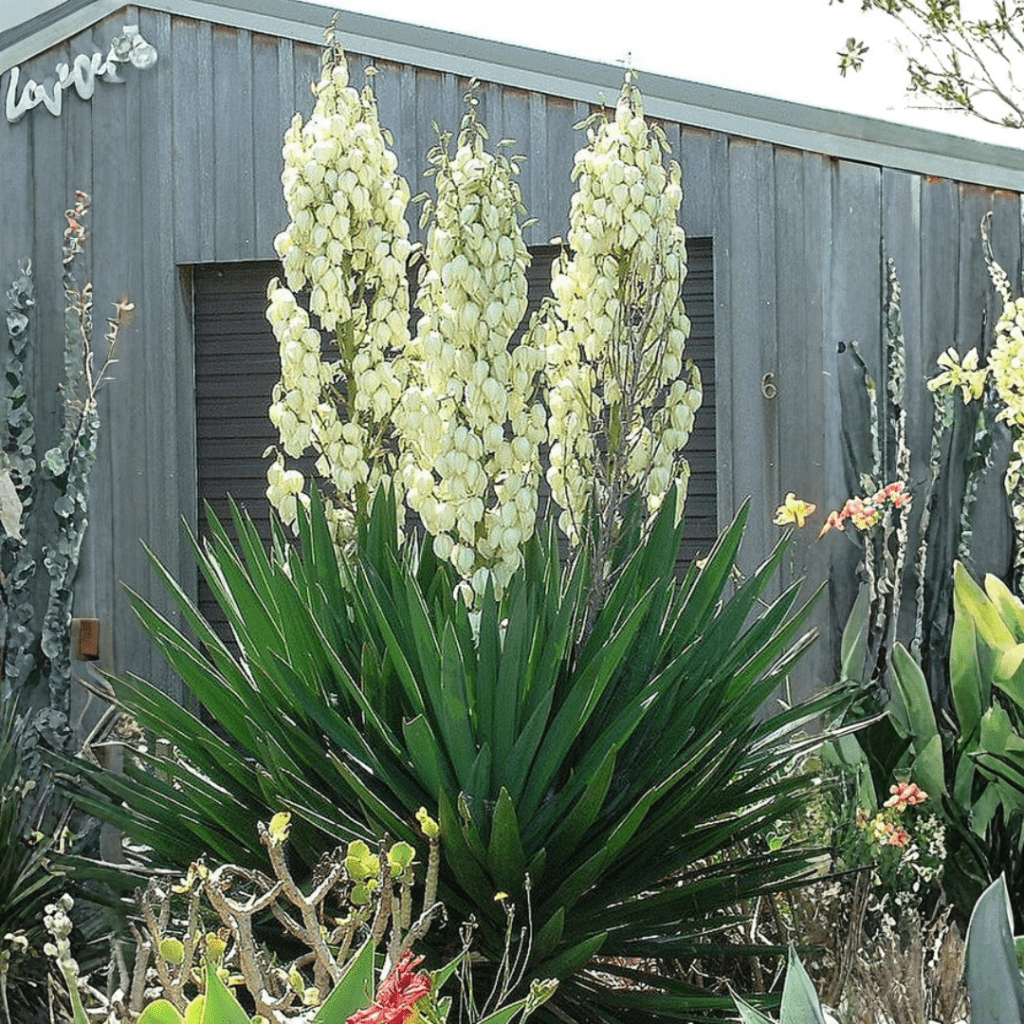
If I had to pick one single plant for a year-round container in zone 7, it would be ‘Golden Sword’ yucca (Yucca filamentosa ‘Golden Sword’) without a moment’s hesitation. I’ve had the same yucca in a 20-inch glazed pot on my front steps for over eight years now, and it looks better every season. The lemon-yellow center stripe on each sword-shaped leaf catches winter sunlight beautifully, and those leaves stay upright and bold even when everything else in the garden has gone dormant. It’s hardy all the way down to zone 4, which gives you an enormous margin of safety in zone 7. Yucca thrives on neglect in containers—it wants well-drained soil and doesn’t need much water at all during winter. In fact, overwatering is the fastest way to kill it. I use a mix of about two-thirds standard potting soil and one-third coarse perlite to keep drainage sharp. One thing to watch for: heavy, wet snow can splay the leaves apart. If you get a heavy storm, just brush the snow off gently and the leaves spring right back.
Bergenia — Bold Leaves That Blush in the Cold
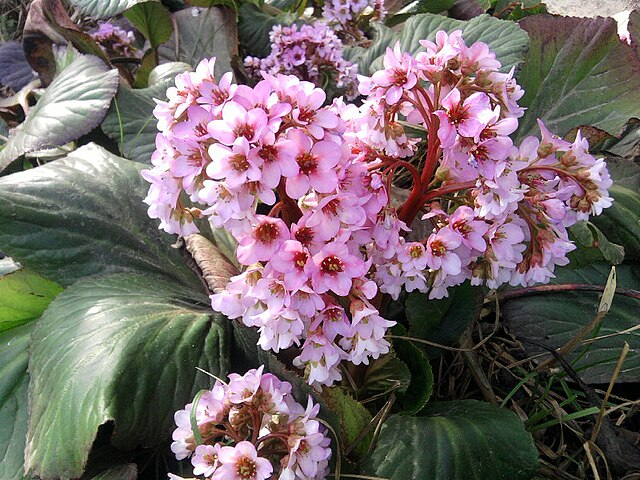
Bergenia (Bergenia cordifolia) is the unsung hero of container gardening, and I will sing its praises to anyone who listens. Those thick, glossy, rounded leaves grow anywhere from 6 to 8 inches wide, and they turn the most gorgeous shades of burgundy and plum when cold weather arrives. That fall and winter color alone earns it a permanent spot in my pots. Then in early spring, before most things have even thought about waking up, bergenia sends up 12- to 15-inch stalks of pink flowers that look almost like hyacinths. Hardy to zone 3, this plant laughs at zone 7 winters. I’ve actually found that bergenia performs better in my containers than in my garden beds, probably because pots provide the excellent drainage it craves. For containers, I recommend the variety ‘Bressingham Ruby’ for its especially vivid winter foliage, or ‘Flirt’ if you want a more compact plant with smaller, layered leaves. Give it a pot with at least a 12-inch diameter and 8–10 inches of depth, and it will reward you for years. Watch out for slugs in the warmer months—a ring of crushed eggshell around the base works just as well as anything I’ve bought at the garden center.
Redtwig and Yellowtwig Dogwood — Winter’s Show-Stoppers
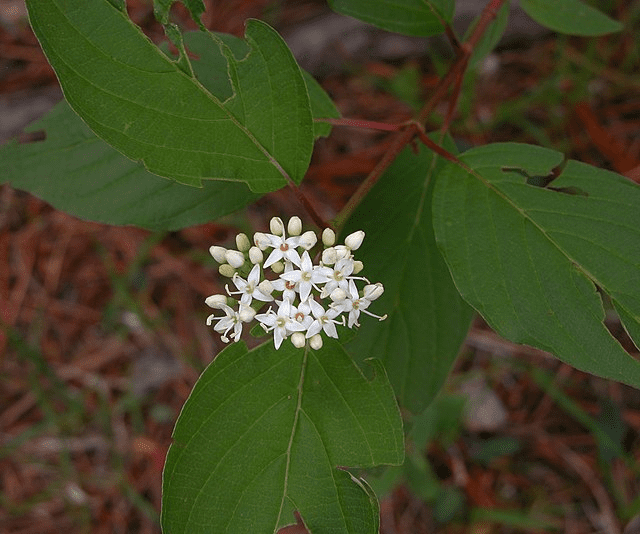
Nothing stops a neighbor in their tracks faster than a container glowing with bright red or golden-yellow stems in the middle of January. Variegated redtwig dogwood (Cornus alba ‘Elegantissima’) is my absolute favorite shrub for year-round container interest. In spring and summer, you get lovely green-and-white variegated leaves that look handsome paired with just about anything. When those leaves drop in autumn, the stems underneath reveal their brilliant crimson color, and suddenly your container is the most interesting thing on the block. Hardy to zone 2, this shrub could survive far worse than anything zone 7 throws at it. I pair mine with a yellowtwig dogwood (Cornus sericea ‘Flaviramea’) in a separate pot right next to it, and the red and gold together against a gray winter sky is absolutely stunning. The key to keeping these looking their best is annual pruning: in early spring, cut back about a third of the oldest stems right to the base. The youngest wood produces the most vivid color, and if you skip pruning, the stems eventually go dull and woody. In a container, these shrubs stay more compact than they would in the ground, but do give them at least an 18-inch pot. Watch for Japanese beetles in summer—they love dogwood leaves, and I hand-pick them into a bucket of soapy water every morning in July.
Coral Bells — Year-Round Foliage in Every Color Imaginable
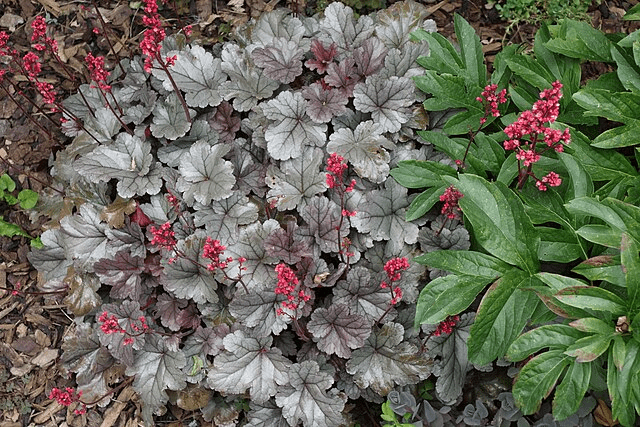
Heuchera, or coral bells, is one of those plants that makes you wonder why anyone bothers with annuals. The foliage comes in nearly every shade you can imagine—lime green, deep plum, silvery purple, caramel, chocolate brown—and in zone 7, many varieties hold their leaves right through winter as evergreens. I tuck coral bells around the base of my yucca and dogwood containers to fill out the bottom of the pot and add a rich layer of color at soil level. They have shallow roots, so they don’t need a deep pot, and they naturally mound into a tidy shape. The variety ‘Caramel’ is one of my go-to choices because its warm amber leaves pair beautifully with redtwig dogwood stems above. For a darker, more dramatic look, ‘Obsidian’ has leaves so deeply purple they’re nearly black. The one thing that kills coral bells faster than cold is soggy winter soil. I always use a soilless potting mix—peat moss, perlite, and pine bark—because it drains fast and doesn’t hold excessive moisture during the dormant months. Every three to four years, I pull them out, divide the clumps, discard the old woody center, and replant the fresh outer sections. Takes about ten minutes and keeps them vigorous for years to come.
More Reliable Picks to Round Out Your Four-Season Containers
Hellebores — Flowers When You Need Them Most
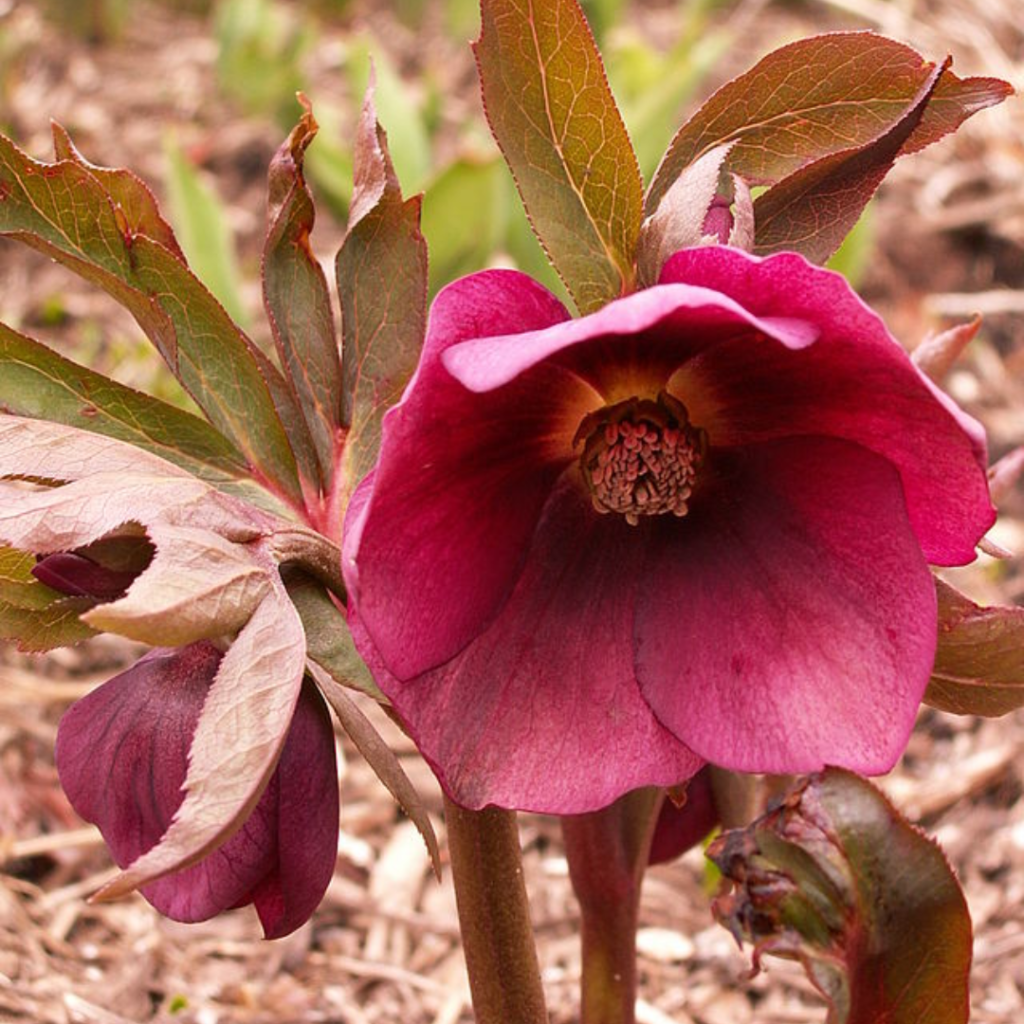
I can’t write about year-round containers without mentioning hellebores. The Lenten rose (Helleborus × hybridus) is one of the most rewarding plants I’ve ever grown in a pot, because it blooms when absolutely nothing else is flowering—often as early as February in zone 7, sometimes even late January if we get a mild spell. The rose-like flowers come in an incredible range of colors, from pure white through pink, plum, and deep maroon, and many are freckled or edged in contrasting shades. The foliage is handsome too, dark green and leathery, and it stays evergreen through all but the harshest winters. In containers, hellebores appreciate a sheltered spot—I keep mine against the south-facing wall of my house where they catch winter sun and stay out of drying winds. They want moist but well-drained soil with plenty of organic matter, and I refresh the potting soil every two years by knocking them out of the pot, shaking off the compacted mix, and replanting with fresh soil. One important note: hellebores are toxic to people and pets, so I keep mine on my front porch where the dogs don’t go.
‘Emerald’ Arborvitae and Boxwood — Evergreen Structure All Year
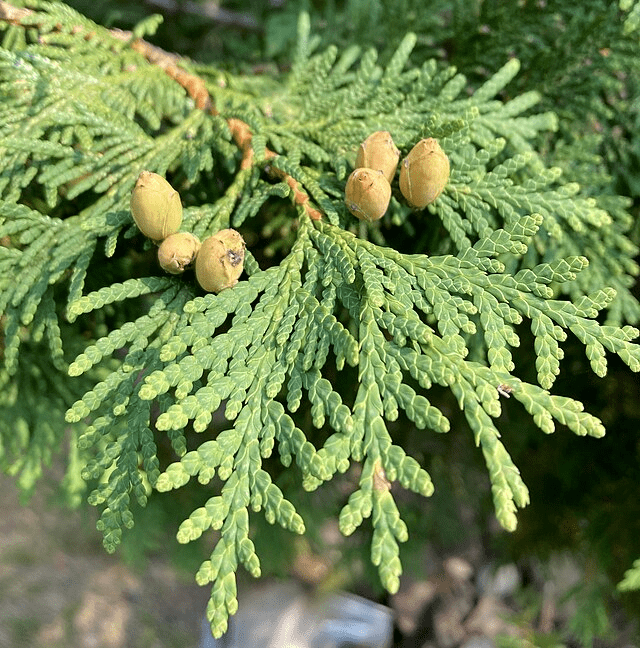
Every good container arrangement needs a vertical anchor, and that’s where a compact evergreen earns its keep. ‘Emerald’ arborvitae (Thuja occidentalis ‘Emerald’) is hardy to zone 2, holds its rich green color all winter long without browning, and has a naturally narrow, upright habit that works perfectly as the “thriller” in a mixed pot. In the ground, it can reach 15 feet, but a container keeps it well under control—mine has been in the same large pot for six years and is only about 4 feet tall. I position it in full sun to light shade and it never complains. ‘Green Mountain’ boxwood (Buxus ‘Green Mountain’) is another reliable option, hardy to zone 4, with a natural pyramidal shape and glossy dark leaves that look polished year-round. The only caution with boxwood in containers is to keep it out of harsh winter wind and rotate the pot now and then so all sides get even light, otherwise the windward face can develop a brownish-yellow tinge called winter burn. Both of these shrubs pair beautifully with bergenia or coral bells at their feet—the contrast between the upright evergreen form and the broad, colorful foliage below gives you a container that looks intentional and beautiful in every season.
Carex Grasses — Soft Texture That Sways Through Winter
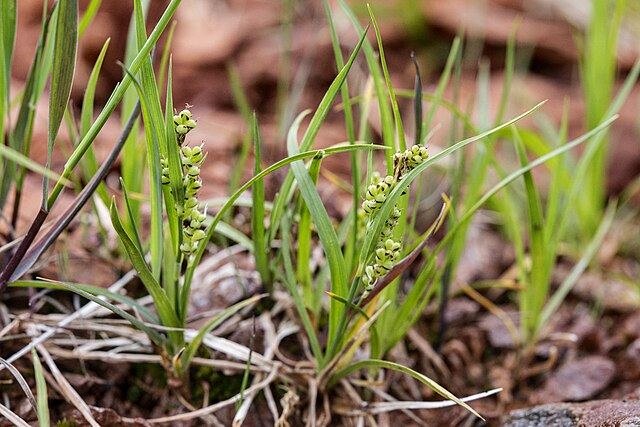
I’ve come to love ornamental sedges in my containers the way I love a good supporting actor in a movie—they don’t steal the spotlight, but the whole arrangement would fall flat without them. Carex ‘Red Rooster’ is my favorite for winter pots because it keeps its coppery, arching foliage through the cold months and adds a graceful, flowing texture that softens all those bold leaves and stiff stems around it. It’s compact enough for containers and hardy enough for zone 7 with room to spare. For shadier spots, ‘Ice Dance’ Japanese sedge (Carex morrowii ‘Ice Dance’) offers crisp green-and-white variegated blades that stay evergreen through winter and are hardy to zone 5. I tuck sedges in around the middle layer of a mixed container—between the tall anchor plant and the low groundcover—and they knit everything together. The one trick I’ve learned with grasses in containers is to avoid letting the potting mix stay waterlogged over winter. Soggy crowns rot, and that’s the number one killer. I elevate my pots slightly on pot feet or small bricks so water drains freely out the bottom, even during weeks of winter rain.
How to Keep Your Year-Round Containers Thriving
Container Selection and Winter-Proofing
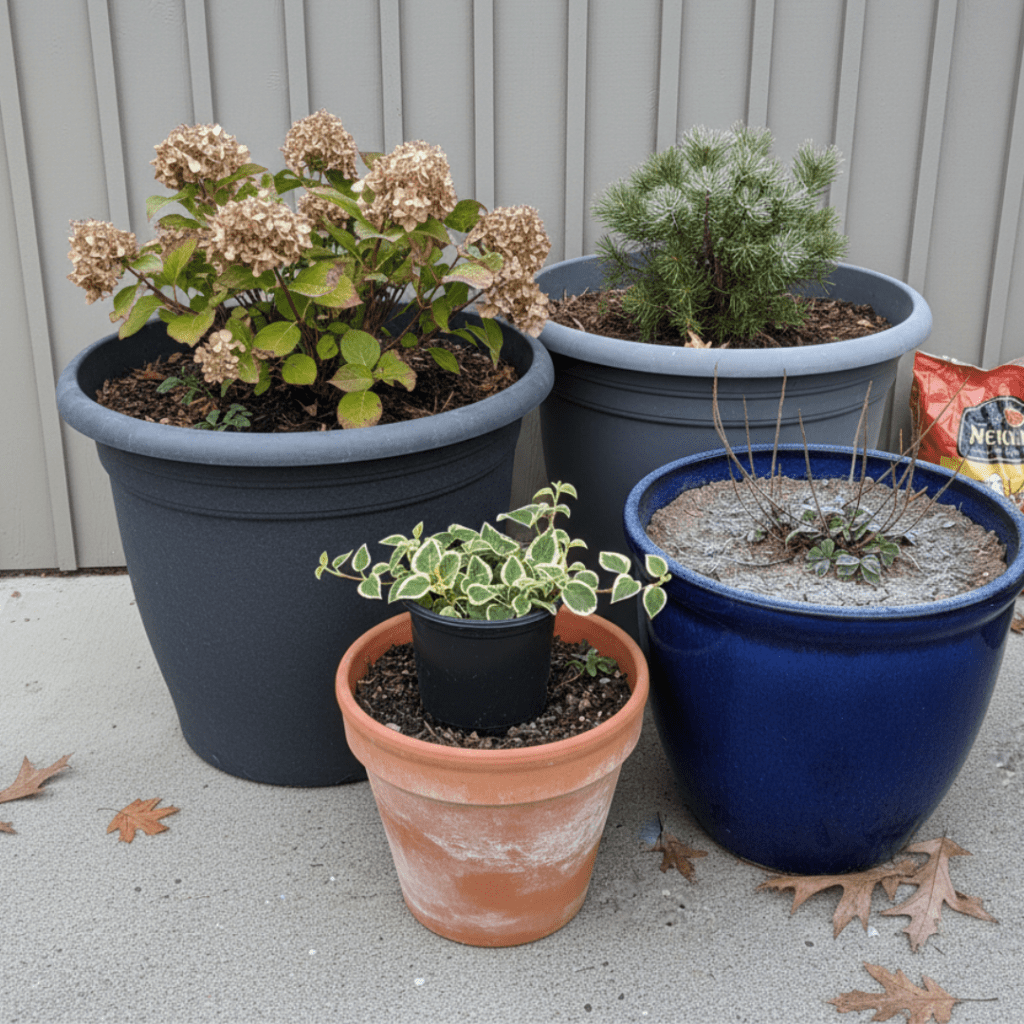
Choosing the right pot matters just as much as choosing the right plant. I’ve lost more containers to freeze-thaw cracking than I’ve lost plants to cold, and that’s saying something. For year-round outdoor use in zone 7, I stick with fiberglass, thick-walled resin, or high-quality glazed ceramic rated for freezing temperatures. Standard terracotta will crack—I learned that the hard way in my first winter. If you already have a beautiful ceramic pot that you’re not sure about, try the pot-in-pot approach: plant everything in a plastic nursery container and drop it inside the decorative pot, then fill the gap between them with small bark nuggets. The bark insulates the inner pot, and if the outer pot does crack, your plant is safe inside the nursery pot. Whatever you choose, the pot should be at least 14 inches in diameter, and bigger is genuinely better—more soil means more insulation for roots. I also group my containers together in winter, tucking the less hardy plants in the center of the cluster and the toughest ones on the outside, which gives them all extra protection from wind and cold.
Soil, Water, and Feeding Through the Seasons
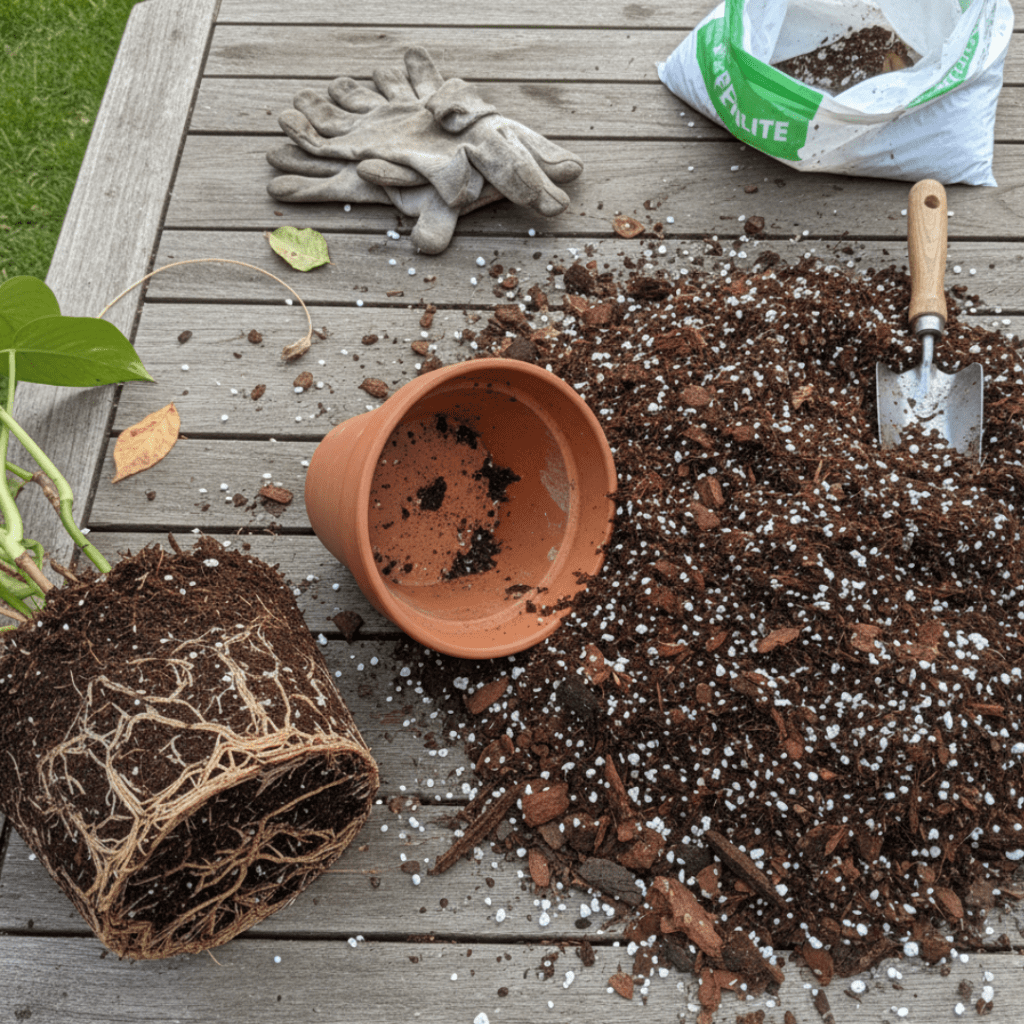
Always use a soilless potting mix for year-round containers—never fill them with garden soil, no matter how good your garden soil is. Garden soil compacts terribly in pots, drains poorly, and suffocates roots over time. My go-to mix is roughly equal parts peat moss, perlite, and aged pine bark, which gives you moisture retention, drainage, and aeration all at once. In spring and summer, I apply a balanced slow-release granular fertilizer once at the beginning of the growing season, and I supplement with a liquid fertilizer about once a month through July. After August, I stop feeding entirely—you don’t want to push tender new growth right before winter. Watering in winter is the part that trips up the most people. Your plants are dormant or semi-dormant, but they’re not dead, and the potting mix can dry out completely during cold, windy spells. I check my pots every week or two through winter, and if the top couple of inches feel bone dry, I give them a modest drink on a day when temperatures are above freezing. It doesn’t take much—just enough to keep the roots from completely desiccating. In late fall, after the first hard frost, I add about 2–3 inches of shredded leaf mulch on top of the soil in each pot to insulate the root zone. It breaks down by spring and adds a bit of organic matter back into the mix.
Putting It All Together: My Favorite Combination
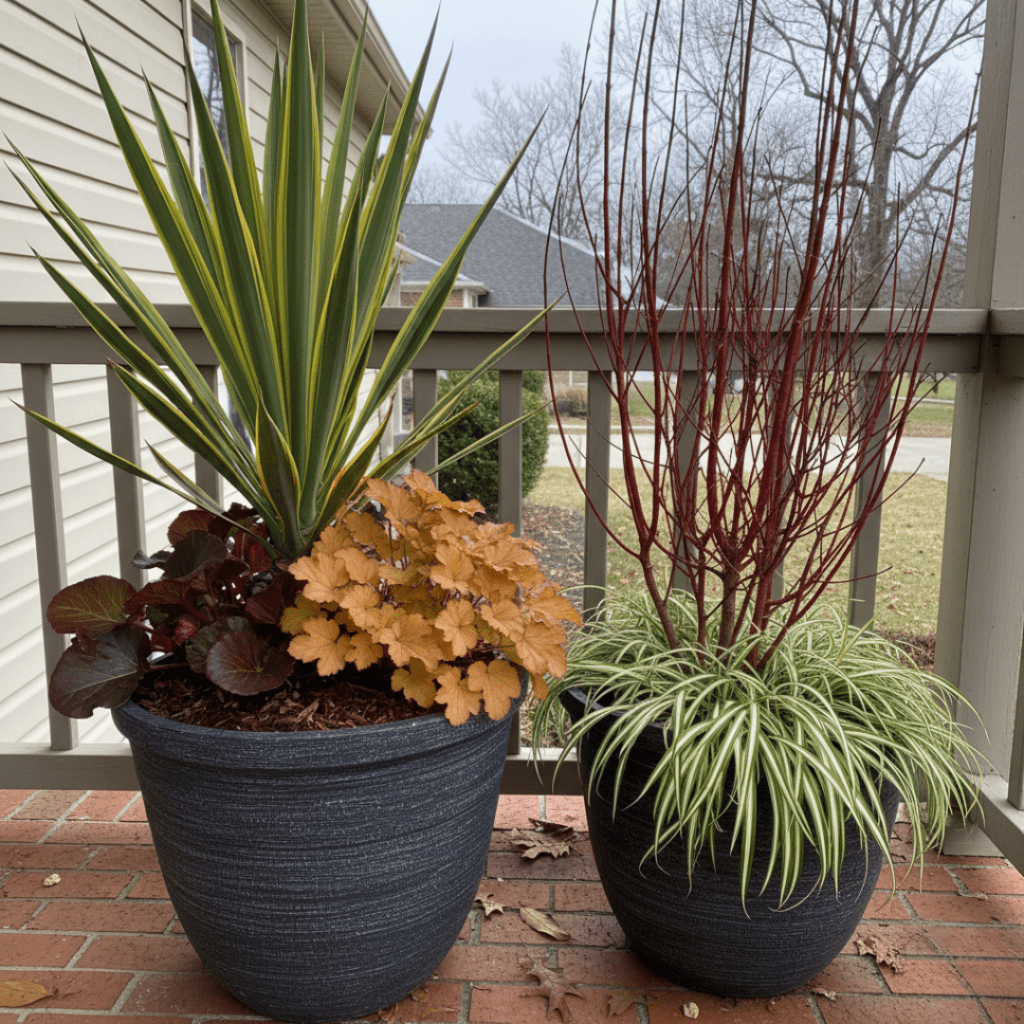
After years of experimenting, one container combination has become my signature, and I get asked about it constantly. In a large 22-inch fiberglass pot, I plant a ‘Golden Sword’ yucca in the center for height and year-round structure. Around its base on one side, I tuck a ‘Bressingham Ruby’ bergenia, and on the other side, a ‘Caramel’ heuchera. In a companion pot right beside it, I plant a variegated redtwig dogwood with an ‘Ice Dance’ sedge at its feet. In winter, the combination is extraordinary—the yucca’s yellow swords, the bergenia’s burgundy leaves, the dogwood’s blazing red stems, and the sedge’s crisp variegation all playing off one another against a backdrop of bare trees and gray sky. Come spring, the bergenia sends up its pink flower stalks, and by summer the dogwood’s white-and-green leaves take over the show. It’s a different arrangement in every season, but it always looks intentional, and I haven’t replanted that combination in four years. That’s the beauty of choosing plants that truly come back—your containers just keep getting better.
Quick-Fire FAQ
Q: Do I need to bring my containers inside for winter in zone 7?
A: Not if you’ve chosen plants hardy to at least zone 5 and used a freeze-proof container. Grouping pots together against a house wall and mulching the soil surface provides plenty of protection for zone 7 winters.
Q: How often should I replace the potting soil in year-round containers?
A: I refresh the potting mix every two to three years by knocking the plants out, shaking off the old soil, and replanting with fresh soilless mix. In between, a spring top-dressing of compost keeps nutrients available.
Q: Can I mix annuals into my year-round containers during summer?
A: Absolutely, and I encourage it. I tuck trailing annuals like sweet potato vine or calibrachoa around the edges in May, then pull them out after the first frost. The permanent plants carry the pot through winter without missing a beat.
Q: What’s the biggest mistake people make with year-round container plants?
A: Overwatering in winter, hands down. Dormant roots sitting in cold, soggy soil will rot before the cold ever gets a chance to hurt them. Let the mix dry out between waterings and make sure your pots drain freely.
— Grandma Maggie