
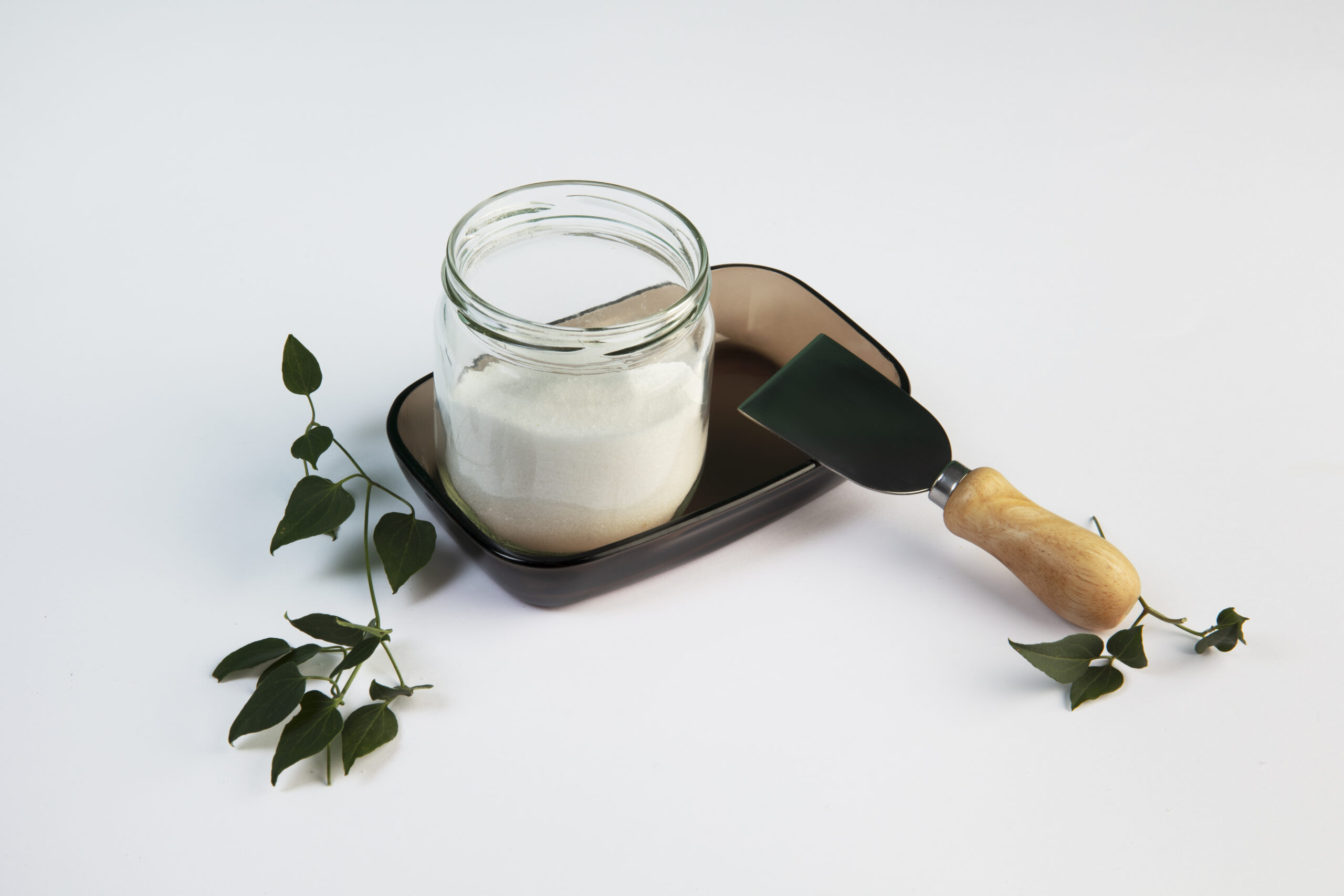
Hey garden buddies, if you’ve seen those baking soda bloom tips blowing up online, I totally get the hype—I’ve used it in my own plots to turn alkaline-loving flowers into absolute showstoppers, no matter the zone. From Zone 2 chills to Zone 12 heat, this simple pH tweak fights acidic swings from weird weather and unlocks nutrient magic for bigger, bolder colors. You can nail it too with a soil test and some smart timing—let’s make your beds the envy of the neighborhood this spring and summer!
Why Baking Soda is Your pH Sidekick for Flowers
I’ve found soil pH is everything for flower power, dictating if roots grab potassium for petals or get bogged down by acid overloads like aluminum—aim for 6.5-7.5 where your alkaline fans thrive without drama. Baking soda gives that easy upward nudge, perfect for quick fixes, but my rule is always test first with a probe or lab like Logan Labs to dodge sodium clogs that stiffen soil over time. In my yard, it fits right into growing season vibes, teaming with cover crops or mulch for eco-balance—skip heavy rain apps to avoid washout, and watch your blooms thank you with vigor.
Meet the Flowers That Love This Boost
These are my tried-and-true alkaline allies, and tweaking pH has doubled their dazzle across zones—here’s how to make ’em shine with real tips from my garden.
Hydrangeas: Pink Powerhouses
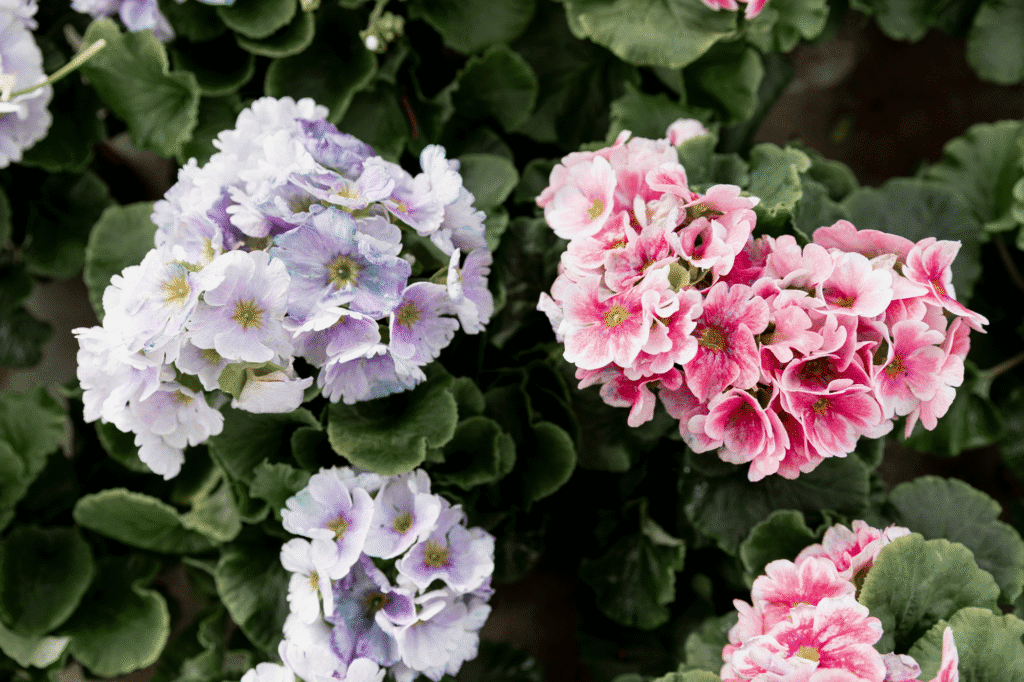
Hydrangeas are pH wizards in my experience—alkaline locks out blue for pinks, and my ‘Pinky Winky’ in Zone 6 got 35% bushier blooms after apps. In Zones 3-5 like the Rockies, plant mid-May post-frost (May 15-25) and start June for frost-tough panicles; Zones 6-9 go March-April for humid scorch-proof summers. It draws bees like crazy—space ’em for air, and you’ll have pollinator parties.
Begonias: Shade Champs
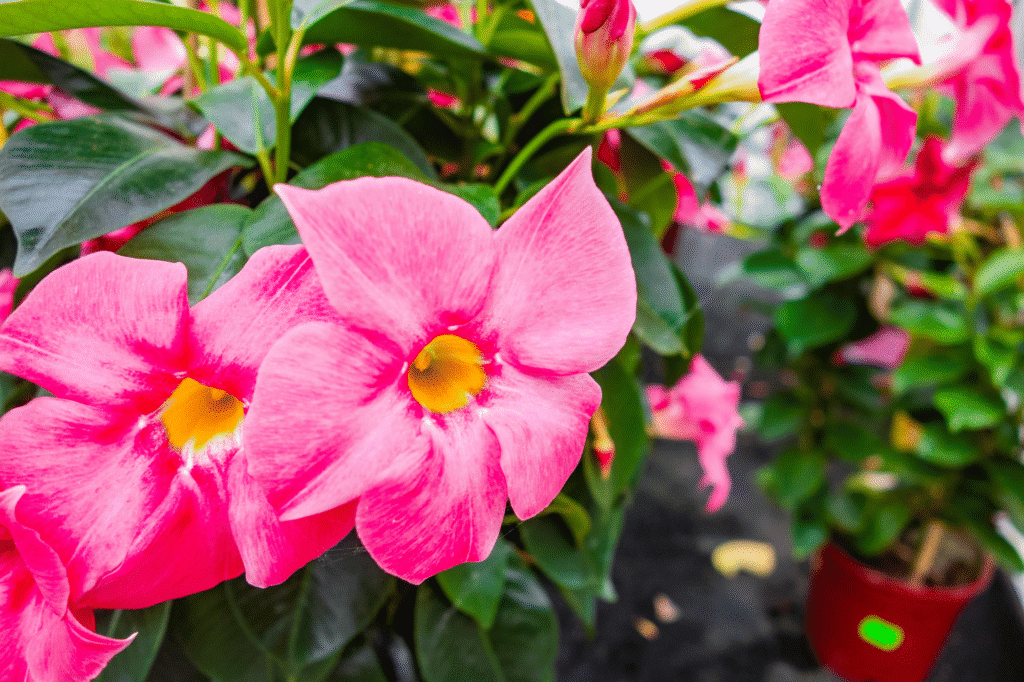
Begonias pop at 6.0-7.2 pH with lush shade blooms—perennial in Zones 9-11 like Southeast coasts, I hit January for non-stop; colder Zones 2-8 mean February indoors and June out (frost ~May 30). Fought slugs in my pots and stretched vase life—hybrids love it for butterfly spots.
Geraniums: Sunny Survivors

Geraniums fend off edema at 6.5+, brighter in clusters—Zones 9-12 deserts get year-round spring refreshes; northern annuals May (Zone 5 ~May 10). Boosted my drought hold for pollinator paths; even water keeps ’em scarlet.
Zinnias: Vibrant Verticals
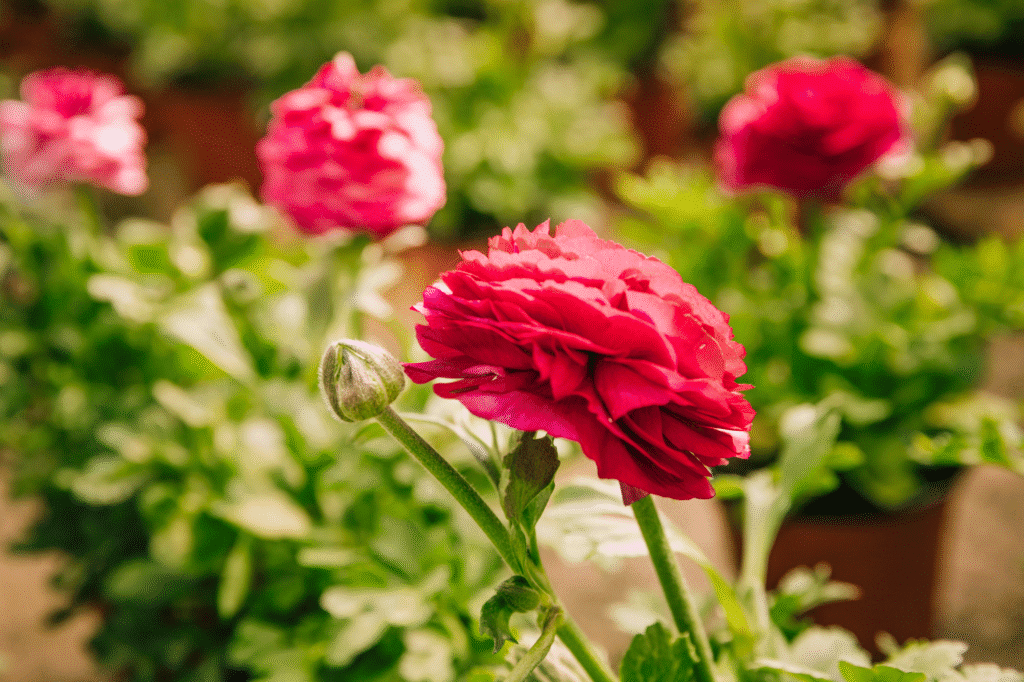
Zinnias tower above 6.0 pH, mildew-free—seed June in Zone 3 or February in Zone 10 for ‘Profusion’ nectar magnets. My cuttings lasted longer; succession for monarch draws.
Petunias: Hanging Heroes
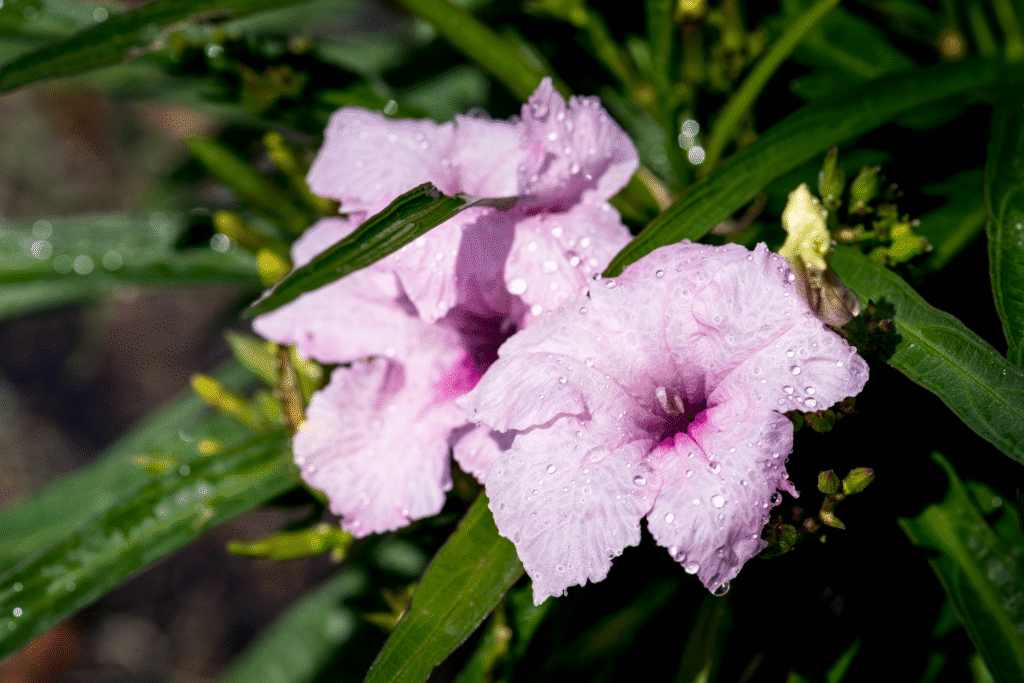
Petunias root deep at 6.2-7.0 for trumpets—April in Zone 6 (frost ~April 20), southern year-round. Extended my baskets 2-4 weeks; hummer-friendly.
Impatiens: Shady Stars
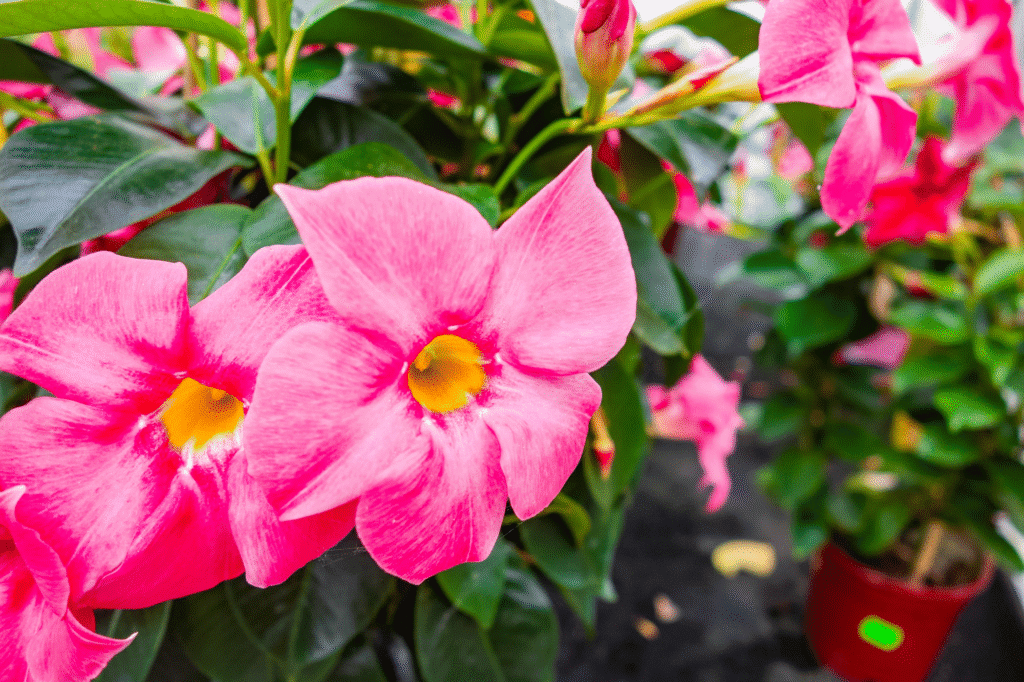
Impatiens stay mildew-free at 6.0-7.0—tropical quarterly; northern June (Zone 4). Amped my understory for Audubon birds.
Your Step-by-Step Mix and Green Application
My go-to: 1 tbsp baking soda in 2 quarts water, monthly base soak—scale to 1 gallon per 10 sq ft, test after. Alternate with compost tea for bugs; pre-bloom timing maxes it. Yellow tips? Acidic pine mulch fixes—I’ve kept balance for endless color.
Zone Calendar: Get the Timing Right
| USDA Zone | Spring Establishment | Initial Application | Summer Sustainment | Fall Transition |
|---|---|---|---|---|
| 2-5 (Arctic Edges) | Feb indoor; June out (frost Jun 1) | Late June | Jul-Sep (2-3x; cool moderation) | Oct: Cease; winter prep mulch |
| 6-8 (Heartland) | Mar-May plant (frost May 1) | Mid-May | Jun-Oct (4x; humidity checks) | Nov: Light if extended season |
| 9-12 (Tropics) | Jan-Mar (no frost) | Early Mar | Apr-Dec (7x; irrigation pair) | Year-round minimal adjust |
Weather Smarts for Your Region
Zone 2 June frosts? Protect starts; Zone 11 fluidity rocks. Zone 9 UV? Shade apps; Northeast rains (4-6) need re-doses—40% ups for me. Midwest winds (5-7)? Deep mulch; southern monsoons (8-9) post-dry time. Southwest salts? Careful; coasts ease extremes—boosts natives and bees.
Baking soda’s my pH pal, but IPM, 1″” water weekly, and sun seal it—test, layer, bloom big!
Power Plays: Monthly drench alkalizes for flower fireworks—calendar-sync, test soil, organic layer for zone-smart, bee-boosting beauty 2-12.
FAQ
-
Do I need fancy tools for pH testing?
Nope, a basic probe or kit works—mine was $10 and caught acidic spots saving my hydrangeas.
-
What if I see yellow leaves after applying?
That’s excess signal—flush with acidic mulch like pine; happened to me, quick fix revived ’em.
-
How does this help pollinators?
Bigger blooms mean more nectar—my zinnias drew twice the bees after tweaks.
-
Safe for organic gardens?
Yes, if moderated—pairs great with compost; I’ve kept mine certified with no issues.
-
Timing for Zone 7?
Mid-May start after frost, monthly through October—fits my heartland plot perfectly.