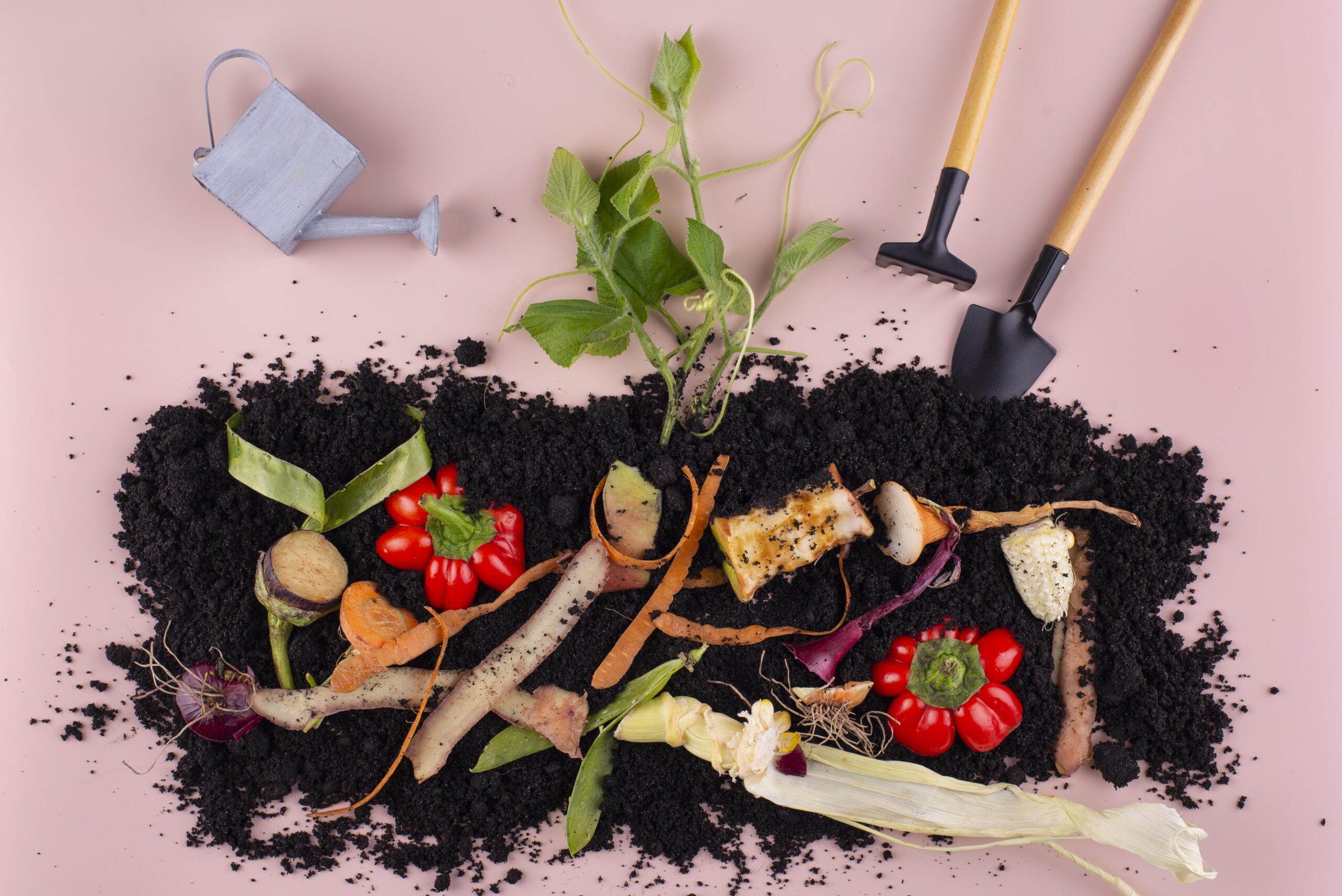
After fifty-some years of turning compost piles and amending garden beds, I can tell you with absolute certainty: the difference between decent soil and extraordinary soil comes down to one thing—feeding it properly. Chemical fertilizers might give you a quick green-up, but they’re like feeding your garden candy for breakfast. What plants really crave is the slow, steady nutrition that comes from compost and natural amendments. Let me show you how to build soil so rich and alive that your plants practically grow themselves.
Why Natural Feeding Beats Synthetic Every Time


Synthetic fertilizers deliver nutrients in concentrated chemical forms that plants absorb quickly but don’t sustain. They do nothing for soil structure, kill beneficial microbes, and can burn roots if over-applied. Worse, they leach away with rain and create dependency—the more you use them, the more depleted your soil becomes.
Natural fertilizers and compost work differently. They feed soil organisms first, which then feed your plants. This creates a living system where nutrients release slowly over months, not days. The result is steady growth without the feast-or-famine cycle of synthetic feeding.
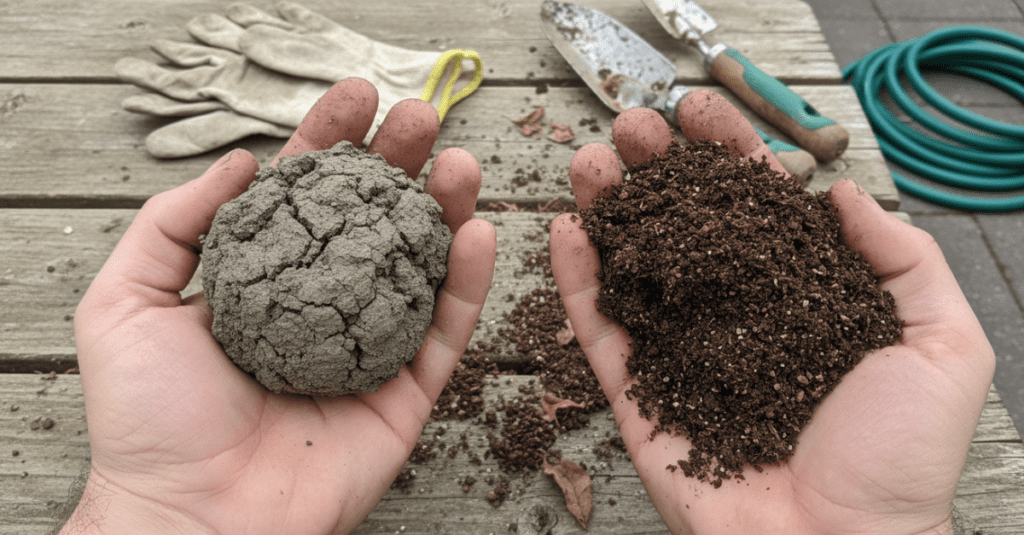
Good compost also transforms soil texture. Clay becomes looser and easier to work. Sand holds moisture and nutrients better. Any soil improves its drainage, water retention, and ability to support roots. I’ve watched rock-hard clay turn into friable loam in three seasons of regular composting. That’s transformation you can feel in your hands.
Building a Compost Pile That Actually Works
Too many gardeners give up on composting because their pile sits cold and smelly for months. The secret is balance—getting the right mix of materials in the right proportions.
Think in terms of browns and greens. Browns are carbon-rich materials like dried leaves, straw, shredded paper, and cardboard. Greens are nitrogen-rich materials like fresh grass clippings, vegetable scraps, coffee grounds, and green plant trimmings. The magic ratio is roughly three parts brown to one part green by volume.
Layer these materials like lasagna. Start with six inches of browns, add two inches of greens, then repeat. Every few layers, add a shovelful of finished compost or garden soil to introduce decomposer organisms. Water each layer until it’s damp as a wrung-out sponge—too dry and decomposition stalls, too wet and you get slime.
A pile needs to be at least three feet wide and three feet tall to heat properly. Smaller piles work but decompose more slowly. I keep three bins going—one actively filling, one cooking, and one finished and ready to use. This rotation means I always have compost available.
Turn the pile every two to three weeks with a pitchfork, moving outer material to the center where it’s hottest. A properly balanced pile heats to 130-150 degrees in the center within days and breaks down into finished compost in two to four months during warm weather. In winter, decomposition slows but continues.
What Goes In Your Compost Bin
Always compost: Vegetable and fruit scraps, coffee grounds and filters, tea bags, crushed eggshells, grass clippings, plant trimmings, leaves, straw, shredded paper and cardboard, wood ash in small amounts.
Never compost: Meat, fish, bones, dairy products, oils and fats, pet waste, diseased plants, weeds with seed heads, treated wood products, glossy or colored paper.
Compost with caution: Citrus peels and onions slow decomposition but work in small amounts. Grass clippings from herbicide-treated lawns can harm plants—let them break down for an extra season or skip them entirely.
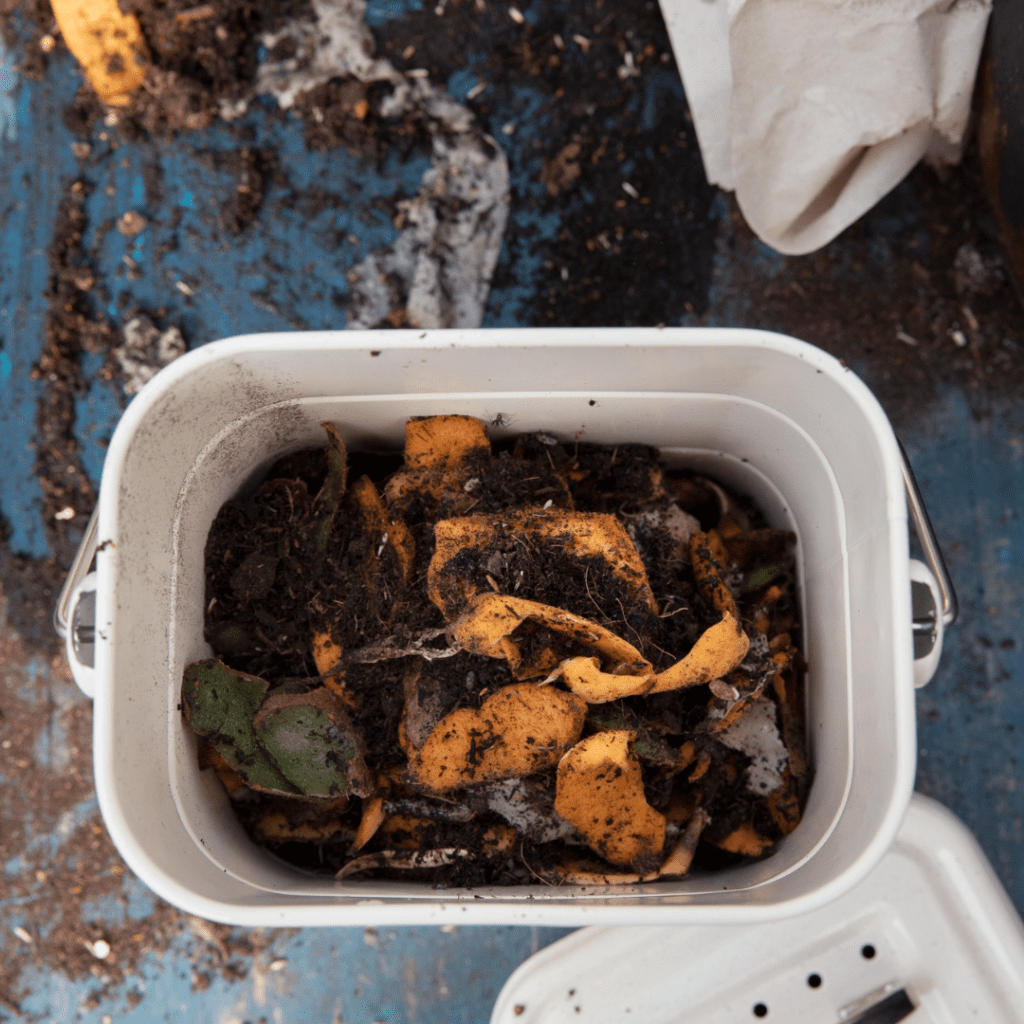
I keep a stainless steel container with a lid on my kitchen counter for scraps. It gets emptied into the compost bin every day or two. No smell, no mess, and my garden gets fed from what would otherwise go to the landfill.
Troubleshooting Common Compost Problems
Pile smells like ammonia: Too much green material. Add browns and turn thoroughly to incorporate air.
Pile smells rotten: Too wet or too compacted. Add dry browns and turn to aerate.
Pile won’t heat up: Too small, too dry, or not enough green material. Rebuild larger, add moisture and nitrogen-rich materials, then turn.
Pile attracts pests: Food scraps too close to surface or meat/dairy included. Bury kitchen scraps in the center, never add animal products.
Decomposition too slow: Materials too large, pile too dry, or ratio off. Chop materials smaller, check moisture, adjust brown-to-green ratio.
Using Finished Compost in Your Garden
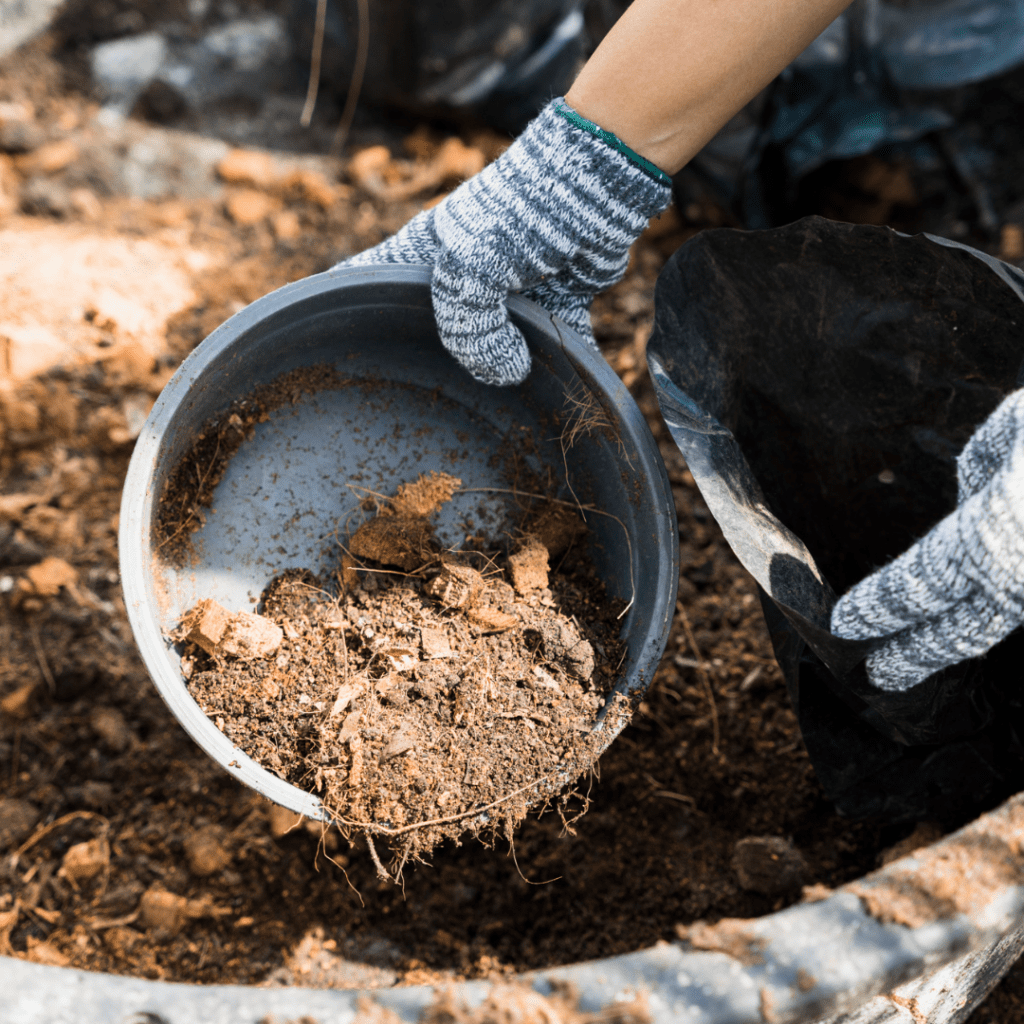
Finished compost is dark, crumbly, and smells like forest floor. You shouldn’t be able to identify original materials except maybe the occasional twig or eggshell. This is black gold, and every square foot of garden benefits from it.
For vegetable beds, spread one to three inches over the surface each spring and work it into the top six inches of soil. For established perennial beds, use it as topdressing around plants without digging it in—earthworms will do that work for you.
When planting, add a generous handful to each hole and mix with native soil. Transplants settle in faster and grow more vigorously. I use pure compost for starting seeds in flats—it’s gentle, disease-suppressive, and nutrient-rich.
Compost tea extends your compost’s reach. Fill a five-gallon bucket halfway with finished compost, add water to fill, and let steep for three to five days, stirring daily. Strain and dilute this concentrate to the color of weak tea, then water plants or spray leaves. It’s a liquid fertilizer packed with beneficial microbes.
Natural Fertilizers Beyond Compost
Compost is foundation, but specific amendments address particular needs. Here’s what I keep on hand and when I use each one.
Blood meal delivers fast-acting nitrogen for leafy greens and nitrogen-hungry crops like corn and squash. Work one to two tablespoons per square foot into soil before planting, or side-dress growing plants with one tablespoon per plant monthly. The smell is strong but fades quickly.
Bone meal provides phosphorus for strong root development and flowering. Mix two to three tablespoons into each transplant hole for tomatoes, peppers, and flowering plants. It works slowly, so apply at planting rather than as quick fix.
Kelp meal supplies trace minerals and growth hormones that improve plant vigor and stress resistance. Use one to two tablespoons per square foot worked into soil, or brew kelp tea by steeping one-quarter cup in five gallons of water overnight.
Greensand adds potassium and iron slowly over several seasons. Work one to two pounds per 100 square feet into beds in fall—it needs time to break down. Perfect for potassium-loving crops like tomatoes, potatoes, and beans.
Alfalfa meal contains nitrogen and a natural growth stimulant that roses especially love. Work one-quarter cup around each rose bush monthly during the growing season, or use it in vegetable beds at two to three pounds per 100 square feet.
Rock phosphate provides long-lasting phosphorus. Apply in fall at five pounds per 100 square feet for root crops and flowering plants. One application lasts several years.
Worm castings are mild enough for seedlings yet rich enough for heavy feeders. Mix into potting soil, use as side-dressing, or brew into tea. This is the gentlest natural fertilizer—you can’t overdo it.
Seasonal Feeding Schedule I Follow
Early spring: Spread compost over all beds before planting. Work in amendments based on what you’ll grow—bone meal for tomatoes, blood meal for greens, balanced organic fertilizer for mixed beds.
Planting time: Add compost and specific amendments to each planting hole. Water with diluted fish emulsion to reduce transplant shock.
Early summer: Side-dress heavy feeders like tomatoes, squash, and corn with compost or balanced organic fertilizer. Apply liquid feeds to containers every two weeks.
Midsummer: Another round of compost tea or fish emulsion for everything. Add extra nitrogen to leafy crops if they’re yellowing.
Late summer: Stop feeding most crops to let them harden off before frost. Continue feeding long-season crops like tomatoes and peppers.
Fall: After harvest, spread compost, add rock phosphate and greensand, then plant cover crops or mulch heavily. This feeds soil organisms through winter.
Cover Crops as Living Fertilizer
When beds stand empty, I plant cover crops instead of letting weeds move in. These living mulches prevent erosion, suppress weeds, and add organic matter when turned under.
Legumes like clover, vetch, and field peas capture atmospheric nitrogen and deposit it in soil. I plant them in early fall after summer crops finish, let them grow until spring, then chop and turn them under two weeks before planting. Free nitrogen fertilizer.
Grains like rye and oats create massive root systems that break up compacted soil and add huge amounts of organic matter. Plant in late fall, let grow through winter, then turn under in early spring. The soil underneath is loose, dark, and ready to plant.
Buckwheat grows fast in summer heat and attracts beneficial insects. I plant it in July after spring crops finish, let it flower for the pollinators, then turn it under before seed set. Sixty days later, that bed is ready for fall planting.
My Soil-Building Journey
When I started gardening on this property, a shovel bounced off the soil surface. Pickaxe-and-crowbar hard. The previous owners grew lawn and nothing else for forty years, compacting the clay with every mow.
I began with small beds, each one a project in soil transformation. Compost, amendments, patience. The first year, plants survived. The second year, they grew decently. By year three, I was harvesting abundantly. Now, thirty years on, I can push my whole hand into that same soil with ease. It’s dark, alive, productive—a complete transformation made possible by feeding the earth that feeds us.
That journey taught me the fundamental truth of gardening: take care of the soil, and the soil takes care of everything else. Plants, harvest, even the gardener herself.
Quick-Fire FAQ
Q: How long does it take to see results from composting?
A: First-year improvements are visible—better moisture retention, easier digging, healthier plants—but dramatic transformation takes three to five years of consistent compost application.
Q: Can I compost weeds?
A: Yes, but avoid weeds with seeds or those that spread from root pieces like bindweed or quackgrass; hot composting kills most weed seeds, but if your pile doesn’t heat properly, viable seeds survive.
Q: Is commercial compost as good as homemade?
A: Quality commercial compost works wonderfully and saves labor; look for products that list ingredients and are certified organic; avoid anything with chemical odors or that’s mostly wood chips.
Q: How do I know if my soil needs lime or sulfur?
A: Get a soil test—guessing is wasteful and can harm plants; most vegetables prefer pH 6.0 to 7.0, but some crops like blueberries need acidic soil around 4.5 to 5.5.
— Grandma Maggie