

If your plants could send a text, they’d say, “Thanks for the sunshine—now please serve nutrients.” The trick is matching the right natural amendment to the right crop, in the right dose. A quick pH peek and a light hand go a long way. Let’s keep it simple, science-backed, and friendly on the wallet.
Before you sprinkle: test and set up
- Do a quick soil test (pH at minimum) so you don’t overcorrect with wood ash or add acidity where it isn’t needed.
- Start low, go slow: Scratch light doses into the top inch and keep 2–3 inches away from stems.
- Water wisdom: Mulch 2–3 inches and water deeply but less often—most “deficiencies” look better with consistent moisture.
Coffee grounds — best for roses, blueberries, azaleas
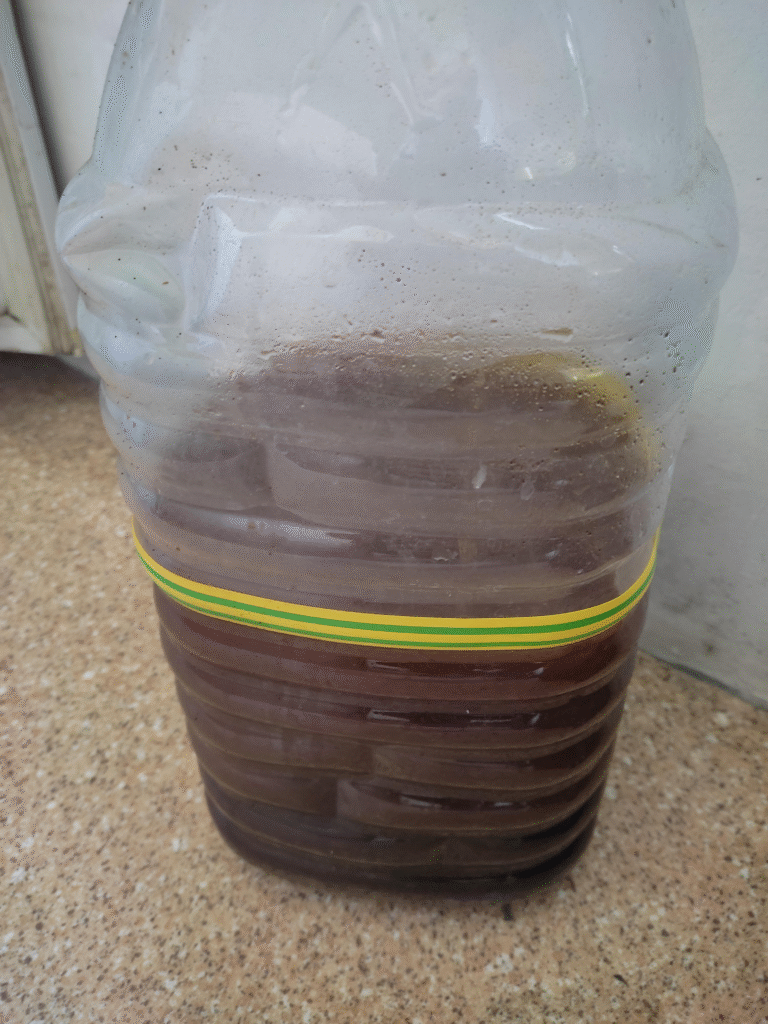
Used coffee grounds add gentle nitrogen and organic matter and can slightly nudge acidity without being harsh. Sprinkle a thin dusting under roses, or scratch a handful per square foot into beds for acid-leaning shrubs like blueberries and azaleas. In compost, keep grounds to about 10–20% by volume and balance with dry leaves or cardboard.
- Grandma tip: Never pile grounds thickly—they can mat, shed water, and temporarily tie up nitrogen. Light and blended is the sweet spot.
Crushed eggshells — best for tomatoes, peppers, zucchini
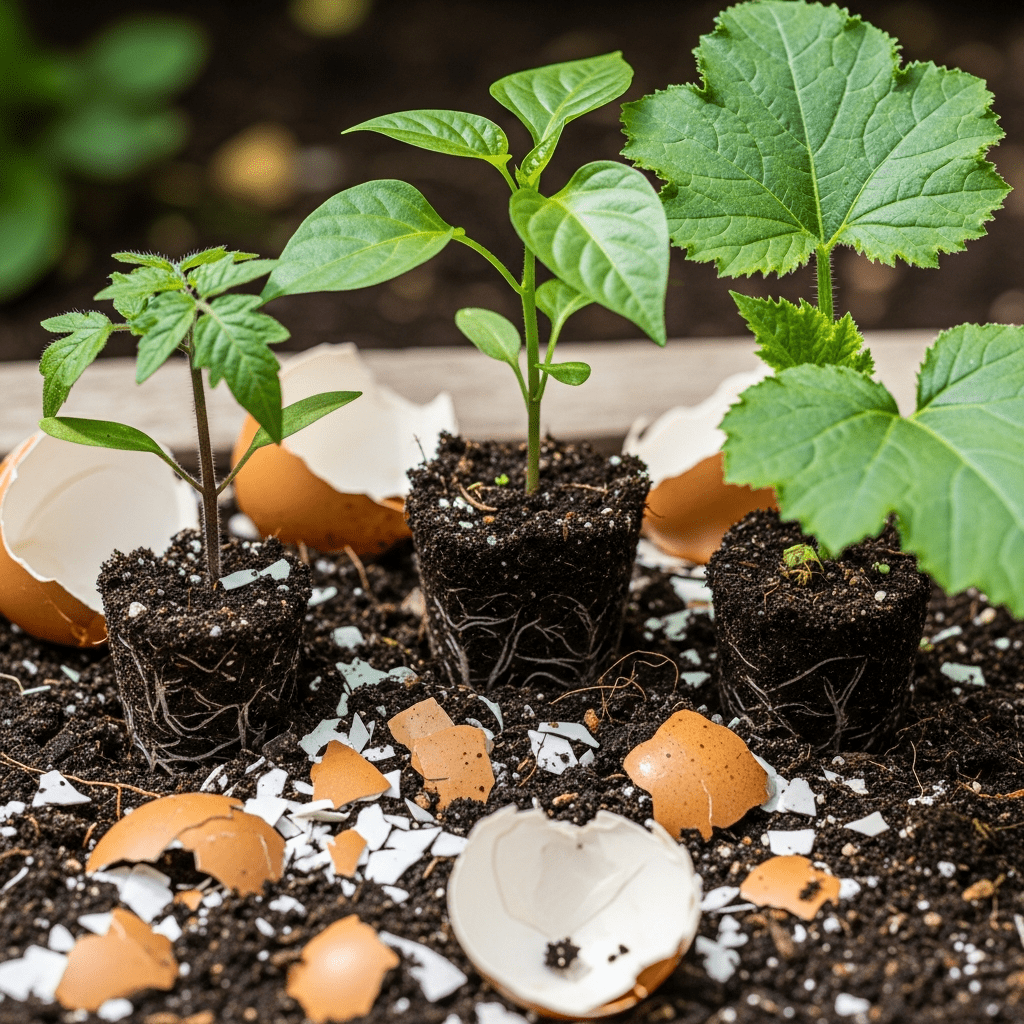
Eggshells are slow-release calcium. For real benefit, rinse, dry, and grind shells to flour-fine powder; mix a tablespoon or two into the planting hole or top-dress a few times each season. This supports long-term calcium availability, but blossom-end rot is usually about erratic watering, so keep moisture steady.
- Grandma tip: Pair shells with mulch and a balanced feed—shells alone aren’t a fast fix.
Diluted milk — best for squash, cucumbers, peas (mildew helper)

A 1:10 to 1:5 milk-to-water foliar spray can help with powdery mildew when used early and regularly. Spray on cool, overcast mornings to coat tops and bottoms of leaves; repeat every 7–14 days and after rain. Think of milk as supportive—not a primary fertilizer.
- Grandma tip: In hot sun, milk can scorch and smell. Keep it light, timely, and part of a bigger plan: airflow, spacing, and removing badly infected leaves.
Wood ash — best for carrots, broccoli, lavender
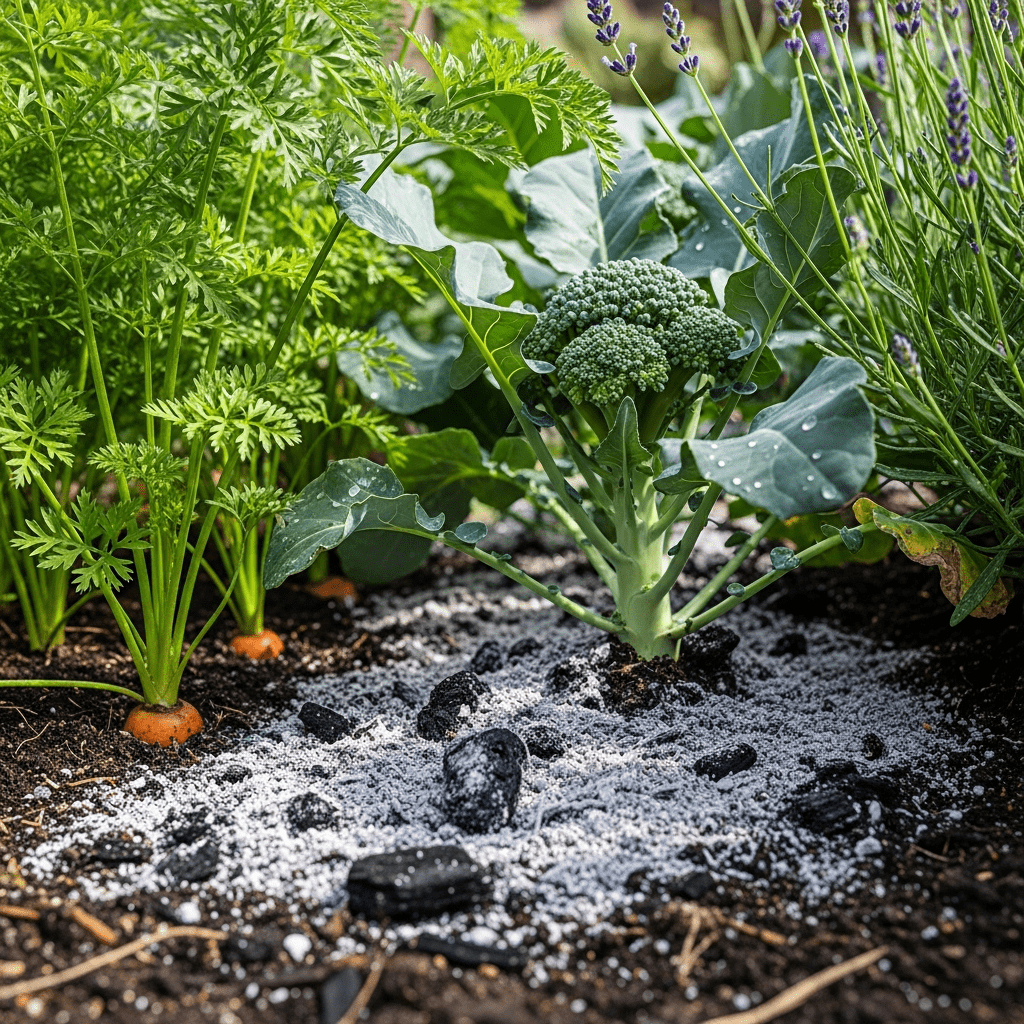
Clean wood ash (from untreated wood) gently raises pH and adds potassium and trace minerals—great for root crops, brassicas, and Mediterranean herbs that like neutral to alkaline soils. Apply lightly (about 1–2 cups per 100 sq ft), water in, and never mix with nitrogen fertilizers or fresh manure.
- Grandma tip: Test pH first and two weeks after a small trial. Skip ash for acid-lovers (blueberries, azaleas) and in naturally alkaline soils.
How to use these safely and effectively
- Right dose, right place: Scratch in lightly and keep away from stems to prevent burn.
- Timing: Grounds and eggshell powder at planting and midseason; milk sprays through mildew season; wood ash in fall or very early spring.
- Compost collaboration: Grounds as “greens” and eggshells for minerals in the same pile help keep nutrients balanced.
- Local climate matters: Rainy regions—mix grounds in to prevent crusting. Arid, alkaline areas—skip wood ash and focus on organic matter.
Common slip-ups (and Grandma’s fixes)
- Thick coffee layers: Thin and blend; add to compost instead if you’ve over-collected.
- Eggshell chunks: Grind shells to powder for meaningful results, and don’t rely on them alone for BER.
- Milky leaves in midday sun: Spray early on cool, overcast mornings; rinse sprayer promptly to prevent souring.
- Ash overload: Measure! A light hand avoids pH spikes and salt stress. Test before and after.
Quick-Fire FAQ
-
Q: Do coffee grounds make soil very acidic?
A: Used grounds are near neutral to slightly acidic. They shine as light top-dressings or compost “greens,” not as thick mulch.
-
Q: Will eggshells stop blossom-end rot overnight?
A: No—BER is usually a water-uptake issue. Finely ground shells support long-term calcium while you keep moisture steady and feed balanced.
-
Q: How often should I spray milk for powdery mildew?
A: Every 7–14 days starting early, and after rain, at 1:10 to 1:5 dilution on cool, overcast mornings.
-
Q: How much wood ash is safe?
A: About 1–2 cups per 100 sq ft on acidic beds. Test pH first, and never combine ash with nitrogen fertilizers.
— Grandma Maggie