
Cover Crops: The Free Soil Amendment Most Home Gardeners Have Never Tried
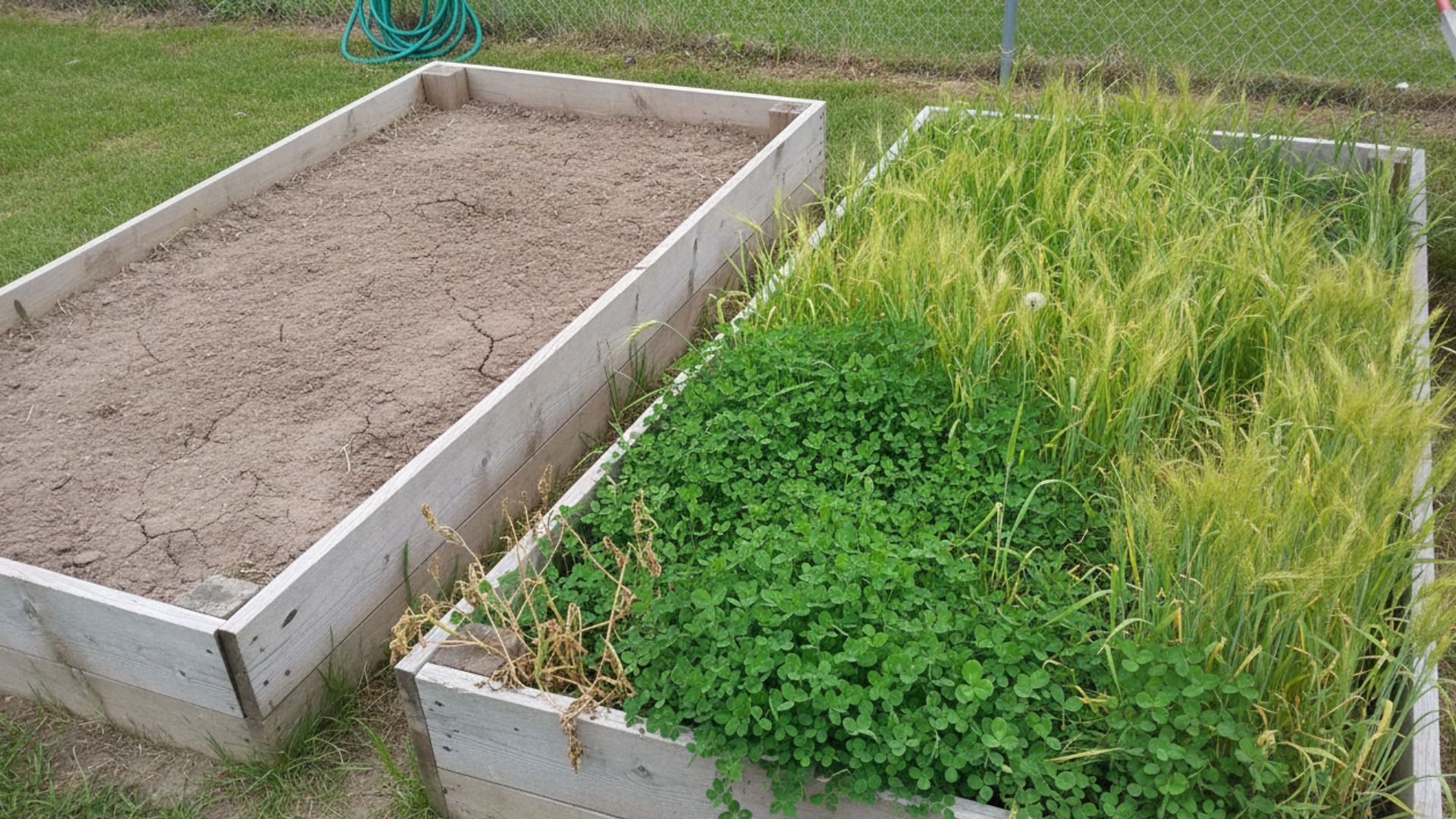
After fifty years of growing vegetables, I can tell you that the single biggest secret to a thriving garden isn’t a fancy fertiliser, an expensive tool, or even the perfect variety of tomato. It’s what you grow when you’re not growing anything at all. I spent my first two decades of gardening treating empty beds like resting beds — bare soil just sitting there through fall and winter, slowly losing its nutrients to rain and wind. Then a neighbouring farmer showed me a patch of crimson clover so thick and green it looked like velvet, and he told me it was feeding his soil for free. I planted my first cover crop that September, and within one season the difference in my spring soil was so obvious I could feel it in my hands. Let me walk you through how to use these remarkable plants to transform your garden from the ground up.
Why Growing “Nothing” Is the Best Thing You Can Do for Your Soil
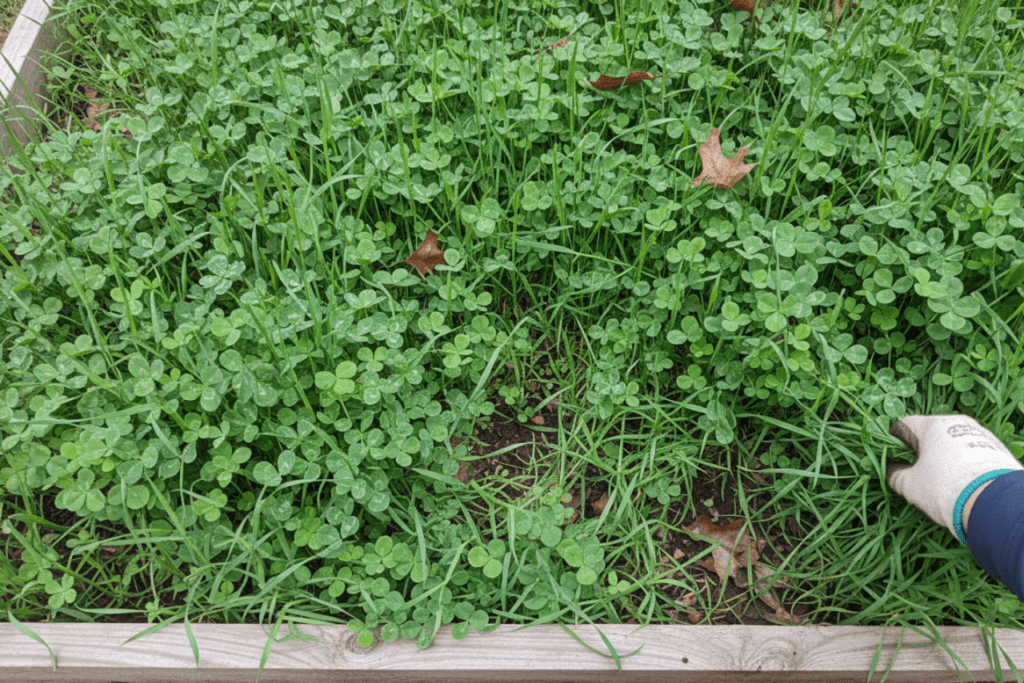


Bare soil is vulnerable soil. Every time it rains on an uncovered bed, you’re losing topsoil, nutrients, and the microbial life that makes your garden productive. Cover crops — sometimes called green manures — are plants you grow specifically to protect and feed the soil rather than to harvest. They fall into two big families, and understanding the difference is the key to using them well. Legume cover crops, like clover, peas, and vetch, partner with specialised bacteria in their roots to pull nitrogen straight out of the air and convert it into a form your plants can use. Non-legumes, like cereal rye and oats, work differently. Their deep root systems scavenge existing nutrients from the soil profile and store them in plant tissue, preventing those nutrients from leaching away during the off-season. In my experience, the magic happens when you combine both types. I’ve been planting a mix of crimson clover and winter rye together for the last fifteen years, and the one-two punch of nitrogen fixation and deep root structure has turned my clay-heavy beds into soil that crumbles like chocolate cake.
Choosing the Right Cover Crop for Your Garden
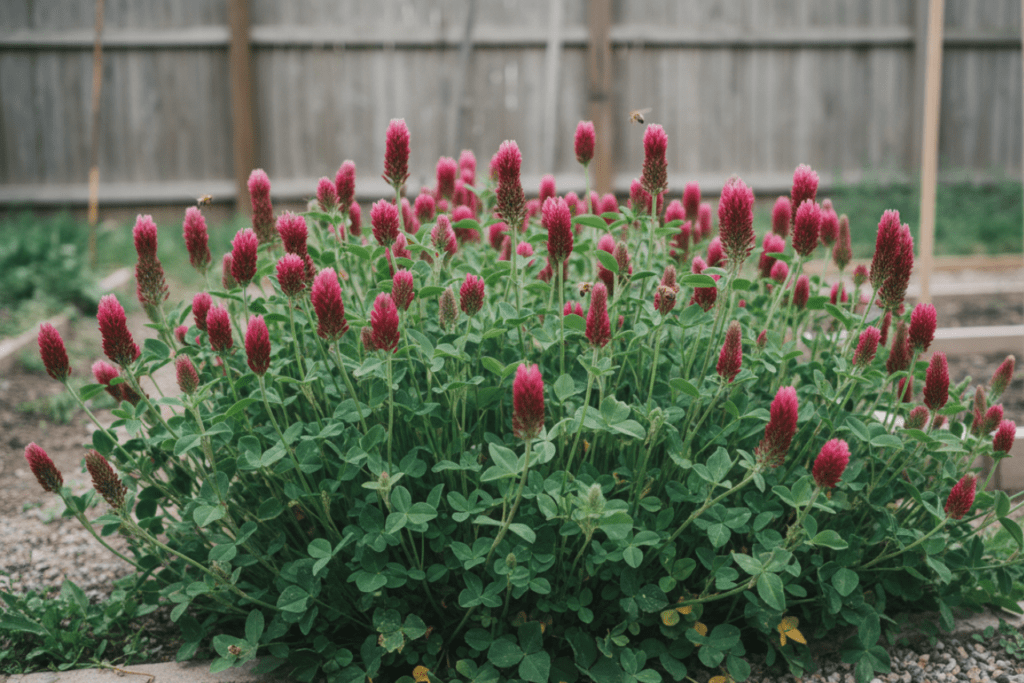
I know the number of cover crop options can feel overwhelming, so I’ll make it simple. For most home vegetable gardeners, you really only need to know about four or five plants. If your main goal is adding nitrogen to your soil — which it should be if you grow heavy feeders like tomatoes, peppers, and squash — start with a legume. Crimson clover is the fastest-establishing of the annual clovers, handles shade reasonably well, and even thrives in sandy soils where perennial clovers struggle. I love it because it gives you those gorgeous deep red flower heads in spring that bring in honeybees and beneficial insects right when your fruit trees are blooming. Those blossoms produce abundant nectar and attract many types of bees, and they also harbour minute pirate bugs, which are beneficial predators that feed on garden pests like thrips.
Hairy vetch is another nitrogen powerhouse. It establishes easily, grows well even in poor soils, and delivers high nitrogen yields when you turn it under in spring. I find it especially useful in beds I’m preparing for tomatoes the following year. For breaking up compacted soil, nothing beats cereal rye, sometimes called winter rye. It has a robust, fibrous root system that resists and alleviates soil compaction, and it aggressively suppresses weeds through both competition and mild natural chemicals it releases from its roots. Its seeds will germinate in soil as cold as 34 degrees Fahrenheit, making it the most forgiving option for late-season planting. And if you want a quick summer cover crop between spring and fall plantings, buckwheat grows from seed to flower in just 30 to 40 days, smothers weeds beautifully, and attracts pollinators while you’re waiting to plant your fall crops.
How to Plant Cover Crops in a Home Garden
Fall Planting: Your Most Important Window
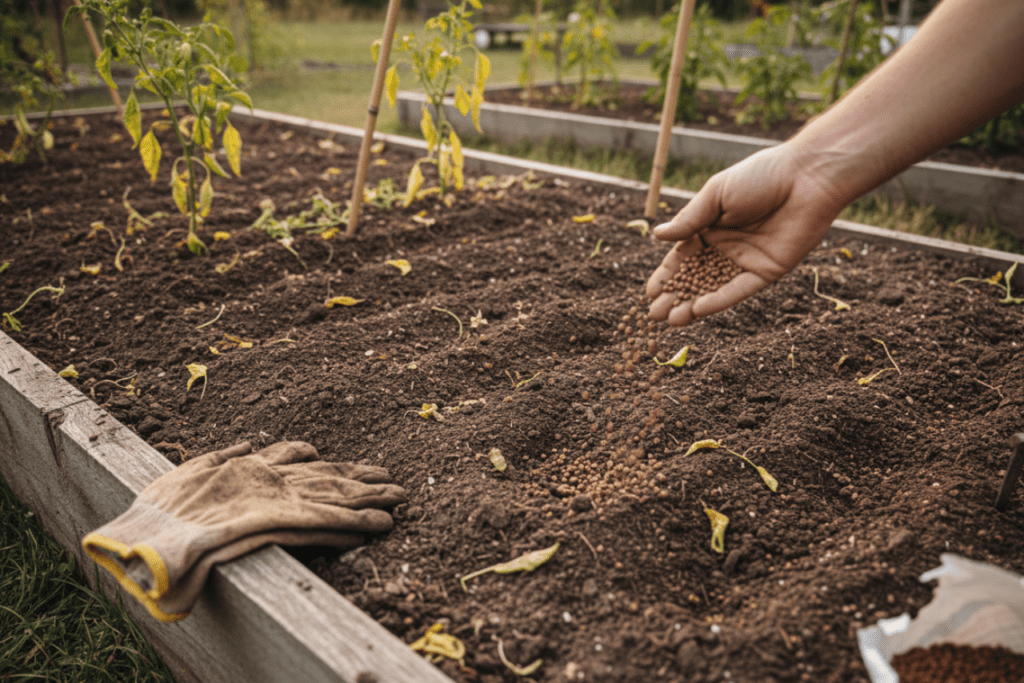
For most gardeners, fall is the prime time to get cover crops in the ground. As soon as you’ve pulled your summer crops — usually late August through October depending on your zone — you have an open window to sow. I start clearing spent tomato and pepper plants in early September, and I try to have my cover crop seed down within a week. The earlier you plant, the more growth you’ll get before winter, and more growth means more benefit come spring.
The process is simpler than most people expect. Clear any remaining crop debris and give the bed a light raking to loosen the top inch of soil. For cereal rye, broadcast about 4 to 5 pounds of seed per 1,000 square feet, then rake lightly to press seeds into shallow grooves. For crimson clover, you’ll want roughly half a pound to three-quarters of a pound per 1,000 square feet, sown at a depth of about a quarter to a half inch. If you’re mixing the two — which I strongly recommend — use about two-thirds of the normal rye rate and the full clover rate. Water gently to get germination started, and then step back. In most climates, fall rain handles the rest. I’ve planted rye as late as mid-November and still had it come up strong by the following March, though earlier planting always gives better results.
Spring and Summer Options for Short Windows
Not every bed sits empty through winter. Sometimes you’ve harvested your peas and lettuce in June and don’t plan to plant fall brassicas until August. That six-to-eight-week gap is perfect for a fast summer cover crop. Buckwheat is my go-to for these short windows. I broadcast about 3 pounds per 1,000 square feet, rake it in lightly, and within a week I see green fuzz covering the bed. By 30 days it’s in full white bloom and the bees are absolutely wild for it. I cut it down before it sets seed — usually around 35 to 40 days — and either turn the residue into the soil or lay it on top as a mulch.
For spring cover cropping, field peas and oats make a wonderful combination. The peas fix nitrogen while the oats provide structure and scavenge nutrients. I sow this mix about 4 to 6 weeks before my last frost date, then mow and turn it under about two weeks before I want to transplant warm-season crops. The timing takes a bit of practice, and I’ll admit I got it wrong my first year — I waited too long to cut down the oats and they turned woody and tied up nitrogen instead of releasing it. Now I’m careful to terminate my cover crops while they’re still lush and green, before they start producing seed heads.
Turning In Your Cover Crop: Timing Is Everything
This is where most beginners go wrong, and I certainly did at first. The single most important rule of cover cropping is this: terminate the crop while it’s still actively growing and green, ideally when it begins to flower but before it sets seed. If you let winter rye grow too tall and woody in the spring, the excessive residue can tie up soil nitrogen as it decomposes instead of releasing it, actually robbing your next crop of nutrients. For rye, I mow or cut it when it’s between 12 and 18 inches tall, still soft and succulent. For crimson clover, mowing after the early bud stage will kill the plant, and maximum nitrogen becomes available at late bloom.
After cutting your cover crop down, you have two options. The traditional method is to turn the residue into the top 3 to 4 inches of soil with a spade or rototiller, then wait two to four weeks before planting. This waiting period lets the green material begin decomposing so it releases nutrients rather than competing with your vegetable seedlings for nitrogen. The second option, which I’ve grown fond of in recent years, is the chop-and-drop method. I mow the cover crop as low as possible, leave the residue on the soil surface as a mulch, and transplant my tomatoes and peppers right through it. The rye residue dries up after a day or two of warm weather and holds moisture in the soil beautifully, especially during dry springs. Either method works — the key is that two-to-four-week gap between termination and planting your vegetables.
Common Mistakes and How to Avoid Them
What I Wish I’d Known My First Year
I’ve made every cover crop mistake in the book, so let me save you the trouble. The first and biggest mistake is letting your cover crop go to seed. I let a patch of crimson clover bloom too long one spring because it was so beautiful I couldn’t bear to cut it, and I spent the next two years pulling clover seedlings out of my tomato beds. Always terminate before seed set — beauty is not worth the weeding.
The second mistake is planting too late in fall and expecting miracles. A cover crop needs at least four to six weeks of growing weather to establish a meaningful root system and provide real benefit. If you miss the window, don’t waste the seed — a light layer of chopped leaves or straw will protect your beds through winter instead, and you can try again in spring. Third, don’t skip the inoculant for legumes. Legumes like clover and peas need specific Rhizobia bacteria in the soil to fix nitrogen, and without those bacteria the plants will grow but won’t enrich your soil nearly as much. Most garden centres sell pre-inoculated seed or a small packet of inoculant powder for a few dollars. It’s a small investment that makes a significant difference, especially if you’ve never grown legumes in that bed before.
Finally, don’t expect dramatic results after one season. Cover cropping is a long game. After my first year I noticed slightly easier digging and a few more earthworms. After three years, the improvement was unmistakable — darker soil, better water retention, and noticeably healthier plants. Cover crops build organic matter that acts as a binding agent for soil particles, improving both drainage and moisture-holding capacity over time. After five years of consistent cover cropping, I was able to cut my fertiliser use in half. That patience pays off in ways no bag of amendments ever could.
A Simple Year-Round Cover Crop Schedule
I know this can feel like a lot of information, so here’s the straightforward schedule I follow in my Zone 6 garden. In late August through September, as summer crops come out, I sow a mix of cereal rye and crimson clover. Those grow through fall, go dormant in winter, and surge back in early spring. By mid-April, the clover is budding and the rye is about 15 inches tall, so I mow everything down, lightly till it in, and wait two to three weeks. By early May, I’m transplanting tomatoes into soil that’s been fed all winter long.
For beds where I’m growing cool-season crops like lettuce and peas in spring, I plant buckwheat as soon as those are harvested in June or July. It fills the gap beautifully for 30 to 40 days, and I cut it down in time to direct-sow fall carrots and beets. If a bed is sitting completely empty for the summer — perhaps I’m resting it after a disease problem — I’ll plant a mix of cowpeas and sorghum-sudangrass that builds massive organic matter through the warm months before I mow it all down in September. The point is that your soil should rarely, if ever, be bare. I think of cover crops as a living blanket for the garden — they protect what’s underneath and make it better while they’re there.
Quick-Fire FAQ
Q: Can I plant cover crops in raised beds or small gardens?
A: Absolutely. I cover-crop my 4-by-8-foot raised beds every fall with crimson clover and rye. Just scatter the seed by hand and rake it in — no special equipment needed for small spaces.
Q: Will cover crops attract pests to my garden?
A: In my experience, the opposite is true. Cover crops attract beneficial insects like predatory beetles and parasitic wasps that help keep pest populations down, especially flowering varieties like crimson clover.
Q: What if I can’t till — can I still use cover crops?
A: Yes. Mow or cut the cover crop as low as possible and leave the residue on top as mulch. You can transplant seedlings right through the mat of cut material, and it will decompose naturally over the season.
Q: How much does cover cropping actually cost compared to buying fertiliser?
A: A pound of crimson clover seed covers roughly 1,500 square feet and costs about $5 to $8. That same area treated with a good organic fertiliser would run $20 to $40 or more per application, and the cover crop improves your soil structure at the same time — fertiliser doesn’t do that.
— Grandma Maggie