
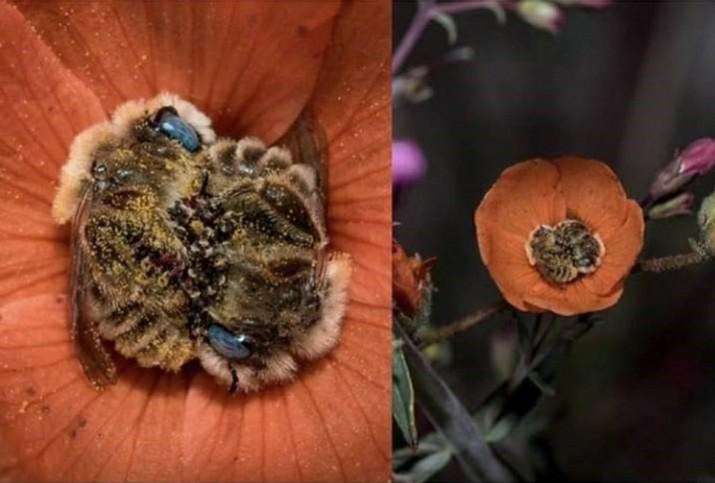
Isn’t it sweet to catch a bee snoozing in a bloom at sunrise? Yes, bees really do sleep—those still bodies and droopy antennae are the giveaway. A little rest keeps their navigation and focus sharp for the day ahead. Let’s peek gently into the science and make our gardens kinder to sleepy pollinators.
Gentle ground rules for watching sleepy bees
- Look, don’t touch—disturbing resting bees can stress them and prompt stings.
- If you have allergies, keep distance and skip brushing past flowers at dawn or dusk.
- Use a dim, red-filtered light if you must observe at night; avoid flash photography up close.
- Keep blooms pesticide-free and source neonic-free plants to protect behavior and health.
What bee “sleep” looks like (and why it matters)
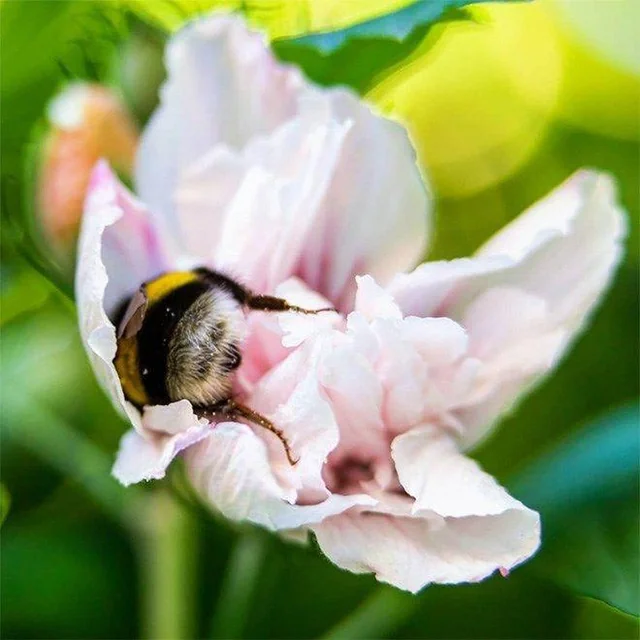
Bees have rest periods with lowered antennae, relaxed legs, and reduced responsiveness—especially at night. Honey bees often total about 5–8 hours over a day (it varies by age and job), while many solitary males nap in flowers or on stems. Good sleep supports focus and quick flower-finding the next morning.
- Grandma tip: A still bee at dawn isn’t necessarily sick—give it a minute to warm up.
Group naps: communal roosting on flowers and stems
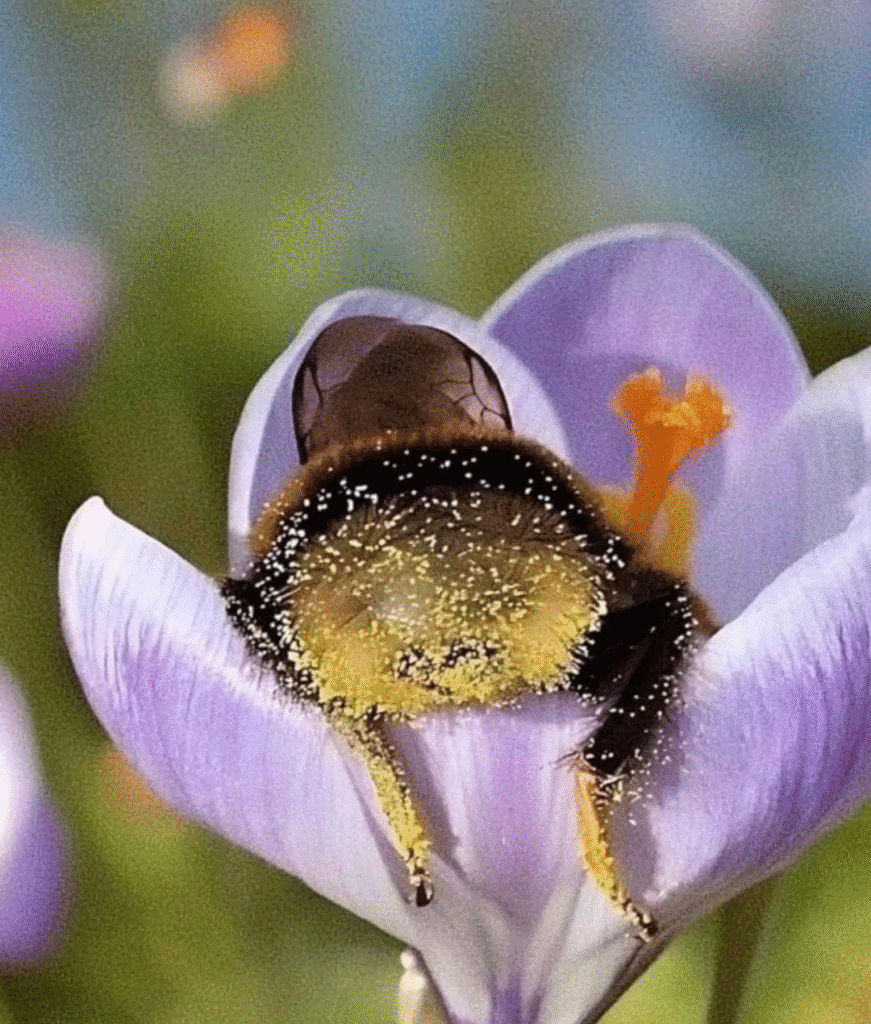
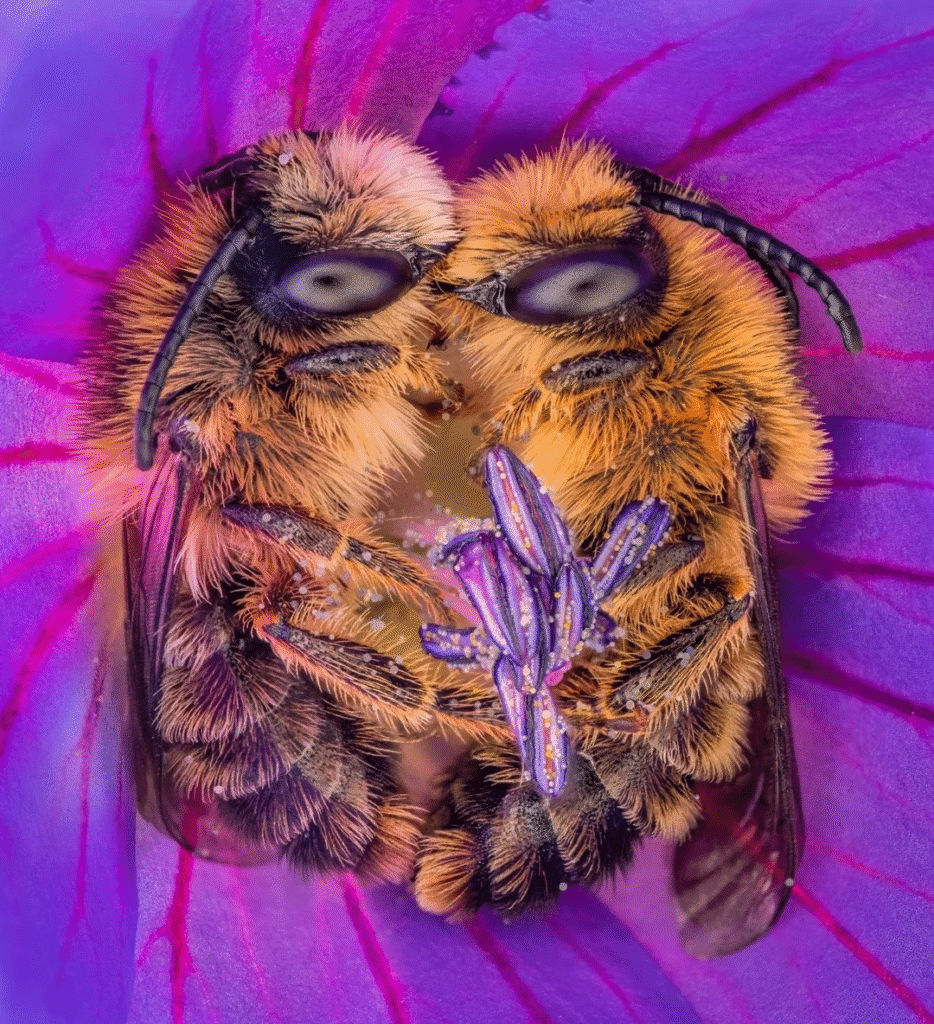
Male solitary bees often roost together, sometimes linking feet or jaws to a sturdy stem or tucking into open-faced blooms. Clusters keep them warmer and safer and ready for first light nectar.
- Be a kind observer: No nudging for movement—let the “bee bouquet” wake on its own.
Rest, memory, and the day’s work
In honey bees, poor sleep makes for muddled foraging and fuzzier waggle dances. After a calm night, they navigate more accurately and communicate nectar finds with better precision. East-facing blooms warm early, helping rested bees fuel up fast.
Make your garden a safe sleep zone
- Plant roost-friendly flowers: asters, sunflowers, blanketflower, evening primrose in generous clumps.
- Keep nights calm: use shielded, warm lights on motion sensors; skip dusk deadheading and watering near roosts.
- Provide water: a shallow dish with stones for safe perching and sips.
- Pesticide caution: Never spray flowering plants; avoid systemic, pre-treated seeds/starts.
Simple observe-and-learn routine
- Dusk: Walk slowly, note which flowers host sleepers.
- Night: If needed, use a red-filtered light from a distance—no flash.
- Dawn: Watch antennae lift as they warm; record species and timing to fine-tune plant choices.
Quick-Fire FAQ
-
Do bumble bees sleep in flowers too?
Queens and workers usually rest in nests, but males and some workers may roost on vegetation; it varies by species and season.
-
Is “5–8 hours” true for all bees?
That range comes from honey bee studies; other bees sleep, but duration and timing vary widely.
-
Should I give sugar water to a “tired” bee?
Only as a last resort for a cold, stranded honey bee—offer a tiny drop of 1:1 sugar water, then remove it. Don’t routinely feed wildlife, and never offer artificial nectar to native bees.
-
How can I photograph sleeping bees kindly?
Use natural dawn light and a longer lens; skip flash. A dim red light helps you frame without waking them.
-
What should I plant to support roosting?
Clumps of sturdy, open blooms like asters, blanketflower, cosmos, evening primrose, and sunflowers—plus a small water dish with stones.
— Grandma Maggie