
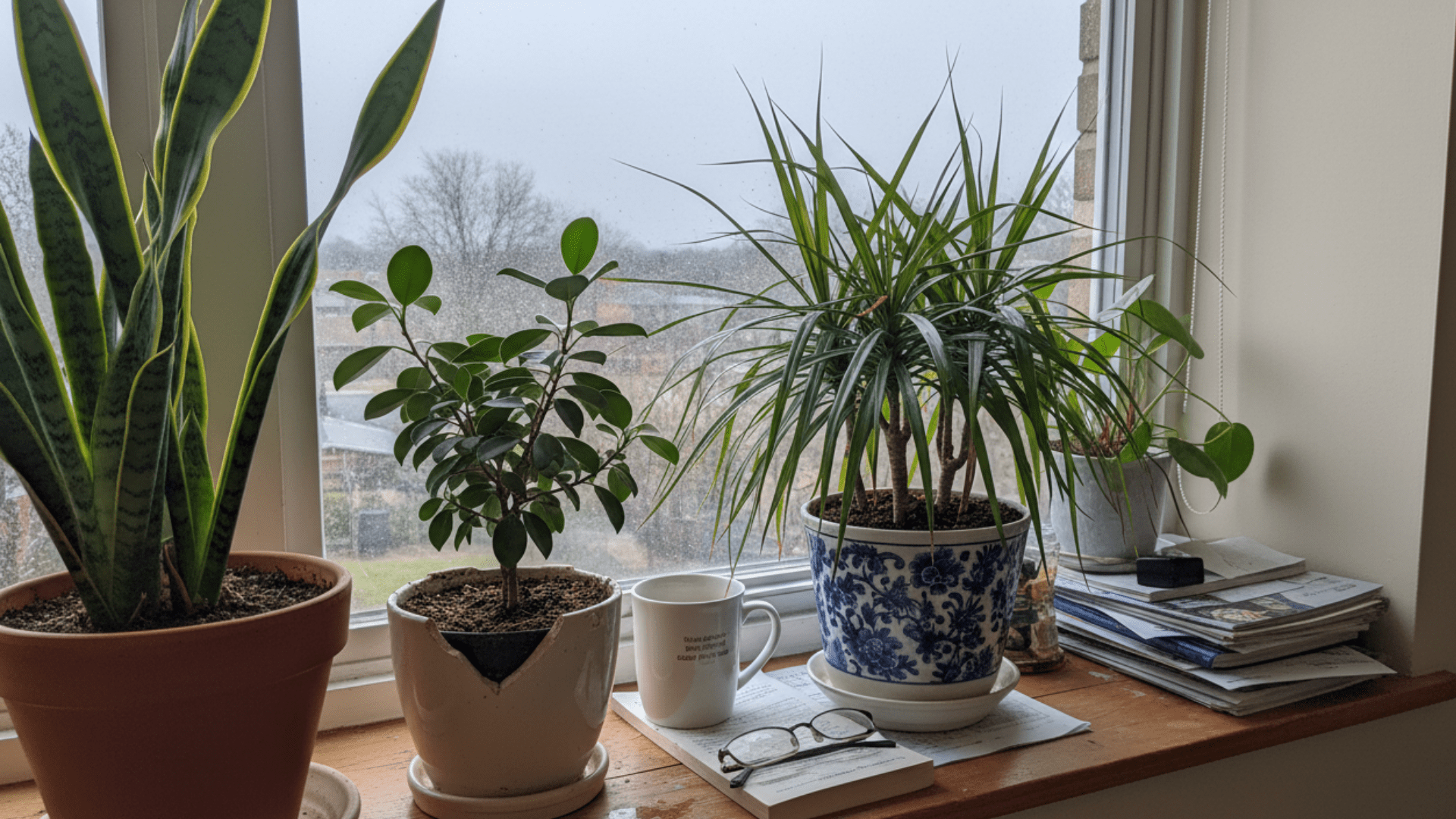
I can’t help but smile when I see young plant enthusiasts posting photos of Snake Plants and calling them “trendy.” I’ve been growing these beauties in my kitchen for forty-three years. The Weeping Fig in my living room is older than my youngest grandson. When I started keeping houseplants in the early 1970s, these were the workhorses every gardener relied on—not because they were fashionable, but because they actually survived. Now they’re having what folks call a “comeback,” which makes me chuckle. These plants never left. They’ve been quietly thriving in homes like mine, proving their worth year after year while trendier specimens came and went. What’s happening now isn’t really a comeback—it’s a recognition of what experienced growers have always known. These classics earned their place on our windowsills through decades of reliable performance, and I’m delighted to see a new generation discovering why. Let me share what I’ve learned about these old friends and why they’re worth every bit of attention they’re getting.
Why These Old Favorites Deserve Their Second Act


There’s a reason these plants became grandma staples in the first place. They survived decades before we had grow lights, humidity monitors, and online care guides. They tolerated the dry heat of radiators in winter, the neglect of summer vacations, and the inconsistent watering of busy households. I remember my mother’s Snake Plant surviving two moves, a basement flood, and three months of minimal light when we renovated. These aren’t just hardy—they’re genuinely adaptable to real-life conditions. The plants getting attention now have proven themselves through generations of home growing, which is a far more rigorous test than a few months of carefully controlled greenhouse conditions. When you choose one of these classics, you’re selecting a plant with a documented track record of success in actual homes, not laboratory conditions.
The Comeback Stars
Snake Plants (Sansevieria) – The Unkillable Classic
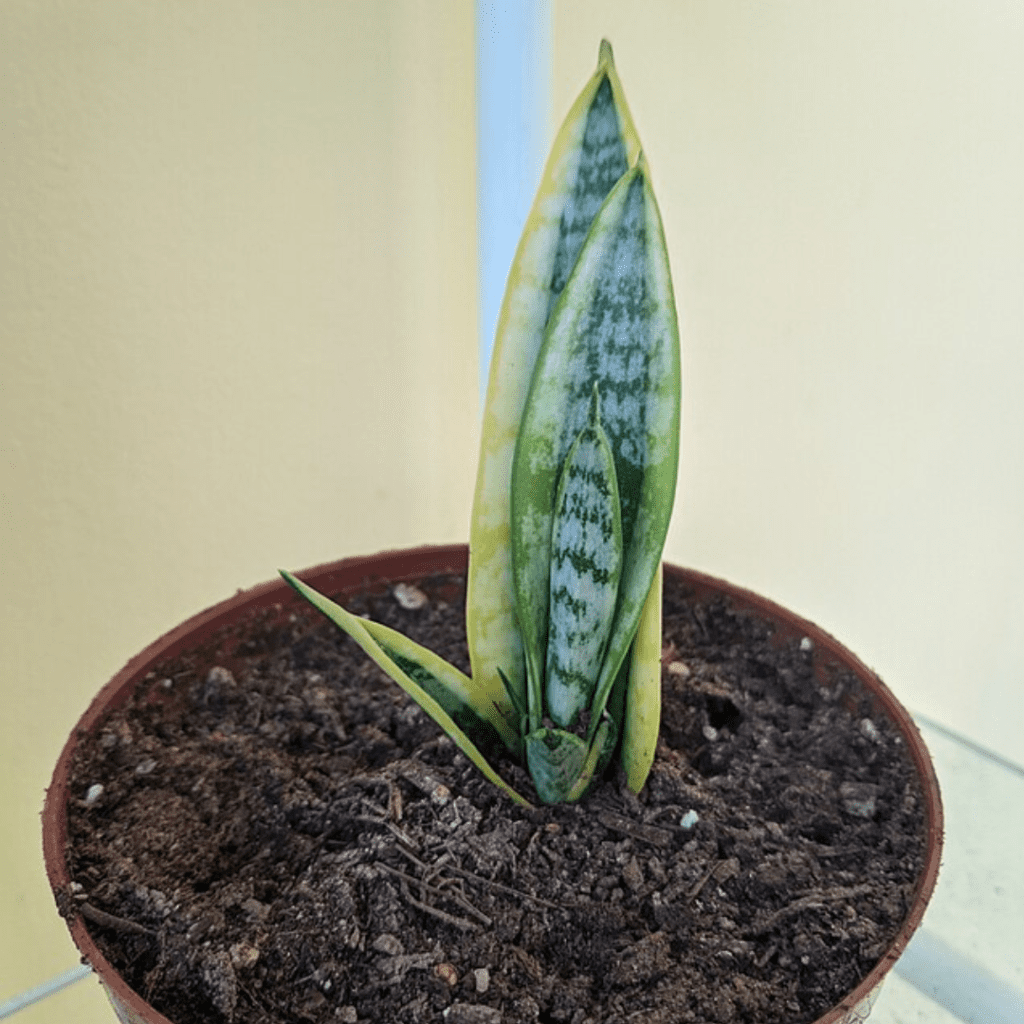
I’ve killed a lot of plants in fifty years of gardening—delicate ferns, finicky orchids in my early days, even supposedly foolproof succulents. But I have never killed a Snake Plant, and I’ve tried through sheer neglect. These plants tolerate low light, irregular watering, and temperature swings that would devastate trendier options. Mine have survived everything from two-week vacations without water to being placed in corners that get maybe three hours of indirect light daily. They grow slowly but steadily, sending up new leaves every few months when happy, simply maintaining when conditions are less ideal. The variety I’ve grown longest, Sansevieria trifasciata ‘Laurentii’ with its yellow-edged leaves, is the same variety suddenly appearing in design magazines as if it’s something new. Water mine every ten to fourteen days in summer, every three weeks in winter, and they’ve rewarded me with zero drama for decades.
Ficus benjamina (Weeping Fig) – Elegance That Endures
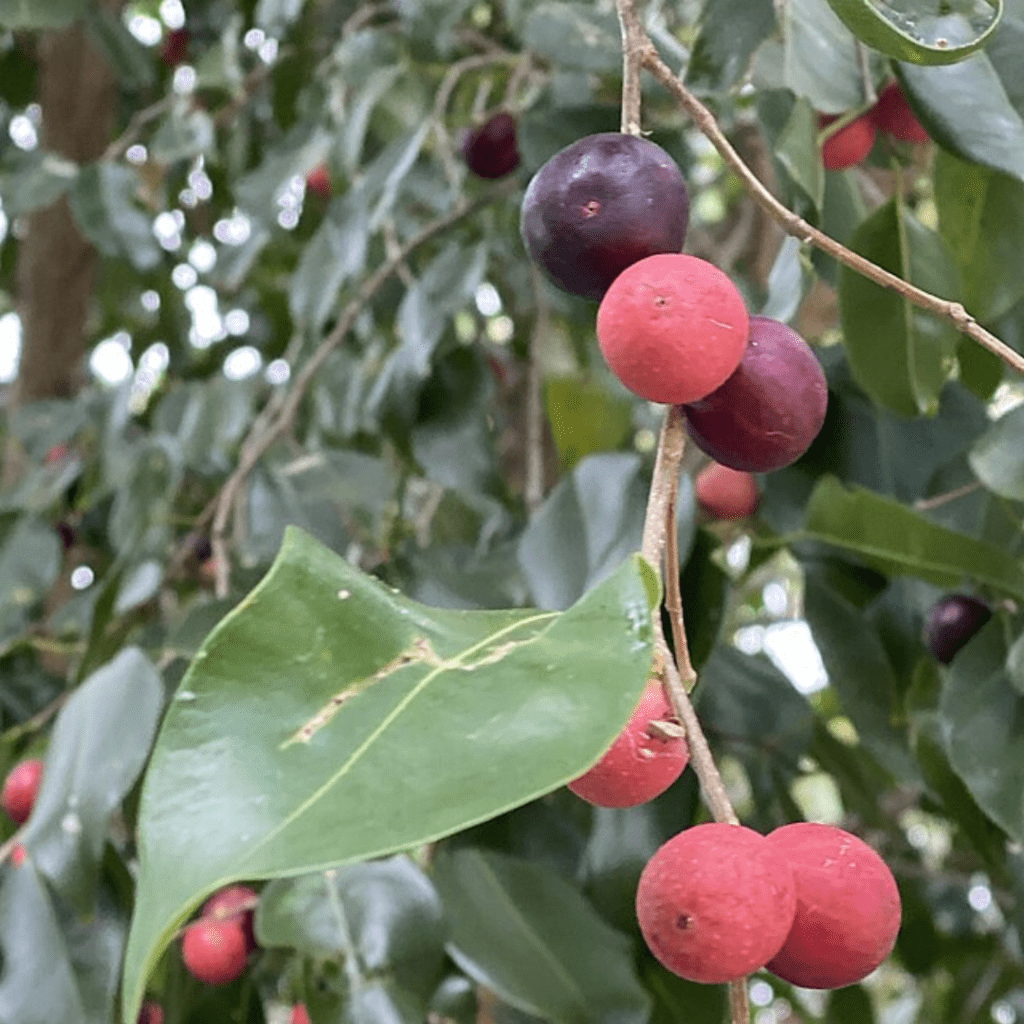
My Weeping Fig has a reputation in my family. It drops leaves dramatically if you move it, look at it wrong, or change the thermostat by more than five degrees. Yet despite this theatrical temperament, it’s thrived for twenty-eight years in the same corner of my living room, growing from a three-foot starter to a magnificent six-foot tree. The key with Ficus benjamina is understanding that it despises change but loves consistency. Once you find its happy spot—mine gets bright, indirect eastern light and a thorough watering every seven to eight days when the top two inches of soil are dry—it becomes magnificently reliable. The initial leaf drop when you first bring one home is normal; it’s adjusting to your environment. After that settling period of four to six weeks, it should stabilize and grow steadily. What I love most is the graceful, arching habit and the way it brings a tree-like presence to indoor spaces without requiring the enormous windows that fiddle-leaf figs demand.
Dracaena – The Architectural Statement
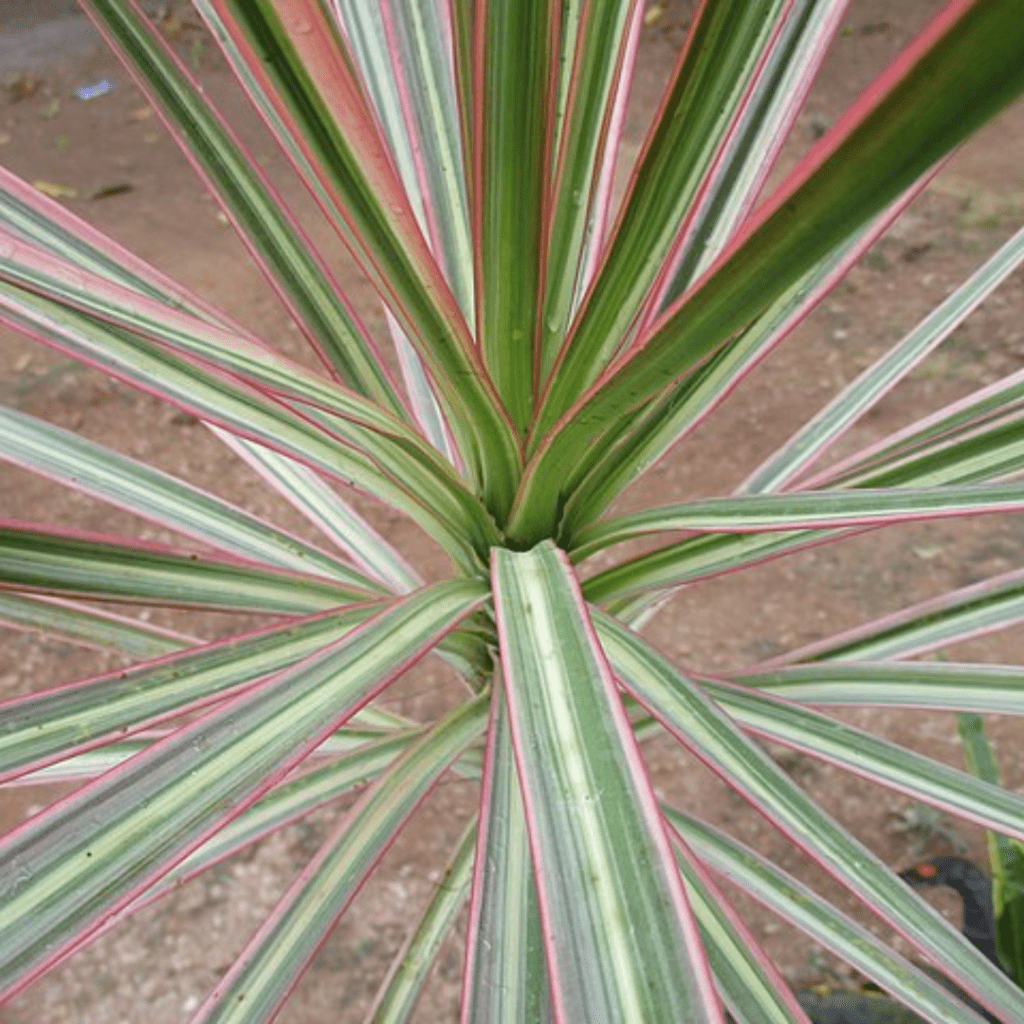
Dracaena varieties have been workhorses in homes and offices since the 1960s, valued for their upright form and tolerance of less-than-perfect conditions. I’ve grown Dracaena marginata (the dragon tree with thin, spiky leaves) and Dracaena fragrans (the corn plant with broader, arching foliage) with equal success. Both varieties tolerate low to medium light—not thrive, exactly, but genuinely survive and grow, which is more than you can say for many fashionable plants. They’re particularly forgiving of underwatering, which makes them excellent for forgetful waterers or frequent travelers. I water mine every ten to twelve days in growing season, every two to three weeks in winter, allowing the soil to dry down three to four inches between waterings. The dragon tree in my bedroom has grown from two feet to nearly five feet in twelve years without any special treatment beyond occasional dusting of its leaves and an annual repotting when roots started emerging from drainage holes.
Orchids – From Grandma’s Windowsill to Everyone’s Instagram
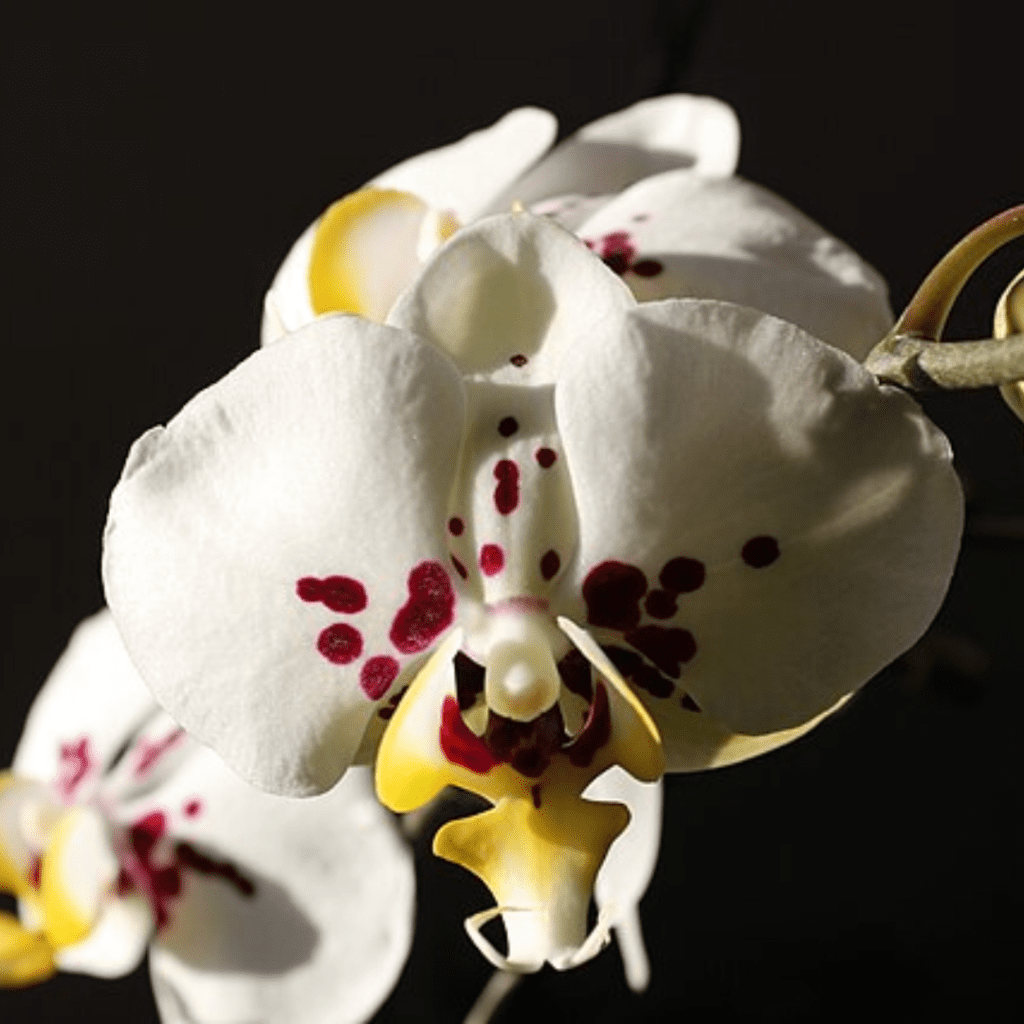
Orchids intimidate people now, which puzzles me because my grandmother grew them successfully on a kitchen windowsill in the 1950s with no special equipment. The Phalaenopsis orchids sold everywhere today are actually easier than many common houseplants if you follow a few simple rules. I grow mine in eastern windows where they get bright morning light but no hot afternoon sun. The trick everyone misses is the watering schedule—these are not regular houseplants. I water mine thoroughly once every seven to nine days in summer, every ten to twelve days in winter, letting water run completely through the pot and then allowing the bark medium to dry almost completely before watering again. Overwatering kills far more orchids than underwatering. After the spectacular initial blooms fade, don’t despair or discard the plant. Cut the spent flower spike back to just above the second node, maintain your watering schedule, and within four to six months, you’ll likely see another bloom spike emerge. My oldest Phalaenopsis has rebloomed faithfully for eleven years now.
Why They Disappeared (And Why They’re Back)
These plants didn’t vanish because they stopped performing—they faded from popularity because they became common. For about twenty years, from roughly 1995 to 2015, the houseplant world chased novelty. Rare aroids, unusual succulents, plants with Instagram-worthy variegation—those became the status symbols. The reliable Dracaena in the office lobby or the Snake Plant in the dentist’s waiting room became invisible through familiarity. Meanwhile, those of us who never stopped growing them kept enjoying their steady, undemanding presence. What’s changed is a growing appreciation for proven performers over fleeting trends. Newer plant enthusiasts have discovered through expensive trial and error that a rare plant isn’t necessarily a good plant, and that sometimes the “boring” option is boring precisely because it works so well that nobody needs to fuss over it. The 2026 resurgence represents a maturation of houseplant culture—people are recognizing that a plant you can actually keep alive and thriving for decades is worth far more than something exotic that dies in six months.
How to Succeed With These Proven Performers
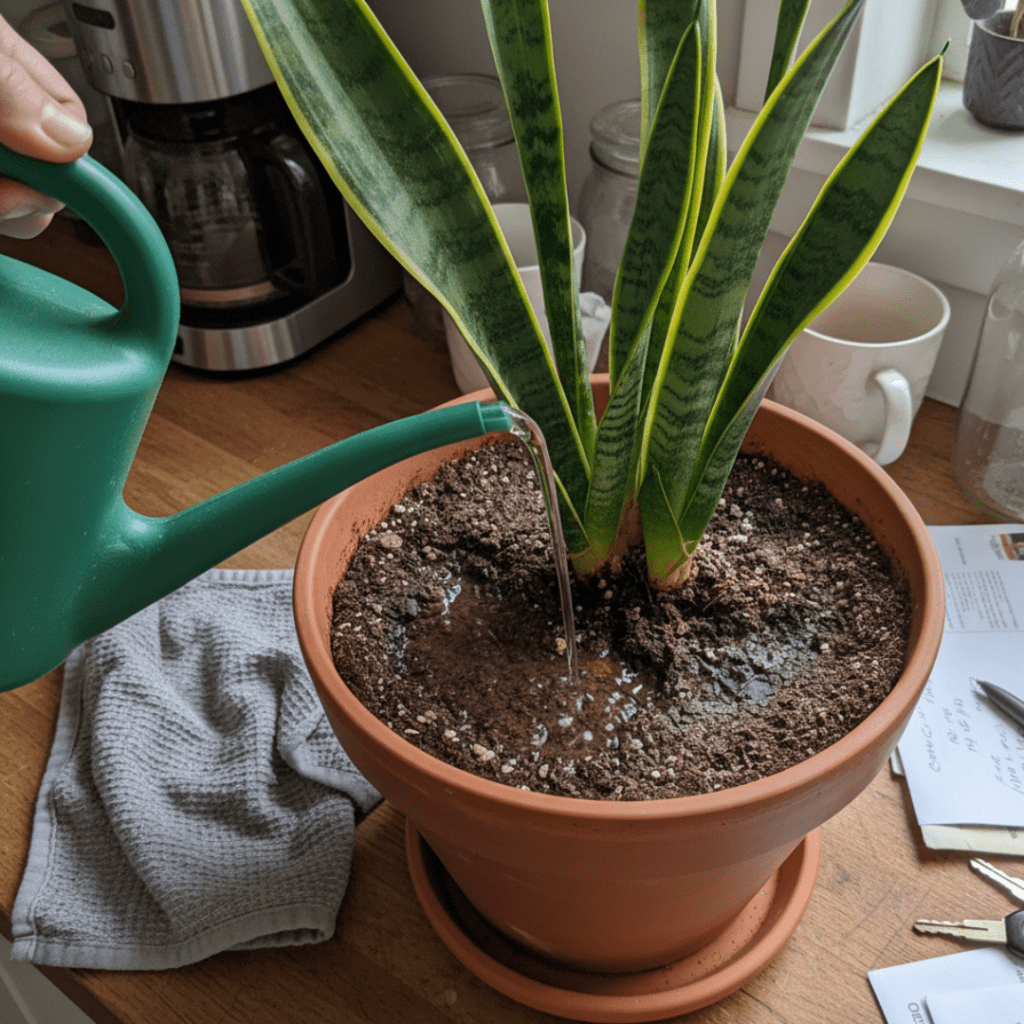
The secret to success with classic houseplants is embracing their fundamental simplicity rather than overthinking their care. These plants evolved to tolerate neglect, so resist the urge to hover and fuss. Establish a consistent watering schedule based on observation—stick your finger two to three inches into the soil, and only water when it’s dry at that depth. Most failures with these plants come from overwatering, not underwatering. Place them in appropriate light conditions initially and then leave them there. The Ficus especially will punish you for moving it, even from one window to another. Fertilize sparingly—I use a balanced liquid fertilizer diluted to half strength once every four to six weeks during spring and summer, nothing during fall and winter when growth slows. These aren’t heavy feeders. Repot only when genuinely necessary, when roots are circling the pot or emerging from drainage holes, typically every two to three years. Use well-draining potting mix, ensure containers have drainage holes, and resist the temptation to upsize dramatically—go only one to two inches larger in diameter. The beauty of these classics is that they reward basic, consistent care rather than demanding expertise or special treatment.
Quick-Fire FAQ
Q: Are these old-school plants really better than newer trendy varieties?
A: They’re not necessarily “better,” but they’re proven performers with decades of documented success in average home conditions, which makes them more reliable for most growers than plants that became popular recently.
Q: Can I find these plants easily, or have they become expensive because of the trend?
A: Most garden centers and even big-box stores carry these varieties year-round at reasonable prices because they’re still common in production, unlike truly rare plants that can cost hundreds of dollars.
Q: I killed a Snake Plant years ago—does that mean I can’t grow these “unkillable” classics?
A: Snake Plants typically die from overwatering or complete light deprivation, both of which are easily corrected with a proper watering schedule and better placement. Give it another try with better information.
Q: How long do these plants actually live with proper care?
A: Decades, genuinely—my oldest Snake Plant is forty-three years old, my Weeping Fig is twenty-eight, and I’ve seen Dracaenas thriving in offices for thirty-plus years with minimal attention.
— Grandma Maggie