
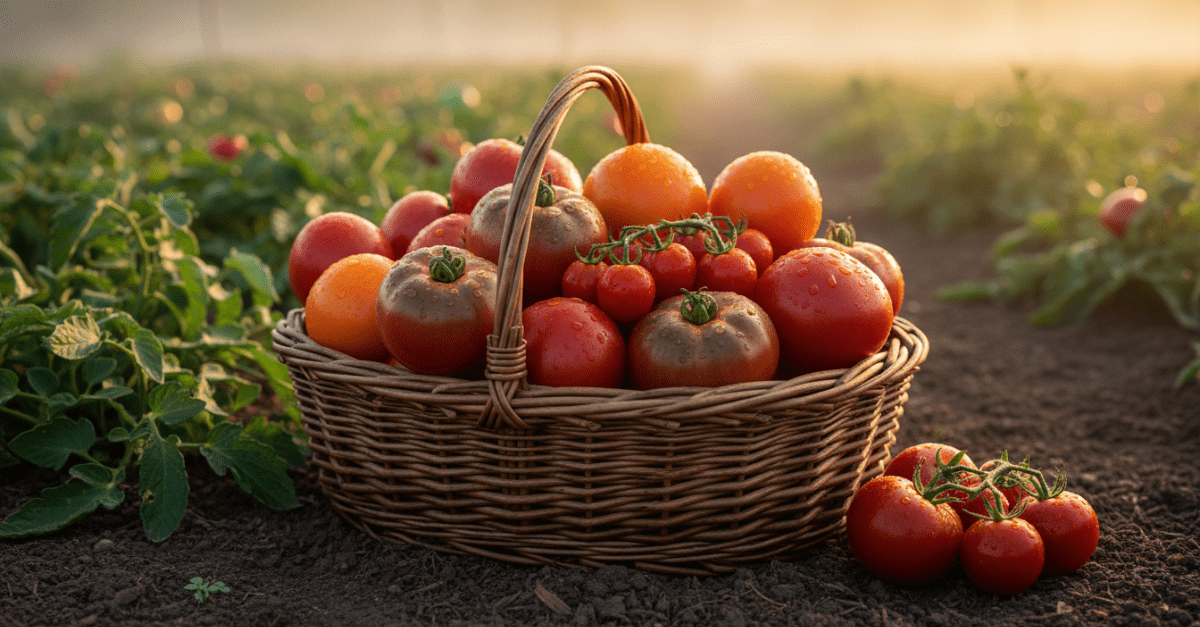
Fall is a special time for tomatoes. Cooler days change how they ripen and what they need. Morning harvests make a real difference in flavor and texture. Let me show you how I pick and protect every last fruit so your sauce and salads sing.
Why Morning Harvest Makes All the Difference
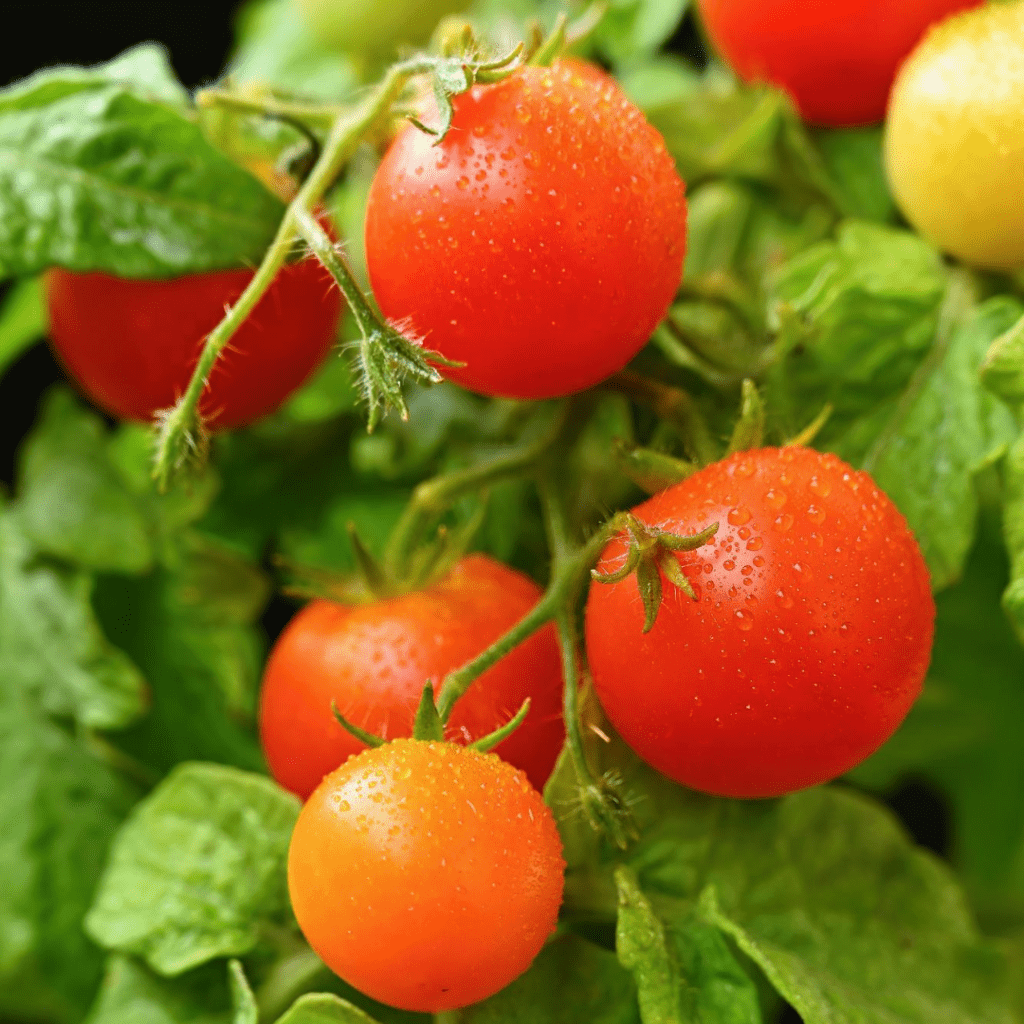


When you harvest tomatoes in the early hours, the fruit is still fully hydrated from the cooler night and morning dew. That extra water in the flesh keeps skins taut and reduces the chance of splitting when you bring them inside. I always walk my rows with a basket and a thermos of tea at first light — the fruit feels dense in your hand and you can taste the difference that afternoon-picked tomatoes sometimes lack.
Timing matters beyond hydration. Tomatoes are still converting starches to sugars overnight; by dawn they have had time to concentrate flavor while avoiding the midday heat that softens and stresses fruit. Picking in the morning also minimizes handling during hot periods, which can bruise thin-skinned varieties and invite post-harvest rot.
Proper Picking Technique
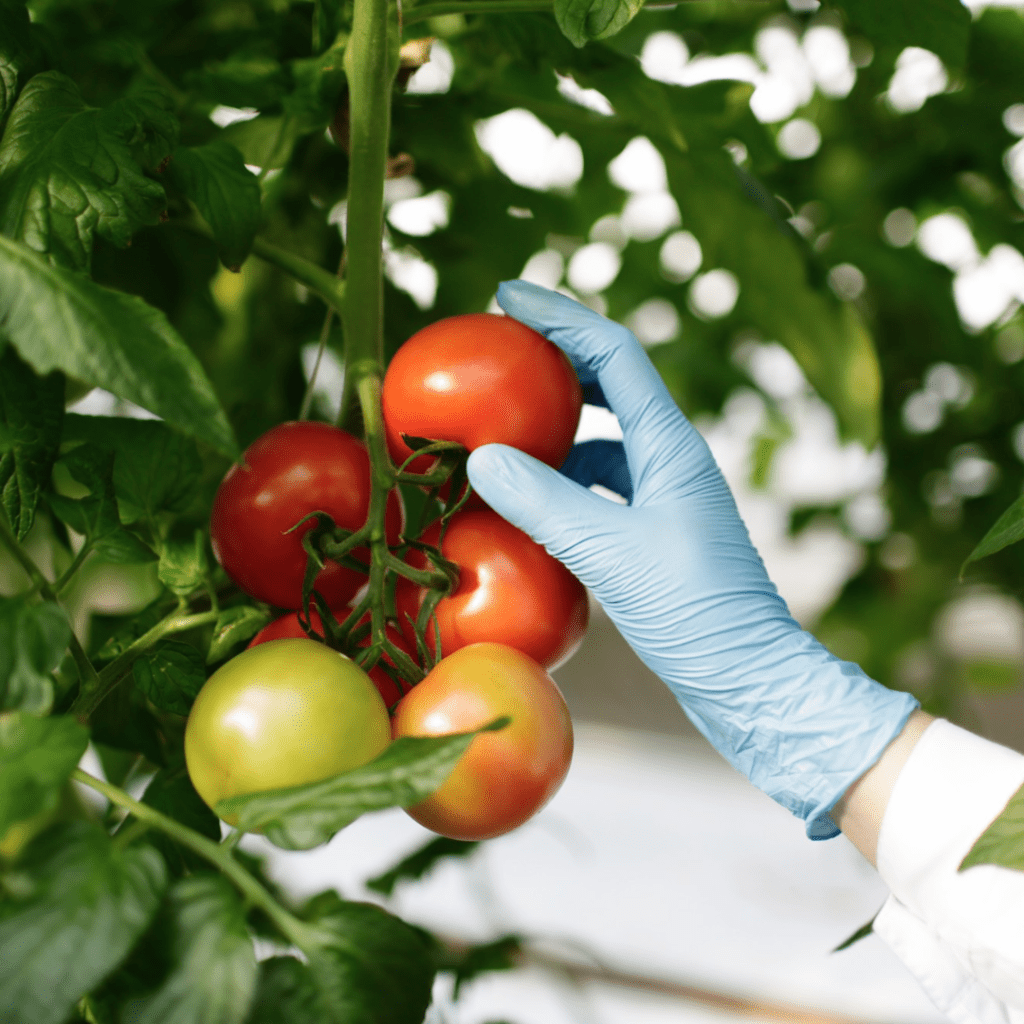
The way you remove fruit from the vine affects both plant health and tomato quality. Use the right grip by cradling the fruit in your palm and either giving a gentle twist or snipping the stem with small pruning shears, leaving a short bit of stem on the tomato. The stem stub helps avoid tearing the skin and reduces entry points for disease.
Handle gently, as fall fruit can be extra tender when nights cool. Avoid squeezing or dropping fruit into a hard-bottomed container. Line baskets with a towel or straw to cushion harvests. Sort as you go by separating fully ripe tomatoes from pinkers and greens for targeted handling. I keep two shallow boxes — one for ripe fruit to eat or roast that day, another for those that will finish ripening indoors.
Avoid late-afternoon and evening picking. Evenings can be deceptive: fruit may feel softer from daytime heat or rehydration and are more prone to damage when moved. Late-day harvesting also interrupts their overnight sugar conversion cycle. The same goes for bright, hot periods mid-morning to mid-afternoon — the sun during those hours can overheat exposed tomatoes and cause thin skins or sunscald.
Frost and Storm Protection
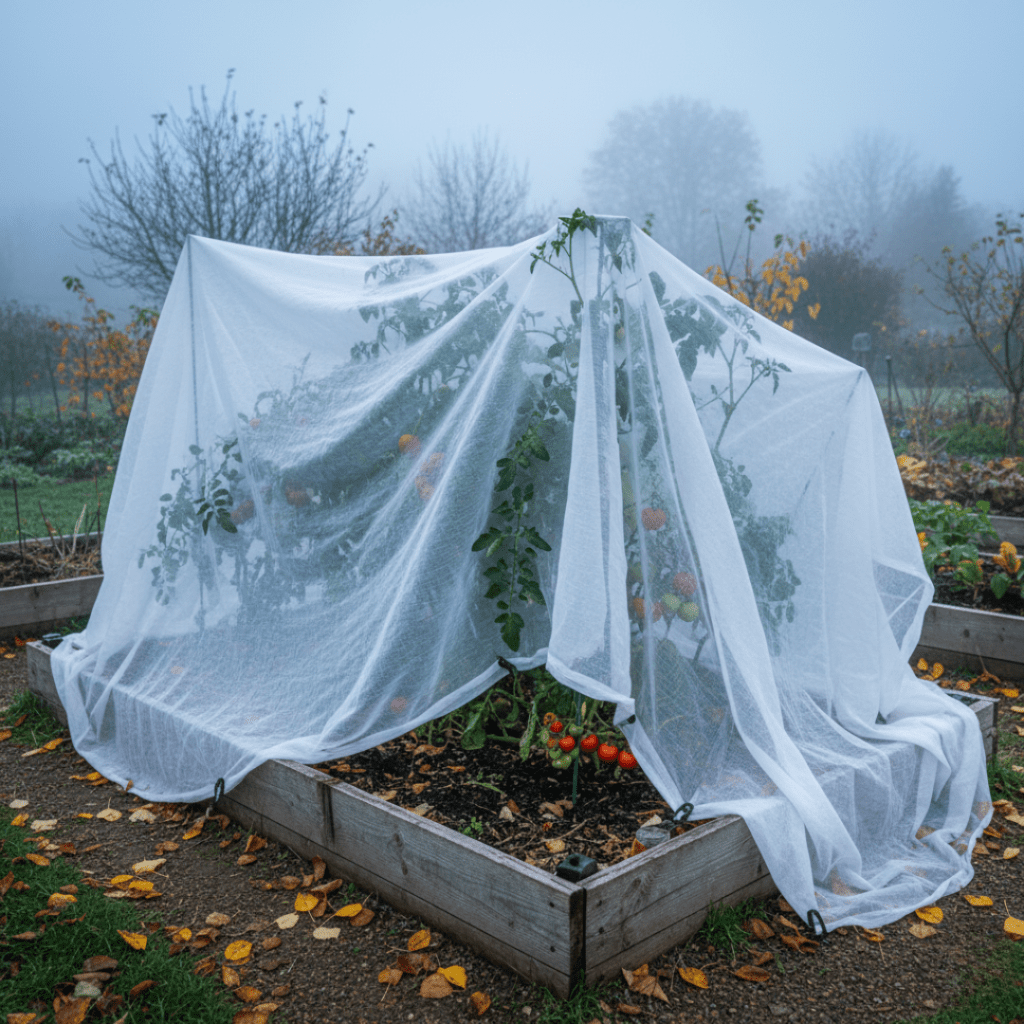
Frost is the big villain in fall tomato gardening. Keep an eye on your local forecast and plan for cold snaps. If frost is expected, harvest all mature and nearly mature fruit in the morning before the cold sets in. For fruit still attached that you want to ripen, pick them with stems attached and bring them into a cool, frost-free spot.
For plants you hope to save, use frost cloth, old sheets, or commercial row covers anchored to the ground to trap a degree or two of warmth around the foliage. A cheap cloche or an inverted bucket over small plants can save fruit on early-season chill nights. If a hard freeze is unavoidable, harvest everything you can and enjoy a pickup of ripe tomatoes on your kitchen counter.
Indoor Ripening Methods
Some green tomatoes will ripen beautifully indoors if you give them the right conditions. Tomatoes produce ethylene, the natural ripening gas, so place green or pink tomatoes together in a shallow box or paper bag to concentrate the gas and speed ripening. Add a ripe banana to the bag for a little extra ethylene if you want them to blush faster.
Avoid refrigeration for tomatoes you plan to ripen or eat soon. Cold temperatures dull flavor and ruin texture. Only use the fridge for fully ripe fruit you must keep longer; bring them back to near-room temperature before eating for better flavor. Keep a short stem on fruit when you harvest for indoor ripening; it helps limit rot and keeps the tomato fresher while it turns color.
Preserving Your Fall Bounty
Fall is perfect for turning a last flush of fruit into pantry treasures. Here are my favourite gentle preservation ideas:
- Oven-roasted tomatoes: halve or quarter, toss with olive oil and herbs, and roast until concentrated and sweet; pack into jars and freeze or can according to safe guidelines.
- Sauce and passata: simmer a batch with garlic and basil, then blitz and jar — a day’s work yields months of speedy weeknight dinners.
- Dry or confit: slow-cook tomatoes in oil with herbs for a richly flavored preserve that’s excellent on toast.
- Salsa and chutney: cook with onions, vinegar, and spices for preserves that keep well and brighten winter plates.
Troubleshooting Common Issues
Cracking and splitting often come from uneven watering or very hot days followed by cool nights. Pick cracked fruit early and use them for cooking; they’re still delicious once trimmed.
Sunscald happens when fruit exposed to sudden bright sun gets pale, leathery spots. Shade the fruit with temporary shade cloth if you pull back foliage late in the season.
Disease pressure increases as nights cool. Watch for early blight and other fungal issues. Remove badly affected leaves, avoid wet foliage at night, and compost or discard diseased material away from garden beds.
Garden Journal Reflections
I keep a small journal on my potting bench where I note the date of first frost warnings, the day I picked the last full-bloom tomato, and which varieties held their flavor longest into the cool weather. It’s a simple pleasure but helps me plan for the next season. If the children are around, I let them pick a green tomato each and we watch together as the fruit slowly blushes on the windowsill — such a tiny, patient miracle.
Quick-Fire FAQ
Q: Why is morning the best time to harvest tomatoes?
A: Morning fruit is fully hydrated and has completed overnight sugar conversion, giving firmer texture and sweeter flavor while avoiding daytime heat stress.
Q: How do I ripen green tomatoes indoors?
A: Keep them at room temperature in a shallow box or paper bag with a ripe banana or tomato to concentrate ethylene and speed ripening.
Q: Can I refrigerate ripe tomatoes?
A: Only refrigerate fully ripe tomatoes if you must store them longer; bring them back to near-room temperature before eating to recover some flavor.
Q: What should I do if frost is coming?
A: Harvest mature and nearly mature fruit in the morning, protect plants with frost cloth if possible, and bring cut fruit indoors to finish ripening.
— Grandma Maggie