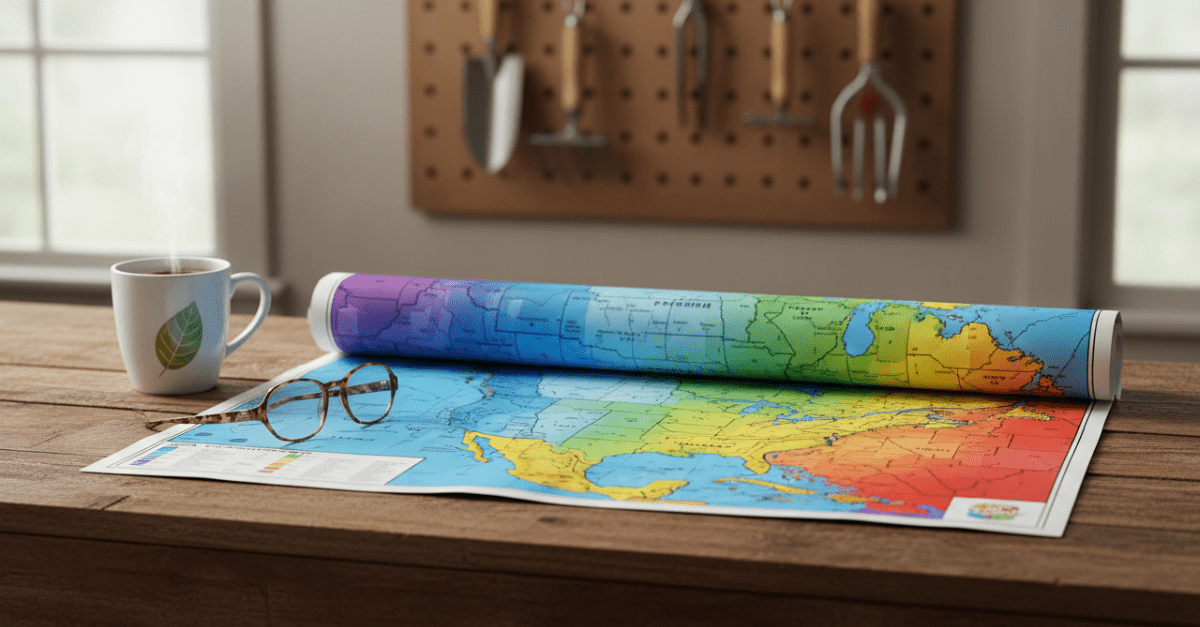
Think of hardiness zones as nature’s weatherproofing for your garden. They tell you what usually survives the coldest nights where you live. Once you know your zone, choosing plants and timing gets so much easier. I’ll show you how to find your zone and use it to plan, plant, and protect your garden.
What a USDA Plant Hardiness Zone Actually Means
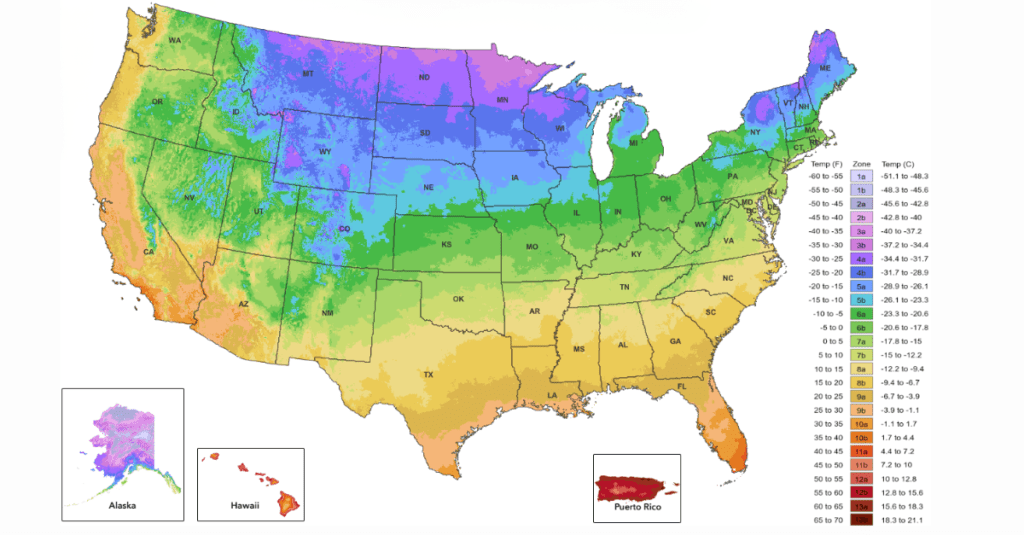
Zones are based on the average annual extreme minimum temperature for an area. In plain terms: Zone 2 is very, very cold; Zone 10 is nearly tropical. The map colors the country so you can see at a glance where your area sits. That coldest temperature matters because it’s the single hardest test many perennials, shrubs, and trees face each year.
The USDA system divides North America into zones numbered 1 through 13, with each zone representing a 10-degree Fahrenheit difference in average minimum winter temperature. Most zones are further divided into half-zones labeled ‘a’ and ‘b’, which represent 5-degree increments. For example, Zone 7a is 5 degrees colder than Zone 7b. The 2023 map is based on weather data from 1991 to 2020, using information from over 13,000 weather stations across the country.
How to Find Your Zone—Quick and Reliable
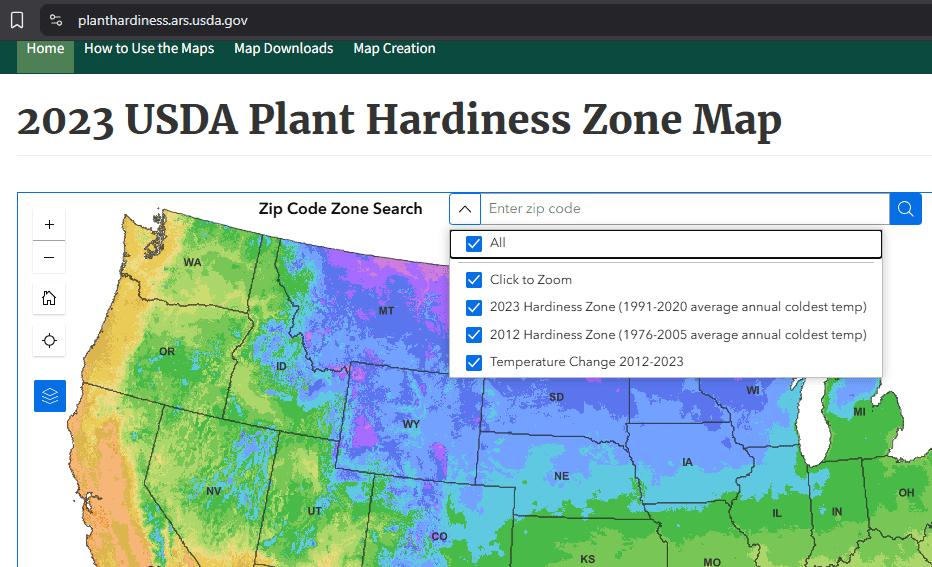
Pop your ZIP code into the USDA Plant Hardiness Zone Map online and you’ll get an instant answer. Many extension services and garden centers also display your zone and local frost dates. Save the map screenshot and your local last-frost and first-frost dates—these are the calendar anchors for your planting year. I tape my local frost dates inside my potting shed so I don’t forget when to stop planting tender things.
The interactive map at planthardiness.ars.usda.gov lets you click anywhere on the map to see the zone designation for that specific location. You can zoom in for incredible detail—down to a quarter square mile in some areas. The site also offers downloadable state and regional maps if you prefer a printed reference for your garden shed.
Why Zones Matter More Than Pretty Plant Tags
Choose plants that will survive winter: Plant labels list zones so a perennial labeled Zones 3-9 will survive your winters if you’re in that range—no finicky babysitting needed.
Timing is clearer: Knowing last and first frost dates tells you when to sow seeds, move transplants outside, or bring pots in.
Smart winter prep: If your zone gets bitter cold, you’ll want mulch, covers, or to sink pots into the ground for insulation.
Realistic expectations: Zones guide choices so you don’t grieve over plants that simply aren’t meant for your climate.
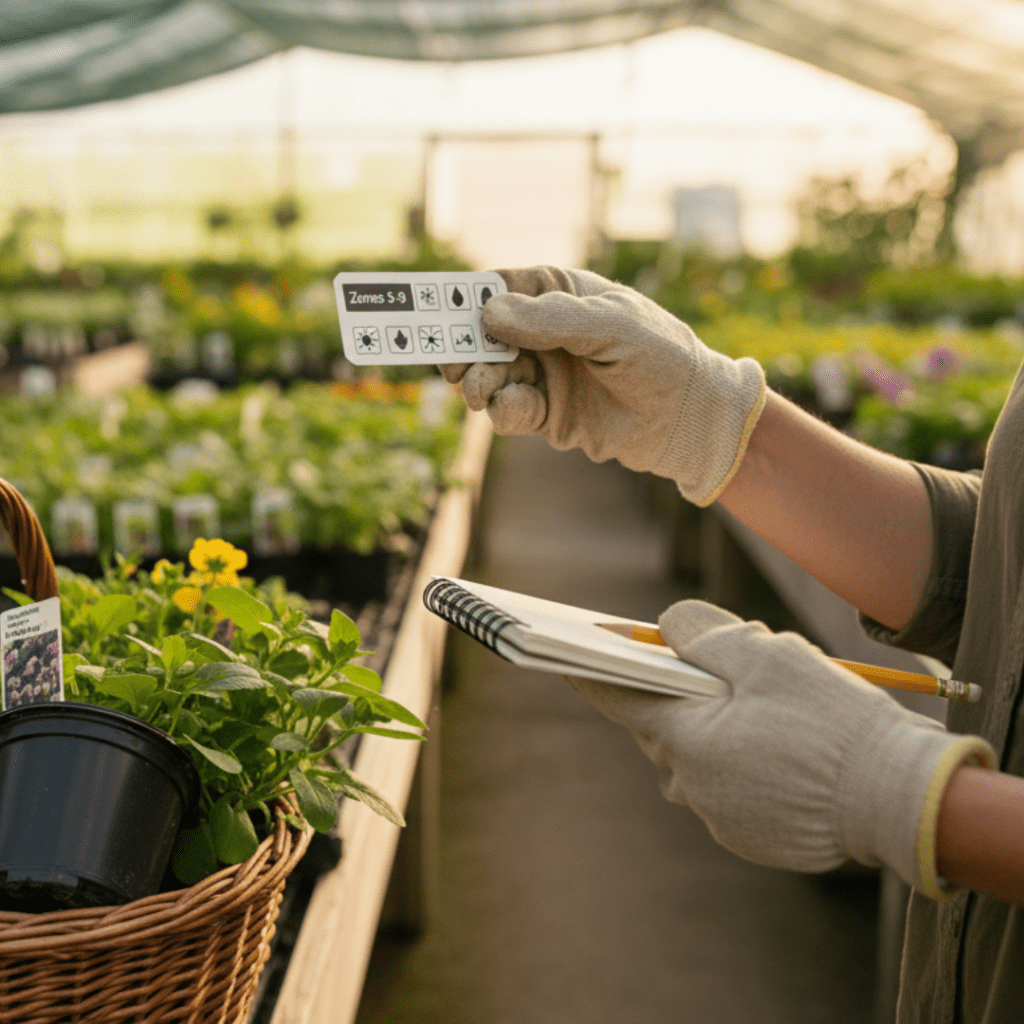
When you match plants to your zone, you’re working with nature instead of fighting it. A Zone 5 gardener who chooses a shrub rated for Zones 4-8 knows that plant has proven itself in temperatures down to minus 20 degrees Fahrenheit. That confidence means less worry, less winter loss, and more energy for the fun parts of gardening.
A Note About Microclimates—Your Garden’s Secret Zones
Zones are broad averages; your yard has its own microclimates. A warm south-facing wall, a low soggy patch, or a sheltered courtyard can change conditions by several degrees. These small differences let you grow tender plants in protected corners or need extra protection in exposed spots. I have a sunny brick wall where tomatoes ripen earlier than the neighborhood—my microclimate trick makes the difference between a short harvest and a long one.
Urban areas often register a full zone warmer than surrounding countryside because buildings, pavement, and concentrated human activity trap and release heat. A depression that collects cold air on still nights might experience temperatures 10 degrees lower than a nearby hillside. These variations aren’t shown on zone maps but matter enormously when you’re deciding where to site a borderline-hardy specimen.
Using Frost Dates to Plan Spring, Summer and Fall
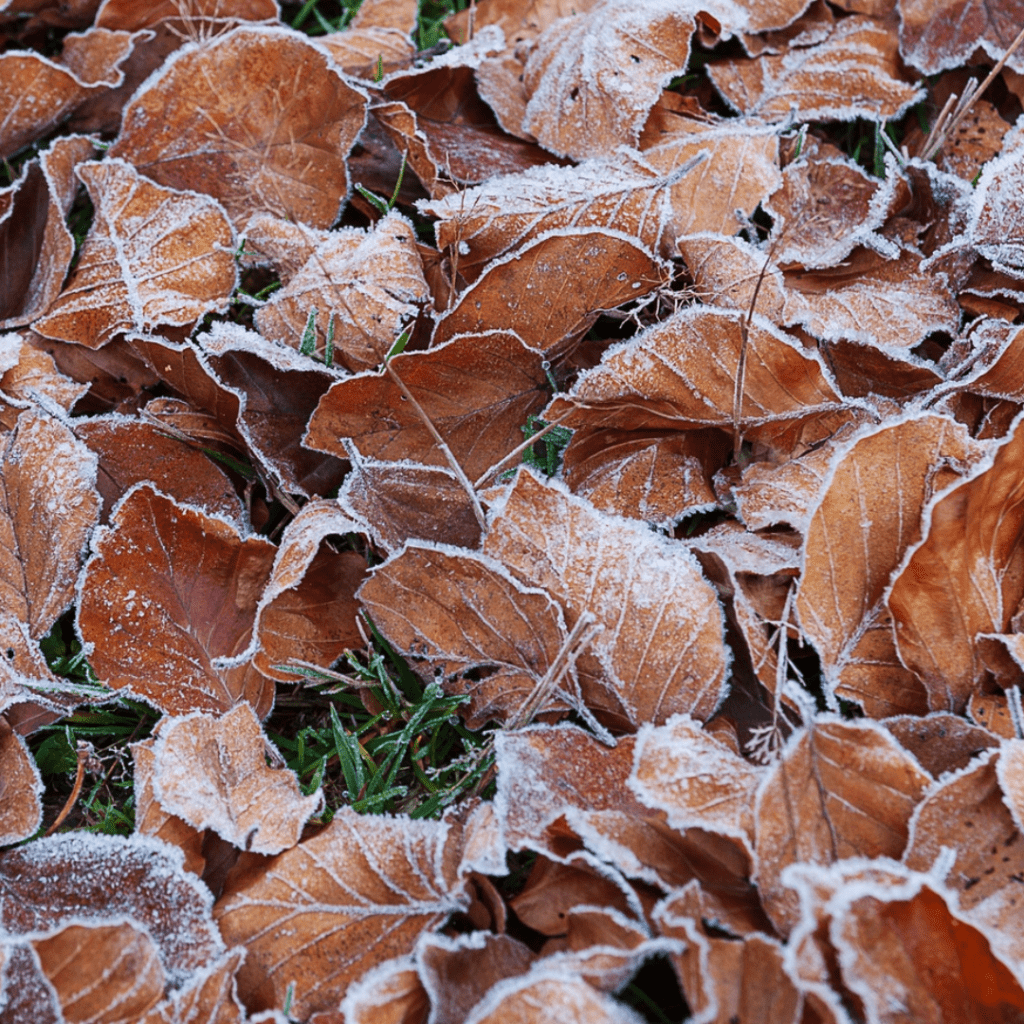
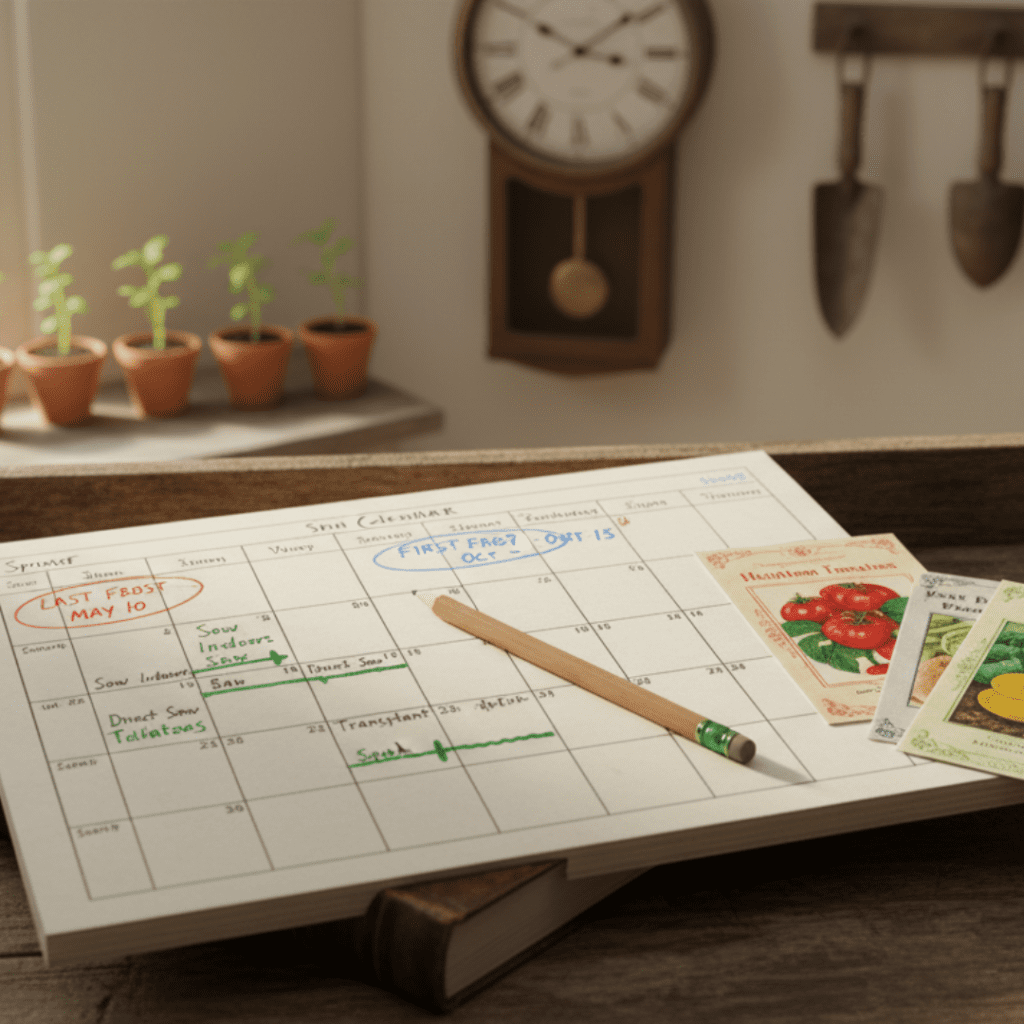
Your last frost date tells when it’s usually safe to plant frost-tender vegetables and annuals outside. Your first frost date helps you plan fall sowing, cover crops, or when to move pots indoors. A simple planting calendar based on these dates keeps you from the heartbreak of a late freeze. For example, in Zone 5 the last frost is often early May—so I wait until mid-May for my tomatoes and put a row cover up if an unpredictable cold snap threatens.
Frost dates aren’t guarantees—they’re statistical averages based on decades of weather records. Most extension services list both average and conservative dates. Conservative dates give you an extra week or two of buffer, which matters when you’re dealing with expensive transplants or irreplaceable heirloom seeds. I mark both dates on my calendar and use the space between them for hardening off seedlings and preparing beds.
Practical Planting Tips by Zone (Easy Examples)
Zones 3-5: Pick truly hardy perennials like coneflowers, sedum, and peonies. Extra winter mulch protects crowns in shifting freeze-thaw cycles. Your growing season runs roughly 90 to 140 days, so choose vegetable varieties bred for short seasons and quick maturity. Start seeds indoors to gain every possible week of growth.
Zones 6-7: You’ve got more season length—start warm-season crops a touch earlier and enjoy a broader palette of shrubs. Consider fall planting for many perennials that want time to root. Your 150 to 200 day growing season gives you room to experiment with both cool-season and warm-season crops in succession.
Zones 8-10: Your winters are mild so many tender plants can stay outdoors; fall and winter are great times to plant; summers bring heat and drought so choose heat-tolerant varieties. In these zones, spring and fall are your prime growing seasons while midsummer heat slows many vegetables. Plan accordingly with shade cloth and consistent irrigation.
Microclimate Tips to Extend What You Can Grow
South and west walls: These warm, sunny spots can grow marginally hardy citrus or tomatoes longer into fall; protect with frost cloth in sudden cold. Masonry walls store daytime heat and radiate it back at night, effectively creating a zone or half-zone warmer right at the wall’s base.
Sheltered courtyards: These trap heat and reduce wind; use them for tender potted plants all winter with little fuss. Wind protection matters as much as temperature—a windbreak can reduce heating needs for borderline plants by preventing desiccation and mechanical damage.
Low wet spots: Avoid planting drought-loving perennials here; amend soil or choose moisture-loving species instead. Cold air drains into these depressions on calm nights, so they experience later spring frosts and earlier fall frosts than nearby higher ground.
How to Prepare for Winter in Your Zone
Mulch: Add 2-4 inches of mulch around perennials and the base of shrubs in cold zones to protect roots from freeze-thaw heaving. Apply mulch after the ground freezes to prevent rodents from nesting in the warm layer. Shredded leaves, straw, and wood chips all work well.
Covers: For marginal plants, use floating row covers, burlap screens, or cloches for short freezes. These don’t add much actual warmth but they prevent rapid temperature swings and protect from drying winds. I keep a stack of old sheets and blankets in the garage for unexpected cold snaps.
Pots: Bring tender containers indoors or bury them near a sheltered wall and mulch heavily—containers lose heat quickly and are the first casualties of a cold snap. Roots in containers are exposed to air temperature on all sides while in-ground roots are insulated by the earth’s mass.
Prune with care: Delay heavy pruning in late fall; it can stimulate tender new growth that then gets zapped by cold. Save major pruning for late winter when plants are fully dormant and spring growth is still weeks away.
Beyond Zones: Other Climate Tools Gardeners Use
Sunset climate zones and heat zone maps consider sun intensity and summer heat—handy if you have very hot summers. The American Horticultural Society heat zone map shows the average number of days above 86 degrees Fahrenheit, which helps you choose plants that won’t languish in sustained heat.
Local extension bulletins often include pest schedules, disease notes, and cultivar recommendations tuned to your county. These publications account for rainfall patterns, humidity, soil types, and other factors that zone maps ignore but that matter enormously to plant success.
Frost-free dates and growing degree days help with vegetable timing and predicting bloom windows for fruit trees. Growing degree days track accumulated heat over time, giving you a more precise tool for scheduling plantings and anticipating harvests than simple calendar dates.
A Small Story to Encourage You
I once planted a tender fig against a warm, south-facing garage wall in a Zone 6 yard. Neighbors said it wouldn’t survive. The wall created a tiny, honest microclimate that kept the fig’s roots cozy and the plant ripened more fruit than the local nursery expected. Knowing my zone—and my own warm wall—let me take a gentle chance and it paid off.
That fig taught me to respect zone maps while staying curious about what my specific garden could do. Every yard has hidden possibilities. Your job is to learn your zone, observe your microclimates, and then experiment thoughtfully. Some experiments will fail, but the successes make you a better gardener and give you bragging rights at the garden club.
Quick-Fire FAQ
Q: How accurate are USDA zones for my yard?
A: They’re a great starting point but don’t replace local observation—check microclimates, frost dates, and your own garden history.
Q: What if my zone changes on the map?
A: Zones can shift slowly with climate trends—watch local weather and use current maps, but still rely on your own seasonal notes.
Q: Should I choose plants strictly by zone?
A: Use zones as a guide, then consider sun, soil, drainage and your yard’s microclimates before deciding.
Q: Can I grow tropical plants in a cooler zone?
A: Yes—if you provide winter protection, grow them in pots to bring inside, or place them in a heated greenhouse.
— Grandma Maggie