
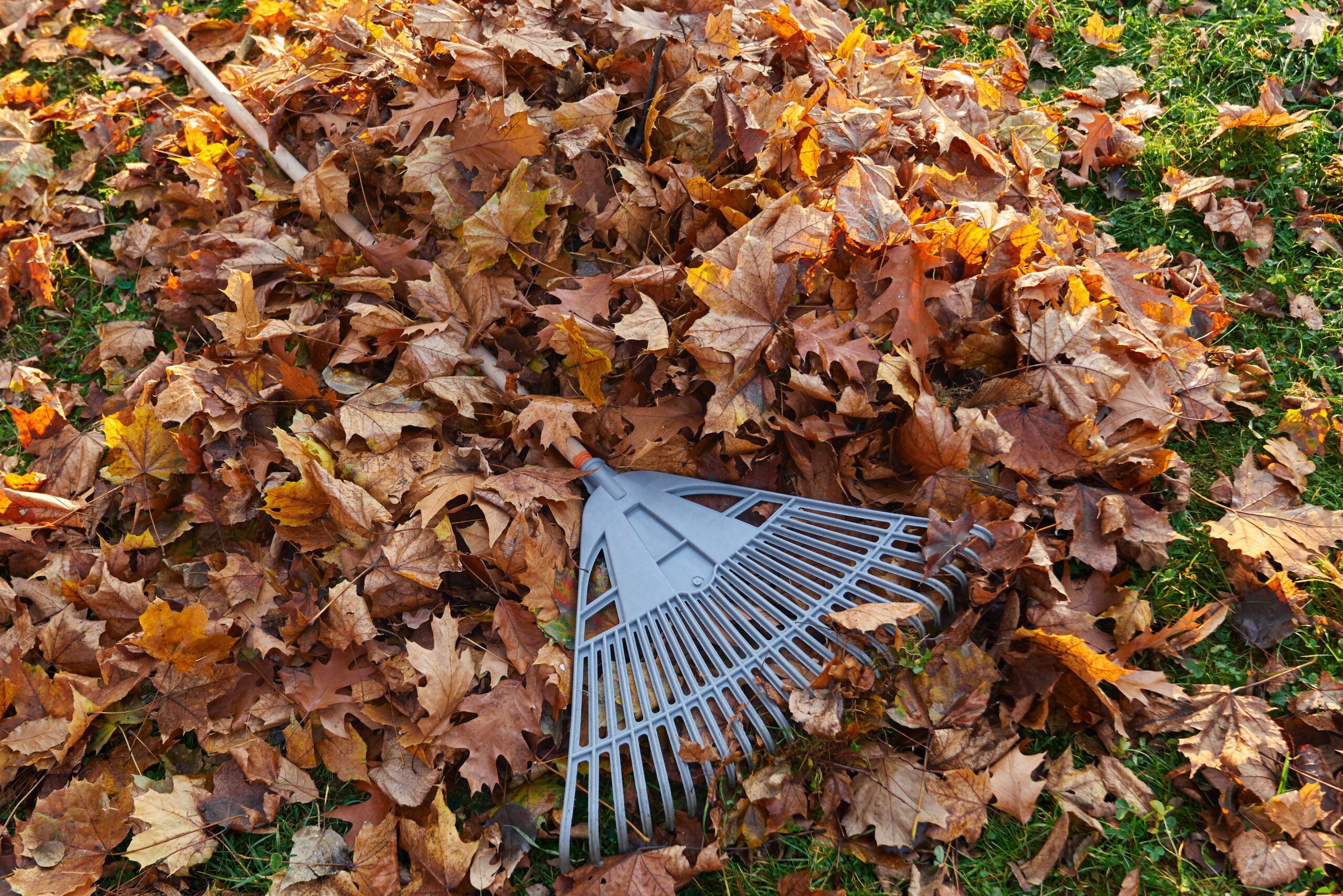
Not every fallen leaf needs to be banished to the curb. Some leaves are little ecosystems that shelter moths, feed soil life, and tuck insects safely through winter. Other leaves bring disease or chemicals that can harm lawns and young plants, so those are better raked away. Let me walk you through which leaves I leave, which I remove, and easy, practical ways to manage them that help both your garden and local wildlife.
Leaves Worth Leaving—and Why They Matter
1. Oak Leaves: Shelter for Beneficial Insects
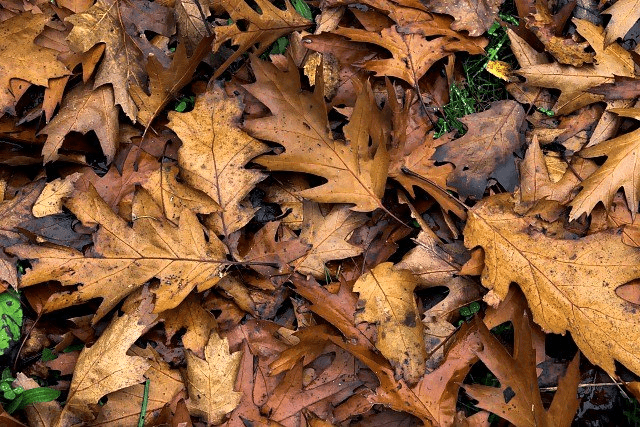
I always leave a pile of oak leaves under native shrubs and at the edge of my wild patch. They’re chunky and slow to break down, creating insulated shelter for moth pupae, many beetles, and other overwintering insects. Come spring those little critters emerge to feed pollinators and songbirds. Oak leaves provide vital habitat for earthworms, ladybugs, spiders, and numerous beneficial insects that contribute to natural pest control in your garden.
2. Maple Leaves: Fast-Breaking Garden Gold
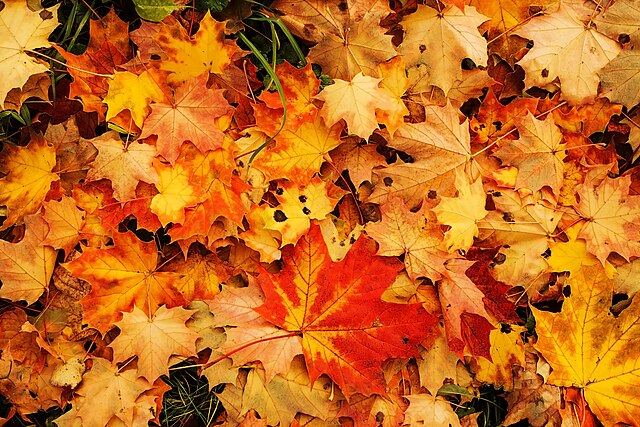
Finer and faster to compost, maple leaves are garden gold when chopped and mixed into beds. They break down into rich, crumby soil that your perennials will drink up happily by next season. I often shred a bagful into my raised beds to feed hungry roots. Their quicker decomposition makes them ideal for improving soil structure and adding organic matter.
3. Beech Leaves: Winter Insect Cover
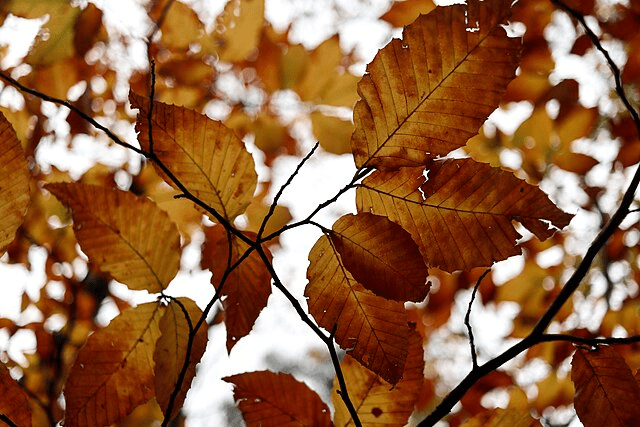
Thin but sturdy, beech makes a fine winter cover for ground-dwelling insects. They form a loose, breathable layer that doesn’t mat down into suffocating clumps—perfect where you want critters to survive the cold. These leaves maintain air circulation while still providing adequate protection.
4. Birch Leaves: Lightweight Mulch
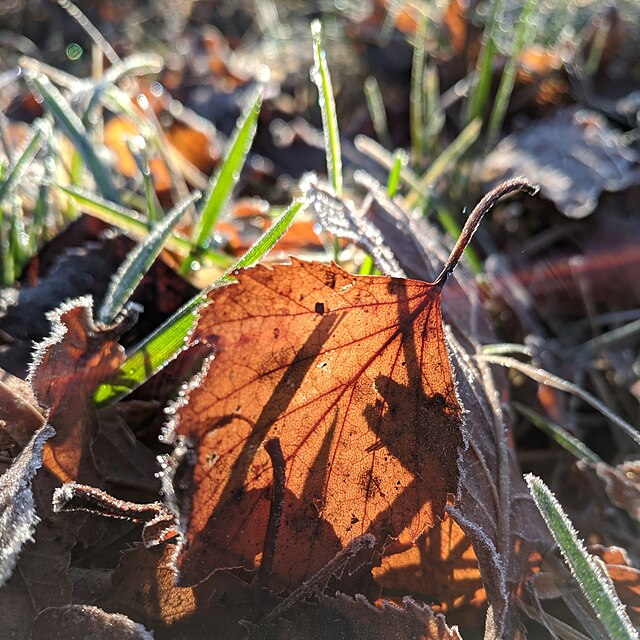
Lightweight and quick to feed the soil, birch leaves are ideal for mulching around spring bulbs. I scatter them lightly, and they disappear into the earth by planting time. Their rapid breakdown enriches soil without creating thick barriers.
5. Fruit Tree Leaves: Healthy Mulch Option
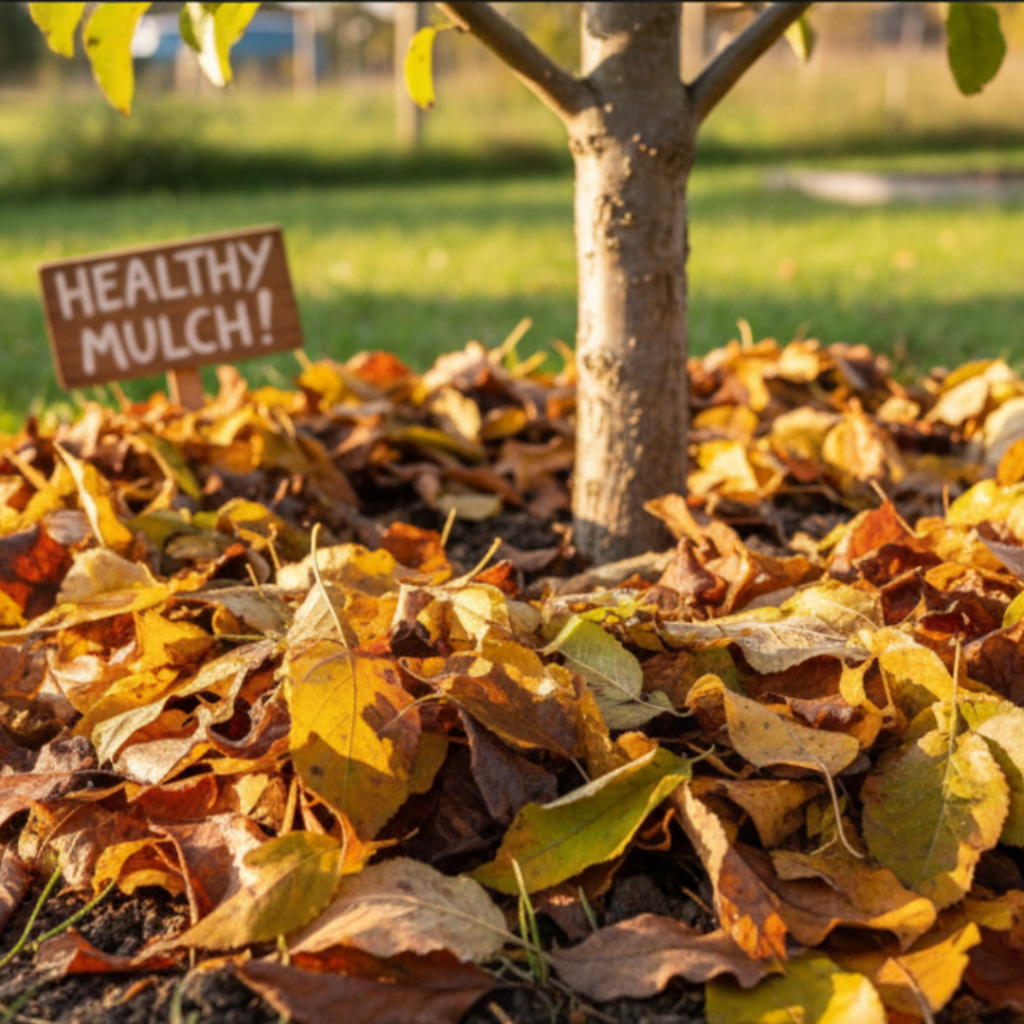
Fruit tree leaves make good mulch when disease-free. They add structure and slowly feed soil biota—just avoid using them if you had a scab or rust outbreak that year. Clean fruit tree leaves contribute beneficial organic matter without introducing pathogens.
6. Elm Leaves: Native Caterpillar Habitat
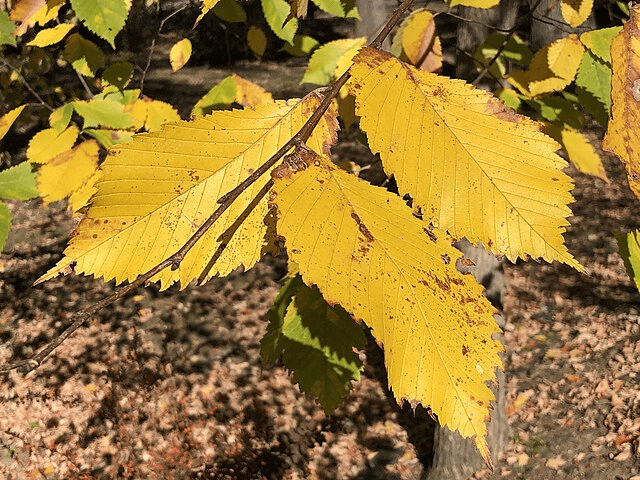
Elm hosts a surprising number of native caterpillars that feed there; leaving elm litter in a small, protected corner means you’ll support native butterfly and moth species next year. I keep a tidy elm pile at the far side of the garden for this reason. These leaves provide crucial habitat for insects that will support your local ecosystem.
These leaves all offer habitat value: eggs, pupae, spiders, ground beetles and the tiny microbes that build soil. I aim to keep 10–30% of my garden in a light leaf layer or brush pile to nurture a healthy web of life.
Leaves You Should Rake or Remove
1. Fungus-Affected Leaves: Disease Control Priority
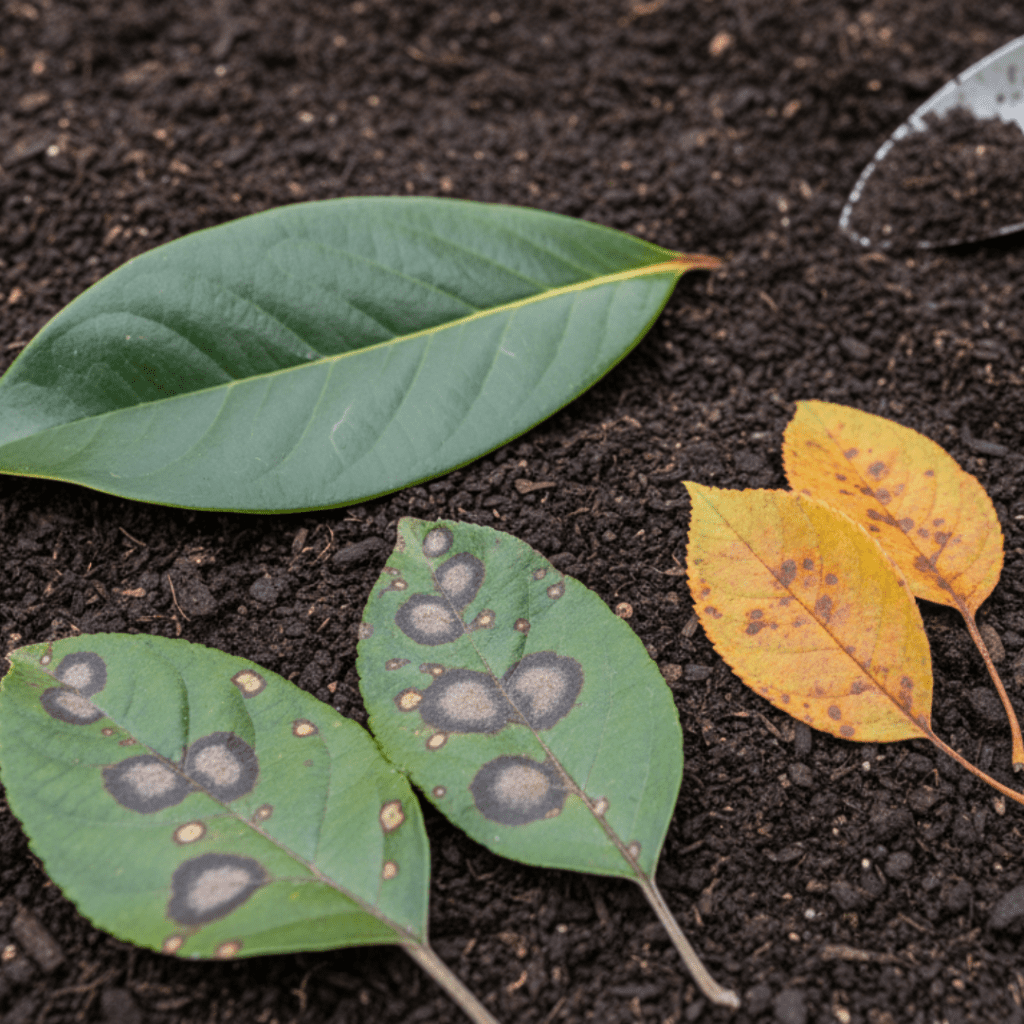
Diseased leaves are a primary place pathogens overwinter. Bag and remove these to reduce next year’s infections—don’t compost them in your main pile unless you run a hot, disease-killing compost. I toss mine in the municipal green bin or carefully burn them if local rules allow. Look for signs like apple scab, rust, or heavy mildew.
2. Walnut Leaves: Juglone Concerns
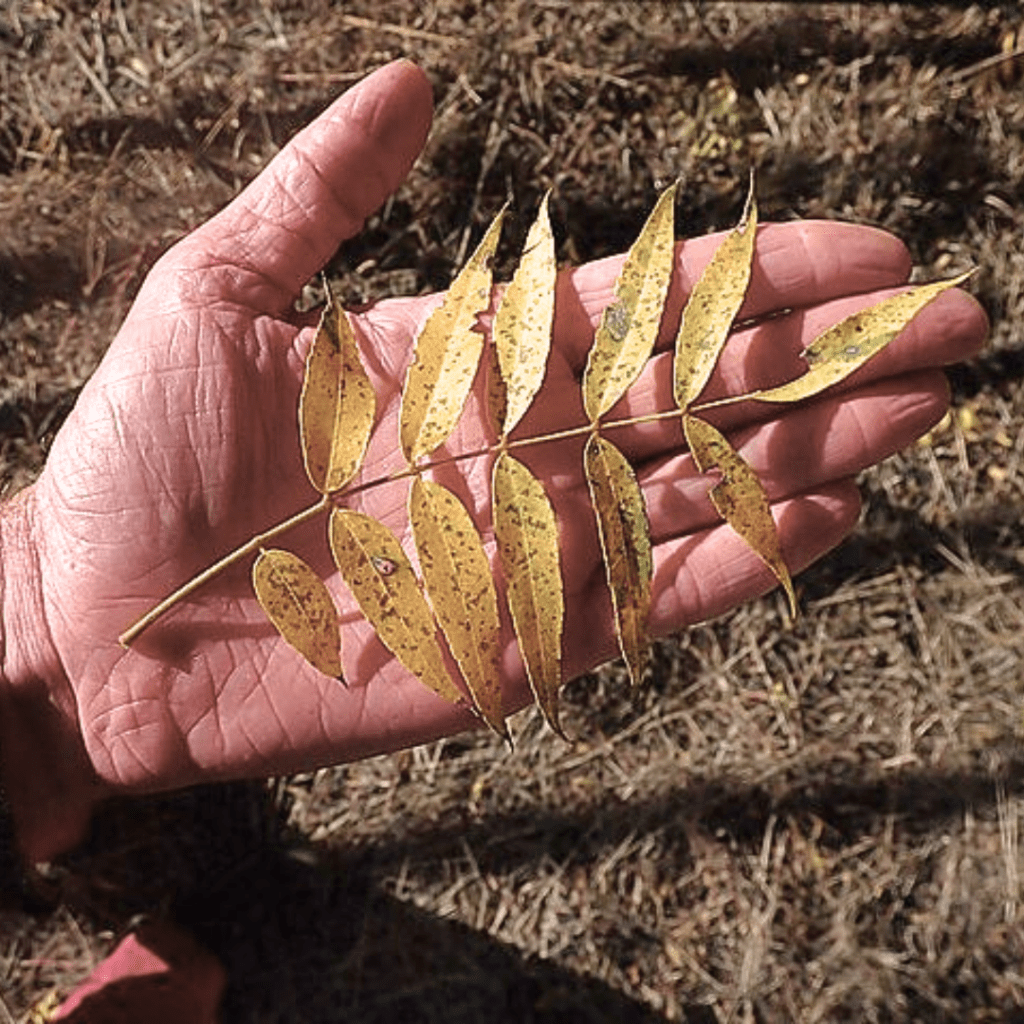
Walnut trees produce juglone, a natural chemical that can be toxic to some garden plants. Rake walnut litter away from sensitive beds and avoid using it as mulch near tomatoes, azaleas or apples. The compound can inhibit growth in susceptible plants.
3. Sycamore and Magnolia Leaves: Matting Hazard
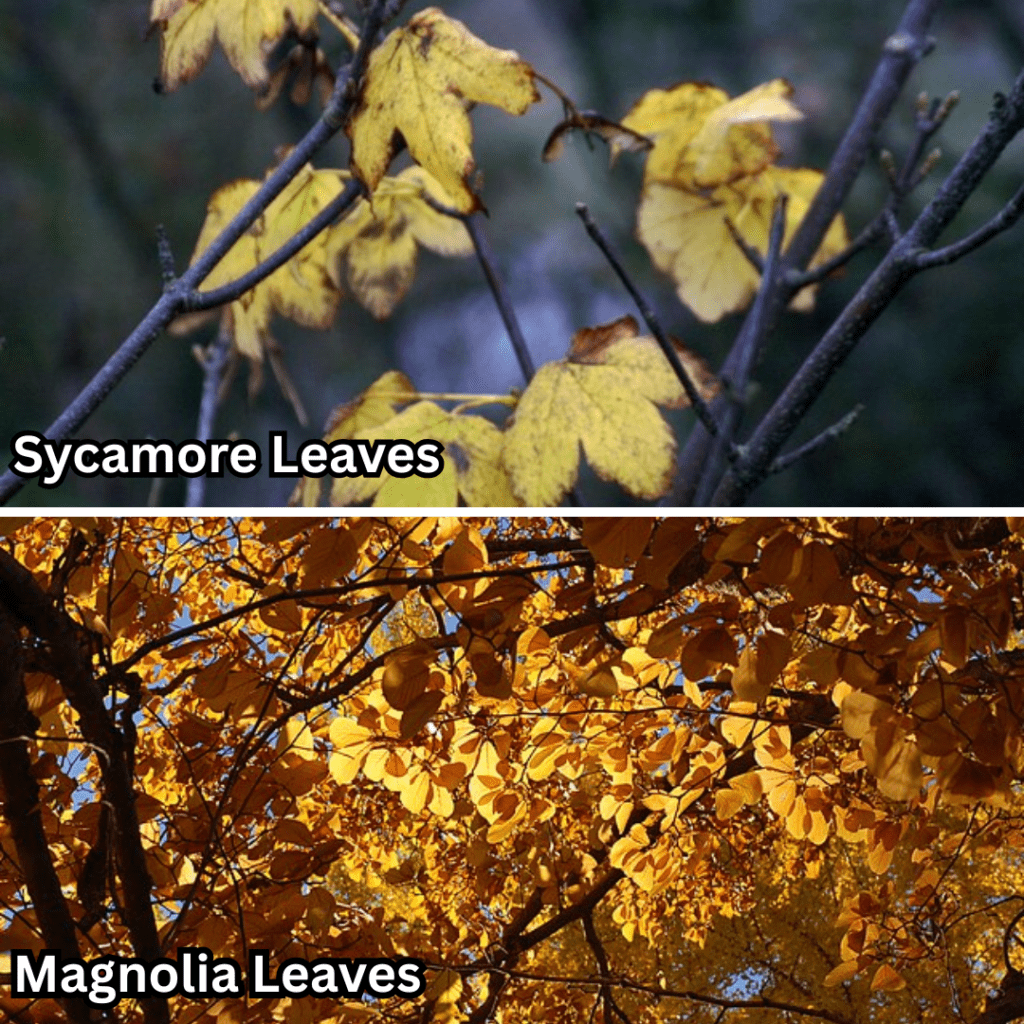
These are big, glossy, and likely to mat and suffocate turf if left on lawns. Remove or shred them before rain; otherwise grass can yellow and thin under a heavy blanket. I run them through a leaf shredder and scatter the pieces in less vulnerable beds. Their large size and waxy coating make them particularly prone to creating dense, airless layers.
If you’re unsure whether a leaf is diseased, look for spots, fuzzy growth or premature browning. When in doubt, remove and inspect; it’s worth being cautious with high-value fruit trees and ornamental beds.
How to Use the Leaves You Leave: Habitat, Mulch and Compost
Create a Leaf Litter Strip
In a corner or along a hedge, let a 6–12 inch layer of mixed leaves sit through winter. This “wild strip” becomes habitat for pollinators and small vertebrates and breaks down into organic riches by spring. This depth provides adequate insulation for overwintering insects while remaining loose enough for movement.
Make Brush Piles
Combine branches, twigs, and leaves in a loose pile for toads, hedgehogs (where they’re native), and nesting insects. Keep piles away from structures and locate them in a quiet, slightly shady spot. These piles offer shelter and foraging opportunities for beneficial wildlife.
Shred and Mulch
Run leaves through a mulching mower or leaf shredder. Shredded leaves won’t mat and make excellent mulch around perennials (apply a 2–3 inch layer away from crowns). I love shredding bulky sycamore leaves before mulching so they’re friendlier to lawns. Smaller particles integrate better with soil and decompose more evenly.
Compost Wisely
Healthy leaves are great in a compost pile—alternate layers of green and brown, and keep the pile moist. For diseased leaves, either hot-compost them (160°F for several days) or exclude them entirely and use municipal disposal if needed. Proper composting transforms leaves into nutrient-rich soil amendment.
Practical Lawn Strategies—Keep Turf Happy Without Erasing Habitat
If you prefer a tidy lawn, you don’t need to remove every leaf. Run a mulching mower over light layers of leaves every couple of weeks; the mower chops and returns organic matter to feed the turf. For heavier fall rains, rake off mats of sycamore or magnolia leaves so the grass below breathes. I balance a neat lawn with a wild edge—tidy pathways and a free-form border keep both neighbours and wildlife happy.
Timing, Tools and Safety Notes
Timing
Leave leaves over the winter if they’re healthy; clear diseased leaves as soon as you notice them. Remove heavy masses before spring so emerging shoots aren’t smothered. Winter leaf cover protects beneficial insects during their most vulnerable period.
Tools
Mulching mower, leaf rake, leaf shredder (handy for big yards), and compost bins. A tarp is my favorite for moving leaf loads—simple and back-saving. These basic tools make leaf management efficient and effective.
Safety
Wear gloves when handling trashy leaves and avoid inhaling dust from old, dry leaves that may carry spores. Wash hands after handling diseased material and sanitize tools if you’ve cut through infected tissue. Basic precautions prevent spreading pathogens.
A Small, Warm Note from My Garden
One year I left a tiny corner under an old oak untouched; in spring I found a dozen bright moth caterpillars munching away and a robin feeding on them. That wild corner cost me a little neatness and returned a great deal of life. Leaving some leaves is like leaving crumbs for the whole backyard to come alive again.
Quick-Fire FAQ
Q: Can I compost diseased leaves?
A: Only if your compost reaches high temperatures (160°F) consistently; otherwise bag and remove diseased leaves to prevent re-infection.
Q: How deep should a leaf litter habitat be?
A: Aim for a 6–12 inch layer—deep enough to shelter insects but loose enough for small animals to move through.
Q: Will leaving leaves attract pests like rodents?
A: A tidy, strategically placed leaf strip is unlikely to cause big rodent problems; avoid piling leaves against your house and keep wildlife piles away from foundations.
Q: How do I prevent leaf matting on lawns?
A: Shred leaves with a mulching mower or rake and remove heavy sheets of large leaves like sycamore and magnolia before they get wet and compacted.
— Grandma Maggie