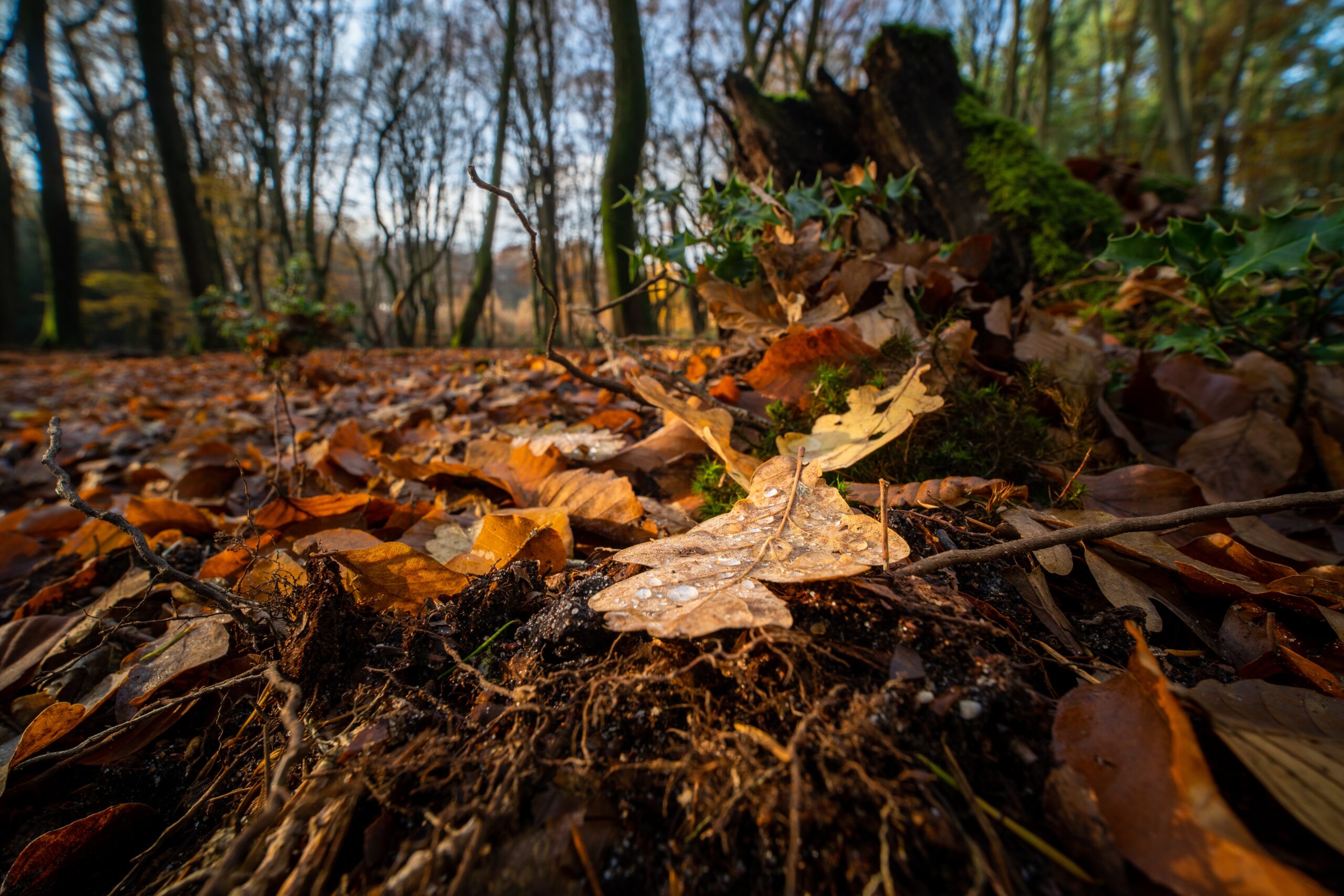
One pile of leaves is more than tidy garden refuse — it’s a tiny city. That single heap can shelter a hundred species or more: moths, beetles, salamanders, earthworms, millipedes, spiders, and overwintering pollinators. Bagging every leaf evicts an entire ecosystem your garden depends on for pest control, pollination, and soil health.
What Lives in the Leaf Pile and Why It Matters
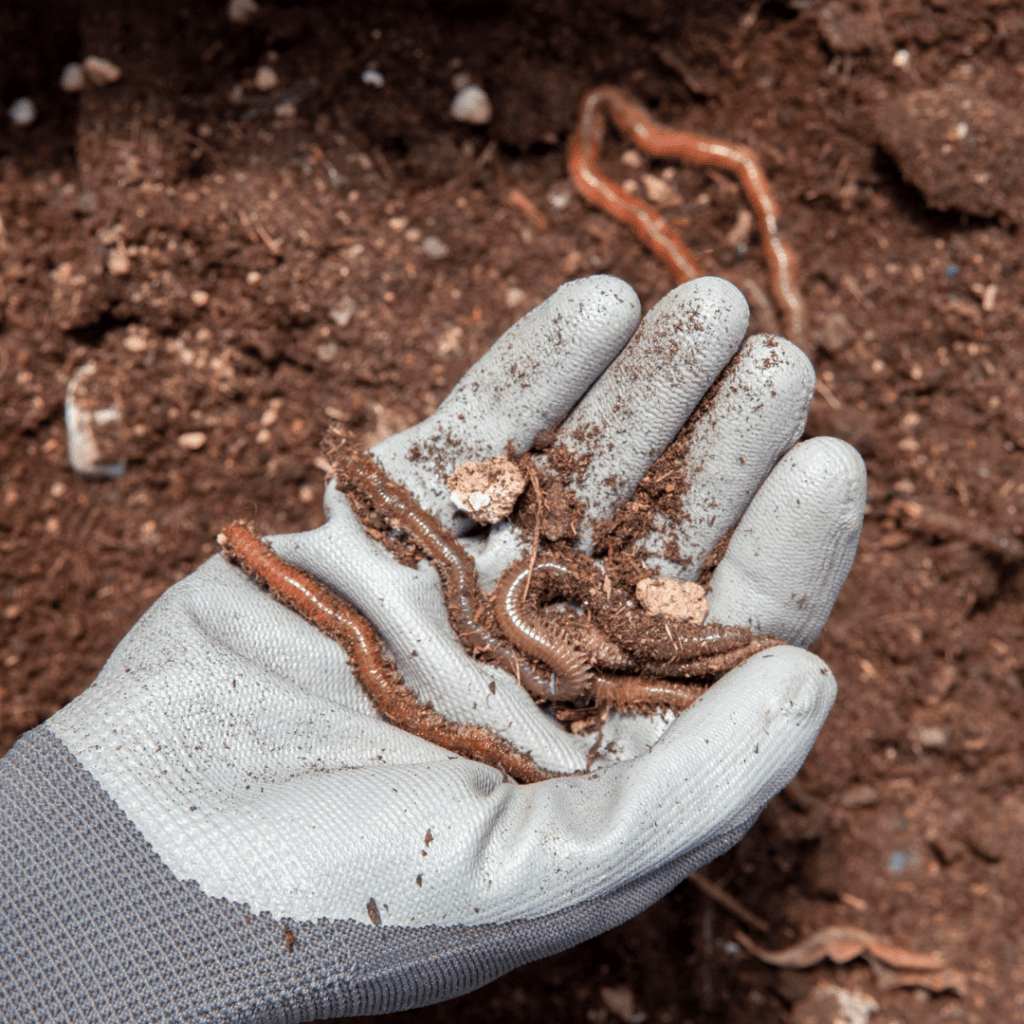
Underneath a carpet of leaves there’s a slow, patient world at work. Earthworms aerate and mix organic matter into the soil; beetles and larvae munch decaying leaves and control pests; moths and many spiders overwinter as eggs, pupae, or adults; salamanders and small amphibians hide in damp leaf layers and eat slug and insect pests. Those tiny actors help keep your garden balanced — fewer pests, richer soil, and more food for birds next spring.
When you bag and haul leaves away you remove food and shelter for those helpers, and you throw away the very material that, if left, returns nutrients to beds as it breaks down. I remember as a young homeowner hauling clean leaf bags to the curb and later watching a neighbor leave a corner alone and get a parade of birds and frogs the next spring. Lesson learned: a little bit of mess makes a lot of sense.
Where to Leave Leaves (and Where Not To)
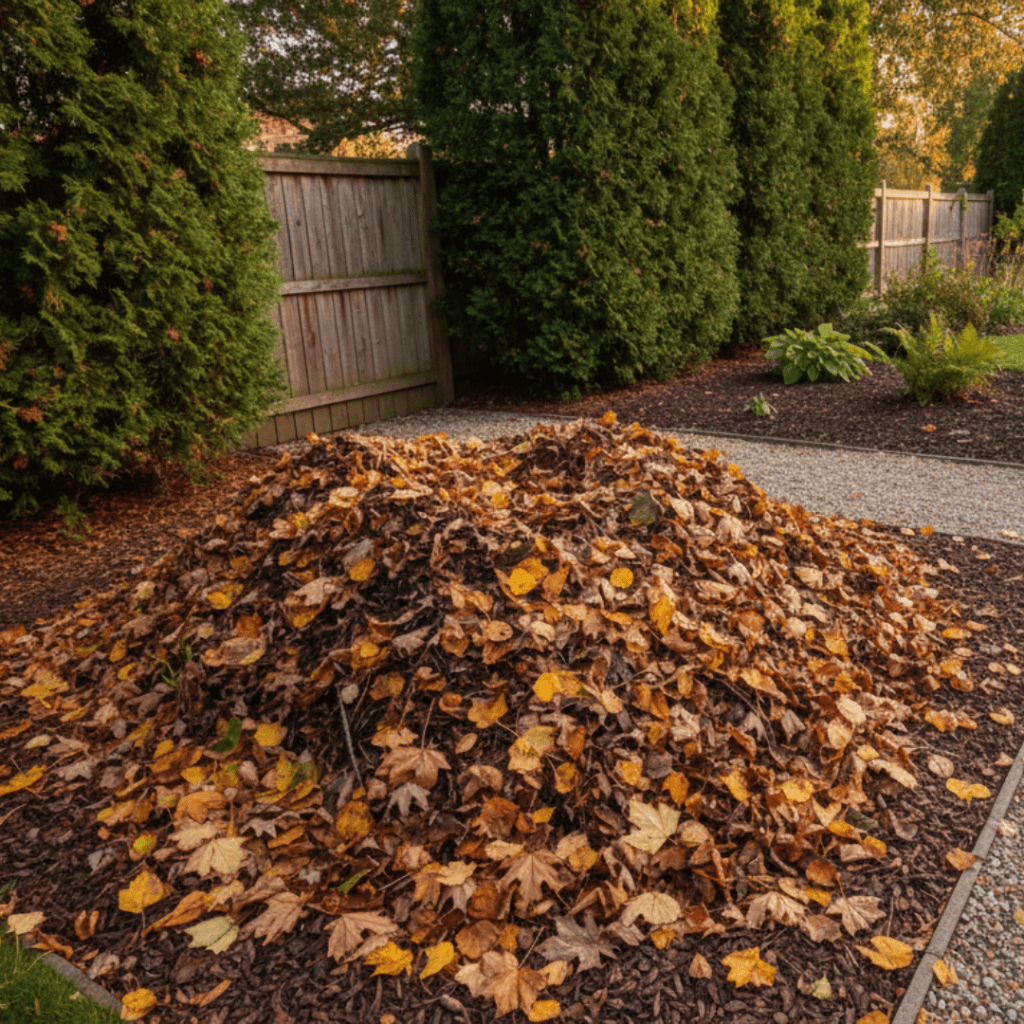
- Pick a wildlife corner: Choose a spot against a hedge, near shrubs, or beside an out-of-the-way compost area to leave an undisturbed leaf pile. Even a 4×6 foot patch will support dozens of creatures.
- Keep leaves off paths and play areas: You can still have a tidy yard — leave some leaves in a wildlife corner while raking or shredding the rest from walkways and patios. If kids love jumping in leaf piles, designate a separate play pile to keep disturbance away from the wildlife nook.
- Avoid piling against foundations: Don’t heap leaves against house foundations or wooden structures where moisture could invite rot or pests. Leave a gap so walls can breathe.
- Be cautious near vegetable beds: For annual vegetable plots, remove or compost diseased leaves, but consider placing a thin leaf mulch around perennial edges to feed pollinators and soil life.
How to Manage Leaves So They Help, Not Harm
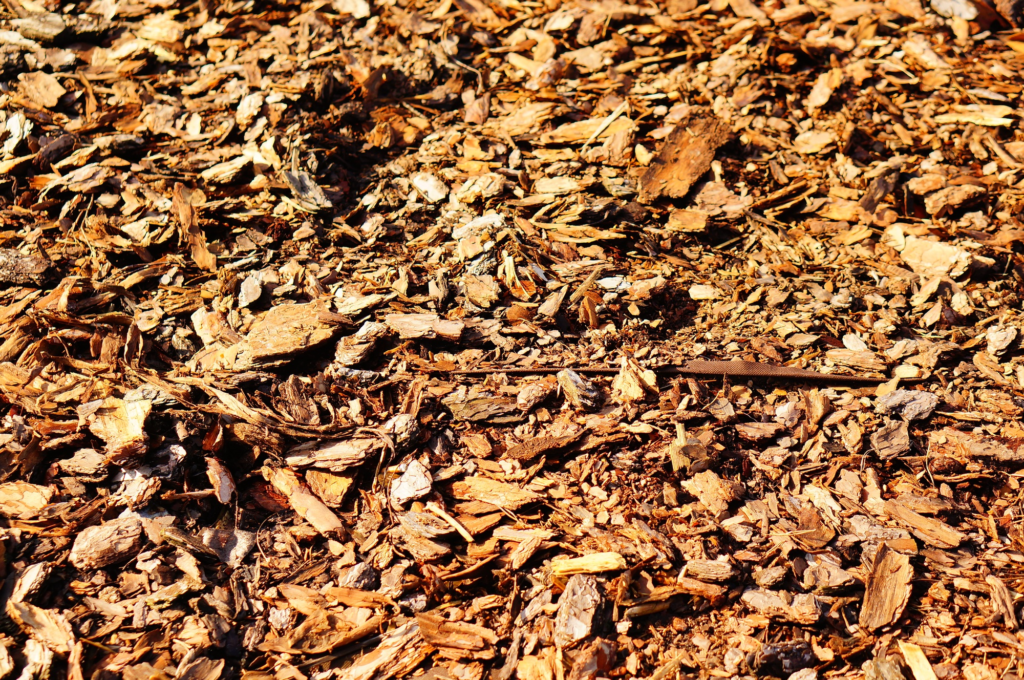
Shred for speed: Running leaves through a mower or shredder reduces volume and speeds decomposition; shredded leaves make excellent mulch and won’t mat down into a soggy barrier. I run a motor mower over piles and use those shreds around roses and perennials.
Use as mulch and compost: Spread shredded leaves 2–3 inches around perennial beds, woody shrubs, and the base of trees (keep a little space at the trunk). Pile leaves into a compost bin or layered leaf mold pile for a year to produce a dark, crumbly soil amendment.
Make leaf mold: Pile leaves in a mesh bin or wire ring, keep them moist, and in a year you’ll have glorious leaf mold that holds moisture and improves soil structure. Leaf mold is heaven for thirsty summer soils.
Leave logs and brush: Add a few small logs or a low brush pile to the leaf corner: they attract insects and amphibians and give structure to the habitat. Place them in shade and away from busy garden areas.
Dealing with Diseased Leaves and Invasive Seeds
Not all leaves are safe to leave in place. If plants had severe fungal diseases (like late blight on tomatoes or certain fungal leaf spots) or invasive species with viable seedheads, collect those leaves and either hot-compost them (internal bin temps greater than 140 degrees Fahrenheit) or dispose of them through municipal green waste programs. For most ordinary maple, oak, and cherry leaves, however, leaving them to break down in a wildlife corner is perfectly fine and beneficial.
Timing Tips and Seasonal Care
Fall: Rake paths and veg beds, but choose a corner to leave undisturbed piles. Start leaf mold bins now so they can break down by next year.
Winter: Leave piles in place as shelter; check from a distance without disturbing.
Spring: Gradually thin piles as soil warms, use the best looking leaf mold as mulch, and scatter some shredded leaves into beds to feed soil life for the new season.
A Few Everyday Recipes for Leaf Goodness
Simple shredded mulch: Run leaves through mower, spread 2–3 inches around perennials, keeping away from crowns and trunks.
Quick compost layer: Alternate 4–6 inches of shredded leaves with a few inches of green kitchen scraps, watering each layer; turn periodically if you have the energy.
Leaf mold: Fill a wire bin with whole leaves, keep damp, wait 9–12 months, then shovel out sweet, spongy leaf mold.
How to Keep Everyone Safe and Happy
Kids and dogs: Designate a play pile separate from wildlife corners and check for hidden hazards before play.
Snakes: Most snakes you’ll find in leaf litter are harmless and are helpful rodent predators; encourage understanding rather than fear, and if you must move a pile, do so carefully.
Ticks and pests: A small, tidy wildlife corner tends to have lower human contact; avoid dense leaf piles right next to doorways. Wear gloves when handling and check pets after playtime.
Community and Neighborhood Tips
If your neighborhood has leaf collection by the city, use that service for diseased leaves and keep good leaves for leaf mold. If neighbors prefer tidy yards, a friendly chat, a small sign (“Wildlife Corner—Please Don’t Rake Here”), or a jar of cookies and a garden tour can make allies. I once swapped a jar of plum jam for a neighbor’s agreement to let one corner go wild — and that corner now hosts amphibians, bees, and a chorus of birds each spring.
A Small, Practical Nudge from My Porch
When I stopped bagging every leaf, my beds started to feel alive in a new way. I heard more insect chorus in the morning and saw more wrens poking through the edges. Leaving leaves is an easy, kind step toward a healthier garden — and it costs almost nothing but a little patience.
Quick-Fire FAQ
Q: Will leaving leaves make my yard look messy?
A: You can have both neat and wild — leave a designated wildlife corner while keeping paths and play areas tidy. A single 4×6 foot patch is often enough to support dozens of species.
Q: Are leaf piles dangerous for my home because of pests?
A: Avoid piling leaves against foundations or wooden structures; place them in a sheltered corner and they’ll be habitat, not a hazard.
Q: What do I do with diseased leaves?
A: Collect diseased leaves and hot-compost them or place them in municipal green waste—do not leave them with healthy leaf piles.
Q: How long should I leave a leaf pile before using it as mulch?
A: Shredded leaves can be used as mulch immediately, while whole leaves make the best leaf mold after 9–12 months of decomposition.
— Grandma Maggie