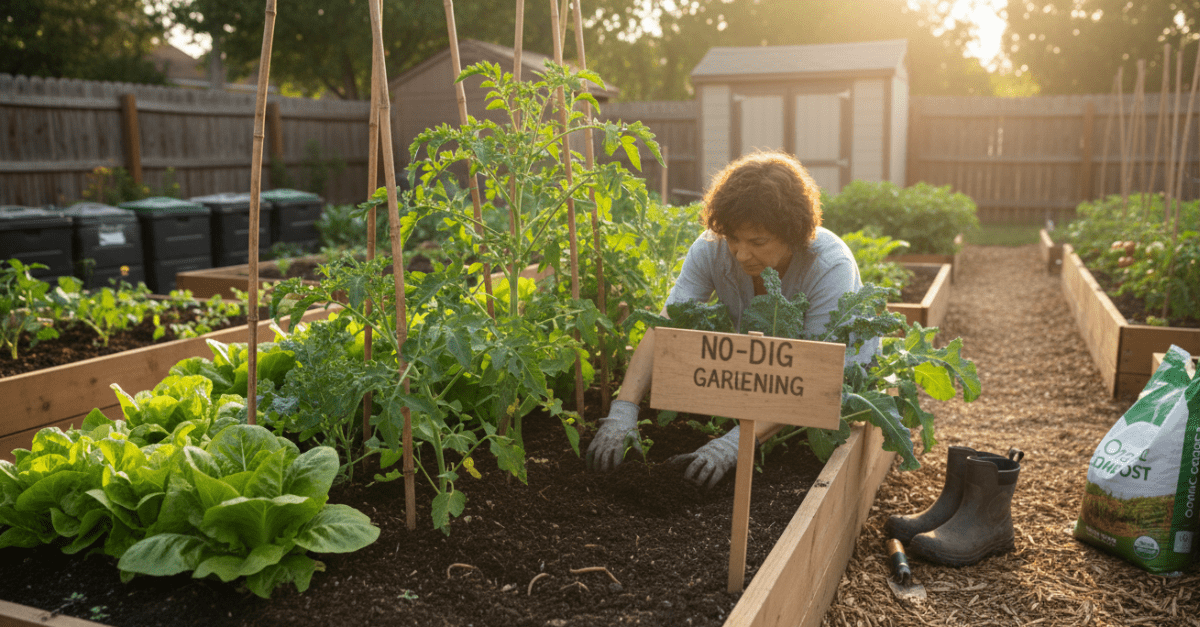
I spent my first twenty years of gardening turning soil like my life depended on it. Every spring, out came the tiller, and I’d churn up my beds until the earth was fluffy and fine. I thought I was doing everything right. Then my back started protesting, I noticed my earthworm population declining, and a fellow gardener introduced me to no-dig gardening. I was skeptical—how could not working the soil produce better results? But after fifteen years of no-dig growing, I can tell you this: my beds are more productive, my soil is healthier, and I have energy left over for actually enjoying my garden. Let me show you why this method works and how to get started, even if you’ve been tilling for decades like I was.
Why No-Dig Gardening Works So Well


When you till or dig soil, you’re disrupting an entire underground ecosystem that took years to establish. Beneficial fungi form networks called mycorrhizae that connect plant roots and help them absorb nutrients and water. These delicate threads get shredded by tilling. You’re also bringing weed seeds from deep in the soil up to the surface where they’ll germinate, creating more work for yourself. I used to spend hours every week pulling weeds that I’d essentially planted myself by turning the soil.
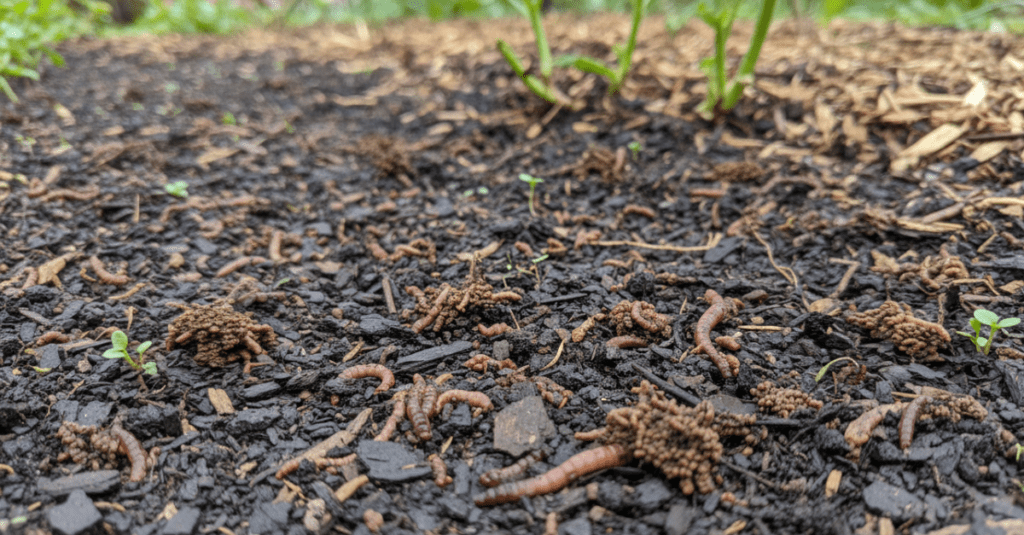
No-dig gardening mimics how soil builds in nature. In a forest, leaves and organic matter fall on the surface, decompose, and get incorporated by soil organisms. You never see anyone out there with a rototiller, yet forest soil is incredibly rich and fertile. When I started layering compost on top of my beds instead of mixing it in, I noticed earthworm populations explode within one season. These workers do the mixing for you, creating channels for air and water while depositing nutrient-rich castings throughout the soil profile.
The structure of undisturbed soil is also superior for plant growth. Soil develops natural layers and aggregates that improve drainage in clay soils and water retention in sandy soils. After three years of no-dig management, I took a soil core sample and could see distinct layers with excellent crumb structure. My old tilled beds had been homogeneous and would compact after heavy rain. Now water infiltrates quickly and roots penetrate easily, even in my clay-heavy native soil.
Converting Existing Beds to No-Dig
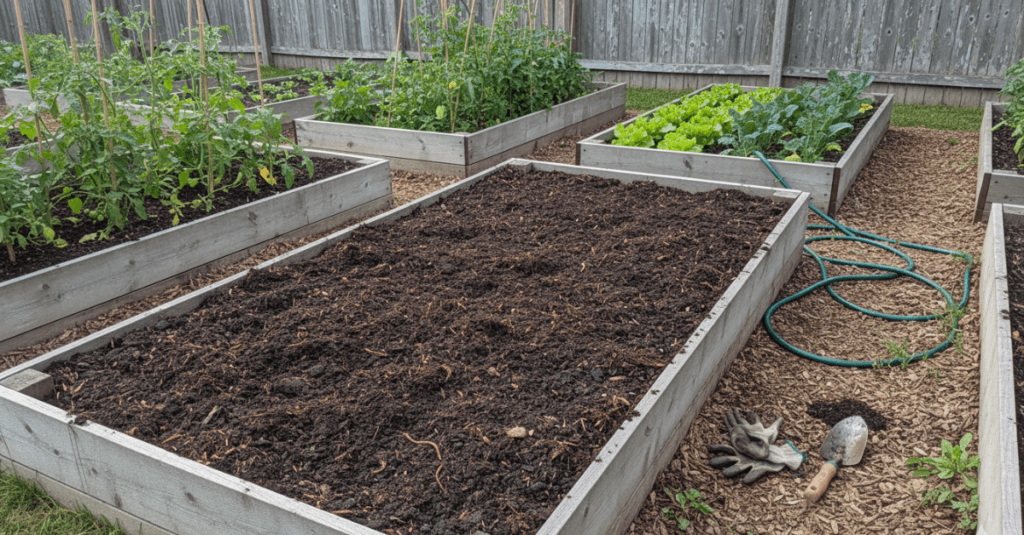
If you already have established garden beds, the transition is remarkably simple. I made the switch bed by bed over two seasons, which let me compare results side by side. For your last tilling or digging session, work the soil one final time in early fall if it needs it, then immediately apply two to three inches of finished compost across the entire bed. I use a measuring stick to check depth because it’s easy to spread it too thin. Rake it level but don’t incorporate it.

Over winter, earthworms, beetles, and other soil organisms will begin moving this organic matter downward. In my Zone 6 garden, I see about half the compost layer worked in by spring, with the rest forming a nutrient-rich surface mulch. When planting time arrives, I simply push aside the compost layer, plant seeds or transplants directly into the soil below, then pull the compost back around the plant stems. The compost acts as mulch, suppressing weeds and retaining moisture while continuing to feed the soil.
Each subsequent fall, I repeat the process with another two to three inches of compost. I’ve been doing this for fifteen years now in some beds, and the soil just keeps improving. The top six to eight inches are dark, crumbly, and absolutely teeming with life. I’ll occasionally encounter a compacted spot, usually from foot traffic, and I’ll gently loosen just that area with a digging fork without inverting the soil layers. But mostly, I just add compost and let nature do its work.
Starting New No-Dig Beds From Scratch
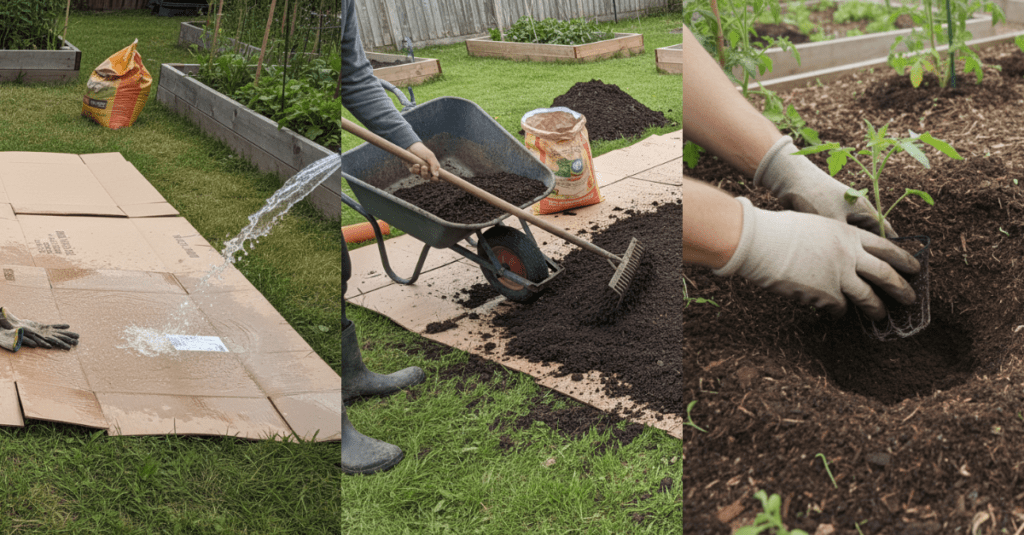
Creating new garden beds without digging was the revelation that truly converted me. I have terrible clay soil, and the traditional method of stripping sod, double-digging, and amending would take me days of backbreaking work. The no-dig method lets me create a new productive bed in less than an hour, and I can plant into it immediately.
First, I mark out the bed dimensions and mow the area as short as possible. Then I lay down cardboard directly over the grass and weeds, overlapping pieces by four to six inches to prevent gaps. I avoid cardboard with glossy printing or plastic tape, using plain brown boxes instead. I wet the cardboard thoroughly with a hose, which helps it conform to the ground and starts the decomposition process. Some gardeners use newspaper, but I find cardboard more effective at smothering persistent grasses like Bermuda grass.
On top of the cardboard, I pile six to eight inches of compost. This sounds like a lot, and it is—a ten-by-ten-foot bed requires about two cubic yards. But this depth is crucial for immediate planting success. The compost layer needs to be deep enough that plant roots can establish before they reach the decomposing cardboard and underlying grass. I’ve tried skimping with four inches, and plants struggled. With six to eight inches, I’ve planted tomatoes, peppers, beans, and squash the same day I built the bed with excellent results.
The cardboard smothers the grass completely within six to eight weeks, turning into a soft, decomposed layer that earthworms consume readily. By the following spring, I can’t even find traces of it. The grass below breaks down into additional organic matter, further enriching the bed. I created four new beds this way three years ago, and they’re now among my most productive growing spaces. The only difference between them and my long-established beds is that the newer ones settle a bit more in the first year as everything decomposes.
Managing Your No-Dig Garden Through the Seasons
Spring Planting in No-Dig Beds
When spring arrives, my no-dig beds are ready to plant weeks earlier than tilled gardens. Because I haven’t disturbed the soil structure, beds drain well and warm up faster. I don’t need to wait for the soil to dry out enough to work. I simply brush aside the compost mulch layer, plant my seeds or transplants, and pull the compost back around them. For direct-seeded crops like carrots, lettuce, and beans, I create shallow furrows through the compost layer right into the soil below.
One adjustment I had to make was learning not to overwater. No-dig soil retains moisture far better than tilled soil, especially after a few years of building organic matter. In my first no-dig season, I watered on my old schedule and noticed some plants showing signs of overwatering. Now I check soil moisture by pushing my finger down three to four inches. If it feels moist at that depth, I wait another day or two. My water usage has dropped by roughly one-third compared to when I tilled.
I also noticed fewer weeds immediately. Those weed seeds that would have been brought to the surface through tilling stay buried where they can’t germinate. The weeds I do get are surface seeders that blow in or drop from nearby plants, and they pull easily from the loose compost layer. I spend maybe fifteen minutes per week on weeding in a twelve-hundred-square-foot garden, compared to hours when I tilled.
Summer Maintenance and Additional Mulching
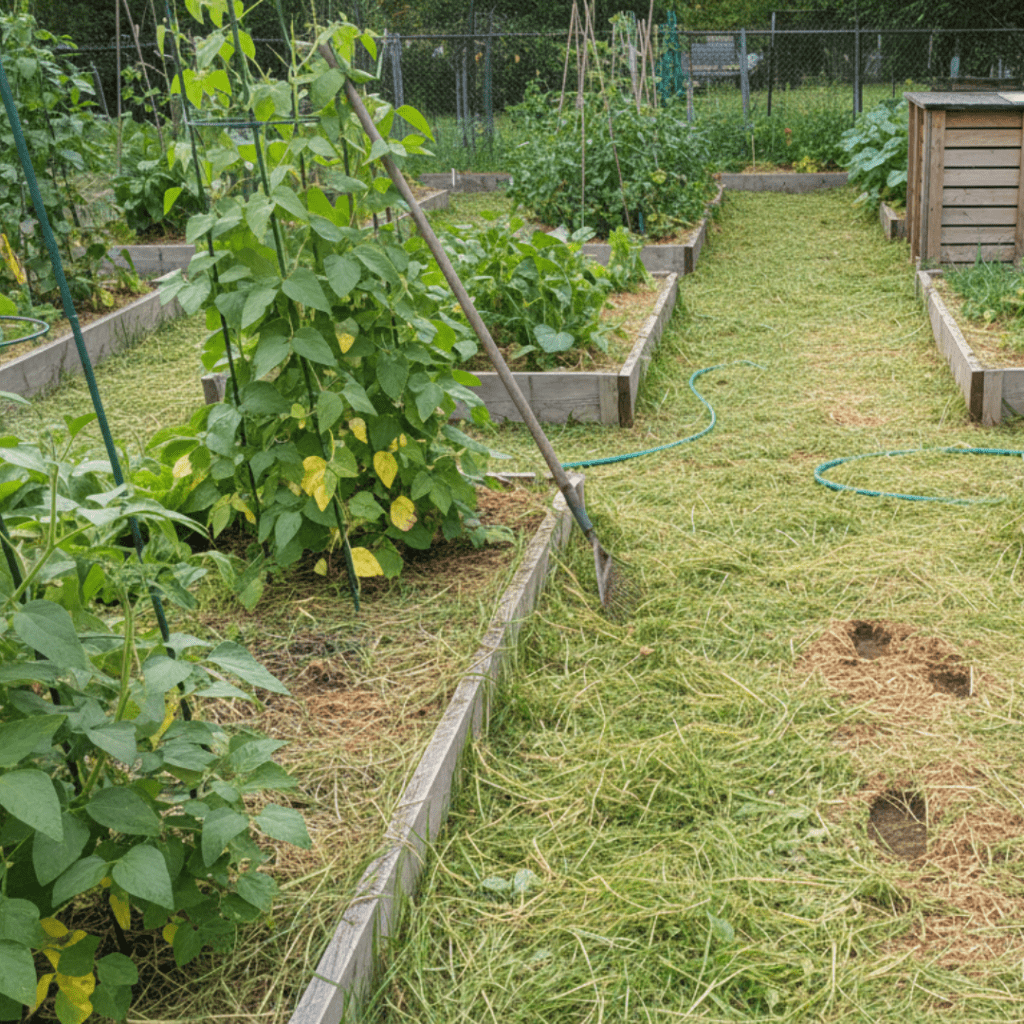
During the growing season, I add additional organic matter as it becomes available. Grass clippings go on paths between beds as a two-inch layer, where they suppress weeds and gradually decompose. I keep clippings away from plant stems to prevent rot and avoid using clippings from lawns treated with herbicides. By fall, these path mulches have broken down significantly, and I rake them onto the beds as part of my annual compost application.
I also use shredded leaves as summer mulch around heavy feeders like tomatoes and squash. A two-to-three-inch layer keeps soil cool, retains moisture during hot spells, and breaks down by season’s end. When I harvest spent plants in late summer, I chop them up and lay them right back on the bed surface unless they showed signs of disease. This returns nutrients to the soil and feeds the decomposer community. Healthy tomato plants, bean vines, and spent lettuce all become part of next year’s soil.
One practice I’ve maintained from my tilling days is crop rotation. Even though no-dig methods improve soil health, I still move plant families to different beds each year to disrupt pest and disease cycles. The beauty of no-dig is that I can rotate without worrying about bringing up different soil layers or disrupting established populations of beneficial organisms. The whole garden ecosystem remains intact while I move my crops around.
Fall Composting and Bed Renewal
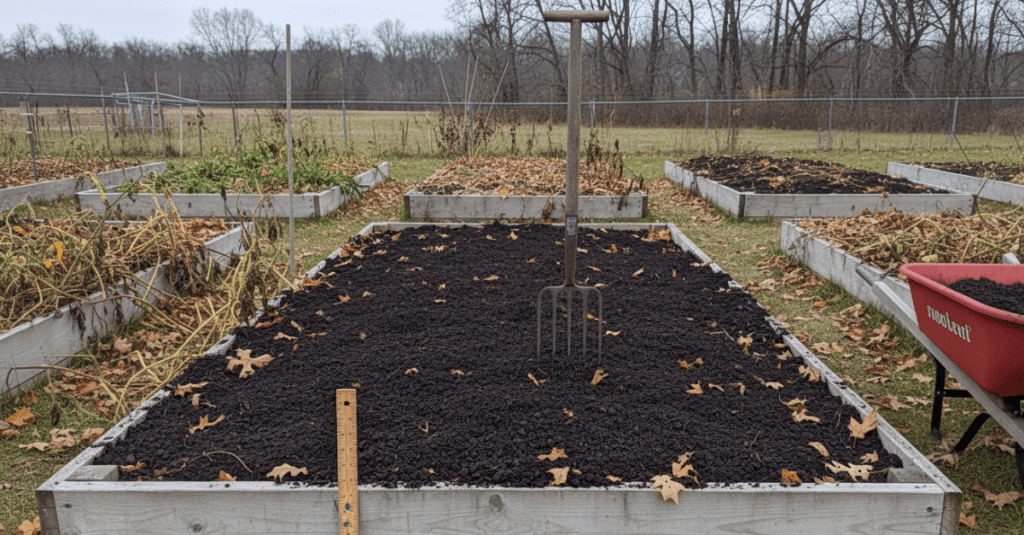
Fall is when I do my major soil building. After I’ve cleared beds of summer crops, I spread my annual two-to-three-inch compost layer across everything. I’ve experimented with different timings, and I’ve found that late October through early November works best in my area. The soil is still warm enough for active decomposition, but most crops are finished so I’m not working around plants. Early application also gives soil organisms several weeks of active feeding time before cold weather slows them down.
I make most of my own compost, but I also purchase municipal compost to supplement, usually needing three to four cubic yards annually for my twelve-hundred-square-foot garden. That sounds like a lot, but it’s the only significant input my garden requires. I don’t buy fertilizers anymore because the compost provides everything plants need. I’ve had soil tests done three years running, and nutrient levels remain optimal without any additional amendments.
Over winter, I let the beds rest under their compost blanket. I used to feel guilty about “bare” soil, but I’ve learned that this surface layer protects against erosion, moderates temperature swings, and provides habitat for overwintering beneficial insects. When snow covers everything, I know my soil is protected and improving underneath. By the time spring arrives, much of the compost has been incorporated, and I’m ready to plant into soil that’s richer than it was the previous year.
What to Expect: Year-by-Year Improvements
The first year of no-dig gardening, you’ll notice easier planting and fewer weeds. Your harvest will likely match what you’ve gotten in previous years, maybe slightly better. Don’t expect miracles immediately because soil building takes time. What you will notice is how much easier everything is. No tilling means no equipment maintenance, no waiting for soil to dry enough to work, and no aching back after spring preparation. I finished my spring planting in three days instead of two weeks that first season.
By year two, soil structure begins changing noticeably. You’ll see more earthworms when you plant, and the soil will have a different texture—less compacted, more crumbly. Water infiltration improves, so you’ll likely reduce watering frequency. I started seeing better drought resistance in year two, with plants staying perky longer between waterings. Yields tend to increase slightly, especially for root crops that benefit from the improved soil structure. My carrots went from short and stubby to long and straight.
Years three through five bring the real transformation. Your soil becomes visibly darker and richer. Beneficial fungal networks establish throughout beds, visible as white threadlike structures if you gently examine soil around plant roots. These mycorrhizae dramatically improve nutrient uptake, letting plants access phosphorus and micronutrients that would otherwise remain locked in the soil. I stopped adding rock phosphate and other amendments because the fungi do this work naturally. Plant health improves across the board, with stronger growth and better disease resistance.
After five years of continuous no-dig management, my beds have become nearly self-sustaining ecosystems. I still add compost annually because I’m constantly harvesting and removing biomass from the system, but the amount of organic matter in the soil has increased so much that everything just grows better. I’ve measured organic matter content rising from three percent when I started to over eight percent in my oldest beds. This level of soil organic matter is exceptional for cultivated gardens and rivals some prairie soils.
Quick-Fire FAQ
Q: Can I start no-dig gardening in spring, or do I have to wait until fall?
A: You can start anytime, but fall gives soil organisms maximum time to incorporate compost before planting season. Spring starts work fine too—just lay your cardboard and compost, then plant immediately into the compost layer.
Q: What if I don’t have access to enough compost for the initial deep layers?
A: Start with one or two beds rather than trying to convert everything at once, or use a mix of compost and aged manure, shredded leaves, or other organic materials to build depth more affordably. The key is organic matter on the surface, not necessarily pure compost.
Q: Will no-dig work in heavy clay soil like mine?
A: It works beautifully in clay—I have heavy clay myself. The compost layers improve drainage from the top down, and within two to three years, you’ll have workable soil in the top eight to twelve inches where most vegetable roots grow.
Q: Do I really never dig or till again, even when planting perennials or transplanting?
A: For perennials with large root balls, I do dig a planting hole, but only as large as needed for that specific plant. I’m not turning over entire beds. Small-scale disturbance for specific plants doesn’t harm the overall soil ecosystem the way annual tilling does.
— Grandma Maggie