
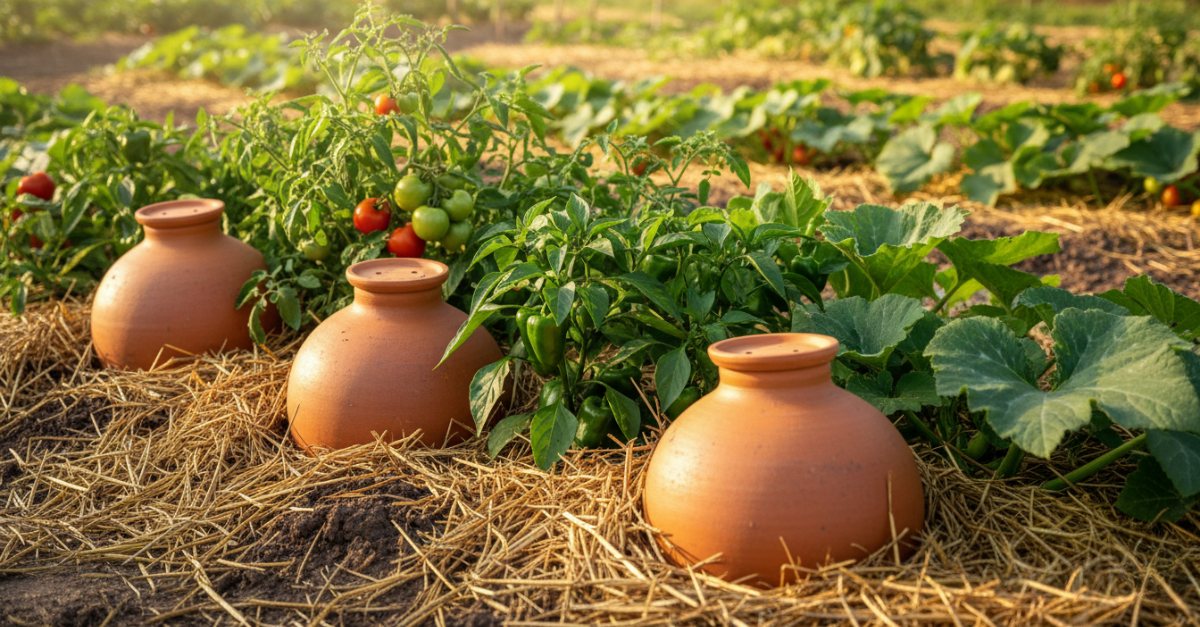
There’s something deeply satisfying about using a watering method that’s been trusted for thousands of years. Ollas (pronounced “oy-yahs”) are unglazed clay pots that you bury in your garden soil, and they deliver water directly to plant roots with almost no waste. I first learned about ollas from a friend who gardened in New Mexico, where every drop of water matters, and I’ve been using them in my own beds ever since. Let me walk you through exactly how they work and how you can start using them in your garden.
What Are Ollas and How Do They Work?
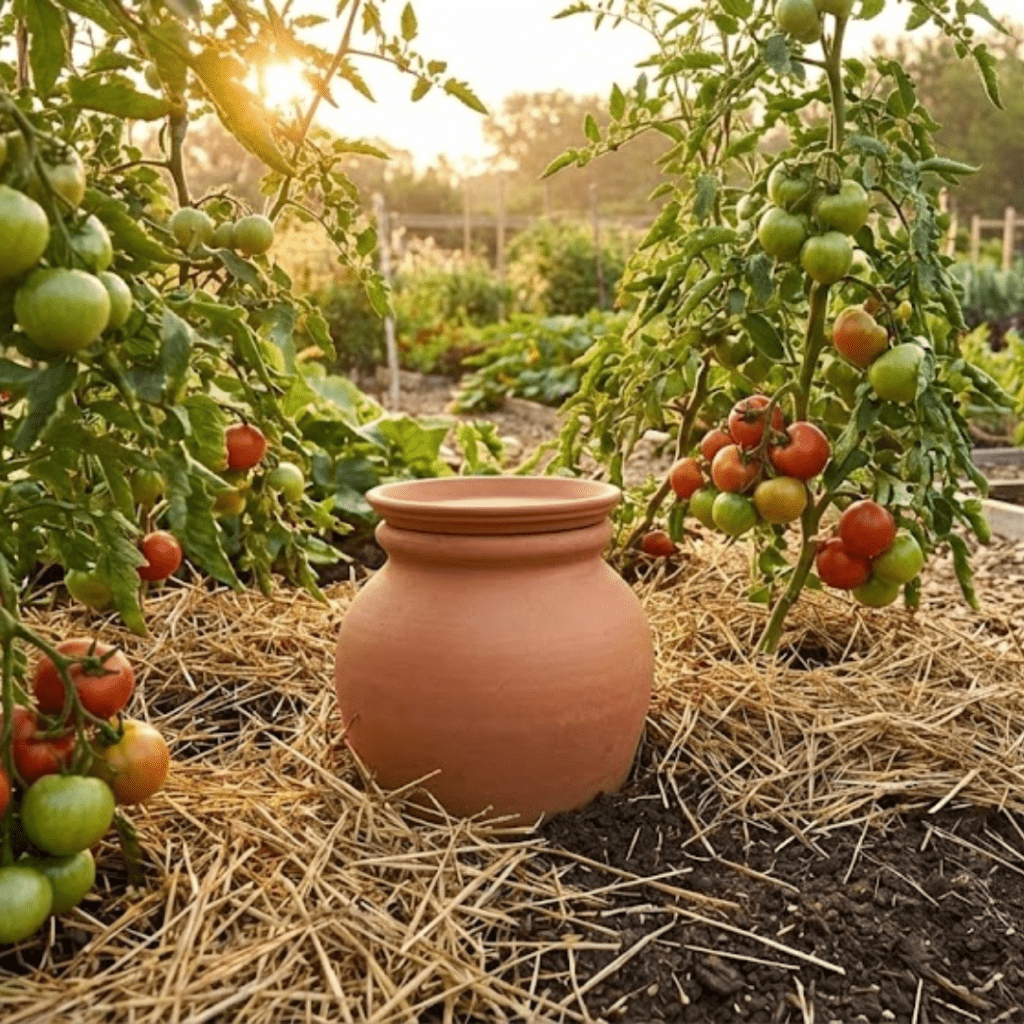


An olla is simply an unglazed terracotta pot with a narrow neck and rounded body. You bury it in the soil with just the neck showing, fill it with water, and cap it with a lid or stone. The magic happens through the porous clay walls. As the soil around the olla dries out, water seeps slowly through the clay directly into the root zone. When the soil is moist enough, the seepage slows down naturally. It’s the most elegant self-regulating watering system I’ve ever used.
The beauty of this method is that plants get exactly what they need, when they need it. Roots grow toward the moisture source, creating a strong, deep root system that makes plants more drought-resistant over time. Meanwhile, the soil surface stays relatively dry, which means fewer weeds and less water lost to evaporation. On a hot summer day, I can lose half my water to evaporation with overhead watering, but ollas keep every precious drop right where it belongs.
Why I Love Using Ollas in My Garden
After using ollas for several seasons, I’ve noticed benefits that go beyond just water conservation. My tomato plants develop deeper, stronger roots and seem less stressed during heat waves. The consistent moisture means no more blossom end rot from irregular watering, and I’ve had fewer problems with cracked fruit. Peppers, eggplants, and squash all seem to appreciate the steady supply of water too.
Ollas also save me time. Instead of watering every day or two during summer, I fill my ollas once or twice a week depending on the weather. Each olla holds between half a gallon to two gallons depending on size, and that water lasts for days. I check them by peeking under the lid, and if they’re still half full, I leave them be. It’s a gentle rhythm that fits beautifully into my weekly garden routine.
For gardeners with mobility challenges or busy schedules, ollas are a godsend. Once they’re installed, the heavy lifting is done. Refilling is as simple as bringing out a watering can or running a hose to each olla opening. No bending, no standing with a hose for twenty minutes, no worrying if you’ve watered too much or too little.
Choosing the Right Ollas for Your Garden
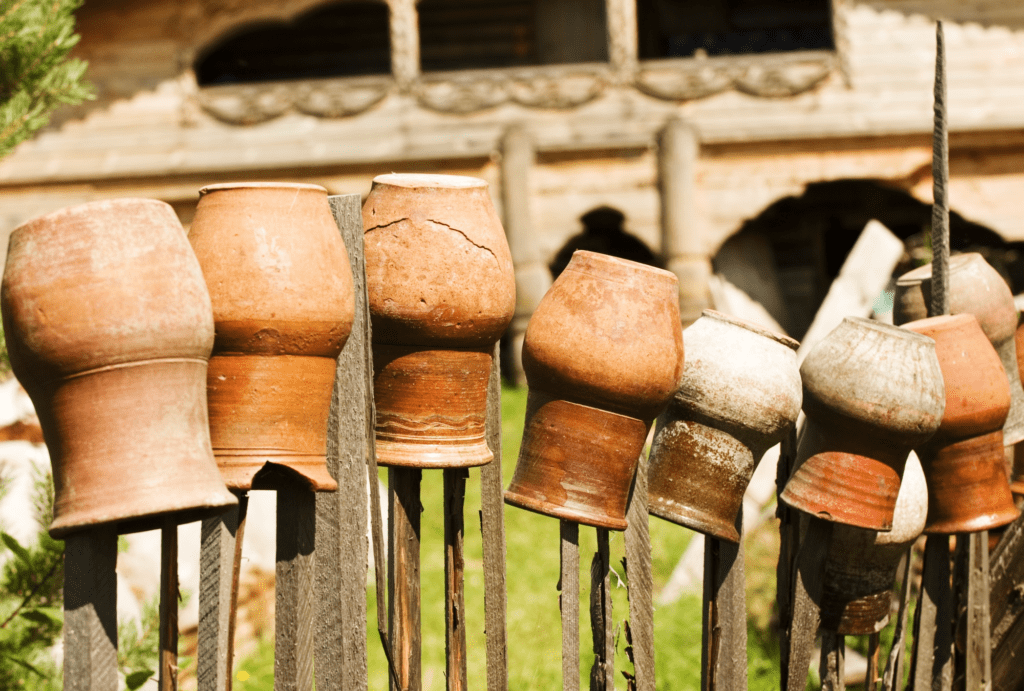
Ollas come in different sizes, and choosing the right one depends on what you’re growing and how your plants are spaced. Small ollas, around half a gallon capacity, work beautifully for container gardens, herb beds, or closely spaced lettuce and greens. Medium ollas holding one to two gallons are my go-to for vegetable gardens with tomatoes, peppers, and summer squash. Large ollas, sometimes holding up to three gallons, suit bigger plants like melons, pumpkins, or widely spaced shrubs.
The clay quality matters too. Look for unglazed terracotta that’s porous enough to let water through but sturdy enough to last. I’ve had some ollas in the ground for three years now, and they’re still going strong. Avoid glazed or sealed clay pots — they won’t work for this purpose because water can’t pass through the walls.
You can purchase purpose-made ollas from garden suppliers, or you can make your own from two terracotta pots sealed together. I’ll share how to do that in just a moment, but know that either option works beautifully. I have a mix of store-bought and homemade ollas, and they all perform wonderfully.
How to Install Ollas in Your Garden Beds
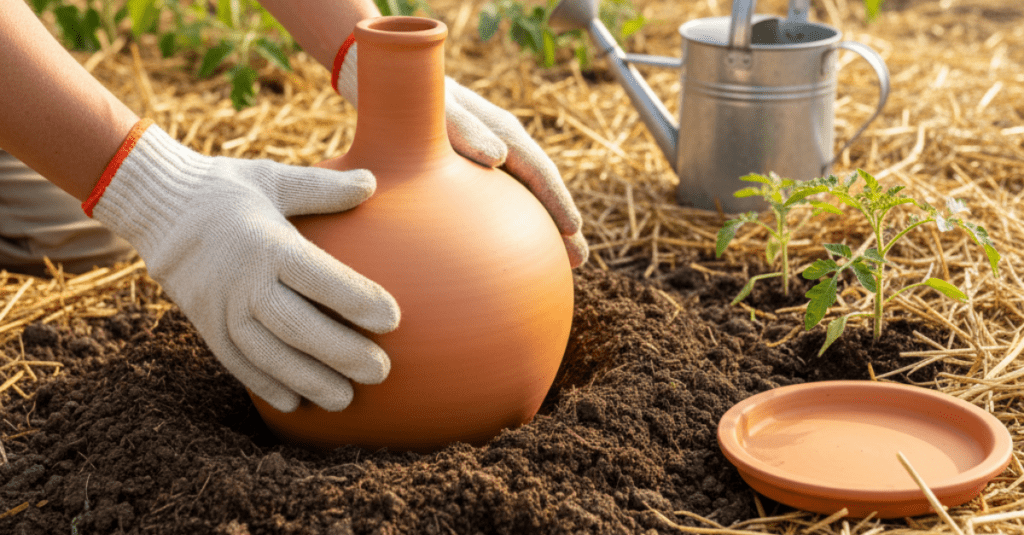
Installing an olla is straightforward but worth doing carefully to get the best results. First, decide where to place each olla. I like to position them in the center of a small cluster of plants, about 18 to 24 inches apart if I’m using medium-sized ollas. For larger plants like tomatoes, I’ll place one olla between every two plants.
Dig a hole deep enough that the olla sits with its neck just above the soil surface — you want easy access for refilling but don’t want soil washing into the opening. The bottom and sides of the olla should be in good contact with soil, not sitting in an air pocket. I gently firm the soil around the olla as I backfill, making sure there are no gaps.
Once the olla is in place, I give it a test fill to make sure it’s level and stable. Then I plant around it, spacing seedlings or transplants within the olla’s effective watering radius. For medium ollas, that’s usually about 18 inches all around; larger ollas can reach plants up to three feet away. Don’t crowd plants right against the olla — leave a few inches of breathing room.
Finally, cap the olla with a terracotta saucer, a flat stone, or a purpose-made lid. This keeps debris, insects, and curious critters out, and it also reduces evaporation from the olla’s opening. I’ve used everything from old plates to river rocks for this, and anything that covers the opening works just fine.
My Favorite Olla Tips and Tricks
After years of using ollas, I’ve picked up a few habits that make them even more effective. I add a splash of diluted liquid fertilizer to the olla water once a month during the growing season. The nutrients seep out with the water, giving plants a gentle, steady feed right at the root zone.
I also mulch heavily around my ollas. A thick layer of straw or shredded leaves keeps the soil cool, conserves moisture even further, and gives the whole bed a tidy appearance. The mulch also makes it easy to spot the olla caps when I’m making my rounds with the watering can.
One small ritual I love: I keep a little notebook in my garden shed where I jot down when I refill each olla and what the weather was like. Over time, I’ve learned exactly how often my beds need attention in different seasons, and I can spot patterns if a plant seems stressed or an olla isn’t performing as expected.
General Watering Principles I Always Use
Water in the morning when possible, even when refilling ollas — it gives plants a full day to use the moisture before cooler evening temperatures.
Use room-temperature water rather than icy hose water straight from the ground; plants appreciate the gentleness, especially during hot weather.
Pay attention to the plants, not just the calendar. Some weeks need more water, some need less. Ollas help regulate this naturally, but observing your garden teaches you what it truly needs.
Combine ollas with other water-saving practices like mulching, planting in blocks for shade and wind protection, and choosing drought-tolerant varieties when possible.
Tool Care and Setup Notes
Keep a dedicated watering can or hose near your olla beds for easy refilling.
Mark olla locations with small stakes or plant markers so you don’t accidentally dig into them when planting or weeding.
Store extra ollas or lids in a dry, protected spot to prevent weathering when not in use.
After-Installation Care
Once ollas are installed and filled, give your newly planted seedlings a surface watering for the first few days to help them establish. Once roots reach the olla’s moisture zone, they’ll take over and you can rely entirely on the olla system.
Walk your beds weekly to check olla water levels and look for any signs of stress in plants. A well-functioning olla system means you’ll rarely see wilting, but keeping an eye out ensures you catch any problems early.
One small ritual I keep: after installing ollas each spring, I tuck a painted stone near each one with the installation date. It helps me remember how long they’ve been in place and makes checking them feel like visiting old friends in the garden.
Quick-Fire FAQ
Q: How often do I need to refill my ollas?
A: It depends on plant size, weather, and soil type, but typically once or twice a week during active growth; check weekly and refill when they’re about half empty.
Q: Can I use ollas in containers or raised beds?
A: Absolutely — smaller ollas work beautifully in large containers and raised beds, providing consistent moisture without the risk of overwatering.
Q: Will ollas work in clay soil?
A: Yes, though you may need to amend the immediate area around the olla with compost to ensure good water movement; clay can slow seepage but won’t prevent it entirely.
Q: What if I’m going on vacation?
A: Fill your ollas completely before leaving and top-dress with extra mulch; a well-filled olla can keep plants happy for a week or more, making them perfect for gardeners who travel.
— Grandma Maggie