
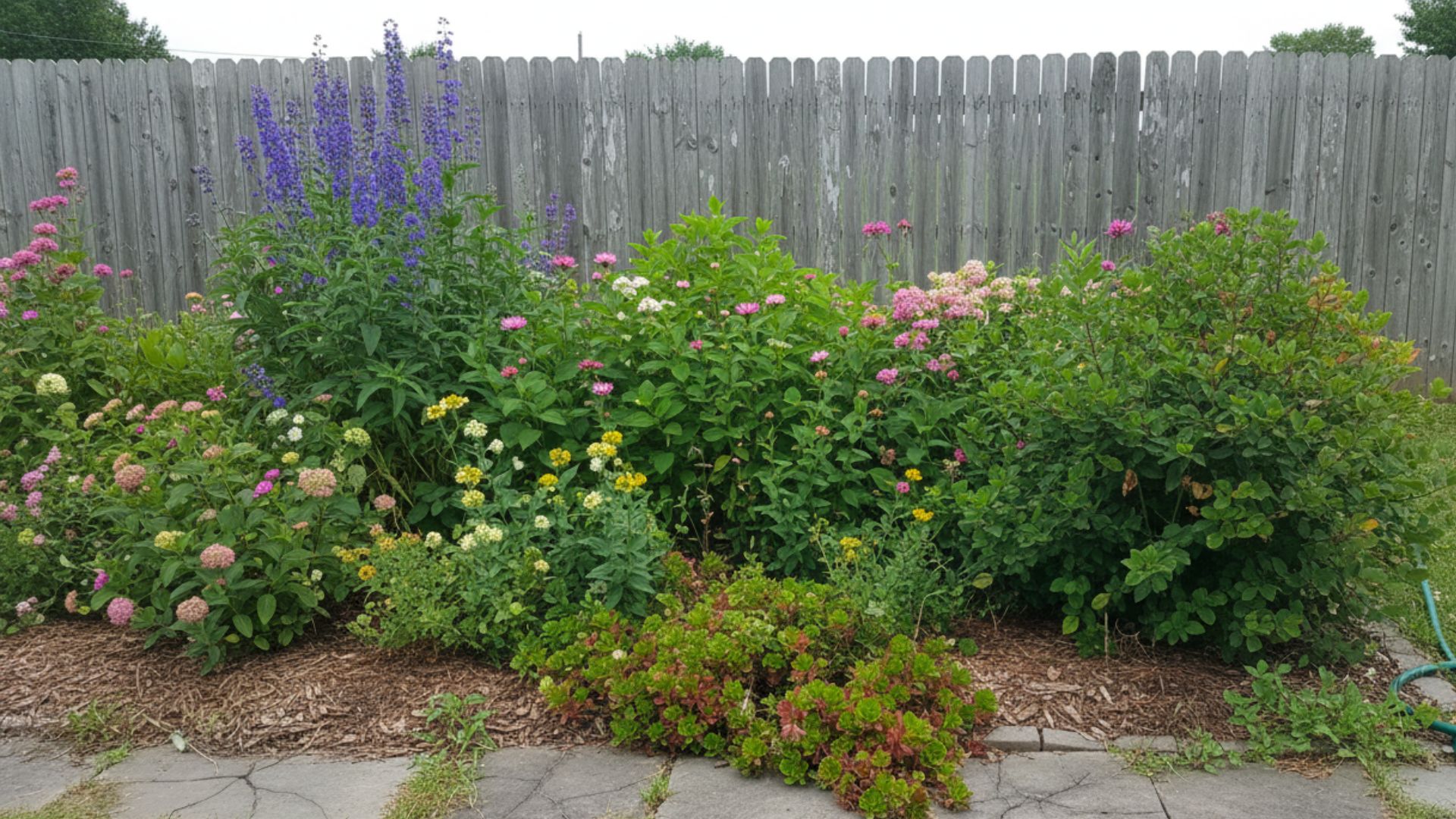
After thirty years of gardening in Zone 4, I’ve learned that our short growing season isn’t a limitation—it’s an invitation to be strategic. When you have roughly one hundred days between your last spring frost and first fall freeze, every single bloom day matters. I remember my early years, watching half my perennials just get established before frost knocked them back, feeling like I’d wasted precious weeks. That’s when I started seeking out what I call “fast bloomers and long performers”—perennials that don’t waste time and give you weeks, even months, of color. The secret isn’t fighting your zone; it’s choosing plants that treat your hundred days like the gift they are. Let me show you the perennials that have transformed my Zone 4 garden from a brief flash of color into a season-long celebration.
Why Zone 4 Gardens Need Strategic Plant Selection
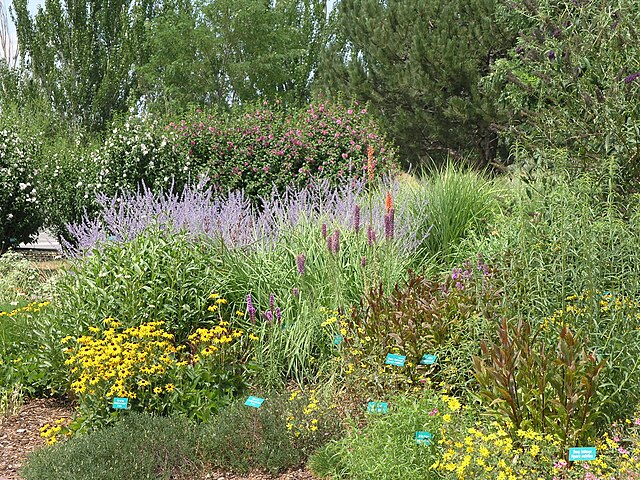


In Zone 4, we’re working with a tight window. Most of us see our last spring frost somewhere between mid-May and early June, and that first killing frost arrives in mid to late September. That gives us about three and a half months of reliable growing weather. During this time, we need perennials that emerge quickly in spring, establish fast, bloom without hesitation, and keep performing until frost. I’ve watched too many gardeners fill their beds with plants that look gorgeous in Zone 6 or 7 gardens but spend half our season just waking up. The difference between a mediocre Zone 4 garden and a spectacular one isn’t luck—it’s choosing plants that respect your timeline. These perennials I’m sharing don’t just survive our cold winters; they actually thrive in our conditions and use every single day of our growing season to put on a show.
The 100-Day Garden Philosophy
I think about my Zone 4 garden in three acts, each roughly thirty to thirty-five days long. Act One runs from late May through June—this is when your early bloomers need to burst onto the scene. Act Two covers July and early August, when mid-season perennials carry the show. Act Three runs from mid-August through September, when your late bloomers finish strong before frost. The magic happens when you layer these acts with perennials that overlap, so you’re never looking at bare gaps. I’ve learned to count backward from my typical first frost date of September twenty-second, which helps me choose plants that will actually finish blooming before cold shuts them down. A perennial that needs one hundred and thirty days to bloom is useless in a one-hundred-day garden, no matter how stunning it looks in catalogs. This isn’t about settling for less—it’s about being smart with what works.
Early Season Champions That Don’t Waste Time
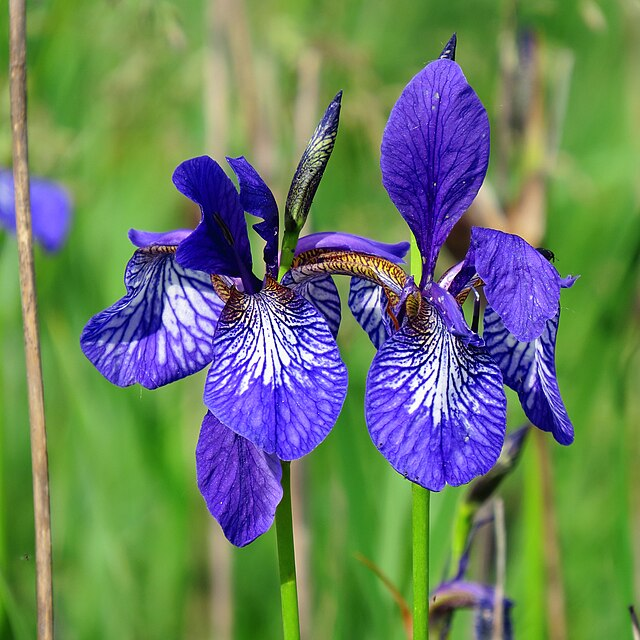
Your Act One perennials need to emerge fast and bloom by early June at the latest. I rely heavily on Siberian iris, which pushes up green spears within days of the soil thawing and opens elegant purple or white blooms by late May. These tough plants don’t fuss about late spring cold snaps, and they establish so reliably that I’ve never lost one to Zone 4 winters in three decades. Columbine is another early riser that self-seeds generously and gives you clouds of nodding flowers in May and June—I have volunteers coming up in my garden that bloom within their first year. Bleeding heart emerges early too, with ferny foliage and those distinctive heart-shaped pink or white flowers by mid-May, though it does tend to go dormant by late summer in my garden, so I plant it behind later bloomers that fill in the gap. The key with early perennials is choosing ones that are truly winter-hardy to Zone 4 or even Zone 3, because they’ll be pushing through cold soil and won’t tolerate any coddling.
Balloon Flower: The Late Summer Treasure
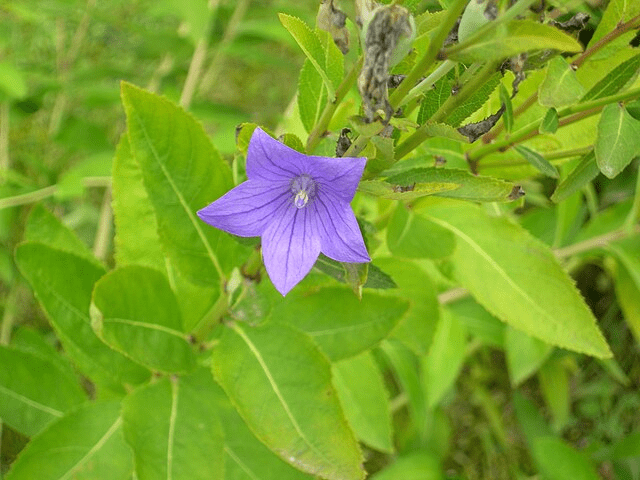
Balloon flower has become one of my favorite discoveries for Zone 4 gardens, and I kick myself for not planting it sooner. This perennial earns its name from the fat, balloon-like buds that literally pop open into gorgeous five-petaled flowers—watching them burst is oddly satisfying, and kids absolutely love it. The real gift of balloon flower is its timing: it starts blooming in June and keeps producing flowers straight through August, sometimes even into early September. That’s eight to ten weeks of continuous bloom, which is gold in a short-season garden. I grow the classic purple variety, which reaches about eighteen to twenty-four inches tall and spreads slowly into nice clumps over three to four years. Balloon flower is slow to emerge in spring, sometimes not showing until mid-May, which initially worried me, but now I’ve learned to just be patient and mark where I planted them so I don’t accidentally dig them up. Once they start growing, they’re reliable and drought-tolerant, asking for nothing but well-drained soil and full sun to part shade. I cut mine back by about one-third in early July, which encourages bushier growth and even more buds for late summer.
Delphiniums: The Twice-Blooming Marvel
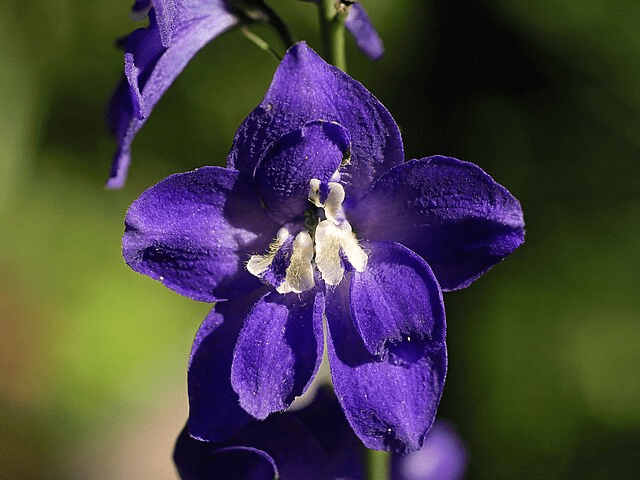
Delphiniums are the showstoppers that many Zone 4 gardeners think are too fussy, but I’ve been growing them successfully for twenty-five years by understanding their rhythm. These tall spires of blue, purple, white, or pink blooms appear in late May through June, creating vertical drama that reaches four to six feet in my garden. The first bloom is spectacular but brief—lasting about two to three weeks. Here’s the secret most gardeners miss: immediately after those first blooms fade, cut the entire flower stalk down to the basal foliage at ground level. Don’t just deadhead the top; take the whole thing down. This drastic cut triggers the plant to send up fresh flower stalks within three to four weeks, giving you a second flush of blooms in late July or early August that lasts right until frost. I feed mine with a balanced fertilizer right after cutting them back, about two tablespoons of 10-10-10 per plant, and water deeply. That second bloom might not be quite as tall or full as the first, but it extends your delphinium display by an additional six to eight weeks. Delphiniums do need staking—I use individual bamboo stakes or those circular plant supports because our Zone 4 thunderstorms can knock them flat. They also appreciate consistent moisture and rich soil amended with compost, but they’re surprisingly cold-hardy and have survived minus thirty-degree winters in my garden without any protection.
Bee Balm: Mid-Season Magnet for Pollinators
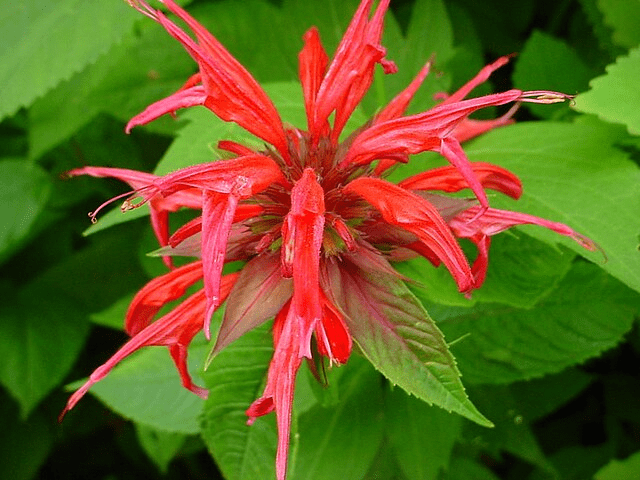
Bee balm is my answer to the July doldrums when some early bloomers have faded and late bloomers haven’t quite kicked in yet. This native perennial produces shaggy, tubular flowers in red, pink, purple, or white that hummingbirds and bees absolutely mob from July through August. I grow several varieties, but my favorite is ‘Jacob Cline’ in bright red, which reaches about three to four feet tall and has better resistance to powdery mildew than older varieties. Bee balm spreads enthusiastically through underground runners, so I plant it where it has room to roam or divide it every two to three years in spring to keep it in bounds. The key to healthy bee balm in Zone 4 is giving it good air circulation—I space plants about twenty-four inches apart—and watering at the base rather than overhead, which helps prevent that powdery mildew that can make leaves look dusty and gray by late summer. Even when bee balm gets a bit of mildew, it still blooms reliably. I cut the entire plant back by half after the first flush of flowers in late July, which encourages fresh growth and sometimes a light rebloom in September. The spent flower heads can be left standing through winter for visual interest and to feed finches, then cut down in early spring.
Late Season Heroes That Finish Strong
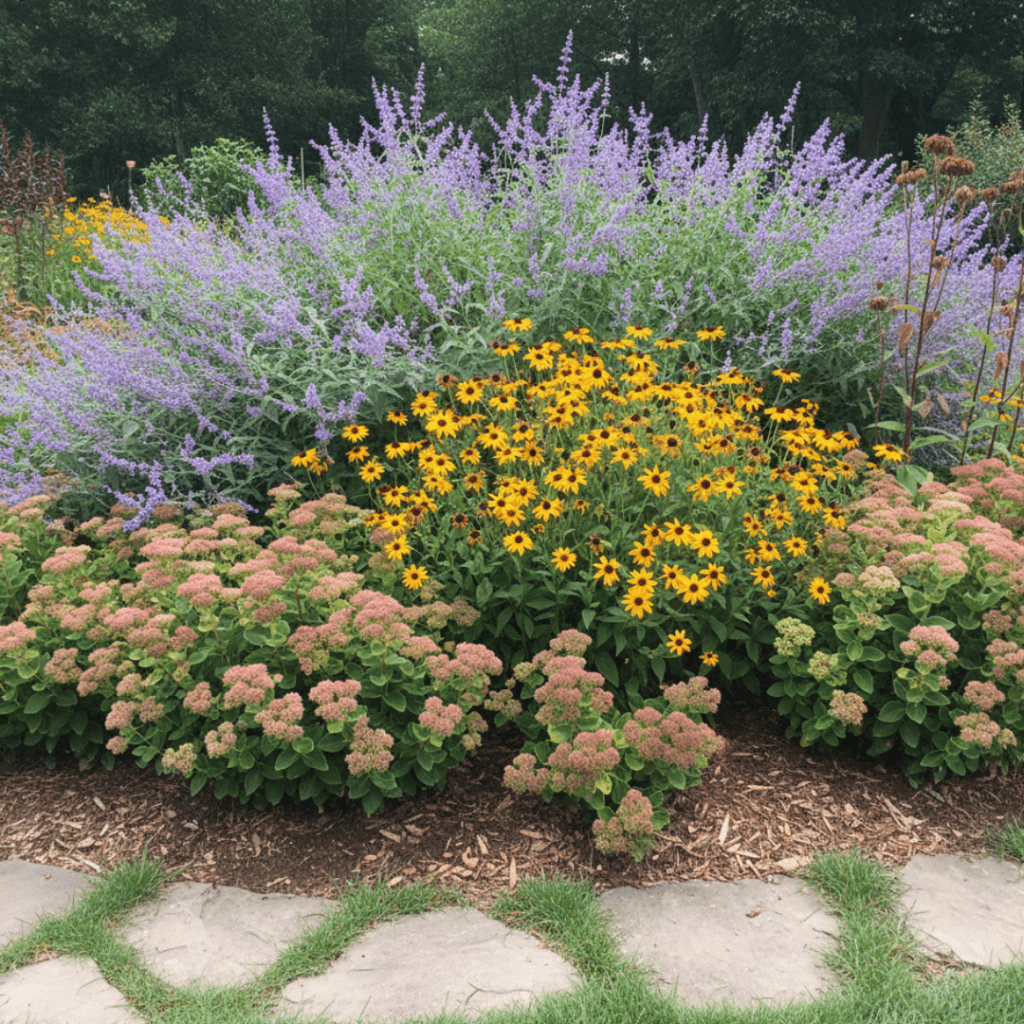
The perennials that bloom in August and September are critical for Zone 4 gardens because they’re the last burst of color before frost. Russian sage is my go-to late bloomer, with airy spires of lavender-blue flowers and silvery foliage from early August straight through September. It’s incredibly drought-tolerant once established and never needs staking despite reaching three to four feet tall. Rudbeckia, both black-eyed Susan and the taller cutleaf varieties, start blooming in July but really peak in August and keep producing cheerful yellow daisies until hard frost knocks them down. I also plant Autumn Joy sedum, which has thick succulent foliage all summer and then produces massive pink flower heads in late August that gradually deepen to rust-red and hold their form through fall and winter. These late bloomers need to be truly cold-hardy because they’re still actively growing and blooming when temperatures start dropping into the forties at night. I’ve learned to avoid late-season bloomers that are borderline hardy for Zone 4, because an early frost in mid-September can catch them mid-bloom and turn the whole show to mush overnight.
Layering Your Bloom Times for Continuous Color
The real art of the one-hundred-day garden is creating overlapping waves of bloom so there’s never a gap. I sketch out a simple timeline on paper before I buy plants, noting when each perennial blooms and for how long. Then I make sure I have at least two or three different perennials blooming during each month of the season. For instance, in June I have Siberian iris, early daylilies, and columbine. In July, bee balm, balloon flower, and mid-season daylilies carry the show. In August and September, balloon flower keeps going while Russian sage, rudbeckia, and sedum take over. This layering means that when one plant finishes, another is just hitting its stride. I also mix plant heights and forms—tall spiky delphiniums behind mounded balloon flowers in front of low-spreading sedum creates depth and keeps the eye moving through the garden. After a few seasons, you’ll know your garden’s rhythm well enough to fill in gaps, and you might find yourself moving plants around in spring to create even better sequences. That’s the beauty of perennials; they’re forgiving about being shifted around as long as you do it when they’re dormant or just emerging.
Quick-Fire FAQ
Q: How do I know for certain if I’m in Zone 4?
A: Check the USDA Plant Hardiness Zone Map online and enter your zip code—Zone 4 typically sees average annual minimum temperatures between minus thirty and minus twenty degrees Fahrenheit.
Q: Do Zone 4 perennials need winter protection or mulch?
A: Most true Zone 4 perennials don’t need winter protection, but I mulch new plantings their first winter with three to four inches of shredded leaves to help them establish, and after that they’re on their own.
Q: What’s the secret to getting delphiniums to rebloom in Zone 4?
A: Cut the entire spent flower stalk down to ground level immediately after the first bloom fades, then feed with balanced fertilizer and water well—you’ll see new stalks emerge within three to four weeks for a late summer rebloom.
Q: How many of each perennial should I plant for good visual impact?
A: I plant in odd-numbered groups—three, five, or seven of each variety depending on mature size—which creates natural-looking drifts and prevents the “one of everything” look that reads as chaotic.
— Grandma Maggie