
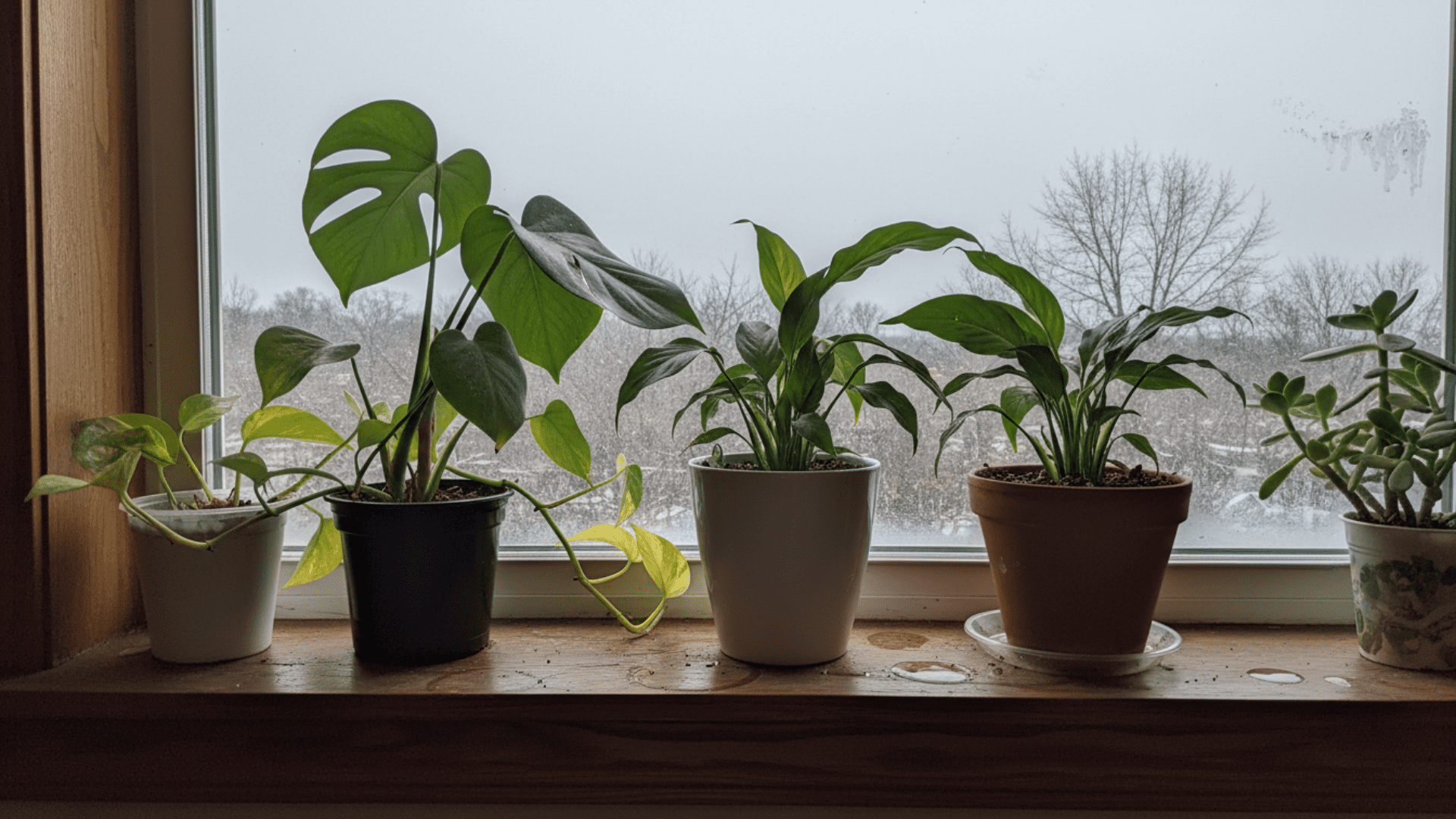
Every February, I walk through my sunroom and feel a little pang of guilt. My houseplants—those faithful companions that brightened the darkest December days—are looking decidedly tired. Yellowing leaves here, leggy growth there, and that beautiful monstera I was so proud of? Well, it’s looking a bit sorry for itself. After fifty years of growing plants indoors and out, I’ve learned something important: late winter isn’t just when we notice our houseplants struggling. It’s actually the perfect time to rescue them. The days are finally getting longer, spring is on the horizon, and a few simple interventions now can transform sad, struggling plants into thriving beauties by March. Let me show you exactly what I do every late winter to give my indoor garden the reset it desperately needs.
Why Late Winter Is Actually Perfect for a Plant Reset
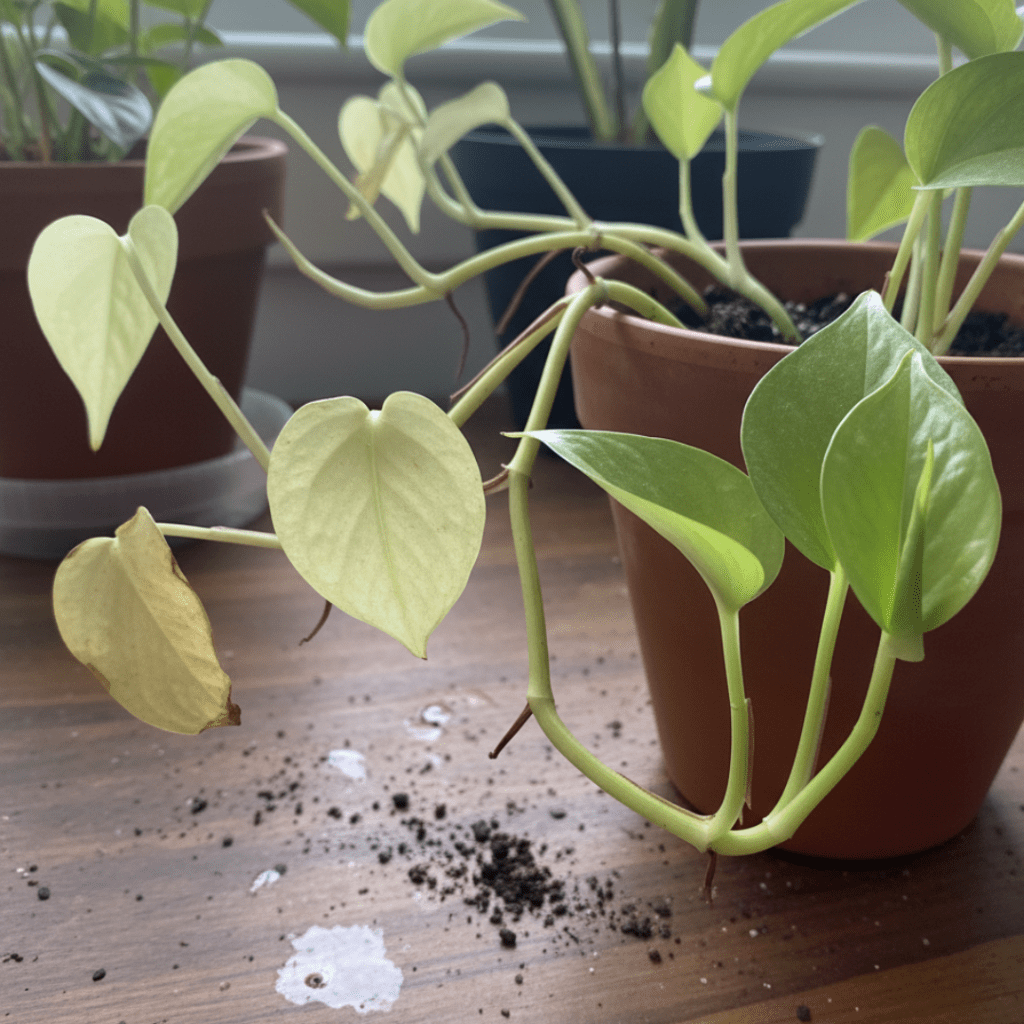


I used to think spring was the time to focus on houseplants, but I’ve learned that waiting until March or April means missing a crucial window. By late January and through February, daylight is increasing just enough that plants start sensing the change. They’re preparing to break dormancy, but they’re not in full growth mode yet. This makes late winter the ideal time for intervention—you can address problems before the growing season demands more from already-stressed plants. I’ve also noticed that many houseplant struggles stem directly from winter conditions: shorter days mean less photosynthesis, dry indoor air from heating systems stresses tropical plants, and we often continue watering on autopilot even though plants need far less in winter. A late winter reset addresses all of these issues before they compound into serious problems.
The Light Check: Your First Priority
The very first thing I do during my late winter reset is evaluate light. I walk through every room and honestly assess whether my plants are getting enough light now that we’re past the winter solstice. That pothos that was fine near the north window in July? It’s been essentially sitting in twilight since November. My fiddle leaf fig that looked perfect in the corner? It’s been stretching toward the window, developing long spaces between leaves—that’s the plant’s way of desperately searching for more light.
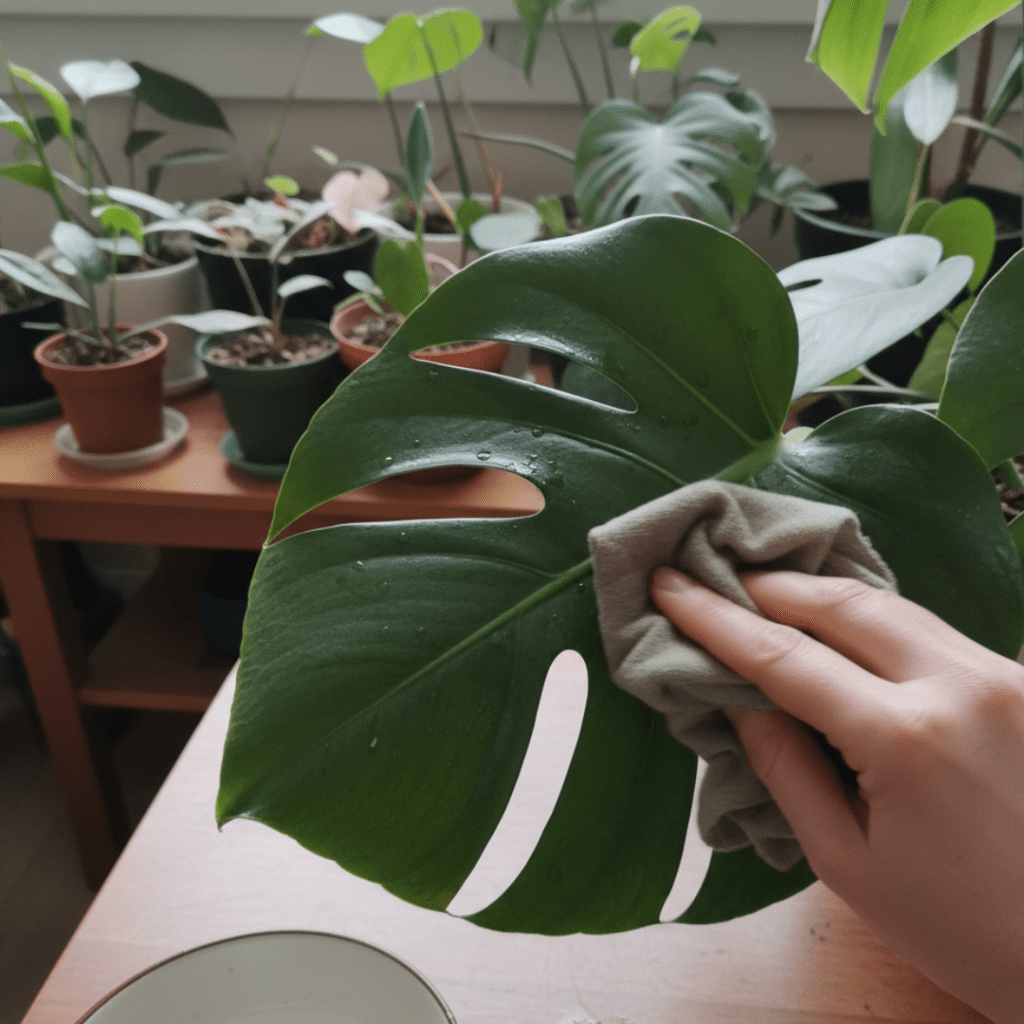
I move plants closer to windows, sometimes just twelve to eighteen inches, and the difference is remarkable. I also spend twenty minutes doing something simple but transformative: I clean my windows inside and out, and I wipe down every single plant leaf with a damp cloth. Months of dust accumulation blocks light absorption, and you’d be amazed how much brighter a room feels—and how much better plants photosynthesize—after this simple cleaning. For plants that have become severely leggy or lopsided, I rotate them a quarter turn every few days so all sides get equal light exposure. Within two weeks, I typically see new growth emerging more compact and healthy.
Water Wisdom: Breaking Bad Winter Habits
This is where I see most houseplant owners go wrong, and I’ve certainly made this mistake myself. We water on schedule—every Sunday, every five days, whatever our summer routine was—without adjusting for winter’s slower growth. The result? Root rot, yellowing leaves, and plants that look worse the more we “help” them. In my experience, most houseplants need about half the water in winter that they need in summer, sometimes even less.
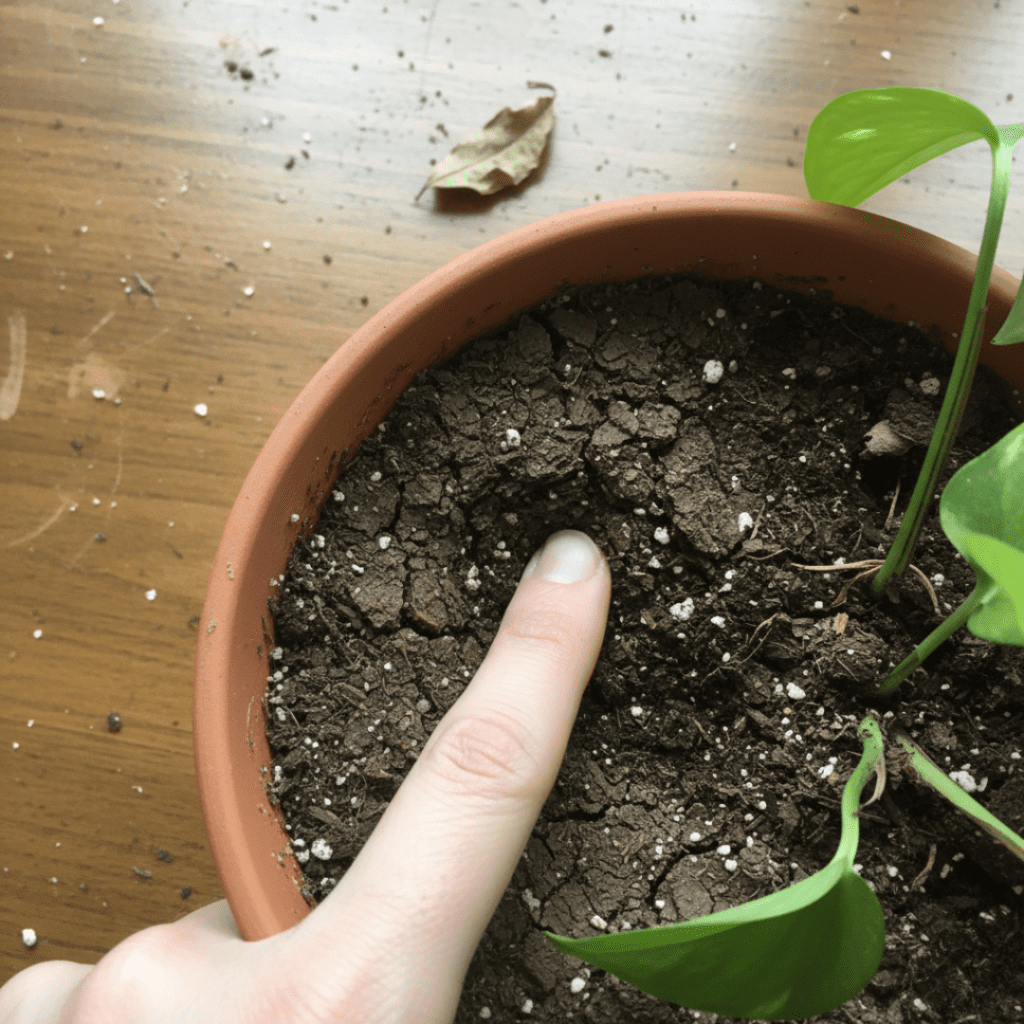
During my late winter reset, I check every plant’s soil moisture by sticking my finger two to three inches deep into the soil. If it’s damp at all, I don’t water. I’ve learned that for most common houseplants like pothos, philodendrons, and peace lilies, the top two inches should be completely dry before watering again. For succulents and cacti, I wait until the soil is dry all the way through—I actually use a bamboo skewer pushed into the soil to check moisture at the root level. After decades of growing plants, I can also tell by weight—I pick up the pot, and if it feels heavy, there’s still plenty of moisture. Starting in late February, as days lengthen noticeably, I gradually increase watering frequency, but I never return to my summer schedule until I see active new growth on multiple plants.
The Gentle Repot: When and How to Give Fresh Soil
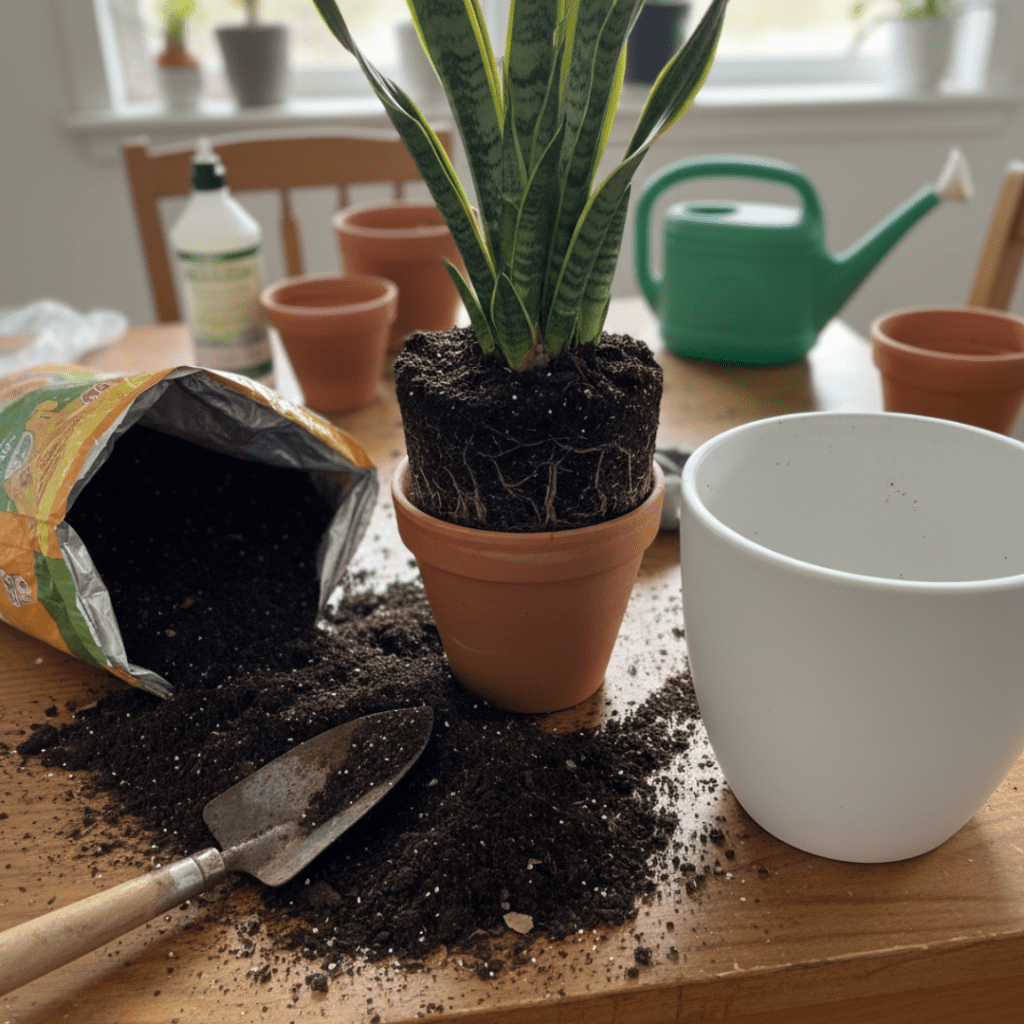
Not every plant needs repotting during the late winter reset, but some definitely do. I look for specific signs: roots growing out of drainage holes, water running straight through the pot without being absorbed, or plants that seem perpetually thirsty no matter how often I water. These are root-bound plants that have exhausted their soil and need more room. I’ve found that late winter is perfect for repotting because plants are just waking up—they’ll recover from the root disturbance quickly as they enter their growth phase.
My approach is gentle and conservative. I move plants up only one pot size—from a six-inch to an eight-inch, for example—never more. Overpotting leads to soil staying wet too long and invites root rot. I use fresh, high-quality potting mix appropriate for each plant type: standard indoor mix for most plants, cactus mix for succulents, or orchid bark for orchids and anthuriums. I’m careful not to bury the stem any deeper than it was originally planted. After repotting, I water thoroughly to settle the soil, then I hold off watering again for at least a week to let any damaged roots heal. For plants that don’t need full repotting but look depleted, I do a top-dressing instead—I remove the top two inches of old soil and replace it with fresh mix. This gives a nutrient boost without the stress of full repotting.
Pruning and Cleaning: The Refresh Your Plants Crave
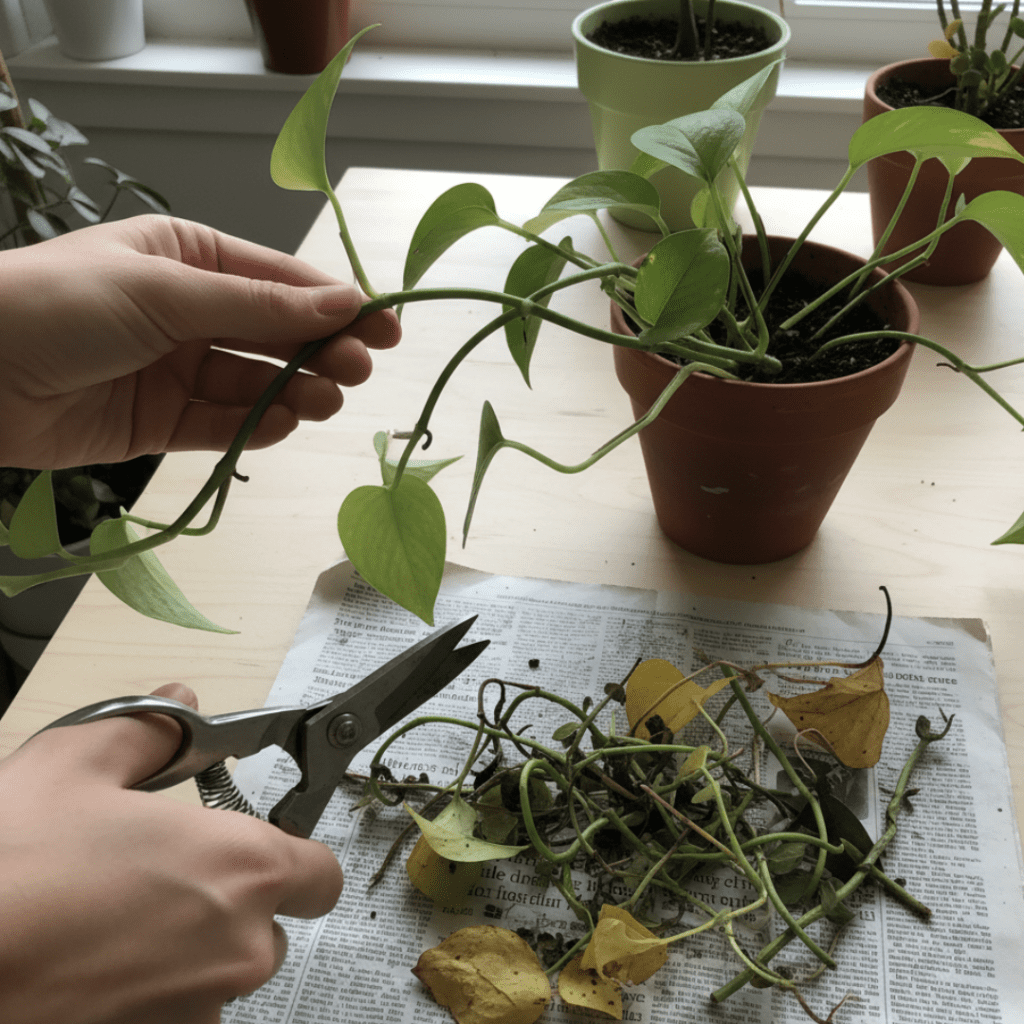
There’s something deeply satisfying about taking pruning shears to a plant that’s become leggy and overgrown. During my late winter reset, I remove all yellowing or dead leaves at the base of their stems—these leaves are draining energy the plant could use for new growth. For plants that have stretched tall and sparse during winter, I prune them back by about one-third. I know this seems drastic, but I’ve learned that most houseplants respond to pruning with bushier, healthier growth. My leggy pothos gets cut back to six to eight inches from the soil, and within a month, it’s producing multiple new vines from each cut point.
I also clean thoroughly. Beyond wiping leaves, I remove any dead debris from the soil surface—old leaves, dust, anything that might harbor pests or disease. I inspect carefully for signs of pests like spider mites (tiny webs between leaves), mealybugs (white cottony spots), or scale (brown bumps on stems). Dry winter air makes pest infestations worse, so late winter often reveals problems that started small in December. If I find pests, I treat immediately with insecticidal soap or neem oil, applying once a week for three weeks to break the pest lifecycle. I’ve saved many plants by catching pest problems during this annual inspection.
Feeding Time: Starting Fertilizer at the Right Moment
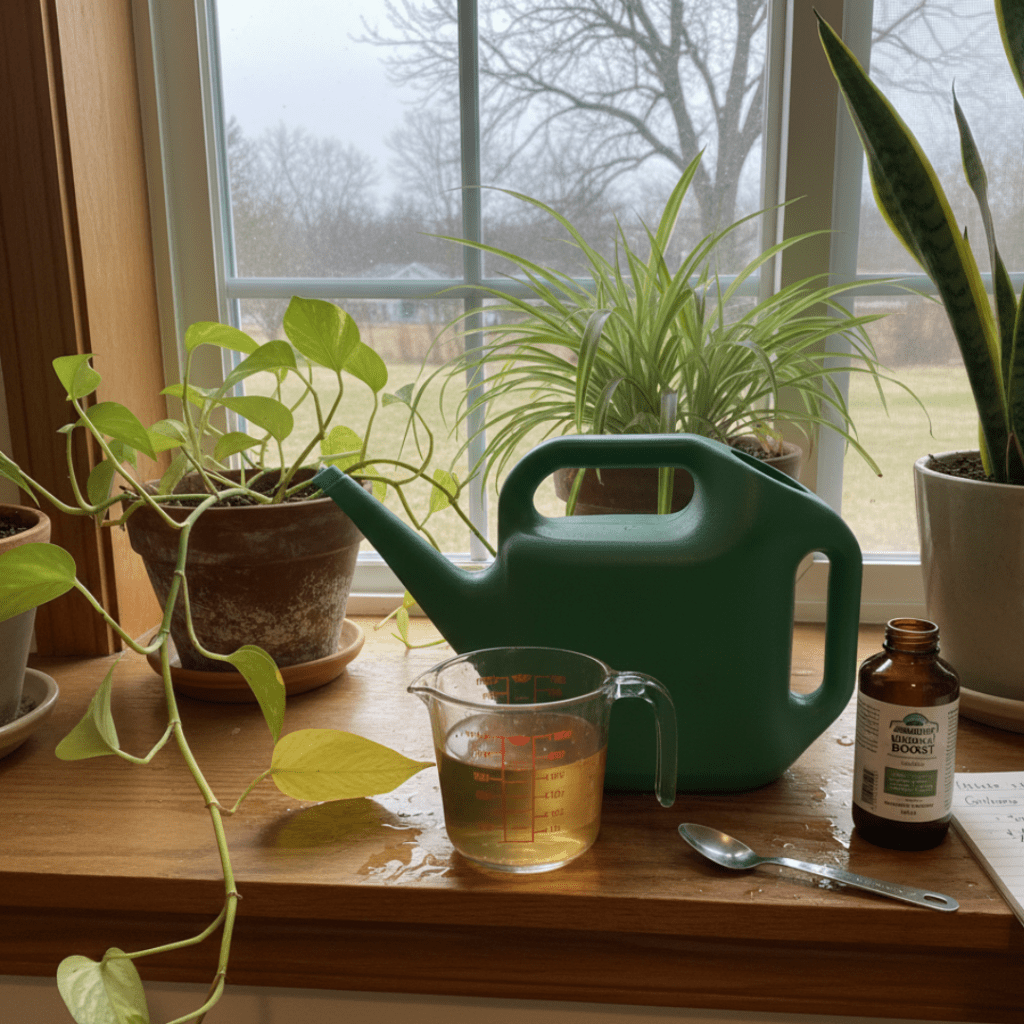
I don’t fertilize in true winter—November through early January—because plants aren’t actively growing and can’t use the nutrients. But by late February, when I see the first signs of new growth starting, I begin a very diluted fertilizing program. I use a balanced liquid fertilizer like 10-10-10 or 20-20-20, but I mix it at quarter strength—so if the bottle says one teaspoon per gallon, I use just one-quarter teaspoon per gallon. This gentle approach feeds awakening plants without overwhelming them or causing fertilizer burn on roots that have been dormant.
I fertilize every two weeks at this diluted strength through February and March, then increase to half strength in April when growth really takes off. I never fertilize a plant that looks severely stressed or unhealthy until I’ve addressed water, light, and any pest or disease issues first. Fertilizer won’t fix fundamental problems, and it can actually harm a struggling plant by forcing growth when the plant doesn’t have the resources to support it. I’ve learned to look for specific signs that a plant needs feeding: pale new leaves (particularly in philodendrons and pothos), slow growth despite good conditions, or older leaves yellowing while new growth emerges. These indicate nutrient depletion, and that’s when fertilizer makes a real difference.
Quick-Fire FAQ
Q: Can I repot all my houseplants at once in late winter?
A: I wouldn’t recommend it—only repot plants showing clear signs they need it like roots growing from drainage holes or water running straight through without absorbing. Unnecessary repotting stresses plants that are fine in their current pots.
Q: How do I know if my plant is overwatered or underwatered?
A: Overwatered plants have yellowing leaves that feel soft and mushy, often with brown spots, while underwatered plants have leaves that are dry, crispy, and may curl or drop off entirely. Check the soil—if it’s consistently wet and the plant looks bad, it’s likely overwatering.
Q: Should I fertilize plants that look unhealthy?
A: No, fix water, light, and any pest problems first. Fertilizing a sick plant is like forcing someone who’s ill to run a marathon—it adds stress rather than helping recovery.
Q: My plant has lost a lot of leaves—is it too late to save it?
A: If there’s any green stem remaining and the roots aren’t completely rotted, there’s hope. Prune away dead material, adjust watering and light, and give it six to eight weeks—I’ve brought back plants that looked completely dead.
— Grandma Maggie