
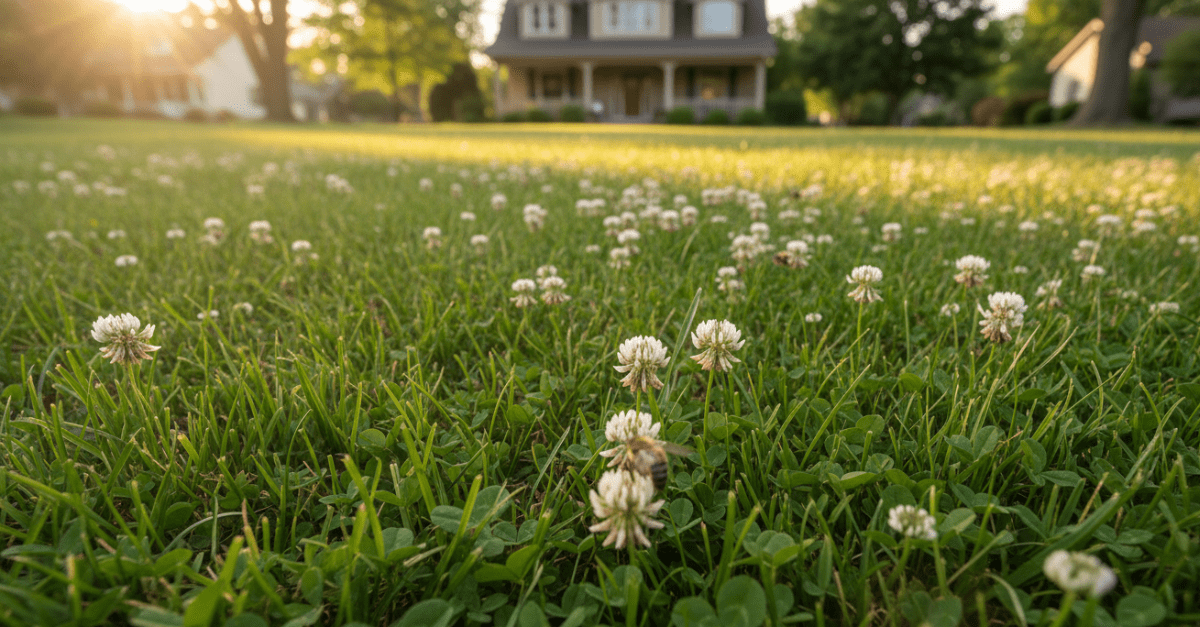
For too long we’ve been sold a tidy lie: a perfect lawn at any cost. That green carpet looks neat, but the chemicals behind it do quiet, terrible work in the soil and waterways. I’d rather have a living yard that hums with bees and birds than a sterile lawn that costs the planet. Let me tell you why the so-called ‘perfect’ lawn is a bargain paid by wildlife — and how you can choose something kinder.
The Truth About Weed Killers
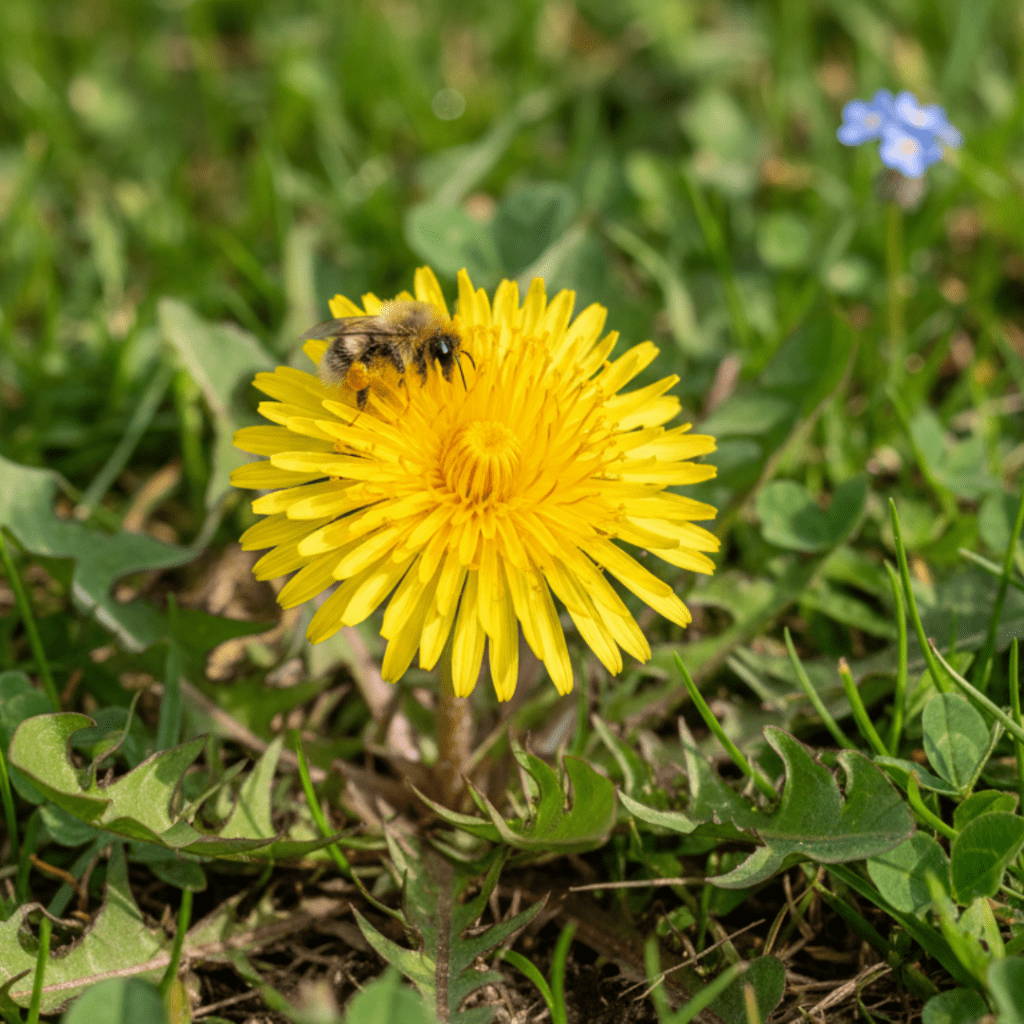
Every bottle of weed killer is made to kill, and that doesn’t stop at the dandelions. Herbicides and many pesticides move through the food web: they drift on wind, run off into storm drains, or linger in soil and root systems. That’s how pollinators pick up residues, how birds that feed on affected insects become thinner in numbers, and how water life breathes toxins downstream. I’ve watched neighbors spray and felt the uneasy hush that follows—less fluttering, fewer birds at the feeder, and a yard that feels strangely empty.
Why Most ‘Weeds’ Matter
Most of the plants folks call weeds are honest workers wearing green aprons. Clover feeds bees with abundant nectar and even adds nitrogen to the soil. Dandelions bloom early when pollinators are hungry. Plantain and chickweed offer food and medicine for small creatures and soil microbes. When you rip these out or spray them dead, you remove food, shelter, and signals from the earth telling you what the soil needs. It’s feedback, not failure.
The Cascade Effect on Birds and Pollinators
Spraying a lawn doesn’t just reduce a few flowers; it thins entire food chains. Fewer wildflowers mean fewer bees and butterflies, which in turn means fewer insects for birds to eat. Songbird numbers drop because their food sources vanish. Not to be dramatic, but a yard that’s been chemically hit can lose more than color — it loses life and the small daily pleasures of watching nature work.
Practical Alternatives That Actually Work
1. White Clover: A Lawn’s Best Friend
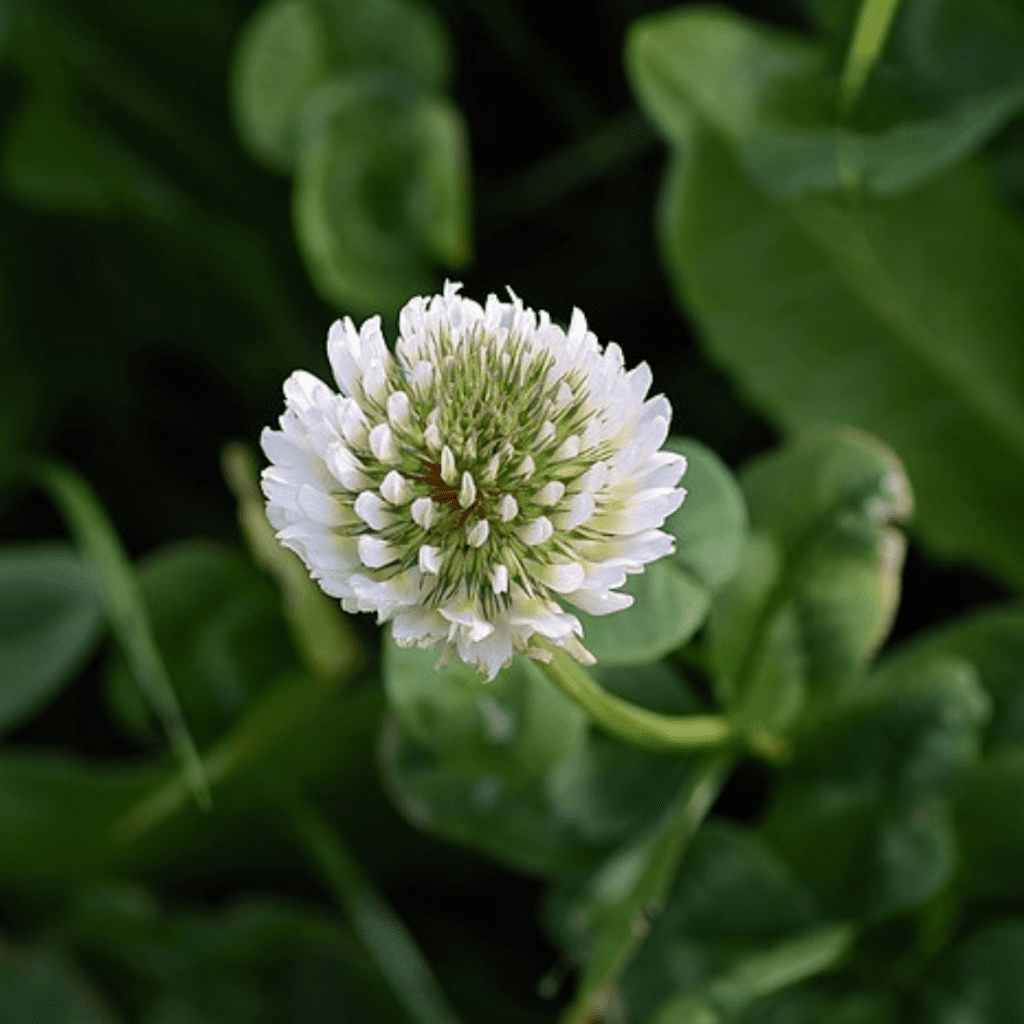


Let clover bloom: It’s soft underfoot, fixes nitrogen into the soil, and feeds pollinators. A swath of clover keeps lawns green and cuts fertilizer needs. White clover is a perennial groundcover that spreads aggressively through creeping stems, creating a dense, low-maintenance carpet that stays green even during hot summers. Unlike traditional grass, it requires minimal watering and little to no mowing to remain tidy. When allowed to flower, it produces sweeping carpets of white and pink blooms that attract bees, butterflies, and beneficial insects throughout the growing season from April through September.
This legume performs exceptionally well on a variety of soil types, from wet clay to lighter loams, though it prefers well-draining medium with adequate moisture. It tolerates foot traffic better than most groundcovers and withstands close mowing or grazing, making it ideal for active lawns and play areas. The plant’s ability to fix atmospheric nitrogen naturally enriches the soil, acting as a living fertilizer that benefits companion grasses and reduces the need for chemical applications. White clover is virtually pest and disease-free, though young plantings may occasionally attract slugs. Its drought tolerance allows it to maintain color during dry spells when traditional turf turns brown.
2. Mow Higher and Less Often
Taller grass crowds out many problem weeds and supports deeper, healthier roots. My mower sits higher by a notch in late spring and the lawn is happier for it. Setting your mower deck to leave grass at 3 to 4 inches creates a canopy that shades soil, reduces water evaporation, and discourages weed germination. Deeper roots that develop from taller grass help your lawn withstand drought and compete naturally with unwanted plants. Reducing mowing frequency from weekly to every 10 to 14 days also saves time, fuel, and allows flowering plants like clover to complete their bloom cycles and feed pollinators.
3. Create Wildflower Strips
Dedicate a small edge or bed to native wildflowers. Even a meter or two transforms a yard into a pollinator magnet without sacrificing much lawn space. Wildflower strips planted along fence lines, garden borders, or property edges provide continuous nectar and pollen sources throughout the growing season. Choose native species adapted to your region for best results—they’ll require less water, resist local pests naturally, and support native pollinators and beneficial insects that help control garden pests. A simple mix of purple coneflower, black-eyed Susan, native milkweed, and bee balm can create a vibrant, low-maintenance border that blooms from spring through fall.
4. Hand Pull Strategically
For small patches, hand-pulling weeds, especially when the soil is damp, is quick and effective and keeps chemicals off your property. The best time to pull weeds is after a rain or thorough watering when roots release easily from moist soil. Use a weeding fork or dandelion digger for tap-rooted plants to remove the entire root system and prevent regrowth. Focus your efforts on truly invasive species or weeds in high-visibility areas rather than trying to achieve complete eradication across the entire lawn. A few dandelions and clover among the grass are beneficial, not failures.
5. Spot Treat with Soap and Water Mixes
For persistent, isolated weeds, a small hand spritz of soapy water or a targeted boiling water pour works better than a gallon jug of poison. I keep a kettle and a small spray bottle for those stubborn spots. Mix a simple solution of 1 tablespoon dish soap in 1 quart of water for a non-toxic herbicide that desiccates weed leaves on contact. For tougher weeds in cracks or gravel paths, carefully pour boiling water directly onto the plant, avoiding desirable vegetation nearby. These methods work best on young, actively growing weeds and may require repeat applications, but they’re safe for children, pets, and beneficial insects.
Working with Neighbors and Practical Steps
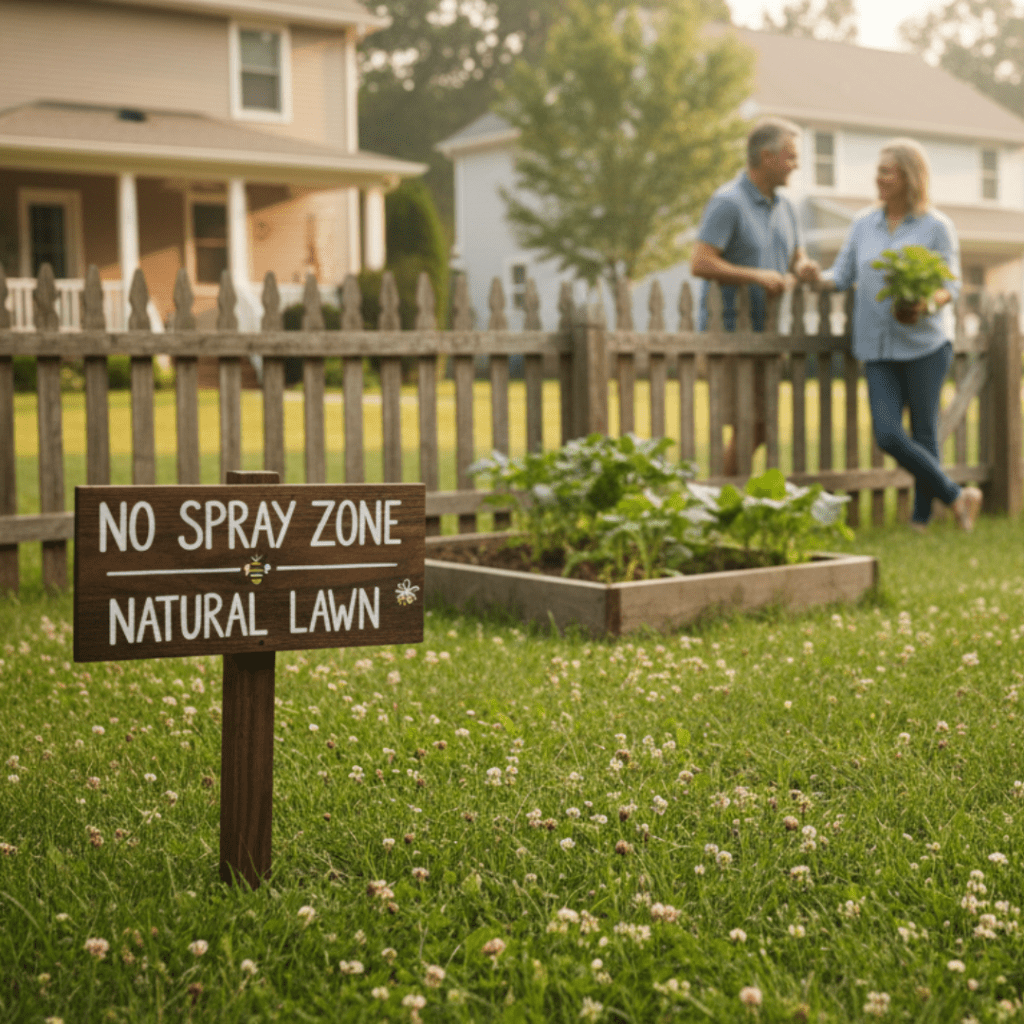
If you rent or your block has a company that sprays, speak up. A polite note or a ‘No Spray’ sign can change a landscaper’s route. Sometimes people don’t know the damage they’re doing; sharing a short pamphlet or inviting a neighbor for tea and a chat about alternatives is one of my favorite tactics. Community change happens one conversation at a time, and I’ve seen whole streets adopt wildlife-friendly care after a few neighbors set an example.
When approaching lawn care companies, be specific about your preferences: request that they skip your property entirely or limit treatments to genuine problem areas using mechanical or cultural methods. Many professional landscapers are willing to accommodate chemical-free requests when asked politely and given clear guidance. Post visible signage at property boundaries to prevent accidental spraying, and consider sharing information about pollinator protection with neighbors who may be unaware of the environmental impacts of routine lawn treatments.
Design Ideas for a Living Yard
Pollinator Pockets
Plant small clusters of native species like catmint, coneflower, and milkweed to support a range of insects. These concentrated plantings create oases of color and life even in small yards. Group three to five plants of each species together for visual impact and to make it easier for pollinators to locate and access nectar and pollen. Position these pockets in sunny spots with good drainage, and choose plants with staggered bloom times to provide continuous food sources from early spring through late fall.
No-Mow Zones
Choose a corner to let grow naturally; trim a path through it for access and beauty. I leave a graceful 5-foot strip behind my shed every year and it’s a riot of color and birds by June. No-mow areas allow native grasses and wildflowers to self-seed and establish complex plant communities that support diverse wildlife. These zones provide critical nesting habitat for ground-dwelling bees and cover for small mammals and birds. Mow paths or edges once or twice yearly to maintain definition and prevent the area from appearing neglected to neighbors.
Edible Borders
Mix clover and low-growing herbs into borders where kids play—safe, fragrant, and useful. Creeping thyme, chamomile, and clover create soft, aromatic carpets that withstand light foot traffic and offer sensory experiences for children. These plantings release pleasant scents when brushed or stepped on and provide opportunities for young gardeners to harvest herbs for tea or cooking. Choose non-toxic, non-invasive species and avoid thorny or irritating plants in high-traffic play areas.
Replace Part of the Lawn
In sunniest spots, swap turf for a native meadow mix or low groundcover; it reduces water and mowing needs and boosts biodiversity. Sheet mulching or solarizing the existing lawn for several weeks in summer makes conversion easier. Scatter native meadow seed in fall or early spring, then maintain light moisture until seedlings establish. Once established, native meadows require mowing just once or twice annually, typically in late fall after seeds have dispersed and in early spring to remove dead material.
Managing Expectations and Patience
Transitioning away from a chemical lawn takes a season or two. You may see a few more ‘weeds’ at first; that’s normal. Resist the urge to spray—pull, mow, overseed with desirable grasses or natives, and let the better plants fill in. You’ll also need a little patience when you first stop fertilizing and spraying; soil and microbial communities take time to adjust but reward you with stronger, resilient turf and more wildlife.
During the transition period, your lawn may look less uniform than chemically maintained yards. Accept that a healthy, living lawn includes plant diversity and seasonal variations in color and texture. Focus on overall health and vitality rather than monoculture perfection. Soil biology needs time to recover from chemical inputs—beneficial fungi, bacteria, and earthworms will gradually recolonize and improve soil structure, drainage, and nutrient cycling. Most homeowners notice significant improvement in lawn resilience and reduced maintenance by the second growing season.
Practical Dos and Don’ts
Do: Test a small area, plant native flowers, use a higher mower deck, and keep a wildlife corner. Start your transition in a low-visibility section to gain confidence and learn what works in your specific conditions. Conduct a soil test to understand pH and nutrient levels before making amendments. Raise your mower deck gradually over several weeks to avoid stressing existing turf. Designate at least one area of your property as a dedicated wildlife zone with minimal intervention.
Don’t: Use broad-spectrum herbicides, assume all weeds are bad, or ignore neighbors’ concerns—invite them in instead. Avoid pre-emergent herbicides that prevent all seed germination, including desirable species. Recognize that many so-called weeds provide ecological services and food for wildlife. When neighbors express concern about your lawn’s appearance, use it as an opportunity to educate and share your vision rather than becoming defensive. Offer to share seeds, starts, or information about the benefits you’re observing.
If you must remove invasive plants, research targeted mechanical removal or consult local extension services for best practices that don’t rely on harsh chemicals. True invasive species like Japanese knotweed or garlic mustard require persistent, strategic removal to prevent spread. Use barriers, repeated cutting before seed set, and competitive native plantings rather than chemical controls whenever possible.
A Few Local Resources and Actions
Check your city or county extension for native plant lists and recommended meadow mixes. Many areas have ‘No Mow May’ or pollinator initiatives you can join. Seed swaps and community gardens are great places to find native seeds and friendly advice. When I first switched a strip to wildflowers, I asked on my neighborhood board and ended up trading seeds for a jar of jam. Gardening and kindness go together.
Local native plant societies and conservation organizations often host workshops, plant sales, and educational events focused on wildlife-friendly landscaping. University extension services provide region-specific guidance on soil testing, plant selection, and integrated pest management strategies. Many municipalities now offer rebates or incentives for homeowners who reduce lawn area in favor of native plantings or rain gardens. Online platforms and neighborhood apps can connect you with like-minded gardeners for seed sharing, tool lending, and mutual support.
A Closing Nudge from My Porch
I’ll take a yard full of clover, daisies, and a chorus of birds over a pristine, poisoned carpet any day. It’s not about chaos; it’s about making different choices—small ones that add up. Skip the poison, plant a patch of wildflowers, and watch the yard come alive again. You’ll feel better, and the neighborhood will too.
The perfect lawn is a modern invention, not a natural state. Our grandparents’ yards hummed with bees and bloomed with violets before the chemical industry convinced us that diversity equals disorder. You have the power to reclaim that vitality one square foot at a time. Every dandelion you leave standing feeds an early-season bee. Every patch of clover you cultivate enriches your soil and reduces your carbon footprint. Every conversation you have with a curious neighbor plants seeds of change that may bloom across the entire community.
Quick-Fire FAQ
Q: Will letting clover take over ruin my lawn?
A: Not at all—white clover is low-growing, fixes nitrogen, and often makes lawns greener with less fertilizer; it’s a friendly, practical alternative.
Q: How can I remove invasive weeds without chemicals?
A: Hand-pulling when soil is moist, smothering with cardboard and mulch, or careful digging are effective; for large infestations consult local extension services for targeted removal methods.
Q: What should I tell my landscaper who sprays regularly?
A: Ask them to stop or to spot-treat only specific problem areas using non-chemical alternatives, and show them a ‘No Spray’ sign—many will accommodate polite requests.
Q: Will a wildflower patch attract pests?
A: Properly chosen native flowers attract beneficial insects that keep pests in check; thoughtful planting and diversity reduce pest outbreaks compared with chemical dependence.
— Grandma Maggie