
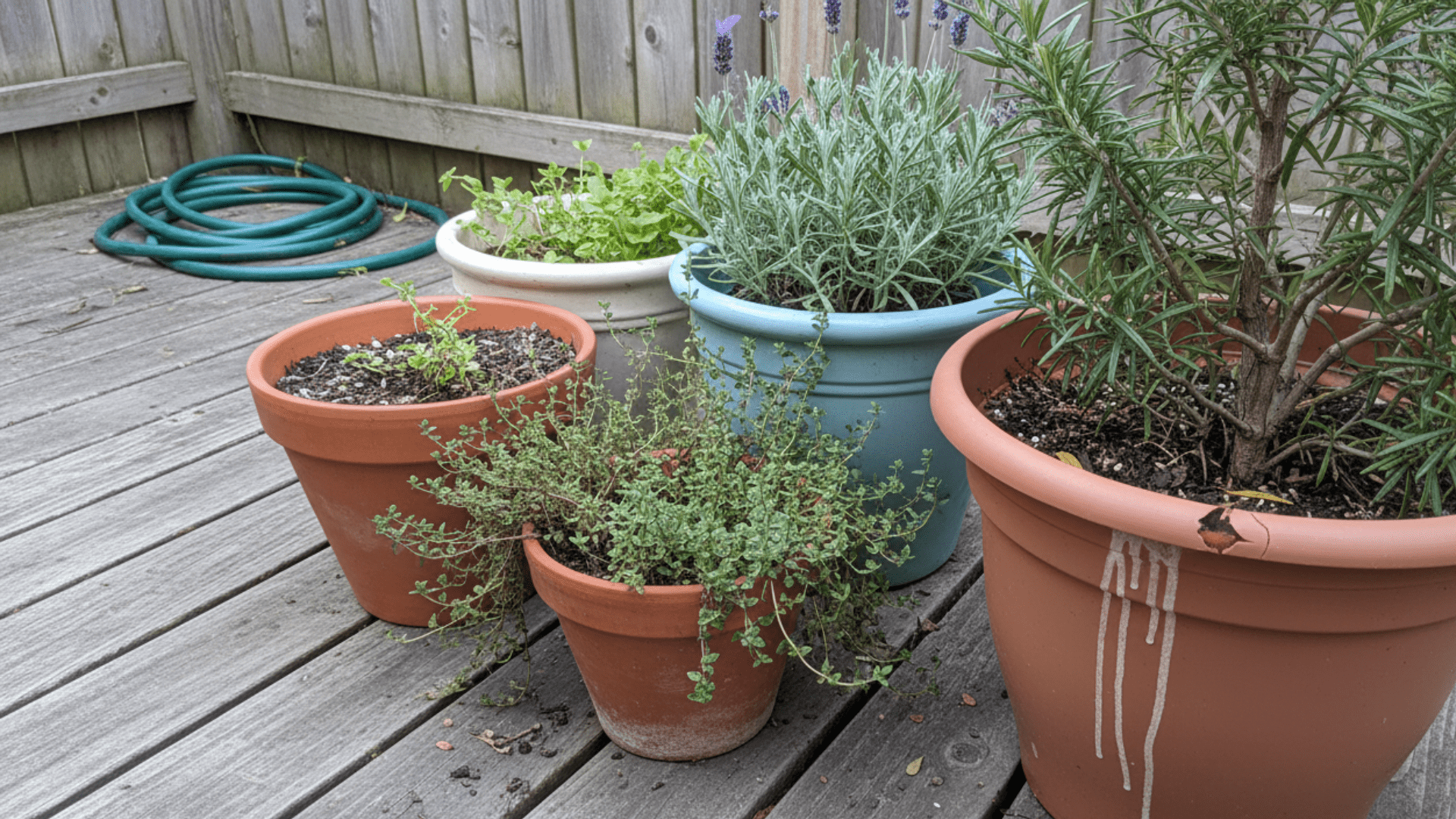
After fifty years of gardening, I’ve learned something important: the best gardens aren’t the ones that demand the most attention—they’re the ones that thrive despite our busy lives. I used to feel guilty about not having time to fuss over my patio plants every day, but then I discovered a secret. Some of the most beautifully fragrant herbs and flowers actually prefer a bit of neglect. They don’t want to be coddled or constantly monitored. Give them the right pot, decent soil, and an occasional watering, and they’ll reward you with months of intoxicating scent every time you brush past them or sit down with your morning coffee. This isn’t about lowering your standards—it’s about working smarter with plants that are naturally suited to container life and occasional forgetfulness.
Why Fragrant Container Herbs Are Perfect for Busy Gardeners


Most Mediterranean herbs evolved in poor, rocky soil with sporadic rainfall, which makes them remarkably well-suited to container living. When you plant rosemary or lavender in a pot on your patio, you’re actually creating conditions closer to their native habitat than a rich, constantly-moist garden bed would provide. These plants have adapted to store water in their leaves and stems, which is why they smell so wonderful when you brush against them—all those aromatic oils are part of their drought-survival strategy. I’ve found that my container herbs actually perform better than the same varieties planted in my garden beds, probably because the containers drain so well and I’m forced to water less frequently. The key is understanding that “low-maintenance” doesn’t mean “no maintenance”—it means choosing plants whose natural preferences align with benign neglect, then setting them up properly from the start.
The Foolproof Five: Herbs That Thrive on Neglect
Let me introduce you to the five herbs that have never let me down, even during weeks when I completely forgot about them.
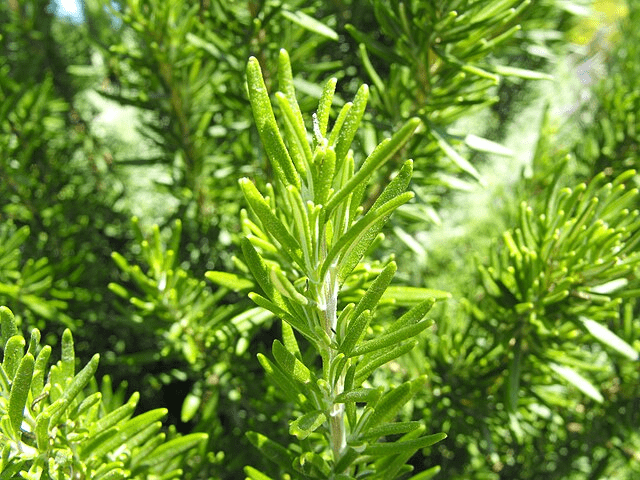
Rosemary tops my list because it’s nearly indestructible once established. I grow upright varieties like Tuscan Blue in 14-inch pots, and they’ve survived temperatures down to 15 degrees Fahrenheit on my covered patio. Water deeply every four to five days in summer, every week or two in winter, and don’t fuss over it. The more you ignore rosemary, the more concentrated its piney fragrance becomes. After three years, my potted rosemary plants are woody shrubs that I trim for cooking year-round.
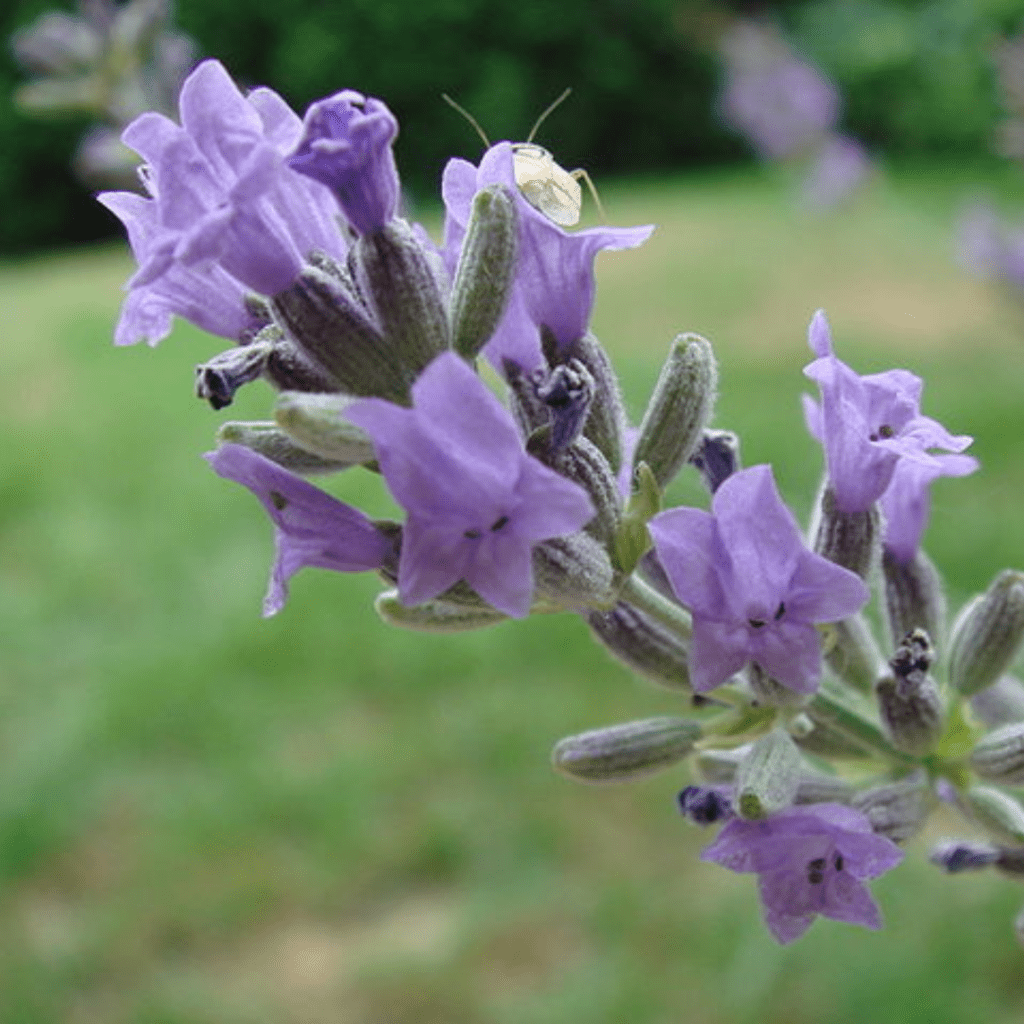
English lavender is the second member of this dream team, though you must choose true English lavender (Lavandula angustifolia) rather than Spanish or French types, which are fussier. English lavender handles cold better and doesn’t mind if you forget to water for a week. I plant it in terracotta pots with extra perlite mixed into the potting soil—about one part perlite to three parts quality potting mix. The terracotta breathes and dries out faster, which lavender loves. Trim it back by one-third after flowering in early summer, and it’ll bloom again in fall. Mine has lasted six years in the same pot with just annual top-dressing of fresh soil.
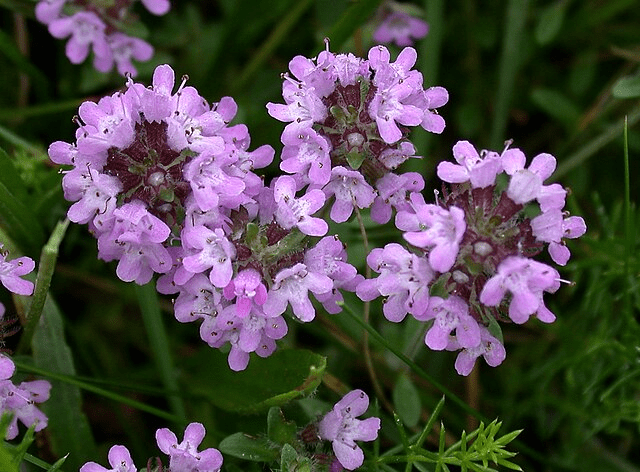
Thyme practically grows itself, especially creeping varieties like Elfin or Woolly thyme that spill over pot edges. I’ve had thyme survive two weeks without water in July heat, looking slightly crispy but bouncing back within days of a good soaking. Plant it in shallow, wide containers rather than deep pots—thyme has a shallow root system and actually prefers this. The fragrance intensifies in hot sun, and you can harvest stems continuously without harming the plant. I keep three different varieties in one large, shallow bowl, creating a fragrant tapestry that needs watering only twice weekly even in peak summer.
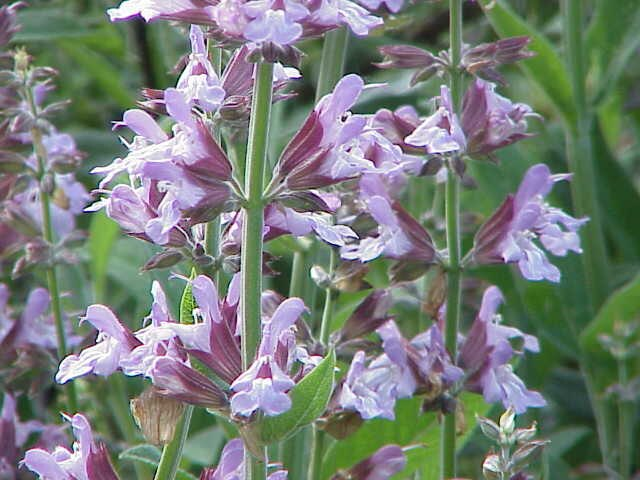
Sage is tougher than people realize, handling both heat and cold with equal indifference. Common garden sage lives for years in containers, developing thick, woody stems and producing purple-blue flower spikes that smell like heaven in late spring. I grow mine in 12-inch pots and water every four to five days, letting the soil dry between waterings. Sage actually develops stronger flavor when slightly stressed by drought. The variety Berggarten has especially beautiful, rounded leaves and tolerates container life better than most. After four years, my sage plant is the size of a basketball and needs only occasional trimming to stay shapely.
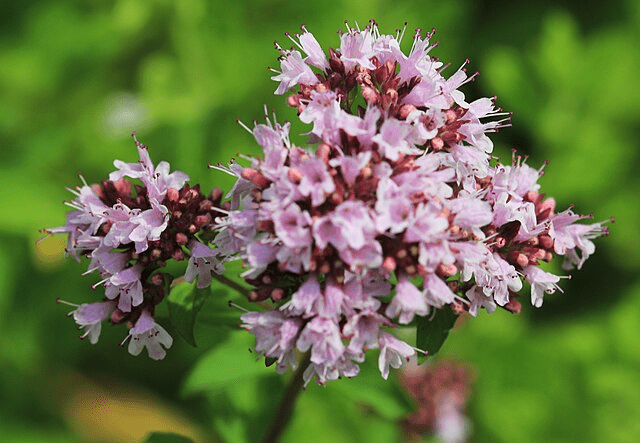
Oregano rounds out the list as the most vigorous spreader. Greek oregano has the best flavor and fragrance, sending up clouds of scent when you brush the leaves. I plant it in hanging baskets where it cascades over the sides, creating a fragrant curtain. Water every three to four days in summer, and cut it back hard in midsummer when it tries to flower—this keeps the leaves tender and flavorful. Oregano is one of those plants that seems to thrive on harsh treatment. The more you cut it, harvest it, and ignore it, the bushier and more productive it becomes.
Fragrant Flowers That Forgive Forgotten Watering
While herbs form the backbone of a low-fuss fragrant garden, a few flowering plants deserve space for their exceptional scent and forgiving nature.
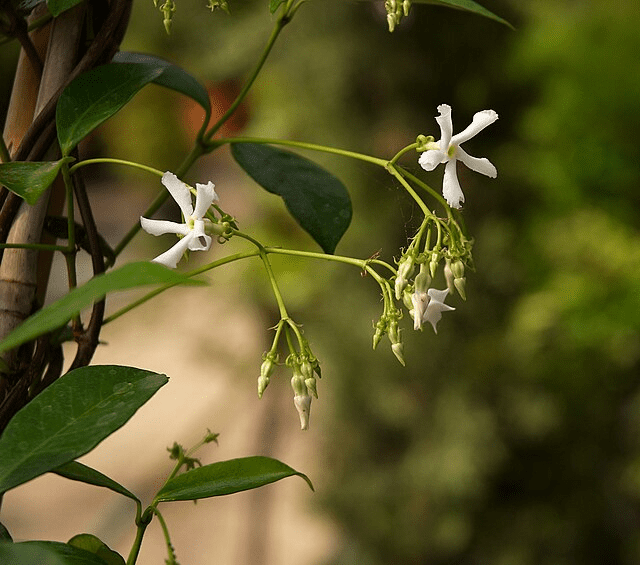
Star jasmine isn’t actually a true jasmine, but its white pinwheel flowers produce one of the most intoxicating fragrances in the plant world, especially on warm evenings. I grow mine in a large 18-inch pot with a small trellis, and it’s become a permanent fixture on my patio. Star jasmine tolerates partial shade and needs water every three to four days once established. The key is giving it a large enough container—too small and you’ll be watering constantly. In a proper-sized pot with quality soil, star jasmine practically cares for itself and provides fragrance from late spring through midsummer.
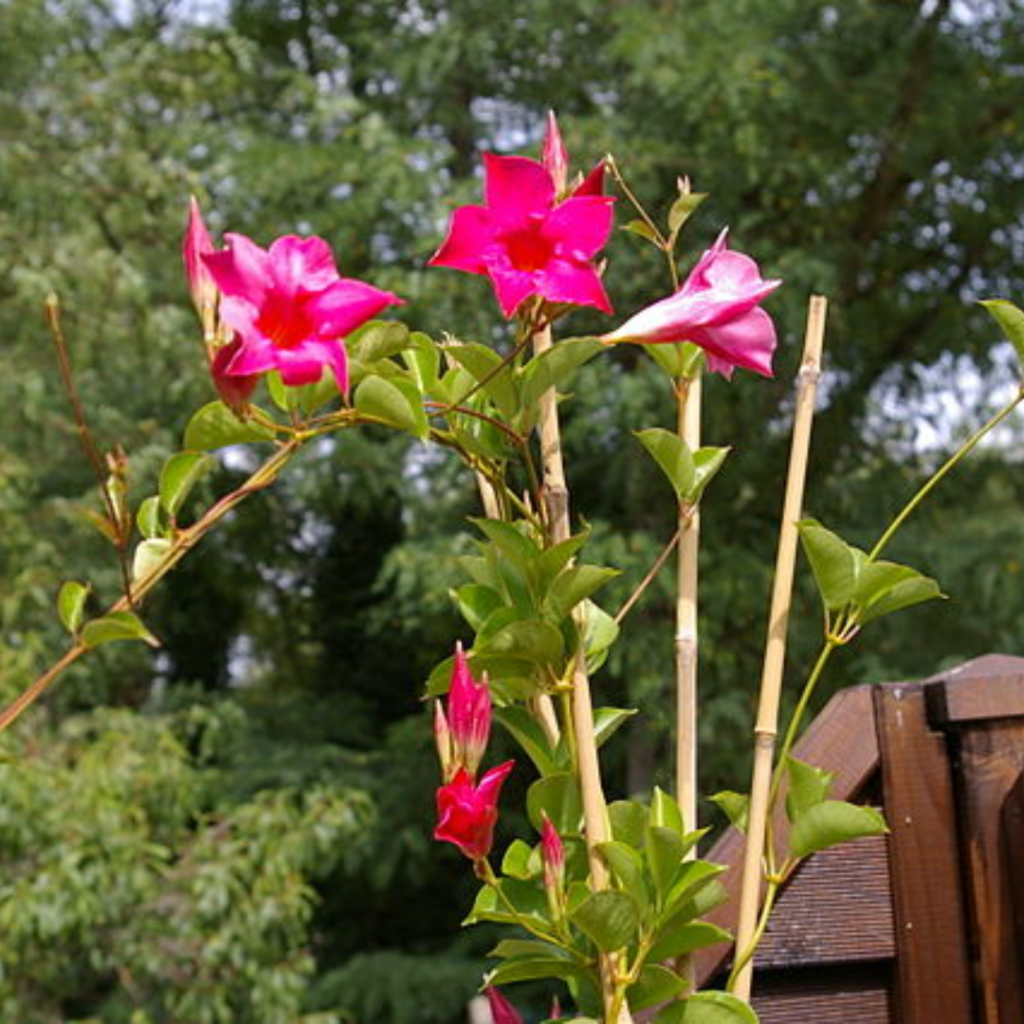
Mandevilla surprised me with its toughness. Everyone assumes these tropical vines are high-maintenance because they’re so showy, but I’ve found the opposite to be true. The pink or red trumpet flowers bloom continuously from late spring until frost, and the plant tolerates both heat and occasional dryness remarkably well. I grow mine in a 16-inch pot with a bamboo tripod for support, watering every two to three days in summer heat. Mandevilla does need regular feeding—I use a diluted liquid fertilizer every two weeks during the growing season—but beyond that, it asks for very little. The flowers don’t have the strongest scent, but the plant itself is so easy and blooms so reliably that it earns its place.
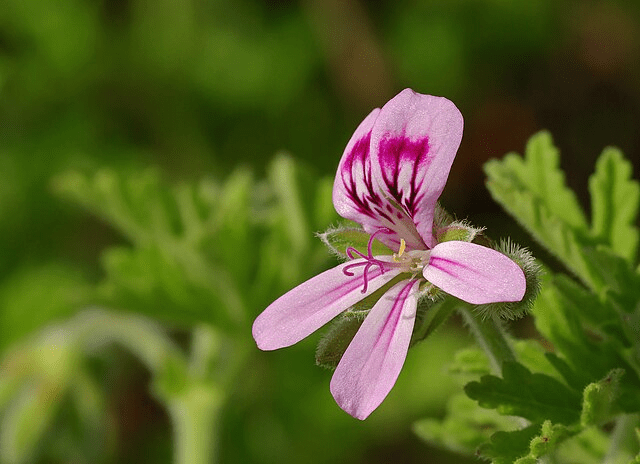
Scented geraniums are my secret weapon for instant fragrance with zero effort. These aren’t the common bedding geraniums—scented geraniums come in varieties that smell like rose, lemon, mint, apple, or even coconut when you touch their leaves. I keep four varieties in simple 10-inch pots on a side table where I can brush against them, and the scent is immediate and delightful. They handle drought better than almost any flowering plant I know, bouncing back from complete wilt within hours of watering. Scented geraniums root easily from cuttings, so you can expand your collection or replace aging plants without buying new ones. They’re essentially weeds in the best possible way—attractive, fragrant, and nearly impossible to kill.
Container Secrets: The Real Trick to Low-Maintenance Success
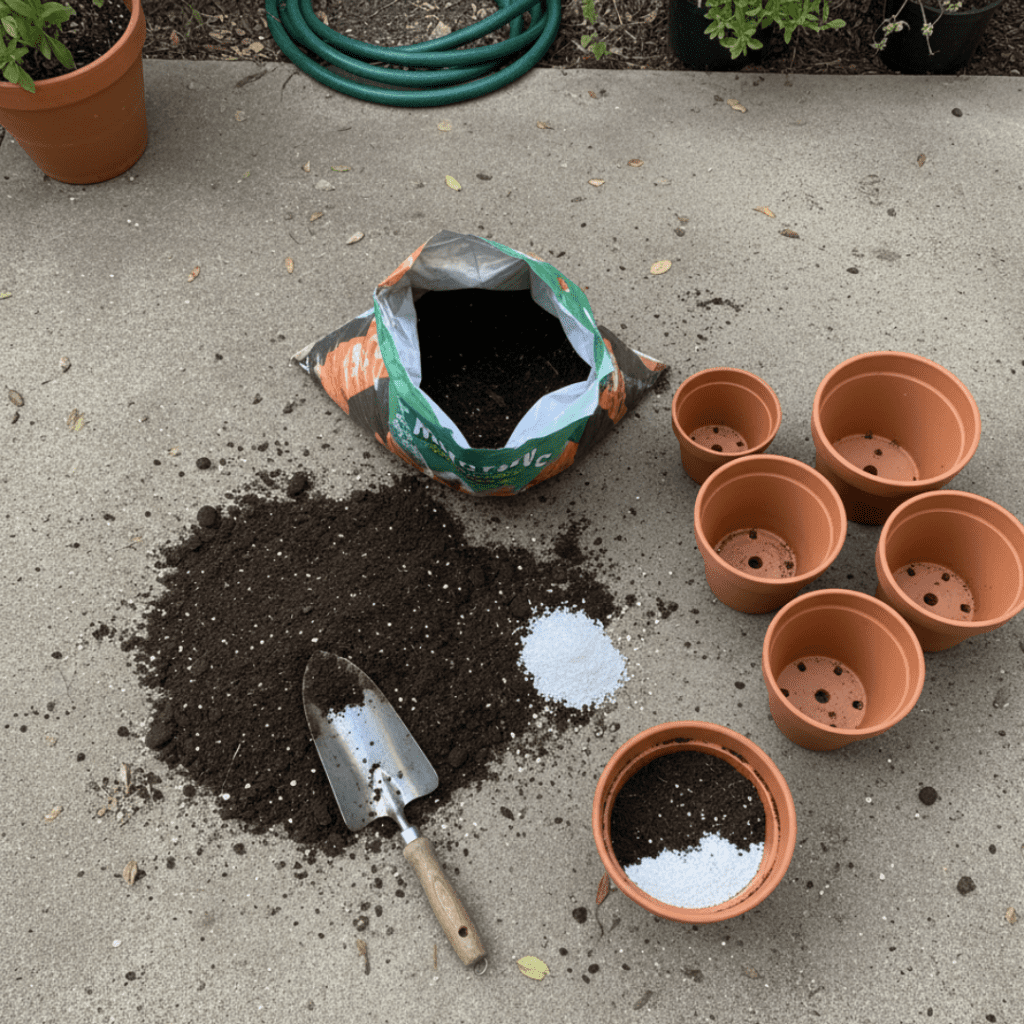
Here’s what took me twenty years to fully appreciate: the difference between a low-maintenance container and a high-maintenance one has almost nothing to do with the plant and everything to do with the pot and soil. Use containers that are too small, and even drought-tolerant herbs become needy. I learned this the hard way with rosemary planted in 8-inch pots that needed daily watering in summer. When I moved the same plants to 14-inch containers, watering dropped to twice weekly. The larger soil volume holds more moisture and buffers temperature fluctuations, creating a more stable environment that requires less intervention.
Drainage matters more than most people realize. Every container must have drainage holes—not optional, not negotiable. I drill extra holes in the bottoms of plastic pots using a half-inch bit, creating four to six openings instead of the single small hole most pots come with. For Mediterranean herbs and fragrant plants, I add a layer of perlite or pumice to the bottom inch of the pot before adding soil. This creates a reservoir that prevents waterlogging while still maintaining some moisture. I’ve found that terracotta pots work beautifully for lavender, rosemary, and thyme because they’re porous and allow excess moisture to evaporate through the sides. Plastic pots work fine too, but you need to be more careful not to overwater.
The soil mix makes or breaks your success with container herbs. I never use garden soil or cheap potting mix—both become compacted and waterlogged in containers. Instead, I blend my own using two parts quality potting soil, one part perlite, and one part compost. This creates a mix that drains quickly but holds enough moisture to sustain plants between waterings. For lavender specifically, I increase the perlite to equal parts with potting soil for even faster drainage. Some gardeners swear by adding a slow-release fertilizer to the initial mix, but I prefer to start with good compost and then feed monthly during the growing season with diluted fish emulsion. This gives me more control and prevents over-fertilization, which makes herbs grow quickly but reduces their fragrance and flavor.
Seasonal Care in Five Minutes a Week
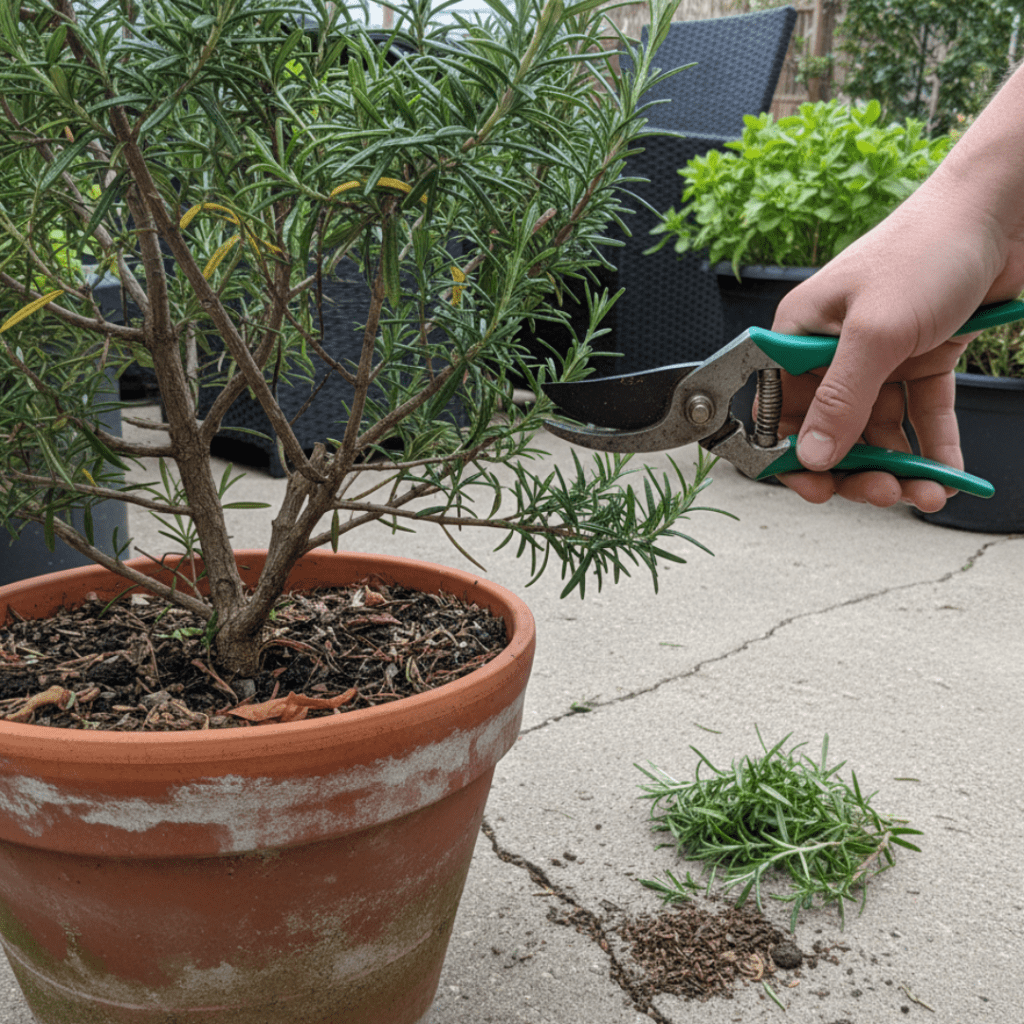
The beauty of these plants is that seasonal maintenance takes almost no time once you’ve set them up properly. In spring, I give each pot a light top-dressing with fresh compost, scraping away the top inch of old soil and replacing it with a mix of compost and potting soil. This takes about three minutes per container and provides nutrients for the entire growing season. I also trim any dead wood from rosemary and sage, and cut back lavender and thyme by about one-quarter to encourage bushy growth. Total spring maintenance for my collection of twelve fragrant containers: about one hour, once.
During summer, watering is the only regular task, and even that’s minimal with properly sized containers. I check the pots every two to three days by sticking my finger two inches into the soil. If it’s dry, I water deeply until water runs from the drainage holes. If it’s still moist, I skip watering. This takes maybe five minutes twice a week. I harvest herbs regularly for cooking, which doubles as pruning and keeps plants bushy. Every two weeks, I add liquid fertilizer to the watering can—fish emulsion diluted to half strength. This adds two minutes to watering time.
Fall is harvest time for woody herbs. I cut rosemary and sage stems to dry for winter use, and I trim lavender flowers to make sachets. This aggressive harvesting actually prepares the plants for winter dormancy. I stop fertilizing in late September to let plants harden off before cold weather. For tender plants like mandevilla and scented geraniums, I either take cuttings to root indoors or move the entire container to a protected spot if frost threatens. In mild climates, most of these plants can stay outdoors year-round with minimal protection.
Winter care depends on your climate, but even in cold regions, many of these plants survive on covered patios or against warm walls. I reduce watering to every seven to ten days, just enough to prevent the soil from completely drying out. Rosemary, thyme, and sage often stay semi-evergreen even in zone 7, providing occasional sprigs for winter cooking. I check containers monthly to ensure they haven’t become waterlogged from winter rain, tipping them to drain excess water if needed. Beyond that, I leave them alone until spring growth begins and the cycle starts again.
Quick-Fire FAQ
Q: Can I grow these fragrant herbs indoors during winter?
A: Rosemary and scented geraniums transition well to indoor life if you have a sunny south-facing window, but lavender and thyme usually struggle without outdoor conditions and strong light. I’ve had better success taking cuttings to root indoors rather than moving entire plants.
Q: How long do these container plants typically last before needing replacement?
A: Woody herbs like rosemary, lavender, and sage can live five to eight years in containers with proper care, while softer herbs like oregano and thyme benefit from division or replacement every three to four years to maintain vigor.
Q: What’s the biggest mistake beginners make with container herbs?
A: Overwatering kills more container herbs than any other problem. These Mediterranean plants prefer to dry out between waterings, and constantly moist soil causes root rot. If you’re unsure, wait an extra day before watering.
Q: Do I really need to fertilize if I’m using good potting soil?
A: Container plants deplete nutrients faster than garden plants because frequent watering leaches nutrition through the drainage holes. I fertilize every two to three weeks during active growth with diluted organic fertilizer, which keeps plants healthy without overfeeding them.
— Grandma Maggie