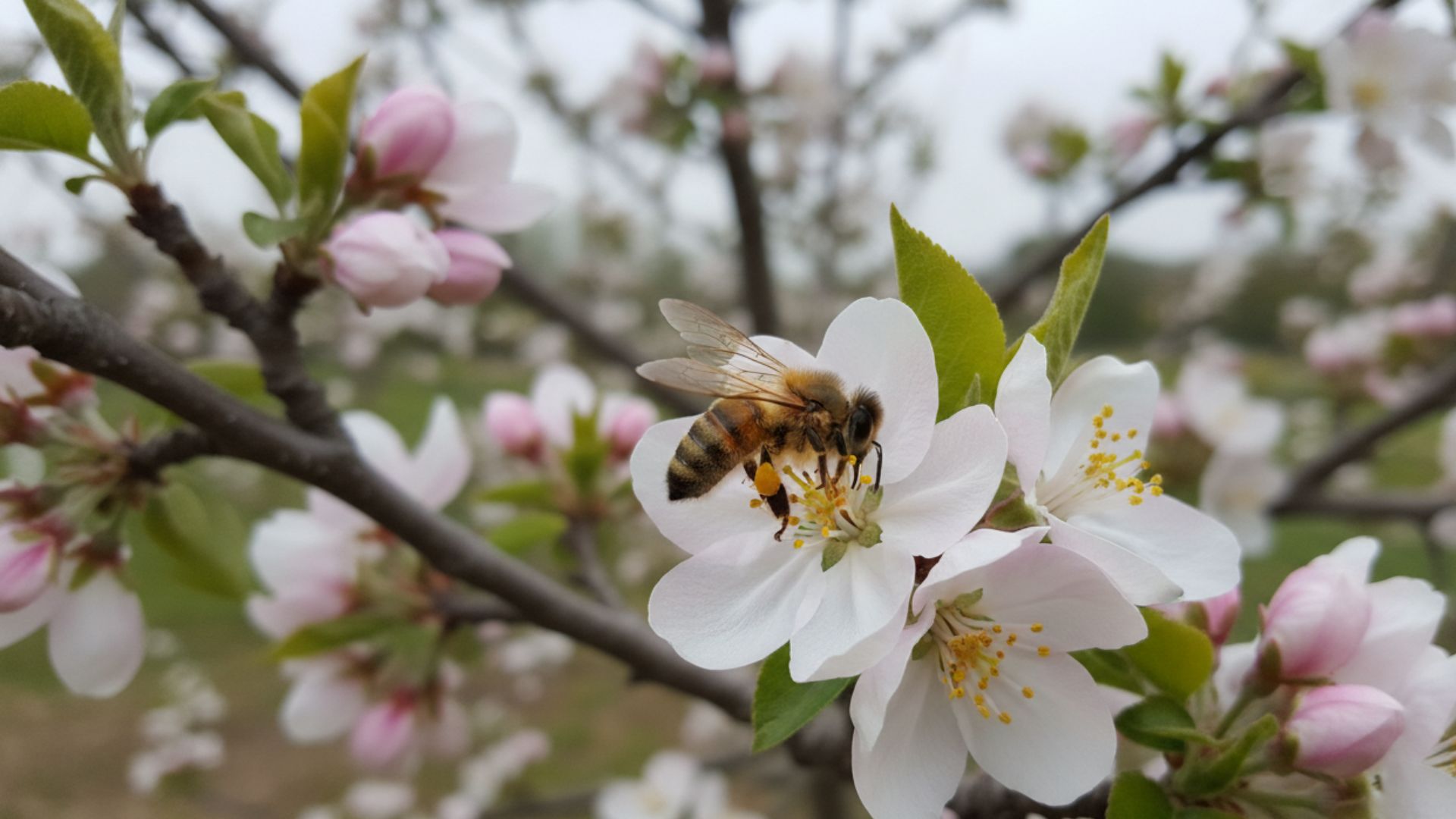
A few summers ago, my neighbor Dorothy called me over to look at her backyard. She’d planted a beautiful Superior plum tree five years earlier — healthy trunk, lovely branches, bloomed like a dream every May. But come August, not a single plum. Not one. She stood there with her hands on her hips, genuinely baffled. “Maggie,” she said, “I’ve done everything right. I water it, I fertilize it, I prune it in the fall. What is wrong with this tree?” I took one look and knew exactly what had happened. Dorothy had given that plum everything it needed to survive — but nothing it needed to actually bear fruit. She had planted a tree that, by its very nature, cannot pollinate itself. It needed a partner, and it had been waiting five long years for one that was never coming. I’ve seen this story play out more times than I can count in forty years of helping neighbors with their gardens. Let me show you how to get it right from the start.
What Is Cross-Pollination and Why Does It Matter?
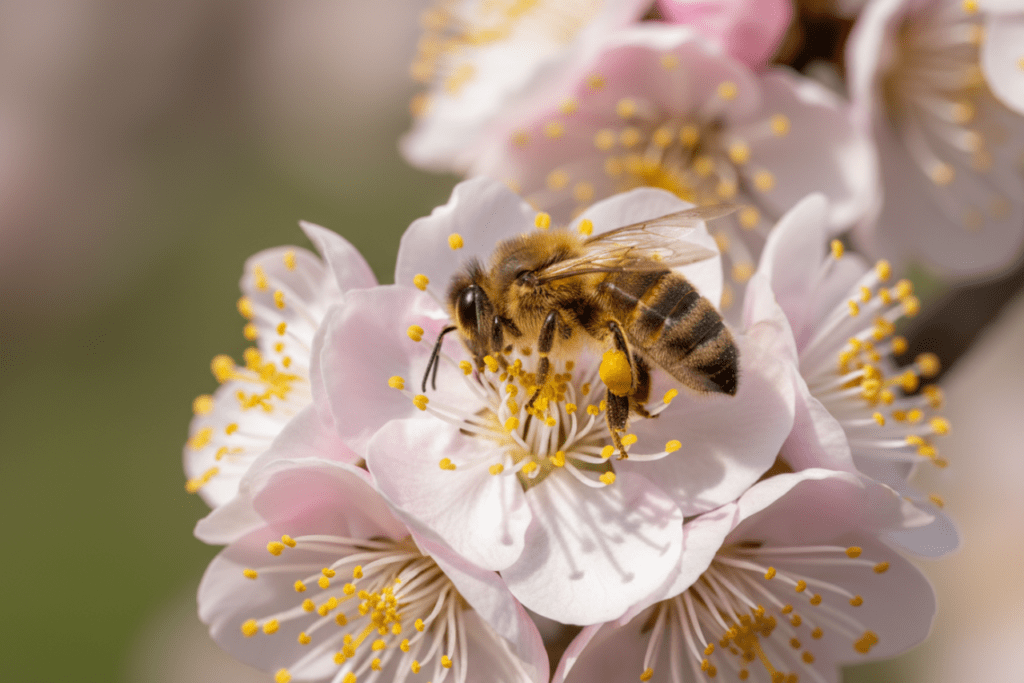


Here is how I explain pollination to anyone who will listen: imagine your fruit tree is trying to make a baby. To do that, it needs two sets of genetic information — its own, and that from a different variety. A bee flies into a blossom, gets dusted with pollen, and then carries that pollen to another flower on a different variety of tree. That transferred pollen contains the second set of DNA the tree needs to trigger fertilization, which is what eventually becomes your fruit. When a tree is described as “self-incompatible,” it means its own pollen is genetically too similar to itself to trigger that process. The blossoms open, the bees visit, but nothing happens — because all the pollen is coming from the same genetic source. The University of Minnesota Extension has done wonderful research on this, and their findings confirm what gardeners in cold climates have known for generations: hybrid plums and apricots are almost entirely self-incompatible, meaning they require at least two different varieties planted within approximately 100 yards of each other to produce fruit. That 100-yard figure is not a suggestion — it is the practical limit of reliable bee foraging between trees in a typical home garden setting.
I want to be clear about what “different variety” actually means, because I’ve had many gardeners tell me they already have two plum trees and still get no fruit. Having two trees of the same variety — say, two Superior plums — does you absolutely no good. The trees are genetically identical, and the incompatibility problem remains. You need two genuinely different varieties, and in the case of hybrid plums, the pairing matters quite specifically. This is not a detail you can fudge or approximate. The bloom windows need to overlap, the genetics need to be compatible, and the distance between trees needs to be close enough that a foraging bee will realistically move between them within a single trip.
The Plum Problem: Why One Tree Is Never Enough
How to Choose the Right Plum Companion
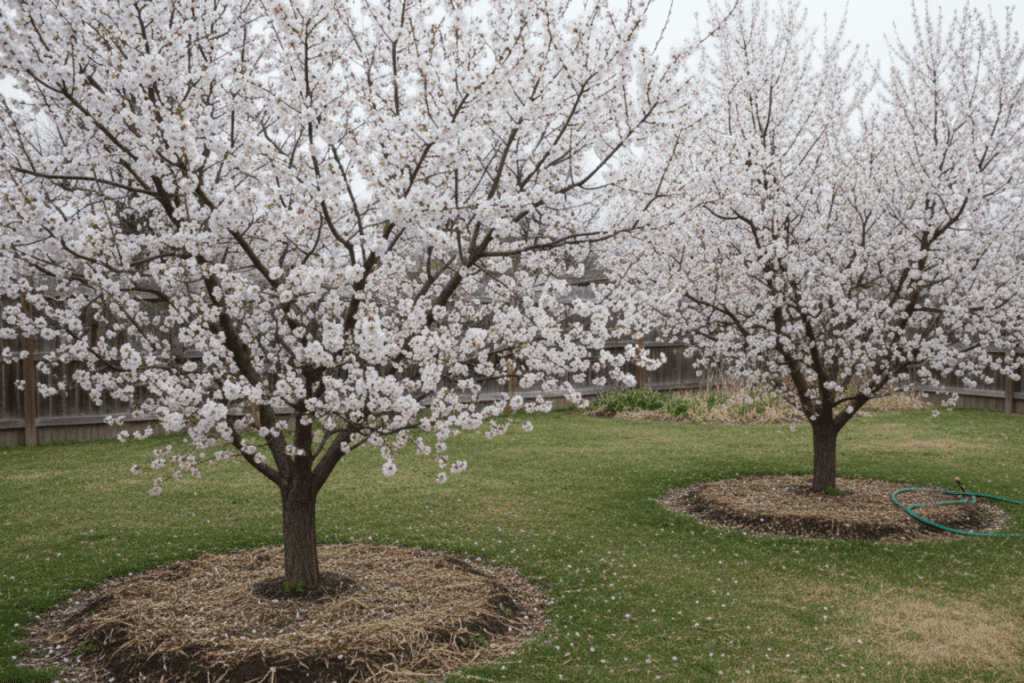
After thirty years of growing plums in my Zone 4 garden, I can tell you that the single most useful tree I ever planted was a Toka plum. It is sometimes called the “bubblegum plum” because of its sweet, aromatic flavor, but more importantly, it is the gold standard universal pollenizer for hybrid plums in cold climates. Toka produces abundant, viable pollen that is compatible with most of the popular hybrid plum varieties developed for northern gardens. In my experience, if you are uncertain about what pollenizer to choose, Toka is almost always the right answer. It blooms reliably, handles cold snaps well, and produces lovely fruit of its own — so you are not sacrificing space for a tree that only serves a functional role. It pulls its weight in your harvest basket too.
Let me give you the specific pairings that work reliably. If you are growing Superior plum — one of the most popular hybrid plums for cold climates, known for its large, sweet fruit — your best companion is Toka, planted within 50 to 100 feet. Superior and Toka bloom at overlapping times and are cross-compatible, which is the combination that matters. If you are growing Waneta, another excellent northern hybrid with deep red fruit, Toka again serves as the ideal partner. And if you favor La Crescent, the golden-yellow plum that is arguably the finest-flavored of all the cold-hardy hybrids, plant Toka nearby and you will be richly rewarded. For Pembina, another respected variety known for its consistent crops, Pembina works particularly well with Superior as a cross-pollinator — these two varieties have excellent genetic compatibility and overlapping bloom times that make them a natural pair. In any of these arrangements, the trees should be no more than 100 yards apart, and closer is always better. I keep my Toka within 60 feet of my Superior, and I have never had a year without fruit since both trees reached bearing age at around 4 to 5 years old.
Apple Cross-Pollination Made Simple
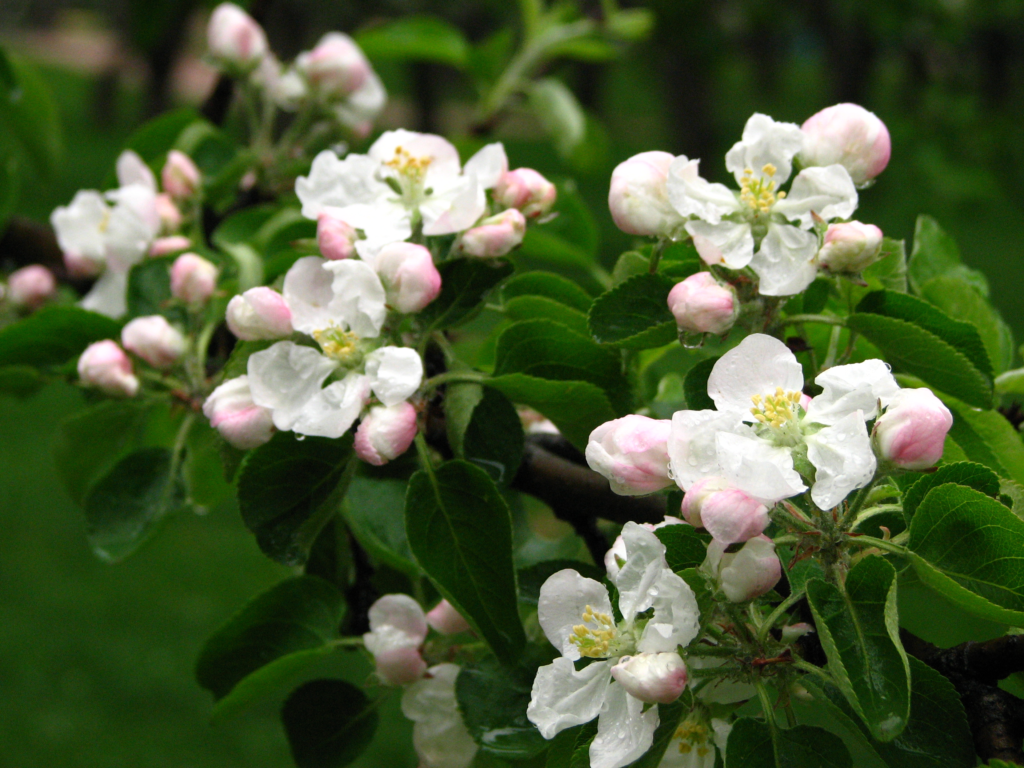
Apples are somewhat more forgiving than plums, but most varieties still need a cross-pollinator to produce well. The general guidance I follow is to plant apple trees within 50 feet of each other for reliable results — bees can certainly travel farther, but the density of pollen transfer drops off meaningfully beyond that distance. I’ve seen orchards where trees were planted 80 feet apart and fruited adequately, but the crops were noticeably lighter than what I see with closer spacing. When in doubt, plant closer rather than farther, and save the extra space for something else.
One of the most useful tricks I know for apple pollination is the crabapple. A flowering crabapple tree will serve as a pollenizer for almost any apple variety, and many of them are beautiful ornamental trees in their own right. If you already have a crabapple in your yard or a neighbor does within 50 feet, you may already have better pollination coverage than you realize. Dolgo and Centennial are two crabapple varieties that are particularly reliable as pollenizers, and both bear respectable fruit themselves if you want to make crabapple jelly — which, I will note, is one of the finest preserves you can put up in a cold-climate kitchen.
There are a handful of apple varieties that are genuinely self-fertile and will produce a reasonable crop from a single tree. Cortland is one I have grown for twenty years, and it does set fruit without a companion, though the crop improves noticeably with cross-pollination nearby. Lodi, an early-season apple that ripens in late July here in Minnesota, is another reliably self-fruitful variety. Pristine, a yellow summer apple with excellent disease resistance, also falls into this category. These are good choices for a gardener with very limited space, though I always encourage planting a second compatible variety if you can manage it, because the yield difference is real and meaningful.
Honeycrisp deserves a special mention, because it is by far the most requested apple variety I am asked about, and it is emphatically not self-fertile. Honeycrisp needs a pollenizer — a compatible variety blooming at the same time within 50 feet. Good companions for Honeycrisp include Zestar, Haralson, and Cortland. Do not make the mistake of assuming Honeycrisp will perform on its own simply because the nursery tag did not mention pollination requirements. It will not. I have watched too many gardeners wait four years for a Honeycrisp crop that never materialized for this exact reason.
Cherries, Pears, and Apricots: What You Need to Know
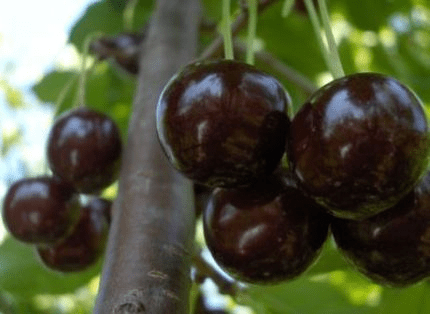
Sour cherries are the rare, glorious exception to almost everything I have told you so far. Montmorency, the standard pie cherry grown throughout the northern United States, is self-fertile and will produce a full, generous crop from a single tree. North Star and Meteor, two other excellent cold-hardy sour cherries developed by the University of Minnesota, are also self-fertile. If you have room for only one cherry tree and you want guaranteed fruit, a sour cherry is your answer. Montmorency trees planted in full sun and given good drainage will begin producing at 4 to 5 years and will fruit reliably for 20 years or more with minimal intervention. I have a Montmorency that is now in its twenty-third year and still gives me 20 to 30 pounds of cherries in a good summer.
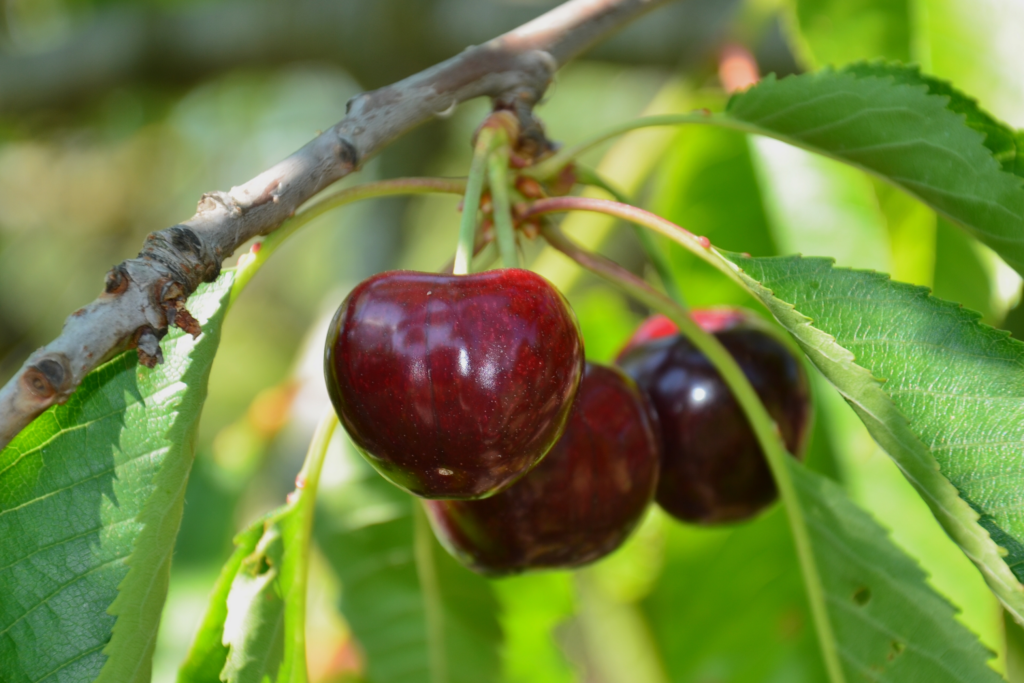
Sweet cherries are the opposite story. Almost every sweet cherry variety requires a cross-pollenizer, and the pairings are more specific than with apples. Bing and Lambert, two popular sweet cherries, cannot cross-pollinate each other — they are in the same incompatibility group, which means their pollen is mutually useless. Stella is one of the few sweet cherries that is self-fertile and also pollinates many other varieties, making it a smart choice as an anchor tree. For cold-climate gardeners, I generally suggest sticking with sour cherries unless you have the space for at least two carefully matched sweet cherry varieties and the patience to work out the compatibility details before you plant.
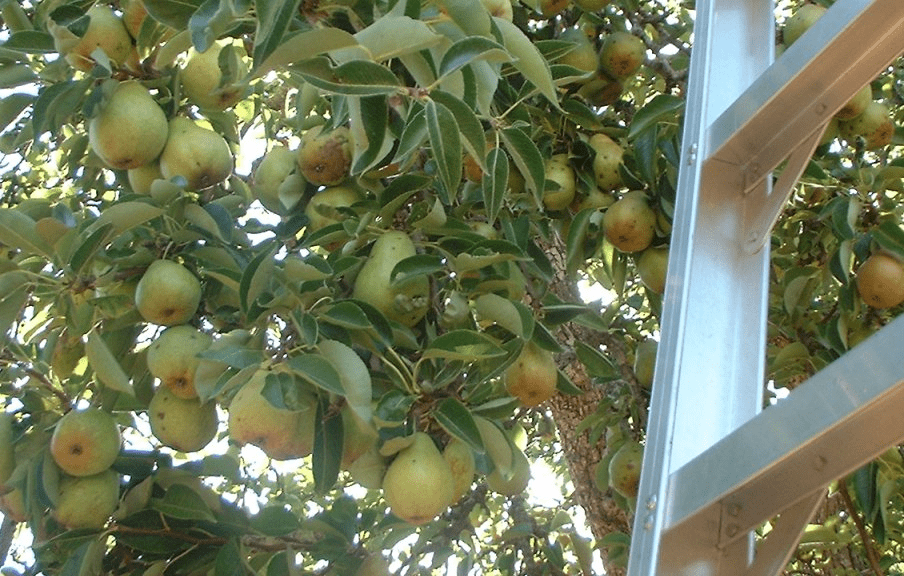
Pears sit somewhere in the middle. Bartlett, the most widely grown pear in North America, needs a pollenizer — it will bloom beautifully and set almost nothing on its own. Bosc is a good companion for Bartlett, as is Anjou. Seckel, a small, intensely sweet heirloom pear, is somewhat self-fruitful and will produce a modest crop alone, though it benefits greatly from cross-pollination. Kieffer, a tough and reliable old variety that handles cold and disease pressure well, is also somewhat self-fruitful. For apricots — and cold-hardy apricots like Brookcot and Sungold are increasingly viable in Zone 4 gardens — treat them like hybrid plums: assume they need two different varieties within 100 yards, and plan accordingly. I’ve learned this the hard way with a beautiful Brookcot that sulked for three years before I planted a Westcot nearby.
Supporting Your Pollinators: Keeping Bees Happy
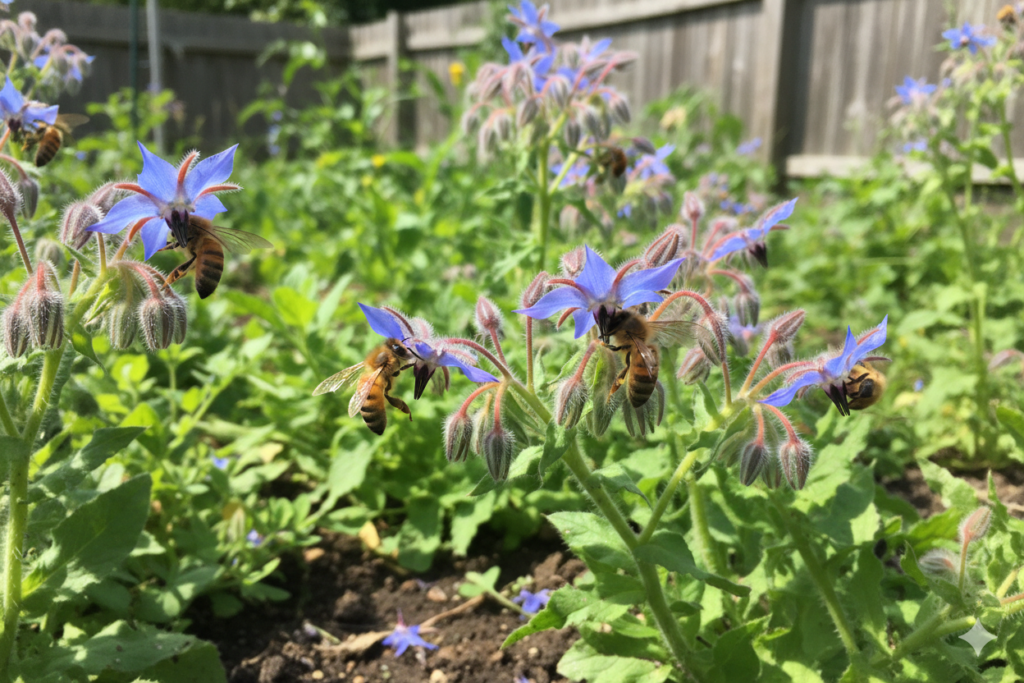
None of this cross-pollination planning matters if the bees do not show up, and cold-climate gardeners face a particular challenge here. In Minnesota, Wisconsin, and the Dakotas, fruit trees often bloom in late April or early May, when temperatures are still erratic and bee populations are only beginning to build back up after winter. A warm week in late April can bring your plums into full bloom in 5 to 7 days, and if that week is followed by rain and cold — which it often is — bee activity drops to almost nothing during what might be your entire pollination window for the year. This is one of the cruelest realities of cold-climate fruit growing, and it is why I take every step I can to ensure strong bee populations in my garden from the moment the snow melts.
The most effective thing I have done is plant a ring of early-blooming companion flowers around and between my fruit trees. Borage is exceptional — it blooms for 8 to 10 weeks starting in late spring, produces flowers bees adore, and reseeds itself readily so you almost never have to replant it. Phacelia, sometimes called scorpionweed, is one of the single best bee-attracting plants in existence, and it blooms early enough to coincide with fruit tree bloom in most cold-climate gardens. White clover grown as a living mulch under trees provides continuous forage and keeps bees working in the general area of your orchard throughout the season. I scatter these companion seeds every March under and around my fruit trees, and the difference in bee activity compared to a bare-ground orchard is immediately visible.
Pesticide timing is something I feel strongly about. I will not apply any insecticide — organic or conventional — within 14 days before bloom or during the bloom period on any of my fruit trees. The damage a single application can do to your local bee population in early spring, when colonies are still rebuilding, can affect pollination success for the entire season. If you must address a pest problem, wait until petal fall, which is the point when all the blossoms have dropped and the pollination window has closed for that season. I have given up some pest control in years where timing did not cooperate, and I have never regretted prioritizing the bees. A few pest-damaged fruits are a far better outcome than no fruit at all.
Quick-Fire FAQ
**Q: Can a neighbor’s fruit tree count as a pollenizer for mine?** **A:** Yes, if a compatible variety is blooming within 100 feet of your tree, cross-pollination will very likely occur. Just don’t rely on it as your only plan — you have no control over what your neighbor does with their tree.
**Q: Do crabapples really work for cross-pollinating regular apples?** **A:** Yes — any crabapple blooming at the same time as your apple variety will contribute viable pollen, including purely ornamental ones. The only requirement is that the bloom windows overlap.
**Q: Why does my tree have beautiful blossoms every year but still sets no fruit?** **A:** The most common cause is a missing compatible pollenizer variety within range — which is exactly what this article addresses. Late frost during bloom or poor bee activity during that 1–2 week window are the next most likely culprits.
**Q: How far apart can I plant two trees that need to cross-pollinate?** **A:** The practical maximum is 100 yards (300 feet), but closer is always better — trees within 50 feet will cross-pollinate far more reliably. For plums and apricots especially, I prefer to stay within 60 feet given how short the bloom window is.
— Grandma Maggie