
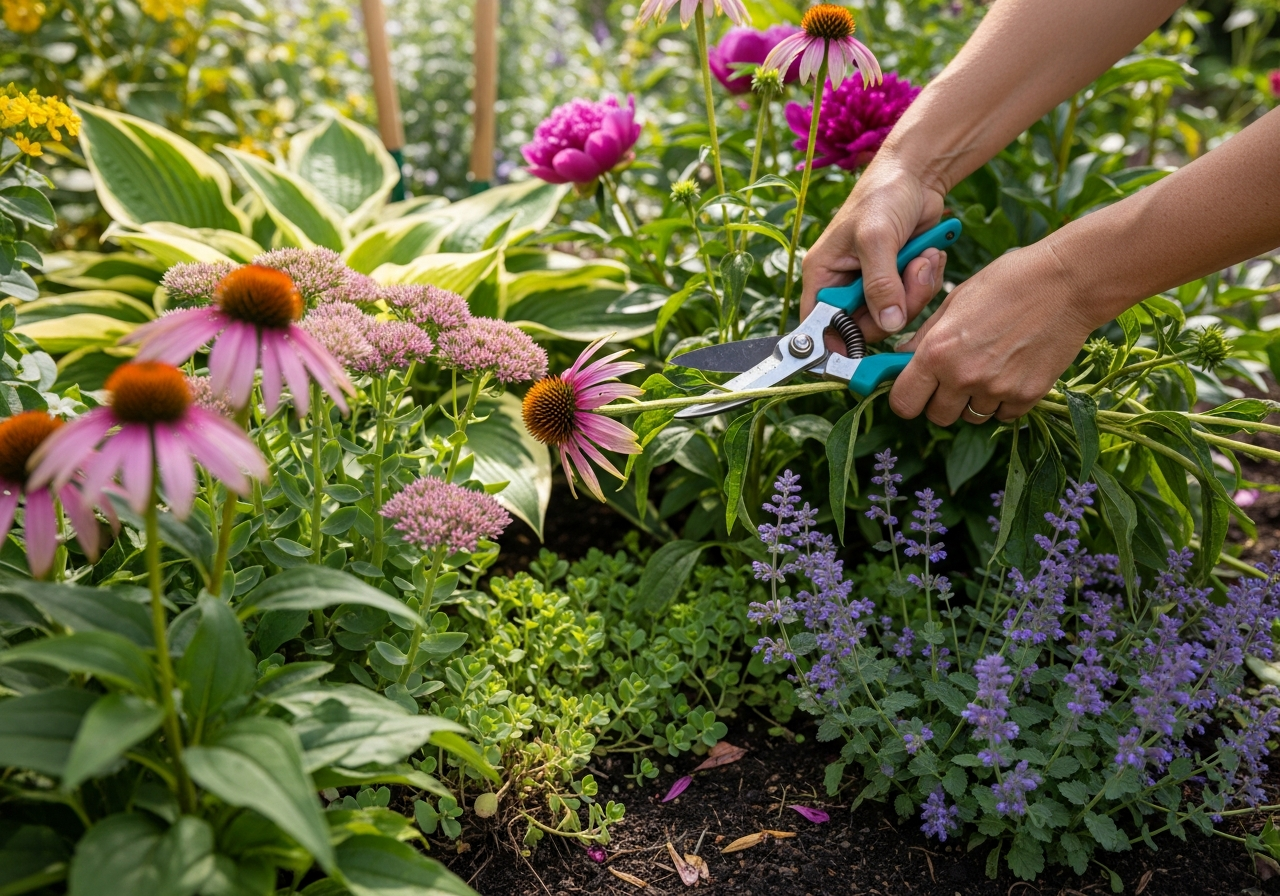
Fall cleanup doesn’t have to be a slog, dear. A smart September trim sets your crowns to leap next spring with vigor and health. I’ll show you exactly what to cut, what to bag, and when to do it by zone so you can tidy with purpose rather than just hacking everything down.
Why September Cutbacks Work
As days shorten, plants shift energy to roots and crowns, preparing for winter dormancy. Removing tired, disease-prone foliage now improves airflow, reduces overwintering pests and fungi, and makes spring growth cleaner and faster. We’ll still leave habitat where it helps (a few seedheads or hollow stems for beneficial insects), while giving the divas the haircut they truly need.
Before You Snip: Tools & Hygiene
- Sharp bypass pruners, a hand rake, and a bin or bags for trashing diseased debris
- Disinfectant (alcohol wipes or 10% bleach solution) for tools between problem plants
- Gloves and eye protection; a kneeling pad for comfort during longer sessions
- Mulch at the ready: leaf mold, shredded bark, or pea gravel (for dry lovers like lavender)
1) Peonies (Paeonia spp.) — Zones 3–8
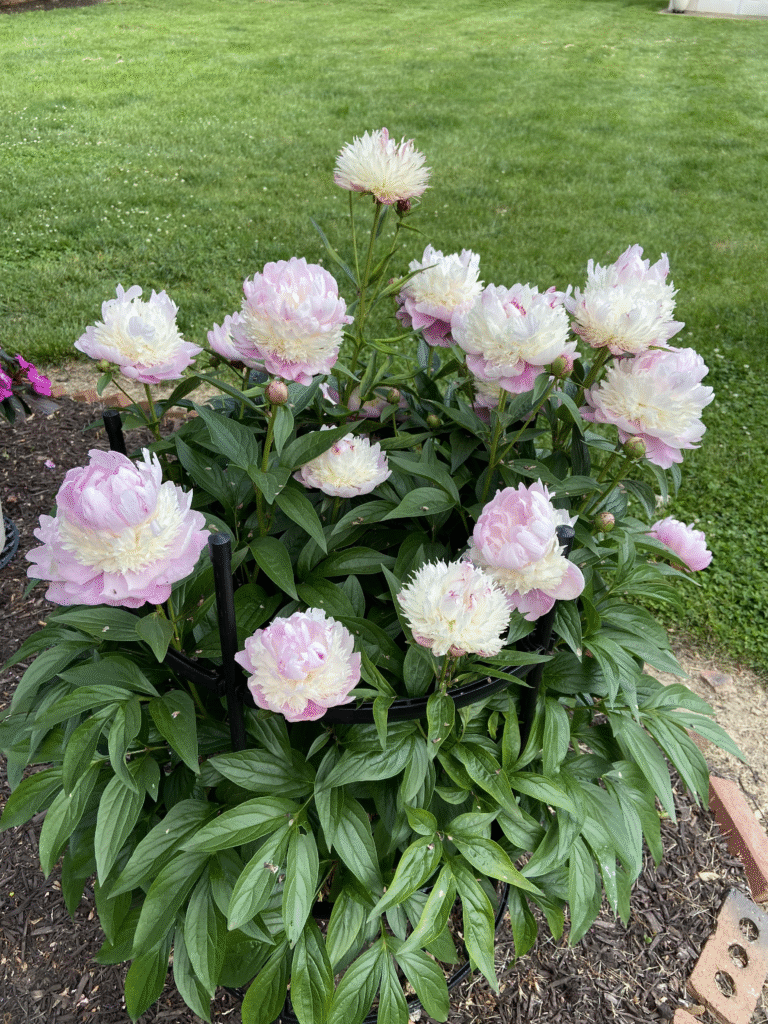
How far: Cut all foliage to ground level, leaving 1–2-inch stubs.
Why: Reduce botrytis and leaf spots; keep crowns clean and vigorous for next year’s blooms.
Extras: Remove every scrap (don’t compost if diseased); mark clumps and add a light winter mulch over the eyes.
2) Hostas (Hosta spp.) — Zones 3–9
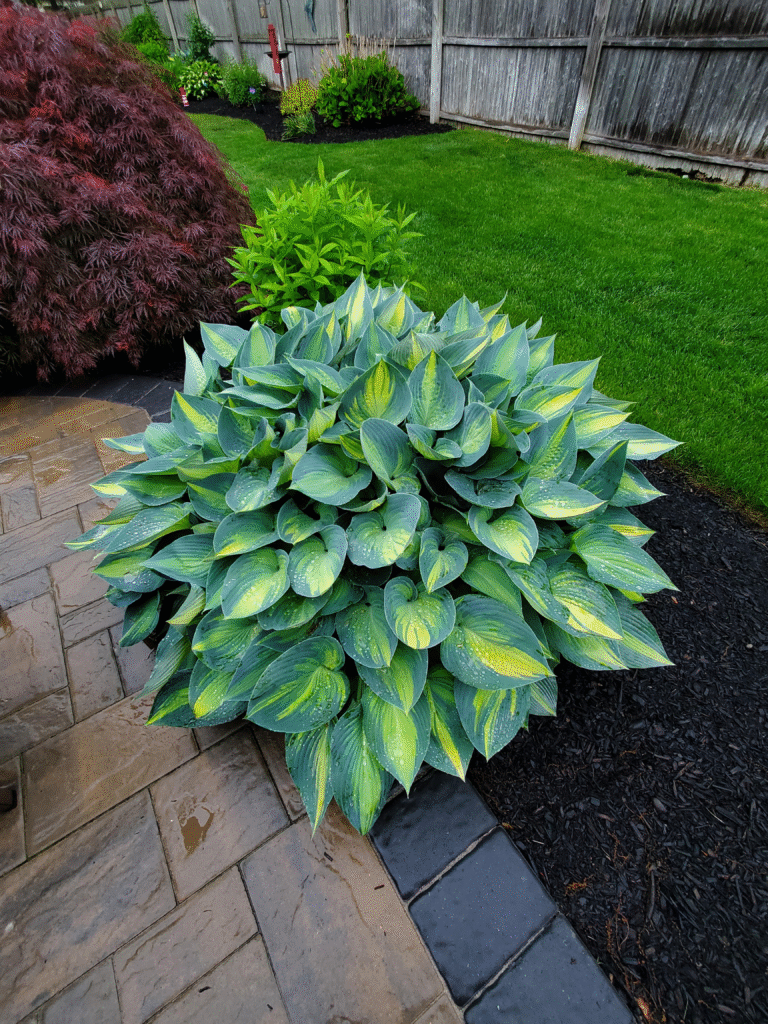
How far: Trim to about 2 inches once leaves yellow or collapse after frost.
Why: Discourage slugs and crown rot; prevent tidy mats of mushy leaves.
Extras: Bag and trash if you see slug trails or spotting; divide big clumps in early fall or spring to rejuvenate.
3) Daylilies (Hemerocallis spp.) — Zones 3–9
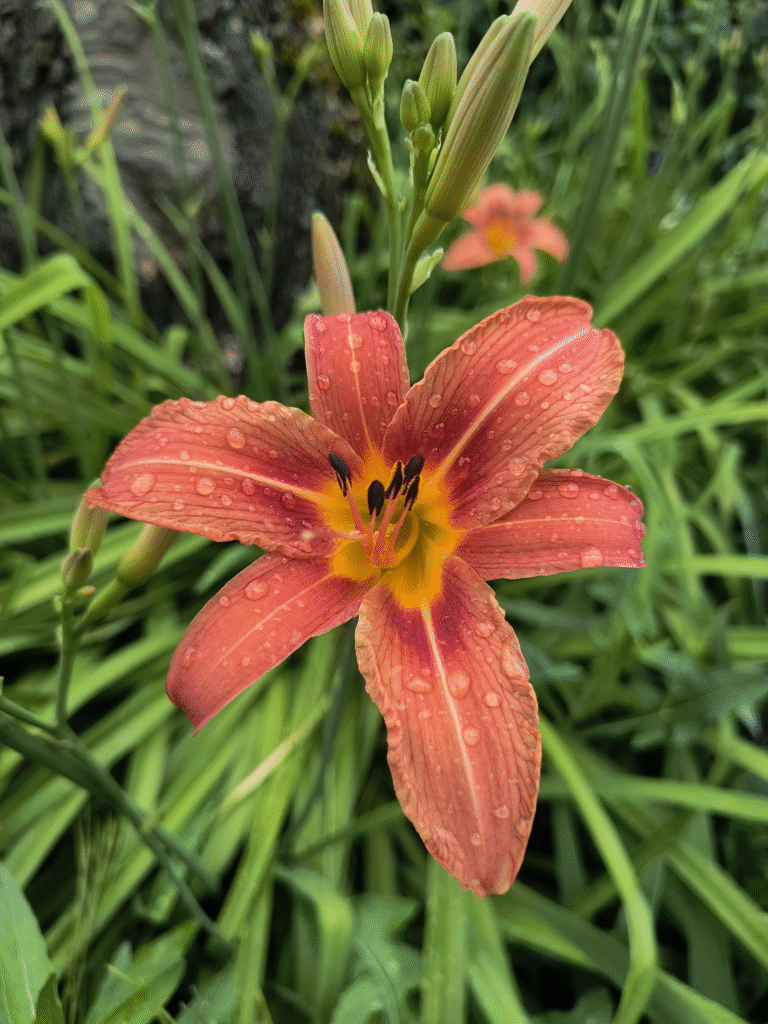
How far: Shear to 4–6 inches; hand-rake dead straw from fans.
Why: Prevent rot at the base and make room for fresh spring growth.
Extras: Divide overgrown clumps late summer to early fall; keep divisions watered until frost.
4) Bearded Iris (Iris germanica) — Zones 3–10
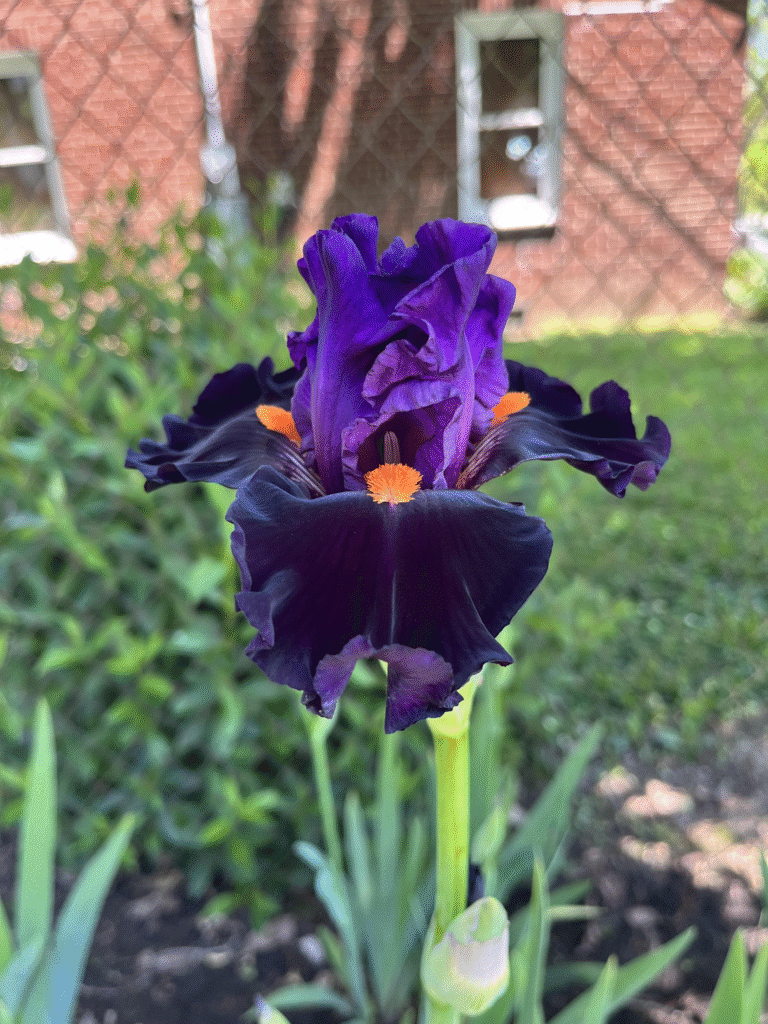
How far: Trim leaves to 6-inch fans; keep rhizomes half-exposed to sun.
Why: Limit leaf spot and iris borer issues; improve sun exposure and airflow.
Extras: Lift and divide now if crowded; destroy mushy rhizomes and sanitize tools between cuts.
5) Bee Balm (Monarda spp.) — Zones 4–9
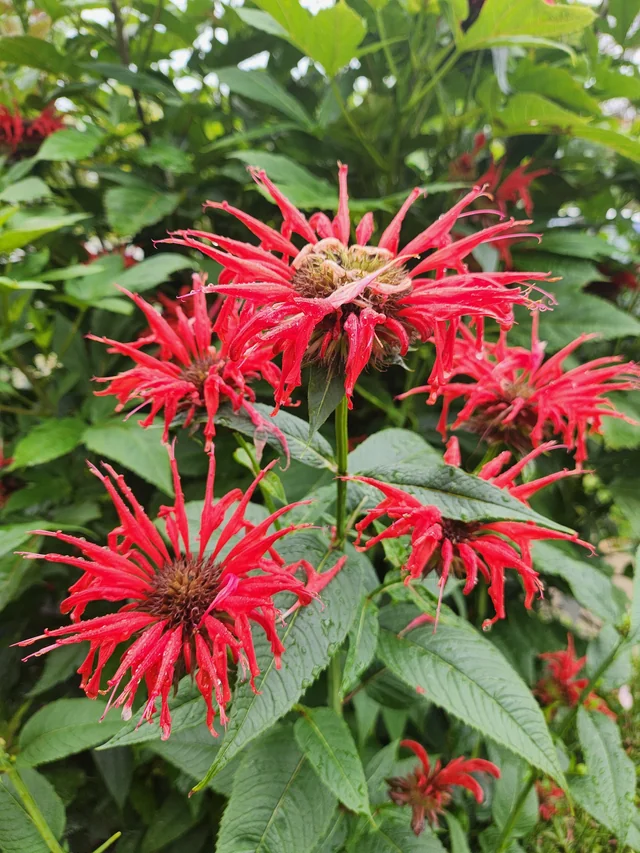
How far: Cut to 4 inches after bloom finishes.
Why: Reduce powdery mildew and leaf spot carryover to next season.
Extras: Dispose of trimmings; leave a few clean hollow stems for native bees if desired; improve spacing and sun next year.
6) Tall Garden Phlox (Phlox paniculata) — Zones 4–8
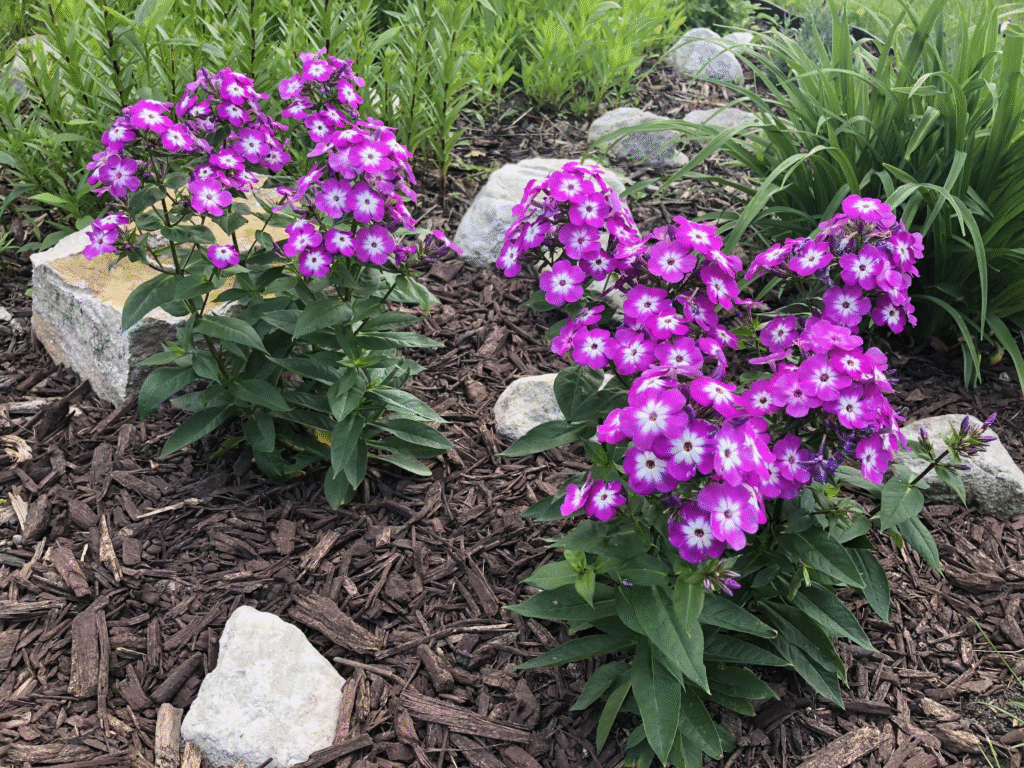
How far: Cut to 2–3 inches; remove all spotted leaves.
Why: Powdery mildew control and cleaner spring growth without disease pressure.
Extras: Morning sun and airflow help prevent problems; water at the base and favor resistant cultivars like ‘Jeana’.
7) Lavender (Lavandula spp.) — Zones 5–9 (varies)
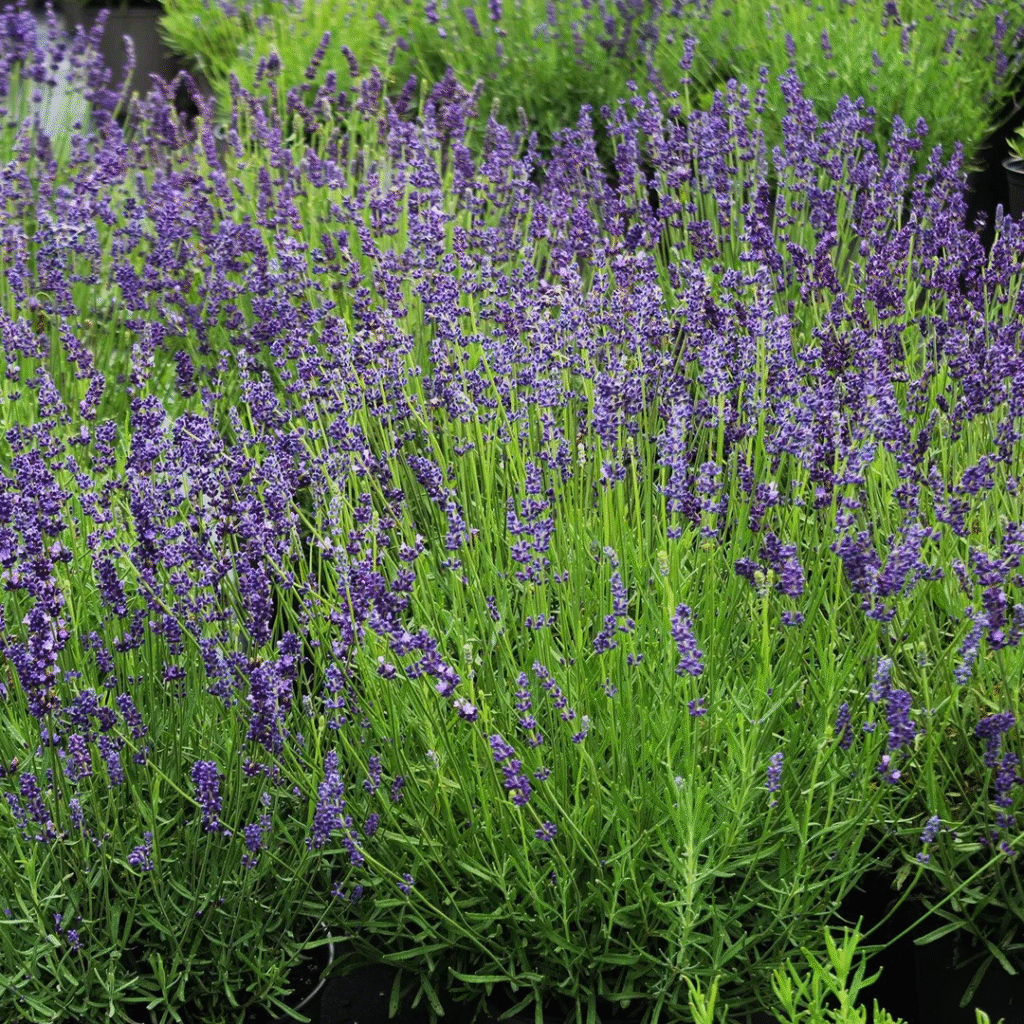
How far: Only a light haircut—remove spent blooms and shape above woody framework, keeping 2–3 inches of green growth.
Why: Avoid dieback; old wood rarely resprouts if cut too hard.
Extras: Provide sharp drainage; pea gravel mulch keeps crowns dry through wet winters.
8) Yarrow (Achillea spp.) — Zones 3–9
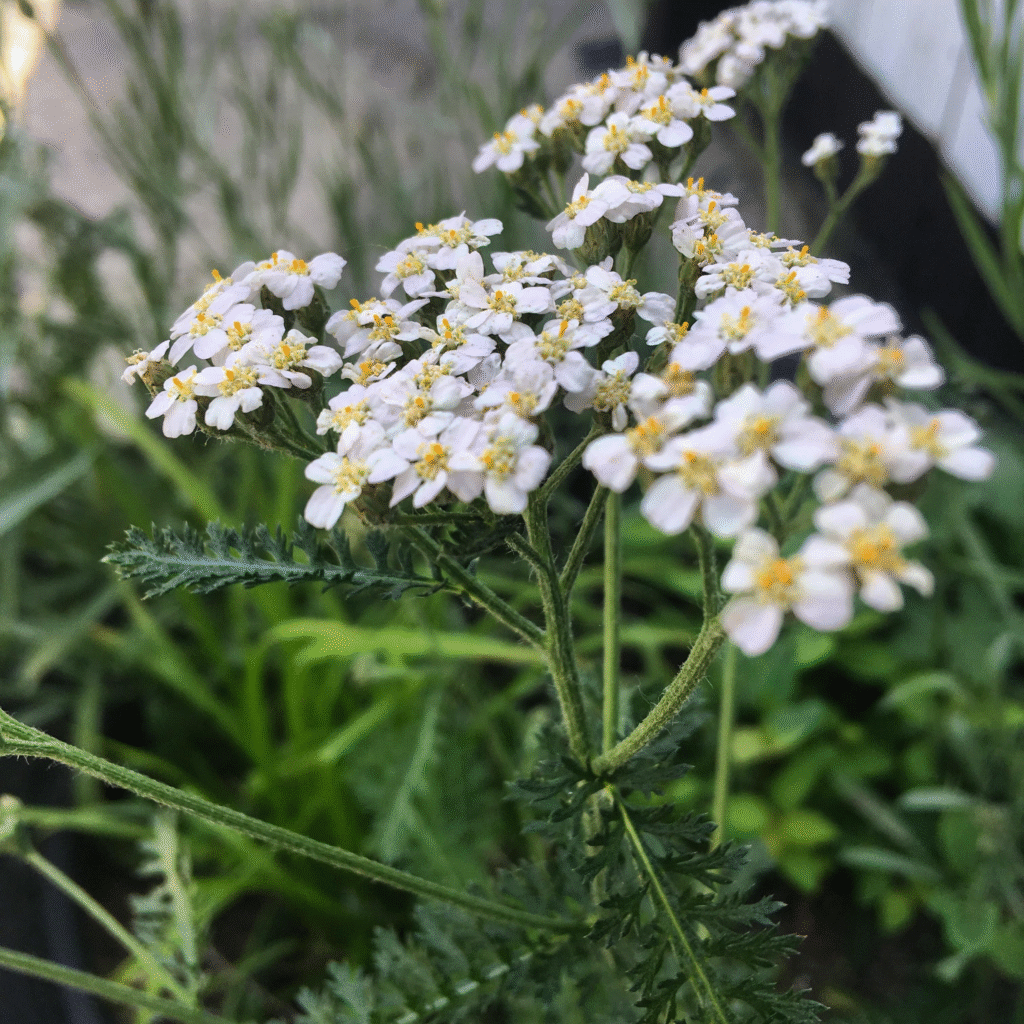
How far: Shear to 2–3 inches; remove all old stalks.
Why: Prevent lodging and reset for dense, upright growth next season.
Extras: Lean soil and full sun keep stems upright; divide if centers thin out.
9) Black-Eyed Susan (Rudbeckia spp.) — Zones 3–9

How far: Cut to 3–4 inches for tidiness; or leave select clean seedheads for birds.
Why: Control self-sowing and clean up disease-prone foliage.
Extras: Bag and trash infected leaves; leave a small patch of clean heads for goldfinches and other seed-eaters.
10) Spike Speedwell (Veronica spicata) — Zones 3–8
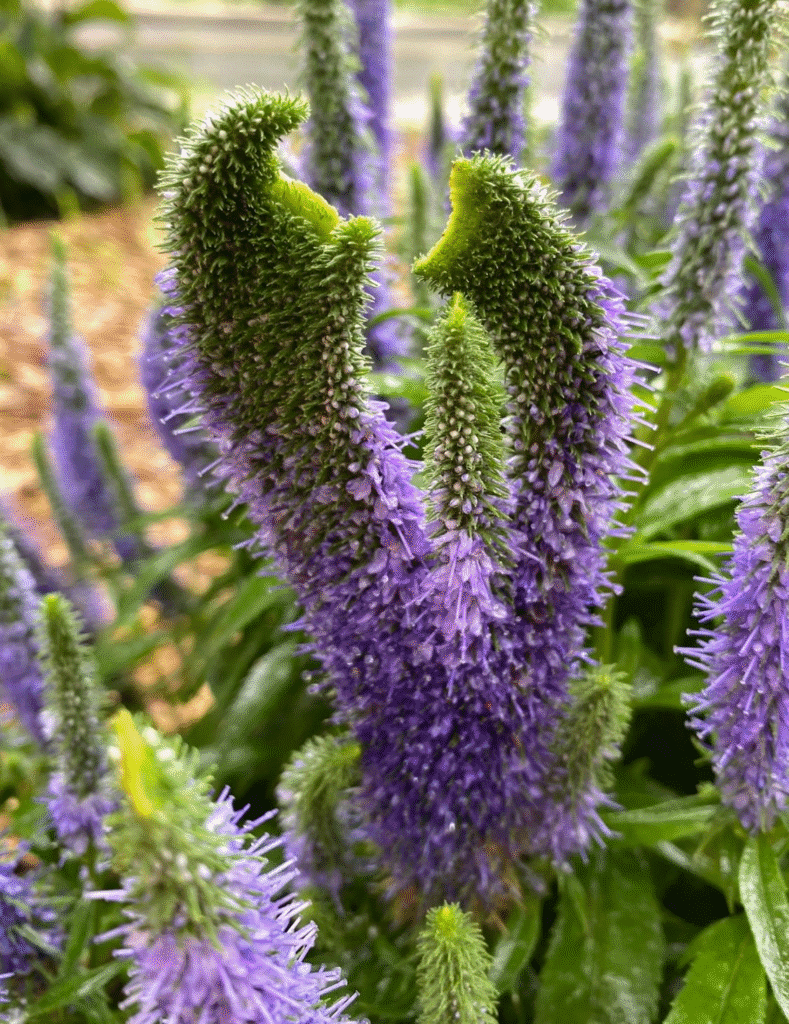
How far: Cut to the basal rosette, leaving 1–2 inches.
Why: Protect the crown and channel energy to roots for stronger spring emergence.
Extras: Full sun and drainage are key; a summer shear after first bloom encourages an encore flowering.
11) Globe Thistle (Echinops spp.) — Zones 3–8

How far: Cut to 2–3 inches to curb spread; or leave heads for winter structure and bird food.
Why: Manage self-seeding while keeping plants compact and controlled.
Extras: Gloves, please—those bristles bite! Thin unwanted seedlings early in spring before they establish.
When to Cut (By USDA Zone)
- Zones 3–5: After first frost (late September to October) as foliage collapses.
- Zones 6–7: Mid to late fall, before plants turn to mush.
- Zones 8–9: A touch earlier—focus on sanitation and shaping rather than hard cuts.
Care Notes to Finish Strong
- Sanitation: Disinfect pruners between diseased plants to stop spread of pathogens.
- Soil & drainage: Keep lavender and iris crowns high and dry; add compost for moisture-lovers like phlox.
- Watering: Deep, infrequent sessions help crowns harden off; avoid soaking in cool, wet spells.
- Mulch: 2–3 inches around (not on) crowns; pea gravel suits dry, woody herbs like lavender.
- Fertility: Keep nitrogen low now—save the growth push for spring.
Quick-Fire FAQ
Q: Can I compost the trimmings?
A: Compost only clean, healthy foliage. Bag and trash anything with mildew, leaf spots, borers, or slug-riddled mush.
Q: I’m in Zone 7—should I wait for frost?
A: Not necessarily. Trim on clear days once foliage declines; prioritize sanitation before plants collapse into soggy messes.
Q: How hard can I cut lavender?
A: Stay above the woody framework and keep 2–3 inches of green growth—cutting into old wood risks permanent dieback.
Q: Should I leave seedheads for wildlife?
A: Absolutely—just leave the cleanest, sturdiest ones (like rudbeckia or globe thistle) and remove any diseased material.
Q: What if I miss the optimal timing?
A: Better late than never! You can clean up well into late fall or even early spring, though fall cleanup reduces disease pressure better.
Here’s to crisp air, clean crowns, and a spring show that starts strong and healthy!
— Grandma Maggie