
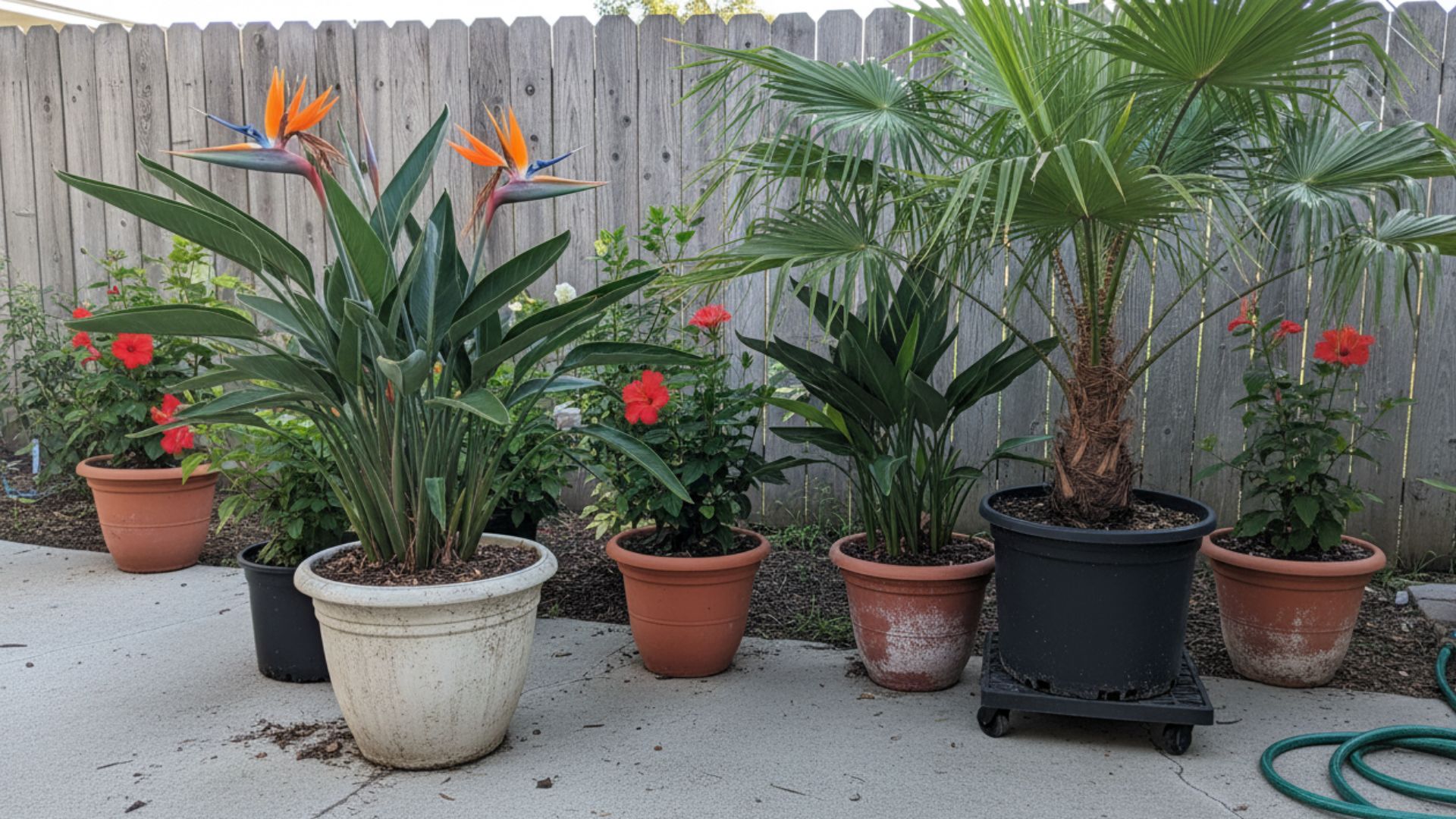
After fifty-some years of gardening, I can tell you that Zone 9 is one of the most exciting places to grow tropical plants in containers. We’ve got warmth on our side for most of the year, but those surprise cold snaps in January and February have a way of humbling even the most confident gardener. I learned that lesson the hard way back in 2010, when a freak frost wiped out three gorgeous hibiscus and a bird of paradise I’d been nurturing for years. That heartbreak taught me everything about which tropicals can truly handle life outdoors in Zone 9 year-round and which ones need a little strategic planning. Let me walk you through what I’ve learned so you can build a lush, tropical container garden without the heartbreak.
Why Zone 9 Is a Sweet Spot for Tropical Container Gardening
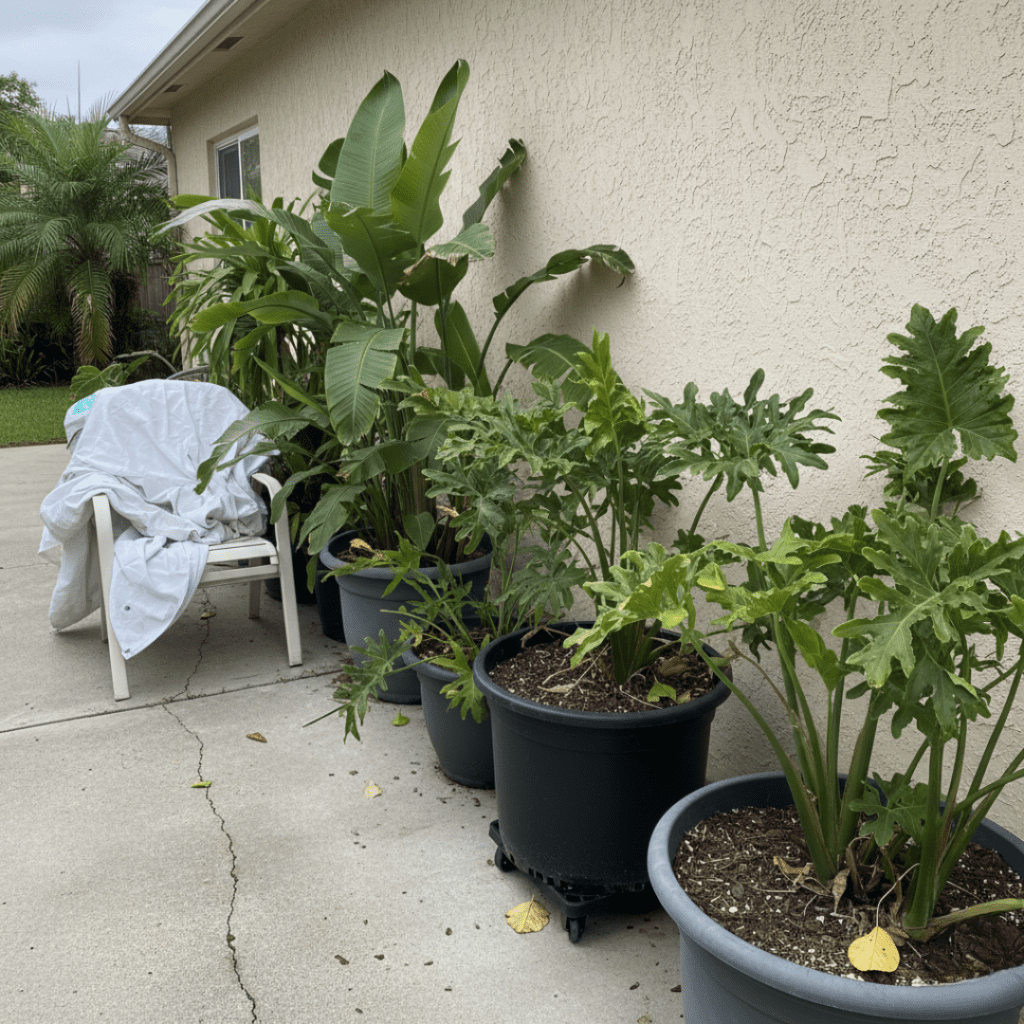


Zone 9 sits in a wonderful in-between place. Our average minimum winter temperatures hover between 20°F and 30°F, which means we get a growing season that stretches nearly ten to twelve months out of the year. That’s long enough for many tropical and subtropical plants to not just survive but truly flourish. The catch is those handful of nights each winter when temperatures can dip below freezing, sometimes without much warning. I’ve seen forecasts call for 38°F only to wake up and find frost on the grass at 33°F. That’s the reality we plan around, and containers give us one enormous advantage: mobility. A plant in a 20-gallon pot can be rolled under a covered patio or into a garage in fifteen minutes. A plant in the ground doesn’t have that option.
The Year-Round Survivors: Tropicals That Stay Outside
Not every tropical plant needs to be babied through winter in Zone 9. In my experience, several species are tough enough to handle our cold snaps with minimal fuss, and they’re the backbone of any container jungle that lasts.
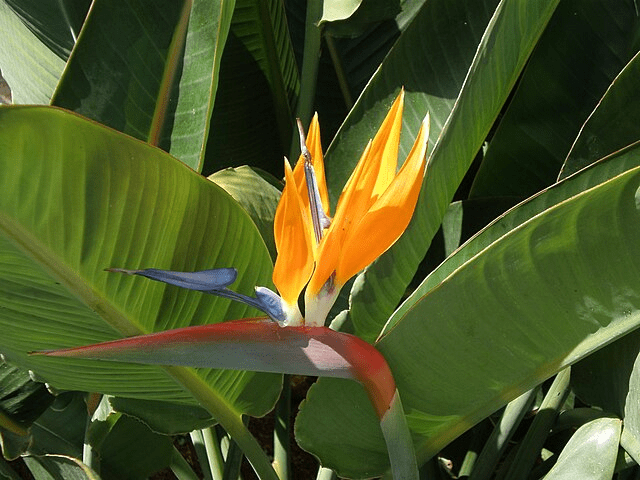
Bird of Paradise (Strelitzia reginae) is one of my absolute favorites for Zone 9 containers. I’ve had one in a large ceramic pot on my south-facing patio for over twelve years, and it has sailed through every winter. It produces those stunning orange and blue blooms almost year-round once it’s mature enough, usually after three to four years in the same container. Give it a pot that’s at least 18 inches wide and deep, use a well-draining potting mix, and situate it where it gets six or more hours of direct sun. During rare hard freezes, I simply drape frost cloth over it for the night, and it bounces right back.
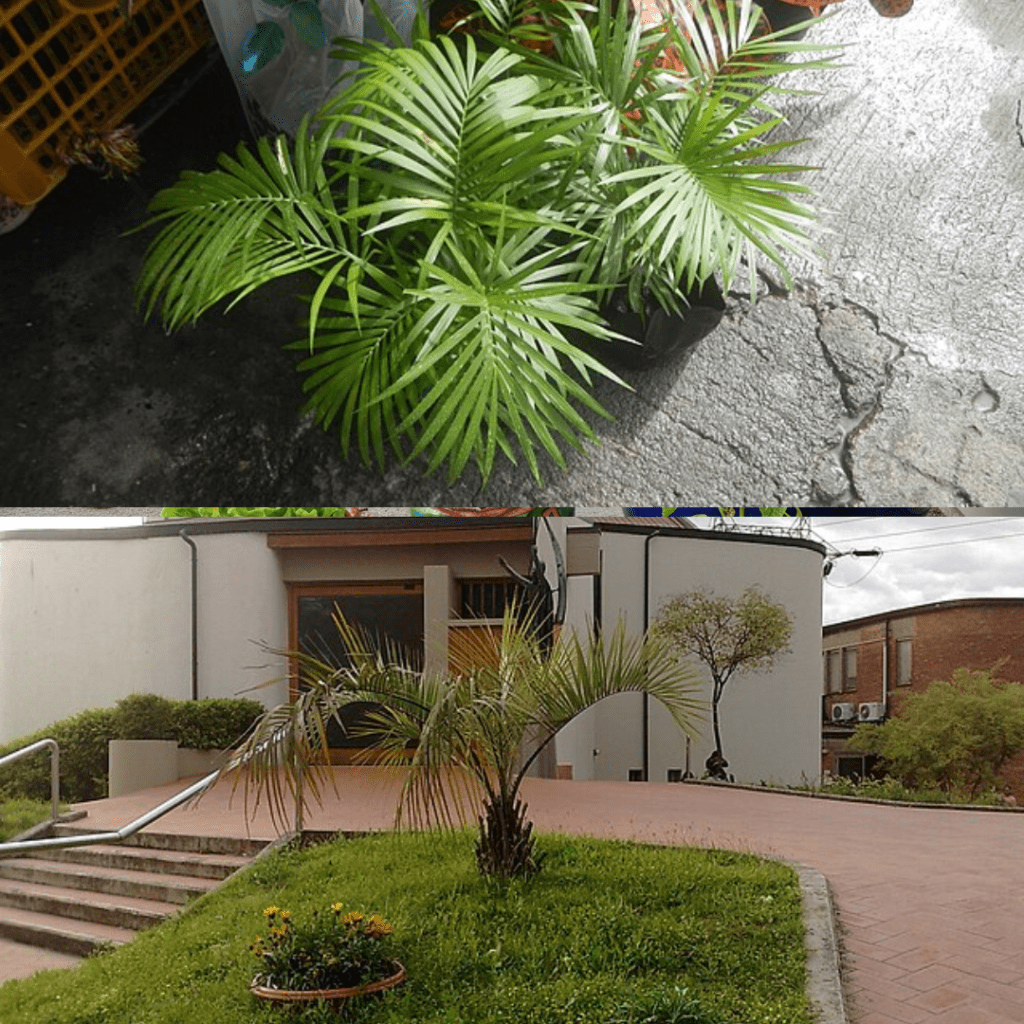
Chinese Fan Palm (Livistona chinensis) and Pindo Palm (Butia capitata) are two cold-hardy palms that laugh at Zone 9 winters. I keep a Chinese fan palm in a 25-gallon nursery pot, and it’s been outdoors for eight winters without a single issue. These palms can tolerate temperatures down into the low 20s without protection. The pindo palm is even hardier and has the bonus of producing small, edible fruits. For container palms, use a heavy pot with excellent drainage, a mix of standard potting soil and perlite at about a 3:1 ratio, and water deeply once every five to seven days during summer, cutting back to every ten to fourteen days in winter.
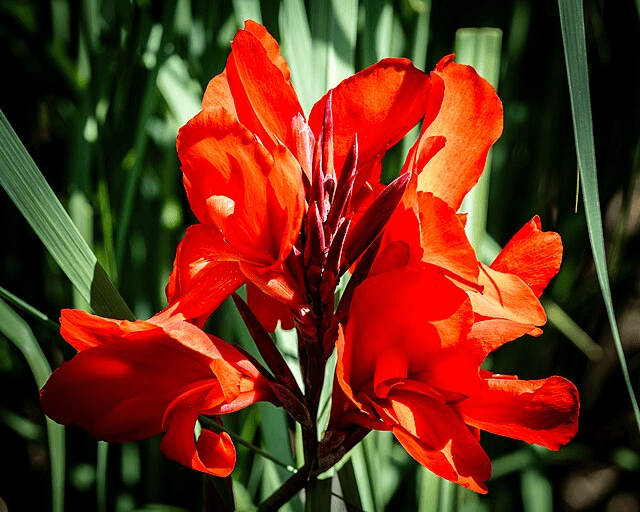
Canna Lilies are another workhorse in my Zone 9 containers. They die back when temperatures dip below freezing, but the rhizomes survive just fine with a 3- to 4-inch layer of mulch on top of the soil. Come spring, they explode back to life and can reach 4 to 5 feet tall with those big, dramatic leaves and fiery blooms from June through September. I plant the rhizomes about 4 inches deep in a broad container, at least 16 inches across, and they reward me every single year without needing to be dug up or stored. That’s the beauty of Zone 9.
The Seasonal Shufflers: Tropicals That Need a Frost Plan
Some of the showiest tropicals can live outdoors in Zone 9 for nine or ten months of the year, but they need your help during those few critical weeks in winter. The good news is that with containers, helping them is easy.
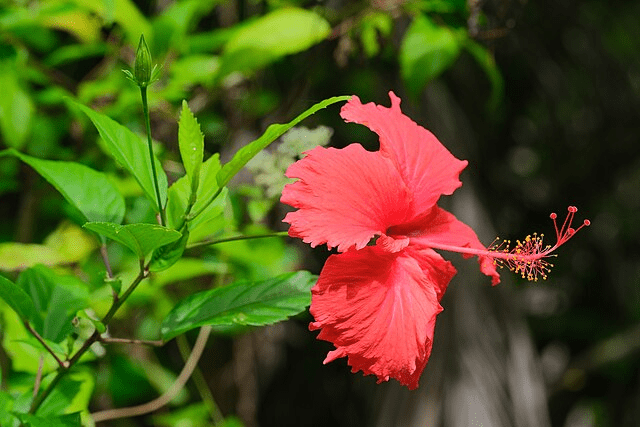
Tropical Hibiscus (Hibiscus rosa-sinensis) is the plant that gets most Zone 9 gardeners into trouble because it looks so at home in our climate. And it is, for most of the year. Tropical hibiscus thrives in temperatures between 65°F and 85°F and will bloom prolifically from spring through fall. But it cannot reliably survive temperatures below about 25°F, and even extended exposure in the low 30s can stress it. I keep mine in 15-gallon pots and roll them under the covered porch when frost threatens. If you can’t move them, a layer of frost cloth draped all the way to the ground, combined with 3 inches of mulch around the base, will get them through most Zone 9 cold snaps. Just remember to uncover them as soon as temperatures climb back above freezing so they get light and air.
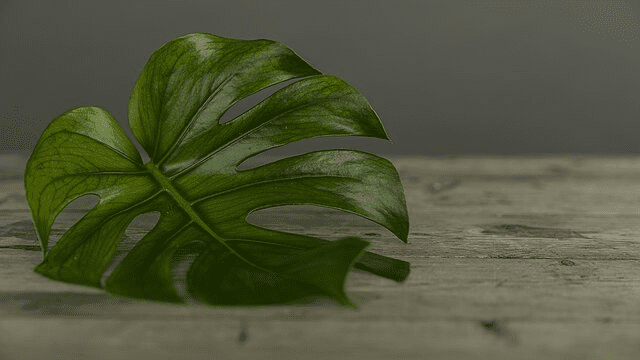
Monstera deliciosa is having its moment, and I understand why. Those big, fenestrated leaves look spectacular in a large container on a shaded patio. But monstera is a true tropical that prefers temperatures above 50°F and will suffer real damage below 40°F. In Zone 9, I treat my monstera as a part-time outdoor plant. It lives on the north side of my covered porch from mid-March through mid-November, where it gets bright indirect light and stays protected from direct afternoon sun. When nighttime temperatures start dipping into the low 40s, I roll it into the garage or a bright room indoors. The key with monstera is the transition: move it gradually over about a week so it doesn’t drop leaves from shock. And before you bring it inside, wipe down every leaf and check the soil carefully for hitchhiking pests.
Container Essentials for Tropical Success
Picking the Right Pots and Soil
I’ve learned the hard way that the container matters almost as much as the plant. For tropicals that stay outdoors year-round, I prefer heavy ceramic or thick-walled resin pots in the 15- to 30-gallon range. The weight keeps them stable in wind, and the insulation protects roots from temperature swings. For plants I need to move seasonally, lighter resin pots on wheeled plant caddies are a lifesaver. I invested in four rolling caddies rated for 200 pounds each, and I haven’t thrown my back out since.
Drainage is non-negotiable. Every pot needs at least two drainage holes, and I always place a layer of coarse gravel or broken pottery, about an inch deep, in the bottom before adding soil. For soil itself, I mix three parts premium potting mix with one part perlite and one part composted bark. This gives tropical roots the moisture retention they crave without the waterlogging that kills them. I refresh the top 2 to 3 inches of soil every spring and do a full repot every two to three years to prevent compaction and salt buildup from fertilizers.
Watering and Feeding Through the Seasons
Container tropicals are thirstier than their in-ground cousins because pots dry out faster, especially during our Zone 9 summers when temperatures regularly top 95°F. During peak summer, I water my large tropical containers every other day, sometimes daily for smaller pots in full sun. The test is simple: stick your finger 2 inches into the soil. If it’s dry, water thoroughly until liquid runs freely from the drainage holes. In winter, I cut back to once every seven to ten days for most tropicals, letting the soil dry out a bit more between waterings since the plants aren’t actively growing.
For feeding, I use a balanced slow-release fertilizer, something like a 10-10-10, applied once in early spring and again in midsummer. During the active growing season from April through October, I supplement with a liquid fertilizer every two to three weeks at half strength. Hibiscus in particular are heavy feeders and benefit from a high-potassium formula to encourage blooming. I stop all fertilizing by mid-November so plants can begin their natural slowdown before winter.
Your Frost Protection Game Plan
After decades of gardening in Zone 9, I keep my frost protection supplies in one spot so I can spring into action the moment a freeze warning hits. Here’s what I’ve settled on after years of trial and error. I keep a stack of heavy-duty frost cloth that provides about 6 to 8 degrees of warmth, several old bedsheets as backup, a bag of hardwood mulch, and my wheeled caddies under each movable pot. When temperatures are forecast to drop below 35°F, I start preparing by late afternoon while the ground and pots are still holding daytime warmth.
For pots I can move, I roll them against the house under the deepest eave overhang, grouping them tightly together. Clustered plants share warmth, and the house wall radiates stored heat overnight. For larger pots that can’t be moved, I drape frost cloth all the way to the ground and weight the edges with bricks. One critical tip I wish someone had told me decades ago: water your containers the morning before a freeze. Moist soil holds heat far better than dry soil and can mean the difference between root survival and root death. And whatever you do, don’t prune any frost-damaged leaves until spring. Those damaged leaves actually provide a layer of insulation for the healthy growth beneath.
Quick-Fire FAQ
Q: Can monstera really survive outdoors year-round in Zone 9?
A: Not reliably. Monstera suffers damage below about 40°F, so in Zone 9 it needs to come indoors or into a protected space from roughly mid-November through mid-March.
Q: What size container do I need for a palm tree?
A: Start with at least a 20-gallon pot for smaller palms like pygmy date palms, and plan on moving up to 25 or 30 gallons as the palm matures. Make sure the pot has multiple drainage holes and is heavy enough to stay stable in wind.
Q: Should I bring tropical hibiscus inside for the entire winter?
A: In Zone 9, you usually don’t need to. Most winters, a covered porch or frost cloth is enough during the handful of cold nights. Only bring them fully indoors if your area regularly dips below 25°F for extended periods.
Q: How often should I repot tropical container plants?
A: Every two to three years for most tropicals. Refresh the top 2 to 3 inches of soil each spring, and do a full repot when roots start circling the bottom of the pot or growth slows noticeably despite proper feeding.
— Grandma Maggie