
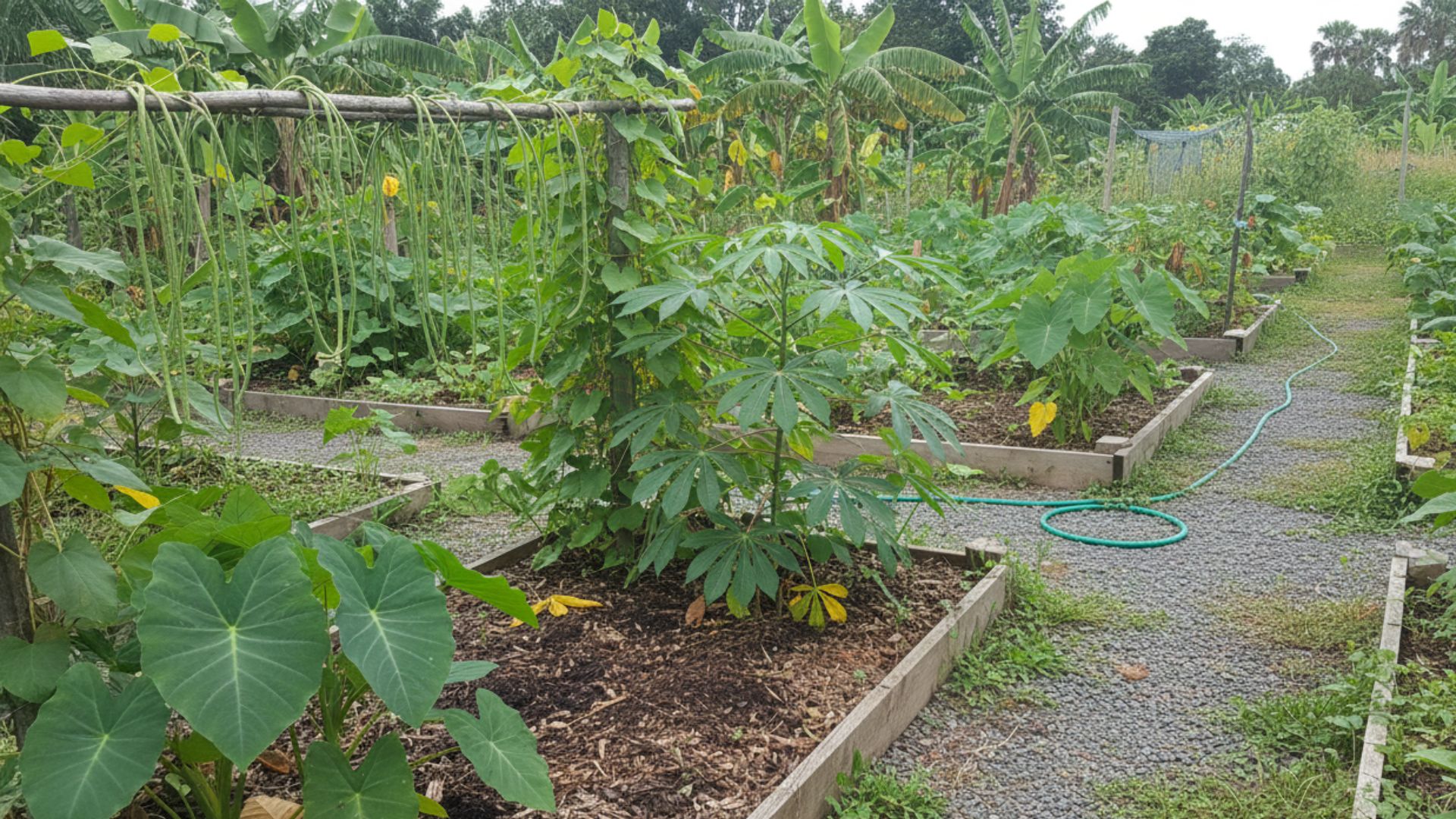
After fifty years of getting my hands in the soil, I’ll tell you that some of the most rewarding gardening I’ve ever done happened when I stopped fighting the heat and started working with it. If you garden in Zones 10 or 11, you already know the frustration of watching traditional vegetables like lettuce and broccoli wilt into sad little puddles by mid-morning. I spent my first few years in a warm climate trying to force cool-season crops into scorching summers, and all I got was heartbreak and compost. Then a neighbor from Trinidad handed me a bundle of callaloo seedlings and a handful of yard-long bean seeds, and everything changed. That was over twenty years ago, and I haven’t looked back since. Let me walk you through the tropical vegetables that transformed my warm-climate garden into the most productive plot I’ve ever tended.
Why Your Warm-Climate Garden Needs a Different Playbook
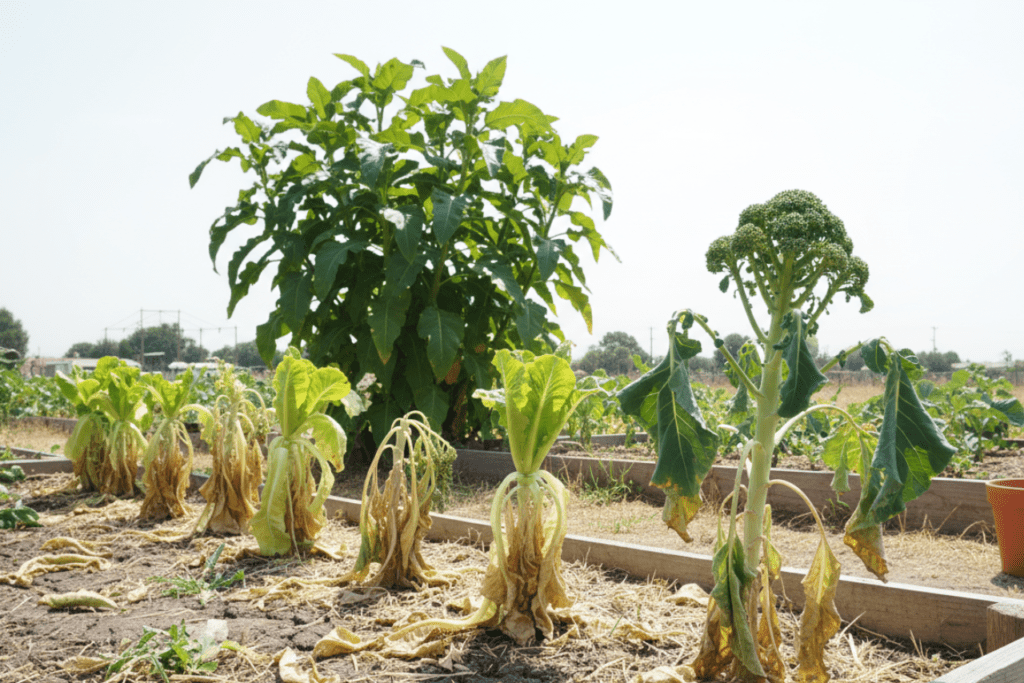


Here’s what took me years to understand: gardening in Zones 10 and 11 isn’t just about growing the same vegetables with a longer timeline. It’s about rethinking what belongs in your garden entirely. These zones offer warm, frost-free winters and the potential for year-round growing, but that blessing comes with a catch. Summer temperatures in Zone 10 are often too intense for many standard crops, and plants may need afternoon shade just to survive. Traditional tomatoes sulk, bolting lettuce turns bitter in days, and even peppers can drop their blossoms when afternoon temperatures push past 95 degrees Fahrenheit for weeks on end.
The real secret is that tropical staples like cassava, taro, and tropical spinach thrive in the hottest months, right when traditional vegetables struggle most . Instead of fighting the calendar, you coordinate planting with your wet and dry seasons rather than obsessing over temperature alone. In my experience, once you embrace Caribbean, Southeast Asian, and South American vegetables that have evolved for exactly these conditions, your garden goes from frustrating to overflowing. I’m talking about malanga, cassava, bitter melon, winged beans, callaloo, and yard-long beans — vegetables that don’t just tolerate the heat, they absolutely revel in it.
The Tropical Root Vegetables: Malanga and Cassava
Malanga: The Nutty Root You Didn’t Know You Needed
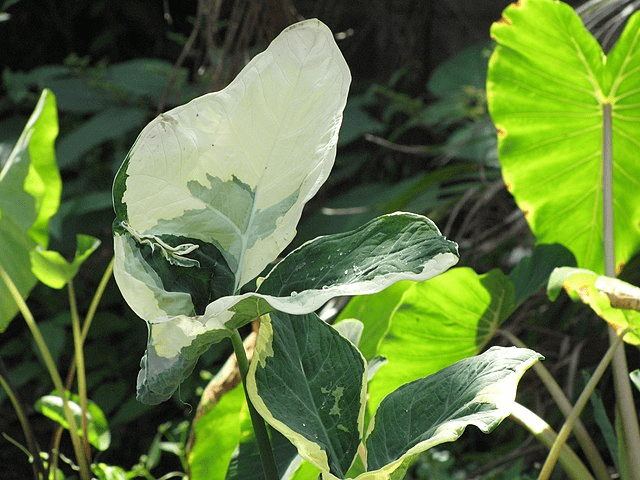
Malanga was a game-changer for me. Most people in the United States know this plant only as an ornamental “elephant ear,” but in Caribbean and South American kitchens, malanga root is a beloved staple used in everything from fritters to stews. The flavor falls somewhere between a potato and a chestnut — starchy and nutty, with a creaminess that makes it wonderful mashed or fried into crispy chips. The tubers are packed with fiber, potassium, magnesium, and vitamins C and B6 , and they’re actually hypoallergenic, which makes malanga a terrific choice for anyone with food sensitivities.
Growing malanga requires patience but very little fuss. Plant a fresh tuber from the market about three to five inches deep in very loose soil in late spring. I prefer dappled sunlight or a spot that gets filtered morning sun — too much direct afternoon sun scorches the big beautiful leaves, while excessive shade stunts the roots. Keep the soil consistently moist, watering deeply once or twice a week during dry stretches, and feed monthly with an organic fertilizer or compost tea. The plant needs a growing season of nine to ten months but is easy to start from corms or pieces of corm. You’ll know it’s harvest time when the oldest leaves start to yellow and droop — that’s the plant telling you the tubers are ready. I’ve pulled anywhere from three to eight pounds per plant out of my garden, which keeps the kitchen well-stocked through winter.
Cassava: The Drought-Proof Powerhouse
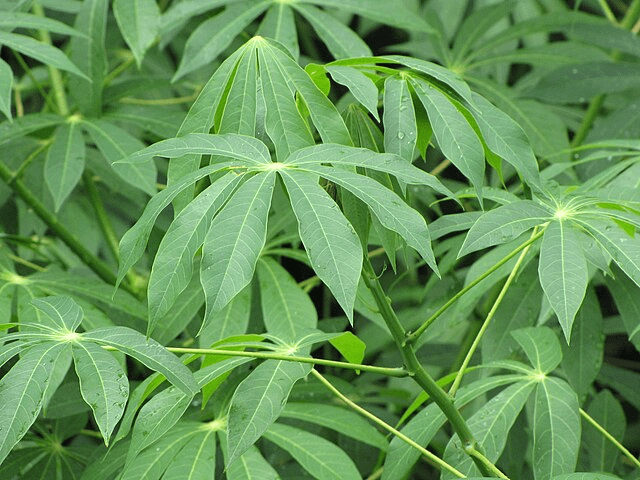
Cassava, which you might know as yuca at the grocery store, is one of the most forgiving plants I’ve ever grown. It grows well in practically any soil type, even poor soil, and it’s both drought-resistant and nearly pest-free. I’ve seen cassava thrive in sandy patches of my garden where nothing else would survive. The starchy roots are the third-largest source of carbohydrates in the tropics for good reason — one plant produces a generous harvest, and it keeps growing from the same root system year after year.
The important thing with cassava is knowing that all parts of the plant contain cyanogenic compounds and must be properly cooked before eating. That sounds alarming, but it’s no different from cooking kidney beans — simple heat processing makes it perfectly safe. Stick with “sweet” cassava varieties for home gardens, as they require less processing. To start your own plants, take 11-inch cuttings from stems that are at least a year old, making sure you have four to seven nodes on each piece. Plant them either horizontally about two inches deep or vertically like little stakes with a quarter of the stem buried. New leaves will appear within a week or two, and you’ll be harvesting starchy, satisfying roots eight to twelve months later. Give each plant plenty of room — cassava can reach ten to twelve feet tall and the root system needs space to spread.
Tropical Vines and Greens That Love the Heat
Bitter Melon: An Acquired Taste Worth Acquiring
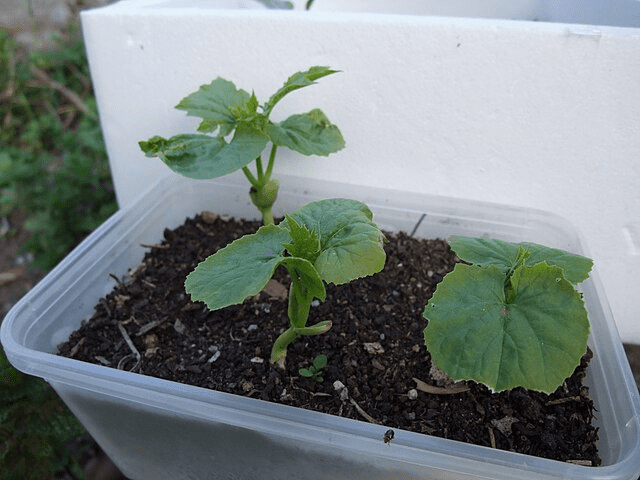
I’ll be honest — the first time I tried bitter melon, I didn’t love it. But a dear friend from the Philippines showed me how to prepare it properly, and now I grow it every single year. In tropical Zones 10 and 11, you can start bitter melon seeds any time of year, which gives you incredible flexibility. The vine grows similarly to squash or cucumber and needs a strong trellis at least five to six feet tall to climb. Trellising keeps the fruit hanging straight and off the ground, and when you prune the growing tips once they reach the top of the support, the plant concentrates its energy into producing more flowers and fruit.
Plant your seeds about an inch deep in full sun and keep the soil consistently moist. Vines commonly begin flowering about five to six weeks after planting, with male flowers appearing first and female blossoms following about a week later. Harvest the fruit when it’s still firm and bright green — once it turns yellow or orange, it’s overripe and far more bitter. The nutritional profile is impressive: bitter melon contains twice the beta carotene of broccoli, twice the potassium of bananas, and twice the calcium of spinach. I love it stir-fried with garlic and black beans, or stuffed and steamed. The trick to taming the bitterness is to salt the sliced fruit for about fifteen minutes before cooking, then rinse well. After thirty years of growing it, that step has never failed me.
Winged Beans: The Entire Plant Is Your Harvest
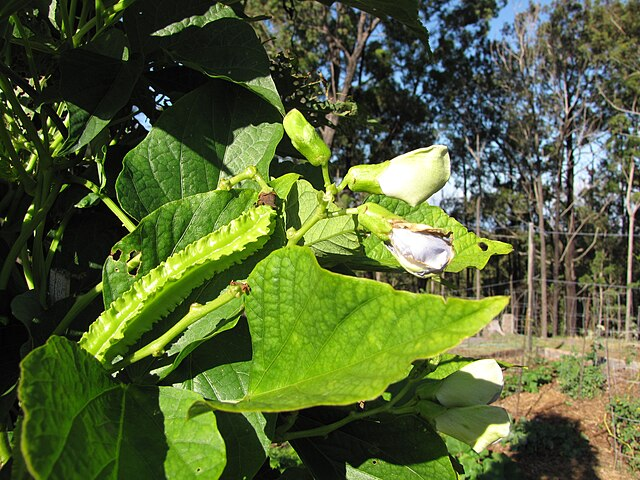
If I could only recommend one unfamiliar tropical vegetable to a Zone 10 or 11 gardener, it would be the winged bean. Every single part of this plant is edible — from the tuberous roots to the flowers, the leaves, the pods, and the dried seeds. It’s sometimes called the “supermarket on a vine,” and after growing it for over a decade, I think that name is well-earned. The pods are distinctive, with four ruffled ridges running down their length, and they taste wonderful sliced thin and stir-fried. The leaves taste like spinach, the flowers have a mushroom-like flavor, and the roots are starchy and nutty.
In Zones 10 to 12, you can grow winged beans as perennials, which means once you get a plant established, it keeps producing year after year. The seeds have thick walls and benefit from soaking in warm water for 24 to 48 hours before planting to speed up germination. Sow them about an inch deep in a sunny spot and provide a sturdy trellis — these vines will climb nine feet or more. Winged beans are among the best nitrogen-fixing plants around, so they actually improve your soil while they grow . Harvest the pods when they’re one to three inches long and still bright green and tender. Let them grow much past that and they become stringy. I’ve found that picking frequently encourages the plant to produce even more pods, so don’t be shy about harvesting every few days.
Callaloo and Yard-Long Beans: Quick Wins for Tropical Gardens
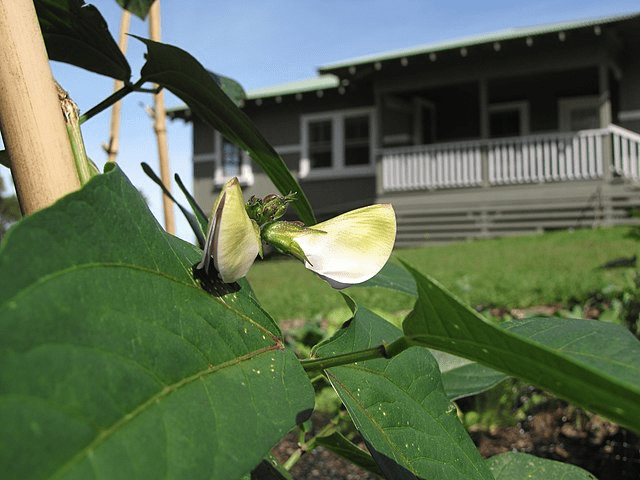
If you want vegetables that produce fast and keep producing, callaloo and yard-long beans deserve a spot in every warm-climate garden. Callaloo is actually a type of amaranth, and it grows like a dream in Zones 10 and 11. Scatter seeds in a sunny spot after the soil is warm, thin seedlings to about ten inches apart, and harvest young leaves for salads or older leaves for cooking like spinach . In my garden, callaloo goes from seed to first harvest in about four to six weeks, and it often reseeds itself, coming back year after year without any effort on my part. The young leaves are tender enough for salads, while the mature ones cook down beautifully into the traditional Caribbean stew that shares the plant’s name. I typically sow a new row every three weeks from late spring through early fall for a continuous supply.
Yard-long beans are equally rewarding and just as easy. Despite the name, the pods don’t actually reach a full yard — most varieties produce slender, stringless pods that grow up to about twenty inches long. They’re related to black-eyed peas rather than standard green beans, which is exactly why they adore hot, humid weather that would make traditional beans struggle. These heat-loving pole beans reach maturity in about 70 to 75 days and produce prolifically all summer long. Give them a strong trellis and consistent water, and pick the pods when they’re still crisp and about twelve to eighteen inches long — before the seeds inside begin to bulge. I like to sow them alongside bitter melon vines, which is actually a traditional interplanting method used to boost pest resistance, accelerate growth, and make efficient use of garden space.
Getting Started: Where to Find Seeds and Starts
I know what you’re thinking — these all sound wonderful, but where on earth do I find malanga corms or winged bean seeds? The answer is closer than you might expect. For root vegetables like malanga and cassava, your best starting point is often a local Caribbean, Latin American, or Asian grocery store. Buy firm, fresh tubers and plant them directly. I’ve started dozens of malanga plants from grocery store corms, and they grow beautifully every time. For winged beans, yard-long beans, bitter melon, and callaloo seeds, specialty seed companies like Baker Creek, True Leaf Market, and Kitazawa Seed Company carry excellent varieties suited to warm climates. If you’re in South Florida or Hawaii, check your local garden centers and farmers’ markets — tropical vegetable starts are becoming easier to find each year.
One piece of advice I always share: start with just two or three new tropical vegetables your first season. Give yourself time to learn each plant’s personality before filling every bed. In my experience, callaloo and yard-long beans are the easiest entry points — they grow fast, forgive beginner mistakes, and produce generously. Save malanga and cassava for your second year, once you’ve gotten comfortable with the rhythm of wet and dry season planting. And remember, every gardener in the tropics before you figured this out one plant at a time. There’s no rush, only discovery.
Quick-Fire FAQ
Q: Can I grow these tropical vegetables in Zone 9?
A: Many of them will do well in Zone 9, especially yard-long beans, callaloo, and bitter melon, though you’ll need to plant after your last frost and may have a shorter harvest window. Root crops like malanga and cassava can work in Zone 9 with frost protection, but they need eight to twelve months of warmth to produce well.
Q: Do I need to cook all of these vegetables before eating them?
A: Cassava and malanga must always be thoroughly cooked to remove naturally occurring compounds that are harmful when raw. Callaloo, yard-long beans, bitter melon, and winged bean pods can be eaten after light cooking, and young callaloo leaves are fine raw in salads.
Q: What’s the best way to deal with pests on tropical vegetables?
A: I’ve found that tropical vegetables tend to have fewer pest problems than traditional garden crops, especially cassava. Interplanting — like growing yard-long beans alongside bitter melon — naturally reduces pest pressure, and a monthly spray of neem oil handles most issues.
Q: How do I plan my planting around wet and dry seasons instead of temperature?
A: Plant your root crops like malanga and cassava at the start of the wet season so they establish strong root systems with natural rainfall. Fast-growing crops like callaloo and yard-long beans can be sown throughout the year, but they produce most heavily during the warm, rainy months from late spring through early fall.
— Grandma Maggie