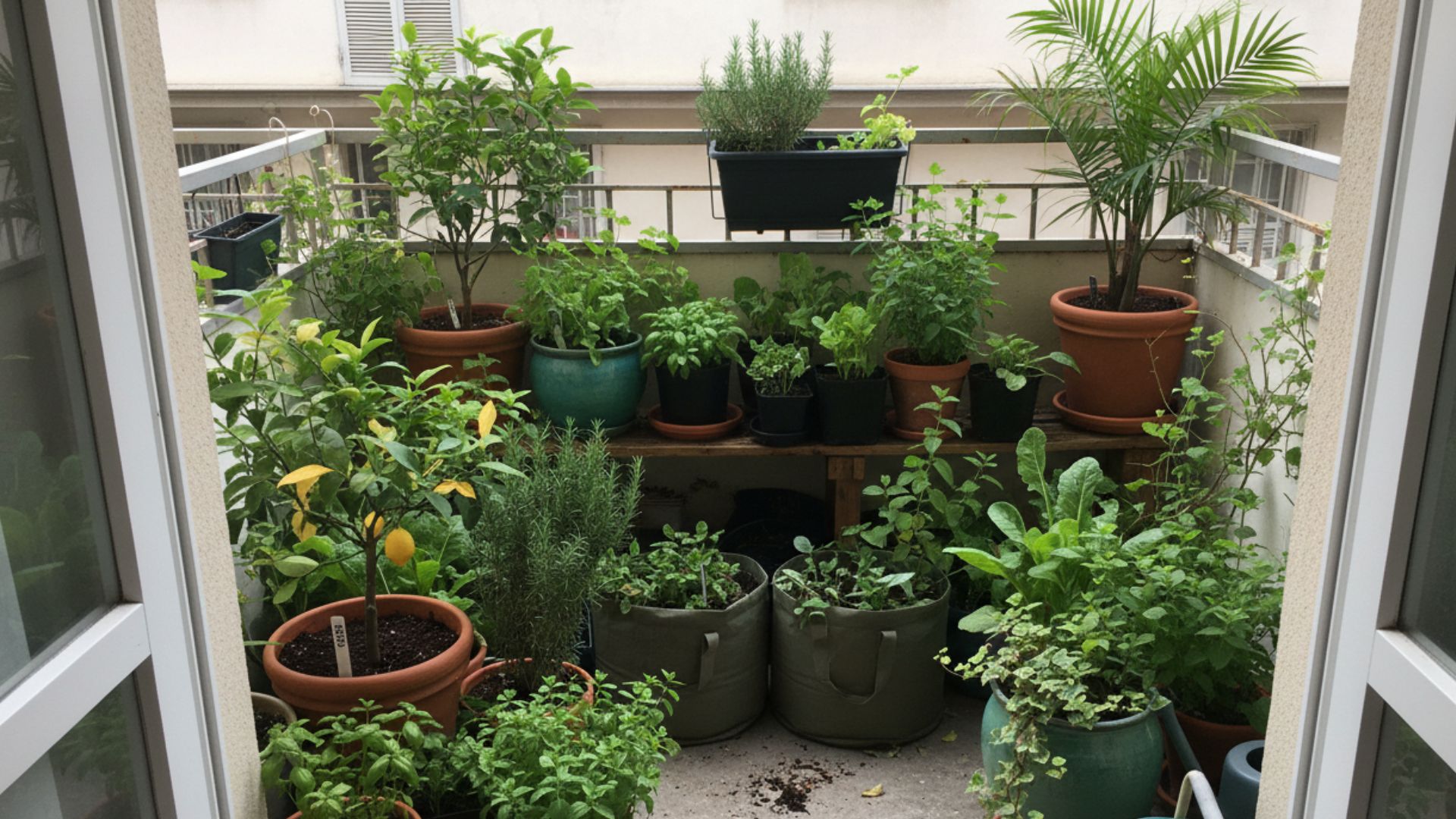
When I first moved to a Zone 10 climate nearly fifteen years ago, I assumed my gardening life would get easier. No more rushing to cover tomatoes before the first frost, no more saying goodbye to my herbs each November. And while that part turned out to be true, I quickly learned that year-round growing comes with its own set of challenges—ones nobody really warned me about. Your balcony garden in Zone 10 doesn’t hibernate, which means neither do you. Plants keep growing, keep drinking water, keep needing attention even in the depths of what passes for winter down here. But I’ll tell you something: once you learn to work with that constant rhythm instead of fighting it, a balcony garden in a frost-free zone becomes one of the most rewarding things you’ll ever tend. Let me walk you through how I’ve made it work, season after season, without a single day off.
Why a Zone 10 Balcony Garden Plays by Different Rules
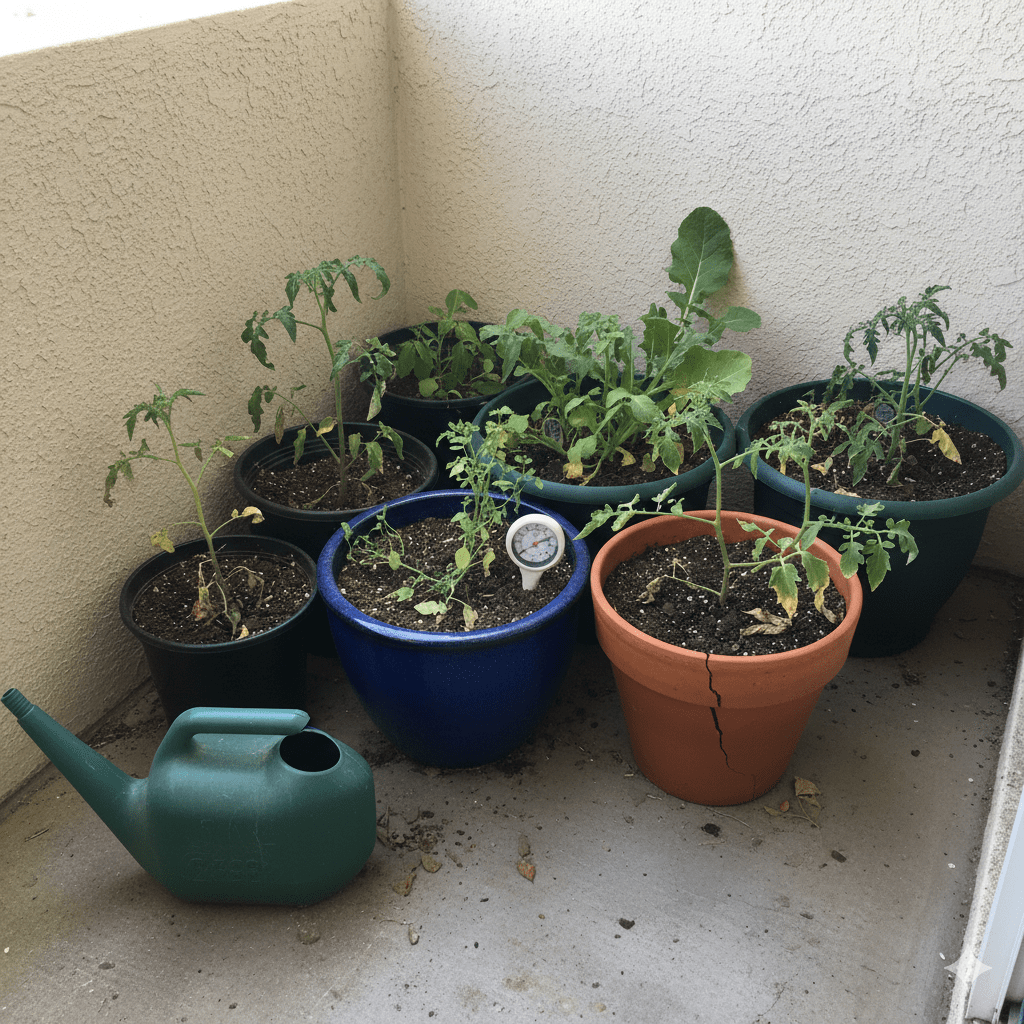


Most gardening advice is built around the idea of a dormant season—a time when you clean up, plan, and rest. In Zone 10, that season simply doesn’t arrive. Temperatures rarely dip below 35°F, and many months hover comfortably between 65°F and 90°F. That means your balcony containers are constantly active. Roots are growing, leaves are photosynthesizing, and nutrients are being consumed twelve months a year. I learned the hard way that treating my Zone 10 garden like my old Zone 6 garden—doing big seasonal overhauls twice a year—left my plants stressed and leggy in between. The real key is consistent, light-touch management every single week. Think of it less like a garden you plant and more like a garden you steer.
The other thing that catches people off guard is heat stress. We think of frost as the great plant killer, but on a south-facing balcony in August, container soil can reach 120°F or higher. That kills roots just as surely as a hard freeze. I’ve lost more plants to midsummer heat on a balcony than I ever lost to frost back north. Understanding that your balcony has microclimates—hot corners, shaded edges, spots where reflected heat bounces off walls—is absolutely essential before you place a single pot.
Choosing the Right Containers for Nonstop Growth
Why Container Size and Material Matter More Than You Think
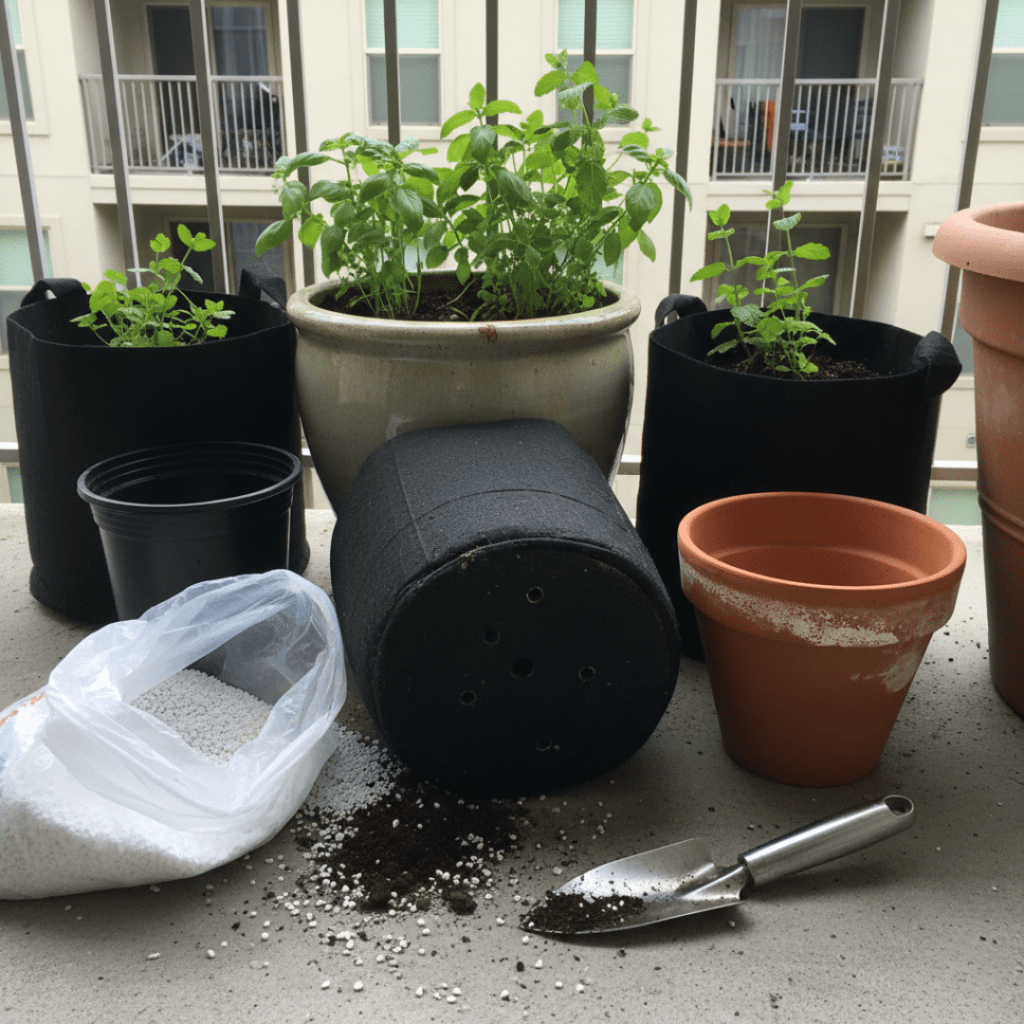
In a climate where roots never stop growing, container choice becomes one of the most important decisions you’ll make. I recommend starting with pots no smaller than 14 inches in diameter for most edibles and ornamentals, and going up to 20- to 24-inch containers for anything that will become a permanent resident, like a citrus tree or a dwarf mango. Larger pots hold more soil, which insulates roots against temperature swings and holds moisture longer during those brutal summer stretches. I’ve found that a 20-inch glazed ceramic pot keeps soil about 10 to 15 degrees cooler than a same-sized dark plastic pot sitting in direct afternoon sun.
Material matters. Fabric grow bags work wonderfully for herbs and smaller plants because they promote air pruning and prevent root circling, but they dry out fast—sometimes twice a day in July. I use them for basil, rosemary, and peppers, and I group them together so they shade each other’s sides. For larger plants, I prefer light-colored resin or glazed ceramic. Terra cotta is beautiful, but it wicks moisture away from the soil and can crack if it does encounter one of those rare Zone 10a cold snaps. Every container needs drainage holes, no exceptions. I drill extra holes in the bottom of any pot that only comes with one or two—four to six holes in a 20-inch pot is about right. Sitting water in a Zone 10 summer is a recipe for root rot within days.
The Soil Mix That Keeps Balcony Plants Thriving Year-Round
Standard potting mix from the garden center won’t hold up to year-round growing. After about four to five months, it compacts, loses its drainage structure, and becomes a waterlogged brick. I mix my own blend: roughly 40 percent high-quality potting soil, 30 percent perlite or pumice for drainage, 20 percent compost for slow-release nutrients, and 10 percent coconut coir for moisture retention. This mix stays loose and well-draining even after eight to ten months of constant use. I refresh the top three to four inches of soil in every permanent container twice a year—once in early spring and again in early fall—by scooping out the old and replacing it with fresh mix. Full repotting happens every 18 to 24 months for most plants, and every two to three years for large specimens like citrus.
One thing I can’t stress enough: feed consistently. Year-round growth means year-round nutrient demand. I use a balanced slow-release granular fertilizer, something like a 14-14-14, worked into the top inch of soil every three months. Between those applications, I supplement with a diluted liquid fertilizer—half strength—every two weeks during active flowering or fruiting. Skipping even a month of feeding shows up fast as yellowing leaves and reduced production. I’ve kept a simple calendar reminder on my phone for years now, and it’s one of the best habits I’ve ever built.
Plants That Never Stop Producing on a Zone 10 Balcony
Dwarf Citrus Trees: The Crown Jewels of Balcony Gardening
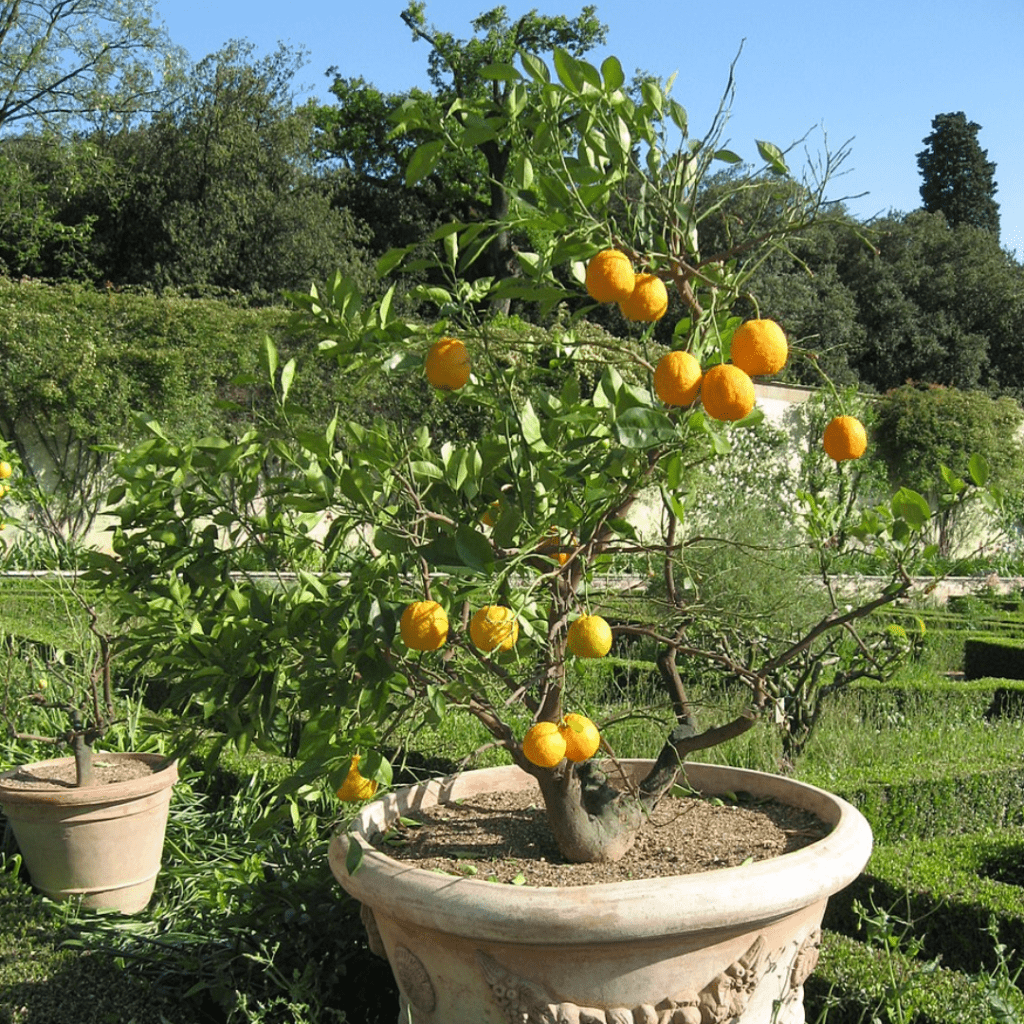
If you only grow one thing on your Zone 10 balcony, make it a dwarf citrus tree. My Improved Meyer Lemon has been in a 22-inch glazed pot for six years now, and it produces fruit almost continuously—I pick lemons in every month except maybe August, when it takes a brief rest. In Zone 10, citrus trees flower and fruit in overlapping cycles, so you’ll often see blossoms, green fruit, and ripe fruit on the same tree at the same time. They need at least six to eight hours of direct sunlight daily, which most south- or west-facing balconies can provide. Water deeply when the top two inches of soil feel dry, which in summer means every single day and in the cooler months roughly every three days. Citrus are heavy feeders, so I give mine a citrus-specific fertilizer every six to eight weeks and supplement with chelated iron twice a year to prevent the leaf yellowing that’s so common in container-grown citrus.
Tropical Fruit in Containers: Mangoes, Avocados, and What’s Realistic
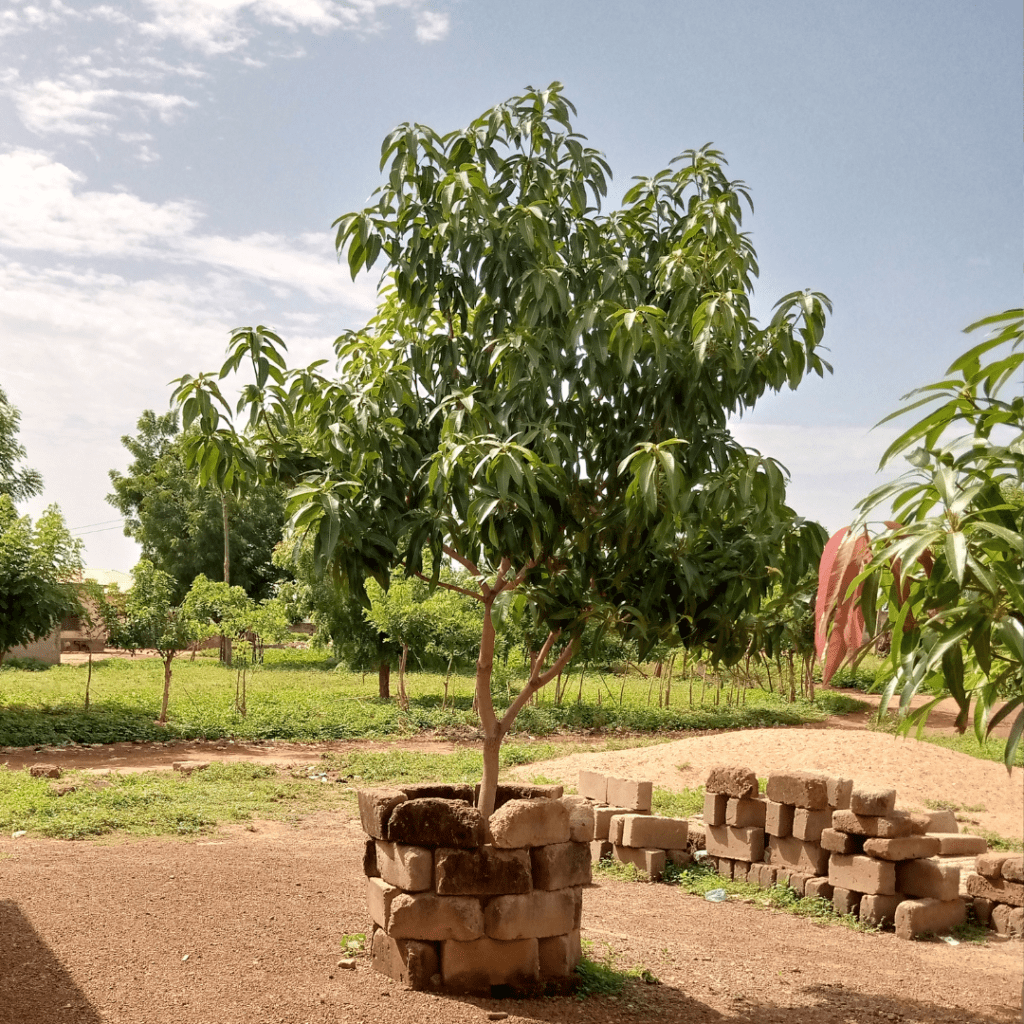
I’ll be honest with you—growing a full-sized mango tree on a balcony isn’t realistic. But dwarf and semi-dwarf varieties like Ice Cream, Pickering, and Nam Doc Mai do surprisingly well in large containers, and they’ll actually produce fruit within two to four years if you start with a grafted tree. I keep my Pickering mango in a 25-inch resin pot on rolling casters so I can shift it to follow the sun and pull it back against the building wall on the rare chilly night. It produced its first fruit in its third year—only four mangoes, but the sweetness made every bit of care worthwhile. Prune to keep the canopy compact, no taller than about five feet, and thin out interior branches each spring to let light reach all the fruiting wood.
Avocados are a different story. They make gorgeous container plants with those big glossy leaves, but getting fruit from a container avocado is genuinely difficult. The trees want to grow 30 feet tall, and even dwarf varieties like Wurtz (also called Little Cado) rarely produce well in pots smaller than 30 inches. I grow one for the foliage and the optimism, but I’ve set my expectations accordingly. If fruit production is your goal, focus your balcony real estate on citrus, mangoes, and the herbs and vegetables I’ll talk about next—those are the reliable producers that earn their space.
Herbs and Vegetables That Produce Every Single Month
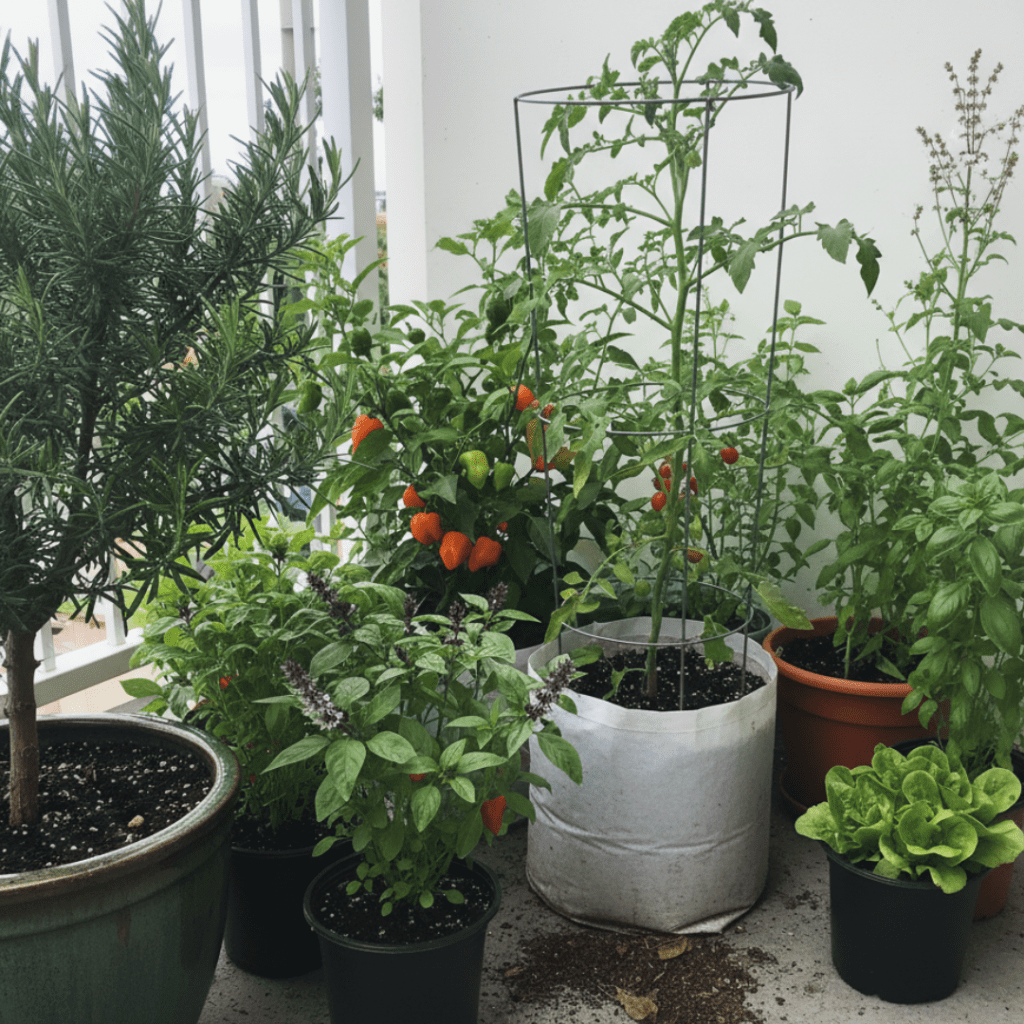
This is where Zone 10 balcony gardening really shines. Herbs like rosemary, Thai basil, oregano, and lemongrass grow perpetually here—my rosemary bush is going on year four in the same 16-inch pot and shows no signs of slowing down. Sweet basil is the one exception; it bolts fast in the heat, so I succession-plant it every four to six weeks from March through November to always have fresh leaves ready. A single 12-inch pot of Thai basil, on the other hand, produces for eight to ten months straight before it needs replacing.
For vegetables, think warm-season crops that love heat: cherry tomatoes, peppers, and eggplant will produce for six to eight months at a stretch in Zone 10. I start my cherry tomato plants in September when the brutal summer heat starts easing, and they produce right through until May or even June. Peppers are even more forgiving—my habanero plant has been alive for three years and fruits in waves every two to three months. Leafy greens like lettuce, arugula, and spinach are your cool-season balcony crops, thriving from November through March when temperatures stay in the 60s and 70s. The trick is staggering your plantings so you always have something producing: warm-season crops fill your summer and fall, cool-season crops fill your winter and spring, and your perennial herbs and citrus never stop at all.
Managing Heat, Water, and Light Through the Year
The single biggest challenge of balcony gardening in Zone 10 isn’t cold—it’s the relentless summer heat and the watering demands that come with it. From June through September, I water my containers every single morning before 8 a.m. Large pots get a full, slow soaking until water runs from the drainage holes. Small herb pots may need a second watering by late afternoon if they’re in direct sun. I installed a simple drip irrigation system on a battery-powered timer three years ago, and it was one of the best investments I’ve ever made for my balcony garden. The whole setup cost about forty dollars and runs off a spigot connection, delivering water to twelve containers on a preset schedule.
Light management is the other piece. Most balconies have a fixed orientation, so you work with what you have. South-facing balconies get the most intense light and heat, which is perfect for citrus and peppers but can scorch delicate herbs and leafy greens. I use taller plants to cast afternoon shade on smaller, more sensitive ones—my mango tree shields my lettuce pots from about 2 p.m. onward. If your balcony faces west and gets brutal late-day sun, a simple shade cloth rated at 30 to 40 percent hung from the railing can drop leaf temperatures by 10 to 15 degrees. I use one from June through August and remove it in the cooler months when every ray of light is welcome. Moving containers seasonally to follow or avoid the sun is normal and expected—those rolling casters I mentioned aren’t a luxury, they’re a necessity when you’re managing a dozen or more pots.
The Monthly Maintenance Routine That Keeps Everything Growing
After years of trial and error, I’ve settled into a monthly rhythm that keeps my balcony garden productive without overwhelming me. At the beginning of each month, I do a full walkthrough: check every plant for pests (especially the undersides of leaves, where spider mites and whiteflies love to hide), remove any dead or yellowing foliage, and assess whether any container is getting rootbound. Rootbound plants show signs quickly in Zone 10—growth slows, water runs straight through the pot without being absorbed, and leaves start curling despite adequate watering. When I see that, I either up-pot to the next size or root-prune by pulling the plant out, shaving off two inches of roots around the edges with a sharp knife, and replanting with fresh soil in the same container.
Every two weeks, I apply that half-strength liquid fertilizer I mentioned, rotating between a balanced formula and one higher in phosphorus during fruiting periods. Once a month, I flush each container with extra water—roughly double the normal amount—to wash out accumulated salts from fertilizers. You’ll sometimes see a white crust forming on the soil surface or around the rim of the pot; that’s salt buildup, and it can burn roots if left unchecked. That monthly flush takes care of it. I also keep a small notebook where I jot down what I planted, when, and how it’s performing. After a few years, those notes become incredibly valuable for knowing exactly when to start seeds, when to expect harvests, and which varieties performed best on my particular balcony.
Quick-Fire FAQ
Q: Do I need to bring my containers inside during winter in Zone 10?
A: Almost never. Zone 10 winters rarely drop below 35°F, which most tropical and subtropical container plants handle just fine. On the rare night a frost advisory pops up in Zone 10a, simply push your pots against the building wall and drape a bedsheet over them—that’s been enough protection every time in my experience.
Q: How often should I completely replace the potting soil in my containers?
A: I refresh the top three to four inches of soil twice a year, and do a complete soil replacement every 18 to 24 months for most plants. Permanent specimens like citrus and mangoes get a full repot every two to three years, combined with light root pruning to keep them healthy in the same container size.
Q: My balcony only gets four hours of direct sun. Can I still grow food?
A: You can, but you’ll need to choose wisely. Leafy greens like lettuce, spinach, and arugula do well with four to five hours of light, and herbs like mint, parsley, and chives tolerate partial shade. Fruiting plants like tomatoes and peppers really do need six-plus hours, so those would struggle in your situation.
Q: What’s the biggest mistake new Zone 10 balcony gardeners make?
A: Underwatering in summer and choosing containers that are too small. Heat on a balcony is more intense than in a ground-level garden because of radiated heat from walls, floors, and railings. Start with bigger pots than you think you need and commit to daily watering from June through September—those two habits alone will solve most of the problems I see.
— Grandma Maggie