I still remember the look on my neighbor Earl’s face when he spotted my apple trees loaded with fruit one August afternoon back in the mid-1980s. He’d been gardening in northern Minnesota his whole life and had long since given up on fruit trees after losing two young trees to a February cold snap that bottomed out at -42°F. “Maggie,” he said, shaking his head slowly, “I didn’t think that was possible up here.” Honestly, for most of my gardening life, I didn’t either. I’d been told — by catalogs, by well-meaning garden center staff, by general gardening books written for people in gentler climates — that fruit trees were simply not a realistic option for Zone 3. It took me years of reading, a few painful failures, and eventually some real successes to understand the truth: Zone 3 gardening isn’t about fighting your climate. It’s about choosing the right plants for it. Let me walk you through what I’ve learned about growing fruit trees in brutal cold.
Why Zone 3 Feels Impossible (But Isn’t)


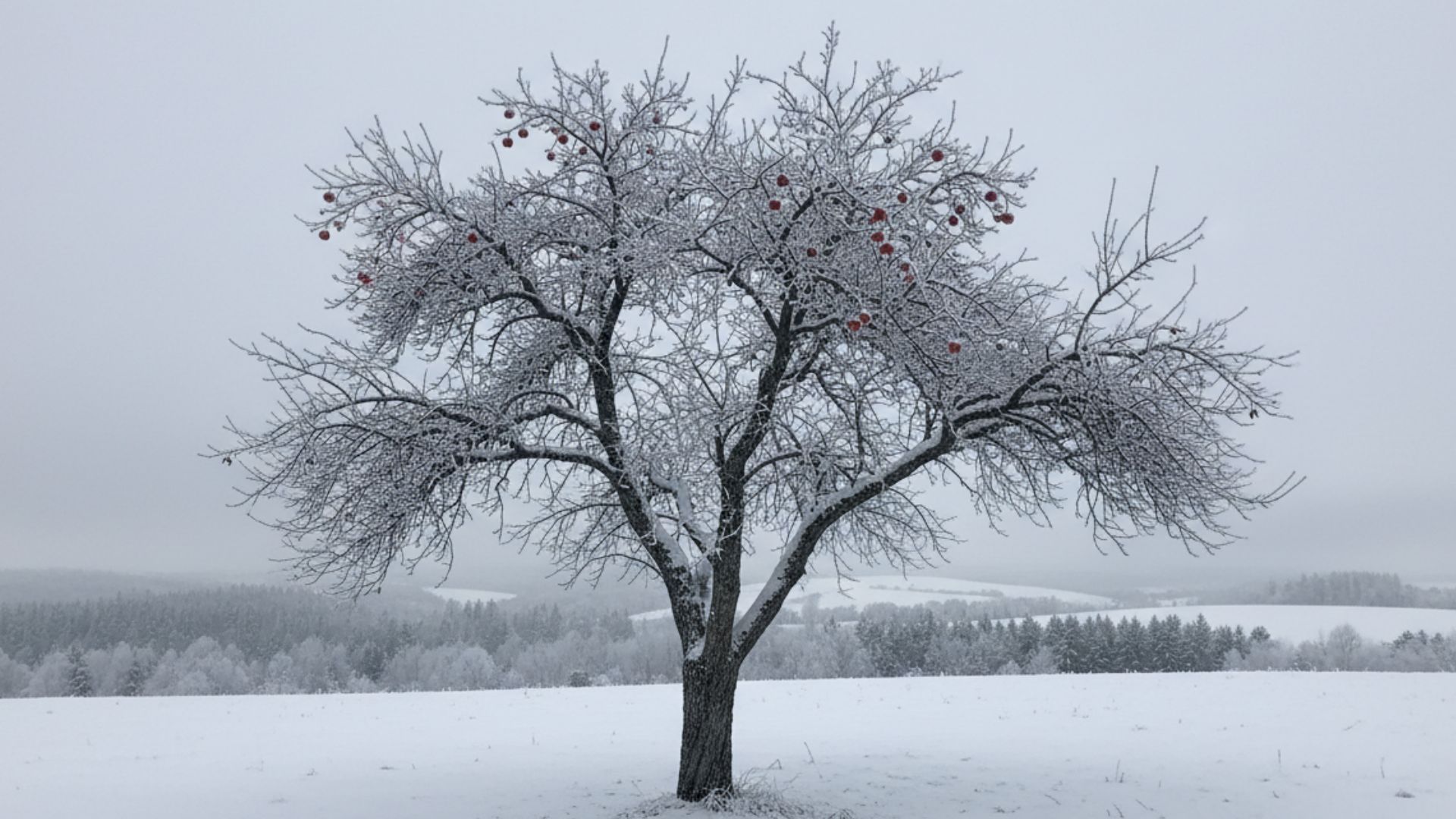
Zone 3 is not for the faint of heart, and I say that with full affection for the place I’ve called home for over five decades. Winter temperatures regularly plunge to -30°F and can occasionally hit -40°F or colder during the worst stretches. Our frost-free window runs somewhere between 90 and 120 days — barely enough for some crops, and seemingly laughable for tree fruit that needs years just to get established before it starts producing. Late frosts in May and early June are a genuine threat, capable of wiping out an entire season’s blossoms in a single night. Then summer turns around and delivers heat, humidity, and sometimes drought in a matter of weeks. Any fruit tree that wants to survive here has to be genuinely tough — not cold-tolerant in the way a catalog might describe a tree that survives to -20°F, but cold-hardy in the bone-deep way that means it can lose a winter at -40°F and come back the following spring ready to grow. The good news is that such trees exist, and once I understood which ones they were, my whole outlook on Zone 3 fruit growing changed permanently.
Hardy Apples: Your Best Bet
If you’re going to grow fruit trees in Zone 3, apples are where I always recommend starting. They’ve been bred and selected for cold hardiness longer than almost any other fruit crop in the northern United States and Canada, and the range of truly hardy varieties available today is genuinely impressive. The University of Maine Cooperative Extension has done excellent work documenting which varieties hold up in extreme cold, and their list for Zone 3 includes Beacon, Chestnut Crab, Duchess, Haralson, Snow, Lobo, Minjon, Oriole, Red Baron, State Fair, and Wealthy. I’ve grown several of these myself over the years, and I can tell you from experience that the two I return to most often — the ones I’d plant first if I were starting over — are Haralson and State Fair.
Haralson Apple
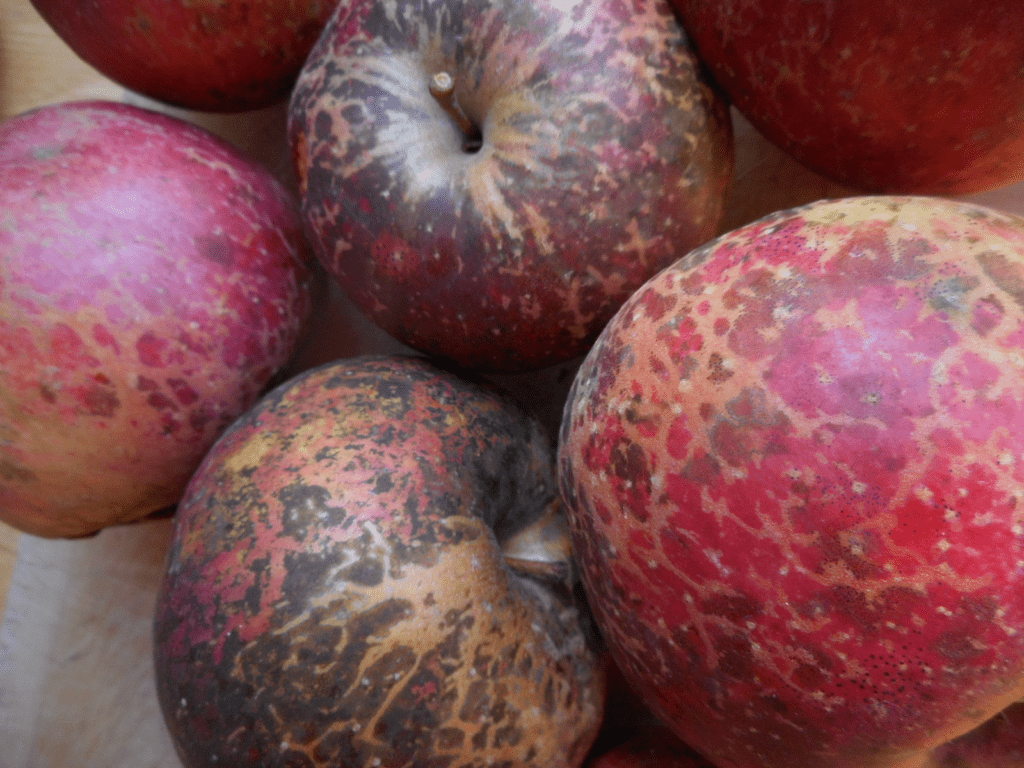
Haralson is the apple I recommend to almost everyone who’s new to Zone 3 fruit growing. It was developed by the Minnesota Agricultural Experiment Station in the 1920s, and nearly a century later it remains one of the most reliably productive apples for extreme northern climates. My first Haralson went into the ground in the spring of 1979, a bare-root whip about 18 inches tall, and by its fourth year it had produced enough tart, firm apples that I was making pies well into December from the cellar storage. A mature Haralson reaches 15 to 20 feet tall over 10 to 15 years and produces a medium-to-large apple with distinctive red striping and a tart flavor that holds beautifully in cold storage for four to five months. It blooms in mid-May here — late enough to dodge most of our worst frost events — and ripens in late September to early October, which fits neatly inside our frost-free window. One thing I’ve noticed over the decades is that Haralson tends toward biennial bearing if you don’t thin the fruit aggressively in heavy years. I thin to one apple every 6 inches of branch in June, and that keeps production fairly consistent year over year.
State Fair Apple
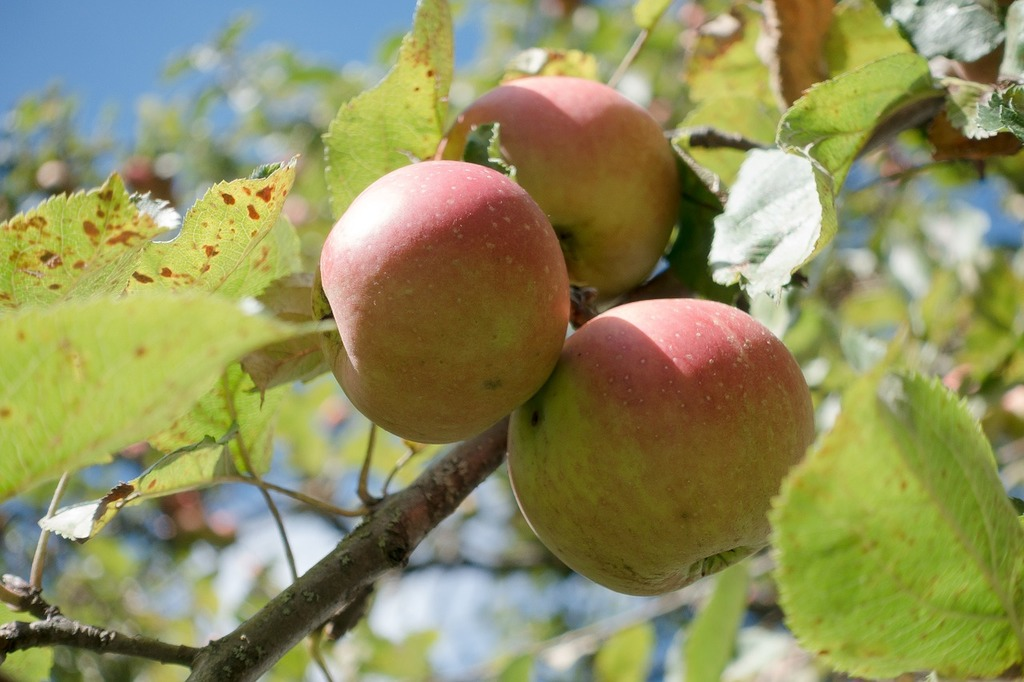
State Fair is the apple I recommend when someone wants early fruit — really early fruit. This variety, also developed in Minnesota, ripens in mid-August, a full six to eight weeks ahead of Haralson, which means you’re eating fresh apples from your own trees before summer is even over. At 12 to 15 feet at maturity it’s a bit more manageable in size than Haralson, which I appreciate in a smaller yard. The apples themselves are medium-sized, yellow-red, with a mild sweet-tart flavor that my grandchildren will eat straight off the tree without any coaxing whatsoever. I planted my first State Fair in 1993 and it bore its first light crop in year three — just eight or ten apples, but enough to convince me it was going to work. By year five it was producing reliably. The one caution I’d offer is that State Fair apples do not store well; you have perhaps two to three weeks after picking before the quality drops noticeably, so plan to eat, share, or process them promptly. For a family that likes fresh eating and sauce-making in August, it’s wonderful.
Beyond Haralson and State Fair, the varieties Beacon, Duchess, and Wealthy are all worth mentioning for Zone 3 growers. Beacon is a mid-season apple with excellent cold hardiness and a pleasantly mild flavor well-suited to fresh eating. Duchess, sometimes called Duchess of Oldenburg, is one of the oldest cold-hardy apples still grown and produces a tart, juicy fruit that shines in pies and sauce; it ripens in early August. Wealthy is a reliable late-season producer with good storage qualities and a rich, slightly spicy flavor that I’ve always been fond of. Any of these would be a solid choice as a second or third tree once you’ve got your first apple established.
American Plum: The Native Cold Warrior
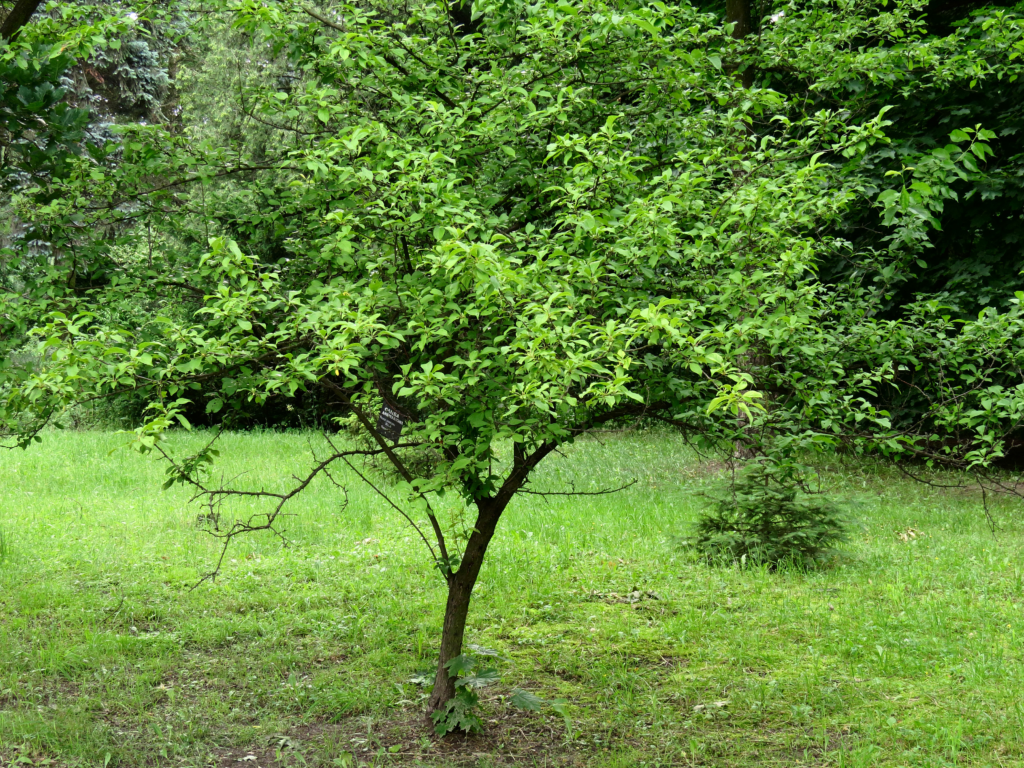
The American plum (Prunus americana) is native to much of North America, including regions far colder than Zone 3, and that heritage shows in its performance. I’ve watched European plum varieties — the kind sold in most mainstream nurseries — struggle through Zone 4 winters and simply perish in Zone 3, their flower buds killed by late-April frosts and their trunks split by the freeze-thaw cycles that plague our springs. The American plum laughs at all of that. It evolved here. It was growing on these plains and woodlands long before any gardener arrived to fuss over it, and it carries within its genetics a cold-hardiness that extends all the way to Zone 2 — colder than almost anyone reading this will ever need to worry about. A mature American plum reaches 15 to 25 feet tall over 8 to 12 years, spreading into a somewhat thicket-like form if left unpruned, which I’ve found can actually be useful as a windbreak on the north side of a property. The fruit is small — typically 1 inch in diameter — red to yellow-red at ripeness, and intensely flavored. It’s too tart and astringent for most fresh eating, but cooked into jam, jelly, or sauce it becomes something wonderful. One important note: American plums are not self-fertile, which means you’ll need at least two trees planted within 50 feet of each other to get pollination and fruit set. They bloom in early May here, covering themselves with white flowers before the leaves even fully emerge, and that early bloom does carry some frost risk — but the trees seem to recover from partial frost damage with a resilience I’ve rarely seen in other fruit species.
Sour Cherries: Underrated Zone 3 Heroes
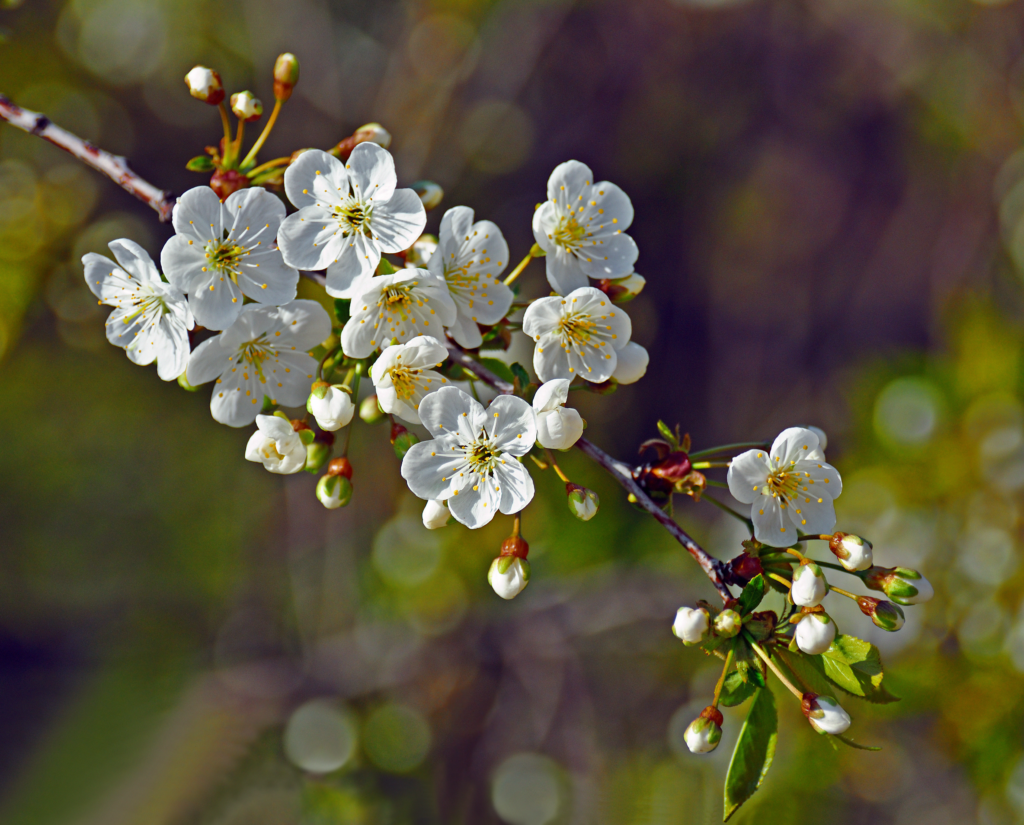
People ask me fairly often why they don’t see more cherry trees in Zone 3 gardens, and the answer is almost always the same: they’re thinking of sweet cherries. Sweet cherries — the big, dark, luscious ones you buy at the grocery store — are simply not reliably hardy in Zone 3. They need a longer season and gentler winters than we can offer. Sour cherries are an entirely different conversation. Varieties like Montmorency and North Star are genuinely cold-hardy to Zone 3, and in my experience they’re among the most consistently productive fruit trees I’ve ever grown in a northern garden. Montmorency is the classic pie cherry of North America, a vigorous semi-dwarf tree reaching 12 to 15 feet at maturity, producing large quantities of bright red, highly acidic fruit in July. I’ve had years where a single mature Montmorency gave me 20 to 25 pounds of cherries — enough for dozens of pies and several batches of jam with plenty left to freeze. North Star is more compact, typically staying under 10 feet, which makes it a good option for smaller spaces or for someone who wants a tree they can harvest without a ladder. It’s also slightly more cold-hardy than Montmorency, which matters in the coldest corners of Zone 3. Both varieties are self-fertile, which is a genuine advantage: you can plant a single tree and still get fruit, though planting two will increase your yield noticeably. The sour cherry’s combination of cold hardiness, reliable production, and self-fertility makes it, in my view, one of the most undervalued fruit trees available to northern gardeners.
Planting Tips for Zone 3 Success
After more than fifty years of planting trees in cold country, I’ve learned that site selection matters at least as much as variety selection. The single best thing you can do for a young fruit tree in Zone 3 is plant it on a south-facing slope. Even a gentle slope of 5 to 10 degrees facing south will warm up two to three weeks earlier in spring than flat ground and drain cold air downhill away from your trees during frost events. Cold air behaves like water — it flows downhill and pools in low spots — so the worst place you can put a fruit tree is at the bottom of a slope or in a hollow. If you don’t have a natural slope to work with, a raised planting bed of 12 to 18 inches can accomplish some of the same warming effect. Windbreaks matter too: a solid fence, a row of evergreens, or even a wall on the north and northwest sides can reduce wind chill dramatically during winter and prevent desiccation damage to bark and buds.
In Zone 3, all fruit trees go in the ground in spring, full stop. Fall planting, which works beautifully in Zone 5 or 6, is simply too risky here — young trees don’t have enough time to establish root systems before the ground freezes, and the combination of freeze-thaw heaving and winter desiccation tends to kill them before spring arrives. I plant bare-root trees as soon as the ground can be worked, typically late April to mid-May depending on the year, with the goal of getting roots established during the full length of our growing season. I dig a hole twice as wide as the root spread and only as deep as necessary to set the graft union 2 inches above the soil surface. I backfill with the native soil — no amendments, no fertilizer in the planting hole — because amended soil in a hole encourages roots to stay in the hole rather than spreading outward into the surrounding ground.
The first three years are the most critical, and I’d rather spend those years building a strong tree than rushing fruit production. I remove all flower buds in year one so the tree puts all its energy into root development. In year two I allow a very light crop — perhaps 5 to 10 fruits on an apple tree — just enough to confirm the variety is performing as expected. By year three, a well-established tree can begin bearing in earnest. During those first three winters, I wrap the lower 18 to 24 inches of trunk with white tree wrap or hardware cloth from October through April to prevent sunscald and rodent damage, two problems that kill more young fruit trees in Zone 3 than winter cold does. I also mulch with 4 to 6 inches of wood chips in a 3-foot radius around each tree, keeping the mulch pulled back 3 inches from the trunk itself to discourage voles from nesting against the bark.
Quick-Fire FAQ
Q: What’s the best apple variety for a total beginner in Zone 3?
A: Start with Haralson — it’s been proven in northern climates for nearly a hundred years and is widely available from reputable northern nurseries. The tart flavor holds up beautifully in cooking, so nothing goes to waste even in a bumper year.
Q: Do I need two trees to get fruit?
A: It depends on the species — most apples need two different varieties for cross-pollination, and American plums require two trees. Sour cherries like Montmorency and North Star are self-fertile and will produce as a single tree.
Q: When can I expect my first real harvest?
A: Plan for a meaningful apple harvest in year four or five, and good production by years seven to ten. Sour cherries are quicker — a light crop by year three and solid production by year five is realistic.
Q: How do I protect young trees from winter damage?
A: Every October I wrap the lower trunk with white tree wrap to prevent sunscald, install a hardware cloth cylinder to keep rabbits and voles from girdling the bark, and apply 4 to 6 inches of wood chip mulch in a 3-foot circle around the base. These three steps take about 30 minutes per tree and make the difference between a tree that thrives and one that dies over winter.
Zone 3 will never be an easy place to grow fruit trees, and I wouldn’t want to mislead you into thinking otherwise. There will be years when a late frost takes your cherry blossoms, or a vole gets under the mulch and girdles a young trunk before you notice, or a variety you were excited about simply doesn’t perform the way you hoped. That’s gardening in a hard climate, and after fifty-plus years of it I can tell you that the difficult years make the good ones taste all the sweeter. When you pull a crisp Haralson off your own tree on a September afternoon, knowing full well that you grew it through Zone 3 winters, there is genuine satisfaction in that. Start with one tree this spring — plant it well, care for it through those first three seasons, and see what happens. I think you’ll surprise yourself.
— Grandma Maggie