
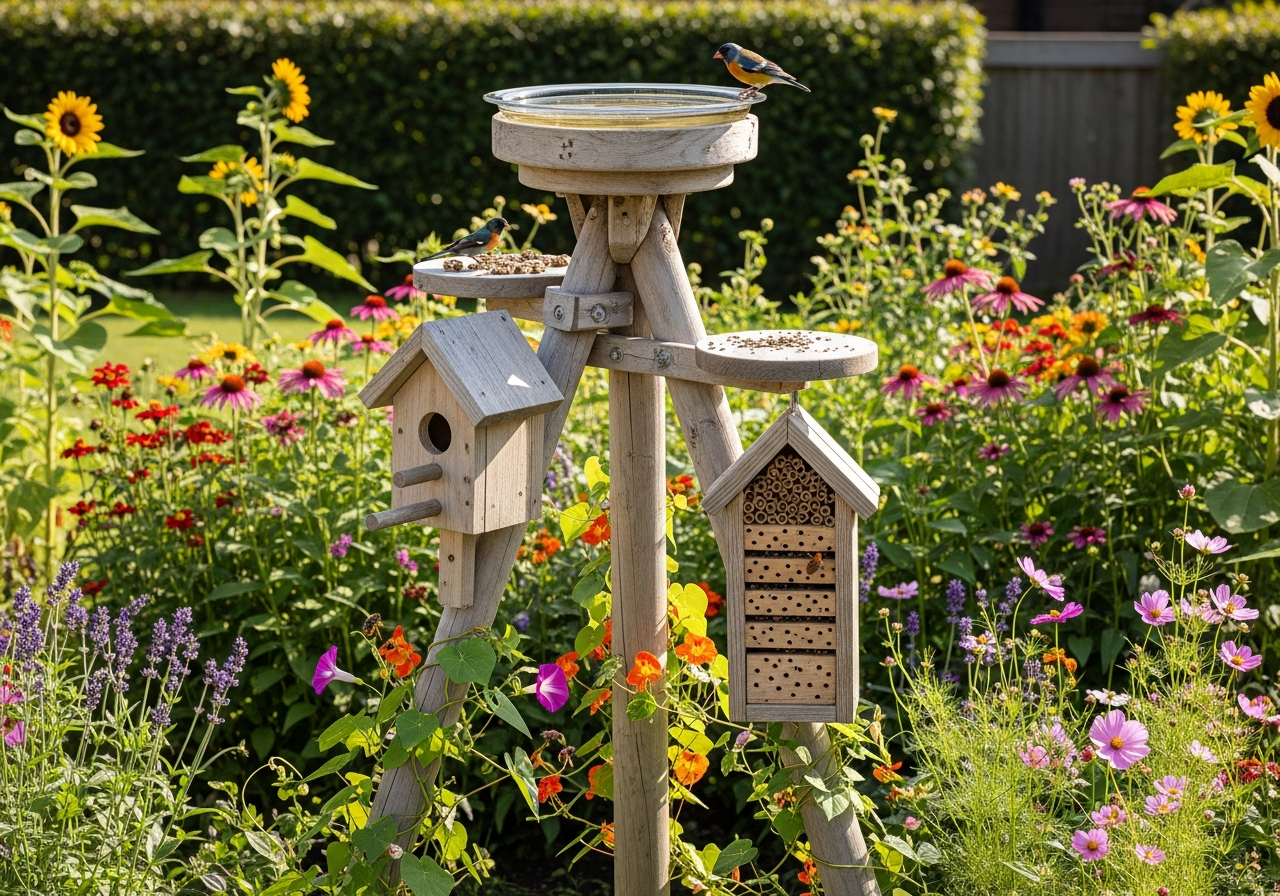
Hey garden buddies, if you’re looking to create a little wildlife hotspot in your yard, building a native habitat tripod is one of my favorite easy projects—it’s turned my Zone 6 space into a buzzing sanctuary for birds and pollinators. I’ve put these up myself and watched the hummers and butterflies show up like clockwork, all while keeping things safe and simple for Zones 4-9. You can do it too with the right gear and steps—let’s build something that gives back to nature and looks great!
Gear Up for Safety First—My Must-Haves
You know, I’ve learned the hard way that even a straightforward DIY like this needs solid safety prep, especially with tools and plants that can surprise you. Heavy-duty nitrile or leather gloves are non-negotiable for me—they shield against thorns on vines or irritating saps that can rash up your skin, giving you grip for planting without slips. Safety glasses (those ANSI-rated ones) keep flying chips from sawing poles out of your eyes, and a dust mask or N95 handles any soil dust or pollen that might tickle allergies. Don’t forget sun hat, SPF, and closed-toe shoes for stability—I’ve skipped them before and regretted the sunburn or stubbed toe. Quality gear keeps the fun going without ER trips.
Getting Ready: Tools, Materials, and My Plant Picks
1. Coral Honeysuckle: The Climbing Nectar Star
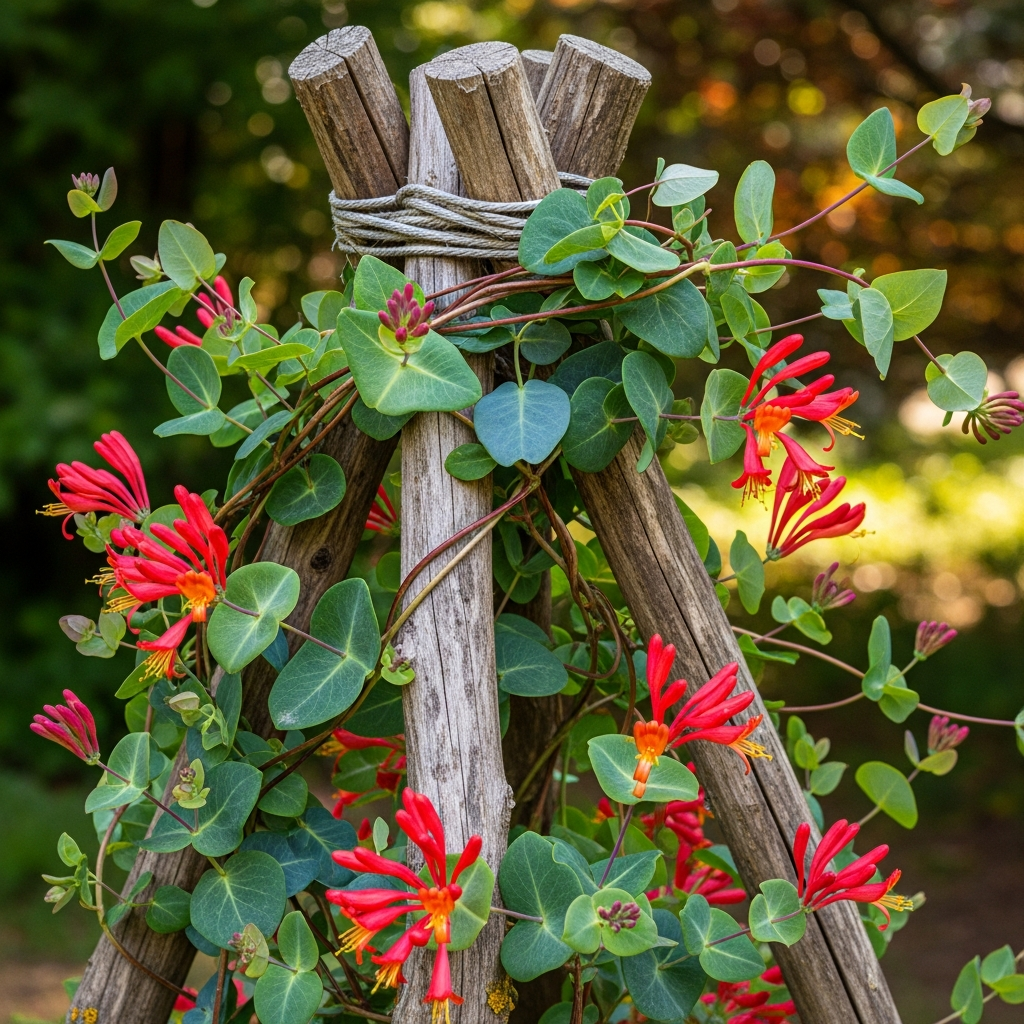
Coral honeysuckle is my top climber for these tripods—native to the east, it twists up to 20 feet in Zones 4–9, full sun to part shade, with those sweet coral blooms from spring to fall that hummers can’t resist (up to 2,000 flowers a season!). In my yard, it created shaded bird nooks and fed butterflies too, berries for finches in fall. Plant ‘Major Wheeler’ at the base in loamy soil with compost, 3–5 feet out—water weekly till set, then drought-tough. Prune late winter; aphids? Hose ’em. Source natives from societies for purity—it’s non-invasive and supports 30+ pollinators.
Safety Note: Mild thorns snag—thick gloves always, and skip berries/sap if kids or pets around; mild tummy upset possible.
2. Bee Balm: Mid-Level Bee Magnet
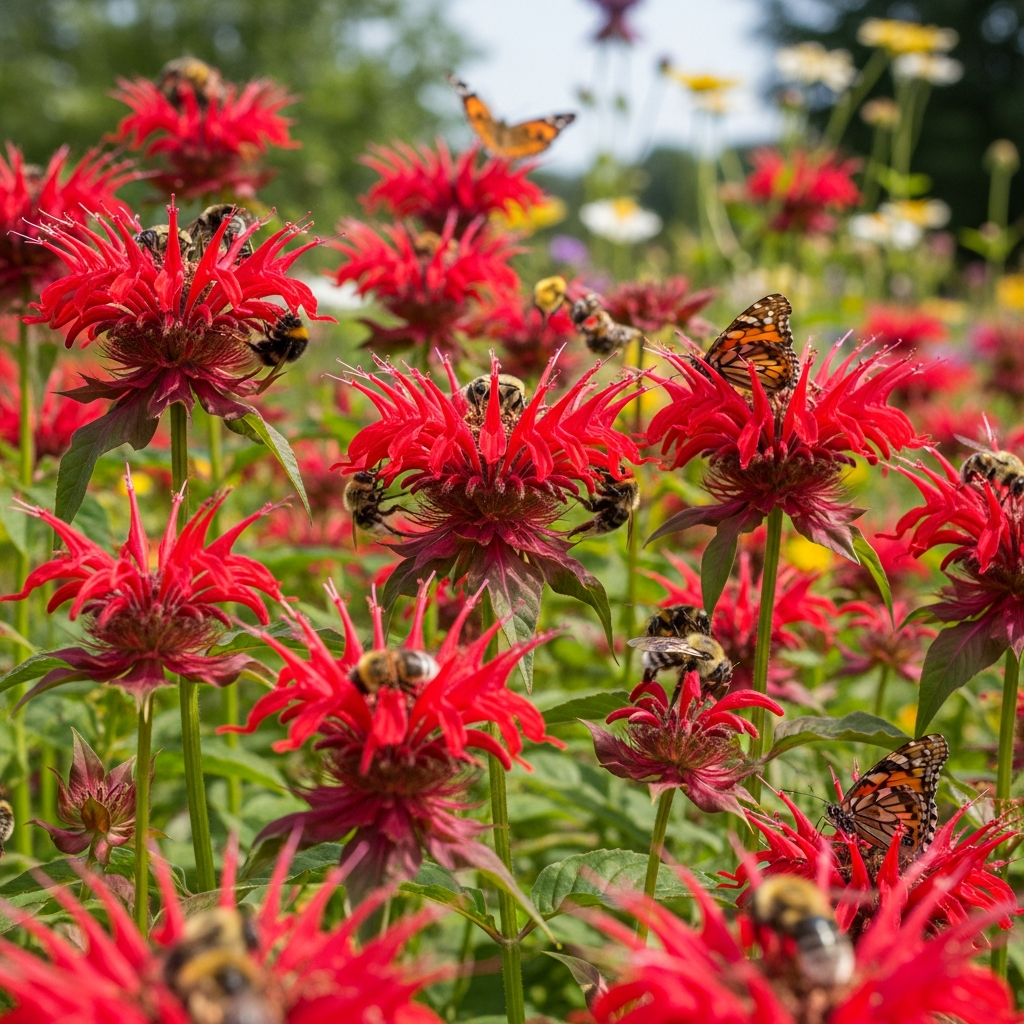
Bee balm’s my go-to mid-plant—2–4 feet tall in Zones 4–9, those red tubular midsummer blooms last weeks, pulling in bees, butterflies, and hummers while minty leaves repel pests. Around my tripod, ‘Jacob Cline’ filled the understory with perches for birds and ground cover against weeds—20+ bee species love it. Plant in full sun, 18–24 inches apart with organics; mulch for water, divide every 3 years. Mildew? Space for air—pesticide-free to save the bugs.
Safety Note: Oils irritate sensitive skin—glove up or test patch; mask for pollen if allergies flare during bloom.
3. Purple Coneflower: Daisy Powerhouse
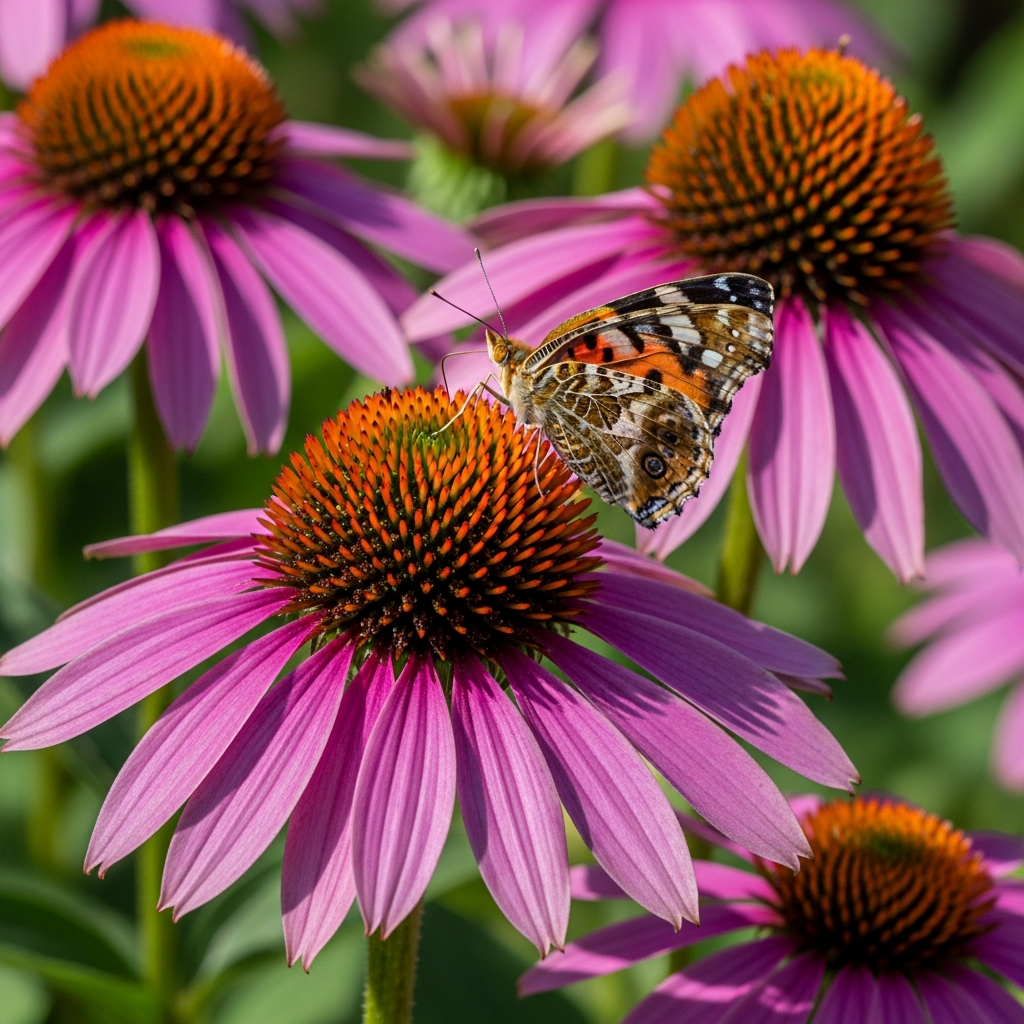
Purple coneflower’s sturdy 2–5 foot stems with purple daisies bloom June-August in Zones 4–9, nectar for 35+ butterflies and seeds for goldfinches—my foreground planting made a Monarch waystation, boosting sightings 50%. Native prairie star, full sun, 18–24 inches in average soil—drought-tough, self-seeds. Deadhead or leave seeds; no sprays to protect insects.
Safety Note: Pollen allergies? Mask for seeds/dried heads; rough leaves scratch—gloves for weeding.
4. Milkweed: Monarch Lifesaver
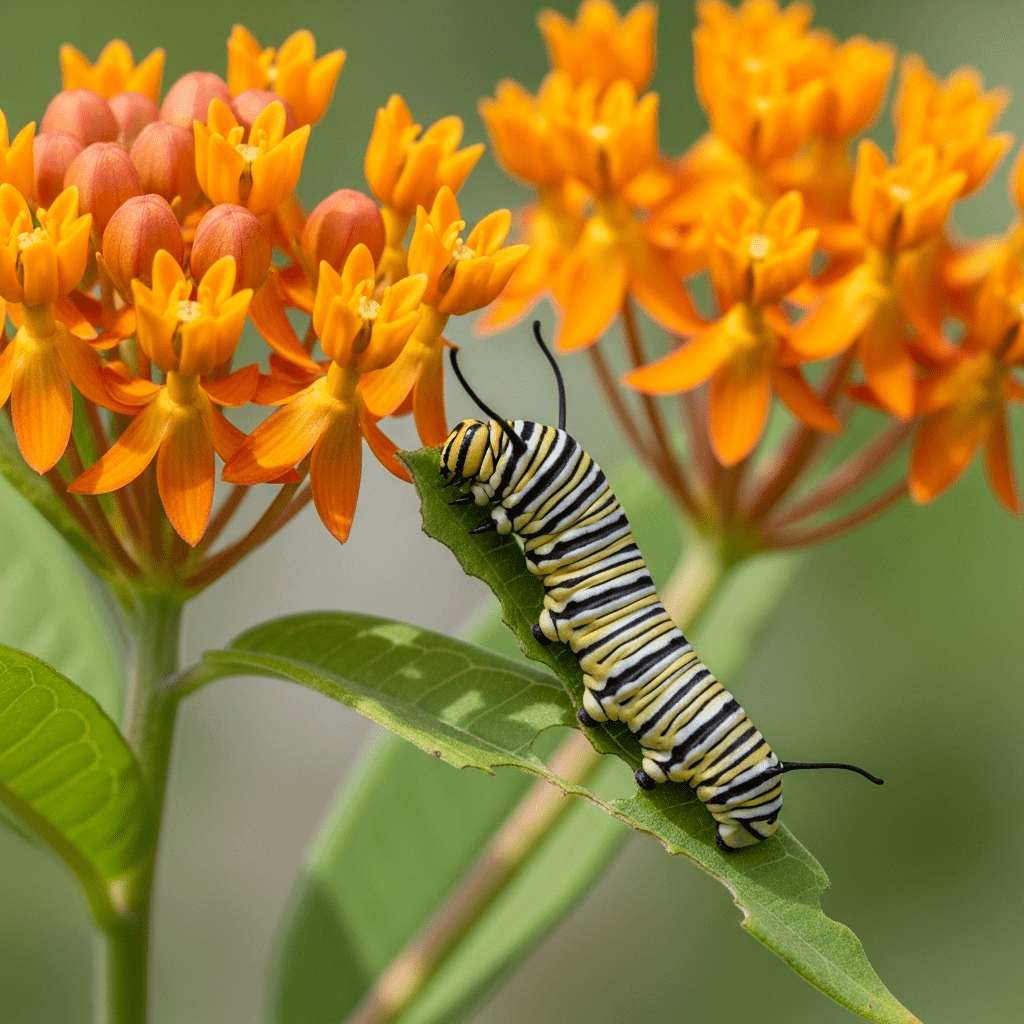
Milkweed’s essential for Monarchs in Zones 4–9—1–4 feet with orange/pink clusters for nectar, leaves host caterpillars gaining protective toxins. Near my tripod, ‘Tuberosa’ created a nursery, aligning with Xerces conservation. Full sun, sandy/loamy, 12–18 inches—compost start, no pesticides (absorbs and harms babies). Cut fall back; self-seeds.
Safety Note: Toxic sap irritates eyes/skin—gloves/wash quick to dodge blisters; keep from kids/pets.
5. Little Bluestem: Grassy Cover King
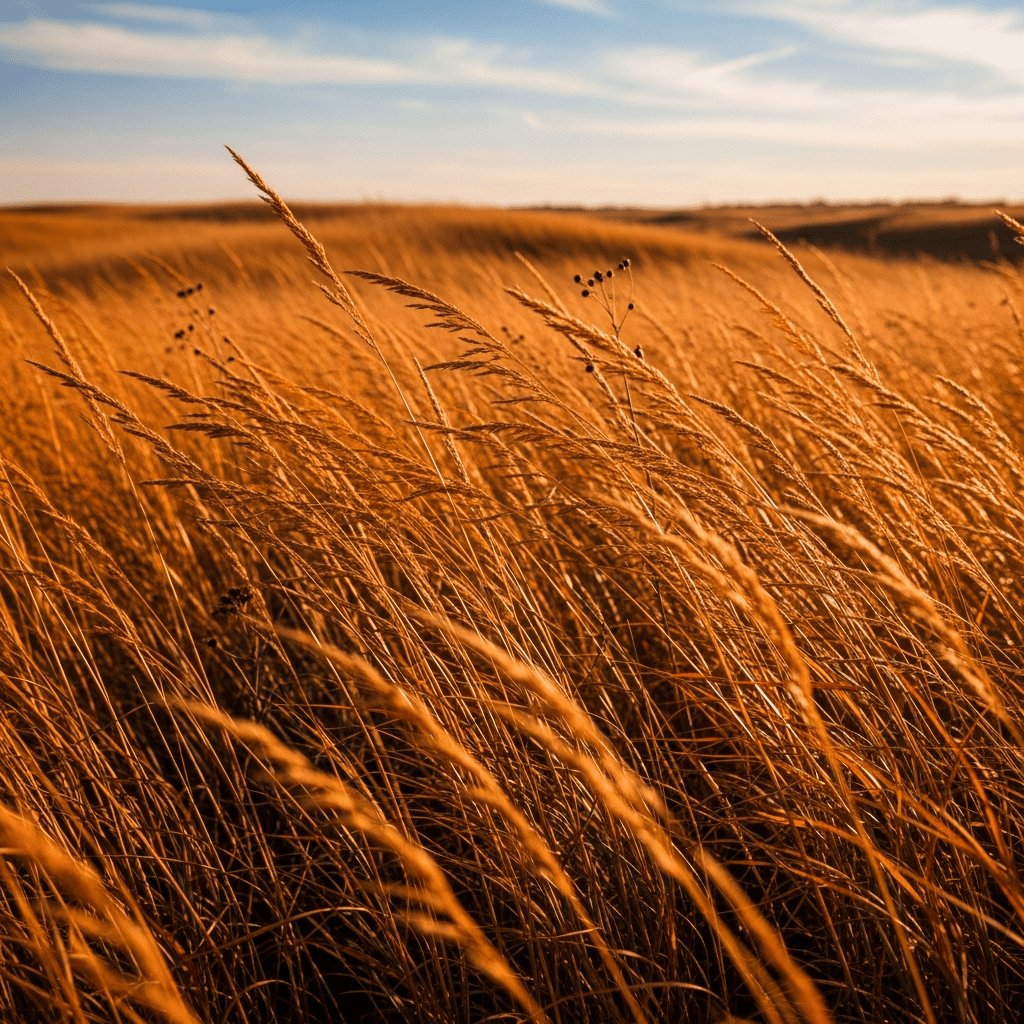
Little bluestem’s 2–4 foot tufts turn rusty fall in Zones 4–9, seeds for goldfinches, dense for nests/insects—my base planting stabilized soil, mimicking meadows per Wildflower Center. Full sun, dry soil, 18 inches—drought-no-water, cut late winter. Supports 100+ bugs for bird food.
Safety Note: Sharp seeds poke—gloves/pants for cutting; pollen allergies? Calm-day mask.
Step-by-Step Build: Let’s Make It Happen
Pick a sunny 6×6 spot away from paths, test pH (6.0–7.0), amend compost. Get three 6–8 foot untreated cedar/bamboo poles (2–3 inch dia)—saw/sand ends safe. Stand triangle, lash tops 12 inches with jute (10–15 wraps, knot), fan bases 4–5 feet, stake 12-inch for hold—level it. Dig holes root-wide (vines 6 inch, grasses 1–2), mix native soil, plant honeysuckle center, others circle 1–2 feet out. Water deep, 2-inch mulch (no volcano). Takes 2–4 hours; year-one blooms.
Rookie Pitfalls I’ve Dodged
Treated wood? Nope—leaches toxins to bugs/birds; untreated only. Overwater? Natives need just establishment; crowding breeds disease—space right. Skip soil prep? Test/amend or drainage fails. Ignore laws? Check locals for protected plants—enhance, don’t disrupt.
This tripod’s more than wood and plants—it’s a wildlife win that brings joy watching the action. Build safe, plant native, and your yard becomes a haven. You’ve got this!
Wildlife Wins: Gear up with PPE, lash untreated poles, layer natives like honeysuckle and milkweed for Zones 4–9 buzz—water initial, no chemicals for safe, thriving sanctuaries.
Quick-Fire FAQ
-
Beginner-friendly?
Totally—basic tools, 2–4 hours; my first was wobbly but birds loved it anyway.
-
Cost estimate?
$50–100 for poles/plants; source locals for deals—mine paid off in wildlife views.
-
Indoor alternative?
Scale down for pots on balconies; honeysuckle climbs small tripods fine.
-
Plant sourcing?
Native societies or nurseries—ensures purity; my Xerces picks boosted Monarchs.
-
Maintenance level?
Low—water first year, prune dormant; mine runs itself after.